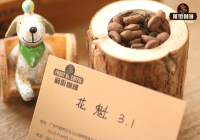
¥29.9 with Free Shipping! FrontStreet Coffee Seasonal Drip Coffee Bags - 5 Flavors, 10 Packs per Box! 20% Off on Butterfly and Zhushang Coffees
FrontStreet Coffee Seasonal Drip Coffee Bags
Ten packets per box, five different single-origin flavors - a trial price of 29.9 yuan with nationwide free shipping.
Limited-time offer, no purchase limit. (Promotion period: June 27-28.)
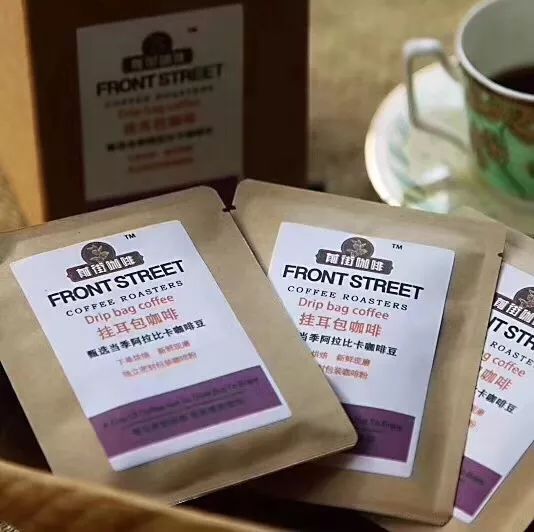
Each box contains ten packets covering five different flavors.
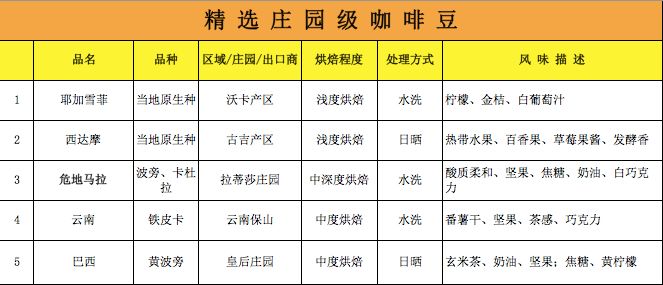
(Note: outside the promotional window, the seasonal drip coffee is sold in a single variety only.)
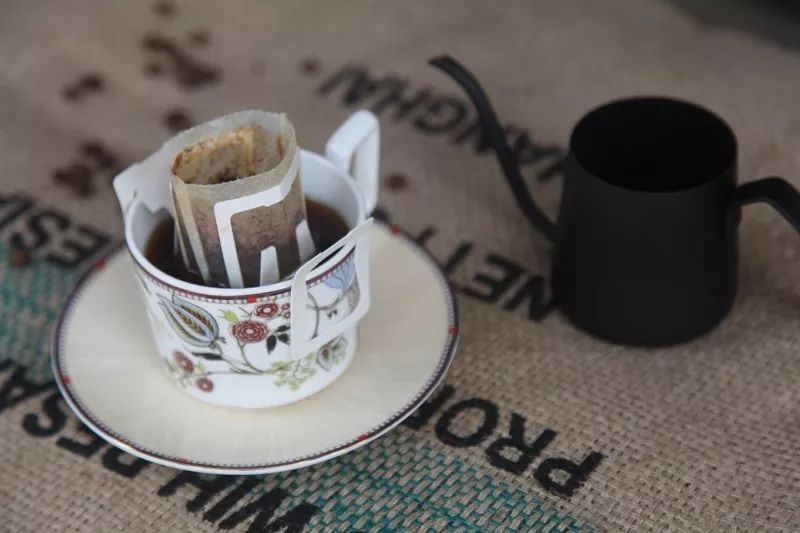
All you need is hot water to brew a delicious cup. Four simple steps: tear, hang, pour, remove.

Master those four steps and you can also make a genuinely good cold brew coffee at very low cost.
Store-wide Discounts
A 15 yuan store coupon on orders over 288 yuan, and a 10 yuan store coupon on orders over 199 yuan.
Single-Origin Beans at 20% Off
Panama Mariposa
Outstanding value for money.

Thanks to the distinctive genetics of the Mariposa variety, this coffee carries roughly 70% Geisha heritage. It is grown around the Baru Volcano in Boquete, Panama, at 1600 meters in volcanic soil. The mill applies meticulous washed processing alongside careful harvesting and refined handling, giving the cup outstanding body, acidity, and floral character. At a light-to-medium roast, Mariposa shows citrus and jasmine aromatics with flavors of peach, grape, caramel, and honey.
Region | Boquete, Panama
Altitude | 1600 meters
Varieties | Geisha, Caturra, Catuai
Processing | Washed
Mariposa after the 20% discount: 68 yuan for 227g
Ninety Plus Candied - Drima Zede

Drima Zede means "best approach" in the local dialect, and it is a dedicated series built on Ninety Plus's long track record in experimental processing. Traditional natural processing makes pure flavors hard to achieve, but with Ninety Plus's technical support, Drima Zede uses only hand-selected, fully ripe cherries. During natural drying the cherries are stirred constantly to keep the lot uniform. The result is a remarkably transparent, clean cup that shifts noticeably between hot and cold, with charming fruit, floral, and oak-barrel aromatics.
Region | SNNP, Sidama, Ethiopia (Ninety Plus)
Altitude | 1750-2000 meters
Varieties | Local heirloom varieties
Processing | Natural
Candied after discount: 72 yuan for 227g
Cherry Red
Yirgacheffe, Cherry Red.
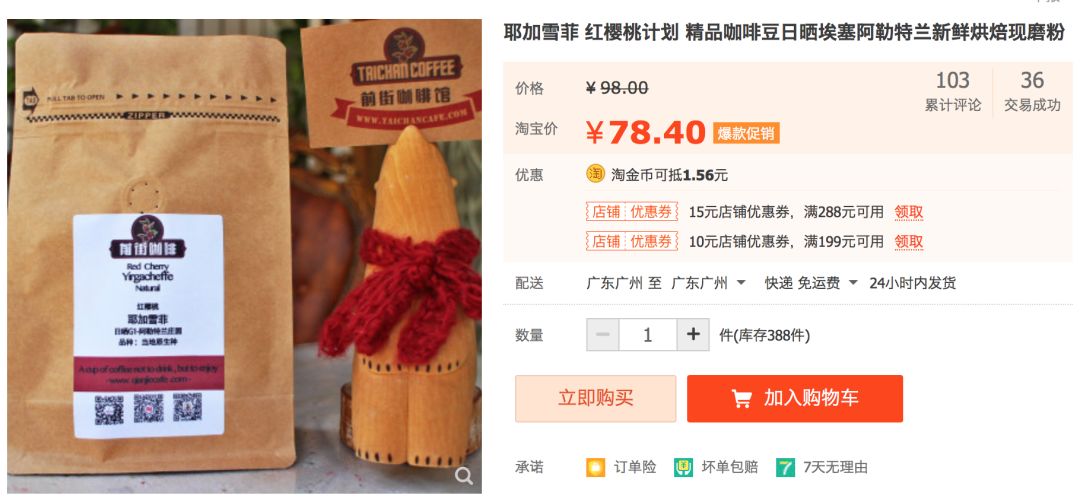
The Cherry Red Project sets harvest plans by microclimate zone and hand-picks the sweeter red cherries. After more than two weeks of natural drying, the dark brown beans are stored professionally until their flavors fully mature. The dry fragrance bursts with fruit - rich dried-fruit notes of strawberry, mango, and apricot jam. The wet aroma is like sweet syrup, reminiscent of thick apricot nectar wrapped in rustic honey or chocolate. On the palate it is gentle rather than intense: medium body, soft yet lively and bright acidity, like a fruit tea.
Region | Yirgacheffe, Ethiopia
Altitude | 1750-2000 meters
Varieties | Local heirloom varieties
Processing | Natural
Cherry Red after discount: 78.4 yuan for 227g
Gesha Village Gesha
Ethiopia, Gesha Village.
Gesha Village keeps strict control from the seed-selection stage onward. Seeds collected from the Gori Gesha forest, about 20 kilometers from the Gesha Village estate, were sent to professional institutions for genetic testing, which confirmed the forest as the original collection site of the Panama Geisha variety. By studying tree morphology, bean appearance and size, and cupping results, the estate identified the Gesha variety closest to today's Panama Geisha and began raising seedlings. At the 2017 Japan Barista Championship, Takayuki Ishitani won the title using beans from Gesha Village.
To highlight this bean's character and aroma, a light roast is used - the best way to show what Gesha Village does inherently. Expect citrus aromatics and intense tropical-fruit sweetness, with citrus, tropical fruit, ripe fruit, and berry notes plus a light fermented wine note in the sip. The acidity is clear and bright, the texture smooth; grape, maple syrup, and wild ginger layer over delicate fruit acidity for a clean, balanced mouthfeel and a long, lively fruity-sweet finish.
Region | Bench Maji
Altitude | 1900-2100 meters
Varieties | Gesha native variety
Processing | Natural
Gesha Village: original price 150 yuan, discounted to 120 yuan for 100g
(Due to limited quantity this lot is not listed separately; during the promotion it can be ordered directly.)
Yemen Mocha
Rare and precious.
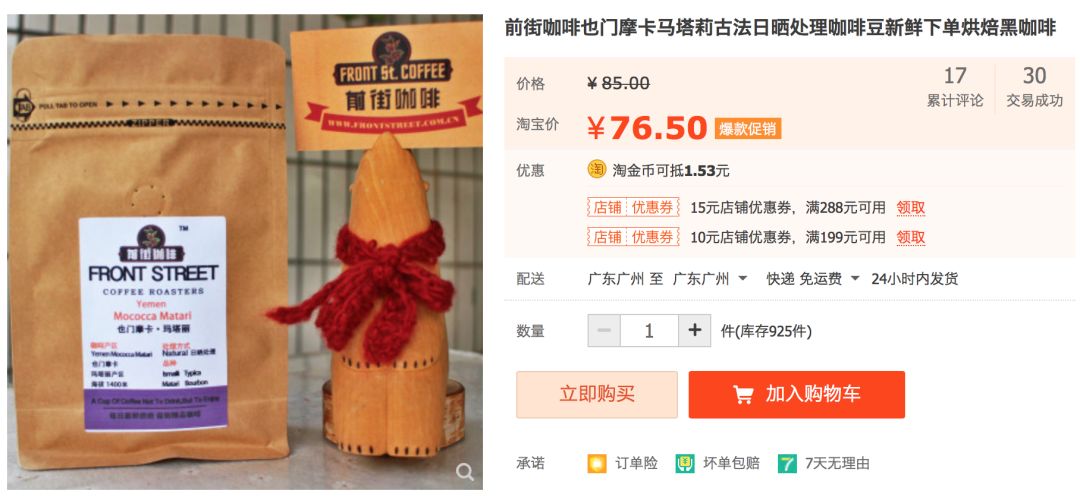
Yemen is the world's oldest home of cultivated Mocha coffee. Ongoing conflict and the local preference for growing khat have made its production scarce and highly sought after.
Yemen stands for the classic, old-school natural flavor - it is the only coffee-producing country where essentially all coffee is natural processed. Scarce water means farmers still cannot adopt modern washed methods. This traditional, water-free processing has captivated Europeans since the seventeenth century with its wild Mocha character: an aroma that surpasses even Harar coffee, releasing chocolate, caramel, and classic Mocha notes.
Region | Matari, Yemen Mocha
Altitude | 1300-1900 meters
Varieties | Typica, Bourbon
Processing | Natural / sun-dried
Yemen Mocha after discount: 76.5 yuan for 227g
How Much Do We Really Know About Specialty Coffee?
Every cup of black coffee has its own character. Here is a quick primer.
Origins Guide
Coffee origins fall broadly into three groups: Africa, Central and South America, and Asia with the islands.
African coffees: Ethiopian coffee is strongly citrus-driven, while Kenyan coffee is rich in berry notes, plum juice, grapefruit acidity, and sugarcane sweetness. The citrus of Yirgacheffe and Sidamo and the berries of Kenya are the great signatures of African beans - and what fascinates enthusiasts most.
Central and South American coffees: generally well balanced. Brazil offers nutty caramel sweetness; Costa Rica is mild and smooth, with acidity, sweetness, and chocolate in perfect balance; Panama delivers rich citrus, jasmine florals, almond and mango flavors, and nectar sweetness with bright, varied fruit acidity - remarkably close to Ethiopia's treasure bean, Yirgacheffe. Nicaragua's hallmark is a charming almond note and a mellow, rounded cup.
Asian and island coffees: heavier body than Latin American or African beans with lower acidity, showing wood, herbs, spices, and earth, with deep mellow aromas riding above the acidity. Island beans tend to be gentle and elegant. Mandheling is the most classic black coffee of the region.
Processing Guide
Turning coffee cherries into green beans generally follows three routes:
Traditional natural process, traditional washed process, and the methods in between - semi-washed (wet-hulled) and honey process.
Natural Process
The whole cherry is dried intact, producing higher sweetness and fermentation notes.
Washed Process
Skin, pulp, and mucilage are removed before drying, producing bright acidity and a clean taste.
Honey Process
Also called miel process: the pulp is removed but the mucilage is retained, and the beans dry with the parchment still attached.
Wet-hulling (giling basah) is common in Indonesia and differs from both washed and natural methods: the parchment is stripped off while the beans are still soft and moist, at a moisture content as high as 30-35%, exposing the green beans to finish drying in the open. The method evolved to cope with Sumatra's humid climate by speeding up drying.
Flavor Guide
Washed-process flavors:
Brazil: full, strong cup with a chocolate finish.
Colombia: lighter body, good balance, nutty flavors, fruity acidity in the aftertaste.
Indonesia Mandheling: earthy or smoky notes, bitter cocoa finish, thick body.
Ethiopia: citrus sweet-sour with a strawberry or blueberry aftertaste.
Kenya: clean cup, berry flavors, a hint of tomato-like acidity.
Jamaica Blue Mountain: balanced sweetness, acidity, and bitterness; mild, aromatic, smooth, with dark chocolate.
Brewing Guide
Practical water-to-coffee ratios:
Strong: 1:10 to 1:12
Medium: 1:13 to 1:15
Gold Cup standard: 1:16 to 1:18
Practical bloom times:
20 seconds - for medium-dark to dark roasts
25-30 seconds - for medium-strength, medium, and light-medium roasts
30 seconds and up - for light roasts
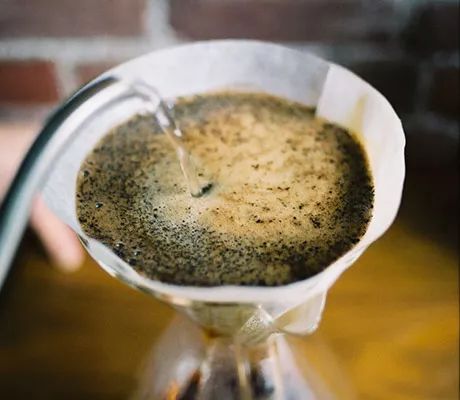
When pouring, aim at the center of the bed and spiral slowly outward, letting the hot water spread horizontally through the grounds to draw out the coffee's richness.
Storage Guide
Three storage principles: dry, dark, sealed.
The bean's resting period. Waiting for a coffee to reach its best tasting window is called resting (usually 3-4 days for single-origin filter beans, 7-10 days for espresso beans). It is much like wine needing a little oxidation after opening to turn smooth and layered: freshly roasted coffee can carry grassy, peasy notes that fade overnight, while properly rested beans show a fresh-baked-bread sweetness that makes them taste better.
Benefits Guide
1. Improves memory
2. Can support weight loss
3. Beneficial for liver health
4. Helps cleanse the digestive system
5. Promotes cardiovascular health
6. May help prevent gout
7. Associated with reduced cancer risk
8. Relieves stress and low mood
Drinking Coffee Is a Pleasure
Approach coffee with an attitude of enjoyment and relaxation, and you will keep understanding it more and more.


FrontStreet Coffee Recommendation
Since this seasonal drip-bag set is a great way to explore lighter-roast African coffees, here are two FrontStreet beans in the same flavor family - and both happen to make outstanding cold brew, which the four-step drip-bag method above can be adapted for.
- FrontStreet Natural Hongguang (Huakui) - from Ethiopia, the birthplace of coffee. Because the beans dry inside the whole cherry, they absorb a wealth of sweet compounds; cold brewing draws out magnolia blossom, creamy strawberry, dried mango, guava, and black tea notes. Cold extraction amplifies floral and fruit tones while toning down woody and roast flavors, so a light-medium roast like this one is the ideal pick.
- FrontStreet Yirgacheffe Guodingding (Worka Cooperative) - a washed Yirgacheffe with the bright, clean sweet-sour structure the region is famous for, at a friendly everyday price. It brews well by pour-over, siphon, French press, or cold brew, and as a cold extraction it shows sweet berry notes, good layering, and honey.
If you like the Cherry Red and Drima Zede profiles in this box, these two beans will feel right at home in your brewing rotation.
Important Notice :
FrontStreet Coffee is a long-established specialty coffee roaster in Guangzhou China, selling freshly roasted beans from its own farm in Yunnan as well as dozens of carefully selected single-origin beans from around the world for both pour-over and espresso. The products deliver consistently excellent quality and great value, with shipping within 24 hours. Guangzhou's FrontStreet Coffee shop is recommended by many coffee lovers, and the beans are now available online at the Tmall 。
FrontStreet Coffee has moved to a new address:
FrontStreet Coffee Address: 315,Donghua East Road,GuangZhou
Tel:020 38364473
 Scan and follow the En Gafei WeChat official account. Please indicate that the reprint comes from "En Gafei".