Cold Brew Coffee Tutorial: How to Make Incredibly Easy, Low-Cost Cold Brew Coffee at Home
A few years ago a novel, fashionable coffee-making method emerged in Europe and America: cold brew coffee. Simple, direct, easy to start, visually appealing and with short-term storage capability, its texture and flavor are also quite distinctive, and it quickly became popular worldwide. Many people believe cold brew must be complex, with numerous requirements. Little do they know that cold brew is actually one of the easiest coffees to make at home.
What exactly is cold brew coffee?
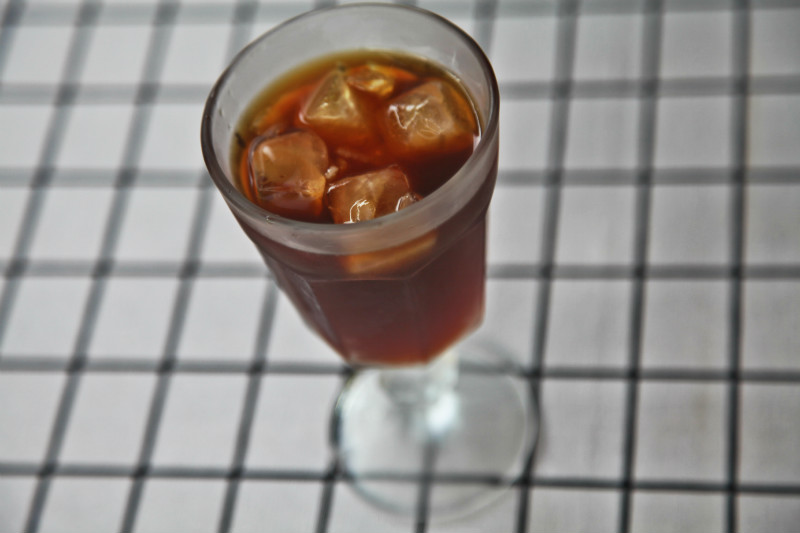
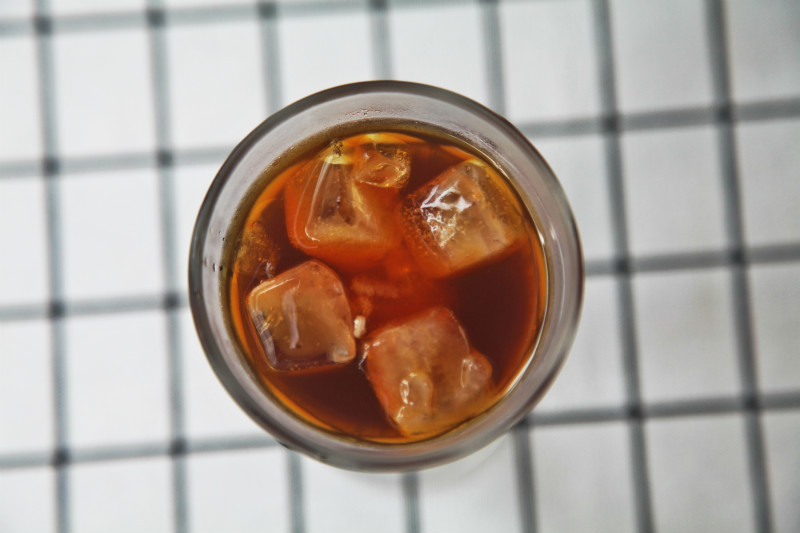
Cold brew coffee is like a good friend to iced coffee: they are the same coffee, but the production process and principles are completely different. Simply put, the biggest difference between the two is temperature. Iced coffee is regular brewed coffee with ice cubes added to cool it down. Cold brew coffee, as the name suggests, is coffee extracted with cold water. The two differ not only in how they are made but even in texture.
Let's first introduce the characteristics of cold brew coffee:
Sweeter taste:
Flavor molecules in coffee dissolve in a particular order: aromatic small molecules are extracted first, followed by bitter, heavy large molecules. When brewing with hot water, excessive bitter molecules are often dissolved because of improper temperature and time control, making the coffee unpleasant. Cold brew uses cold water for long extraction, dissolving mainly small molecules such as fruit acids and floral aromas. The taste is more fragrant and smooth and presents the best original flavor of the coffee. Being neither bitter nor astringent is the main reason many people love cold brew.
Long-lasting storage:
Any food becomes perishable after heating, because the molecular structure is destroyed. Hot-brewed coffee has an extremely short freshness window: its taste starts to deteriorate after more than 45 minutes. Cold brew has not undergone heating, so its freshness lasts much longer. After extraction it can stay fresh in the refrigerator for up to two weeks, and the fermentation process creates different layers of mellow flavor as it changes. It is generally recommended to refrigerate the extracted cold brew for 1-3 days before drinking for better flavor.
Gentle on the stomach:
Many people with sensitive stomachs avoid coffee because of the stomach pain regular coffee causes. Cold brew contains fewer of the irritating molecules found in hot-extracted coffee, making it gentle, smooth and easy on the stomach, a relatively healthy choice.
Contains more caffeine:
Although caffeine is extracted more easily at high temperatures, cold brew uses a much longer contact time between grounds and water, with a larger ratio, and soaking extracts more evenly. Cold brew therefore definitely has sufficient caffeine content.
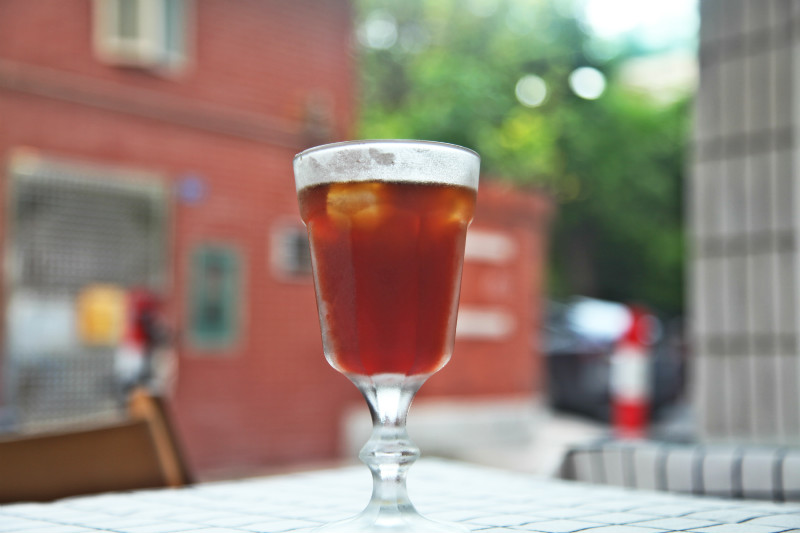
Next, I'll teach you how to make delicious cold brew coffee in an incredibly simple way!
With just 3 steps, simple tools and very affordable ingredients, you can make your own summer cold brew coffee.
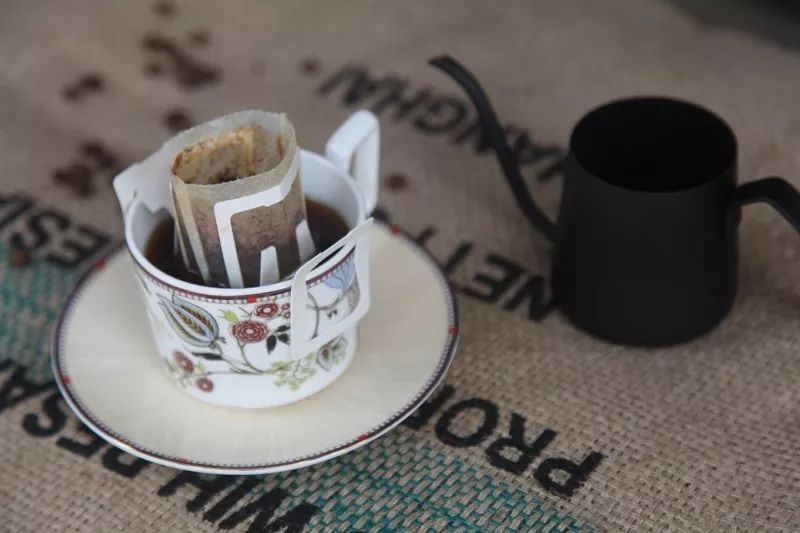
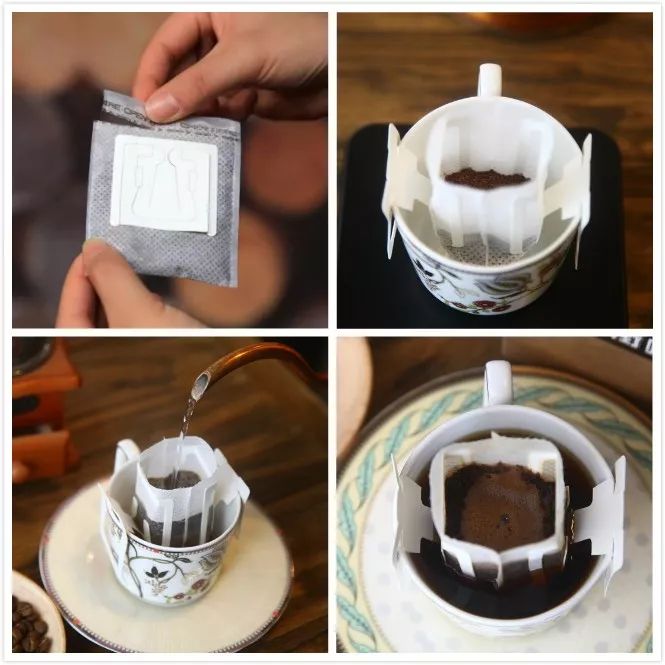
Step 1: Prepare two drip coffee bags
Grind size is really troublesome: fresh grinding requires preparing a grinder first, which is too costly. At this point, just two fresh drip coffee bags can easily meet the requirements for making cold brew. Simple and affordable.
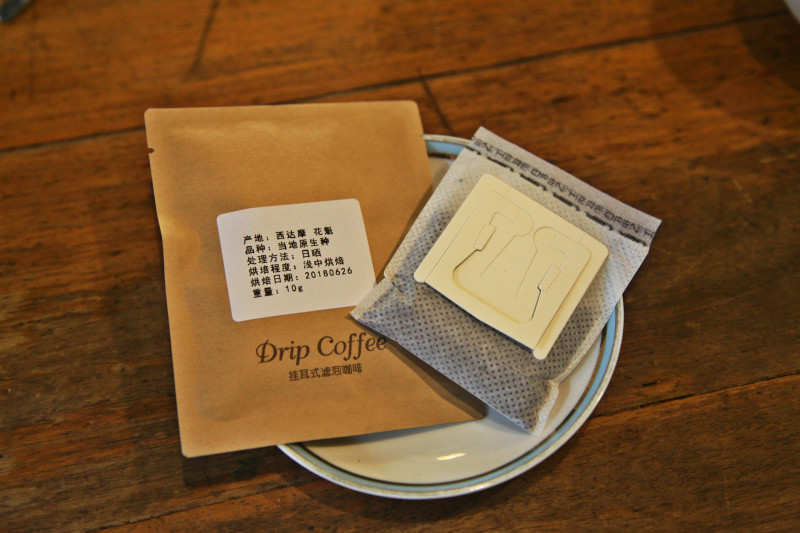
Why two drip coffee bags? Because cold brew extraction is relatively slow and extracts less substance than hot-water extraction, the ratio of grounds to water needs to be larger, usually around 1:10. That means one drip bag (10g of grounds) with about 100g of water, and considering that the grounds absorb water, you might get only about 80g of cold brew coffee. After waiting so long, of course you'd want to make more at once.
Step 2: Soak and refrigerate
Prepare a container, any material will do: plastic, glass, ceramic and so on. Whether it has a lid isn't important, but make sure it is deep enough to hold the coffee and water. First, open the drip bag and pour the grounds into the container (don't throw away the filter bag, it will be useful), then add cold water, preferably ice water below 5°C. The reason was mentioned above: low-temperature extraction is the specialty of cold brew. Extracting with 4°C water versus 24°C water will give you different tastes.
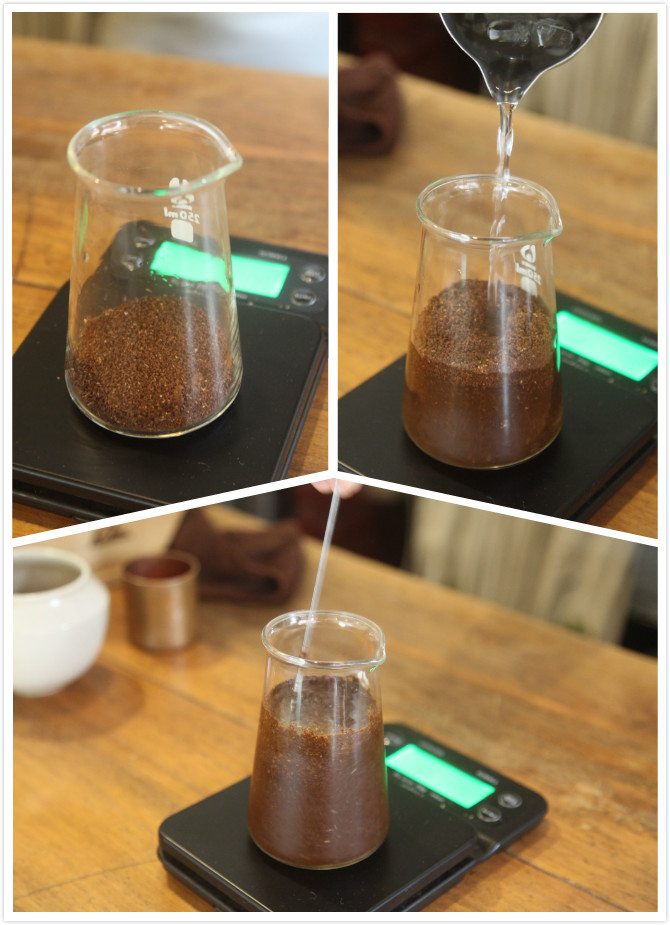
Stir gently and make sure all the grounds are moist and soaked. Then place in the refrigerator to soak for 12 hours. The soaking time is very important. Insufficient time will result in under-extraction and weak flavor, while too long means you'll wait a very long time.
Step 3: Filter
After a full 12 hours of waiting, the coffee soaking extraction is finally complete.
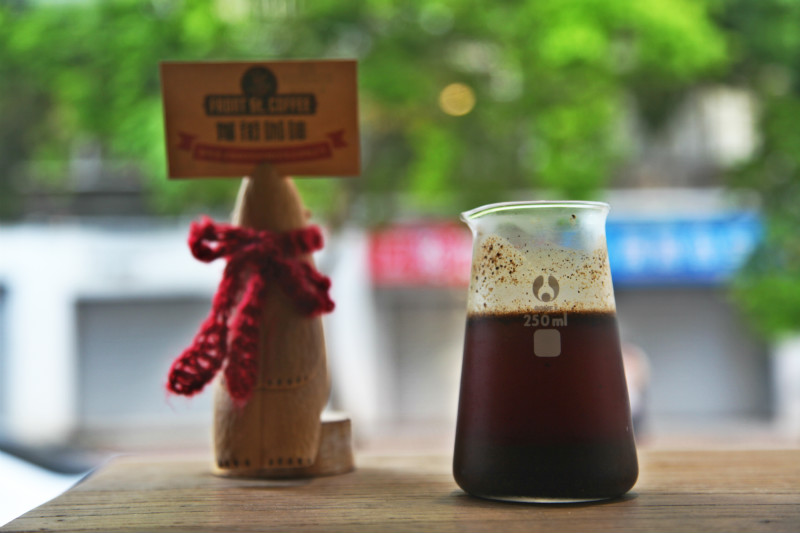
At this point you need to prepare a cup to hold the cold brew coffee. You didn't throw away the filter bag from earlier, did you? Pour the extracted cold brew into the filter bag to separate the grounds. Wait until it is completely filtered, and you'll have your own cold brew coffee.
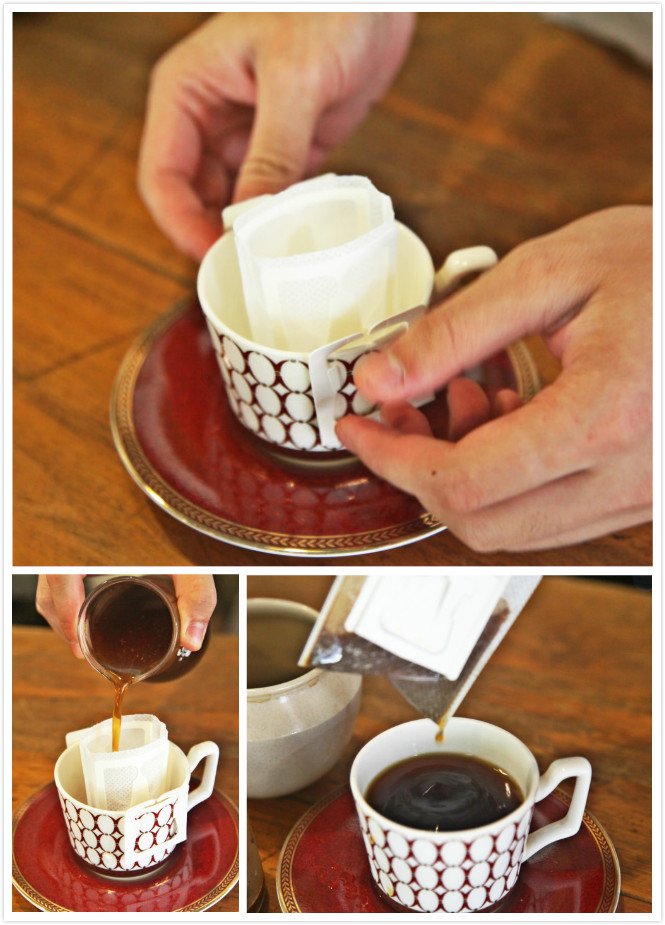
And just like that, with this super simple method, you can have delicious cold brew coffee. What's more, it can be refrigerated for up to two weeks. You can add ice to adjust the concentration, or add milk or other flavorings you like.
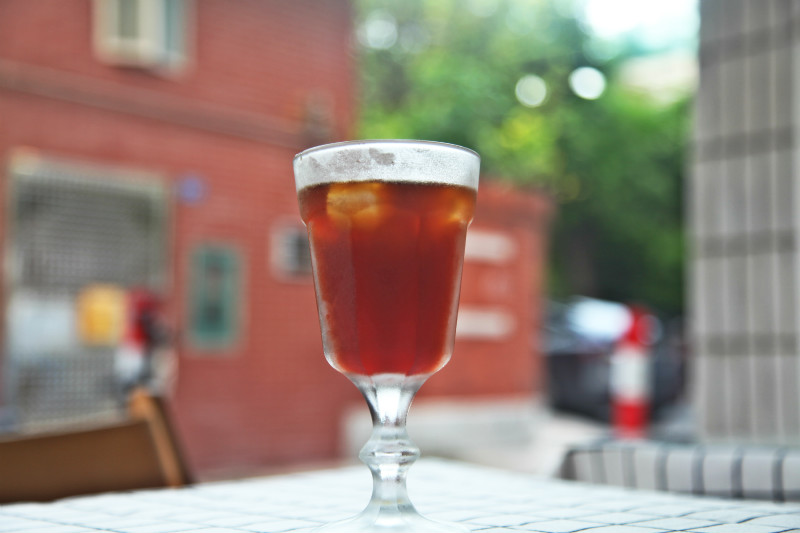
Slow work yields fine results. Cold brew coffee is like the essence extracted by time: every drop is precious. Whether for cooling off or trying something new, if you love coffee you absolutely cannot miss the wonderful taste of cold brew coffee.
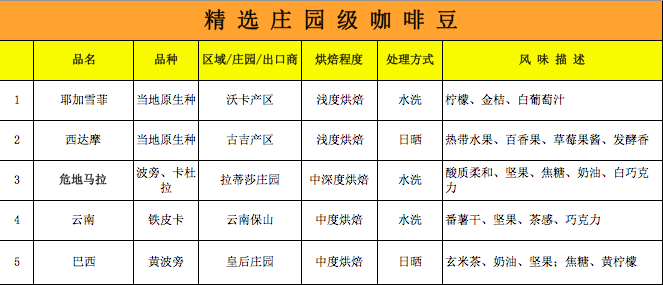
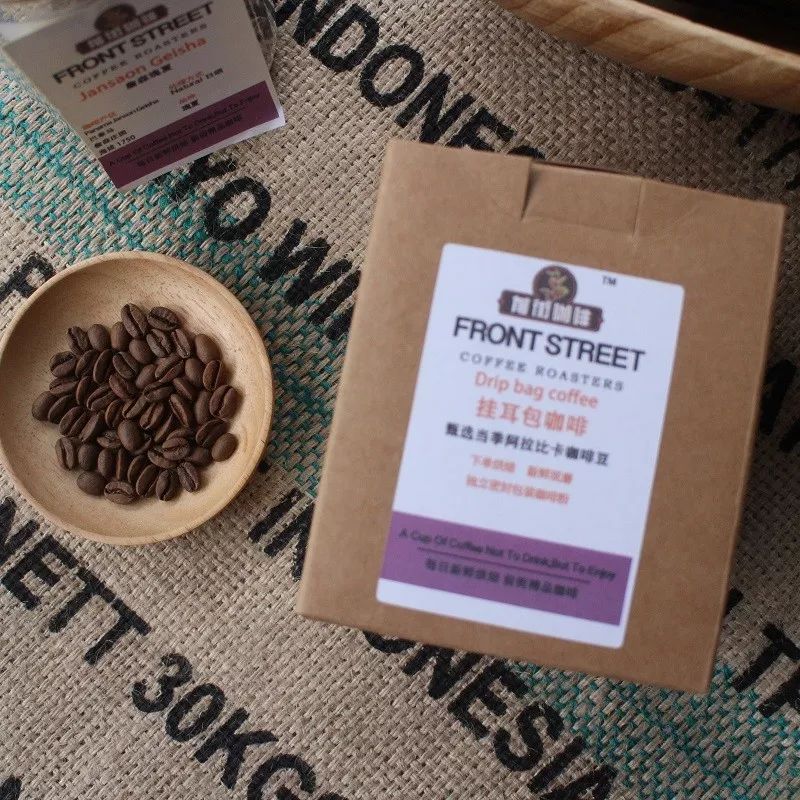
FrontStreet Coffee Recommendation
Cold brew strengthens floral and fruity notes while muting woody and roasted flavors, so light to medium roasts show best. FrontStreet's Strawberry Candy is a Geisha blend that pairs the most representative Panama Geisha with a Costa Rican honey-processed coffee: one supplies delicate rose and orange notes, the other the grape, dried blueberry and strawberry-gummy sweetness, so the cold brew is sweet-sour, lively and lifted, and with a little fermentation and settling it even takes on a fruity-wine texture. For a floral-forward cold brew, FrontStreet's Huakui comes from the birthplace of coffee, Ethiopia, and because it is naturally processed the beans absorb plenty of sweet aromatic compounds from the pulp and skin; brewed cold it shows magnolia, cream strawberry, dried mango, guava and black tea notes. If you want a full, juicy body, FrontStreet's Kenya Little Tomato brings cherry tomato, snow pear, black plum and smoked plum sweet-sour notes that shine under low-temperature extraction, with low bitterness and a full acidity that stays refreshing over ice and leaves a lasting aroma. It comes from Kenya's Thika region, using the SL28 and SL34 varieties and the region's distinctive K72 double-washing process, so a medium-light roast turns its aroma precursors into complex fruit character. FrontStreet's Colombia Sidra is another good option for cold brew: grown at 1,650-1,800 meters and processed as a double anaerobic natural with a medium-light roast, it offers passion fruit, blueberry, grape and apricot juice, gentle bright acidity, a hint of spice in the middle and a long cocoa finish, and a cold brew or iced pour-over brings out a clean, smooth grape-juice quality.
Important Notice :
FrontStreet Coffee is a long-established specialty coffee roaster in Guangzhou China, selling freshly roasted beans from its own farm in Yunnan as well as dozens of carefully selected single-origin beans from around the world for both pour-over and espresso. The products deliver consistently excellent quality and great value, with shipping within 24 hours. Guangzhou's FrontStreet Coffee shop is recommended by many coffee lovers, and the beans are now available online at the Tmall 。
FrontStreet Coffee has moved to a new address:
FrontStreet Coffee Address: 315,Donghua East Road,GuangZhou
Tel:020 38364473
 Scan and follow the En Gafei WeChat official account. Please indicate that the reprint comes from "En Gafei".