Pour-Over Coffee Three-Stage Extraction: Timing, Ratios, and Flavor Adjustment

The three-stage pour is one of the most reliable ways to brew a balanced hand-poured coffee, and the timing of the second and third pours is what separates a good cup from a mediocre one.
What is the Three-Stage Pour-Over Method?
This is a relatively common brewing method. Simply put, it divides the entire pouring process into 3 parts, starting with the first-stage bloom pour, which is also a brewing method favored by FrontStreet Coffee. Taking FrontStreet Coffee's Colombian Huila washed Caturra as an example, FrontStreet Coffee uses the following parameters: 15 grams of coffee grounds as standard, a coffee-to-water ratio of 1:15, water temperature of 88°C, a medium-coarse grind size with a 65% pass rate through a #20 standard sieve.
Brewing Process
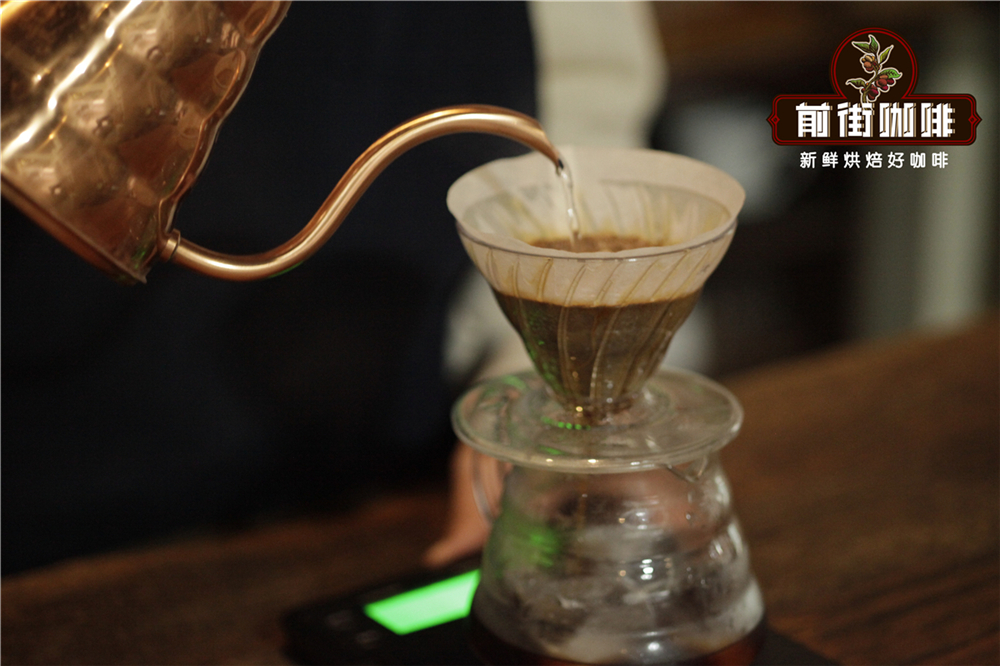
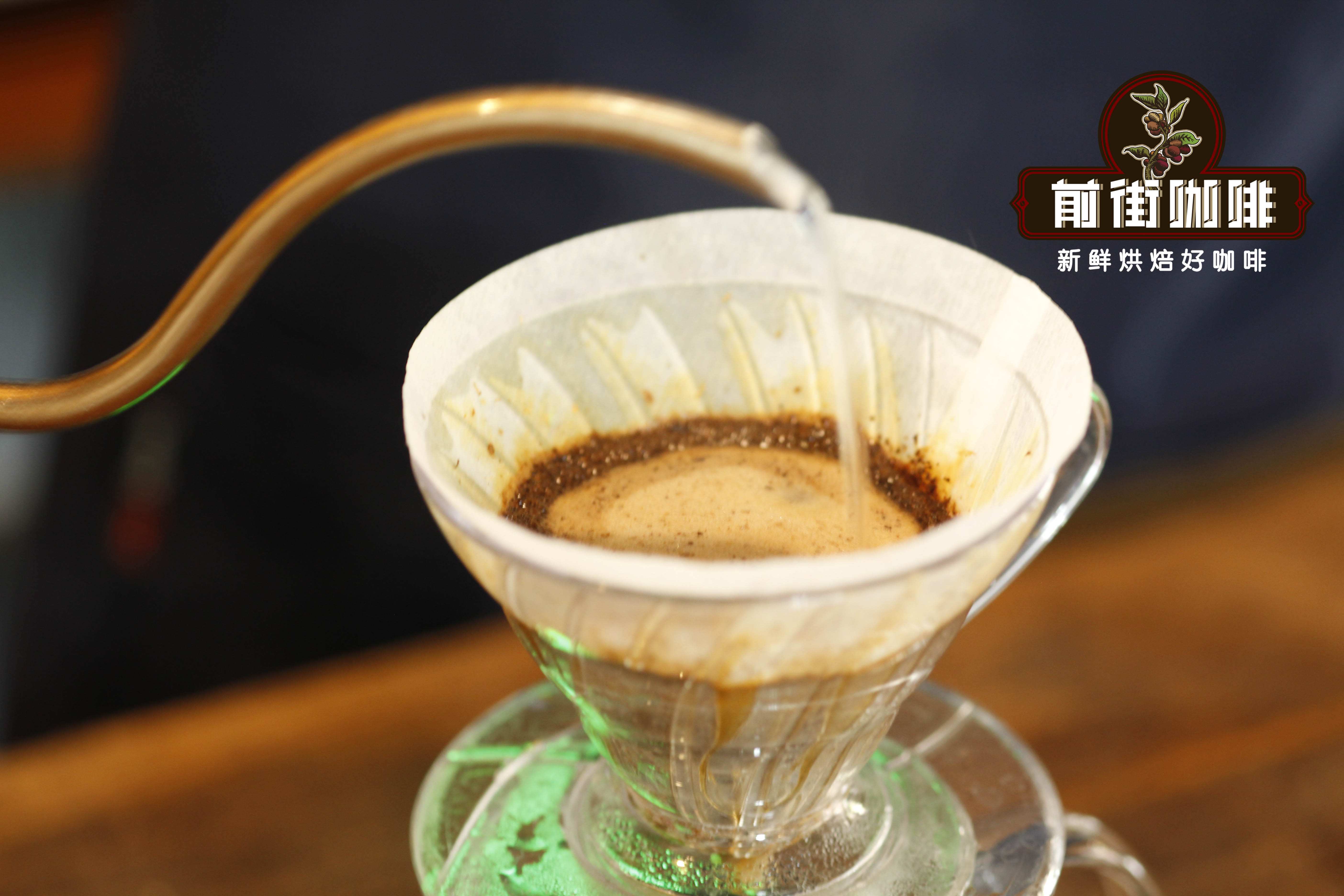
First, make all preparations (warm the filter cup and server, grind the coffee, prepare water at the appropriate temperature), then pour in the coffee grounds. Begin the first pour while starting the timer. Pour 30 grams of hot water from the center outward in a circular motion. The coffee grounds will slowly absorb water and expand, forming a puffed-up "coffee burger."
Stop pouring when you reach 30 grams of water and wait for a 30-second bloom time. Starting from the 31st second shown on the electronic scale, begin the second pour. Pour water from the center outward in a circular motion, keeping the water flow stable and vertical. When the water column hits the coffee bed, foam will appear. This brewing stage allows the coffee foam to release and spread across the entire surface of the grounds. The liquid level rises to the base of the filter cup's ribs. This stage uses 100 grams of water.
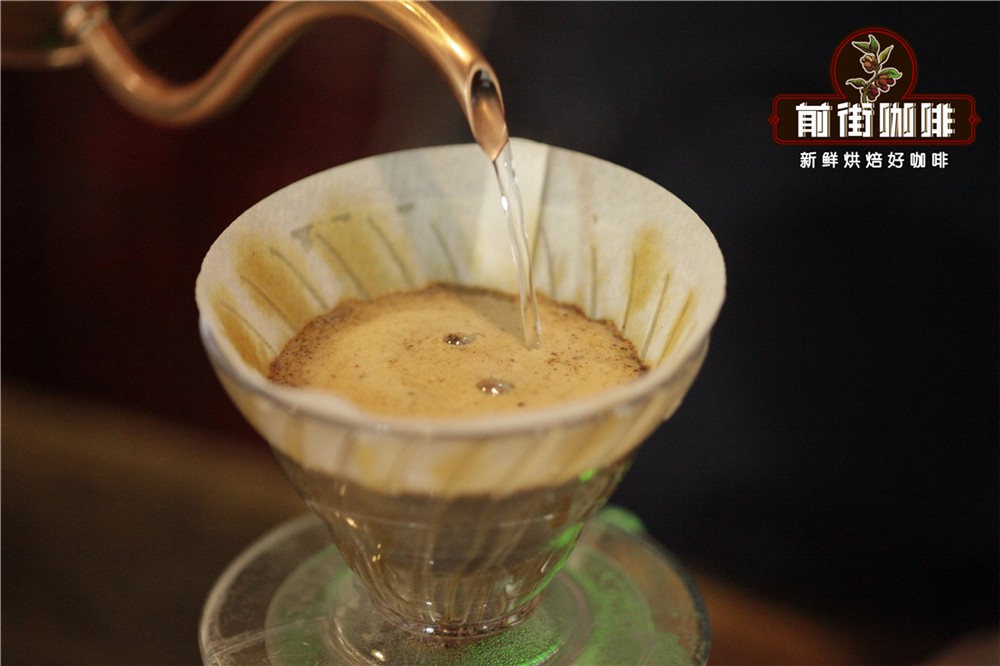
When the liquid level drops to the halfway point, begin the final pour. This stage also pours 95 grams of water from the center outward in a "smelling" circular motion. The original dark brown foam transforms into light yellow coffee foam, and the liquid level returns to the same height as after the second pour. Once all the coffee liquid has flowed into the server, remove the filter cup to complete extraction.
How to Determine When to Pour Again?
The three-stage pour has two re-pouring points: the second and third stages. The timing for the second pour is very easy to grasp, typically 30 seconds after the bloom. The third pour is more difficult to master because there is no fixed time point. FrontStreet Coffee usually waits until the water level drops to 1/2 or 2/3 before pouring again.
When the water level drops to 1/2 or 2/3, the filter cup won't hold too much water, nor will it expose the coffee bed through an excessive drop in water level, which would lead to uneven extraction of the upper and lower coffee grounds.
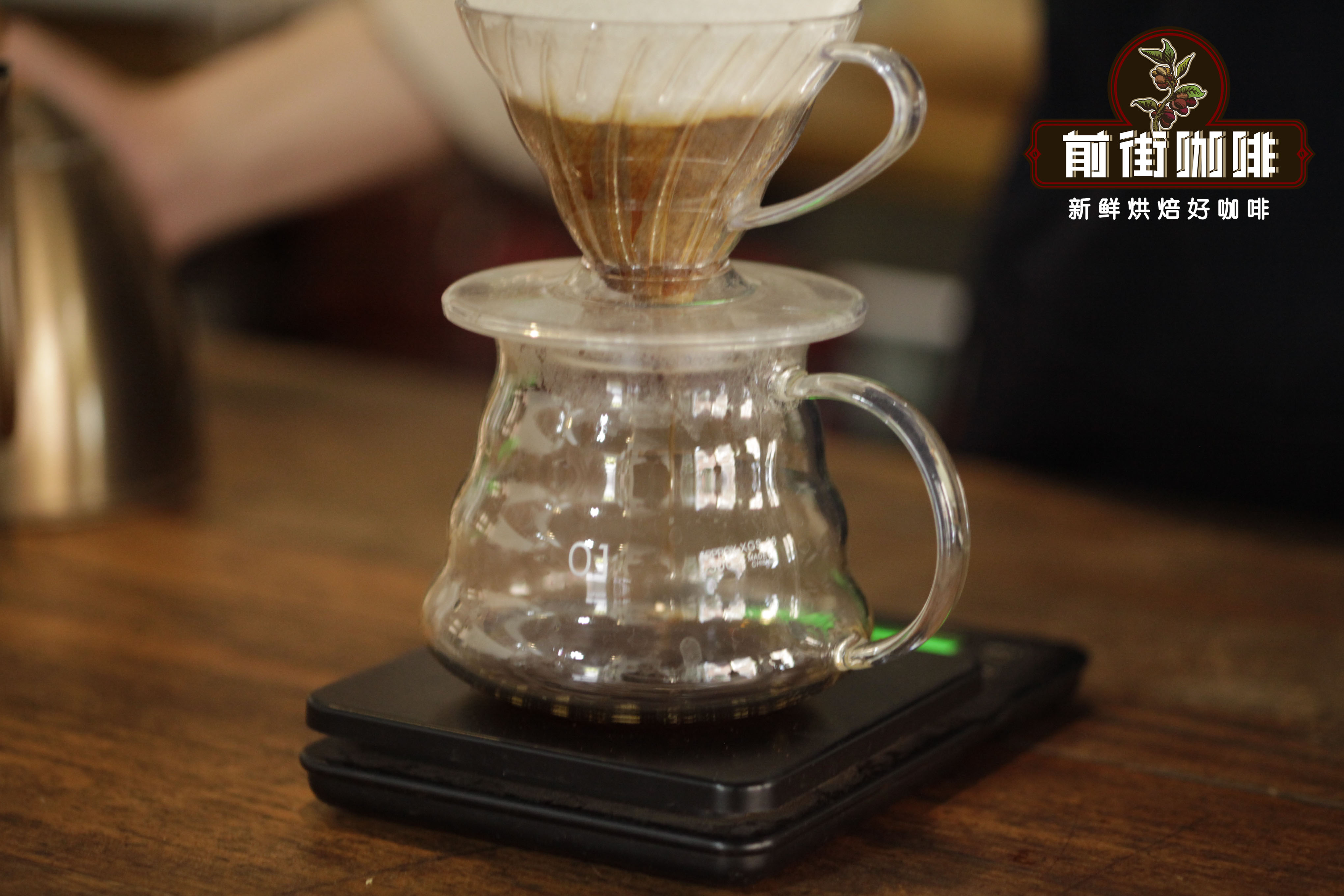
After the water level drops, the water flow can penetrate the remaining water directly to stir the lower grounds layer. If the water level is too high, the impact force of the water column will be insufficient, causing over-extraction of the upper coffee grounds while the lower grounds stay under-extracted.
What are the Advantages of Three-Stage Extraction?
Enhanced Coffee Flavor
During extraction, it can more fully extract the flavor compounds from the coffee, enhancing the layered complexity of the cup.
Strong Compatibility
It can effectively express the flavors of most coffees across different origins and roast levels.
For the brewer, if you initially pour too much water and notice the water level rising too quickly, you can adopt a staged approach, extending the brewing time to allow the water level to drop before continuing. This can avoid under-extraction caused by water flowing too quickly.
In fact, the staged method also allows for better identification of the flavor characteristics of each segment of coffee liquid, enabling adjustments to your brewing recipe. FrontStreet Coffee divides one cup into three segments, front, middle and back, then compares their respective flavors to find the ratio that suits personal preference.
For this demonstration, FrontStreet Coffee selected FrontStreet Coffee's Colombian Rose Valley, keeping the brewing method as consistent as normal hand-pour brewing. The brewing parameters are as follows:
Coffee amount: 20g
Coffee-to-water ratio: 1:15
Grind size: Medium-fine (78% pass rate through #20 standard sieve)
Water temperature: 91°C
You also need to prepare 3 identical servers of the same specification to better observe the color of the coffee liquid. This time we used 20g of coffee grounds, so the corresponding proportion should inject 300g of water. According to previous Coffee Laboratory experiments, 20g of coffee grounds will absorb approximately 40g of water, so the actual brewed coffee liquid is about 260g. Divided equally into 3 portions, each portion is approximately 86.6g.
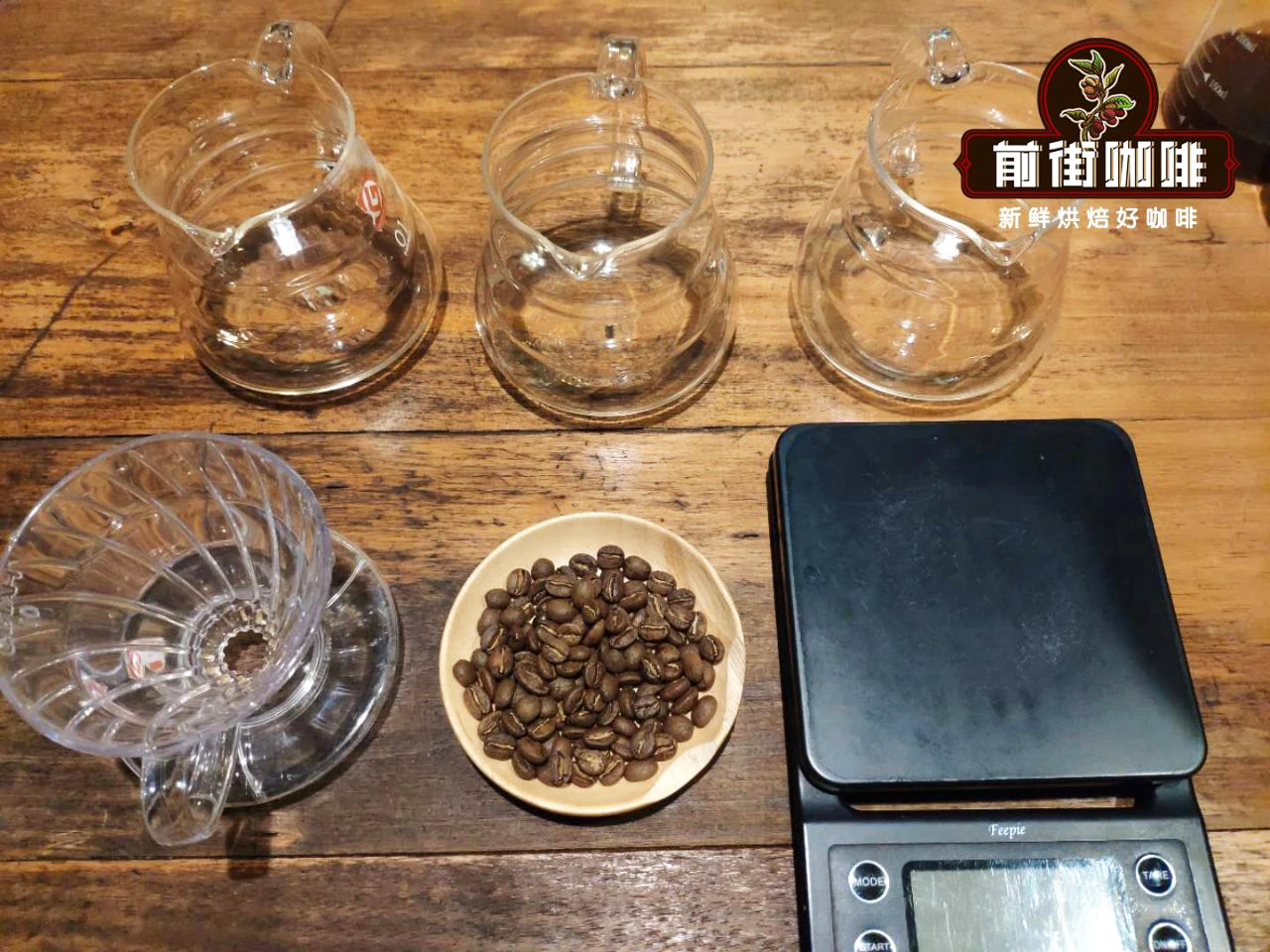
Now, pick up your pour-over kettle and begin the experiment. First, pour 40g of water for a 30-second bloom. Then reset the electronic scale to zero and pour 86.6g of water. Wait until all the coffee liquid flows into the server, then switch to a new server and reset the scale to zero. Continue pouring 86.6g of water, wait until all the coffee liquid flows into the server, switch to a new server and reset the scale to zero. Finally, pour the last 86.6g of water and wait until all the coffee liquid flows into the server.
This way, we obtain 3 equal portions of coffee liquid. Observing the colors of these three portions, we can clearly see that the front, middle and back segments gradually change from dark to light, with concentration naturally going from strong to weak.
The following are personal tasting notes from this experiment bean, for reference only:
Front segment: Concentrated, stimulating, sharp acidity, rich
Middle segment: Gentle fruit acidity, honey, cocoa, overall very light
Back segment: Watery, sugar water, sweet aftertaste, faint floral aroma
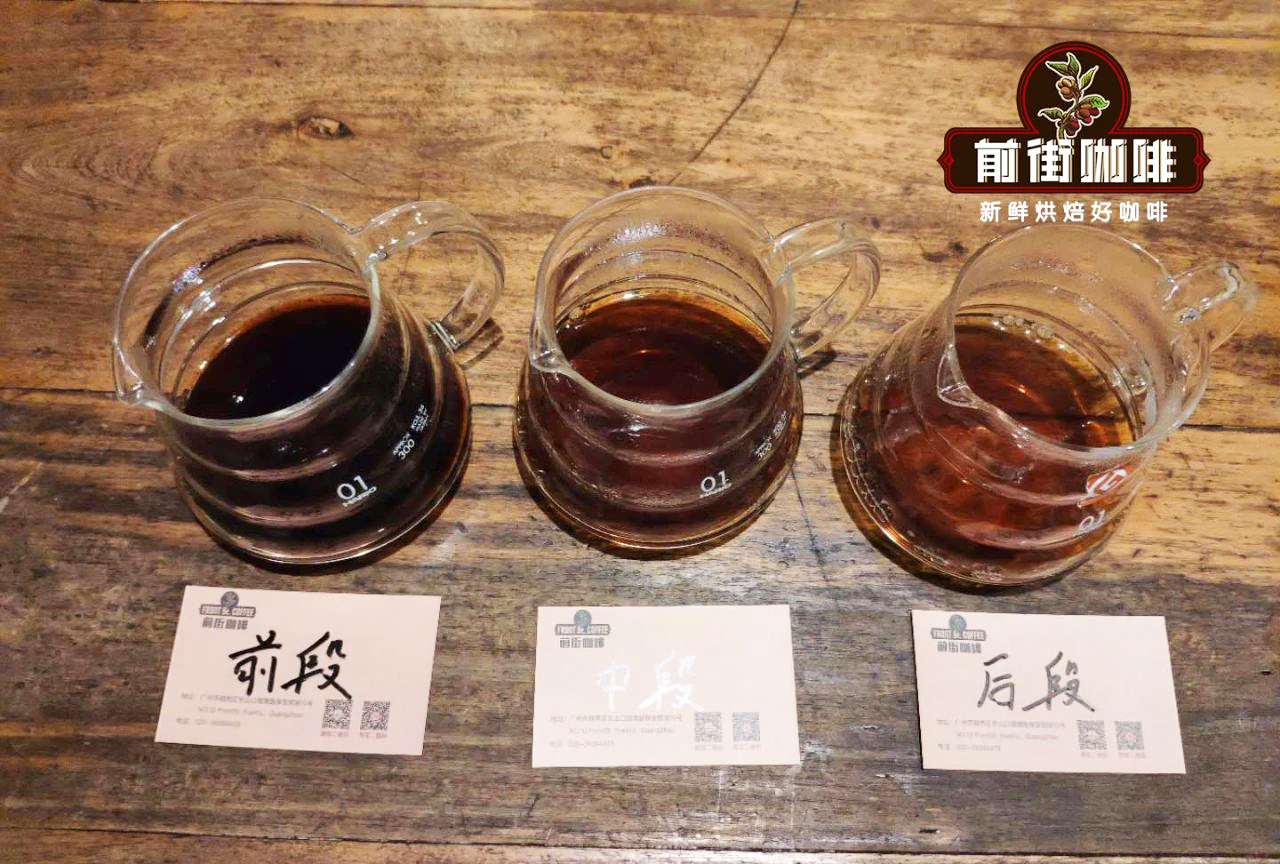
It is clear that the front segment extracts most of the coffee's flavors, but the concentration is too high to distinguish individual notes, with an overall acidic tendency. The middle segment is more complex, containing acidity, sweetness and bitterness, with sweetness as the dominant note. The back segment is basically watery with a subtle taste of water, but it highlights the aroma.
In addition to tasting each portion individually, you can also mix the front and middle segments, the front and back segments, or all three in fixed ratios to achieve your preferred flavor, and thereby adjust your pour ratios. For example, when these three portions were mixed in a 1:1:1 ratio, the result was a complete Rose Valley flavor.
The difference between this experiment and normal brewing is that after each pour, you must wait for all the coffee liquid to flow out before continuing. The brewing time will therefore be longer. However, this method allows you to clearly judge the coffee flavor after each pour, enabling you to adjust your pour distribution scheme. Besides helping you formulate brewing recipes, this method can also help you identify which segment contains defective flavors. If you use your usual brewing method on a bean and detect defective flavors, you can use this method to divide it into several portions and identify which segment holds the defect, then adjust your brewing accordingly.
Beyond the technique itself, the bean in the dripper matters just as much, and FrontStreet Coffee roasts several Colombian single origins that suit this staged approach.
FrontStreet Coffee Recommendation
FrontStreet Coffee's Colombian Huila is a washed single origin from the Huila department in the southern Central Cordillera, Colombia's most famous specialty region, where coffee is grown above 1500 meters among mountains fed by the country's most important rivers. It is medium-dark roasted, which brings out dark chocolate and nutty sweetness, moderate oils and a full body, and it works well as pour-over, French press, moka pot or espresso machine, making Americanos and lattes with equal ease.
If you want something more fruit-driven for the staged method, the Colombia Sidra from Finca La Linea is processed anaerobically as a natural, which transforms the cup into tropical fruit aromas. Medium-light roasted, it shows passion fruit, grape, apricot and dried fruit when brewed as pour-over, cold brew, drip bag or moka pot. Either bean will let you taste exactly how the front, middle and back segments of a three-stage pour differ.
Important Notice :
FrontStreet Coffee is a long-established specialty coffee roaster in Guangzhou China, selling freshly roasted beans from its own farm in Yunnan as well as dozens of carefully selected single-origin beans from around the world for both pour-over and espresso. The products deliver consistently excellent quality and great value, with shipping within 24 hours. Guangzhou's FrontStreet Coffee shop is recommended by many coffee lovers, and the beans are now available online at the Tmall 。
FrontStreet Coffee has moved to a new address:
FrontStreet Coffee Address: 315,Donghua East Road,GuangZhou
Tel:020 38364473
 Scan and follow the En Gafei WeChat official account. Please indicate that the reprint comes from "En Gafei".