Key Considerations in Espresso Making Process? How to Make Delicious SOE Espresso?
Introduction
Making espresso is the most fundamental skill for every barista. The operation may look easy, yet it drives many novice baristas to distraction. Beyond extraction time, pressure, water temperature, grind size, and coffee-to-water ratio, small operational details also shape the result. FrontStreet Coffee would like to share a few details baristas need to watch when pulling espresso.
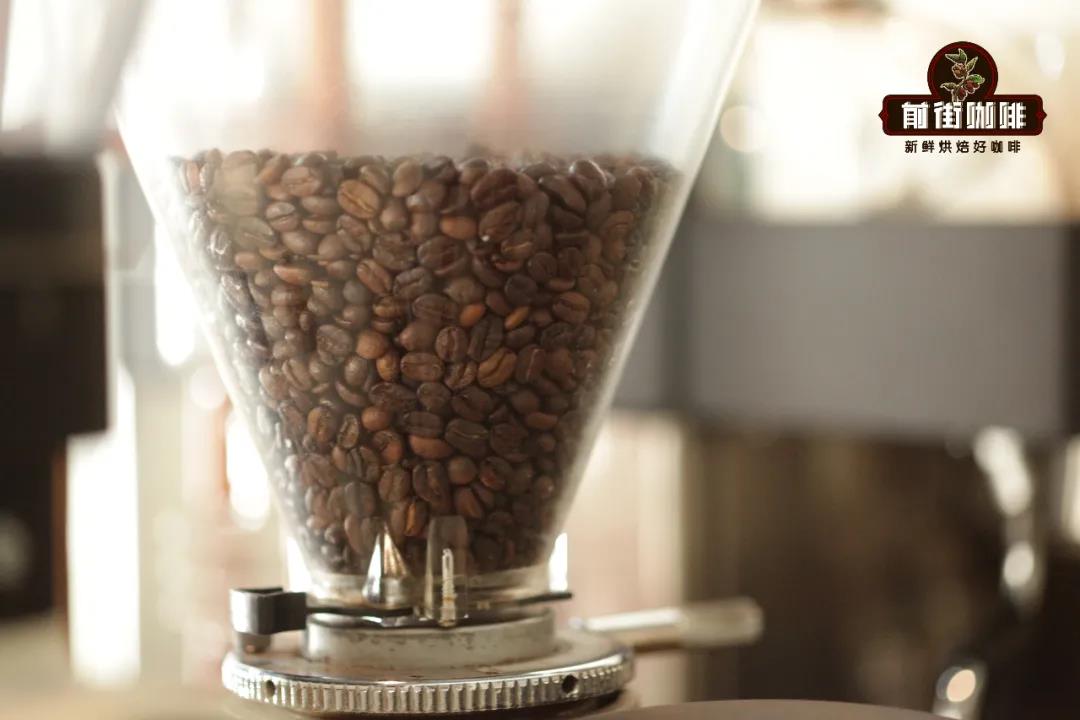
Amount of Beans in the Hopper
When the bean hopper is full, the beans are under pressure during grinding, which produces finer grounds. Conversely, if there are too few beans in the hopper, the beans have enough space to move around and "bounce" during grinding, producing coarser or unevenly ground coffee. FrontStreet Coffee suggests keeping the espresso hopper about 2/3 full, and never less than 1/3.
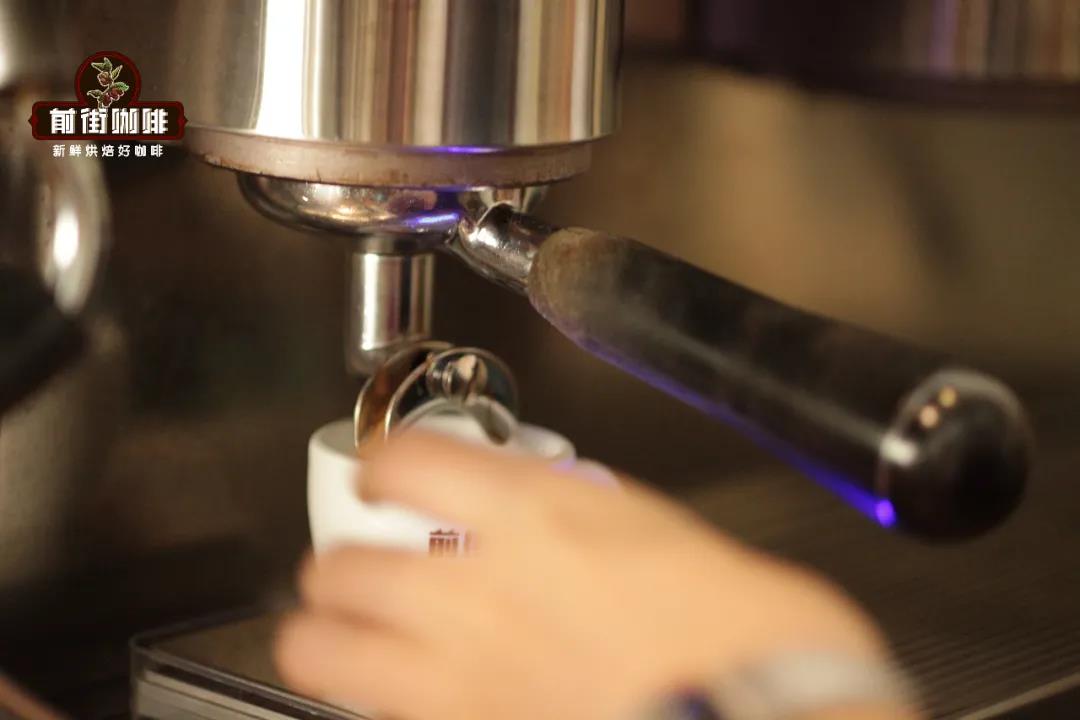
Residue in the Grinder
Whether it's the spout or the powder chamber, if too much time has passed since the last grind, the flavor of the grounds sitting in the exit channel or chamber will have faded badly. When fresh grounds mix with old ones for extraction, the coffee tastes uneven and, in severe cases, turns bitter.
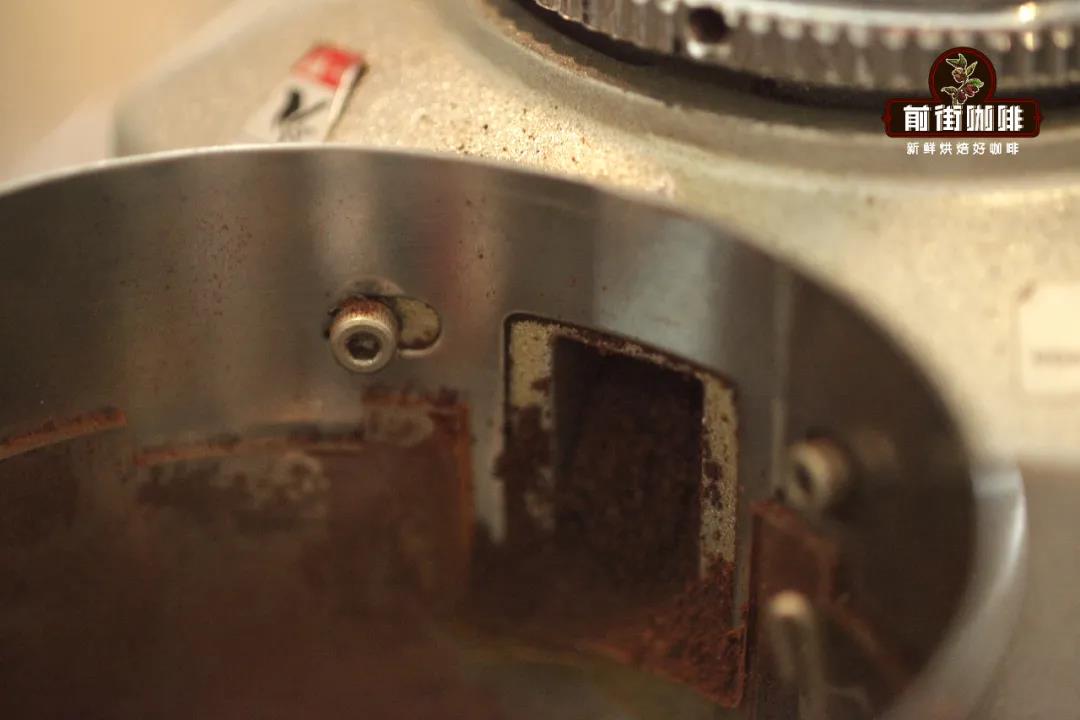
So if the grinder hasn't been used for more than 15 minutes, use a tool to clear the grounds from the channel, or start the grinder and let the following grounds push out the previous ones, then discard them and grind again to collect fresh grounds.
Temperature of the Portafilter Basket
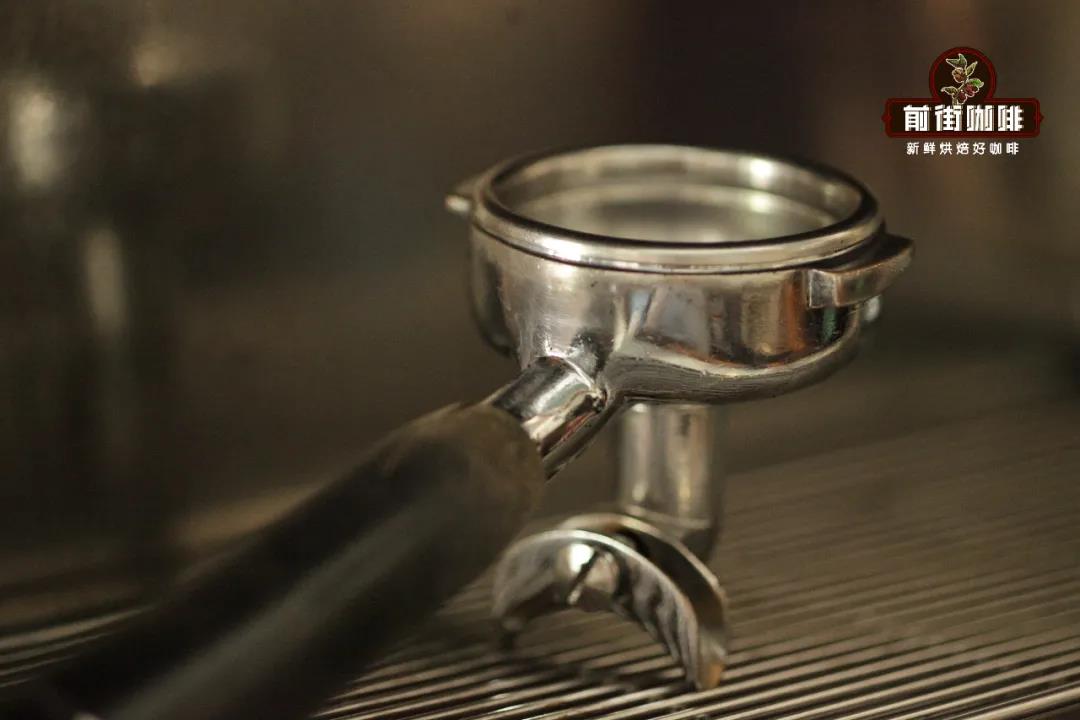
A hot portafilter basket accelerates the evaporation of the grounds' aroma, so when the portafilter is "resting," it doesn't need to be locked onto the group head - it can simply sit at room temperature.
Dryness of the Portafilter Basket
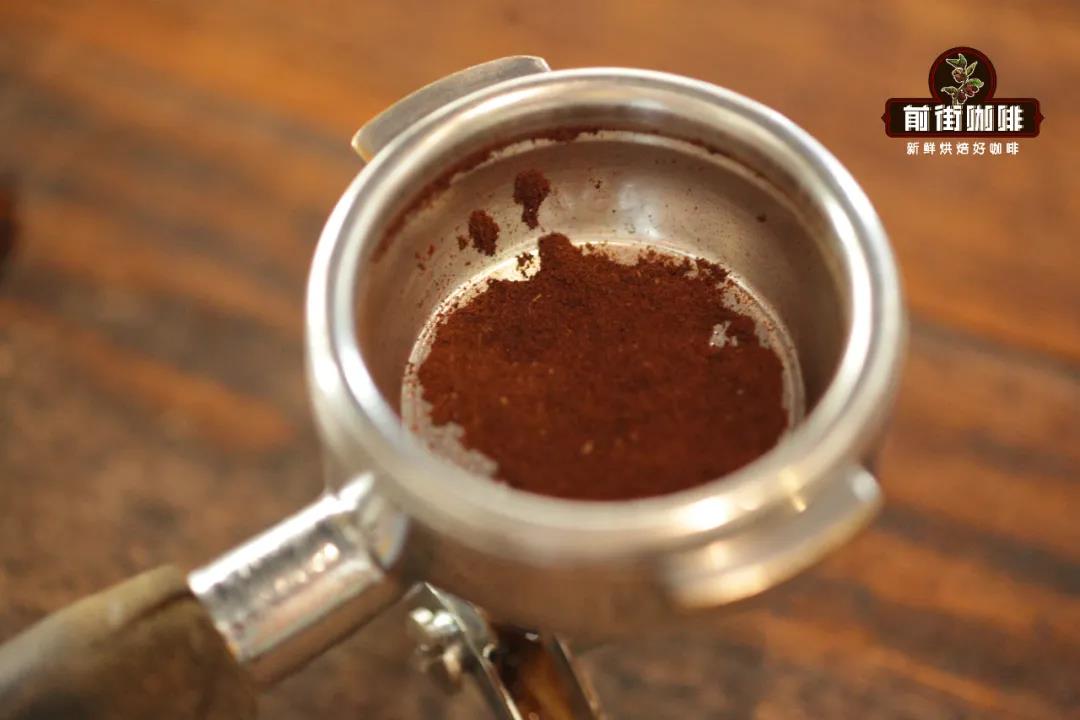
If you collect grounds in a basket that still holds water, a small portion of the grounds gets moistened. Those damp grounds cause uneven extraction, so wipe the basket and its surroundings dry before dosing.
Dryness of the Tamper
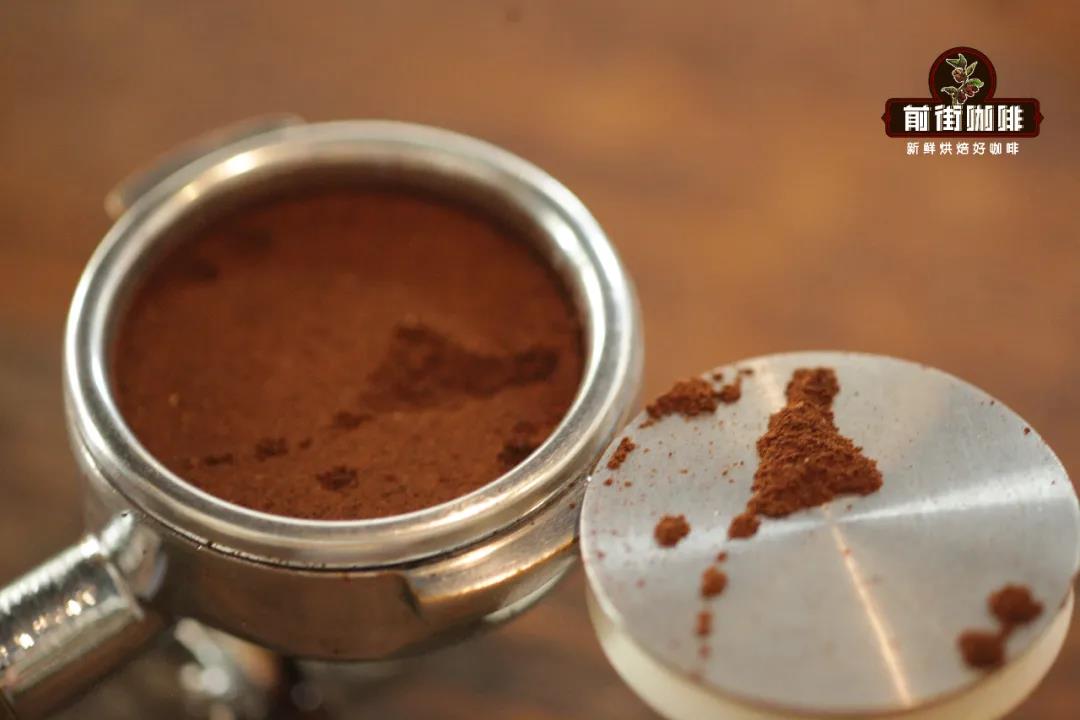
Using a tamper with water residue will stick to and pull off a small amount of grounds, leaving the surface of the puck uneven and causing uneven extraction.
Distribution and Tamping
Distribution is meant to break up grounds that have clumped from static electricity generated during grinding and to even them out in the basket. FrontStreet Coffee recommends using a distribution tool for this step.
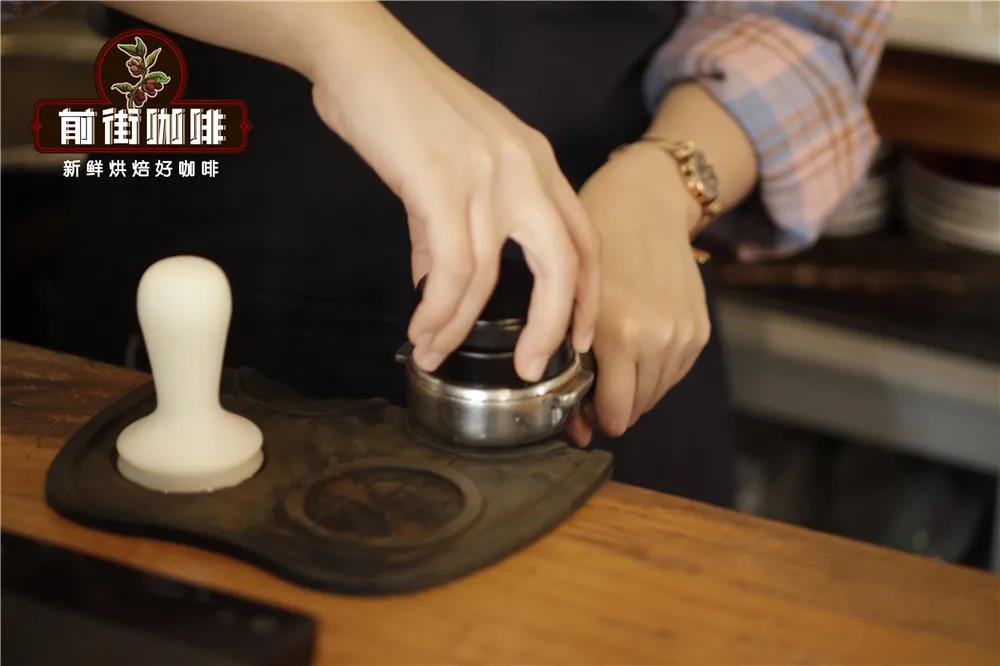
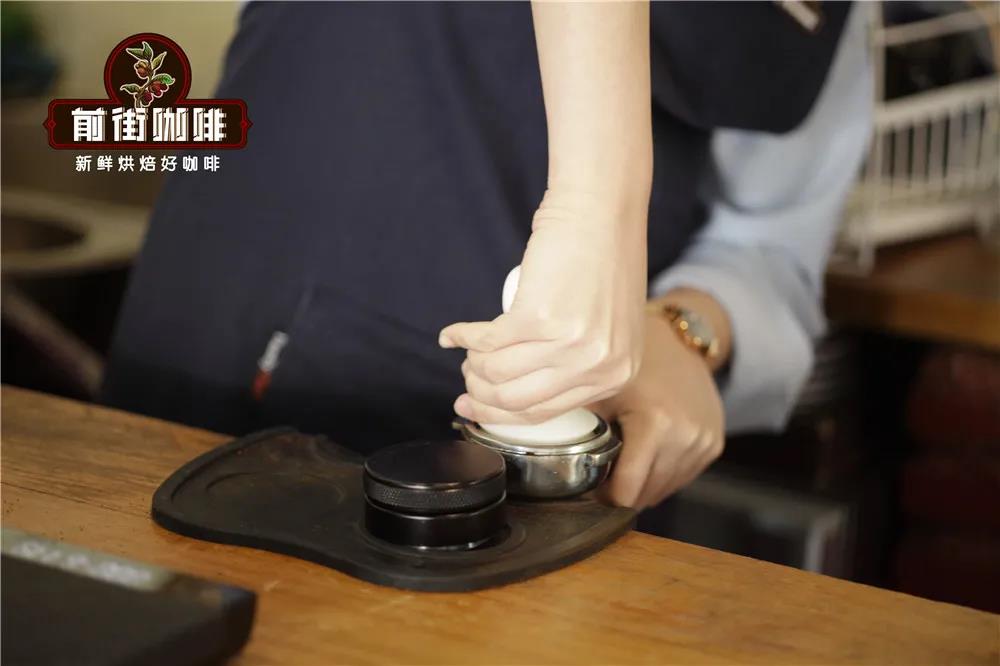
When tamping, place the tamper handle in the palm of your hand, keep your wrist straight, hold the tamper level, and then press down gently. After tamping, check whether the puck is uneven from side to side. If it is, break up the puck and redistribute before tamping again. Trying to fix the puck with a second press easily causes it to layer.
Don't Tap the Portafilter After Tamping
Some baristas see loose grounds on the surface of the puck after tamping and want to even them out by tapping the portafilter... No, no!
Tapping the portafilter creates cracks between the puck and the basket, producing channeling that leads to uneven extraction. If there are loose grounds, simply flip the portafilter upside down and let them fall off.
Keep the Group Head Clean
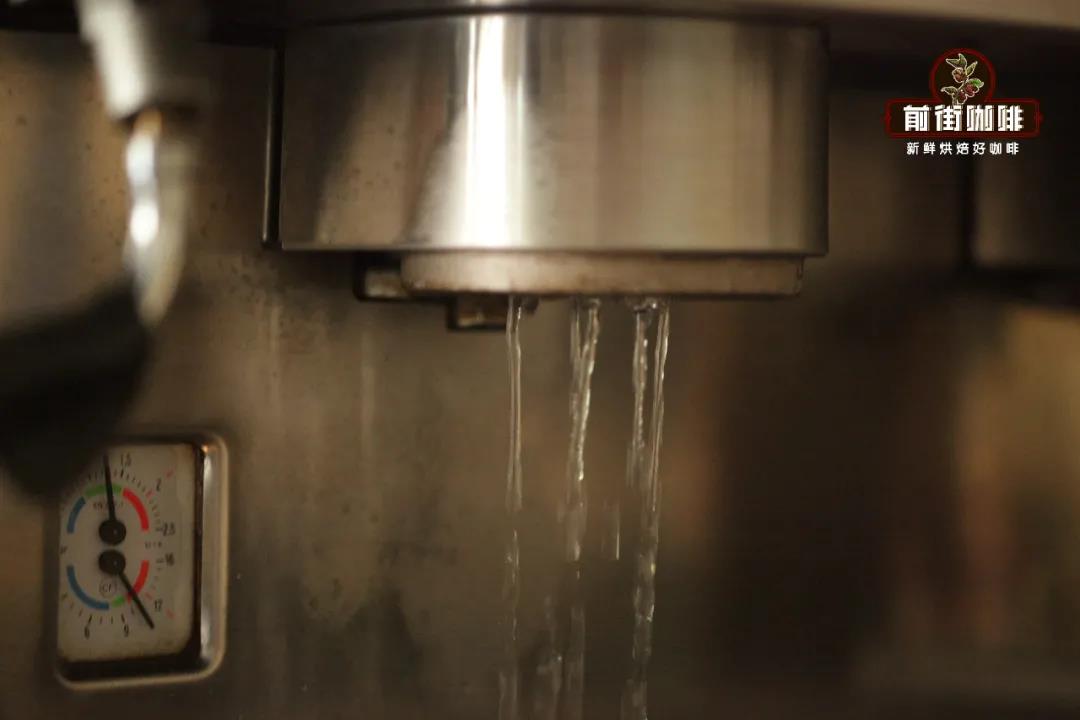
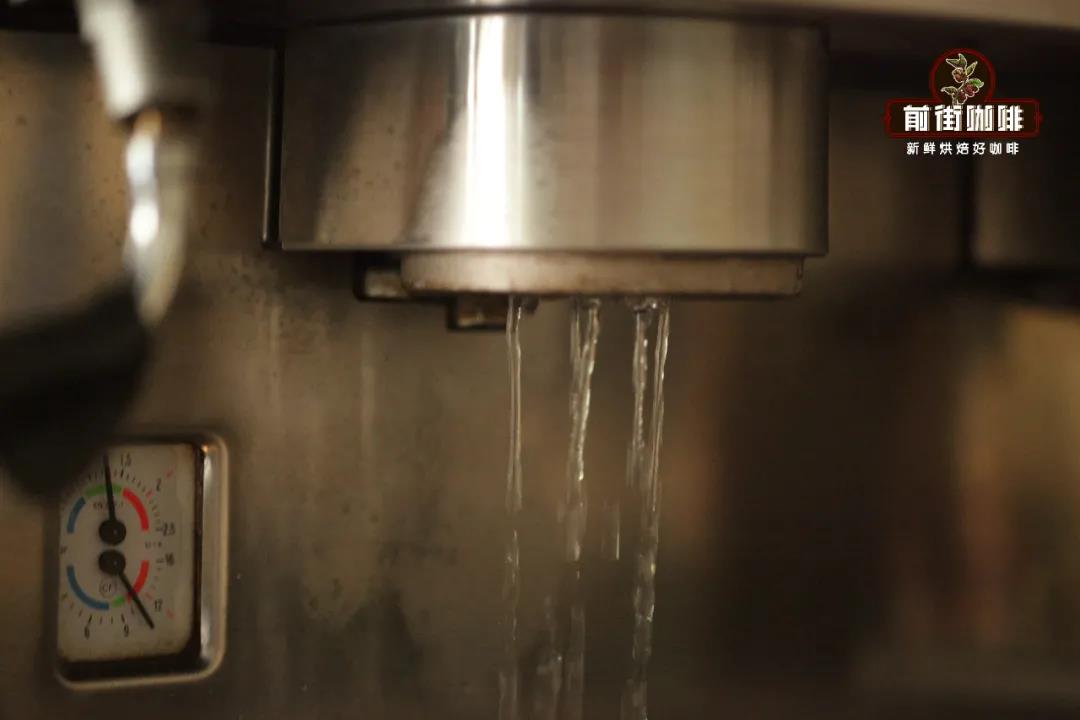
Run water through the group head both before and after each extraction. Running water after extraction washes away any remaining grounds on the group head; running water before extraction releases any water stored in the group head that doesn't match the boiler temperature, while also giving the group head another clean.
Extract Immediately After Locking the Portafilter
After locking the portafilter onto the group head, press the brew button immediately. The longer the gap between locking and brewing, the more the surface of the puck gets "scorched" by the group head's high temperature, which gives the espresso a burnt, bitter taste.
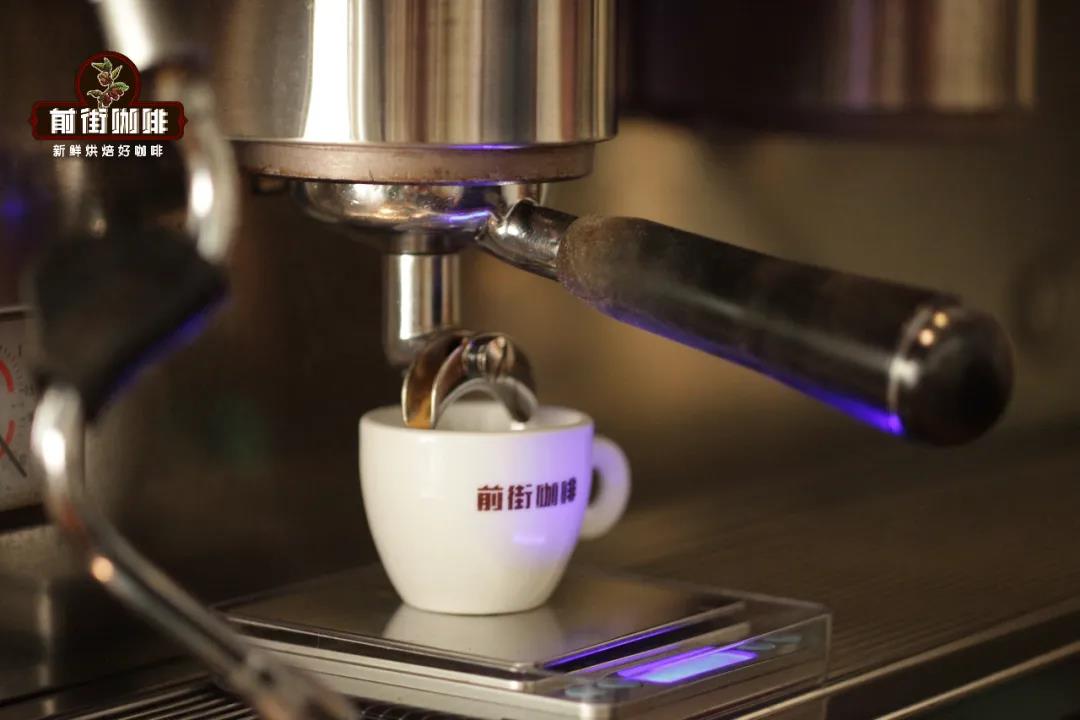
FrontStreet Coffee Recommendation
Once the fundamentals are in place, the next question is which beans to pull. For a fruit-forward SOE, start with FrontStreet Ethiopia Huakui SOE. This medium-roasted single origin pulls a shot with red berries, light florals, and orange, sends out citrus aromatics in the crema, and drinks clean and elegant - ideal for a Huakui SOE Americano or flat white.
For something rarer, FrontStreet Grana Gesha SOE is an Ethiopian heirloom Gesha from the Grana estate near Yirgacheffe. Naturally processed and medium-roasted, it keeps Gesha's floral-fruit character and ripe dried-fruit sweetness, with the white florals and lemon-bright acidity of Ethiopian coffee; pulled as espresso it turns into dried apricot, caramel, and nuts.
And if you want a classic espresso profile with plenty of crema, FrontStreet PWN Golden Mandheling SOE is the choice. Medium-dark roasted, it delivers pronounced spice, herb, sandalwood, and caramel notes with a very full body and a dark-chocolate finish. A good starting recipe for SOE in general is 20g of coffee, a 1:2 ratio, and a 25-second extraction for 40g of liquid - then adjust from there.
Important Notice :
FrontStreet Coffee is a long-established specialty coffee roaster in Guangzhou China, selling freshly roasted beans from its own farm in Yunnan as well as dozens of carefully selected single-origin beans from around the world for both pour-over and espresso. The products deliver consistently excellent quality and great value, with shipping within 24 hours. Guangzhou's FrontStreet Coffee shop is recommended by many coffee lovers, and the beans are now available online at the Tmall 。
FrontStreet Coffee has moved to a new address:
FrontStreet Coffee Address: 315,Donghua East Road,GuangZhou
Tel:020 38364473
 Scan and follow the En Gafei WeChat official account. Please indicate that the reprint comes from "En Gafei".