Coffee Bean Roasting Stages: Flavor Change Comparison Chart & The Relationship Between Roast Level and Flavor
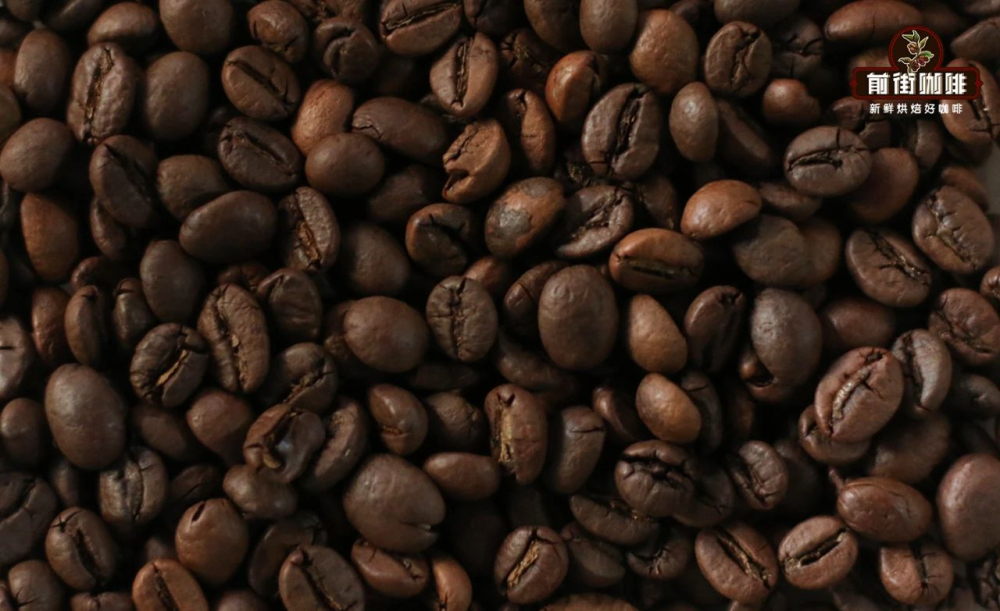
In the past, coffee in most people's minds was typically dark roasted, offering a burnt aroma and intense bitterness. Today, with the rise of the specialty coffee concept, dark-roasted coffee beans are no longer considered the best. Light and medium roasts have gradually become mainstream in the third wave of coffee. FrontStreet Coffee carries over 50 coffee varieties from different origins, all roasted to light or medium-dark levels. Next, FrontStreet Coffee discusses how roast level affects flavour and what the differences are.

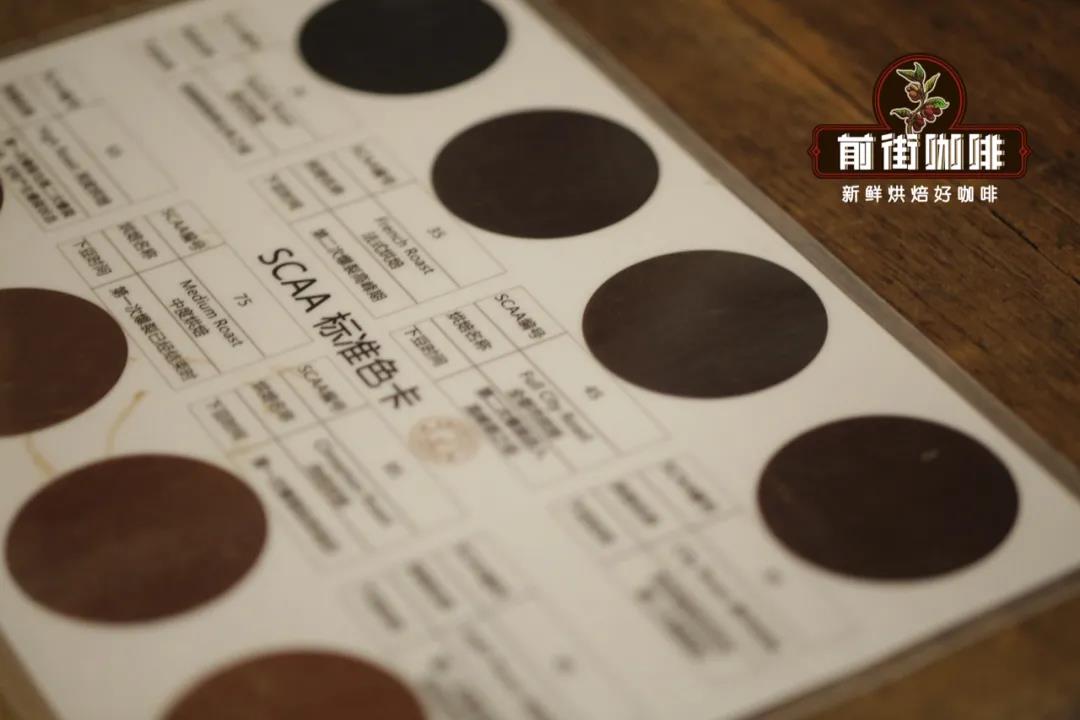
If we simply classify the coffee beans sold on the market, generally sour ones are light roast, bitter ones are dark roast, and those with both sour and bitter notes are medium roast. Within the industry, however, classification is more detailed. Currently the scientific distinction uses Agtron colour values, or caramelisation analysis values, as the basis for coffee roast levels. According to Agtron colour value standards, roast levels are divided into 8 categories, with higher values indicating lighter roasting. From light to dark, they are:

The highest Agtron colour value is 95, called Light Roast, with beans removed from the roaster when first crack is intense and the beans are still popping audibly. Generally the coffee's flavour will show bright acidity.
Agtron colour value 85 belongs to Cinnamon Roast, with beans removed around the end of first crack, when the cracking sounds have just stopped or only occasional cracking remains. Generally, beans at this level present mainly acidic flavours with a sweet aroma.
Agtron colour value 75 is called Medium Roast, with beans removed approximately after first crack ends, once the cracking sounds have completely stopped. The coffee flavour at this level is mainly sweet with slight fruit acidity.
Agtron colour value 65 is called High Roast, or Dark Roast, with beans removed between the end of first crack and the beginning of second crack, during about 1-2 minutes of quiet. The flavour shows nutty and caramel notes, balanced, without acidity.
Agtron colour value 55 is called City Roast, with beans removed around the beginning of second crack, after the quiet period when one or two faint cracking sounds appear. The flavour at this point is more bitter, with a heavier caramel aroma.
Agtron colour value 45 is called Full City Roast, with beans removed before second crack becomes intense, before the popping sounds are heard. At this point the coffee is already quite dark, with a more burnt, bitter, and rich flavour.
Agtron colour value 35 is called French Roast, with beans removed during intense second crack, when popping sounds are heard again, deeper than the first time. At this point the coffee beans have already started to release oil.
Agtron colour value 25 is called Italian Roast, with beans removed around the end of second crack, after the intense sounds. At this point the beans are jet black and shiny, with oils having permeated the surface.
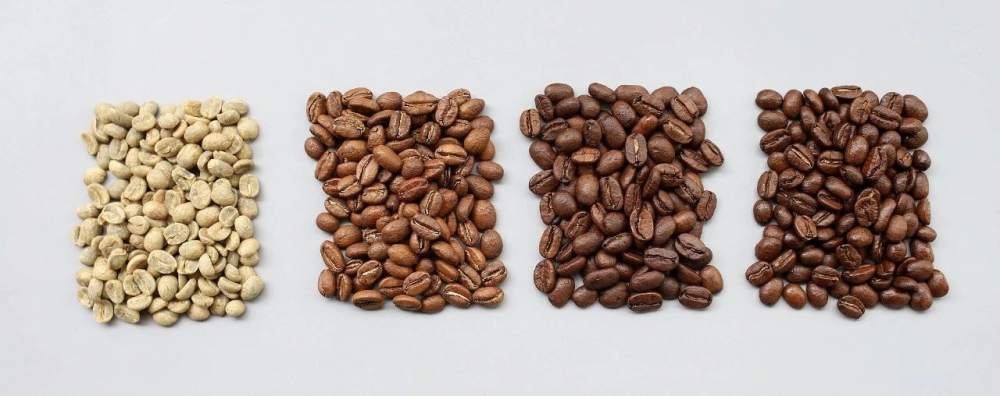
Among these 8 roast levels, coffee after colour value 65 is mainly bitter-tasting, but consumers may not necessarily encounter all of them. Today's coffee beans, for example, are no longer all roasted until oily, and French Roast and Italian Roast levels are rarely seen. At the retail end we do not directly transfer this roast level chart. To help everyone understand better, we divide these roasted beans into major categories: light roast, medium-light roast, medium roast, medium-dark roast, and dark roast.

FrontStreet Coffee does not directly indicate roast levels in its coffee bean information sections. Everyone can distinguish based on the flavours the beans present and find their preferences.
For example, flavours described as "lemon, citrus, berries" and other relatively sour fruits can be identified as beans leaning toward the lighter side of medium-light roast. Light-roasted beans feature mainly acidic flavours, with a lighter body and a bright taste. FrontStreet Coffee typically uses light roasting for Ethiopian Yirgacheffe region coffee beans to highlight the unique lemon-citrus acidity of the region and its rich floral and fruit aromas. FrontStreet Coffee's representative beans include Yirgacheffe Gotiti coffee and the natural Red Cherry coffee beans. Light roasting brings more varied, vibrant, and unique flavours to coffee, making it popular in professional coffee circles, and it better highlights the unique characteristics of a coffee's origin.
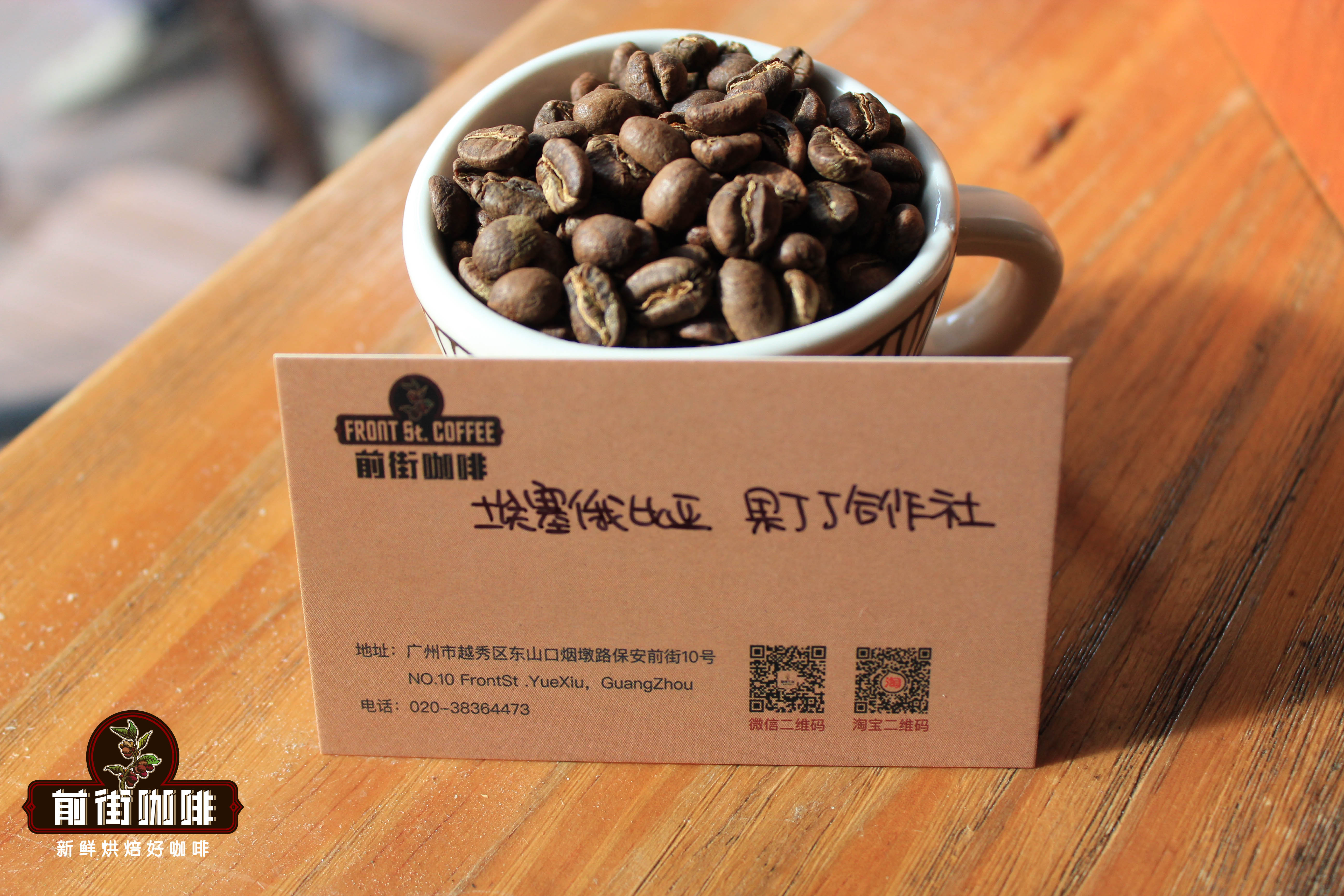
Flavours describing "honeydew melon, grapes, slightly acidic fruits" and other relatively sweet fruits can be identified as beans leaning toward the medium side of medium-light roast. For example, FrontStreet Coffee's Costa Rica Musician Series Mozart coffee beans highlight the full sweetness in the coffee while retaining a small portion of acidity, making fruit flavours more three-dimensional.
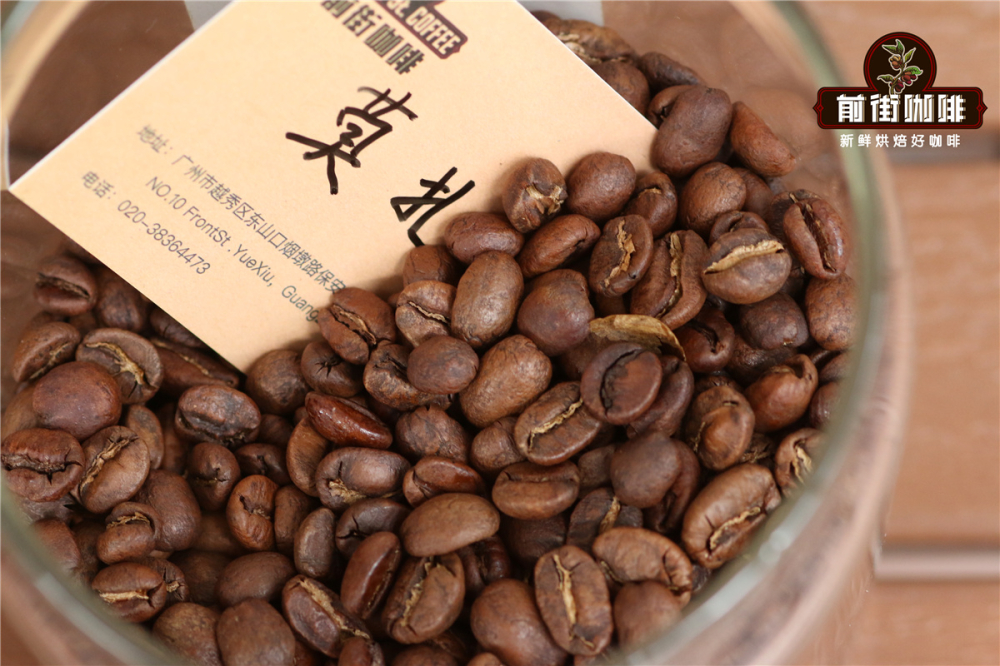
Flavour descriptions mentioning "sugarcane, maple syrup, chocolate" and other obviously sweet flavours can be identified as beans leaning toward the medium side of medium-dark roast. Take the very popular Honduras Sherry Cask coffee beans on FrontStreet Coffee's menu, which retain the coffee's fundamental character of whisky and vanilla while deepening the roast to highlight the beans' chocolate, caramel, and other roasted aromas.
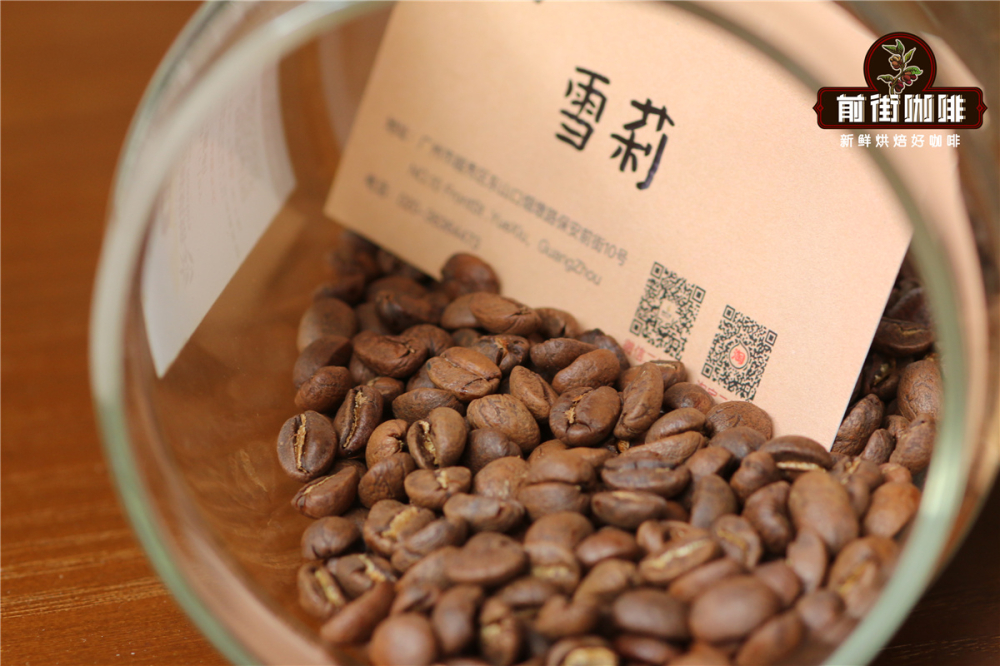
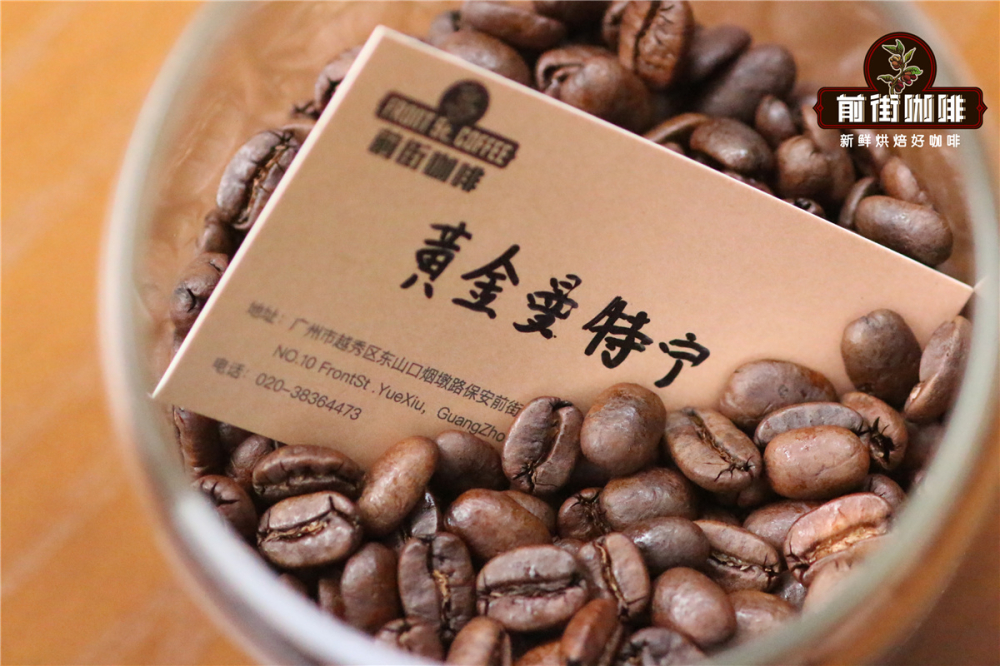
Flavour descriptions mentioning "nuts, dark chocolate, caramel" and other bitter-sweet flavours can be identified as beans leaning toward the darker side of medium-dark roast. Deeper roasting reduces the beans' acidity, presenting more bitter and mellow flavours. Take FrontStreet Coffee's Indonesian Golden Mandheling coffee beans, which use dark roasting to restore the classic Mandheling flavour as fully as possible.
FrontStreet Coffee Recommendation
Medium roasting sits at the sweet spot where acidity and bitterness meet, and it is the easiest way to understand how roast level shapes flavour. FrontStreet's Brazil Queen's Estate coffee is a case in point: grown in the world's largest coffee-producing country from the rare yellow bourbon variety, a medium roast turns it into cream peanut, chocolate, toast, and sugarcane sweetness, clean and gently sweet whether brewed as a pour-over, a moka pot, or an espresso. For a sweeter medium roast, the FrontStreet Strawberry Candy Geisha blend combines a Costa Rican honey-processed coffee with a washed Panama Geisha and, at a medium roast, shows both orange-blossom honey and a rounded sweetness, working for cold brew, pour-over, and espresso alike. If you prefer something soft and mellow, the FrontStreet 2013 Yunnan natural Typica, roasted medium, brings nut, brown sugar, black tea, and dried apricot, while the Jamaica Blue Mountain No. 1 uses a medium roast to fuse acidity, bitterness, sweetness, and body into chocolate, roasted nut, cream, and caramel. Roast level is the dial that moves a bean between fruit and comfort, and these four cover the range.
Important Notice :
FrontStreet Coffee is a long-established specialty coffee roaster in Guangzhou China, selling freshly roasted beans from its own farm in Yunnan as well as dozens of carefully selected single-origin beans from around the world for both pour-over and espresso. The products deliver consistently excellent quality and great value, with shipping within 24 hours. Guangzhou's FrontStreet Coffee shop is recommended by many coffee lovers, and the beans are now available online at the Tmall 。
FrontStreet Coffee has moved to a new address:
FrontStreet Coffee Address: 315,Donghua East Road,GuangZhou
Tel:020 38364473
 Scan and follow the En Gafei WeChat official account. Please indicate that the reprint comes from "En Gafei".