Agtron Values vs Coffee Bean Roast Levels: Understanding Coffee Bean Pink Color Values and Surface Color Values
For professional coffee knowledge exchange and more coffee bean information, please follow Coffee Workshop.
Many coffee shops that roast their own beans display, alongside information about origin, growing altitude, variety, processing method, and flavor profile, two numerical values on their bean cards or packaging: one is the Agtron whole-bean surface color value, and the other is the Agtron ground color value. What do these two values tell us? In this article, FrontStreet Coffee explains both.
What is Agtron?
The Caramelization Analyzer (Agtron) is an optical instrument that uses infrared wavelengths to measure coffee roast degree. It can gauge the degree of sugar caramelization both on the outside and inside of coffee beans and express the result as a number. Different countries hold different views on roasting, and when coffee roasting first became popular, disagreements quickly emerged between rival roasting schools of thought.
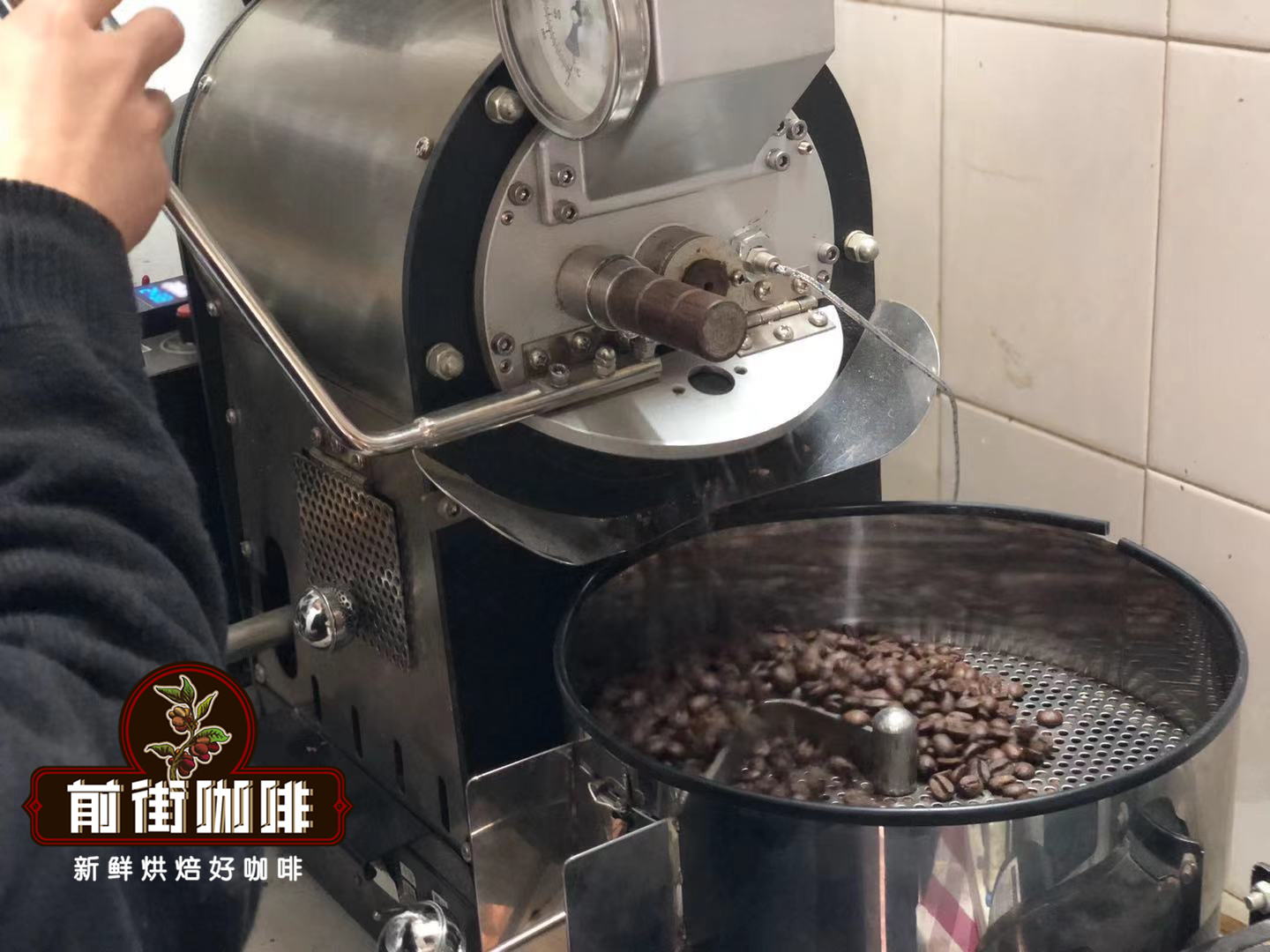
To settle those disputes, the Specialty Coffee Association of America (SCAA), one of the most authoritative bodies in the coffee world, partnered with the Agtron company to measure coffee caramelization with infrared wavelengths. They divided the color range from light to dark into eight equal parts, creating eight standard color tiles to serve as roasting standards for the industry—so that roasting masters from every school could finally communicate on the same "channel."
How Do Agtron Values Define Coffee Bean Roast Degrees?
Agtron Value #95: Light Roast
Drop time: as first crack becomes dense and approaches its end
Agtron Value #85: Cinnamon Roast
Drop time: around the end of first crack
Agtron Value #75: Medium Roast
Drop time: after first crack ends
Agtron Value #65: High Roast
Drop time: the quiet period between first and second crack
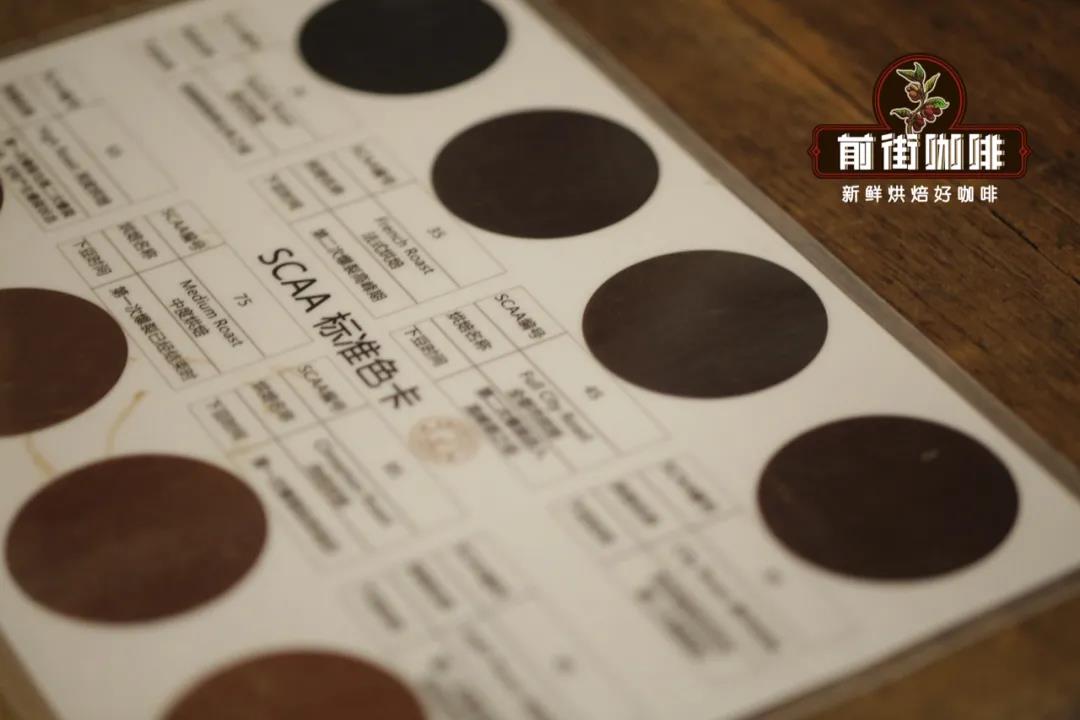
Agtron Value #55: City Roast
Drop time: at the beginning of second crack
Agtron Value #45: Full City Roast
Drop time: before second crack becomes dense
Agtron Value #35: French Roast
Drop time: when second crack becomes dense
Agtron Value #25: Italian Roast
Drop time: when oils begin to surface on the beans
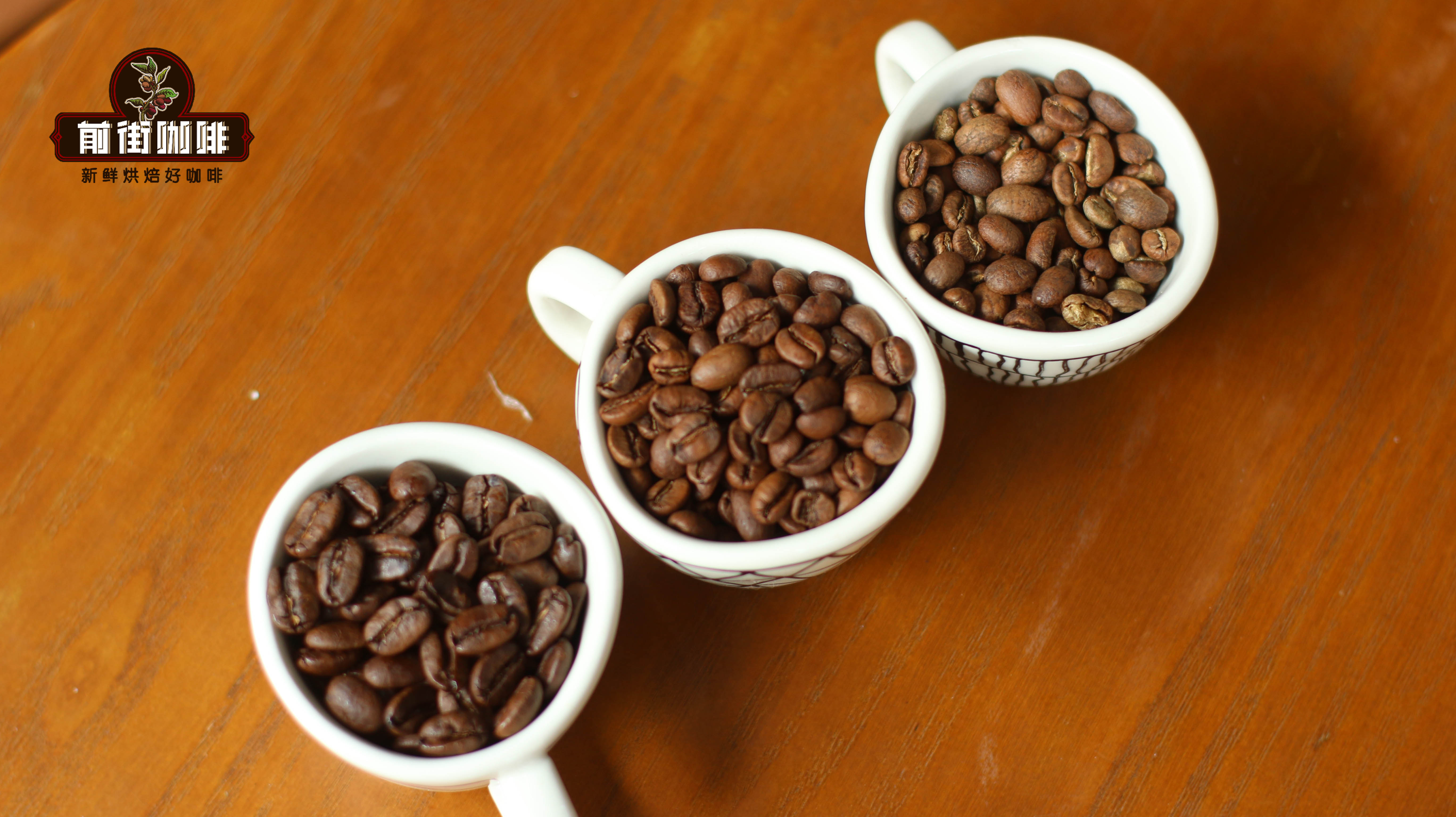
FrontStreet Coffee has roughly grouped the eight categories above into four bands: light roasts (light and cinnamon), medium roasts (medium and high), medium-dark roasts (city and full city), and dark roasts (French and Italian).
Among the more than 50 coffee beans offered by FrontStreet Coffee, over 70% are roasted light, including beans from Ethiopia, Kenya, Guatemala, Colombia, Panama, Costa Rica, Honduras, Tanzania, Bolivia, and China's Yunnan—all at cinnamon roast. The remaining 30%, including beans from Brazil, Indonesia, Hawaii Kona, Jamaica Blue Mountain, Papua New Guinea, and Mexico, plus our espresso blends, are roasted medium.
What Are Bean Surface Color Values and Ground Color Values?
The bean surface color value is an infrared caramelization measurement taken on whole beans right after roasting, judging the degree of roast from the bean's exterior. But the surface reading cannot tell you whether the bean is roasted evenly all the way through: excessive heat can cause heavy surface caramelization while the interior never reaches the corresponding standard. That is why the Agtron standard is based on the caramelization value measured after grinding—the ground color value.
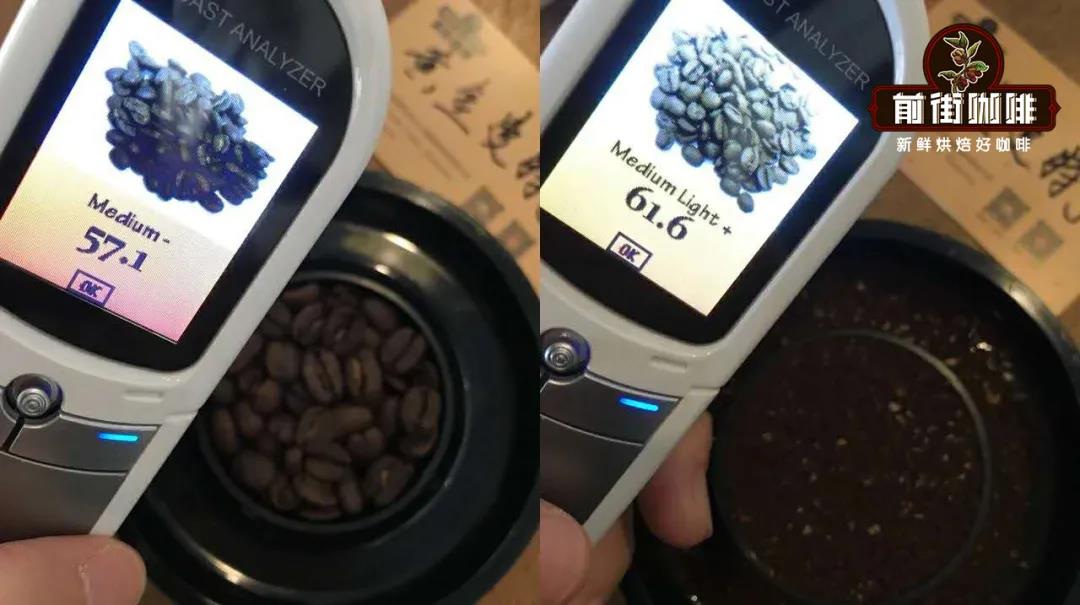
The ground color value, as the name suggests, is the color value of the bean's core after grinding. Only when the core reaches the Agtron standard can the roast be considered done. Only when the surface and core are caramelized evenly, inside and out, will the brewed coffee taste stable; if the surface caramelizes but the core does not, the cup turns both bitter and astringent—a "failed" roast.
Does Roast Degree Affect Acidity in Coffee Beans?
When customers ask FrontStreet Coffee for beans with pronounced acidity, our baristas recommend cinnamon-roasted Kenyan or Ethiopian beans. When they ask for beans without acidity, we recommend medium-roasted Brazilian or Indonesian beans.
Why? Roast degree directly shapes acidity—the darker the roast, the less acidic the cup. During roasting, caramelization steadily produces bitter compounds such as chlorogenic acid lactones and phenylindanes, and these byproducts increase as the roast darkens, especially after second crack begins. So if you love acidic coffee, choose light-roast beans; if you prefer rich, full-bodied cups, go medium or darker.
FrontStreet Coffee Recommendation
If you are chasing the balance that a medium roast delivers, FrontStreet Coffee's Brazil Queen Estate is a great starting point. It comes from the world's largest coffee-producing country and is the distinctive yellow Bourbon variety: gently sweet and mellow, with aromas and sweetness of creamed peanut, chocolate, toasted bread, and sugarcane after medium roasting. It works beautifully as a pour-over and equally well in a moka pot or espresso machine.
For a sweeter, fruit-forward medium roast, choose our Strawberry Candy Geisha blend, which unites two famous regions—honey-process Costa Rica and washed Panama Geisha. Roasted medium to highlight their essence, it shows an orange-blossom honeyed note and a rounded sweetness whether cold brewed, pour-over, or pulled as espresso. For something closer to home-grown character, our 2013 Natural Typica from Yunnan carries the classic Yunnan Arabica profile—nuts, brown sugar, black tea, and dried apricot—and suits pour-over, cold brew, or drip machines at remarkable value.
And for the benchmark of balance, there is FrontStreet Jamaica Blue Mountain No. 1. The Blue Mountains grow Typica, a world-renowned premium Arabica, and the region's exceptional geography is essential to its balanced cup. Medium roasted to fuse acidity, bitterness, sweetness, and body into one elegant whole, it opens with chocolate, roasted nuts, cream, and caramel—a flavor integration no other coffee can quite match.
Important Notice :
FrontStreet Coffee is a long-established specialty coffee roaster in Guangzhou China, selling freshly roasted beans from its own farm in Yunnan as well as dozens of carefully selected single-origin beans from around the world for both pour-over and espresso. The products deliver consistently excellent quality and great value, with shipping within 24 hours. Guangzhou's FrontStreet Coffee shop is recommended by many coffee lovers, and the beans are now available online at the Tmall 。
FrontStreet Coffee has moved to a new address:
FrontStreet Coffee Address: 315,Donghua East Road,GuangZhou
Tel:020 38364473
 Scan and follow the En Gafei WeChat official account. Please indicate that the reprint comes from "En Gafei".