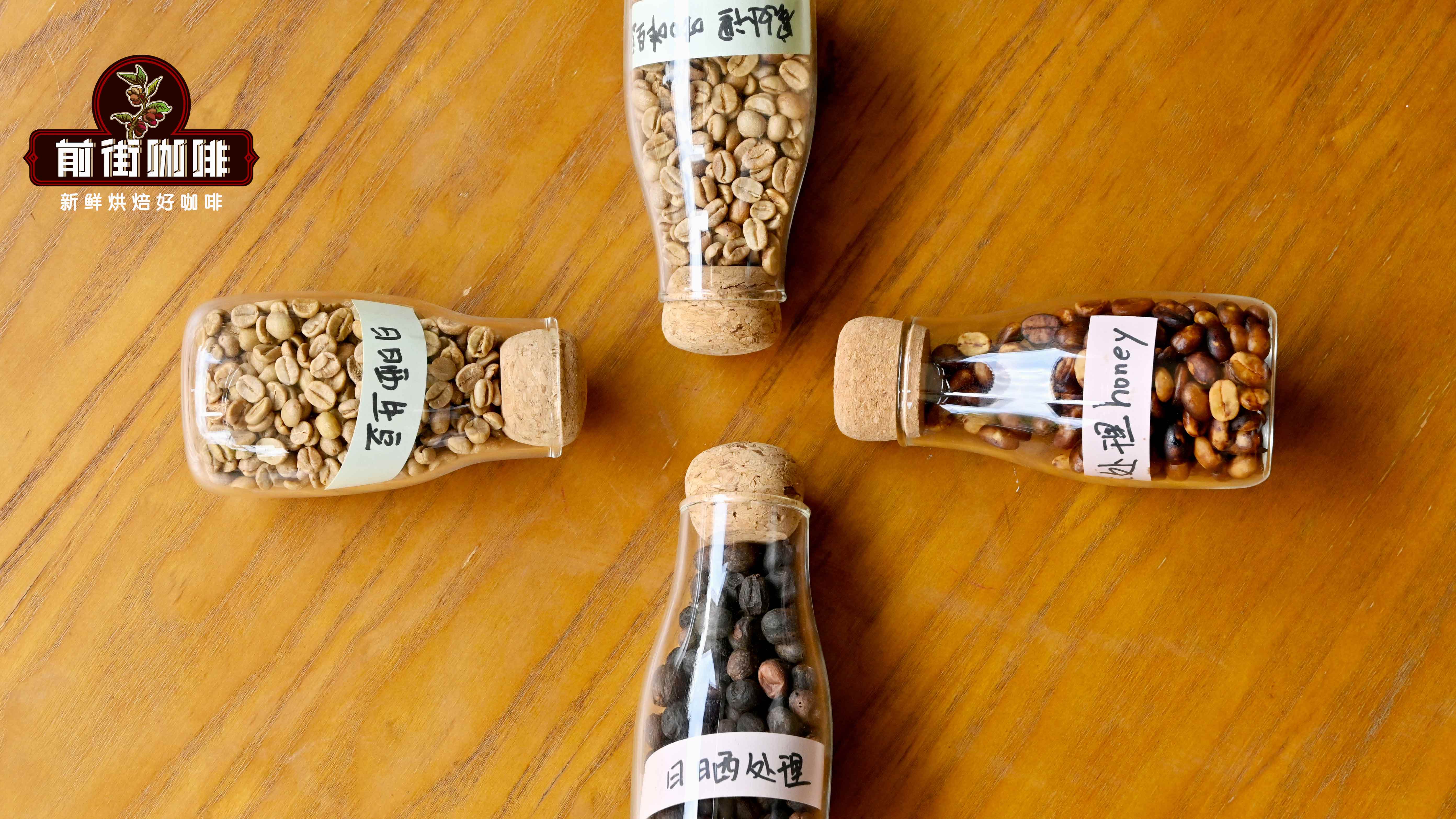
Coffee Bean Enzyme Processing: Understanding Natural, Washed, and Honey Methods
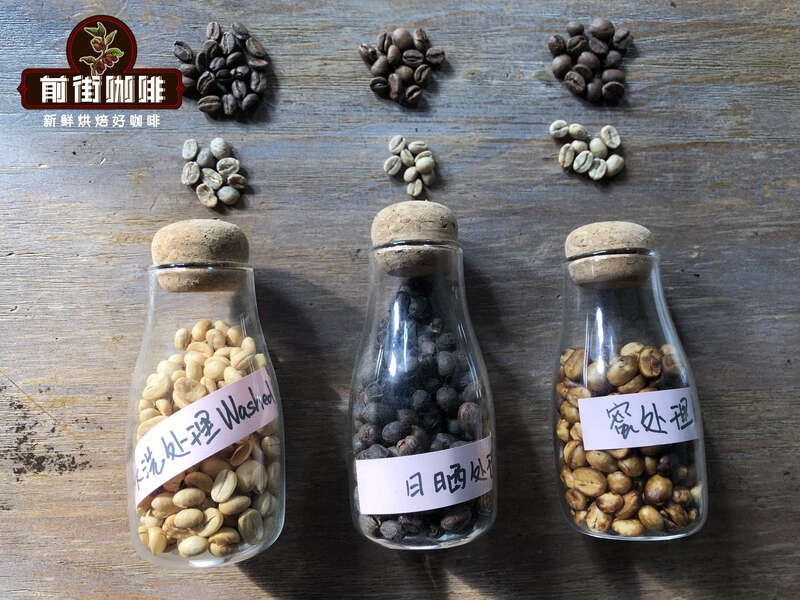
The three common processing methods for coffee beans are natural, washed, and honey. Each involves a different degree of fermentation. Enzyme processing builds on the washed method, using different bacterial strains and fermentation principles to create more flavors. FrontStreet Coffee believes that if this fermentation method is used in small quantities to create some uniquely flavored beans that attract the public, its effect is positive. If, however, it is widely used to mask the defective flavors of the beans themselves - rather than improving coffee flavor through better cultivation techniques and varieties - then it is not a good thing.
How Does Enzyme Processing Work?
So how does enzyme processing work with coffee beans? Enzyme processing is generally carried out together with anaerobic processing. The anaerobic fermentation process originates from red wine production: carbon dioxide is injected into a sealed container, expelling the oxygen inside. In an oxygen-free environment, the sugars in the coffee pulp decompose more slowly and the pH value falls more slowly, extending the fermentation time. This develops better sweetness and more balanced flavors, ultimately producing beans with distinctive character. The prerequisite for anaerobic processing is a monitorable, completely opaque sealed container, placed indoors with strict temperature control, where controlling temperature and time controls the container's degree of fermentation.
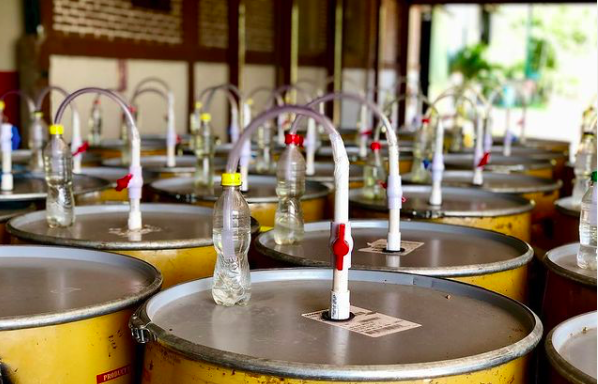
Enzyme anaerobic processing, on the other hand, removes defective floating beans through washing while incorporating special enzyme groups during anaerobic fermentation. After fermentation, the beans are washed using the washed method to remove the mucilage on the bean surface. The beans are then dried using either drying or shade-drying, avoiding the high temperatures of sun-drying that could cause the beans to over-ferment again and produce undesirable flavors. This processing method is called anaerobic enzyme washed.
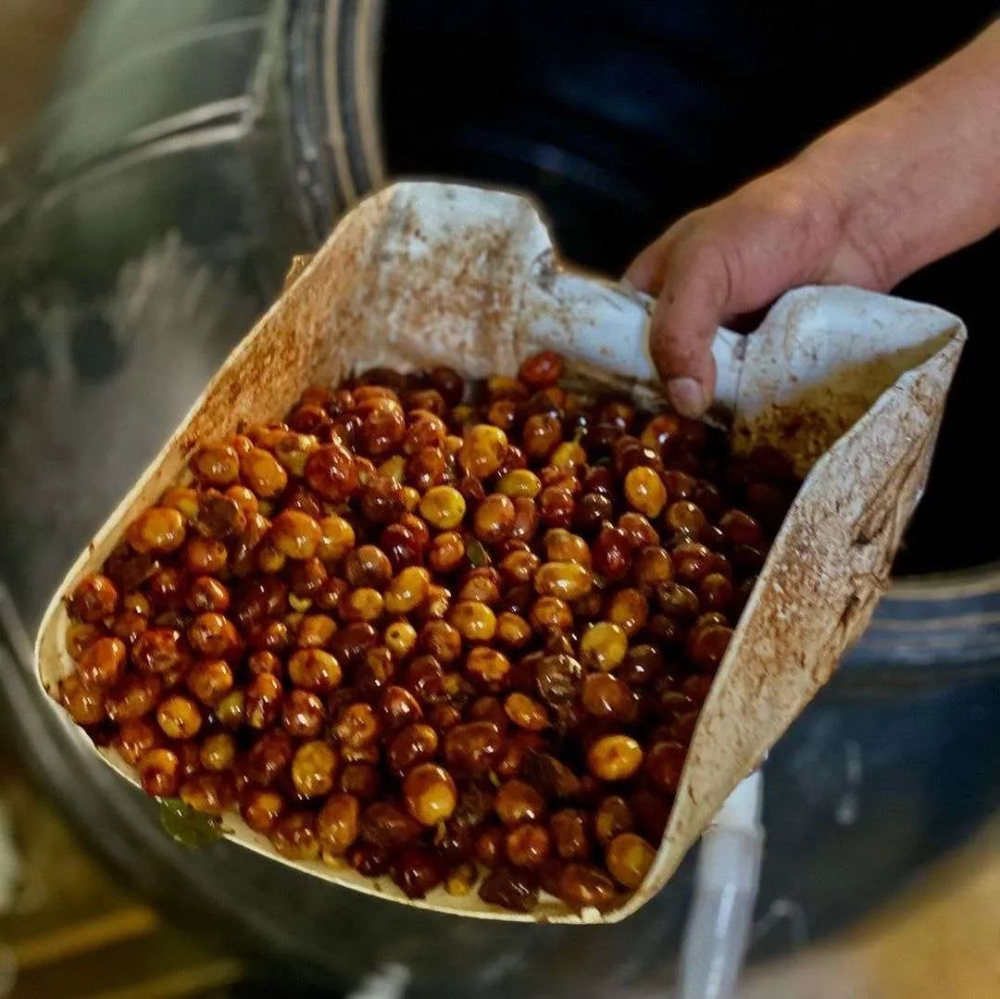
On FrontStreet Coffee's bean menu, a coffee from Colombia's Dashu Estate called FrontStreet Rose Valley uses anaerobic double enzyme washed processing. "Double enzyme" means injecting enzymes twice during one anaerobic fermentation process, enhancing the bean's aroma and acidity.
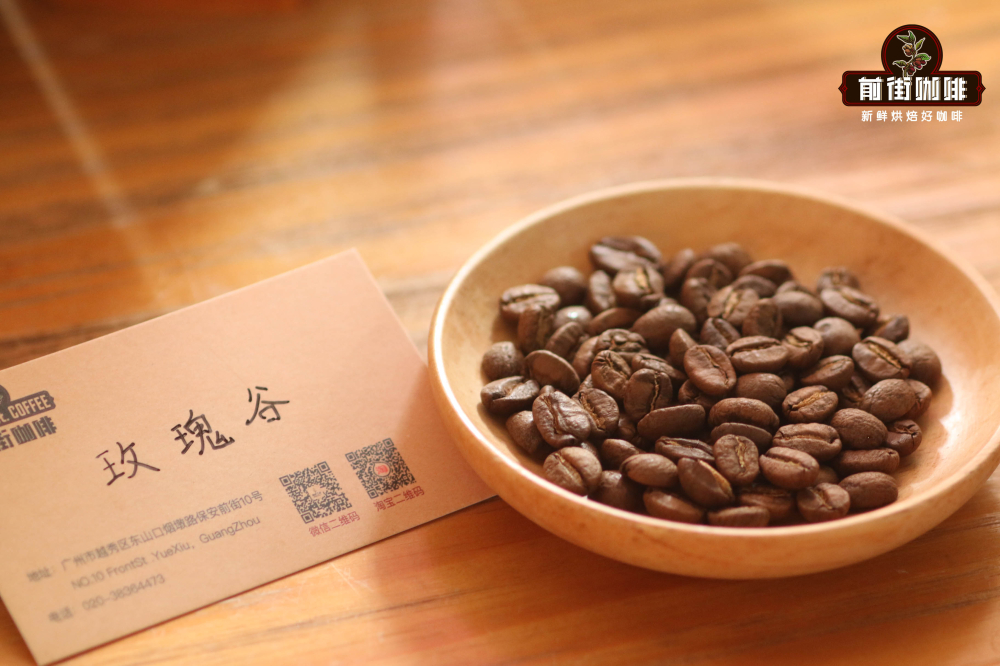
FrontStreet Coffee, Colombia Dashu Estate Rose Valley Coffee Beans
Estate: Colombia Dashu Estate
Region: Santander Region
Processing Method: Anaerobic Double Enzyme Washed
Altitude: 1700m
Variety: Caturra
[FrontStreet Coffee Colombia Dashu Estate Rose Valley] Brewing flavor: The sweet fragrance of peach accompanied by rose aroma, with both the high-quality sweet-tart sensation of black grapes and the silky texture of cream toffee, followed by an aftertaste reminiscent of liquor-filled chocolate.
How Does the Washed Processing Method Work?
After coffee cherries are harvested, they are sent for processing immediately, typically within 6 to 12 hours of picking. The cherries are first weighed, then placed in water for soaking. The purpose is to select unripe fruits and defective beans that float due to insufficient maturity.

Next, the cherries are sent to a depulper to remove the skin. This step removes the skin and pulp from the cherries. The depulped cherries are then placed in fermentation tanks or barrels to ferment for 18 to 36 hours, during which enzymes break down the mucilage and pulp. The demucilaged cherries in the tank are washed with appropriate amounts of water; during washing, agitation removes the decomposed pulp mucilage from the bean surface. After washing, what remains is the coffee parchment, silver skin, and green beans.
The washed beans are then sorted to remove defective coffee beans. Immediately afterward they are sent to drying areas (waterproof tarps, concrete floors, raised beds, and the like) for drying. The drying time depends on environmental climate factors and other conditions, generally 5 to 14 days. During this time the bean's moisture content drops from 55% to 11%. The dried beans are called parchment coffee - green coffee beans with the parchment layer intact. The parchment beans are sent to warehouses for storage and will be hulled before export to obtain the green beans we need.
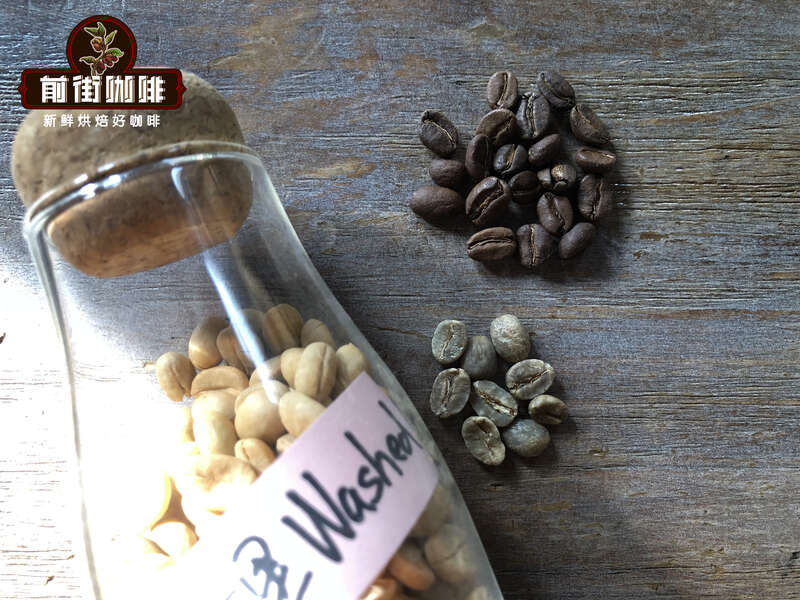
FrontStreet Coffee believes washed-processed beans best highlight coffee clarity. Washed coffee has more prominent acidity, better cleanliness, a medium mouthfeel, and the most consistent green bean quality. Ethiopia's Yirgacheffe region particularly likes to use washed processing to highlight the bright acidity and rich floral and fruit aromas of Yirgacheffe beans.
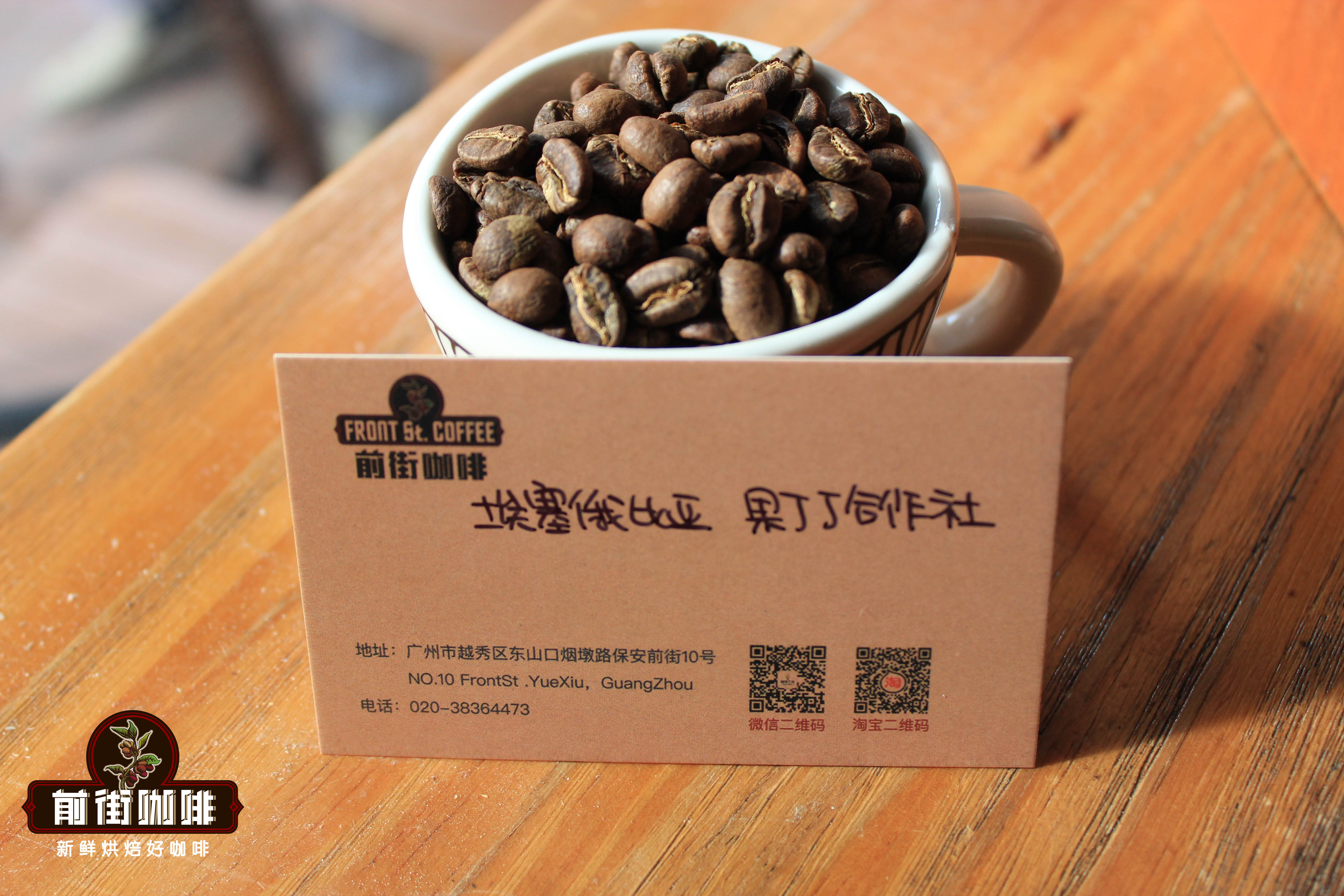
FrontStreet Coffee, Ethiopia Yirgacheffe Gotiti Cooperative Coffee Beans
Region: Yirgacheffe Gedeo Zone
Altitude: 1900-2300m
Variety: Heirloom
Processing Method: Washed
Grade: G1
[FrontStreet Coffee Yirgacheffe Washed Gotiti] Brewing flavor: Entry reveals citrus and black tea, with cream, caramel, and almond notes as the temperature changes, an obvious sweet aftertaste, and a clean, sweet mouthfeel.
How Does the Natural Processing Method Work?
After harvesting, coffee cherries undergo manual selection and screening to remove defective cherries - overripe, unripe, and insect-damaged ones, as well as foreign objects other than fruit.
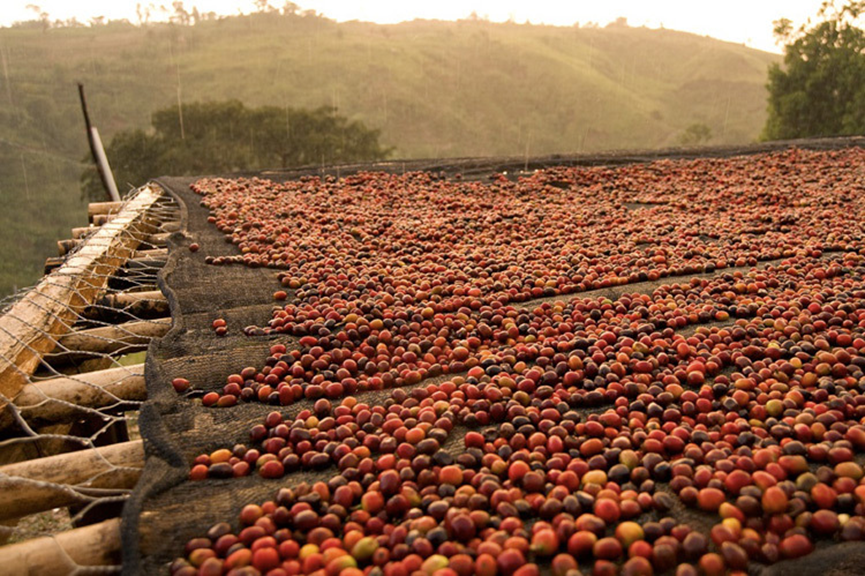
After screening, the cherries are sent to drying areas. Different regions may use different drying setups - some use waterproof tarps, some raised beds, others concrete floors. The drying time averages 3 to 4 weeks, until the coffee's moisture content drops to 11% and drying is complete. After drying, the cherries are sent to processing plants for hulling and even polishing. The skin and pulp are all removed during this step.
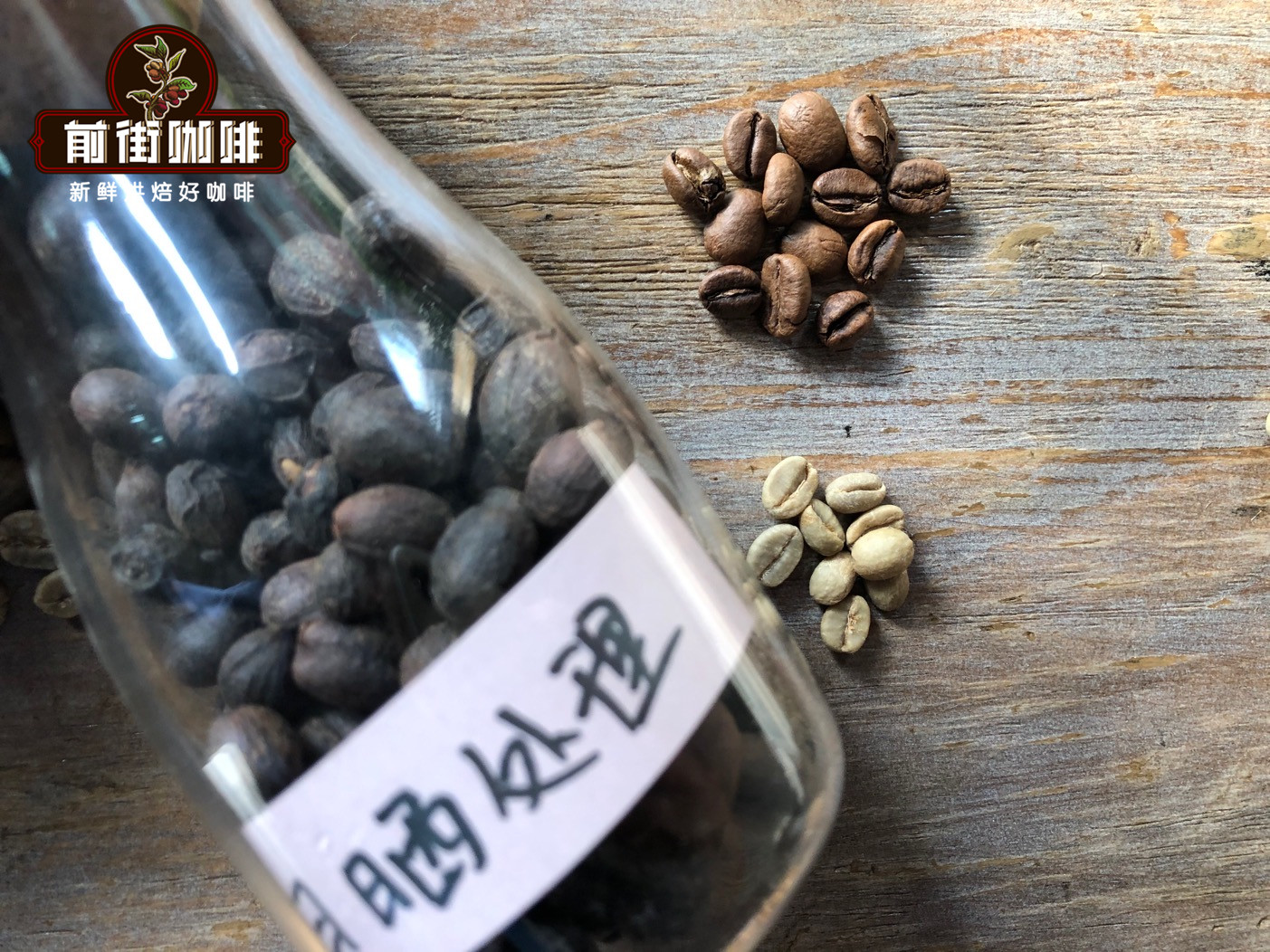
The hulled green beans are screened again to remove poorly appearing beans. This reflects the quality of the drying process - over-dried beans are more fragile and may break during hulling, while under-dried beans hold too much moisture, with overly active water content that easily breeds bacteria and mold. After screening, they are sent to warehouses for storage until export.
FrontStreet Coffee believes natural processing highlights coffee smoothness, being richer than washed processing, with acidity that mostly manifests as a juicy feel and obvious coffee sweetness. Ethiopia's Sidamo region particularly likes to use natural processing to highlight the region's rich berry acidity and the sweetness brought by ripe berries.

FrontStreet Coffee, Ethiopia Sidamo Natural Horse Coffee Beans
Region: Guji Hambela
Processing Station: Buku Able
Altitude: 2250-2350 meters
Variety: Local Heirloom
Grade: G1
Processing Method: Natural
[FrontStreet Coffee Sidamo Natural Horse] Brewing flavor: Citrus acidity, a full-bodied berry juice, a lemon black tea sensation, with a persistent sweetness.
How Does Honey Processing Work?
Honey processing is a green bean processing method between natural and washed. The degree of sweetness in honey processing depends on the settings of the pulping machine - the more pulp and mucilage retained, the more obvious the honey-processed sweetness. Why? Coffee cherries consist of skin, pulp, mucilage, parchment, silver skin, and the seed (the coffee bean). The pulp and mucilage contain the most sugar in the entire cherry. Therefore, during honey processing, the amount of pulp and mucilage retained affects how much of that sugar is converted during drying. FrontStreet Coffee notes a drawback, however: the high sugar content accelerates the fermentation of pulp and mucilage under high temperatures, and without strict control, mold and over-fermentation occur easily.
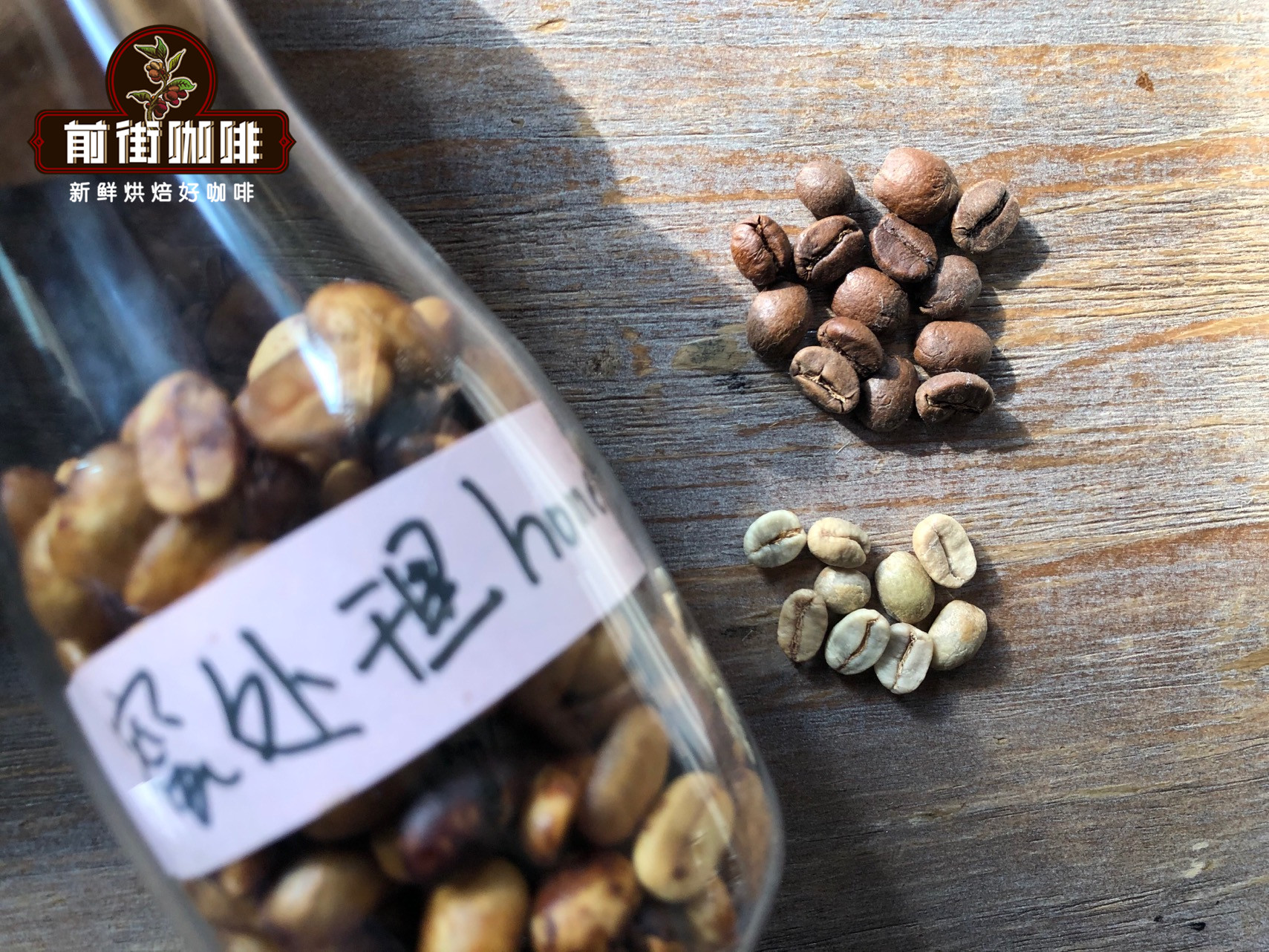
[Black Honey Processing] removes almost no mucilage, and thus requires the longest drying time - more than 14 days continuously. During the process, coverings are used to block too much strong sunlight so the sugars convert more thoroughly.
[Red Honey Processing] retains 80% mucilage (specific practices vary by estate), with sun-drying for about 12 days, and may also use shade structures during the process.
[Yellow Honey Processing] retains 40-60% mucilage, receiving the most light for drying, lasting about 8 days.
[White Honey Processing] retains 40-60% mucilage, spread thinner on the drying beds, with a shorter drying time.
FrontStreet Coffee believes honey-processed beans have excellent flavor, with balanced acidity and sweetness, and because they have been exposed to sunlight, the beans' own aroma is amplified, with a rich, mellow thickness. Honey processing first appeared in Central and South American regions such as Costa Rica and El Salvador, and is now widely used in Costa Rica.

FrontStreet Coffee, Costa Rica Tarrazu Yellow Honey Processed Coffee Beans
Region: Costa Rica Tarrazu
Variety: Caturra, Catuai
Processing Method: Yellow Honey Processing
Altitude: 1500m
[FrontStreet Coffee Costa Rica Tarrazu Yellow Honey Processing] Brewing flavor: An obvious fermentation aroma in the mouth, citrus acidity, with a chocolate-like sweetness in the mid-section, a caramel aftertaste and green tea sensation in the finish, and floral and cedar aromas in the aftertaste - overall balanced.
FrontStreet Coffee Recommendation
Enzyme and anaerobic fermentation are the most modern end of the spectrum, but the honey process that sits beside them is where FrontStreet Coffee's most distinctive fruit-sweet cups live. FrontStreet's Blackberry coffee uses black honey processing - a method that removes almost none of the mucilage and needs at least two weeks of drying, with coverings used to block the strongest sun so the sugars convert thoroughly and the fruit turned at intervals to avoid uneven heat and over-fermentation. Roasted medium-light, it releases a dense floral aroma when ground and drinks with grape, berry, and ripe blackberry notes.
For an even more concentrated expression, FrontStreet's Mozart coffee uses raisin honey processing, a modified approach that pre-dries the cherries on raised beds for at least three days before the skin and pulp are removed, then continues the honey steps while retaining 100% of the mucilage. It demands even stricter timing than black honey and brings a richer, riper fruit sweetness; brewed as a pour-over, a cold brew, or in a moka pot, it shows osmanthus, pineapple, and raisin.
And for a blend that bridges origins, FrontStreet's Strawberry Candy pairs Panama Geisha with a Costa Rican raisin-honey coffee processed with 100% mucilage and zero water - the cherries are floated to remove under- and over-ripe fruit, dried on raised beds for at least three days, then depulped with the mucilage retained and turned continuously for even drying. The result carries Geisha's floral-tea character alongside grape and dried blueberry, soft fruit acidity, an almond finish, and clear sweetness. For anyone who wants to taste how fermentation changes a cup, working through FrontStreet's honey-process range - Blackberry, Mozart, and Strawberry Candy - is a compact education in sugar, fruit, and clarity.
Important Notice :
FrontStreet Coffee is a long-established specialty coffee roaster in Guangzhou China, selling freshly roasted beans from its own farm in Yunnan as well as dozens of carefully selected single-origin beans from around the world for both pour-over and espresso. The products deliver consistently excellent quality and great value, with shipping within 24 hours. Guangzhou's FrontStreet Coffee shop is recommended by many coffee lovers, and the beans are now available online at the Tmall 。
FrontStreet Coffee has moved to a new address:
FrontStreet Coffee Address: 315,Donghua East Road,GuangZhou
Tel:020 38364473
 Scan and follow the En Gafei WeChat official account. Please indicate that the reprint comes from "En Gafei".