What is Pour-Over Coffee? Steps for Pour-Over Coffee? How Much Water for 15g of Coffee Grounds?
For professional coffee knowledge exchange and more coffee bean information, please follow Coffee Workshop (WeChat official account: cafe_style).
What Is Pour-Over Coffee? The Steps, and How Much Water for 15g of Grounds?
At its simplest, pour-over coffee means coffee brewed by hand: hot water poured manually over ground coffee, extracting the cup drop by drop. The method traces back to early 20th-century Germany, where Ms. Melitta, brewing coffee at home, hit on the idea of using her son's blotting paper as a filter. She set the grounds in the paper, poured water over them from a kettle, and pulled a cup with a taste unlike anything before it. That improvised experiment became the template for every pour-over since. The method looks deceptively simple, but plenty of details make the difference between a flat cup and a genuinely professional one. Below, FrontStreet Coffee shares our own brewing experience—the equipment, the steps, and the pitfalls to avoid.
Equipment Needed for Pour-Over Coffee
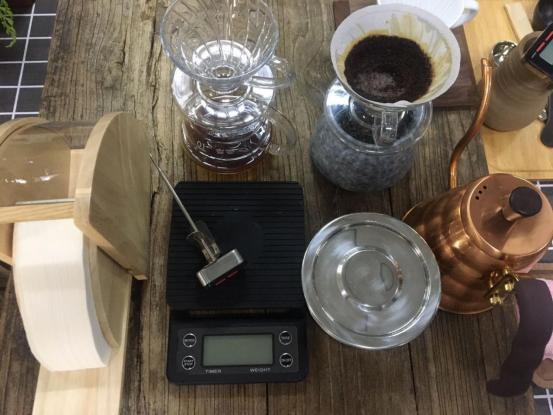
Pour-over kettle, dripper, server, grinder, filter paper, electronic scale, thermometer, sieve.
Pour-Over Kettle
Kettles come in many shapes, and style is largely a matter of taste—though FrontStreet Coffee doesn't recommend the popular Hario VKB for beginners. Here are the kettles we believe are worth buying first.
The Takahiro Shizuku, nicknamed the "cheating kettle," earns its reputation through superb water-flow control and flawless craftsmanship. If you'll only ever own one precision kettle, this is it. The price of over 500 yuan stings a little, but it's justified. The 0.9L size handles most situations, and the body is 18-8 stainless steel. Two drawbacks: the steel lid can burn players who habitually rest a hand on top, and it can't take a flow restrictor.
Narrow-spout kettles (spout inner diameter 6mm or more) are best represented by the Bonavita temperature-control kettle, which we use in our own shop. Its British-made Strix temperature-control system holds water temperature to within ±1°C, and the professional gooseneck spout gives fine command over flow speed, rate, and direction. The base offers temperature adjustment, keep-warm, and memory functions; the craftsmanship is excellent, the lid is plastic, a throttle valve can be fitted, and flow control beats the VKB. With this kettle, you need nothing else—an ideal choice for small cafés.
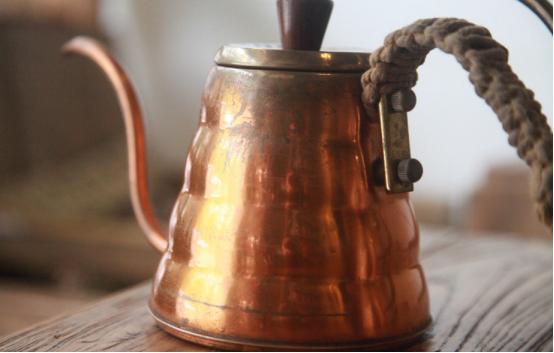
The Kalita crane-beak kettle comes from one of Japan's old-guard equipment makers, with the meticulous, almost artistic workmanship the Japanese do so well. It isn't quite at the level of the very top products, but if you haven't handled those, using it is a genuine pleasure. The handle is extremely comfortable, and the dual-handle design keeps the body very stable. The crane-beak spout is an advanced style with more flow variations and more to explore, and the wood-and-stainless pairing is beautiful—it matches Kalita's own stainless dripper perfectly. FrontStreet Coffee keeps one in the shop, bought purely for its looks. True beginners, meanwhile, can start with a narrow-mouth kettle of 5mm or less, such as the Kalita copper kettle 900.
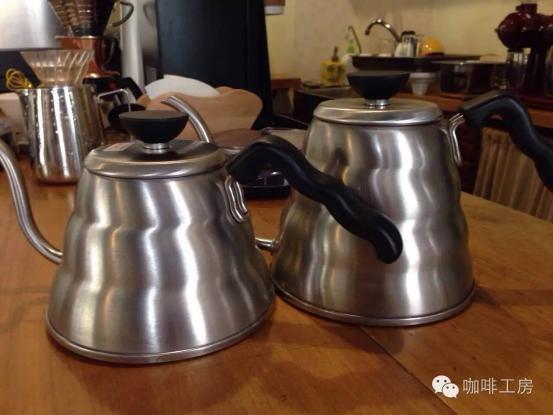
The Hario "Hand Grenade" kettle is pure stainless steel with a secondary matte finish that resists small scratches from knocks and cleaning. Body and lid are steel; the lid knob and handle are phenol-formaldehyde resin. Hario kettles are popular worldwide not just for their craftsmanship and design but because this one is an all-rounder: unlike the 5mm "divine kettles" limited to thin streams, it also supports the immersion-style brewing popular in Europe and America while still managing a fine drip flow when needed.
Dripper
The Hario V60 is the most popular dripper in the world, made in four materials: resin, glass, ceramic, and metal. Its versatility comes from three design choices:
- The 60-degree cone angle, which extends the time water takes to funnel through the grounds toward the center.
- A single large outlet hole, which lets you shape the coffee's flavor by changing your pour speed.
- Spiral ribs, which let air escape upward on all sides so the grounds can bloom to their fullest.
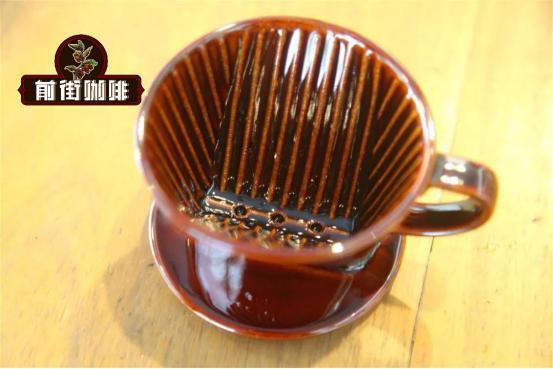
The Kalita dripper is made entirely of ceramic, which holds heat better; the glaze is even and the color attractive. Its retro three-hole trapezoidal shape, single-sided rim, and clear internal ribs yield a mellow, richly textured cup—well suited to low-acidity, high-body beans.
On the KONO dripper, the ribs don't run from bottom to top—they stop at less than half the cup's height. That design makes the filter paper cling tightly to the wall once wet, restricting the escape of air during the drawdown. Less airflow means the grounds stay saturated longer, stretching contact time and deepening the extraction.
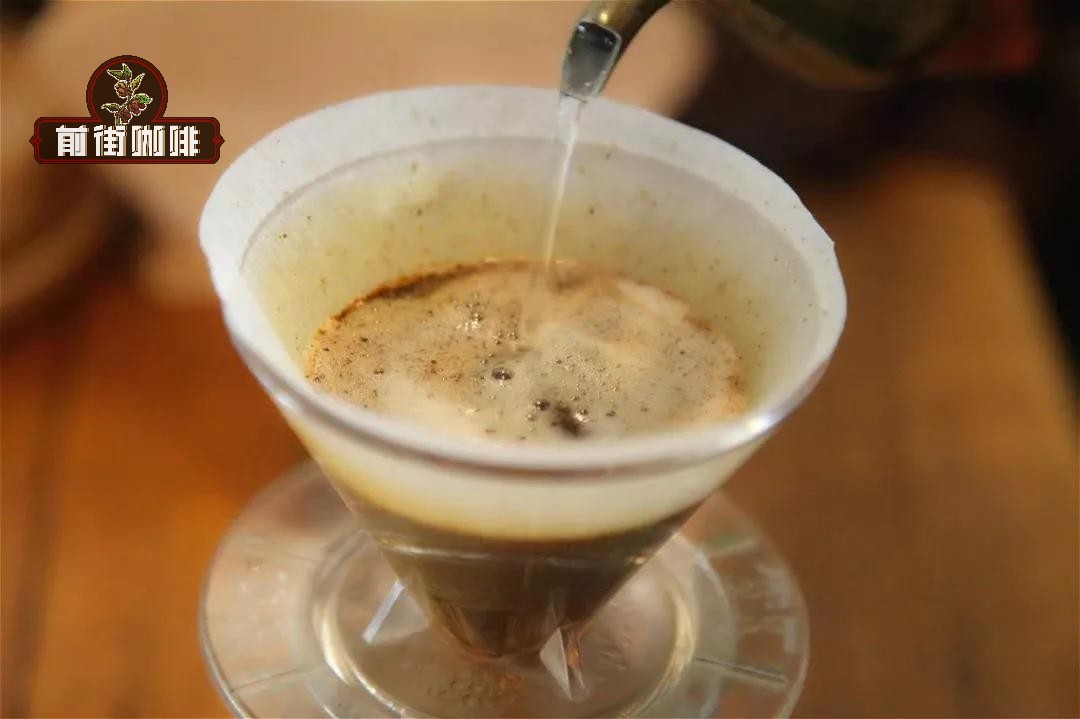
The cake dripper—also called the wave dripper—has a flat bottom, so water flows at a uniform rate, which raises extraction evenness. Only three small holes in the base slow the flow, letting the grounds steep fully for a more balanced cup. Its folded wave paper doesn't touch the walls directly, maximizing extraction area: hot water drips down evenly and smoothly, and temperature loss slows at the same time.
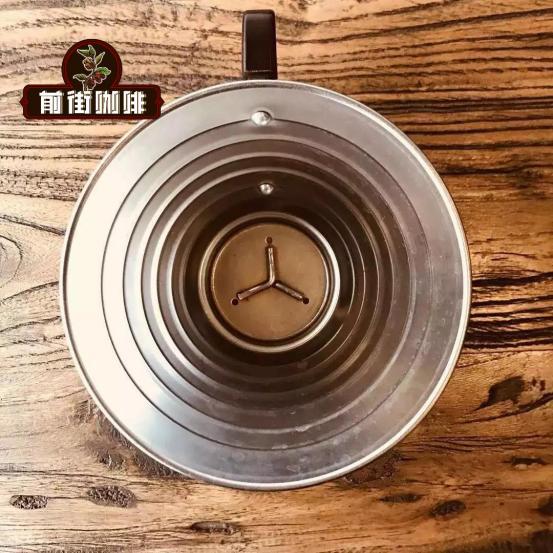
Grinder
Good pour-over starts with a good grinder. The market offers three types:
- Ghost tooth grinder
- Flat burr grinder
- Conical burr grinder
Ghost tooth grinders mill the beans into mostly round particles, giving single-origin coffee good balance and body. Flat burrs shave the beans into flaky particles, raising concentration and extraction rate quickly—aroma comes out fast, but extraction time must be kept short or off-flavors and astringency creep in. Conical burrs crush the beans into blockier particles, producing smoother, more complex flavors.
Common grinders include the Xiao Feiying, Xiao Fuji, Baratza Encore, and Huijia. FrontStreet Coffee uses the Baratza Encore.
Thermometer
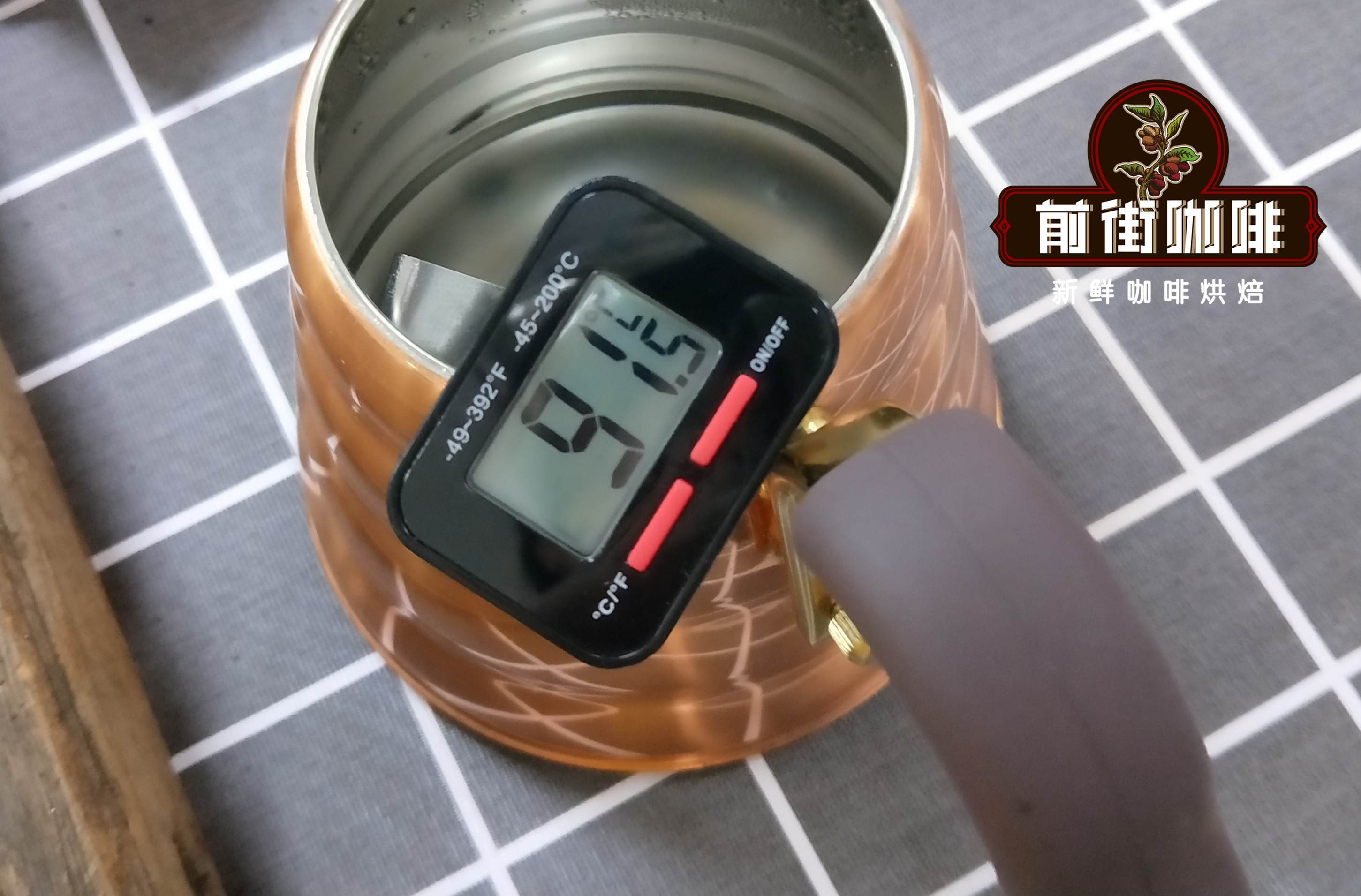
A thermometer measures your brewing water temperature. Options on the market include Tiamo, Hero, and Cafede Kona thermometers.
Electronic Scale
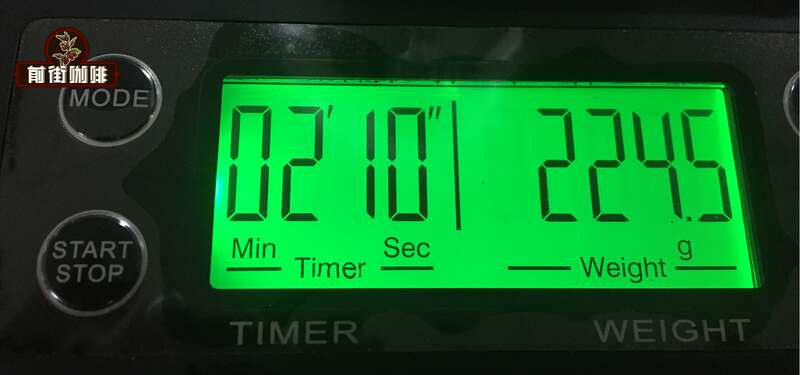
A scale lets you control the coffee-to-water ratio precisely, removing guesswork and adding tolerance for error. Prices range from tens to several hundred yuan. Options include Yami scales, Hero smart scales, and Timemore scales.
Filter Paper
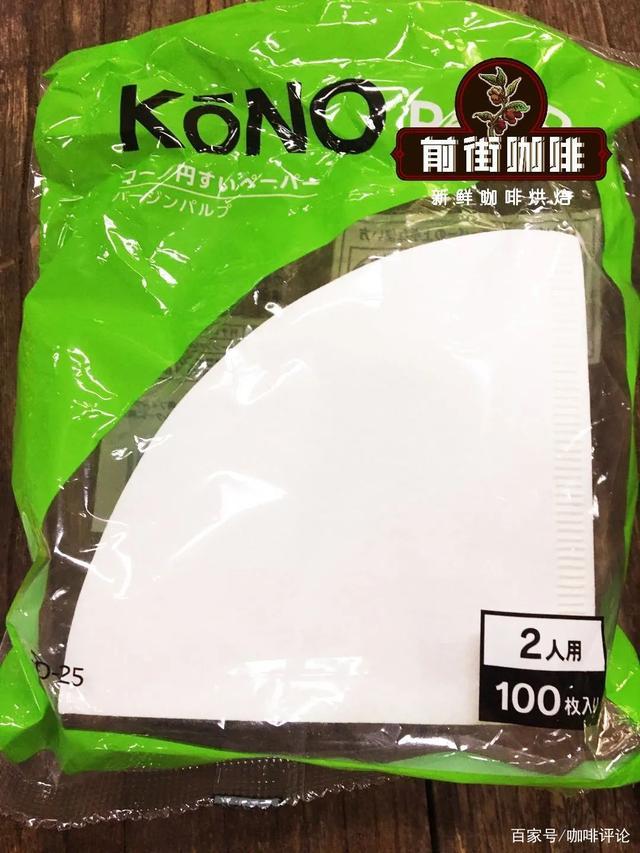
Filter paper comes bleached (white) or unbleached (light brown). Its job is simple but critical: dense fibers trap the grounds while letting the extracted coffee through. Buy paper matched to your dripper—Sanyo V60 papers, Hario, Kalita, and KONO papers are the common choices.
Sieve
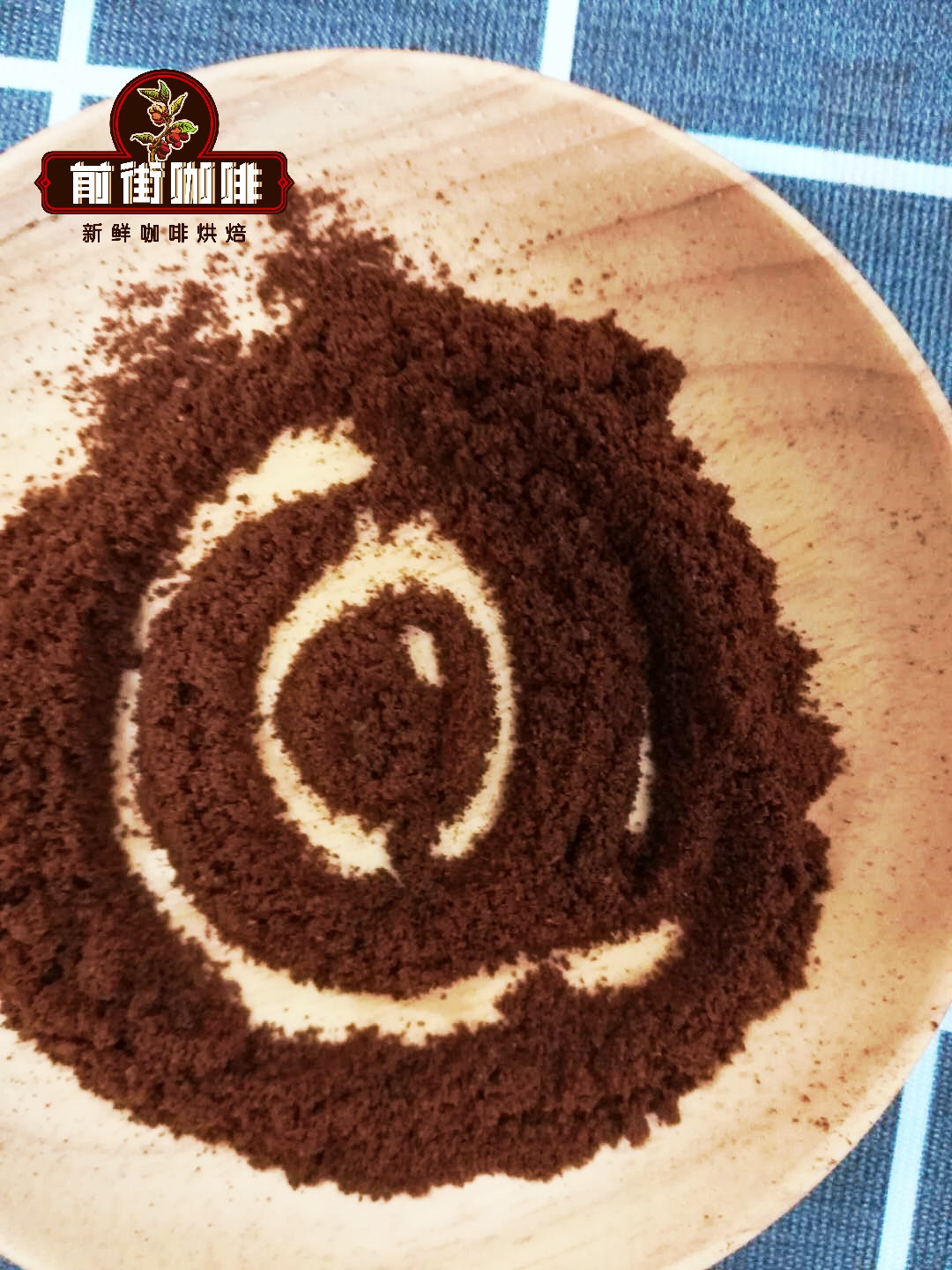
A sieve is mainly used to check grind size. Every bean has its own ideal grind for pour-over; after repeated testing, FrontStreet Coffee settled on 80% pass-through of the Chinese standard #20 sieve as our pour-over benchmark.
Server
The server is technically optional—drinking alone, you can drip straight into a mug. For multiple cups, you'll want one. The volume markings and transparent body make it far easier to track and control the extraction, so it's more than a serving vessel. FrontStreet Coffee recommends the HARIO V60 Cloud Server and the Kalita server.
Pour-Over Coffee Steps and Techniques
To brew a good pot, master four variables: water temperature, grind size, coffee-to-water ratio, and pouring technique.
Water Temperature
Hotter water extracts more aggressively—too hot, and the cup turns bitter and harsh; cooler water extracts gently, and too cool leaves the coffee sour, mild, and thin. Match temperature to roast level: for light to medium roasts, FrontStreet Coffee recommends 90–91°C; for medium-dark and dark roasts, 85–87°C. We brew within this range almost exclusively. Once a customer questioned it, so we took our Golden Mandheling (a dark roast) and brewed it at 90°C—the result was a cup that could nearly "duel" an espresso for intensity.
Grind Size
Grind size governs how long water and coffee stay in contact. Finer grounds release more in the same time but tip easily into over-extraction; coarser grounds extract less and drift toward sour under-extraction. FrontStreet Coffee's benchmark is 80% pass-through of the Chinese standard #20 sieve, established through repeated taste tests. Remember that each bean differs—when a pour-over tastes off, grind size is the first suspect.
Coffee-to-Water Ratio
The ratio of grounds to water determines strength. Common ratios run 1:10, 1:13, 1:15, or 1:16. FrontStreet Coffee recommends 1:15—moderate in both strength and taste. Taste is personal, though, so adjust freely toward the concentration you enjoy.
Brewing Technique
Techniques vary—three-pour method, single pour, drip method and more. For beginners, FrontStreet Coffee recommends the three-pour method. It suits light, light-medium, and medium roasts, and its segmented extraction clearly separates a coffee's front, middle, and back-end flavors, doing full justice to the cup.
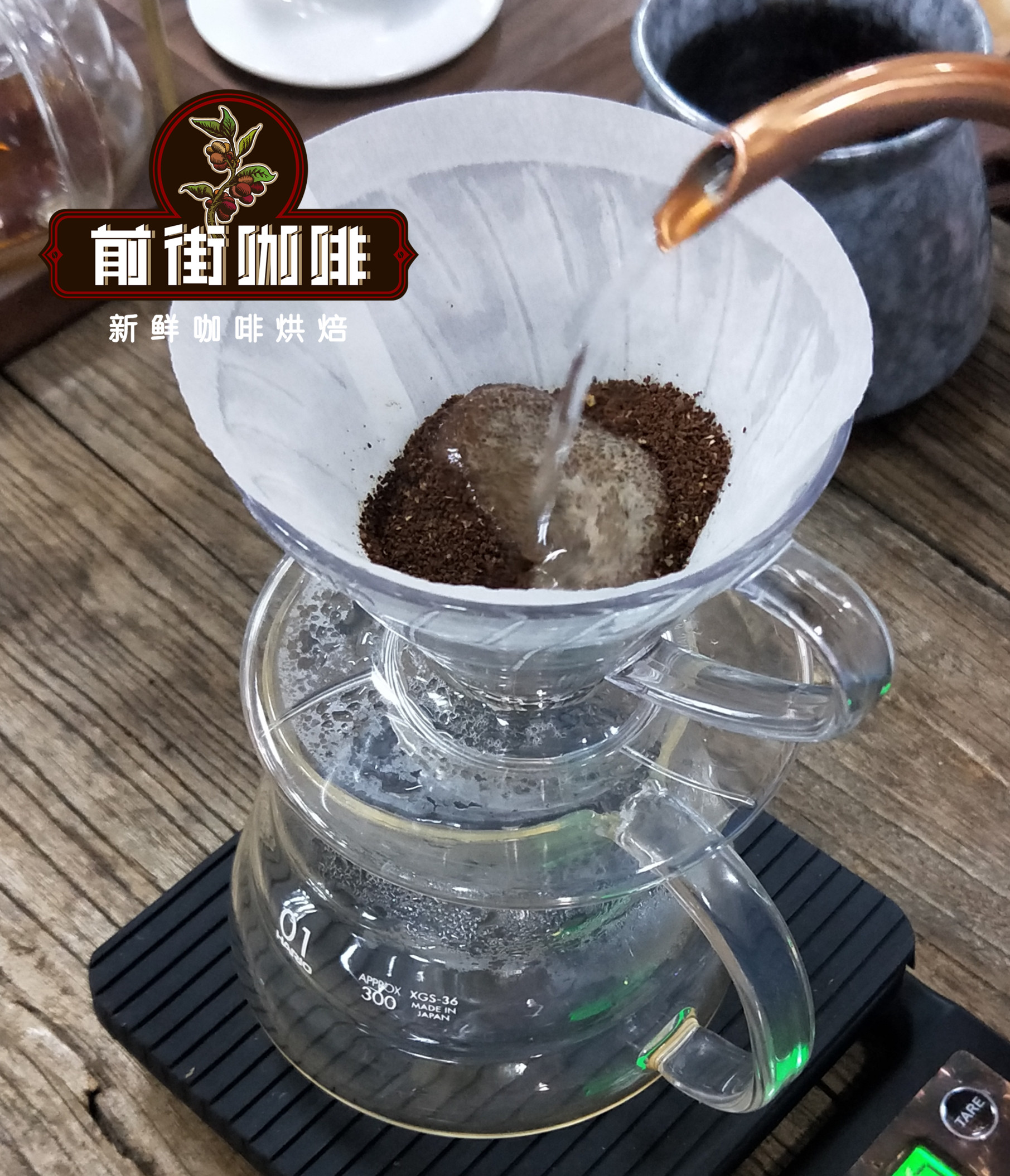
First Pour: The Bloom (Degassing)
Roasting transforms green beans through a cascade of chemical and physical changes, and by the time beans reach a given roast level they've accumulated a great deal of gas—mostly carbon dioxide.
The fresher the coffee, the more it bubbles during the bloom; dark roasts degas even more vigorously than light ones. Because FrontStreet Coffee's beans are all freshly roasted, we generally advise customers to rest them for three days first, letting the CO2 escape before brewing. That avoids instability and under-extraction in the cup.
Once degassed, the grounds absorb water evenly, setting up uniform extraction. A good bloom lets the coffee release gas quickly and completely while wetting every particle—which is exactly what even extraction requires.
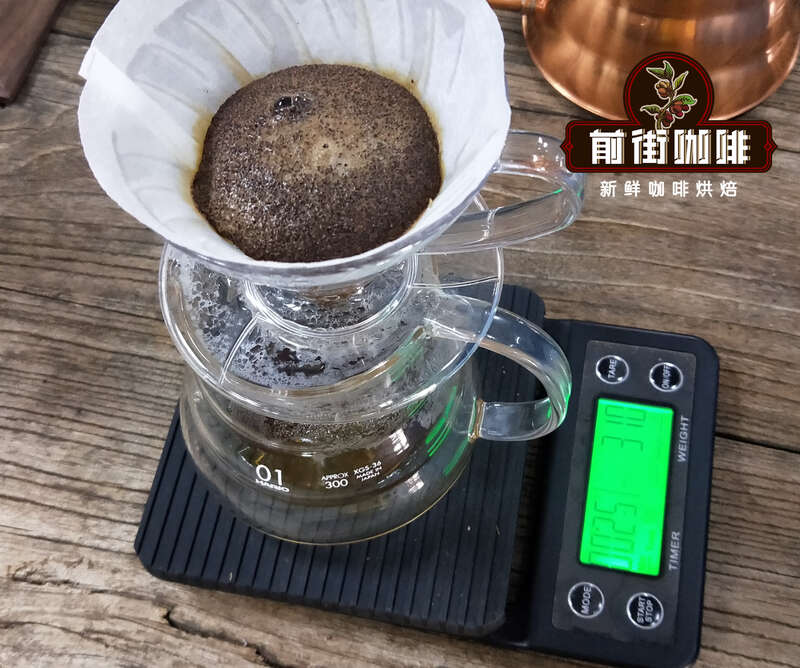
Four points to watch during the bloom:
- Level the coffee bed before pouring.
- Pour gently.
- Minimize the liquid that drips through during the bloom. If too much collects below, either use less water or check your grind. (Too much bloom water drips straight through the outer layer of the grounds, dragging out its harshness and astringency—you get a weak cup with over-extracted off-flavors. Too little bloom water, with nothing dripping at all, means the grounds haven't absorbed enough to degas fully, and you'll under-extract.) After many bloom experiments, FrontStreet Coffee found that pouring twice the coffee's weight in water is just right.
- Bloom for about 30 to 40 seconds. When the swelling stops and the bed's surface visibly settles, the bloom is done and you can continue pouring. (Too long, and bitterness and astringency develop; too short, and the grounds haven't soaked enough—the coffee under-extracts or never shows its character.) Every bean ends its bloom at a slightly different moment, but that precision isn't beginner-friendly, and beginners need standardization. So as long as your beans are fresh-roasted, FrontStreet Coffee recommends a flat 30 seconds; experienced brewers can adjust to taste.
Second Pour
Start at the center, driving a thin column of water down into the base of the bed. To keep the column's penetrating power, move in small circles—about the size of a one-yuan coin—then spiral outward. From this pour on, watch the water level: keep it below the height of the coffee bed, stopping when the stream nears the filter paper.
Third Pour
As the bed at the rim—originally thicker—absorbs water, grows heavy, and slumps thinner while the level drops, make the third pour once the water falls to about half.
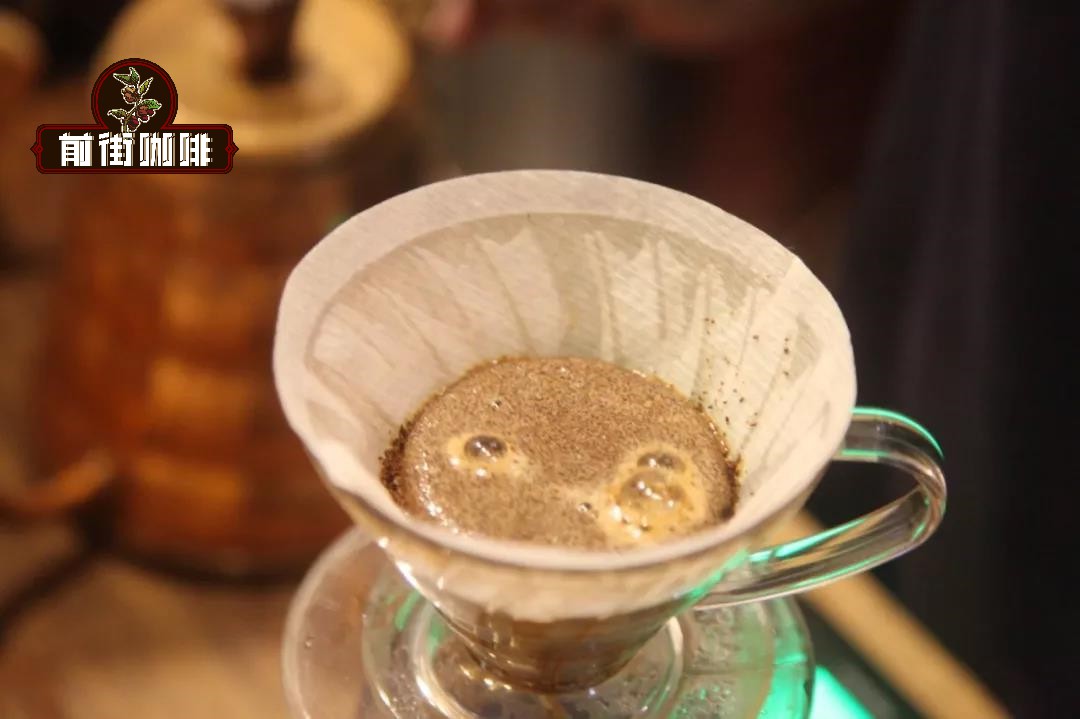
From here, watch how far the level drops between pours, and pour in circles from the center again, never exceeding the bed's height. You'll notice foam spreading across the surface. The third pour's job is agitation: tumble all the settled particles so their soluble compounds dissolve.
When you stop pouring, the tumbling settles. The falling water level then creates friction between particles—but once pouring stops entirely, the grounds sink and compact, and the bed clogs. Rhythm matters. Too many pauses effectively leave the grounds steeping in water, and astringency and off-flavors show up in the tail end of the extraction.
Example: FrontStreet Coffee Ethiopian Yirgacheffe
Brewing Recommendations
Dripper: Hario V60
Water temperature: 90°C
Coffee: 15 grams
Coffee-to-water ratio: 1:15
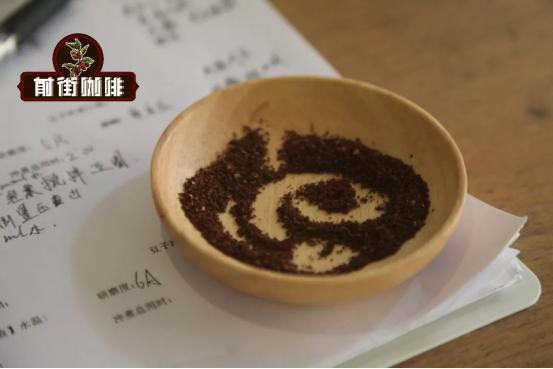
Grind size: 80% pass-through of Chinese standard #20 sieve
Brewing Technique
Segmented extraction
Bloom with 30g of water for 30 seconds, then pour in small, circular streams up to 125g and pause. When the level drops and the coffee bed is about to surface, pour again to 225g and stop. Once the bed is about to surface again, remove the dripper. (Timer starts at the bloom.) Total extraction time: 2 minutes.
Flavor Description
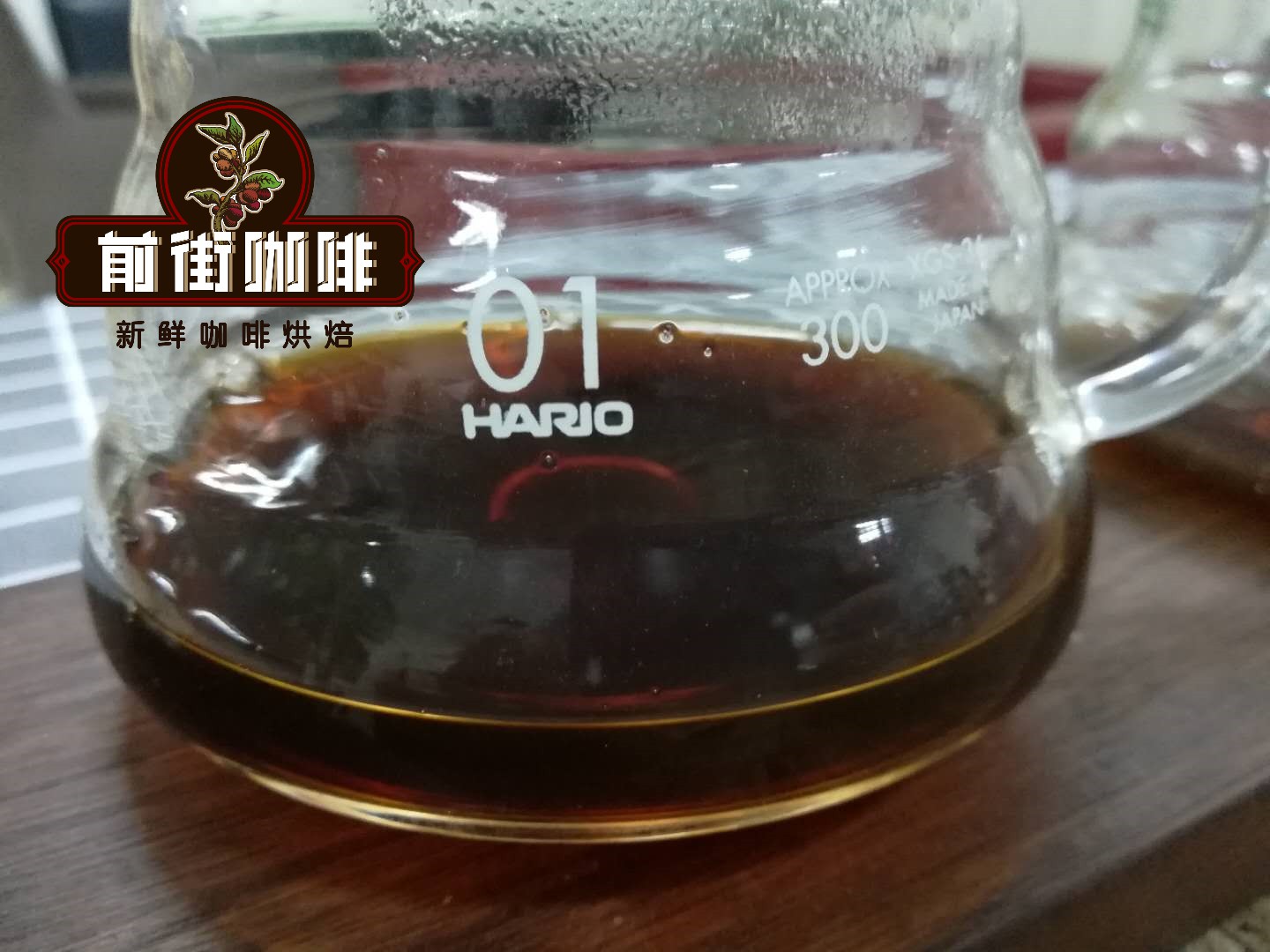
Distinct florals, bright lemon and citrus acidity, with a black-tea note in the aftertaste.
FrontStreet Coffee Recommendation
Master the technique above and the next question is which beans deserve it. The V60's fast, clean extraction is tailor-made for the light-roast, floral-and-fruit coffees of the third wave—so start with FrontStreet Coffee's Yirgacheffe Worka Gedeb (Guodingding Cooperative) from Ethiopia. It carries the classic washed Yirgacheffe signature: white-flower sweetness close to jasmine, bright citrus acidity, honeyed sweetness, and a green-tea finish. Brewed exactly as in the recipe above, it shows clear floral-fruit tones with an uplifting lemony snap; as cold brew, the gentle low-temperature steep pulls out the lighter aromatic molecules for an iced coffee as refreshing as fruit tea.
For a fruitier ride on the same V60, try FrontStreet Coffee's Natural Hawaii (Huakui). The natural process lets ripe cherries dry intact, building a creamy strawberry sweetness; in the cup you'll find silky texture, a whisper of orange blossom, and the juicy sweet-tart lift of guava and mango. And if you want a single bag that does everything—pour-over, cold brew, home espresso, moka pot, clever dripper—the Strawberry Candy Geisha Blend pairs honey-processed Costa Rica with washed Panama Geisha: raisin, orange, and ripe blueberry aromatics, a rose-like perfume, and a faint almond finish.
If your taste runs toward the fuller-bodied, gentler side instead, FrontStreet Coffee's Queen Estate (Fazenda Rainha) Yellow Bourbon from Brazil is the benchmark: very low acidity, balanced and smooth, with rich nut and cocoa aromas, clear caramel sweetness, and no astringency. It suits pour-over, espresso, and moka pot alike, and its generous crema and everyday price make it the classic daily drinker. Light and floral or round and chocolatey—either way, your new pour-over skills will give these beans the cup they deserve.
Important Notice :
FrontStreet Coffee is a long-established specialty coffee roaster in Guangzhou China, selling freshly roasted beans from its own farm in Yunnan as well as dozens of carefully selected single-origin beans from around the world for both pour-over and espresso. The products deliver consistently excellent quality and great value, with shipping within 24 hours. Guangzhou's FrontStreet Coffee shop is recommended by many coffee lovers, and the beans are now available online at the Tmall 。
FrontStreet Coffee has moved to a new address:
FrontStreet Coffee Address: 315,Donghua East Road,GuangZhou
Tel:020 38364473
 Scan and follow the En Gafei WeChat official account. Please indicate that the reprint comes from "En Gafei".