Cappuccino Coffee Illustrated Tutorial: Exclusive Guide to the Most Authentic Cappuccino Preparation
The Art of Cappuccino: A Complete Guide
Cappuccino is the most classic of all Italian coffee drinks. For plenty of people, the first encounter came down to nothing more than a name that was impossible to resist. In this guide, FrontStreet Coffee walks through how cappuccino is actually made. What comes to mind when you think of it? Most likely a milk coffee crowned with a thick, dense cap of foam. That picture is correct, but to truly understand cappuccino it helps to begin with where the name comes from.
The Origin of the Name "Cappuccino"
The word reaches us from the Italian "cappuccino," which traces back to the Capuchin friars and to "cappuccio," Italian for hood. The white hoods those friars wore call to mind the white patch of milk foam sitting at the center of a cappuccino. The story goes that most of the friars were fond of drinking this style of coffee, and that is how the drink came to borrow their name.
How to Make Authentic Cappuccino Coffee
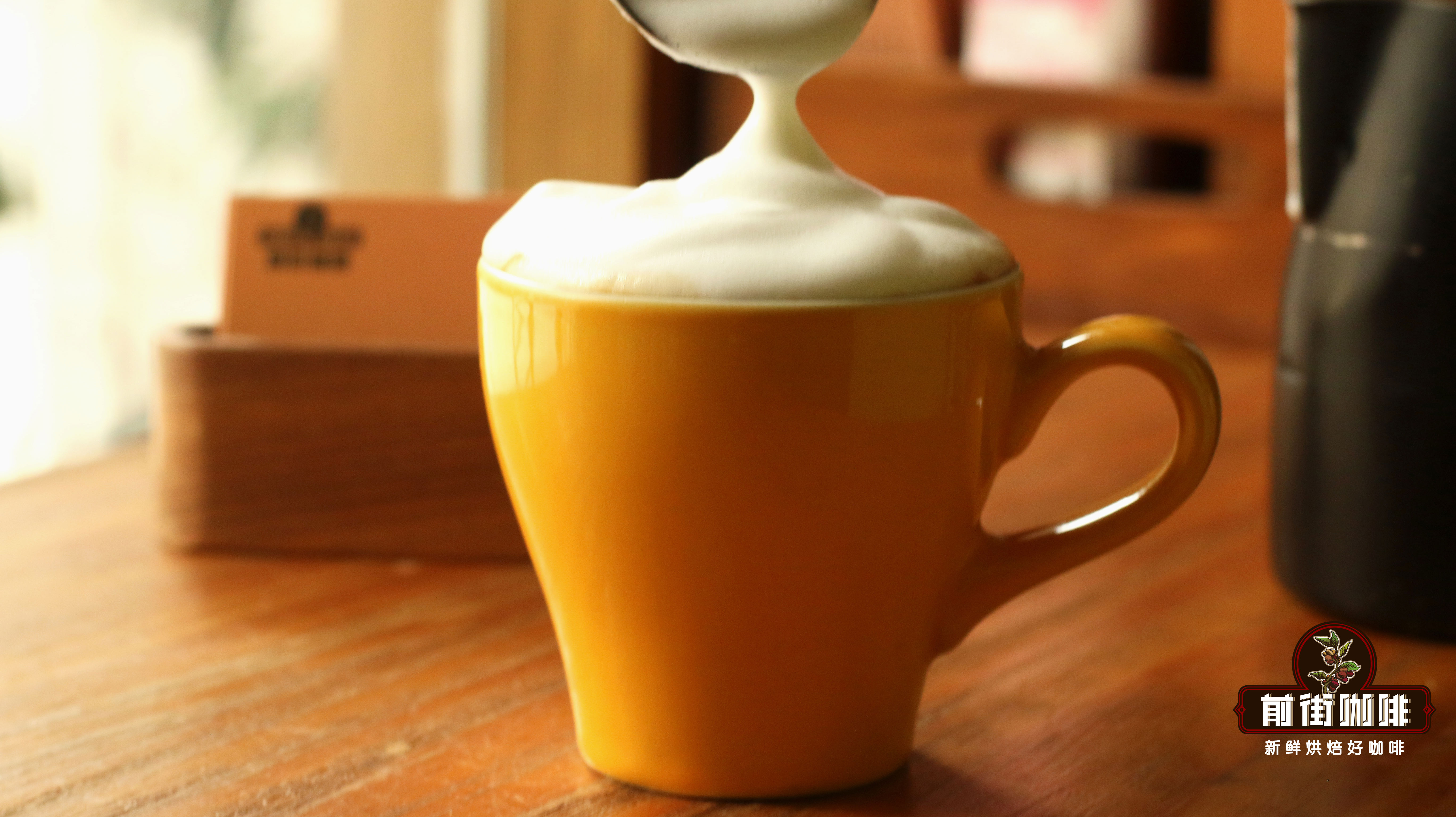
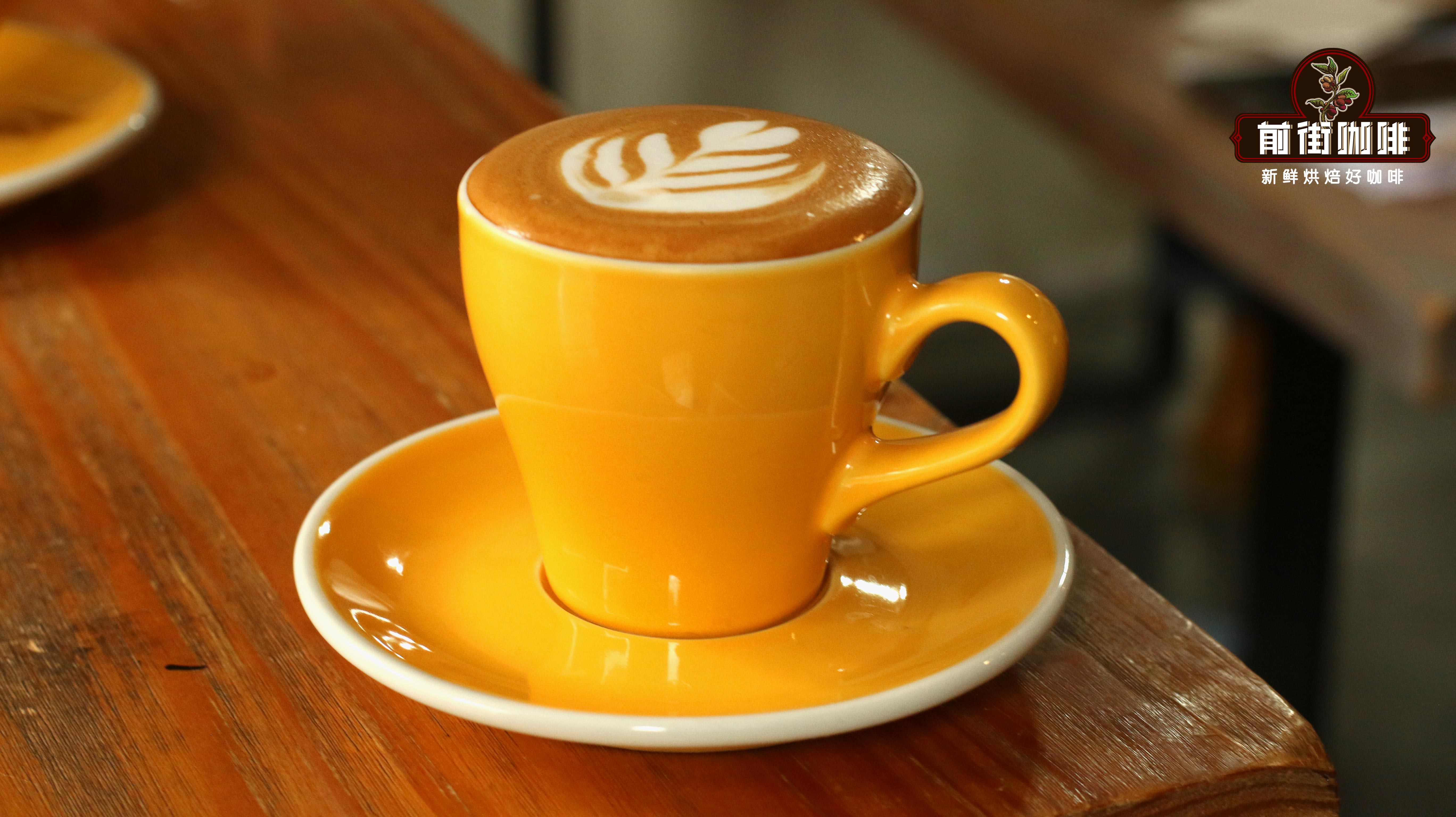
So what does it take to make an authentic cappuccino? The most traditional Italian version is served in a tall ceramic cup of roughly 180ml. It calls for a single shot made the old Italian way, meaning 30ml of espresso pulled from 7-8 grams of coffee grounds. Properly frothed, stiff milk foam is then poured in, leaving a white crown in the middle ringed by a golden halo where the crema and the foam meet.
Cappuccino also lives or dies by its beans, because different flavor profiles give the finished drink a very different character. Italians favor dark Italian-style roast blends for espresso, and those deliver flavors of roasted notes, richness and dark chocolate.

FrontStreet Coffee roasts with a different philosophy. Even the beans destined for espresso never go as dark and oily as a classic Italian roast. FrontStreet Coffee's aim is to protect the coffee's original flavors, which means roasting espresso beans deeply without cooking away what makes them distinctive.
FrontStreet Coffee uses its "Warm Sun Blend," which pairs Sherry barrel-processed beans with sun-dried Yirgacheffe. It is roasted to a medium-dark level, noticeably lighter than an Italian roast. Because the Sherry-processed coffee is married to Yirgacheffe, the cup leads with Sherry wine aroma and vanilla cream while caramel and chocolate fill in behind.
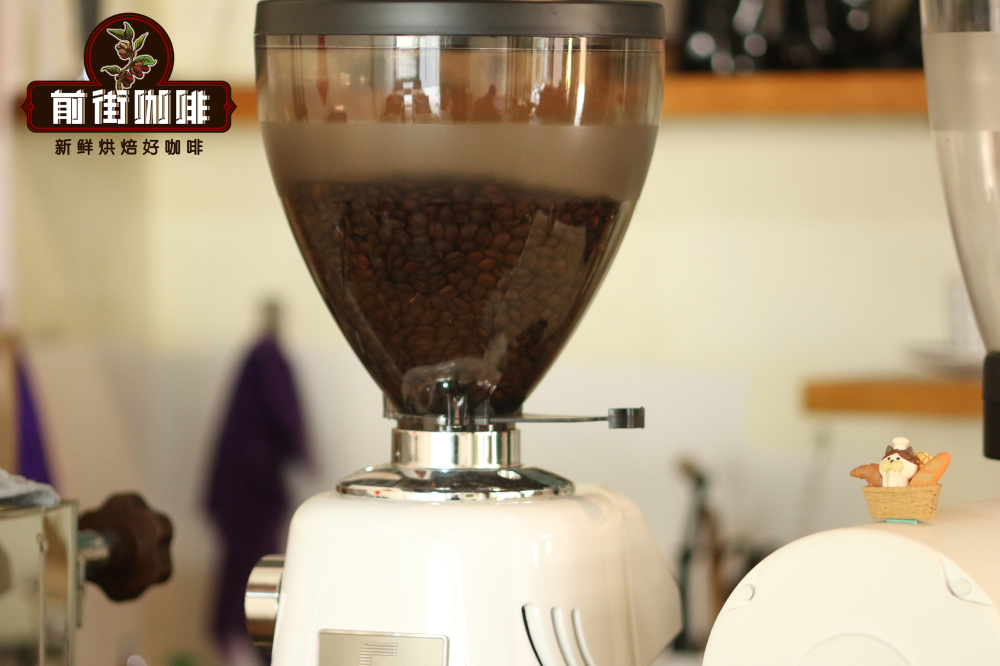
The Preparation Process
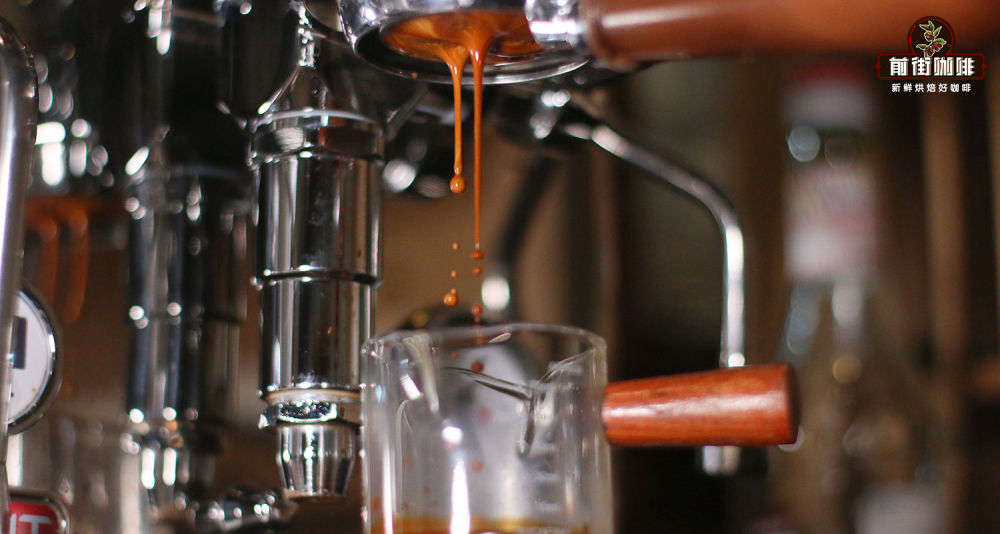
This particular preparation pulls a single shot, using a single portafilter loaded with 9 grams of coffee grounds to yield 20 grams of espresso liquid over an extraction time of 22 seconds.
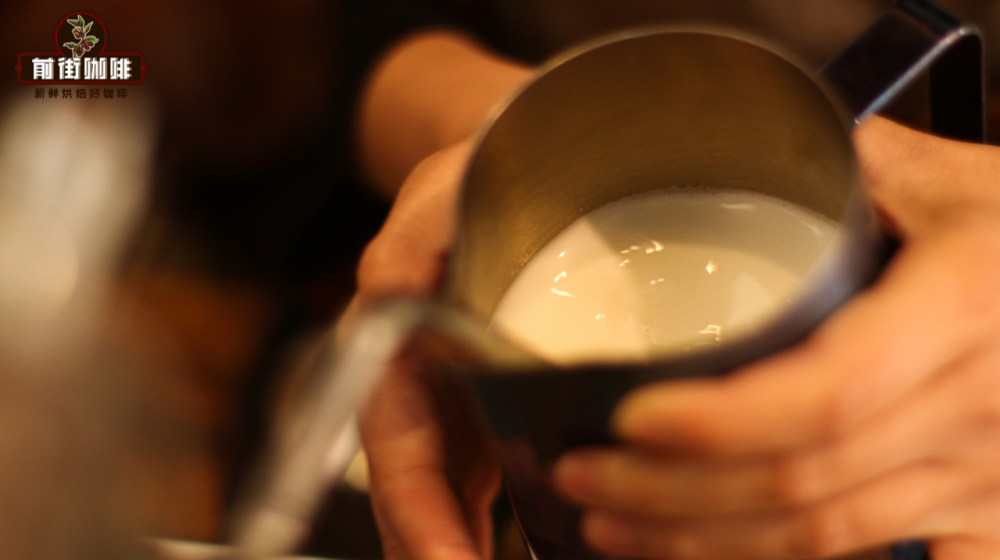
The real test of a cappuccino lies in the milk. Its foam is thicker than a latte's, so the milk demands a longer stretch of aeration. Pour the milk into the pitcher, sink the steam wand into it, and open the steam valve so the wand's air holes just kiss the surface of the milk. You will hear a sharp, paper-tearing hiss, and that is aeration, or air intake. The longer you aerate, the thicker the foam, which is exactly why cappuccino milk is aerated longer than milk for a latte. Once aeration is done, keep the wand submerged so the milk spins and texturizes in the steam. Finally, when the milk reaches around 55 degrees Celsius, shut off the steam and the milk frothing is complete.
The Signature Golden Ring
What sets a cappuccino apart is its dense milk foam, but foam that thick also cuts the milk's fluidity, which makes the elaborate latte art you see on lattes hard to pull off. The most impressive pattern a cappuccino can show is arguably its signature "golden ring."
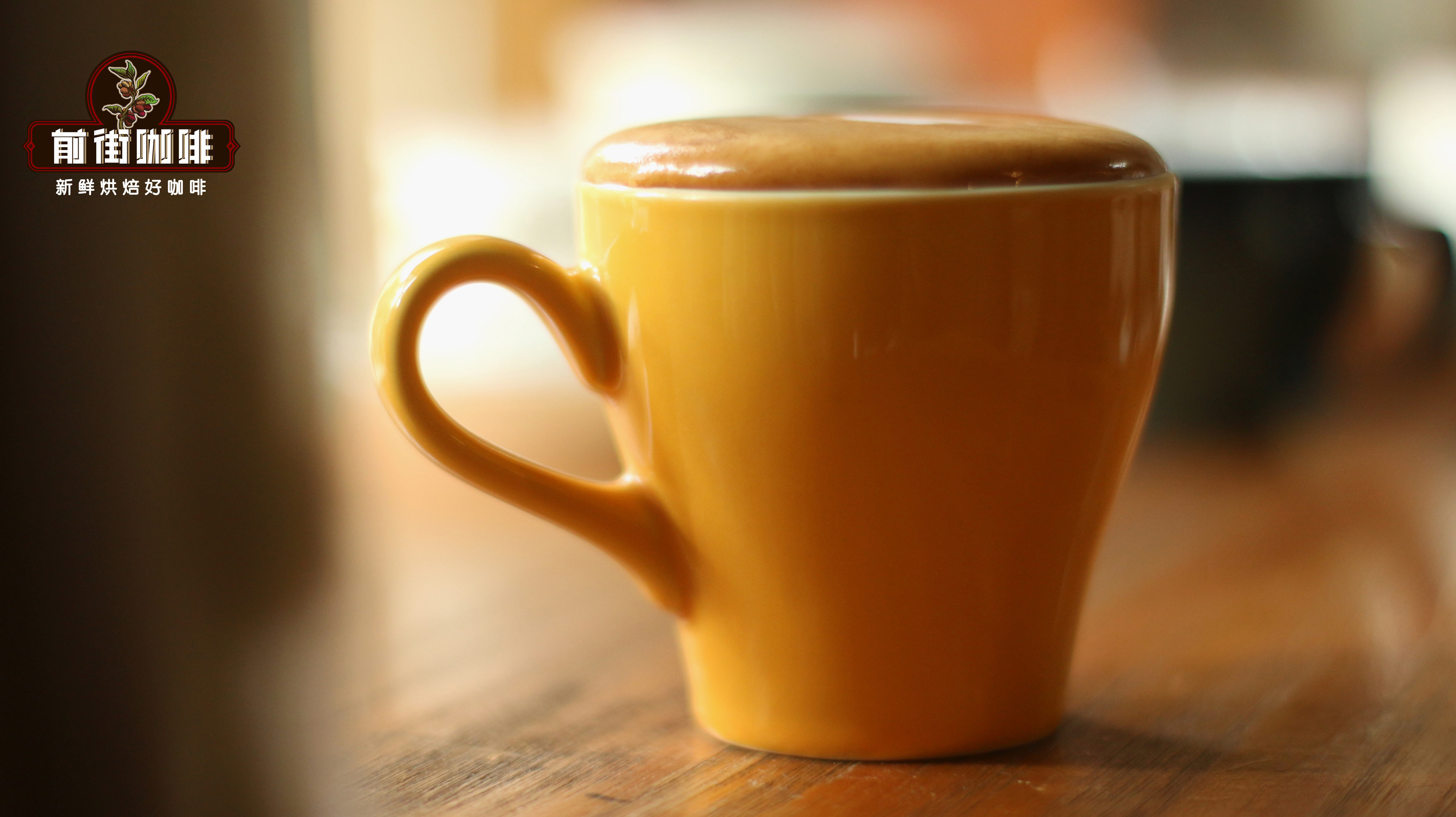
The golden ring is actually simple to make. Add the extracted espresso to the cup, then, instead of pouring the milk straight in, use a spoon to scoop foam into the espresso to fill the center. Let the foam fall gently into the middle of the coffee, where it spreads outward like a ripple. Keep adding foam and the ripple expands until it covers most of the surface, and only then do you pour in the milk.
Today, with latte art everywhere, baristas strive to paint a flower on every milk drink, and cappuccino is no exception. To leave room for a pattern, they deliberately introduce less air when steaming so the foam is thinner and more fluid. And because a brimful cup tends to spill, some shops that serve takeout intentionally tone down the domed, filled-to-the-brim look.
FrontStreet Coffee Recommendation
Want to make this at home? You don't need a full cafe setup. A home espresso machine or a manual lever press is enough to pull the base shot, and FrontStreet's house cappuccino starts from a simple 1:2 coffee-to-liquid ratio.
Because cappuccino demands a concentrated, full-bodied shot, an espresso blend built for milk is the way to go. If you are just starting out, the Crema Bomb Classic Blend or the budget-friendly Black Cocoa Basic Blend are easy picks. For a floral, fruity cappuccino, the Strawberry Candy espresso blend brings berry, rose, raisin and fruit-candy aromas; for something brighter and less bitter, the Granada Geisha SOE, a natural-process medium roast, offers berry, orange and persimmon that soften into a milky-candy sweetness once milk is added.
The golden ring itself is the most comforting part of the drink: the espresso colors the outer ring while foam fills the inner circle, and technique is all it takes. Steam your milk a little thicker and denser than usual since there is no latte art to pour, spoon foam into the exact center of the coffee to build that round filling, then swirl the pitcher to recombine the milk and foam and pour straight down the middle. With foam across the whole surface there is no risk of overflow, so go ahead and fill it to the brim.
Important Notice :
FrontStreet Coffee is a long-established specialty coffee roaster in Guangzhou China, selling freshly roasted beans from its own farm in Yunnan as well as dozens of carefully selected single-origin beans from around the world for both pour-over and espresso. The products deliver consistently excellent quality and great value, with shipping within 24 hours. Guangzhou's FrontStreet Coffee shop is recommended by many coffee lovers, and the beans are now available online at the Tmall 。
FrontStreet Coffee has moved to a new address:
FrontStreet Coffee Address: 315,Donghua East Road,GuangZhou
Tel:020 38364473
 Scan and follow the En Gafei WeChat official account. Please indicate that the reprint comes from "En Gafei".