Starbucks Pour-Over Coffee: How Many Varieties, Prices, and the Three-Stage Pour-Over Brewing Principle
Professional Coffee Knowledge Exchange
Pour-over is one of the most satisfying ways to brew coffee, and getting it right comes down to a handful of controllable variables. This article from FrontStreet Coffee covers the Golden Cup standard, grind calibration, water temperature, and a step-by-step three-pour method.
With the arrival of the third wave of specialty coffee, more and more people are choosing pour-over coffee. With its simple equipment and emphasis on manual technique, pour-over feels like a return to simplicity born from the pursuit of refined Japanese craft, and it has captivated many coffee experts and lifestyle enthusiasts. FrontStreet Coffee advocates a conservative pour-over approach - precise grinding, precise temperature, precise weight, and full extraction within a precise time - to ensure the flavor comes through. FrontStreet Coffee's definition of precise parameters is based on SCA guidelines combined with its own practical experience. Over-extraction means extraction above Golden Cup standards, and under-extraction means extraction below them. This method provides a standard baseline that can be adjusted to personal preference.
Starting in March 2015, Starbucks gradually introduced pour-over coffee in major stores. The varieties varied by store, and several stores nationwide were selected as "Reserve" coffee shops with superior quality and more diverse flavors. Starbucks' first Seattle store initially sold only coffee beans, so when it resumed selling pour-over coffee beans and let customers choose by bean, it was essentially returning to its roots.
What is Pour-Over Coffee?
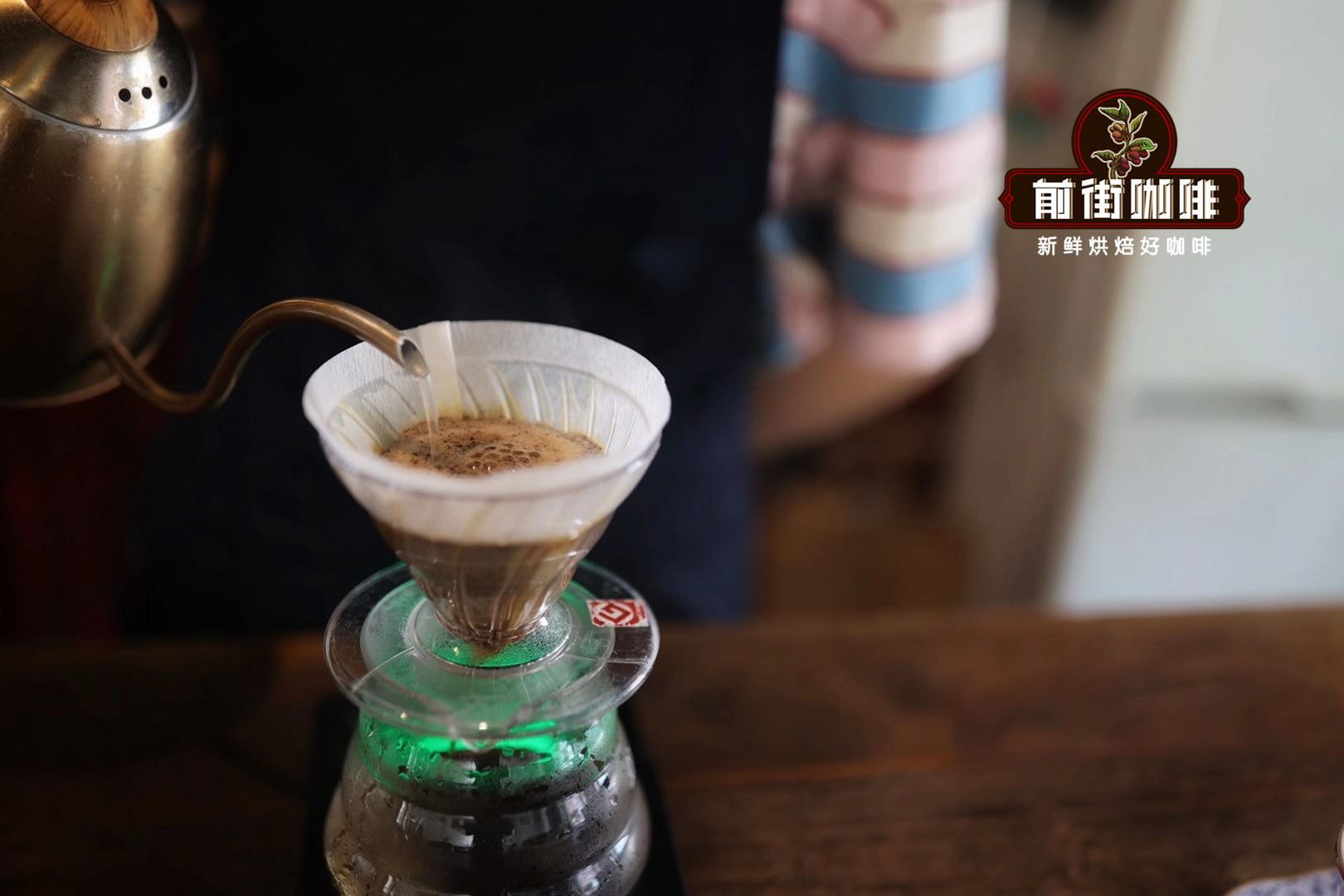
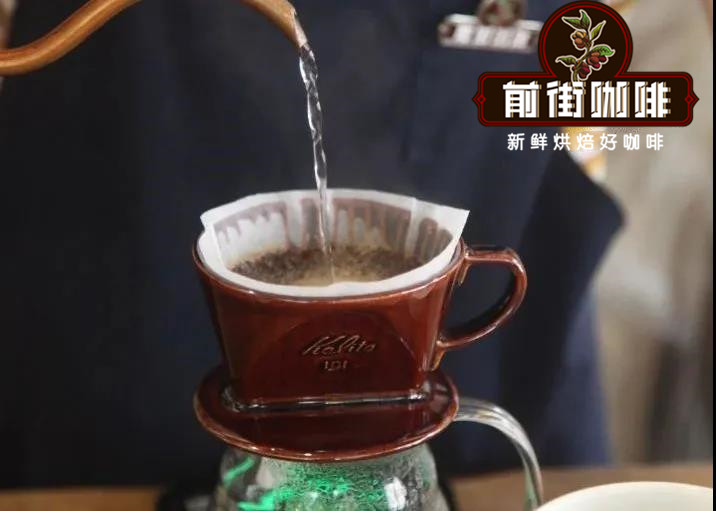
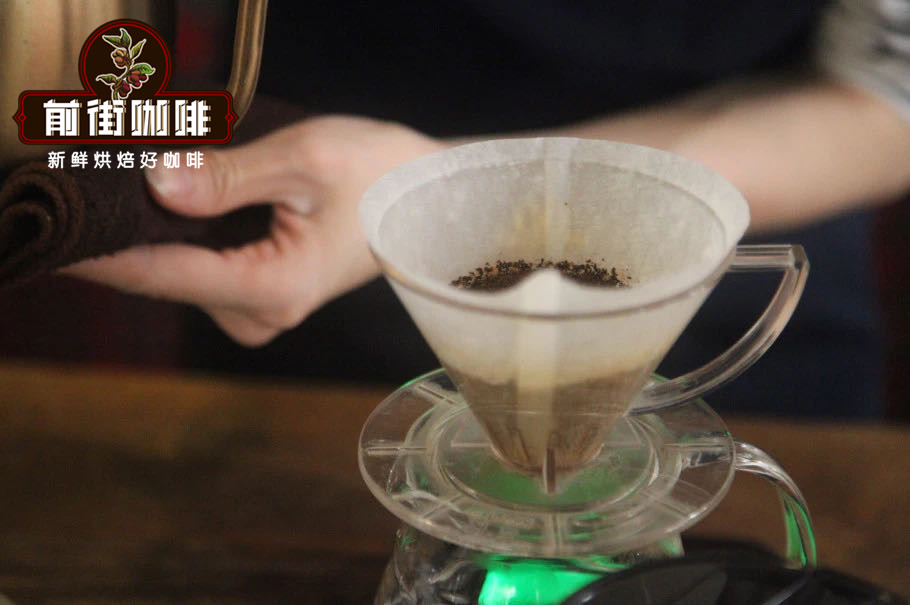
So-called "pour-over coffee" is brewed at atmospheric pressure using a drip cone and filter paper to hold appropriately ground coffee. The brewer uses a steady pouring method to extract coffee by running water of the right temperature and volume over the grounds. FrontStreet Coffee believes that pour-over coffee - with precise grinding, precise temperature, precise weight, and full extraction within a precise time - yields more distinct regional flavor characteristics, letting you experience the unique profile of different beans.
What is Coffee Regional Flavor?
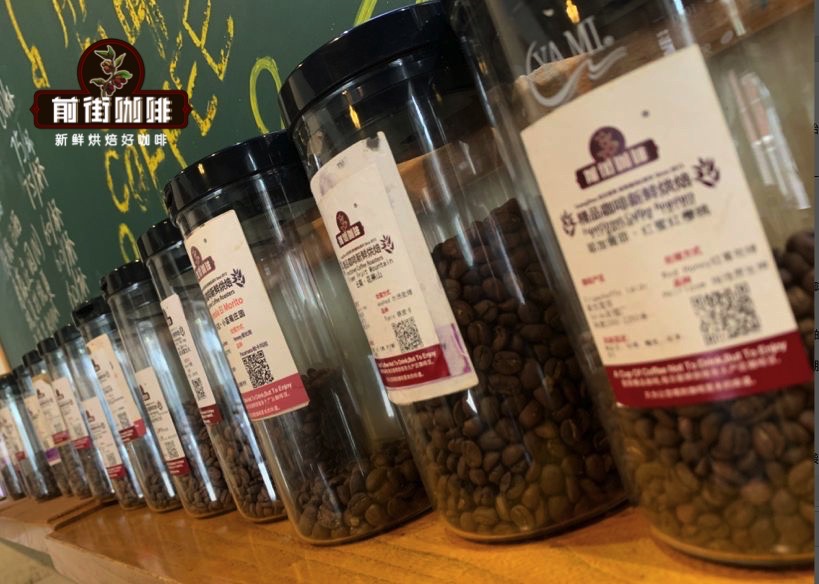
Coffee growing region, latitude, altitude, soil, sun exposure, rainfall, and temperature all affect the flavor direction of coffee beans. When customers visit FrontStreet Coffee and don't know which single-origin coffee to choose, the baristas ask about preferred flavor directions - fruity, floral, fermented, full-bodied - and then make recommendations based on the desired taste. For example, if a customer wants fruity flavors, a FrontStreet Coffee barista might select two Ethiopian beans: a sun-dried Sidamo Guji 4.0, which offers blackcurrant sweetness and a full-bodied, juicy texture, and a washed Yirgacheffe Gedeb, which delivers bright citrus acidity, berry sweetness, and lemon tea notes. Then the barista observes which one the customer prefers before brewing.
Golden Cup Standard Brewing Ratios
As mentioned above, FrontStreet Coffee has always advocated conservative brewing methods. FrontStreet Coffee's recommended 1:15 coffee-to-water ratio is based on SCAE parameters combined with the characteristics of its own roasted beans.
According to the SCAE (Specialty Coffee Association of Europe) Gold Cup Standard: 1000ml water, 50-60g coffee powder, brewed with 92°C-96°C hot water. This brewing ratio falls in the middle of the optimal extraction and concentration values - that middle value is the Golden Cup.
Rich Flavor: 1:10-1:11 (equivalent to Golden Cup standard 1:12.5-1:13.5)
Medium Flavor: 1:12-1:13 (equivalent to Golden Cup standard 1:14.5-1:15.5)
Light Flavor: 1:14-1:16 (equivalent to Golden Cup standard 1:16.5-1:18.5)
A coffee-to-water ratio of 1:14.5-1:15.5 most easily achieves the Golden Cup extraction rate of 18-22% and a concentration range of 1.15-1.35%.
FrontStreet Coffee wants to remind everyone that the Golden Cup's concentration and extraction values were not invented but derived from random sampling statistics. These values describe that coffee within the Golden Cup criteria suits most people's tastes, but they do not rule out that some people prefer coffee outside those standards. After all, coffee is just a beverage, and the Golden Cup standard is not ironclad - never use it to constrain judgments about coffee quality.
How to Brew Great Pour-Over Coffee at Home
Customers often ask FrontStreet Coffee why they can't replicate cafe-quality coffee at home, unsure whether to adjust bloom time, grind setting, pour method, water temperature, and so on. So how do you brew a good pot of pour-over coffee?
First, Choose Fresh Coffee Beans
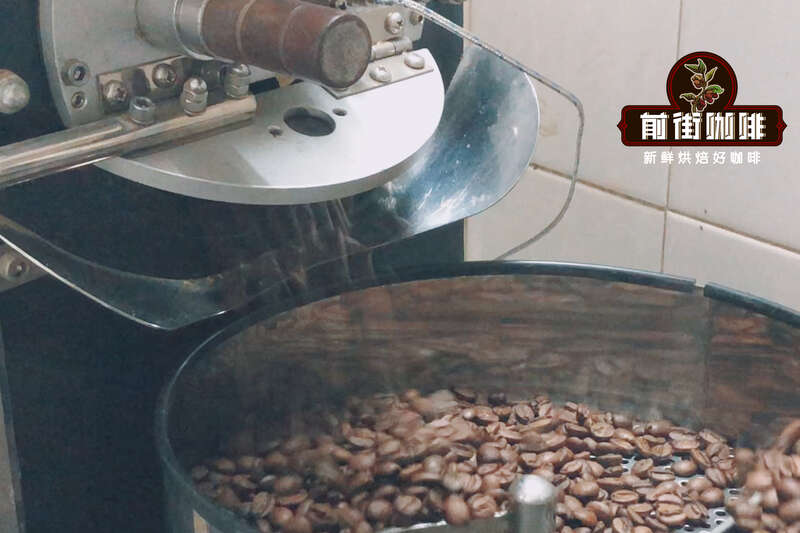
FrontStreet Coffee believes the optimal tasting period for coffee beans is 30 days. After 30 days, as aromatic molecules decrease along with carbon dioxide release, beans may taste bland and unremarkable when brewed. That is why FrontStreet Coffee always emphasizes using freshly roasted beans before every brewing discussion.
Next, Coffee Bean Grind Size
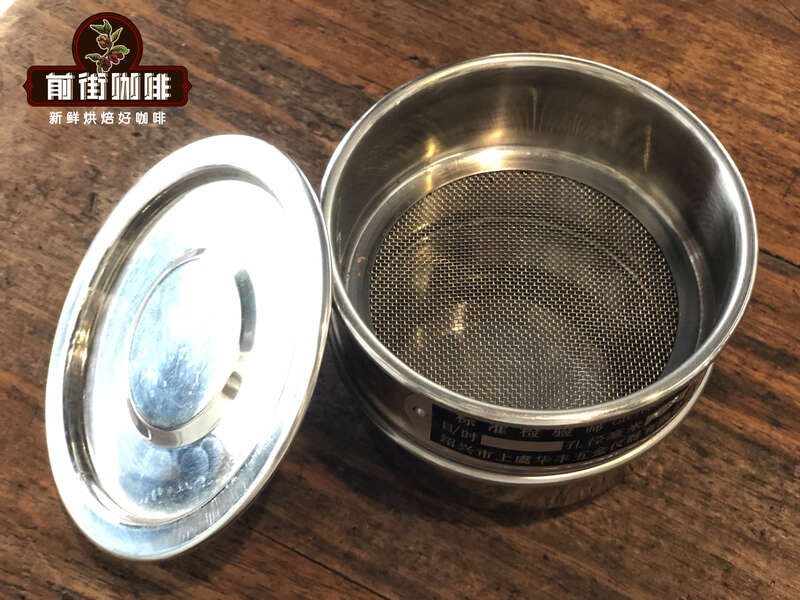
To ensure each bean has the most suitable grind, FrontStreet Coffee recommends a #20 cupping calibration sieve with 0.85mm apertures. Take 10g of coffee, grind to an approximate setting, then sift it. Weigh the sifted powder (sift until no more powder passes through). An 80% pass rate (8g from 10g) is ideal for light-to-medium roast beans, while 70-75% (7-7.5g from 10g) is ideal for medium-to-dark roast beans. If the pass rate exceeds the target, adjust coarser; if below, adjust finer. FrontStreet Coffee suggests that if you usually brew medium roast and want to brew light roast, grind slightly finer - and if you usually brew light roast, grind slightly coarser for dark roast.
Next, Appropriate Coffee-to-Water Ratio
As mentioned above, FrontStreet Coffee has always recommended a 1:15 pour-over ratio. Everyone can also adjust to personal taste using the provided ratios as a reference.
Then Use Appropriate Water Temperature
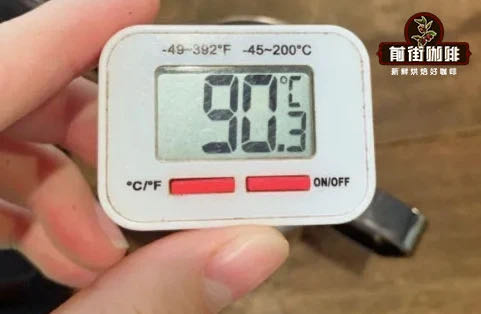
Higher water temperature increases extraction power, making coffee more bitter with intense flavors; lower water temperature decreases extraction power, making coffee more acidic with milder, lighter flavors. Pour-over water temperature should be adjusted to the roast degree: light-to-medium roast beans are recommended at 90-91°C, while medium-to-dark roast beans are recommended at 85-87°C. FrontStreet Coffee typically adjusts within this range. A customer once questioned this, so FrontStreet Coffee used Golden Mandheling beans (dark roast) brewed at 90°C, resulting in a taste that could compete with espresso. Generally, darker roasts use lower-temperature water and lighter roasts use higher-temperature water. Pay special attention here: using high-temperature water for dark roast or low-temperature water for light roast will produce poor flavor. The finer the grind, the more surface area and the faster the extraction.
Finally, Brewing Technique and Extraction Time Impact
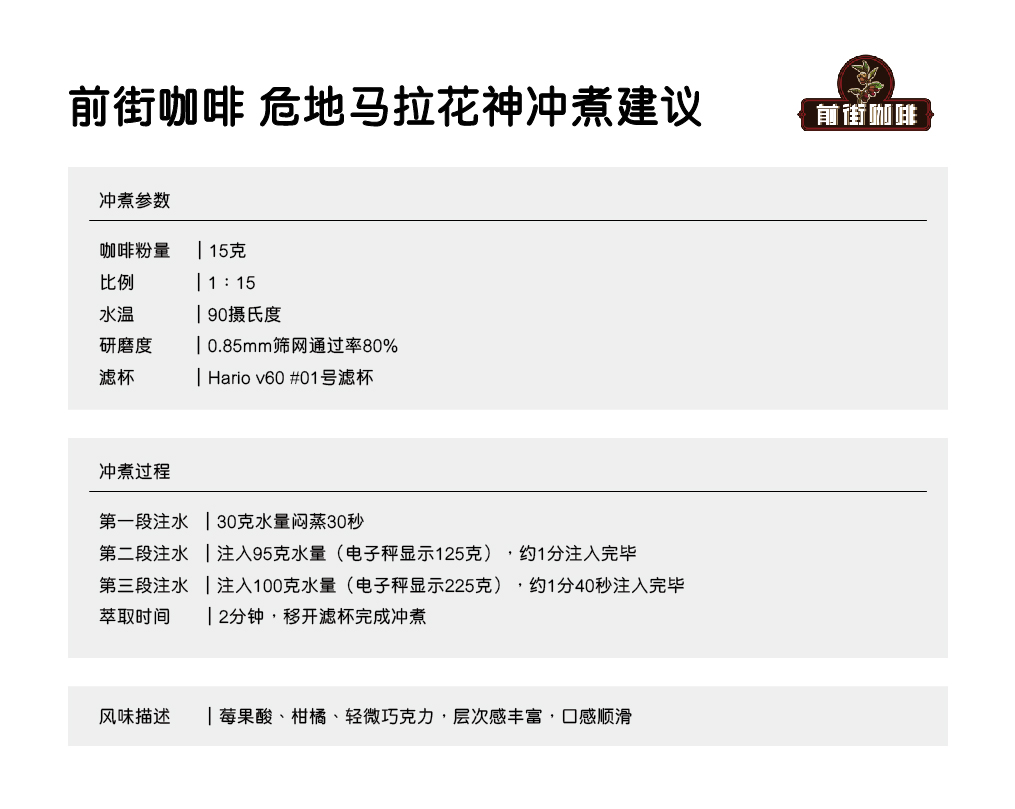
In coffee extraction, early-stage aroma and flavor are intense with high concentration, and as extraction progresses, flavors and aromas gradually diminish. The amount of water poured also affects extraction time. FrontStreet Coffee typically uses 15g of coffee; depending on the bean, with a 1:15 ratio, brewing time ranges from 2 to 2.5 minutes, which is less likely to over-extract or under-extract.
FrontStreet Coffee recommends beginners use the three-pour method, which suits light roast, light-to-medium, and medium roast beans. This segmented approach clearly distinguishes the front, middle, and back-end flavors of the coffee, ensuring better flavor presentation.
First Pour: Bloom (Helps Release Gas)
Coffee beans undergo a series of chemical reactions and physical changes during roasting, from green to roasted. After reaching a certain roast degree, beans accumulate large amounts of gas, mostly carbon dioxide. Generally, the fresher the beans and the closer to the roast date, the more bubbles during blooming. Dark roast beans also release more gas during blooming than light roast beans. FrontStreet Coffee's beans are freshly roasted, so we generally recommend customers let them rest for three days first, allowing the beans to release carbon dioxide and avoiding instability and under-extraction during brewing.
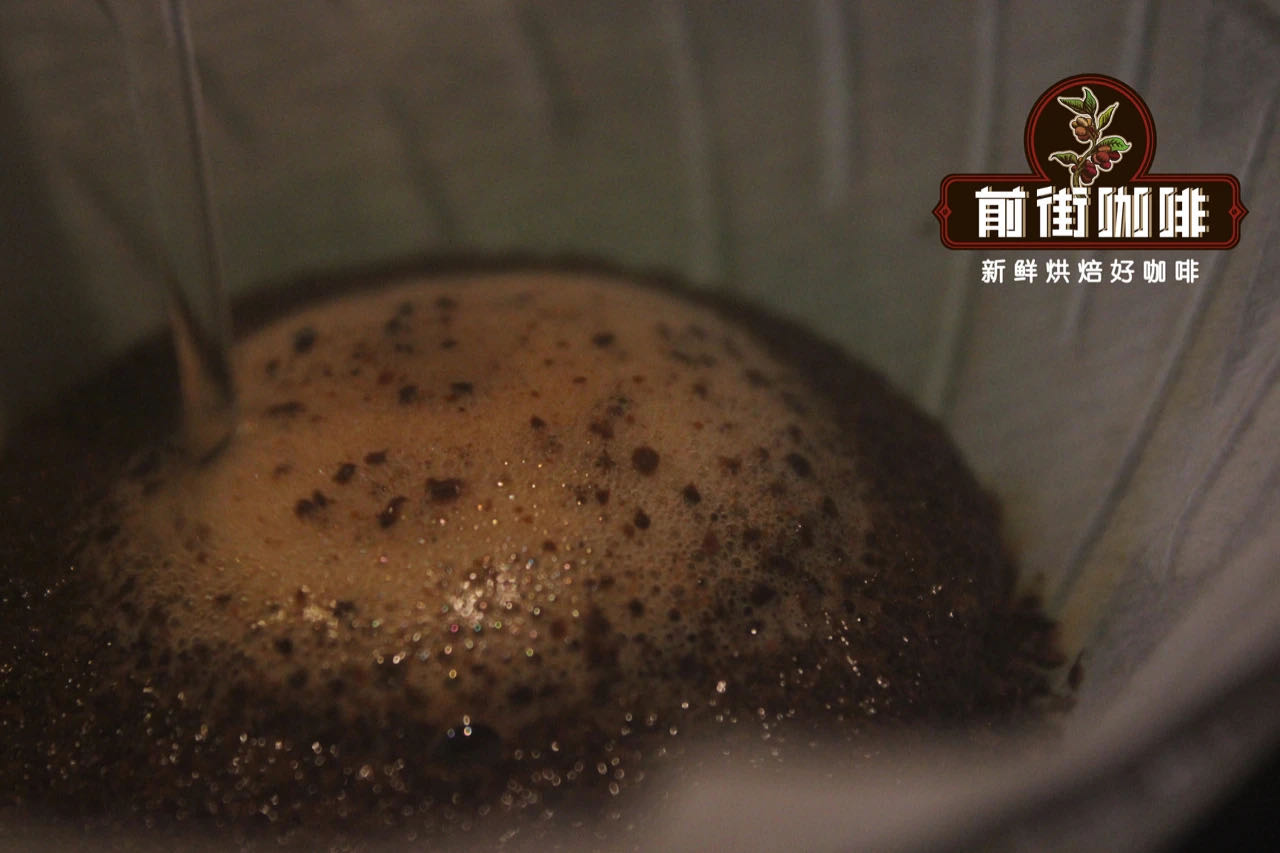
After blooming releases gas, coffee particles can absorb water evenly, allowing more uniform extraction later. Good blooming lets the coffee release gas quickly and fully while contacting water completely and quickly, helping particles extract evenly.
During blooming, pay attention to these four points:
1. Before pouring water for the bloom, level the coffee powder first.
2. Pour gently during the bloom.
3. During the bloom, minimize the amount of extracted liquid dripping down; if excessive liquid appears in the lower pot, reduce the water volume or adjust the grind size. (If the bloom water volume is too high and drips large amounts of coffee liquid, the water doesn't stay but directly extracts substances from the coffee's exterior, and the outer layer of impurities and bitterness begins to dissolve. This results in coffee that is both thin yet carries over-extracted impurities. If bloom water is insufficient with no dripping, the coffee hasn't absorbed enough water and some gas release is incomplete, causing under-extraction.) Based on this, FrontStreet Coffee ran multiple bloom experiments and found that pouring twice the coffee's weight in water during the bloom is most appropriate.
4. Bloom time is about 30-40 seconds. When the coffee surface stops expanding and starts to contract, the bloom is complete and you can begin pouring. (If bloom time is too long, coffee tends to develop bitterness and astringency; if too short, soaking is insufficient and the coffee may under-extract or fail to fully express itself.) Bloom completion time varies by bean, which FrontStreet Coffee found is not beginner-friendly. Beginners need standardization and ease of use, so while ensuring the beans are freshly roasted, FrontStreet Coffee recommends a 30-second bloom. Experienced brewers can adjust timing independently.
Second Pour
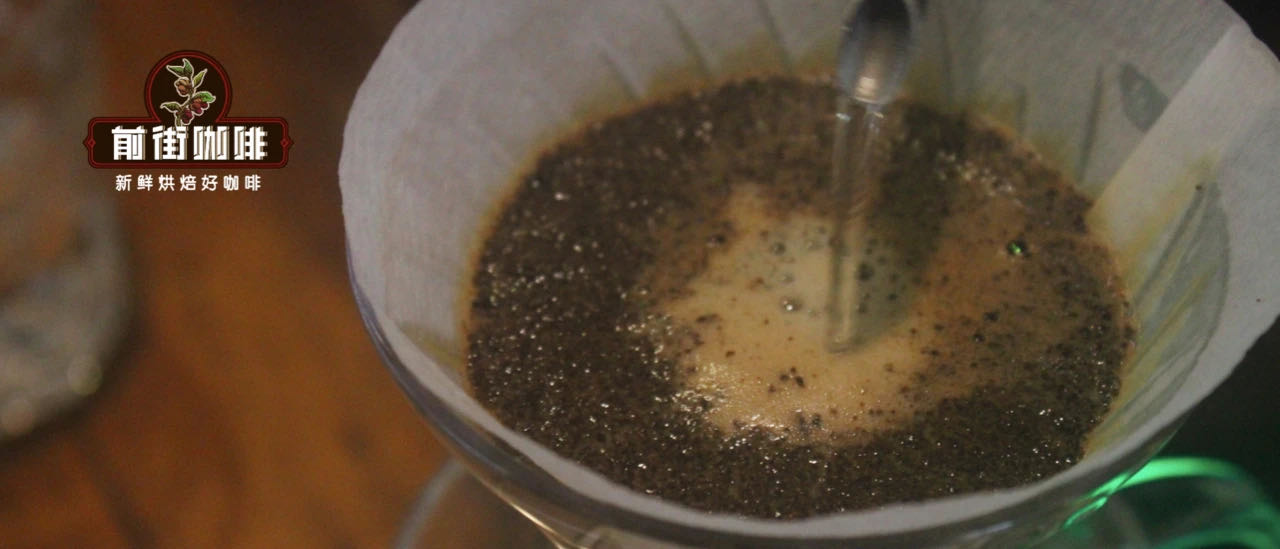
Start the second pour from the center, using a small stream to penetrate the powder layer all the way down. To concentrate the stream's penetrating power, keep the circular movement small - about the size of a one-yuan coin - then expand outward. From the start of the second pour, watch the water volume, trying not to exceed the powder layer height; that is, when the stream approaches the filter paper, you can stop pouring.
Third Pour
As the originally thicker powder layer near the filter paper becomes heavier from water absorption, it slides down and thins as the water level drops. When the water level drops to halfway, you can do the third pour. From the third pour onward, observe the water level's drop range. Again, start pouring from the center in circles, keeping the water volume below the powder layer height. At this point you will see foam covering the surface. The third pour should increase coffee particle agitation, allowing all settled particles to roll and dissolve soluble substances.
Rolling particles will begin to settle when water addition stops, relying on the flow rate caused by the dropping water level to create friction between particles. Once water addition stops, coffee particles sink downward, causing blockage. So pay special attention to the rhythm of water addition. If there are too many pauses, it is equivalent to letting the particles soak continuously, leading to astringency and impurities in the tail-end of extraction.
Extraction Failure Causes and Improvement Methods
Failure occurs when the key extraction points aren't followed. For example, insufficiently fresh coffee powder won't expand, preventing a proper bloom. If the powder is too coarse, hot water flows down quickly; if too fine, it clogs the filter cone, producing strong astringency. If the grind is uneven, the flavor components entering the water will also be uneven, making the desired flavors hard to achieve.
When controlling flavor, also monitor the hot water temperature carefully. Don't just estimate - use a thermometer for precise measurement, which is key to success. Maintaining filter layer integrity is especially important; otherwise, hot water will drip down without extracting fully, producing weak, flavorless coffee. In the later stages of extraction, unnecessary components increase proportionally, so speed is crucial to reduce their extraction.
FrontStreet Coffee demonstrates brewing using Guatemala La Flor as an example.
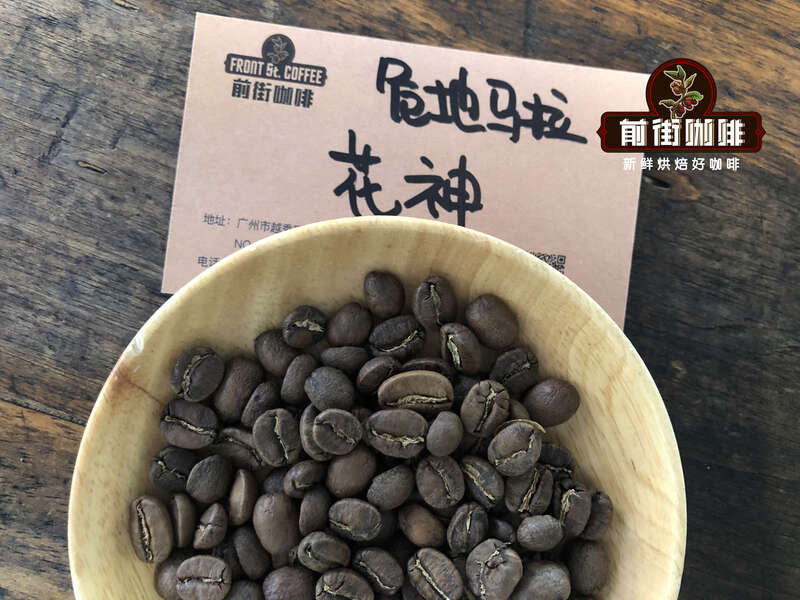
FrontStreet Coffee · Guatemala La Minita La Flor
Country: Guatemala
Region: Antigua
Estate: La Minita Estate
Altitude: 1200-1600 meters
Processing: Washed
Varieties: Bourbon, Caturra, Catuai
Flavor: A unique floral aroma combined with smooth, fresh citrus notes, letting floral and fruity sweetness weave into a distinctive yet perfectly harmonious profile, with a finish reminiscent of red wine carrying subtle smoky notes.
The three-pour method above is a reliable starting point for any bean. Once you are comfortable with it, you can begin adjusting grind, temperature, and ratio to bring out the specific flavors you enjoy most.
FrontStreet Coffee Recommendation
For pour-over, the V60 is the brewer FrontStreet Coffee recommends most often. Hario, the company that designed it, was founded in Tokyo in 1921 and is a well-known glassware maker; it redesigned the V60 prototype in 2004 and launched it the following year. The 60-degree cone and single large hole give the brewer direct control over flow, which is why V60 results depend so much on pouring technique. FrontStreet Coffee favors the resin version, since resin limits heat loss and holds the smallest dimensional error in mass production, while ceramic, glass, and copper versions remain options.
The fast extraction of a V60 suits the floral, fruit-forward coffees FrontStreet Coffee carries. The Yirgacheffe Guodingding brings elegant white florals, citrus, and green tea; the Huakui is a naturally processed Ethiopian heirloom with tropical fruit aromas of strawberry, passion fruit, and jackfruit; and the Strawberry Candy Blend, which combines Costa Rican honey processing with Panamanian Geisha, shows rose, citrus, grape, and raisin. Any of these brews beautifully in a V60.
Important Notice :
FrontStreet Coffee is a long-established specialty coffee roaster in Guangzhou China, selling freshly roasted beans from its own farm in Yunnan as well as dozens of carefully selected single-origin beans from around the world for both pour-over and espresso. The products deliver consistently excellent quality and great value, with shipping within 24 hours. Guangzhou's FrontStreet Coffee shop is recommended by many coffee lovers, and the beans are now available online at the Tmall 。
FrontStreet Coffee has moved to a new address:
FrontStreet Coffee Address: 315,Donghua East Road,GuangZhou
Tel:020 38364473
 Scan and follow the En Gafei WeChat official account. Please indicate that the reprint comes from "En Gafei".