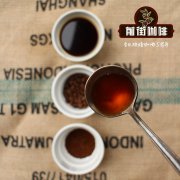
What are the Differences Between Washed and Natural Coffee Beans? How to Taste the Differences After Grinding?
If you drink much single-origin coffee, you have almost certainly run into the terms washed and natural. Once coffee cherries leave the tree, they pass through a series of steps to free the beans inside, and that entire sequence is what the industry calls processing. Two cherries from the same farm, the same plot and the same harvest can end up tasting like entirely different coffees once the processing route diverges. FrontStreet Coffee puts it simply: washed beans show brighter acidity and an overall fresh, clean profile, while natural beans carry fermented notes and a smooth, juice-like body. Below, FrontStreet Coffee breaks down how each method works.
Washed Processing Method
As the name suggests, washed processing consumes a great deal of fresh water to handle the cherries. Some growing regions cannot use it simply because they lack a reliable water source, while poorer regions avoid it because the volume of water drives up costs. That is why the washed method tends to appear in areas with abundant water or limited sunlight. FrontStreet Coffee's view is that washed coffee has more prominent acidity, better clarity, a medium body and the most consistent green bean quality of any method. African origins lean on it heavily, since it lets their beans express that citrus-like brightness to the fullest.
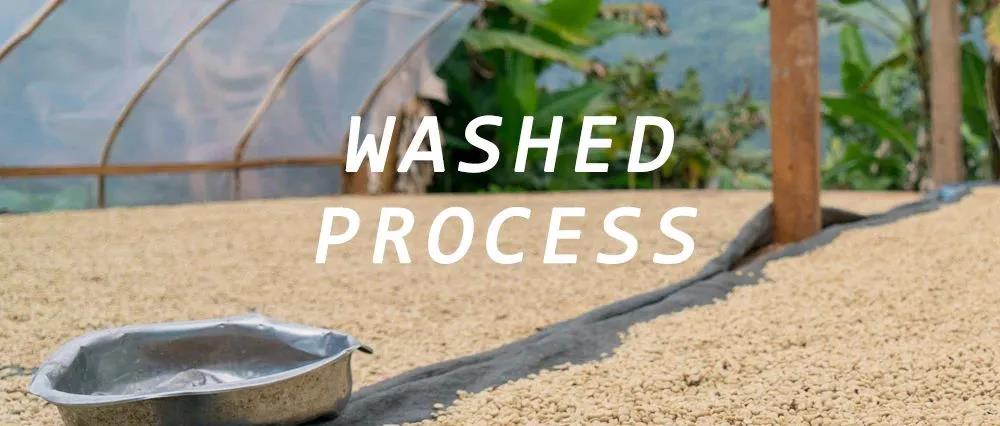
Washed Processing Steps:
Cleaning, Collection and Flotation
After harvest, cherries are sent for processing almost immediately, typically within 6 to 12 hours of picking. They are weighed and sorted, then tipped into water tanks to soak so that floaters, the cherries too poor in quality to sink, can be skimmed off.
Depulping
Next the cherries go through a depulper, which strips away the skin and the fruit pulp surrounding the beans.
Fermentation and Demucilaging
The depulped beans are moved into fermentation tanks or barrels for static fermentation lasting 18 to 36 hours, with the length of the ferment dictated by ambient temperature. During this window, yeasts produce enzymes and lactic acid bacteria break down the sugars in the mucilage. Lipids, proteins and acids in those sugars degrade and convert into alcohols and acids, and the coffee's aroma, color and pH all shift as the composition of the mucilage changes.
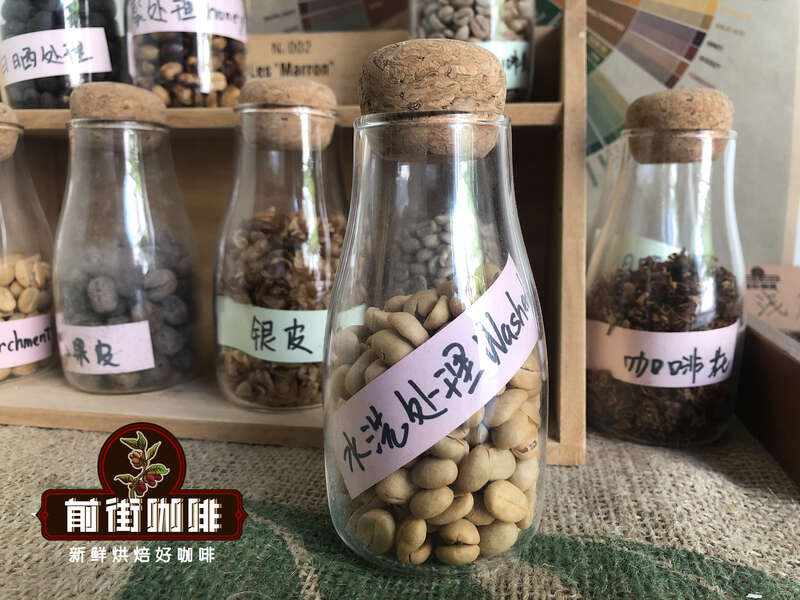
Washing
Once fermentation and demucilaging are complete, fresh water is added to the tank to wash the beans. Stirring during the wash lifts the broken-down mucilage off the surface of the beans, leaving only the parchment, silver skin and green bean behind.
Drying
The washed beans are sorted to remove defective ones, then taken to drying areas that may be tarps, cement patios or raised beds. Drying time depends on the environment and the weather, typically running 5 to 14 days, over which the beans' moisture content falls from 55% to 11%.
Storage
Once drying is finished, the beans are called parchment coffee, green beans still enclosed in their parchment layer. The parchment beans go into warehouses and are hulled shortly before export.
Most African origins rely on washed processing, as noted above, but their version departs from the standard method. Africa uses what is known as the Kenyan 72-hour wash.
Kenya runs a cyclic process built around repeated post-fermentation washing. After each day's harvest, the finest cherries are selected, depulped and fermented for 24 hours, then washed in clean river water. A further 24-hour fermentation in clean river water follows, then another wash, and the cycle repeats three times to reach 72 hours in total. Hence the name Kenyan 72-Hour Fermented Washed Processing, abbreviated as [K72].
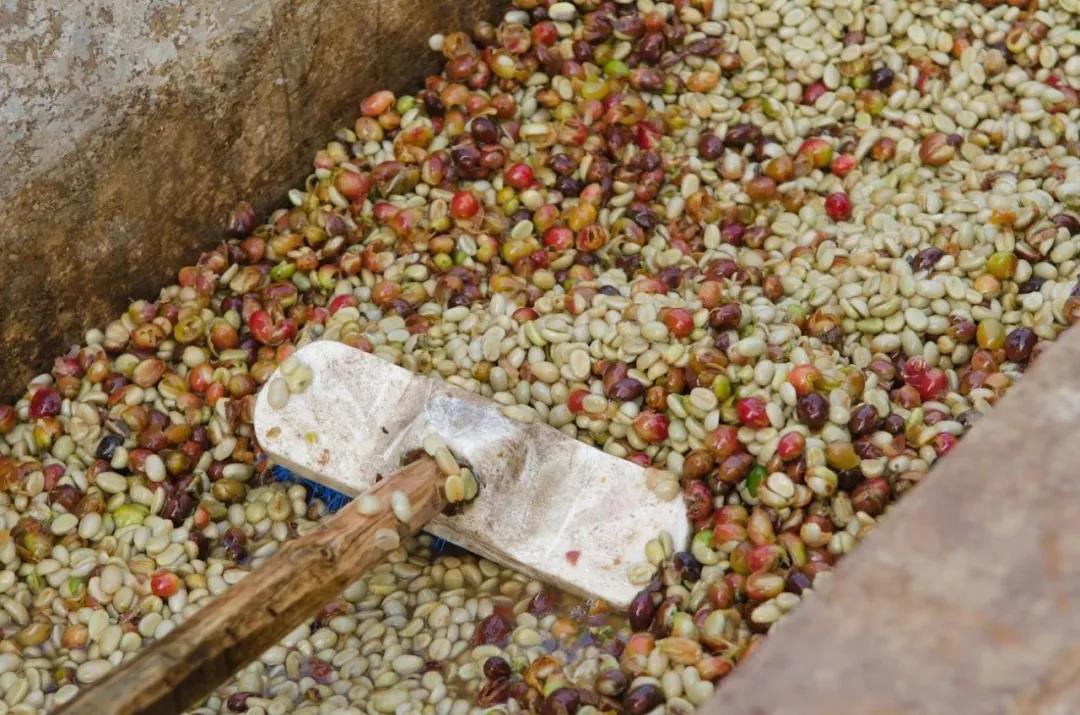
K72-Hour Washed Processing Steps:
① First Wash and Fermentation
After the cherries are harvested, they undergo water-flow density sorting, which exploits differences in density and quality: dense, heavy beans sink while lighter, lower-density beans float. Fully ripe, high-quality cherries are the densest, so they are the ones selected to go forward. FrontStreet Coffee notes that Kenyan 72-hour fermented beans, given a long, cool fermentation and finished with sun drying, end up brighter and cleaner while still tasting full.
Once the ripe, high-quality fruit is chosen, the skin is removed and the beans are washed and soaked so the mucilage still clinging to the green beans can ferment. That mucilage holds natural sugars and alcohols, which are central to building the coffee's sweetness, acidity and overall flavor. This fermentation runs up to 24 hours, breaking down 80-90% of the mucilage and leaving only the flavor locked inside the beans.
② Second Wash and Fermentation
The coffee then enters its second wash and fermentation cycle. After the beans from the previous stage are cleaned, they are soaked in water again for 24-48 hours. This stage builds up proteins and amino acids, creating complex, delicate layers of acidity in the beans. Finally the last of the mucilage is removed and the beans are moved onto raised beds to dry in the sun. Drying time depends on the weather and typically takes about 5-10 days.
Natural Processing Method
Natural processing is among the oldest and most traditional methods: cherries are dried in the sun straight after harvest. It is more common in regions with abundant sunlight or scarce water, Ethiopia being the classic case, where nearly 70% of the crop is naturally processed. FrontStreet Coffee's view is that natural processing lets the cherry dry as a whole, so the bean matures inside the fruit without outside interference. The result is a bean whose inherent flavors are amplified, with a rich body, intense flavor and distinctly sweet aromatics.
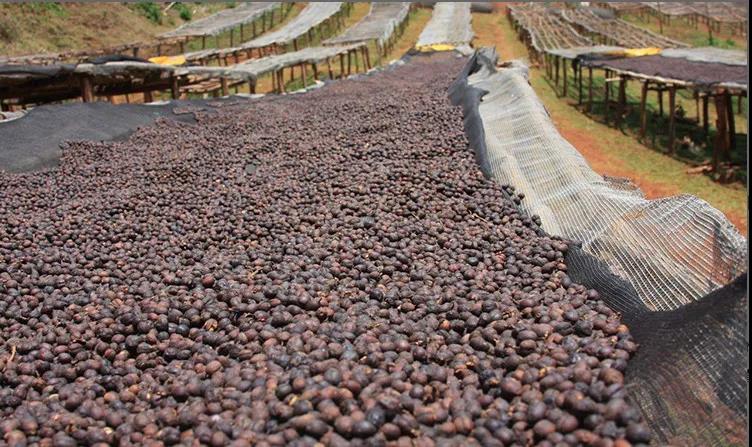
Natural Processing Steps:
1. Collection and Sorting
After harvest, cherries are hand-selected and sorted to remove defective fruit, whether overripe, underripe or insect-damaged, along with any foreign matter mixed in.
2. Drying
The sorted cherries go to drying areas. Different regions use different setups, some tarps, some raised beds, others cement patios. Average drying time is 3 to 4 weeks, continuing until moisture content drops to 11%.
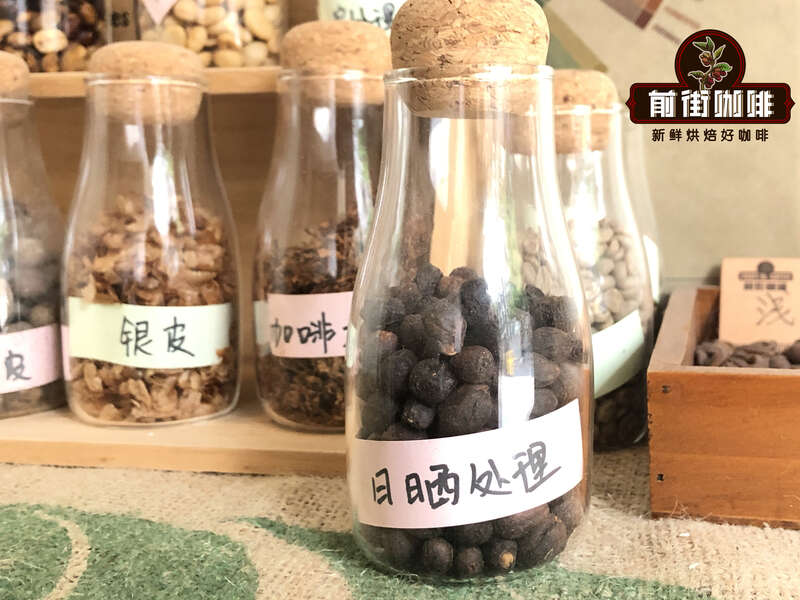
3. Depulping
Once dry, the cherries are sent to processing plants for depulping and hulling, and sometimes polishing as well. Skin, pulp and everything else are stripped away at this stage.
4. Sorting and Storage
The hulled green beans go through another round of sorting to remove beans with a poor appearance. This step also reflects how well the drying went: over-dried beans are brittle and can shatter during depulping, while under-dried beans hold too much moisture, and the overly active water invites bacteria and mold.
FrontStreet Coffee recently added a coffee that had previously only been available in washed form: beginning with the 2020 harvest, the naturally processed Panama La Esmeralda Geisha Blue Label joined the lineup. FrontStreet Coffee will roast, cup and brew both the washed and the naturally processed Geisha Blue Label from the same La Esmeralda farm, comparing the green beans, the roasted beans and the flavors side by side.
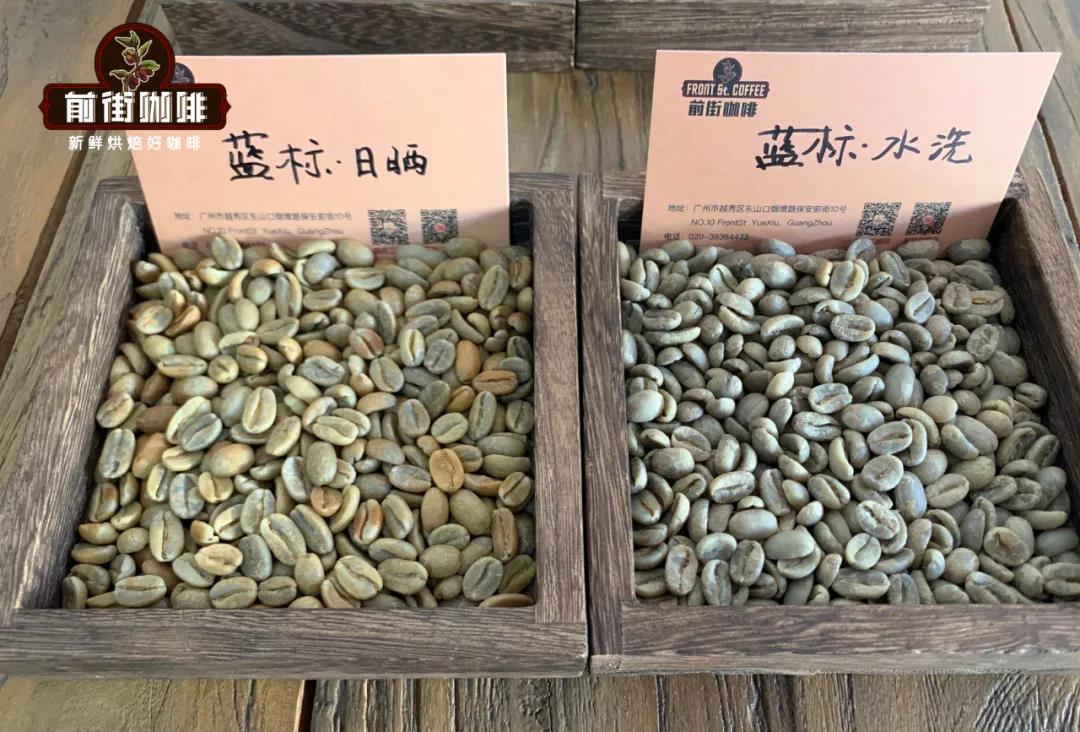
Geisha Blue Label Green Bean Comparison
Geisha Blue Label green beans are long and pointed at both ends, an elongated shape that makes them easy to pick out. Set a naturally processed and a washed green bean side by side and the difference is obvious: naturally processed beans look yellowish, while washed beans are a dark green with patches of silver skin still attached.
FrontStreet Coffee's roasting recommendation for Geisha Blue Label (both processing methods are roasted medium-light with the same profile, to highlight floral and fruity notes along with Geisha's distinctive pleasant acidity):
Charge at 180°C, heat at 130, damper open to 3. The turning point arrives at 1'32"; when the drum reaches 104°C, open the damper to 4 with the heat unchanged. At a drum temperature of 151.6°C the bean surface turns yellow and the grassy aroma disappears completely, marking the dehydration stage. At 7'56", ugly wrinkles and dark spots appear on the surface and the toast aroma clearly shifts into coffee aroma, which we can treat as the prelude to first crack. Listen closely for first crack from here. At 8'30" first crack begins; open the damper to 5. Develop for 1'28" after first crack and drop the beans at 190°C.
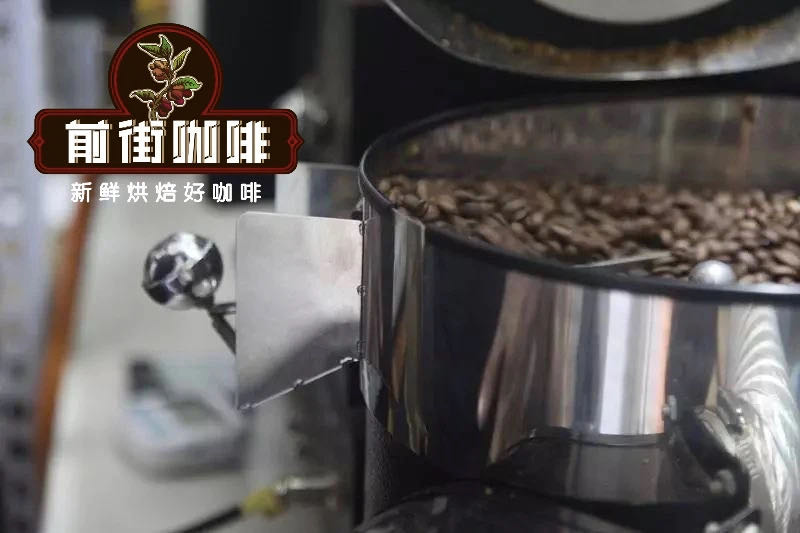
Geisha Blue Label Roasted Bean Comparison
The biggest difference between naturally processed and washed roasted beans is how the silver skin behaves. The silver skin on naturally processed beans comes away very cleanly, while washed beans keep a yellowish strip of silver skin along the center line. The reason is that the center-line silver skin is the hardest to remove during roasting. On a naturally processed bean the outer silver skin is one connected piece, so it detaches together with the center-line skin, whereas on a washed bean the silver skin clings in fragments and the portion sitting in the center crack will not easily separate.
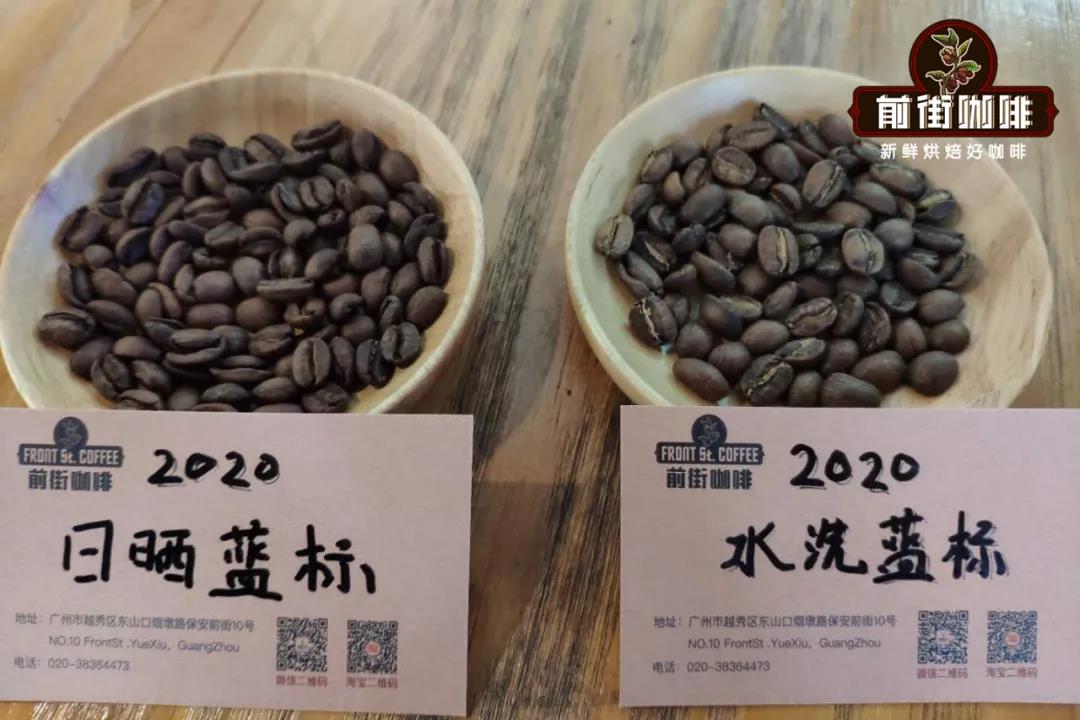
FrontStreet Coffee Cupping Report
Washed Geisha Blue Label: Jasmine fragrance, citrus acidity, clean and bright, honey.
Natural Geisha Blue Label: Fermented wine aroma, fruity sweetness, melon, tropical fruits.
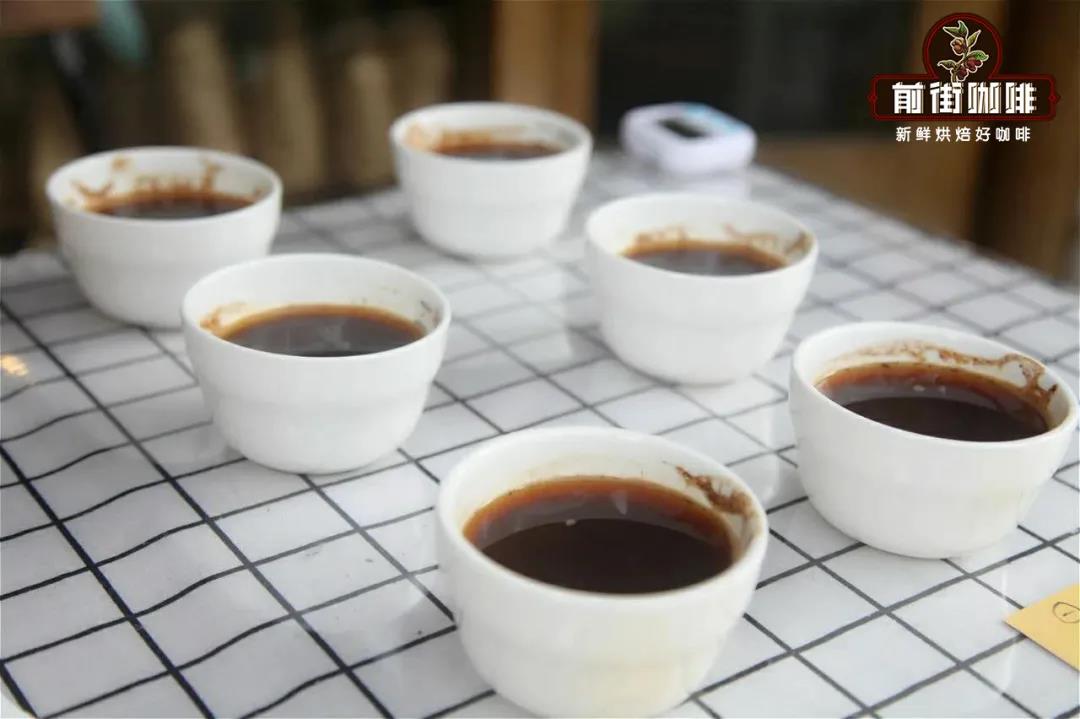
In summary, when the same bean is put through different processing methods, its flavor moves in clear directions. Natural processing pushes a coffee toward sweet, fermented notes with richer fruit and more layered variation, while washed processing yields a cleaner, simpler profile. Under a light roast, the beans' acidity and subtle aromatics come through even more clearly.
FrontStreet Coffee Brewing Recommendations
Dripper: V60 #01
Dose: 15g
Ratio: 1:15
Grind: BG6m (80% pass-through rate on a #20 sieve)
Temperature: 90-91°C
*On grind size, FrontStreet Coffee sets it by sieving. Drawing on the pour-over grind guidance published by the Specialty Coffee Association (SCA) and verifying it in practice, FrontStreet Coffee uses different grind sizes for different coffees, and the results differ noticeably. Each variety also calls for its own grind, which is the whole point of sieving. If you have no sieve at home, FrontStreet Coffee suggests watching the flow rate instead: water running too fast means the grind is too coarse, water running too slowly means it is too fine.
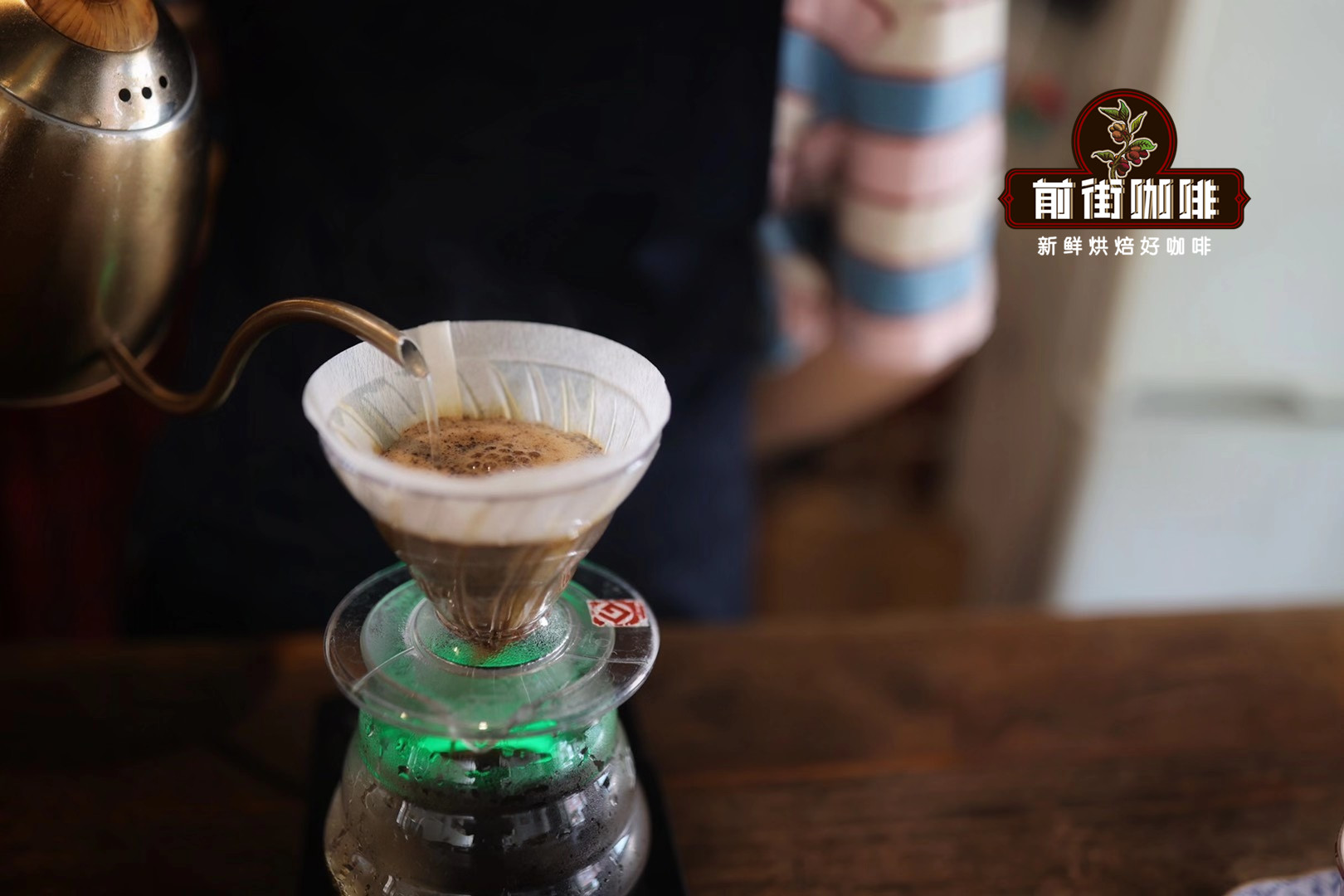
FrontStreet Coffee uses segmented extraction, also called three-stage brewing. Use 30g of water for a 30-second bloom, then pour in a small circle up to 125g for the first segment. When the water level drops and the coffee bed is about to be exposed, continue pouring to 225g and stop. When the level drops and the bed is about to be exposed again, remove the dripper. (Timing starts from the bloom.) Extraction time: 1'52"-1'55".
Washed Geisha Blue Label Brewing Flavor: Light jasmine on the nose, with distinct, very bright citrus acidity. The mouthfeel is clean and comfortable, and honey emerges in the mid-to-late finish.
Natural Geisha Blue Label Brewing Flavor: Fermented aroma and fruity sweetness on the nose. In the cup you get melon and tropical fruit sweetness, a juice-like body and an overall very high sweetness.
FrontStreet Coffee Recommendation
If this comparison has you curious about how processing shapes a cup, the clearest way to learn is to taste two coffees that sit at opposite ends of the spectrum. For the washed side, FrontStreet Coffee's Yirgacheffe Gedingding Cooperative coffee is the ideal reference point. This is a G1-grade lot, the highest grade Ethiopia awards, produced at the Gedingding village washing station, which was carved out of the Woka Cooperative within the Yirgacheffe union once buyers began chasing traceability. The traditional washed process lets the beans show jasmine florals and bright citrus acidity, and a light-to-medium roast draws out green tea and honey notes. It works beautifully as a pour-over, a cold brew or an espresso.
For the natural side, turn to a coffee that showcases the sweet, fermented, fruit-forward character the method is known for. The Ethiopia Huakui, a naturally processed heirloom variety and a Cup of Excellence-level lot, offers exactly that, with ripe tropical fruit, cream strawberry, mango and jackfruit layered over a syrupy body. FrontStreet Coffee also recommends the Kenya Small Tomato for anyone who wants washed clarity with more intensity: grown in Kenya's Thika region at 1550-1750m from the classic SL28 and SL34 varieties, it goes through Kenya's signature 72-hour double washed fermentation, yielding bright tomato and dark plum acidity, fresh fruit-juice body and a clean, long finish of brown sugar and green tea. Taste the Gedingding beside either of these and the difference between washed and natural stops being an abstraction and becomes something you can name.
Important Notice :
FrontStreet Coffee is a long-established specialty coffee roaster in Guangzhou China, selling freshly roasted beans from its own farm in Yunnan as well as dozens of carefully selected single-origin beans from around the world for both pour-over and espresso. The products deliver consistently excellent quality and great value, with shipping within 24 hours. Guangzhou's FrontStreet Coffee shop is recommended by many coffee lovers, and the beans are now available online at the Tmall 。
FrontStreet Coffee has moved to a new address:
FrontStreet Coffee Address: 315,Donghua East Road,GuangZhou
Tel:020 38364473
 Scan and follow the En Gafei WeChat official account. Please indicate that the reprint comes from "En Gafei".