How to Drink and Make Starbucks Flat White Coffee - Recommended Espresso Beans for Flat White Coffee
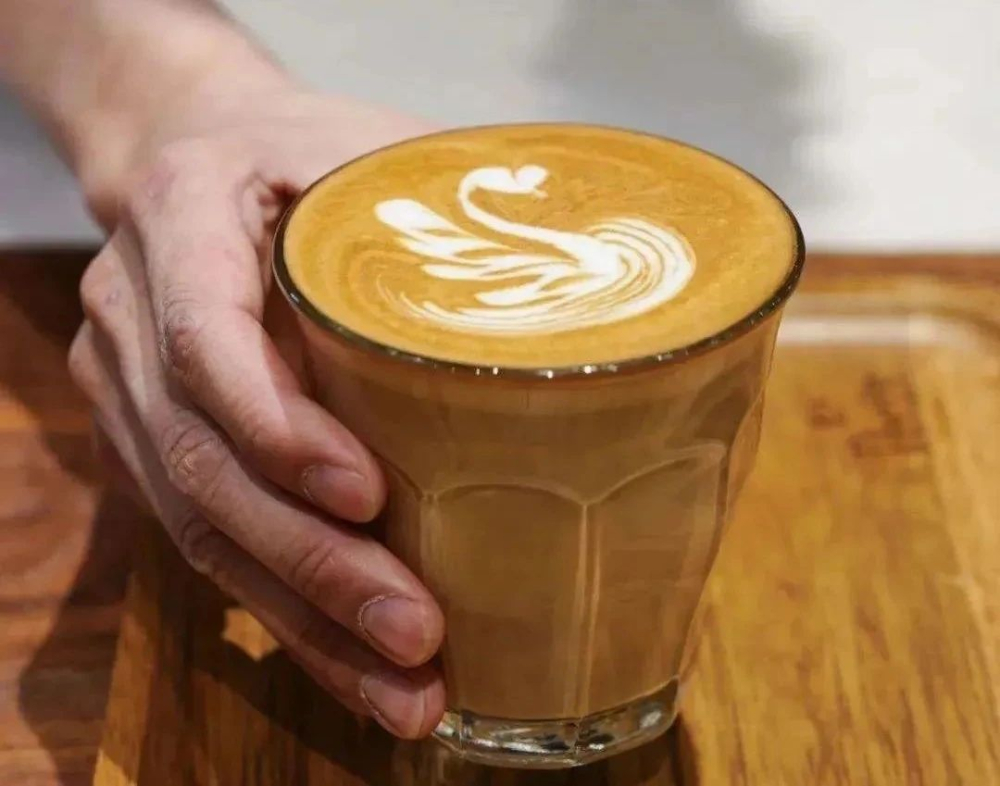
In 2015, the coffee giant Starbucks added the Flat White, an Australian milk coffee, to its permanent menu, and the drink went on to become popular in coffee shops on streets and in lanes everywhere. At FrontStreet Coffee, we call this drink Australian White Coffee.
White Coffee: The Australian Name for Milk Coffee
In Australia, coffee shops are ubiquitous, which says something about how much Australians love their coffee. Order a black coffee and the barista will make you a Black Coffee; order a milk coffee and you will get a Flat White, because milk coffee there is simply called White, or White Coffee.
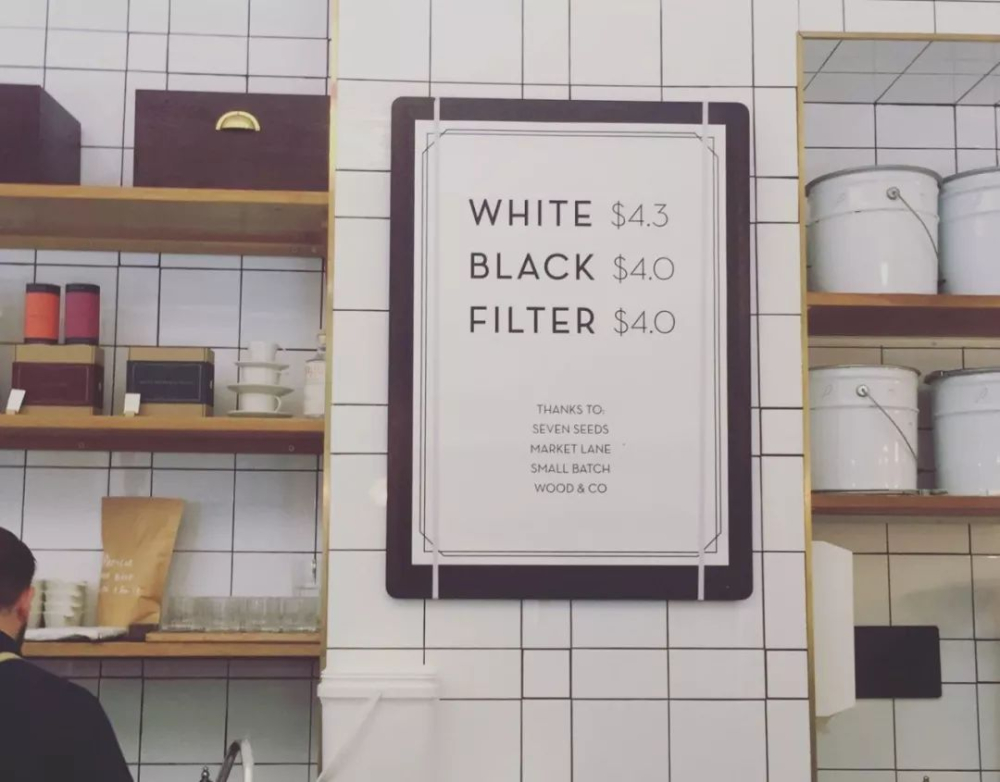
After the Second World War, large numbers of Italians emigrated to countries such as America and Australia, bringing espresso machines with them. At the time, the traditional specialty drinks were mainly lattes and cappuccinos. Compared with those milk coffees, Australians preferred drinks with a stronger coffee flavor that could show the coffee itself more directly. Baristas began adjusting the coffee base, the milk ratio, and the foam thickness, and the Flat White gradually took shape. "Flat" means level or even, and "White" refers to white coffee with milk added.
The defining feature of a Flat White is that, unlike a cappuccino, you do not have to drink through a thick cap of foam before reaching the coffee below. Instead, you taste the rich aroma of the crema straight away and experience espresso perfectly fused with hot milk that carries a velvet-like, dense microfoam. Since the 1980s, the Flat White has appeared on permanent menus across Europe and America and has become a standard drink in major coffee shops.
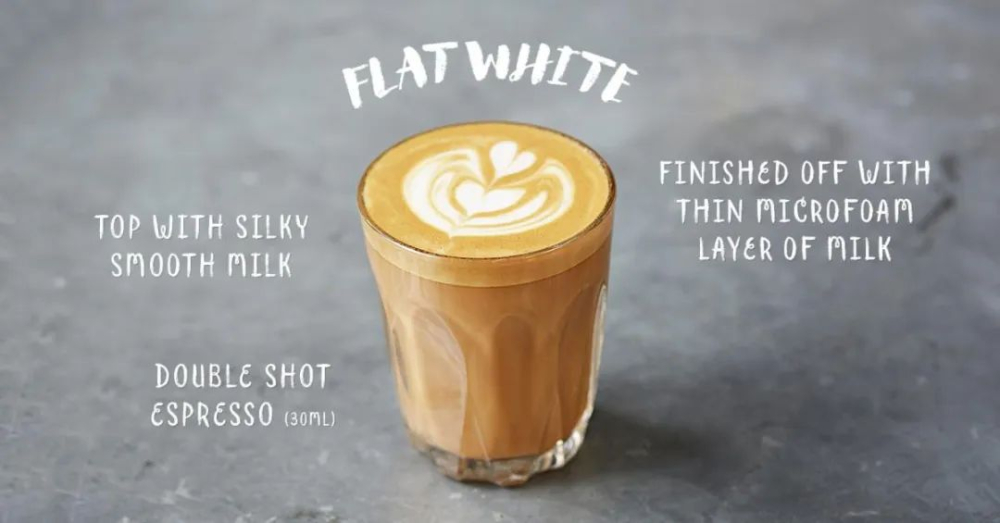
How to Make a Delicious Flat White
Compared with a latte, a Flat White uses milk to support the coffee rather than to lead: coffee is the protagonist and milk is the supporting player. The taste is therefore fuller and richer in coffee flavor. The foam layer on top also needs to be light and silky, so that every sip of concentrated espresso arrives with a velvet-like film of dense foam. A moderate temperature and a smaller cup let you finish the drink quickly, before the foam separates.
FrontStreet Coffee believes the Flat White emerged from the search for better flavor and mouthfeel in specialty coffee, so every shop presents its own version, shaped by the beans it uses and the way it understands the drink. FrontStreet Coffee, for example, builds its espresso on the house-roasted Sunflower Warm Sun Blend, composed of 70% Honduras Sherry coffee and 30% Yirgacheffe natural red cherry coffee. The sherry component brings whiskey, vanilla, and cream notes, which combine with the tropical fruit and fermentation character of the red cherry to give the cup a rich, smooth mouthfeel.
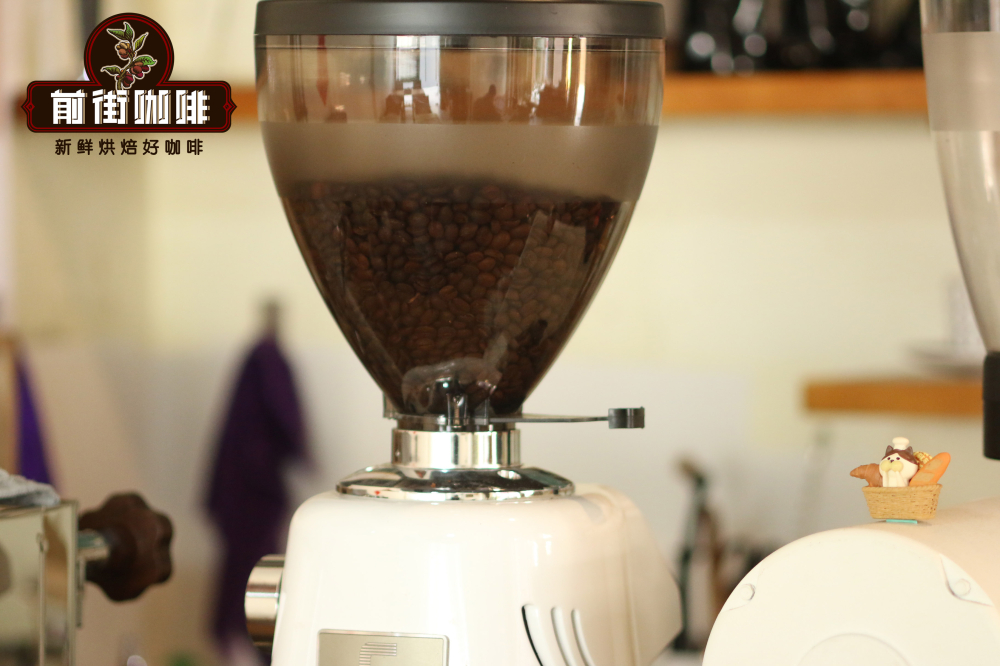
For the coffee base, FrontStreet Coffee pulls a double ristretto, extracting 30g of coffee liquid from 20g of grounds over 22-24 seconds. FrontStreet Coffee would remind you that every bean has a slightly different extraction recipe. This plan is adjusted daily by baristas before service and is based on the Warm Sun Blend used in our shop.
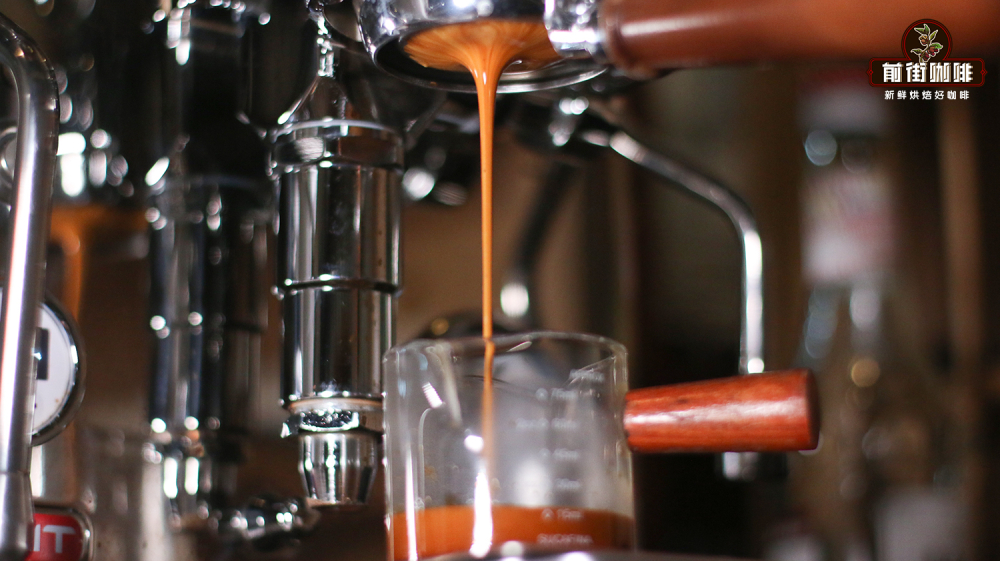
Pour the extracted espresso into a prepared cup, then pour 150ml of milk into a pitcher for frothing. The milk needs less air incorporated than for a latte, creating a thinner, denser foam layer, and the temperature is best held at 55-60°C for easier drinking. Finally, pour the frothed milk into the coffee. FrontStreet Coffee's Flat White shows chocolate-milk and whiskey-filled chocolate flavors, with a smooth, mellow entry and a very long aftertaste.
Why Is There No Iced Flat White?
We usually expect to choose a latte iced or hot, but a Flat White is served hot only. Baristas want every sip to deliver the perfect combination of foam and the milk coffee beneath it. Only when the foam is dense and thin, and the drink is at the right temperature, do you get both foam and rich coffee liquid in each mouthful, finishing it before the foam separates. Once ice is added, the cooled milk coffee is diluted to some extent and can no longer produce that effect.
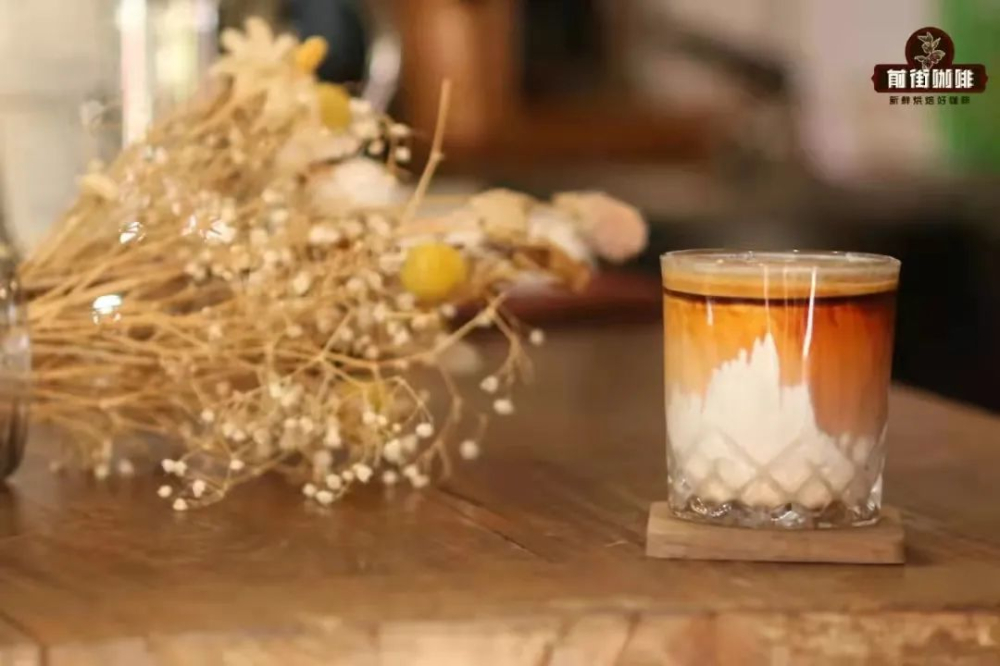
If you are after an iced, rich milk coffee experience, FrontStreet Coffee suggests trying a Dirty, which has also been popular in recent years. Espresso is dripped over chilled fresh milk, creating the "dirty" layered look and a distinctive alternating hot-and-cold mouthfeel.
Recommended Espresso Beans for Making Flat White
Some friends hope to reproduce a delicious Flat White at home. FrontStreet Coffee believes you should first choose the right beans and extract a quality espresso as the base. Since most home espresso machines are less stable than commercial ones and produce small volumes, parameter control matters even more. FrontStreet Coffee therefore recommends choosing more stable espresso blends. Blends combine flavors from different growing regions and are usually roasted medium to dark, which gives more margin for error during extraction.
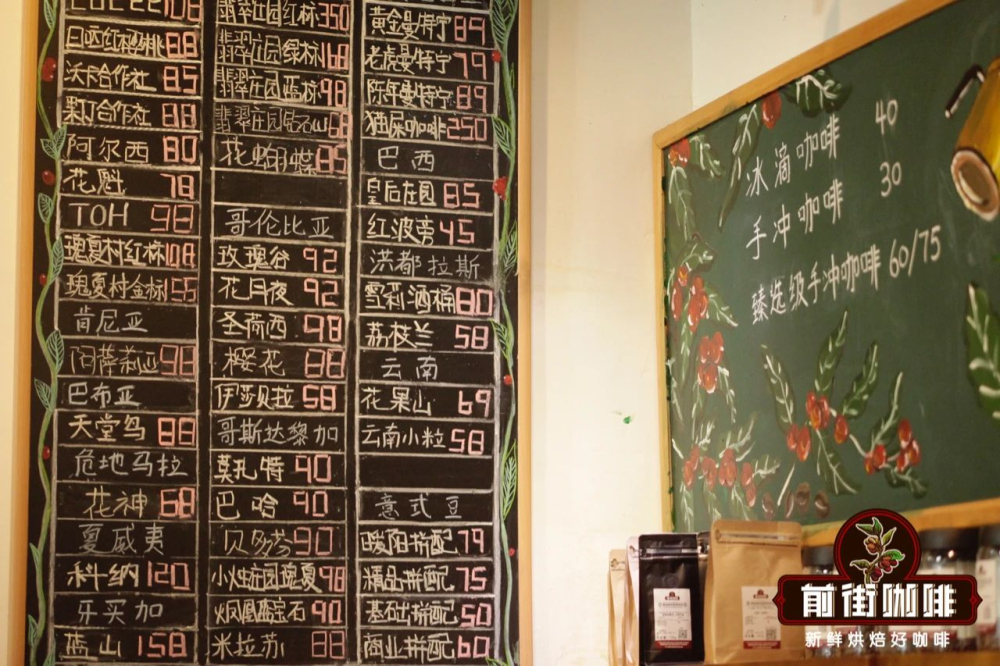
FrontStreet Coffee's bean menu offers four espresso blends to choose from, and only coffee roasted within 5 days is shipped, so you receive it inside its optimal flavor window. Besides the mellow Warm Sun Blend described above, the espresso menu also features three cost-effective nut-toned blends with a rich mouthfeel and an intense aroma, all equally suited to making a Flat White.
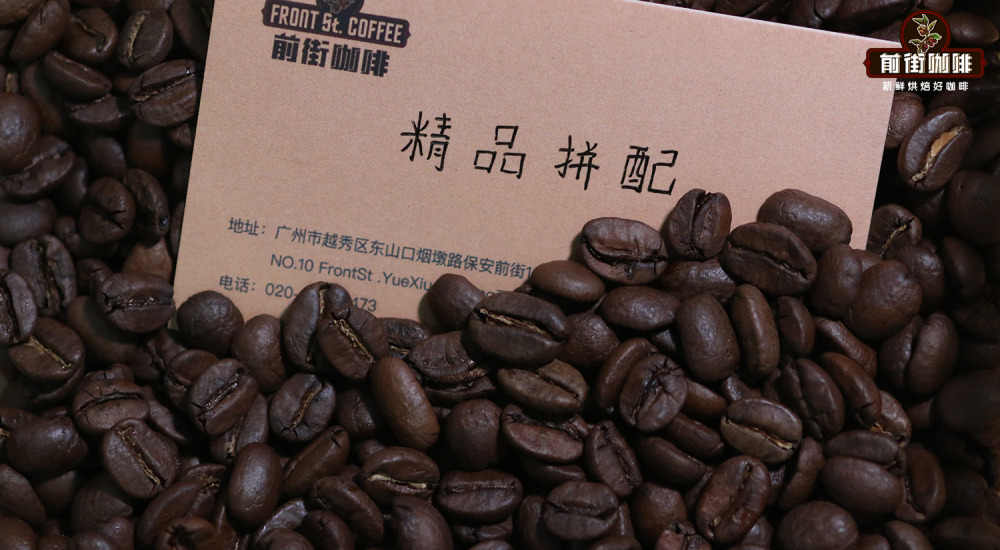
Balanced Rich Type: FrontStreet Specialty Blend Coffee Beans
Colombia Washed Coffee Beans (30%) + Brazil Semi-washed Coffee Beans (70%)
Adding Colombia coffee to the classic nutty notes of Brazil, the espresso presents dark chocolate flavors and caramel sweetness with a full roasting aroma. Combined with frothed hot milk, it shows chocolate, cocoa, and cream flavors, like drinking a sugar-free Ovaltine hot beverage.
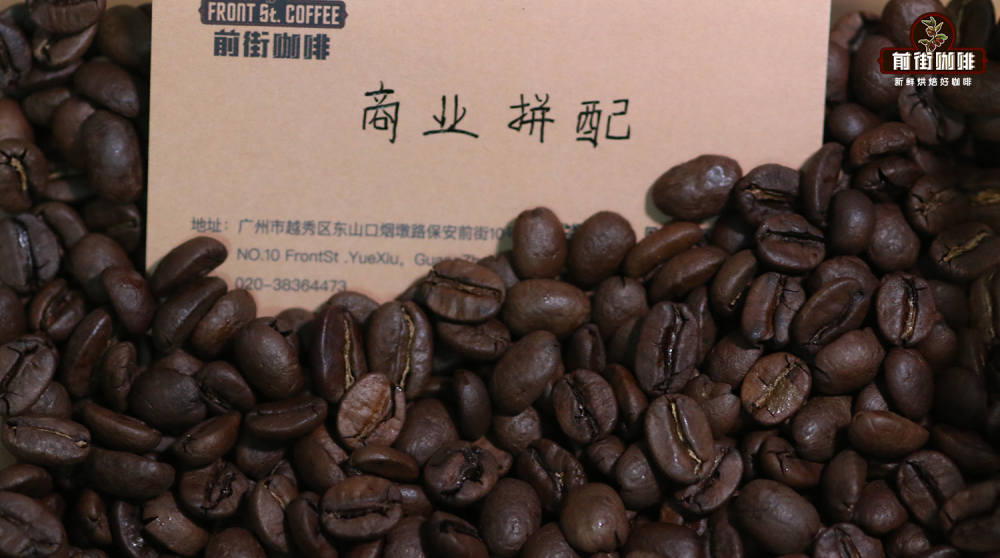
Classic Full-bodied Type: FrontStreet Commercial Blend Coffee Beans
Robusta Washed Coffee Beans (10%) + Colombia Washed Coffee Beans (30%) + Brazil Semi-washed Coffee (60%)
The espresso has a rich golden crema and a nutty aroma. Made into a Flat White with milk, you will notice roasted coffee bitterness, but more prominently a cream-like, full mouthfeel, and after swallowing the bitterness fades to leave a fragrant aftertaste.
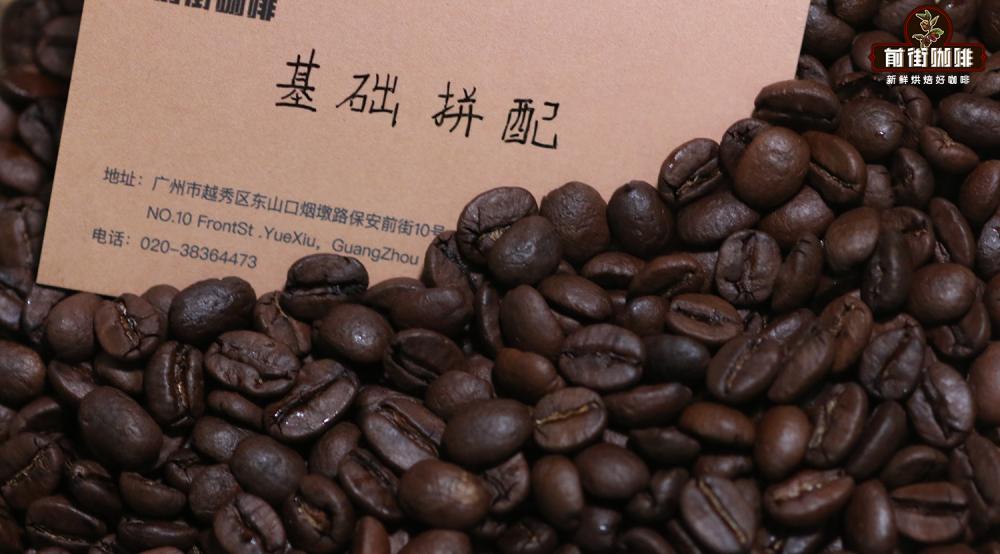
Slightly Acidic Smooth Type: FrontStreet Basic Blend Coffee Beans
Yunnan Washed Small Bean Coffee (30%) + Brazil Semi-washed Coffee Beans (70%)
The gentle acidity of Yunnan small bean coffee paired with the rich aroma of Brazil Cerrado gives the espresso caramel, nut, and soft plum acidity flavors, and a relatively balanced, smooth mouthfeel when combined with milk.
FrontStreet Coffee Recommendation
If you want to practice latte art at home, FrontStreet Coffee suggests the FrontStreet Classic Blend. This medium-dark espresso recipe draws on three growing regions, inspired by the old Mamba style of Mandheling and Brazil, and adds a small amount of Robusta for extra aroma and crema. It releases clear notes of butter, toasted bread, and caramel biscuit when extracted, with a strong flavor, a solid body, and a fine, stable crema that makes it an essential home coffee for beginners.
Also roasted medium-dark, the FrontStreet Specialty Blend suits anyone who prefers a rich, nutty profile. It pairs Colombian washed coffee with Brazilian semi-washed coffee in a classic combination that produces nut, dark chocolate, and caramel flavors in espresso; whether you make an Americano, a latte, or an Australian white, it highlights the soft aromas of cream, almond, and cocoa. Its crema is every bit the equal of a cafe's, and it is more than capable for latte-art practice, which makes it especially suitable for those who plan to open a shop or learn at home.
If the Classic and Specialty blends are made for beginners, the FrontStreet Commercial Blend is tailored for those about to open a cafe. It is a traditional Italian-style recipe built on the Specialty Blend with a little added Robusta, designed to produce a deeper, finer, dark-brown crema and a heavier body. Whether you make an Americano, a latte, or a mocha, it brings nut, cocoa, and caramel flavors and makes latte art noticeably easier.
Important Notice :
FrontStreet Coffee is a long-established specialty coffee roaster in Guangzhou China, selling freshly roasted beans from its own farm in Yunnan as well as dozens of carefully selected single-origin beans from around the world for both pour-over and espresso. The products deliver consistently excellent quality and great value, with shipping within 24 hours. Guangzhou's FrontStreet Coffee shop is recommended by many coffee lovers, and the beans are now available online at the Tmall 。
FrontStreet Coffee has moved to a new address:
FrontStreet Coffee Address: 315,Donghua East Road,GuangZhou
Tel:020 38364473
 Scan and follow the En Gafei WeChat official account. Please indicate that the reprint comes from "En Gafei".