What's the Difference Between a $3 and $30 Cup of Coffee? Why is the $340/lb Red Geisha So Expensive

Relaxing at a cafe with a cup of coffee has become an increasingly popular way to enjoy downtime. But coffee prices range enormously, from 30 to 300 yuan for what is, on the surface, the same drink. When it comes to expensive coffee, FrontStreet Coffee believes Gesha always makes the list - the first thing people think of is how good it tastes, and the second is how expensive it is.
What Makes Gesha So Expensive?
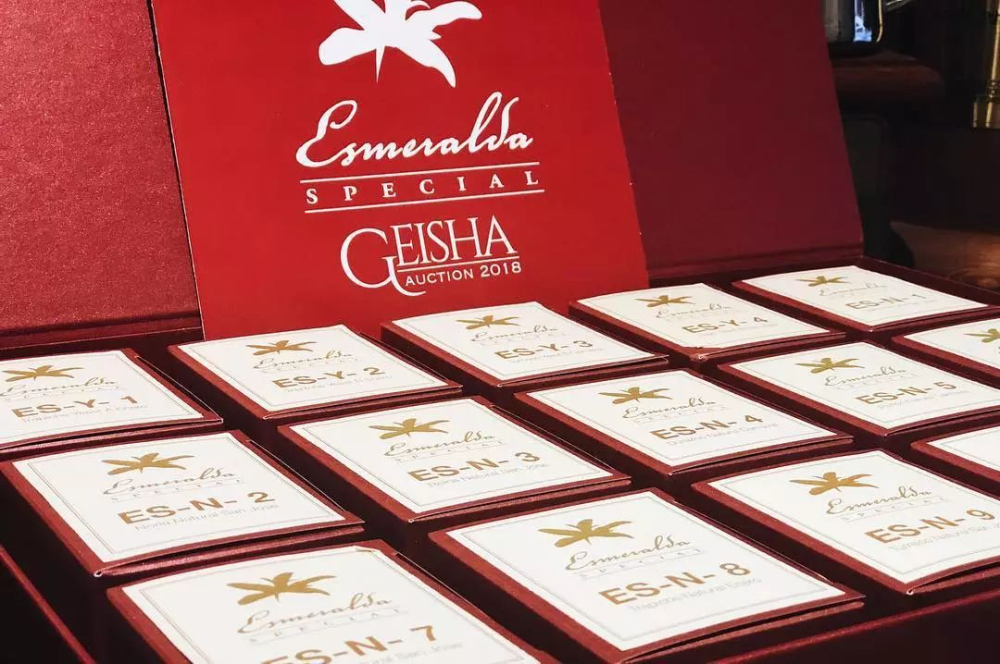
Gesha entered the auction circuit in 2004, and bidding wars quickly pushed its prices to astonishing heights. At the 2017 Panama Specialty Coffee auction, a natural Gesha lot from Hacienda La Esmeralda fetched an astronomical $601 per pound - nearly double previous auction records. One kilogram of that green coffee cost as much as 8,900 RMB. In 2018, Hacienda La Esmeralda's Red Label Gesha sold at auction for $340 per pound, won by HARU International Corp, while other Gesha lots went for $80-100 per pound. By 2019, the top bid had broken through $1,029 per pound.
Gesha is a variety of rich, elegant floral aromas - citrus, peach, and complex fruit acidity with a creamy-smooth mouthfeel and an oolong-tea sweetness in the finish. Its delicate expression makes it feel less like coffee than a fragrant fruit tea. As FrontStreet Coffee often notes, coffee is an agricultural product: its flavor reflects variety, climate, altitude, soil, and farm management, a natural and truthful expression of variety and terroir, while processing and roasting should do their utmost to preserve and present those authentic flavors. Gesha's excellence is inseparable from that combination.
Scarcity drives value, and Gesha is scarce. Panama produces about 10,000 tons of coffee a year, yet the famed Hacienda La Esmeralda yields only 150 bags of green beans annually, roughly 9,000 kilograms. If Gesha makes up just 3% of that production, the total is a mere 270 kilograms. Add relentless media coverage of its flavor, and demand keeps outpacing supply - which is exactly why Gesha prices stay so high.
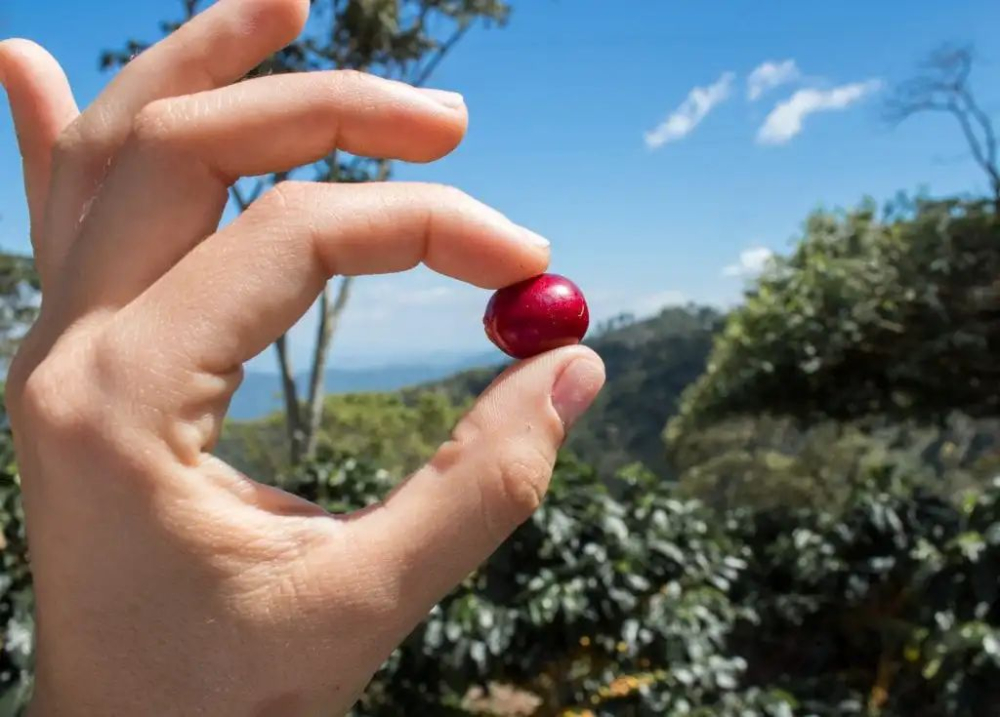
Compared with other Arabica varieties, Gesha is not only a low yielder but also a fragile, fussy plant. It demands high altitude, fertile soil, and cloud or canopy shade, and cannot tolerate harsh direct sunlight. Its leaf system is thin, so photosynthetic efficiency is low, and its root system is delicate, absorbing water and nutrients slowly. Yields are therefore very low, and at high altitude the fruit also ripens late: a Gesha tree produces only about half the fruit of a Caturra tree, on top of higher costs for manual care - all part of why Gesha is so precious.
How Did Gesha Become Famous?
Gesha's current superstar status owes much to Panama's Hacienda La Esmeralda. Daniel Peterson, the estate's third-generation owner, has said the identification of the "Gesha variety" was only finalized in 2003 after years of comparison and testing. Two weeks before the 2003 Best of Panama (BOP) competition, while cupping candidate lots internally, he found that the Gesha lot showed outstanding jasmine, citrus, peach, blueberry, bergamot, and sugarcane notes - flavors unlike anything the coffee world favored at the time. Daniel entered it anyway, and it won first place.

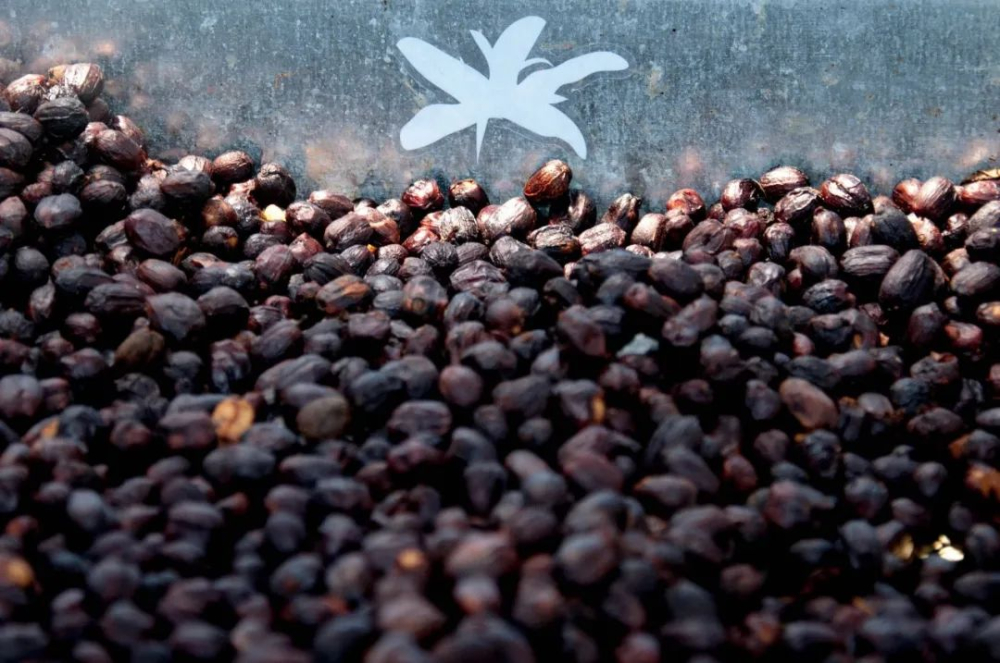
In 2005, Hacienda La Esmeralda entered Gesha in the Specialty Coffee Association of America (SCAA) competition, beating a field of star contenders to claim world-class specialty honors, then swept the world championships in 2006 and 2007, recapturing the world's attention. Since then, growing regions everywhere have rushed to plant Gesha, including China's Yunnan. But FrontStreet Coffee believes that as the discoverer of the classic Gesha flavor, Hacienda La Esmeralda still sets the standard, controlling quality strictly and using natural processing to present that benchmark "Gesha flavor" at its best.
Where to Find High Value-for-Money Gesha Coffee?
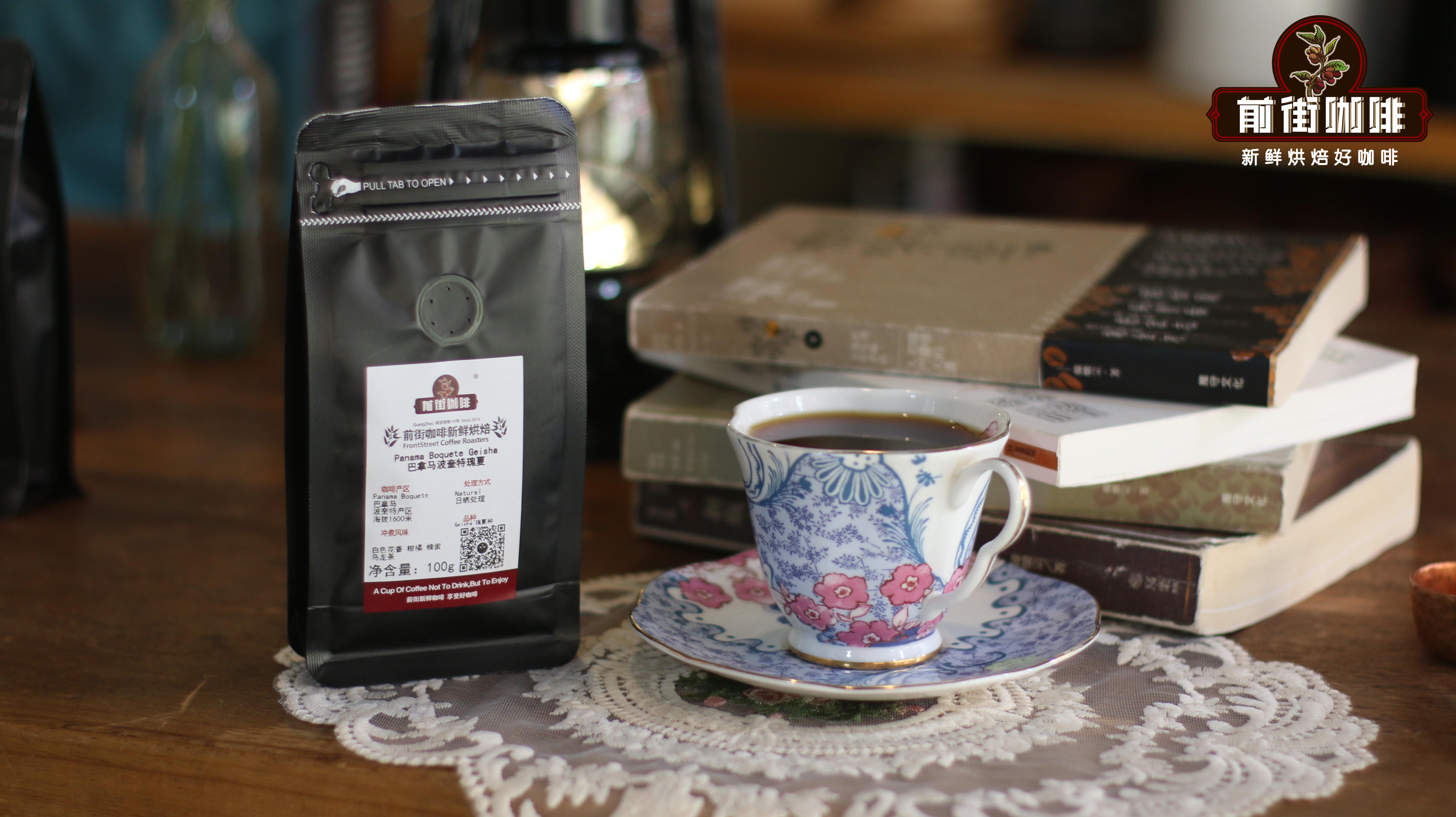
Panama, where Gesha made its name, still guarantees quality through mature cultivation and processing. FrontStreet Coffee therefore offers a washed Gesha from the Boquete region - classic Gesha character at a fraction of auction prices.
In the washed process, selected cherries first pass through a depulper to strip off skin and most of the pulp; the beans, still coated in mucilage, then ferment in water for about 24 hours. After fermentation they are washed in flowing channels to remove the remaining pulp and mucilage, then sun-dried or machine-dried to about 12% moisture before the parchment is hulled off.
As one of the most traditional processing methods, washing delivers more consistent quality and gives Gesha higher clarity and fresher flavors. Freshly roasted, FrontStreet Coffee's Boquete Gesha shows elegant white florals, uplifting citrus and lemon acidity, and a green-tea finish - like sipping a gentle Tieguanyin. How should such a delicate coffee be brewed so none of it goes to waste?
FrontStreet Coffee's Pour-Over Recommendations
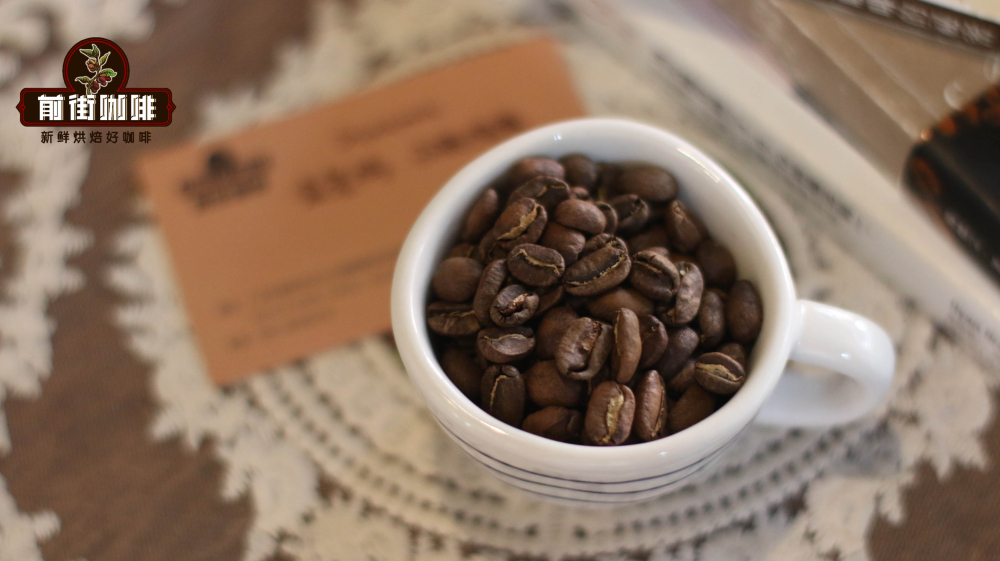
Panama's high-altitude Gesha is a dense bean, and FrontStreet Coffee's roasters generally take floral-fruity coffees to a medium-light roast to preserve their fine acidity. Since light roasting changes the bean's internal structure little, FrontStreet Coffee's baristas compensate with higher water temperature and a finer grind to coax out the aromatics.
Dripper: V60
Water Temperature: 91-92°C
Dose: 15g
Ratio: 1:15
Grind Size: Fine granulated sugar (80% pass through #20 sieve)
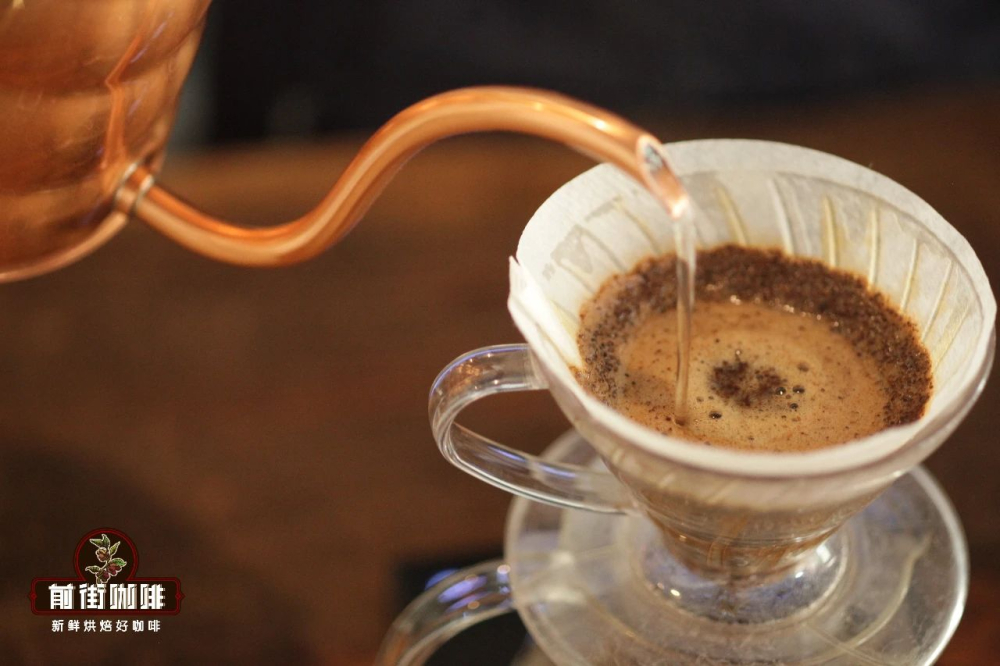
Three-stage extraction: First, bloom with 30g of water for 30 seconds, pouring in circles to form an even dome. Second, pour 95g of hot water; once the bed drops to half its height, begin the third stage with 100g more and let the coffee drain fully. Start every pour from the center with a small, gentle circular stream to avoid uneven extraction.
Brewed this way, the Panama washed Boquete Gesha offers clear citrus, lemon, and bergamot acidity, a creamy-smooth body, and a finish of green tea and honey sweetness.
FrontStreet Coffee Recommendation
Ready to climb the Gesha ladder? FrontStreet Coffee carries Hacienda La Esmeralda's two current tiers. The Red Label ("Esmeralda Special") grows at 1600-1800 meters, must cup above 90 points, and comes from single named plots - each batch numbered so buyers can choose by subtle flavor differences, such as the Jaramillo plot lot. The Green Label ("Private Collection") blends batches from several high-altitude plots to express the estate's signature Gesha profile rather than one terroir, and costs noticeably less - making it the better-value gateway to authentic Esmeralda Gesha.
To brew either, FrontStreet Coffee suggests 15g of coffee in a small Hario V60 at a 1:16 ratio, water at 91°C, and a grind with 78% pass through a #20 sieve (about fine granulated sugar), since Gesha's dense, medium-light-roasted grounds clog easily. Pour in three stages: 30g to bloom for 30 seconds, then to 125g, then to 225g once the bed falls to half, for a total brew time of about 2:10-2:20. For espresso lovers, FrontStreet Coffee's Ethiopia Genlana Estate Gesha, roasted medium, works beautifully as a SOE: 20g in, a 1:2 ratio, 25 seconds, 40g out - bright white floral and lemon acidity as an Americano, apricot, caramel, and nut notes in milk.
Important Notice :
FrontStreet Coffee is a long-established specialty coffee roaster in Guangzhou China, selling freshly roasted beans from its own farm in Yunnan as well as dozens of carefully selected single-origin beans from around the world for both pour-over and espresso. The products deliver consistently excellent quality and great value, with shipping within 24 hours. Guangzhou's FrontStreet Coffee shop is recommended by many coffee lovers, and the beans are now available online at the Tmall 。
FrontStreet Coffee has moved to a new address:
FrontStreet Coffee Address: 315,Donghua East Road,GuangZhou
Tel:020 38364473
 Scan and follow the En Gafei WeChat official account. Please indicate that the reprint comes from "En Gafei".