Why is Coffee Sweet? Why Does Coffee Taste So Sweet? Where Does Coffee's Sweetness Come From?
Tell someone coffee is bitter, and they will almost certainly agree, whether or not they drink it. Say coffee is acidic, and you may still get a nod. But say coffee is sweet, and people might suspect your taste buds have gone haywire!

In reality, though, everyone in the coffee chain — growers, processors, roasters, and baristas — works hard at every stage to make coffee sweeter.
Granted, in the black coffee most of us drink, bitterness or acidity usually leads the flavor. Yet set a few acidic or bitter coffees side by side, and certain ones will stand out with an extra layer of sweetness that makes them taste distinctly sweeter. Where does that sweetness come from?
Greater Emphasis on Coffee Varieties
During the third wave of coffee, the focus was on origin. By the fourth wave, origin had become a baseline expectation, and attention shifted toward varieties with superior flavor. The classic example is Geisha, which dazzled the world in Panama in 2004 and remains shorthand for great coffee today. More recently, competitions have showcased Eugenioides, a variety with exceptionally high sweetness; Chicho Gayo, which stunned judges at the 2022 Best of Panama; and Ethiopia's frequently seen 74/75 number series.
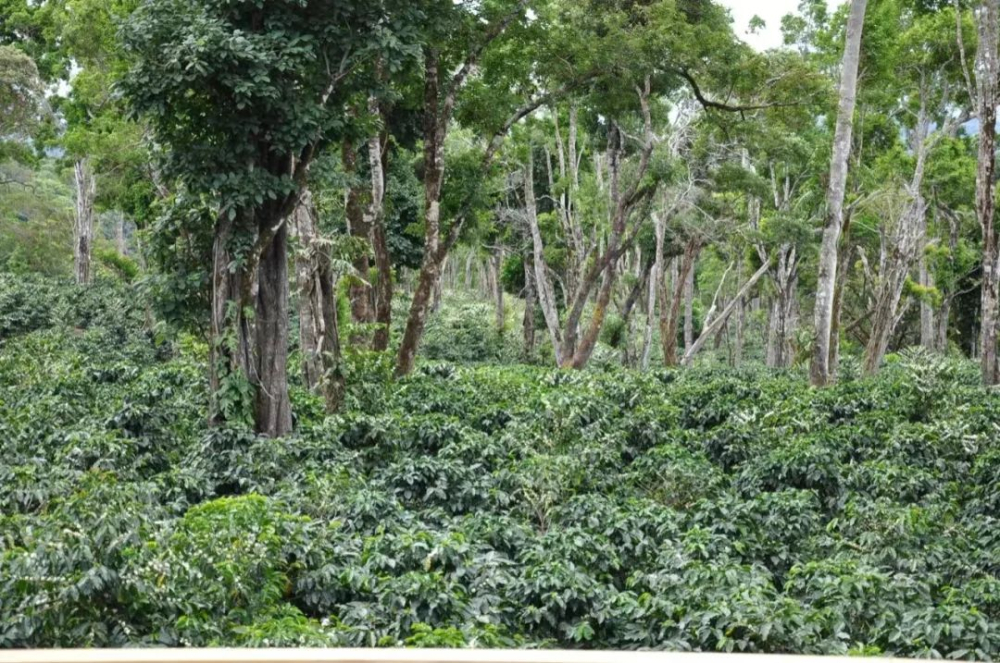
None of these unfamiliar varieties appeared overnight — they were selected and bred years ago. They help consumers grasp how much variety shapes flavor, much as shoppers once learned to read origin information.
Changes in Processing Methods
Processing has an enormous impact on flavor, in two ways. The first is visible right in the name of the method: washed, natural, anaerobic washed, slow-dry natural, and so on.
Sweetness depends on which substances take part in fermentation and how far that fermentation goes. Generally, the more material involved and the greater the degree of fermentation, the sweeter the coffee. Compare the two big categories, natural and washed: in a natural process the whole coffee fruit ferments together, whereas in a washed process only the pectin ferments during the first 1-2 days, after which essentially just the beans themselves carry on. That is why naturally processed beans taste noticeably sweeter than washed ones.
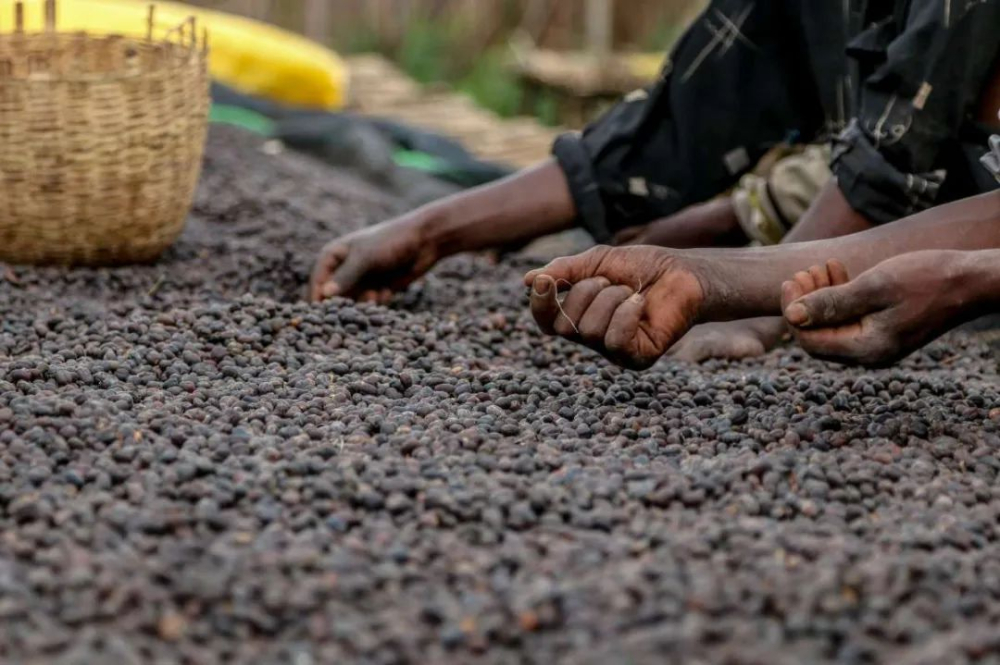
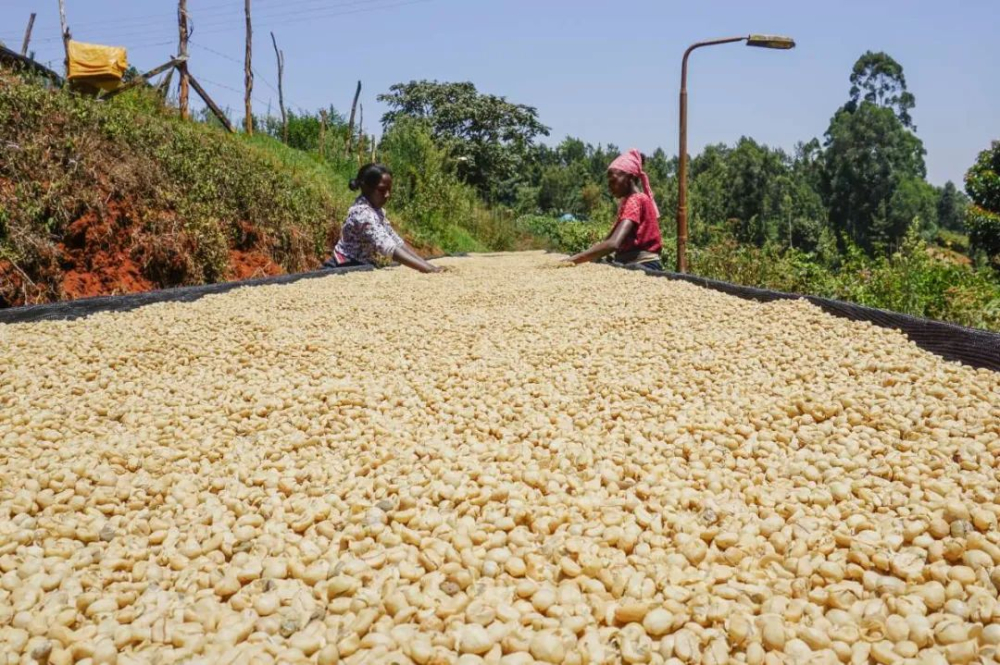
Adding anaerobic steps, using enzymes to drive fermentation, and extending drying times all push fermentation further, and the sweetness becomes more pronounced.
So if sweetness is what you are after, look for natural, anaerobic natural, black honey, or raisin honey processed beans.
The second kind of change does not show up in the name at all. A good example is the currently popular full red cherry harvest. On FrontStreet Coffee's bean list there is a Yirgacheffe Red Cherry, which comes from the "Red Cherry Project" launched by Dutch green coffee traders in 2007. The project simply paid a premium for fully red cherries, encouraging farmers to pick only fruit at peak ripeness.
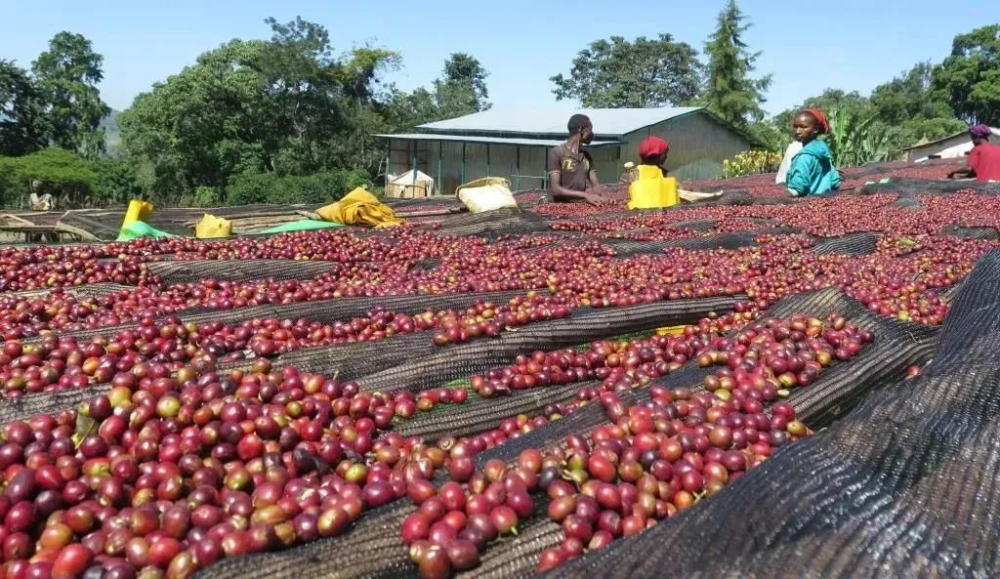
Why does full red ripeness matter so much? Unripe cherries are greenish-yellow or pale red, while overripe ones turn purplish-red. Beans from unripe cherries lend coffee a grassy taste, and beans from overripe cherries rot easily, bringing rotten-fruit flavors and off-notes. Good quality and high sweetness therefore demand picking fully red cherries. As the market keeps raising its quality bar, full red cherry harvesting has become standard practice in specialty coffee — so common that it rarely gets a mention on the label anymore.
Roasting for Sweetness
At the roasting stage, the goal is to express what the beans already hold. Different roasting styles bring out subtly different flavors from the same coffee. In dedicated roasting competitions, for instance, contestants often roast to a similar degree, yet because their techniques differ, the beans share the same overall character while the fine details diverge — one roaster chases peak acidity, another balances acidity against sweetness.
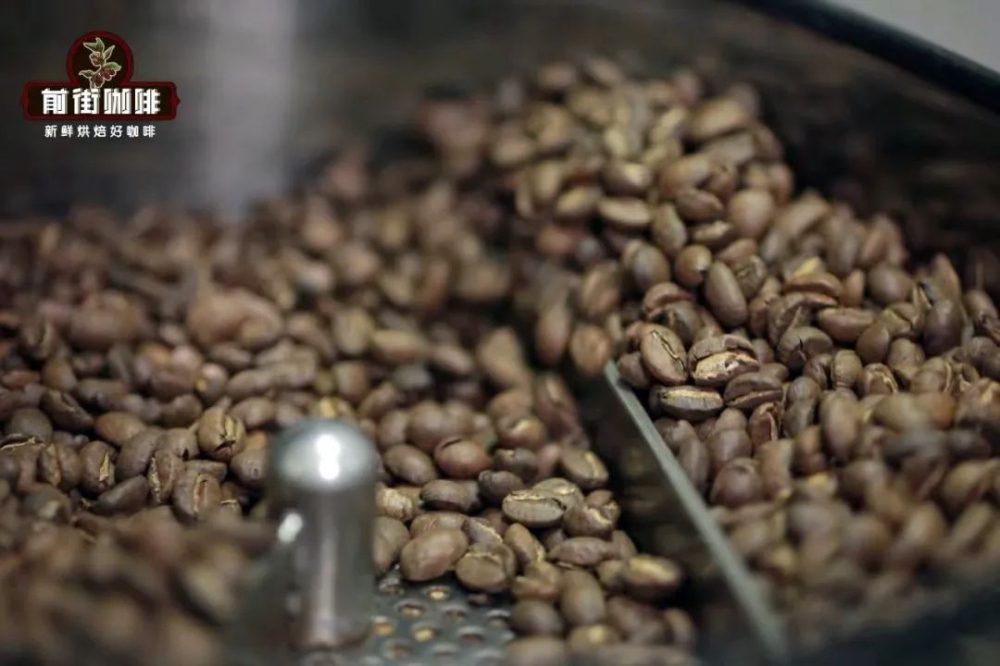
Speaking purely of roast degree, FrontStreet Coffee finds medium roasts express sweetness best. Flavor notes offer a handy clue: descriptions like "honeydew melon, grapes, slightly acidic fruits" point to a medium-light roast tending toward medium, while "sugarcane, maple syrup, chocolate" signals a medium-dark roast tending toward medium.
Brewing Out Coffee's Sweetness
Once the beans are chosen, the broad direction is fixed. The fine expression, however, can still be tuned through brewing — and brewing for sweetness is a question many people care deeply about.
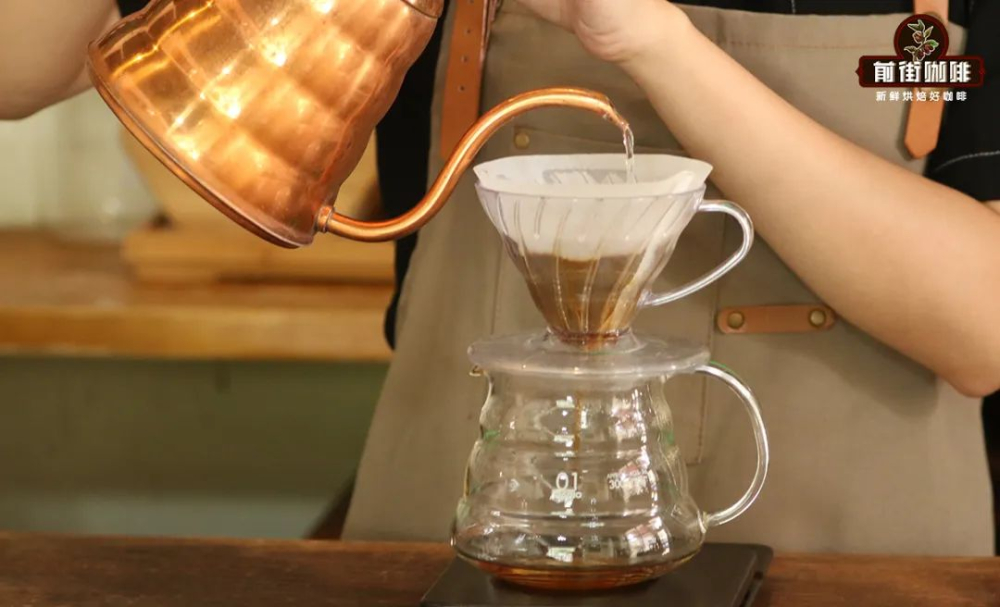
FrontStreet Coffee has covered specific techniques in earlier articles; here is a quick summary:
1. Slightly raising the water temperature enhances coffee's sweetness.
2. Pouring in multiple stages increases both sweetness and complexity.
3. The more vigorously you stir and agitate the coffee bed, the more sweetness you extract — but also the more bitterness and off-flavors.
FrontStreet Coffee Recommendation
Panama Geisha: the benchmark for sweetness and florals
If this article has you craving a naturally sweet cup, Geisha is the variety to try, and FrontStreet Coffee carries a full ladder of it. At the top sit the Esmeralda lots: the FrontStreet Esmeralda Red Label ("Esmeralda Special") grows at 1,600-1,800 meters, comes from a single named plot such as Jaramillo, and must cup above 90 points in every batch — expect the classic orange-honey sweetness with oolong tea-like finesse. The FrontStreet Esmeralda Green Label ("Private Collection") blends batches from multiple high-altitude plots to show Esmeralda's signature Geisha profile at a friendlier price. For a first taste of Geisha, the entry-level FrontStreet Boquete Geisha delivers that unmistakable orange-blossom honey character, delicate fruit acidity, and layered clarity.
Ethiopia Geisha: from the birthplace of coffee
Ethiopia, where Geisha was born, offers its own take with brighter fruit acidity. The medium-light roasted FrontStreet Genlana Estate Gesha from the Yirgacheffe zone shows bright citrus acidity, elegant ginger-flower aroma, and the full sweetness of ripe fruit. For estate-level depth, FrontStreet Geisha Village Gold Label — a Gesha 1931 lots making up just 10% of the estate's output, natural-processed for layered complexity — and the Red Label Gori Gesha (15% of production, cupping 88+ on the SCA scale with full traceability) are the picks that advanced drinkers keep coming back to.
Important Notice :
FrontStreet Coffee is a long-established specialty coffee roaster in Guangzhou China, selling freshly roasted beans from its own farm in Yunnan as well as dozens of carefully selected single-origin beans from around the world for both pour-over and espresso. The products deliver consistently excellent quality and great value, with shipping within 24 hours. Guangzhou's FrontStreet Coffee shop is recommended by many coffee lovers, and the beans are now available online at the Tmall 。
FrontStreet Coffee has moved to a new address:
FrontStreet Coffee Address: 315,Donghua East Road,GuangZhou
Tel:020 38364473
 Scan and follow the En Gafei WeChat official account. Please indicate that the reprint comes from "En Gafei".