Introduction to Guatemala's Acatenango Coffee Region - How Good is Acatenango Coffee?
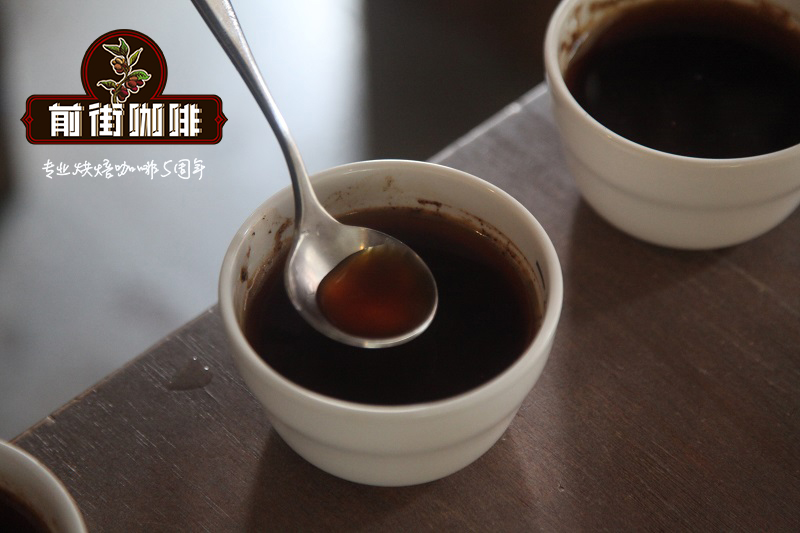
Guatemala is world-renowned as the land of volcanoes, with hundreds of them within its borders - which is precisely what makes its volcanic regions superb territory for specialty coffee. Today FrontStreet Coffee shares a coffee from the Acatenango region. Acatenango enjoys high altitude, and repeated eruptions have built soil of exceptional fertility and mineral richness, yielding coffee of outstanding quality. In the cup: citrus and berry flavors, sweet-tart and lively, sliding into dark chocolate through the middle, with a thick, smooth mouthfeel and a subtle smoky note in the aftertaste - distinctive indeed.
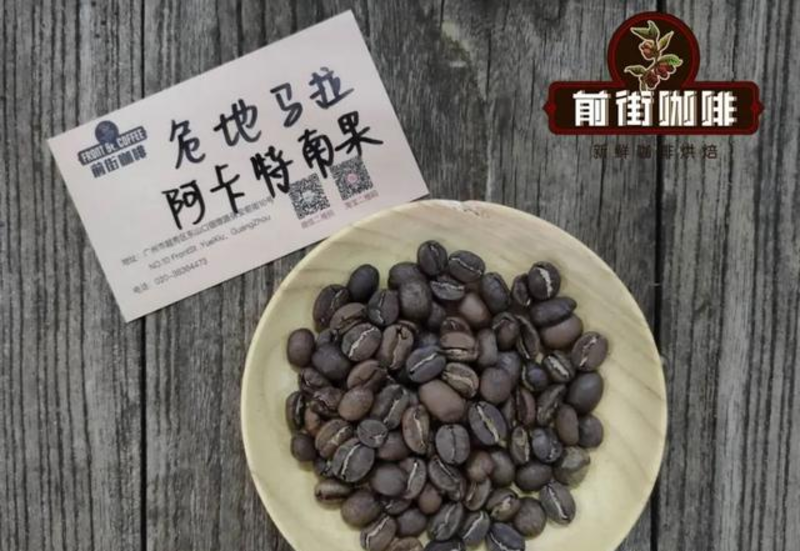
Coffee Information
Country: Guatemala
Region: Acatenango
Altitude: 1300~2000m
Processing method: washed
Varieties: Bourbon, Caturra, Catuai
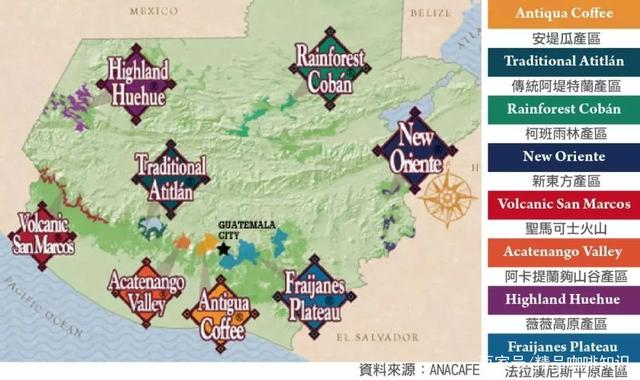
Region Introduction
Acatenango grows some of the highest-altitude coffee in Guatemala. Because the nearby Fuego and Pacaya volcanoes are still active, the rough, sandy soil is loaded with minerals. The region also has a special microclimate: by day, Pacific influence draws moist warm air in from the coast; at dawn and overnight, dry cold air descends from the Guatemalan highlands. That wide day-night swing makes Acatenango coffee distinctly sweeter. FrontStreet Coffee finds it similar to Antigua, but with slightly softer fruit acidity - prominent, pleasant dry and wet aromas, full body, and a clean aftertaste with refreshing aroma.
The Washed Processing Method
The key is fermentation after the cherries are pulped, followed by washing the mucilage away with water. One approach: after picking, sort out unripe fruit and stray leaves, remove the outer skin, select the beans, then wash and soak them so fermentation can begin - microorganisms and enzymes break down compounds in the beans and build the acidic structure. Washed processing can also use dry fermentation without soaking, washing off the mucilage once fermentation finishes. The fermented beans are then sun- or machine-dried to guard against mold. Properly washed coffee tends toward gentler flavors and, depending on environment and fermentation conditions, may carry winelike notes. After processing, defective beans are removed so only perfect beans remain, ready for the various roast degrees that unlock different flavors and textures. Every subtle choice from farm to finished brew shapes the final cup - which is exactly why the world of coffee is so deep and fascinating.
FrontStreet Coffee Acatenango Green Bean Analysis
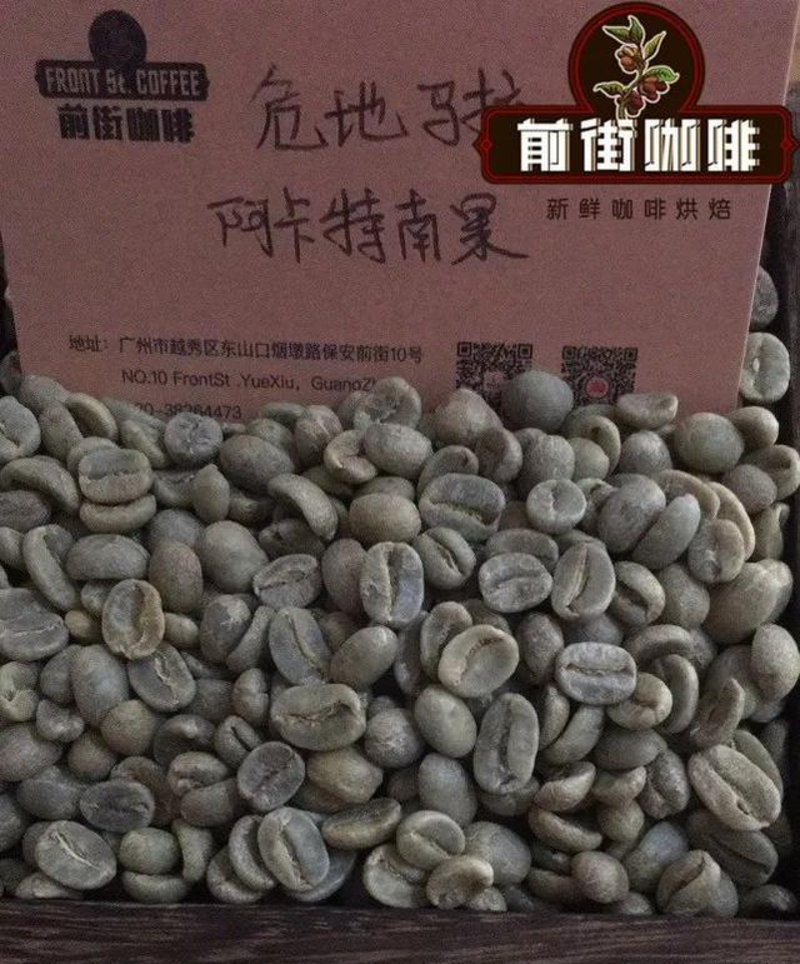
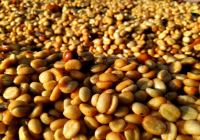
FrontStreet Coffee Acatenango green coffee beans
This is a classic American variety blend: Bourbon, Caturra, and Catuai. Bourbon is the ancestor of many modern varieties, first discovered on Reunion Island, and its character evolved again once it reached the Americas. The hybrid Catuai was first bred successfully in Brazil - a shorter tree with stronger resistance to wind and rain. Caturra, meanwhile, is a compact natural mutation of the Bourbon line: short and stout, with extremely high yield under proper fertilization. FrontStreet Coffee selected this lot because it expresses the quintessential Guatemalan regional profile - fruit acidity fused with nuts.
FrontStreet Coffee Acatenango Roasting Recommendations
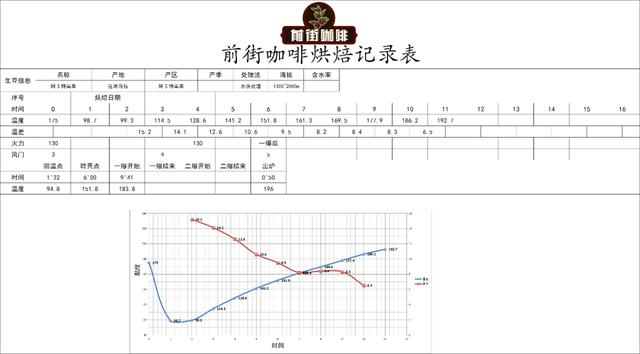
Cupping Report
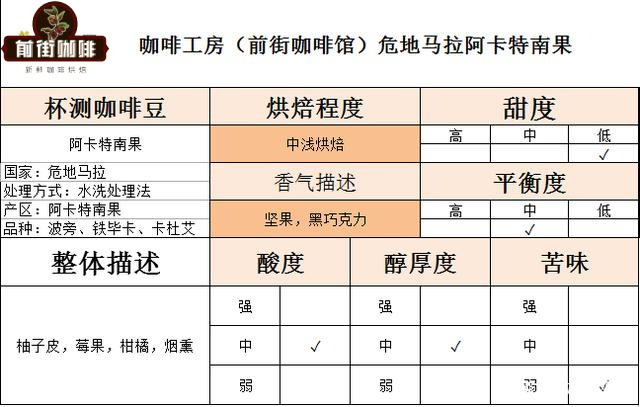
FrontStreet Coffee Acatenango cupping report
FrontStreet Coffee Guatemala Acatenango Brewing Recommendations
Brewing equipment: HARIO V60
Parameters: 15g of coffee
Coffee-to-water ratio: 1:15
Water temperature: 90-91°C
Grind size: medium-coarse (sugar-grain texture)
Method: bloom with 30g of water for 30 seconds, then pour directly to 125g at the center before segmenting. Once the coffee bed shows, continue to 225g and remove the filter cup when the bed appears again. Total extraction time: 2'00".
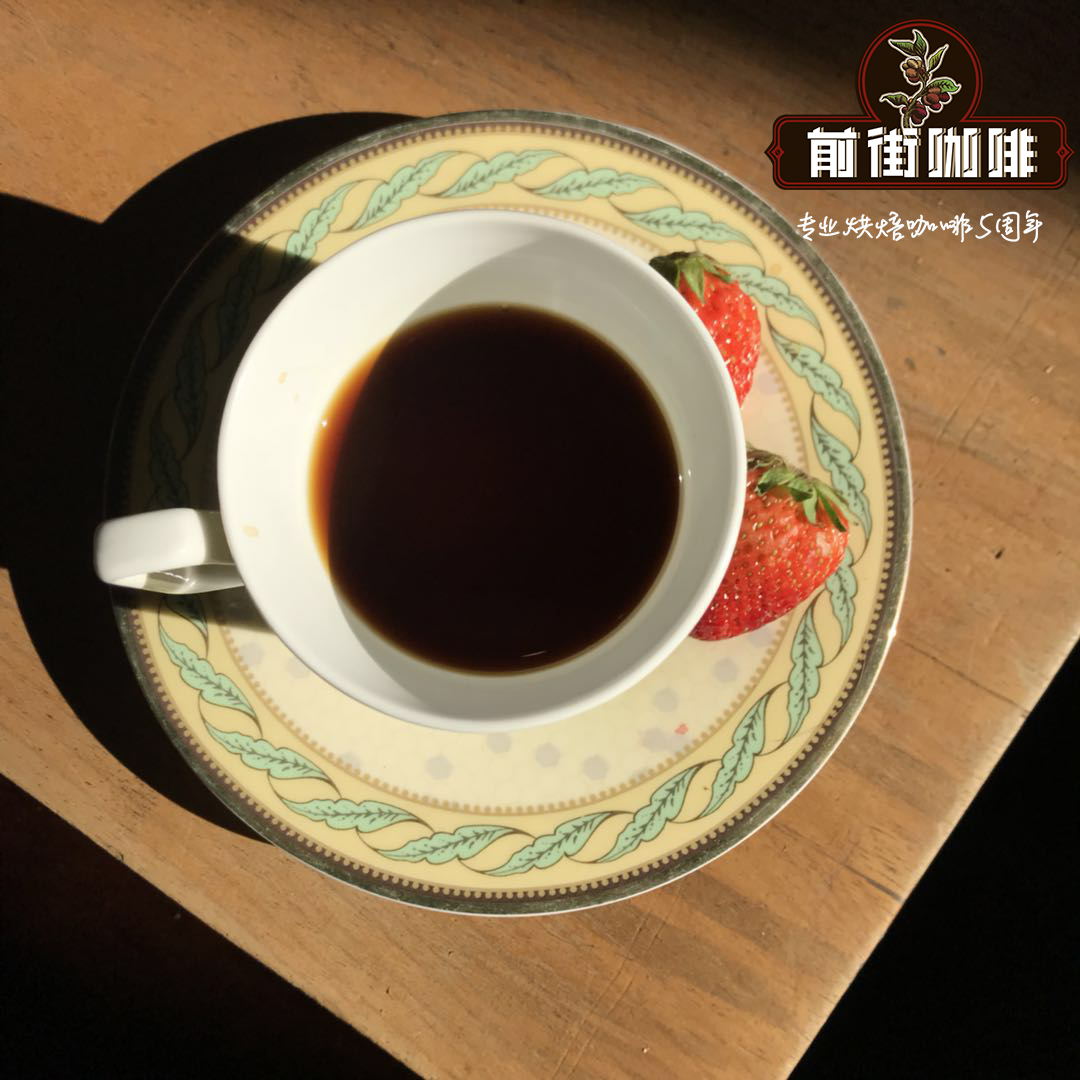
Flavor: citrus and berry acidity on entry, dark chocolate through the middle, and a slight smoky note in the aftertaste.
FrontStreet Coffee Recommendation
For another masterclass in washed processing, try FrontStreet Coffee's Jamaica Blue Mountain No. 1 from the historic Clifton Estate - coffee from an island where limited sunshine made washing a necessity, producing beans of flawless clarity with hazelnut, cream, chocolate, and caramel in perfect balance. If you prefer your washed coffee bright and fruity instead, FrontStreet's washed Ethiopia Yirgachefe Guodingding offers jasmine florals and citrus clarity in the same clean, transparent style.
Important Notice :
FrontStreet Coffee is a long-established specialty coffee roaster in Guangzhou China, selling freshly roasted beans from its own farm in Yunnan as well as dozens of carefully selected single-origin beans from around the world for both pour-over and espresso. The products deliver consistently excellent quality and great value, with shipping within 24 hours. Guangzhou's FrontStreet Coffee shop is recommended by many coffee lovers, and the beans are now available online at the Tmall 。
FrontStreet Coffee has moved to a new address:
FrontStreet Coffee Address: 315,Donghua East Road,GuangZhou
Tel:020 38364473
 Scan and follow the En Gafei WeChat official account. Please indicate that the reprint comes from "En Gafei".