How to Order a Delicious Flat White: Professional Coffee Guide
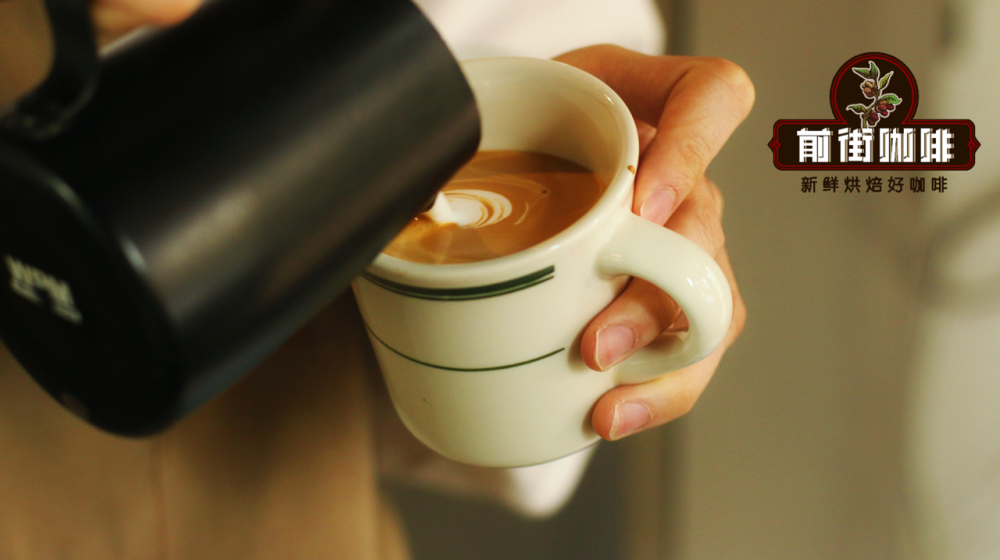
The weekend is here again! Those romantic, cold-hardy folks can bring their girlfriend or boyfriend (singles welcome too), sit outdoors, put on their little sunglasses, feel the gentle (cold) breeze, soak up some sun, order a flat white, watch the falling leaves, and feel early winter arrive. Flat white — today's topic.
Is Flat White Really "White, Rich, and Beautiful"?
On Starbucks' official website, they write: we select our refined concentrated coffee, using less water to extract a more aromatic coffee; meanwhile, we steam the milk until the foam is dense and smooth. Slowly pour the milk into the coffee, letting sweetness meet richness, finishing with a white dot. The beauty of refinement — simplicity is art!
In Starbucks stores, too, there are prominent explanations of what a flat white is, and some shops even set up display boards at their entrances. Descriptions like that make you feel it would be a disservice not to try a cup. But being the rigorous, objective sort (and because it's this article's job), FrontStreet Coffee switched on its "curious" mode and decided to investigate the truth about flat whites.
Here's a helpful quick science explainer. A latte — also known as milk coffee — has Italian espresso at the bottom, milk at 65-75°C in the middle, and cold milk foam on top, at a ratio of 1:2:1. A cappuccino uses less milk than a latte, also at a 1:2:1 ratio, so its espresso flavor is punchier. Colloquially, then, the flat white sits between the latte and the cappuccino, with the difference lying in slight variations in the proportions of those three ingredients.
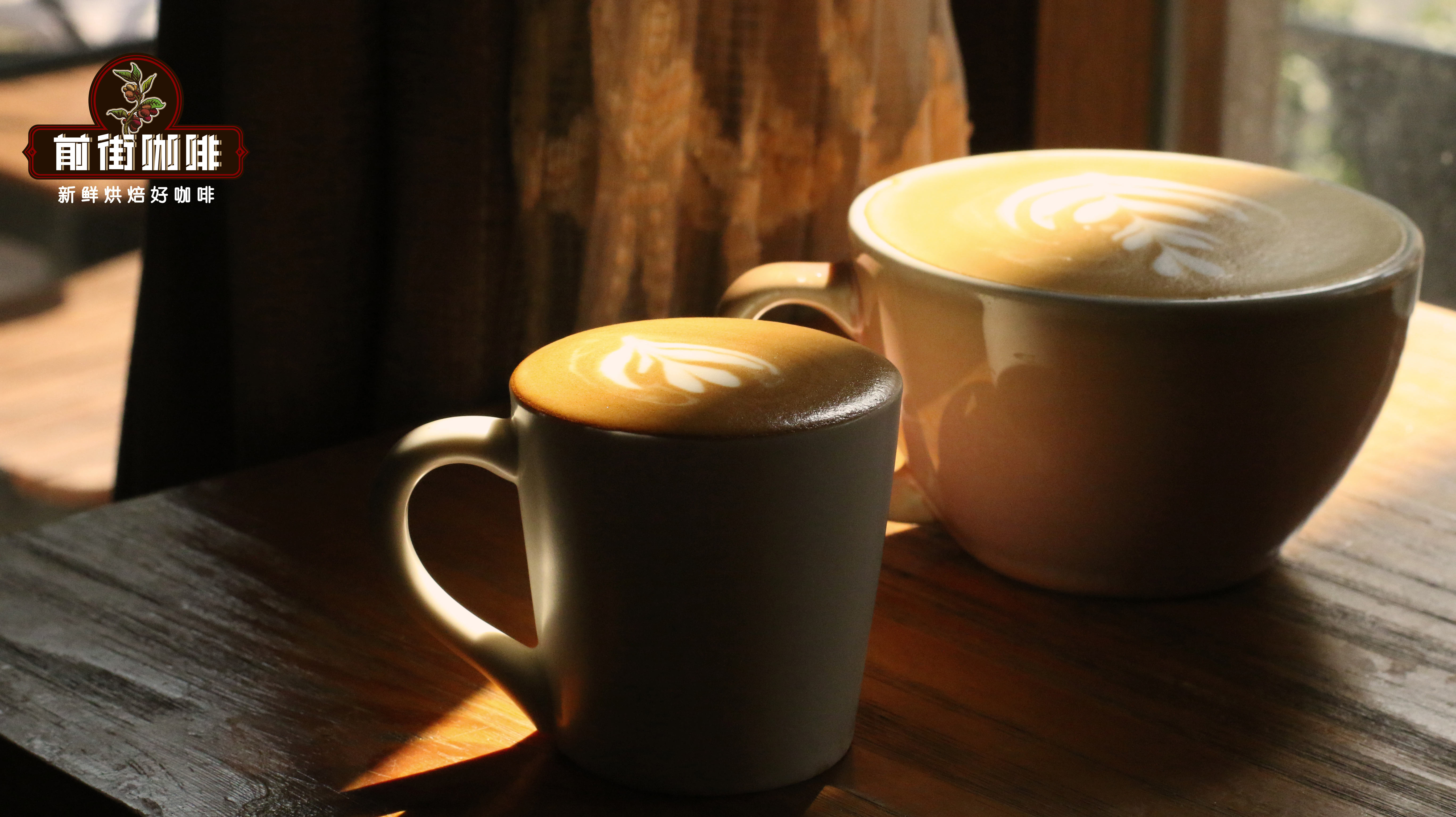
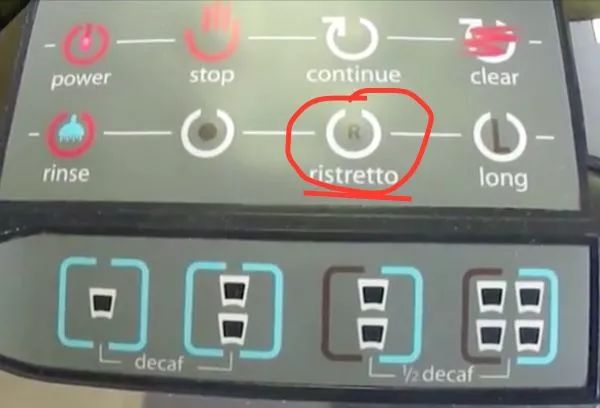
At Starbucks, the flat white uses Ristretto (an ultra-concentrated Italian shot), while the latte uses Espresso. So, the studious among you will ask: what's the difference between the two? Simply put, a Ristretto uses the same amount of grounds as a regular Espresso, but only half the water. An Espresso's water-to-coffee ratio is generally 1:2 — 40g of espresso from 20g of grounds — while the Ristretto's is 1:1 — 20g of espresso from 20g of grounds.
In plain terms, Ristretto is a mini Espresso. On taste, some people say Ristretto has the texture of whiskey, some find it dry and astringent, and others think plain Espresso tastes more balanced. Of course, having said all that, most everyday coffee drinkers probably can't tell the two apart.
Flat white, latte, and cappuccino also differ in production details — foam, milk steaming time, latte art, and so on. The microfoam used in a flat white creates a more delicate, silky texture, with foam thickness under 5mm. Latte foam is relatively thick, over 1cm, while cappuccino uses textured coarse foam (dry foam), which is super thick. Cappuccino requires fully heated milk, latte needs 3-5 seconds of steaming, and the flat white needs the least of all, controlled at 3 seconds. Savor those subtle differences.
Summary and Origins
In short, every theoretical feeling about flat white can be summed up in two words: silky and rich. Meanwhile, Hugh Jackman — the man himself, Wolverine — opened a coffee shop in New York in 2013 and revealed that a flat white is just a latte with more coffee and less milk. FrontStreet Coffee's favorite way to describe it: a stronger latte, a thinner cappuccino.
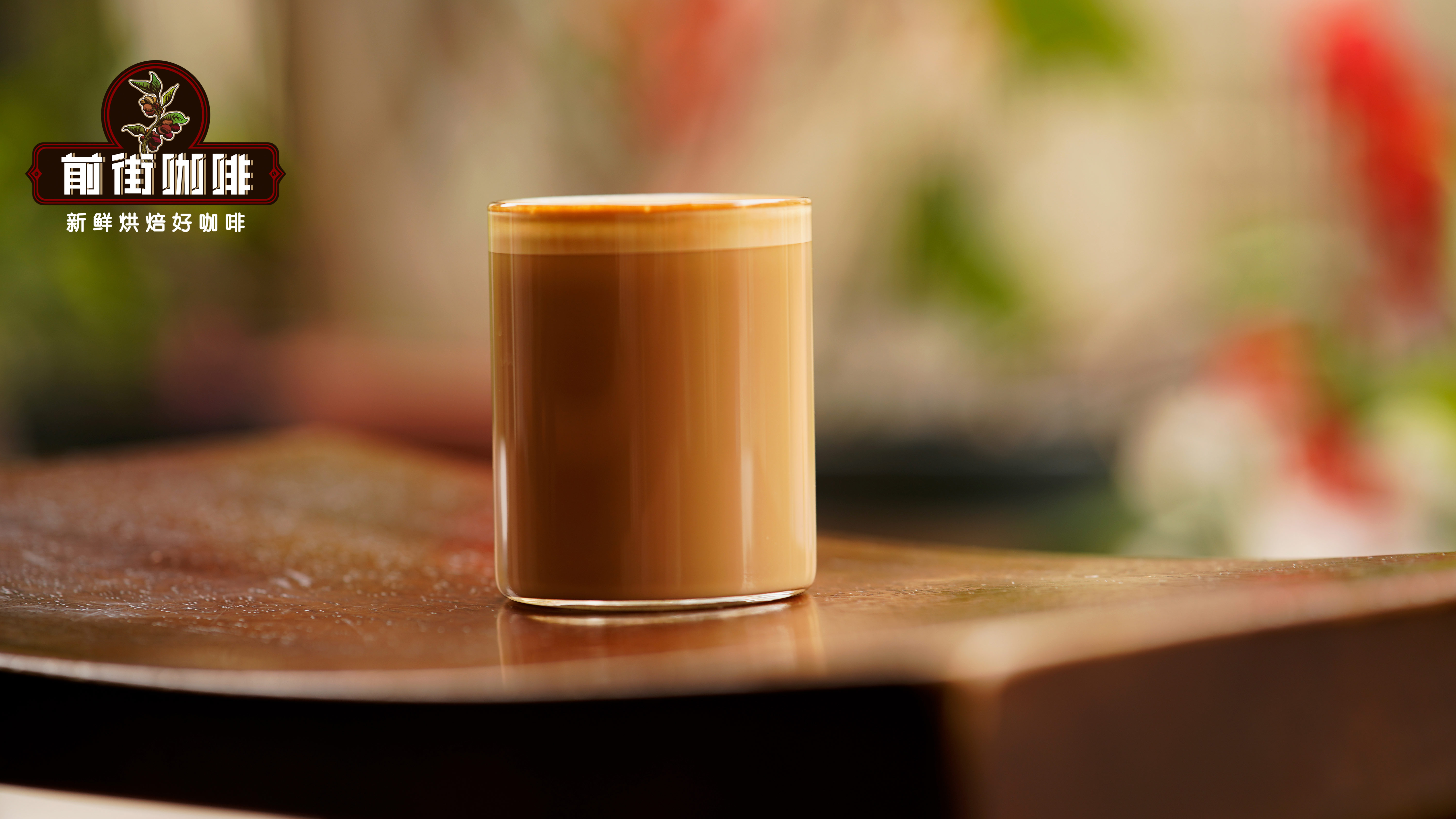
"Flat White" — on first hearing the name, you naturally think of white coffee, or of a coffee with less coffee and a whiter color. Starbucks' new product "Flat White" tastes very close to a latte. Its bitterness outweighs the milkiness, slightly more bitter than a latte with a lingering aftertaste; a latte's milk taste leads, with slight bitterness. In our memory: latte is milk plus a touch of bitterness, while flat white is bitterness with milk.
The milk-based coffee that has recently swept global markets — flat white — is actually a variation of cappuccino. Originating in Australia as a fine-foam milk coffee, it actually appeared as early as the 1980s.
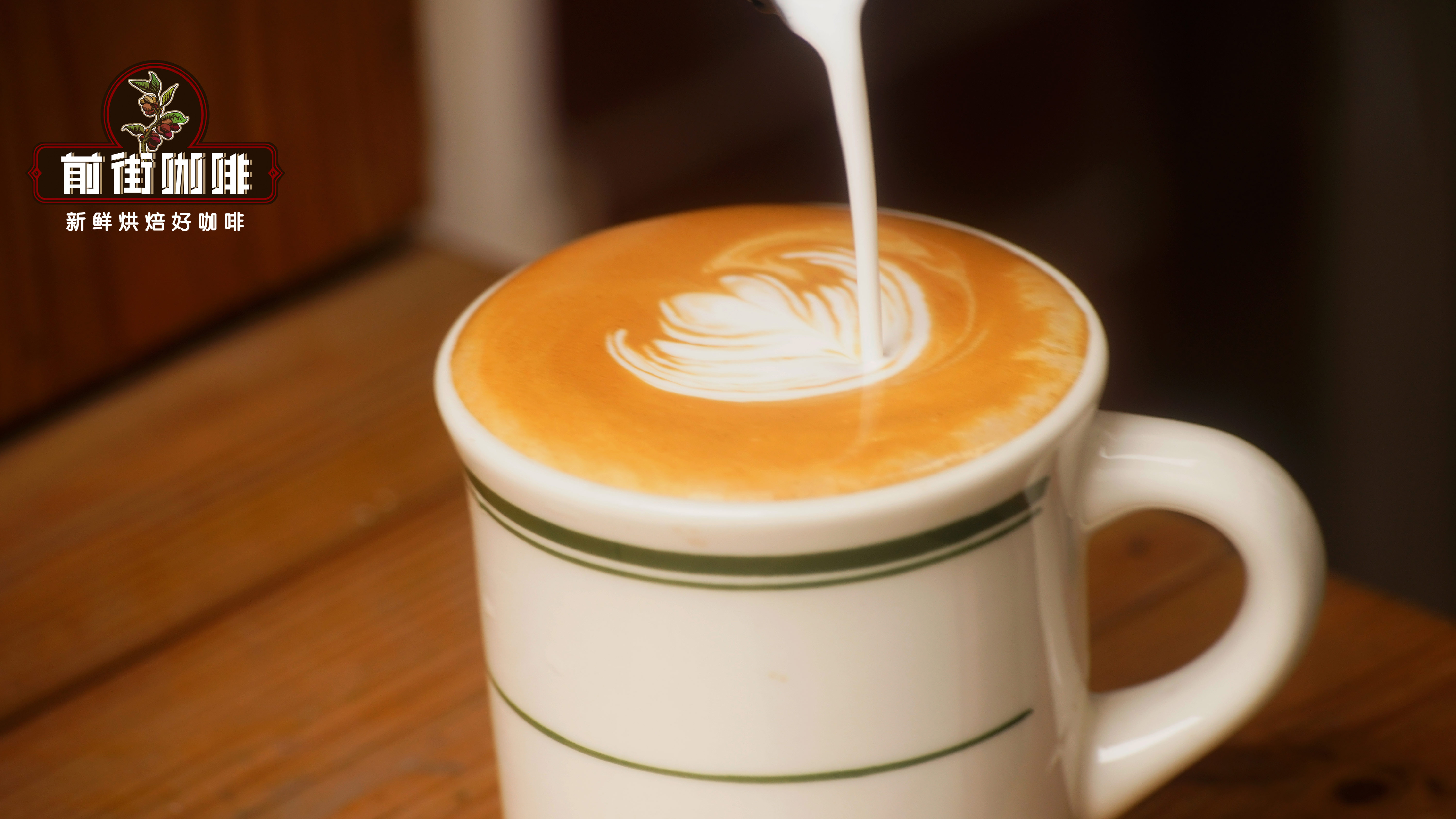
FrontStreet Coffee Explains Flat White
With that said, FrontStreet Coffee needs to clarify a few things about flat white.
The general gist from Wikipedia:
Flat white is a coffee drink originating from Australia — though some later argued it actually came from New Zealand, a claim that surfaced three years after the first. Flat white blends delicate microfoam with a shot of espresso or a double Ristretto. To some extent it resembles a traditional 5-ounce (150mL) cappuccino or latte — hence a higher proportion of coffee, thinner and more delicate milk foam, and a richer espresso flavor that still preserves the fragrance of the milk.
From that statement, three questions follow:
1. The origin of flat white is disputed;
2. The proportion of espresso in a flat white is higher;
3. What separates flat white, cappuccino, and latte?
Let's take these in turn, then compare the result with Starbucks' flat white.
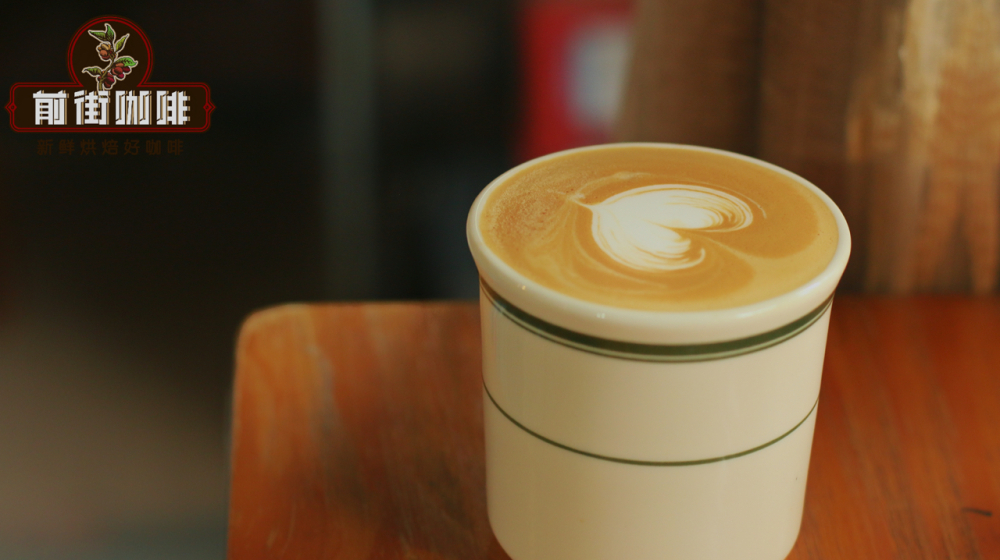
The Origin Controversy
A famous overseas food website published a piece titled "Australia and New Zealand culinary war in new front over flat white inventor," complete with an interview video.
The video interviewed a New Zealand barista named McInnes, who said the flat white appeared while he was making a cappuccino for a customer: a mistake during frothing left the foam incompletely whipped, and he apologized to the customer, "Sorry, this is a flat white." That was in the winter of 1989.
Coincidentally, another barista in the video, Preston from Sydney, declared: "I'm telling you, I was the first to name it flat white!" Preston says he opened a cafe called MOORS ESPRESSO BAR in 1985, and that "flat white" was on the menu from opening day — he even attached a photo of the drink menu showing it. He also built a website for his side of the story, at http://www.flatwhitehistory.com.au, for anyone curious.
In our view, exactly where flat white was born hardly matters anymore. Its appearance was an inevitable development in the ever-changing world of coffee: a drink that emphasizes the flavor of espresso without losing the aroma of milk — a clear favorite among coffee lovers.

With that, a few more points are worth explaining. Flat white is a coffee drink originating from Australia — though some later argued it actually came from New Zealand. New Zealanders like to use a Double Ristretto, while their Australian counterparts would use a Single Espresso.
Flat white blends delicate microfoam with a shot of espresso or a double Ristretto. To some extent it resembles a traditional 5-ounce (150mL) cappuccino or latte — hence a higher proportion of coffee, thinner and finer foam, and a richer espresso flavor that still keeps the milk's fragrance.
"Ristretto" means "restricted," so a ristretto is really an espresso with a restricted flow rate — it flows more slowly.
For example, if an espresso uses 18g of grounds to extract 36g of coffee in about 25 seconds, a ristretto uses the same 18g of grounds to extract just 18g in about 25 seconds, making it very, very concentrated (and the grind will differ from normal espresso, too).
When FrontStreet Coffee makes a flat white, we usually pair a double Ristretto with milk frothed to a thinner foam and serve it in a 180mL cup, which makes the coffee aroma much richer. A Flat White (a 200ml cup) is built on two shots of espresso — and in some places, two Ristretto shots extracted a little longer.
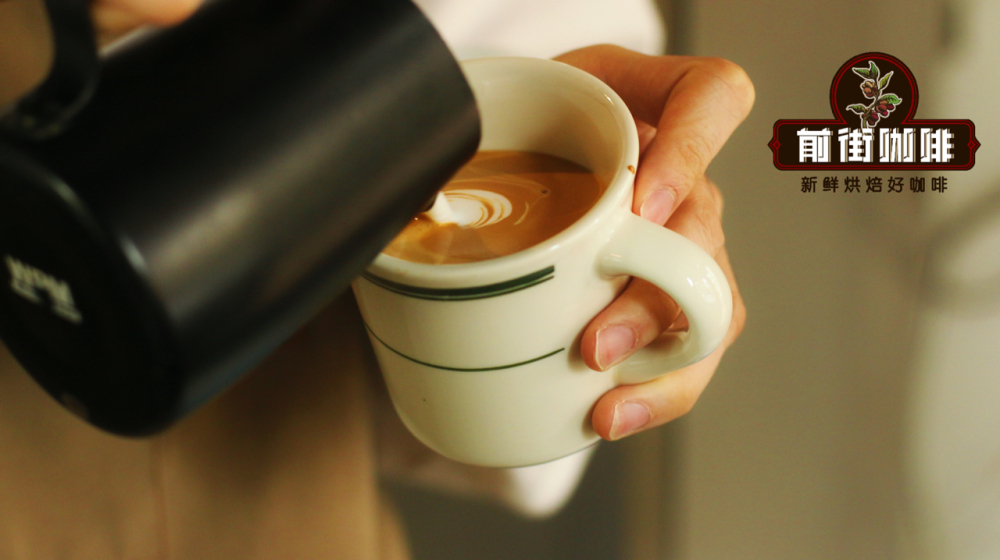
Flat White vs. Cappuccino vs. Latte
When FrontStreet Coffee searched online for the differences among these three drinks, most descriptions focused on foam thickness. That's not quite right. Foam thickness only affects the coffee's texture to a degree — it doesn't determine the drink's taste. What really separates flat white, cappuccino, and latte is the coffee proportion.
In fact, the three can be ranked by coffee richness: flat white > cappuccino > latte; and by foam thickness: cappuccino > latte > flat white. For a flat white, the milk requirement is to remove the relatively loose surface foam and keep only the finer middle layer.

Now that we basically understand what kind of coffee a flat white is, what exactly is Starbucks' new flat white?
For most consumers, the term flat white entered the picture with a Starbucks launch in 2015. Afterward, coffee brands everywhere rolled out their own versions, giving this Southern Hemisphere drink all sorts of names: Starbucks' "Flat White," Costa's "Rich Art White," and rising chain Luckin Coffee's "Aus White." So what differs among these brands' flat whites?

Most coffee shops run semi-automatic double-head espresso machines, extracting 60mL of espresso from standard 18-20 gram baskets. Since a 180mL flat white contains 30mL of Ristretto, the Ristretto accounts for 16.7% of the whole drink — and the taste is excellent. So, setting bean quality aside, if we calculate purely on that 16.7% proportion, then across Starbucks' tall (12 ounces), grande (16 ounces), and venti (20 ounces) sizes, the amount of Ristretto should be 60ml, 80ml, and 100ml respectively.
Under normal circumstances, Ristretto extraction stops about 15 seconds after the first drop lands in the cup, yielding about 30mL. Following the calculation above, Starbucks would need to extract 2, 3, and 4 times for the three cup sizes to hit the theoretical concentration. Given Starbucks' astonishing serving speed, that all comes down to their fully automatic Mastrena machine.
With the basics in hand, we took on flat whites from three chain brands: Starbucks calls it "Flat White," COSTA calls it "Rich Art White," and Luckin calls it "Aus White." These three drinks are priced at 36 yuan, 33 yuan, and 27 yuan respectively.
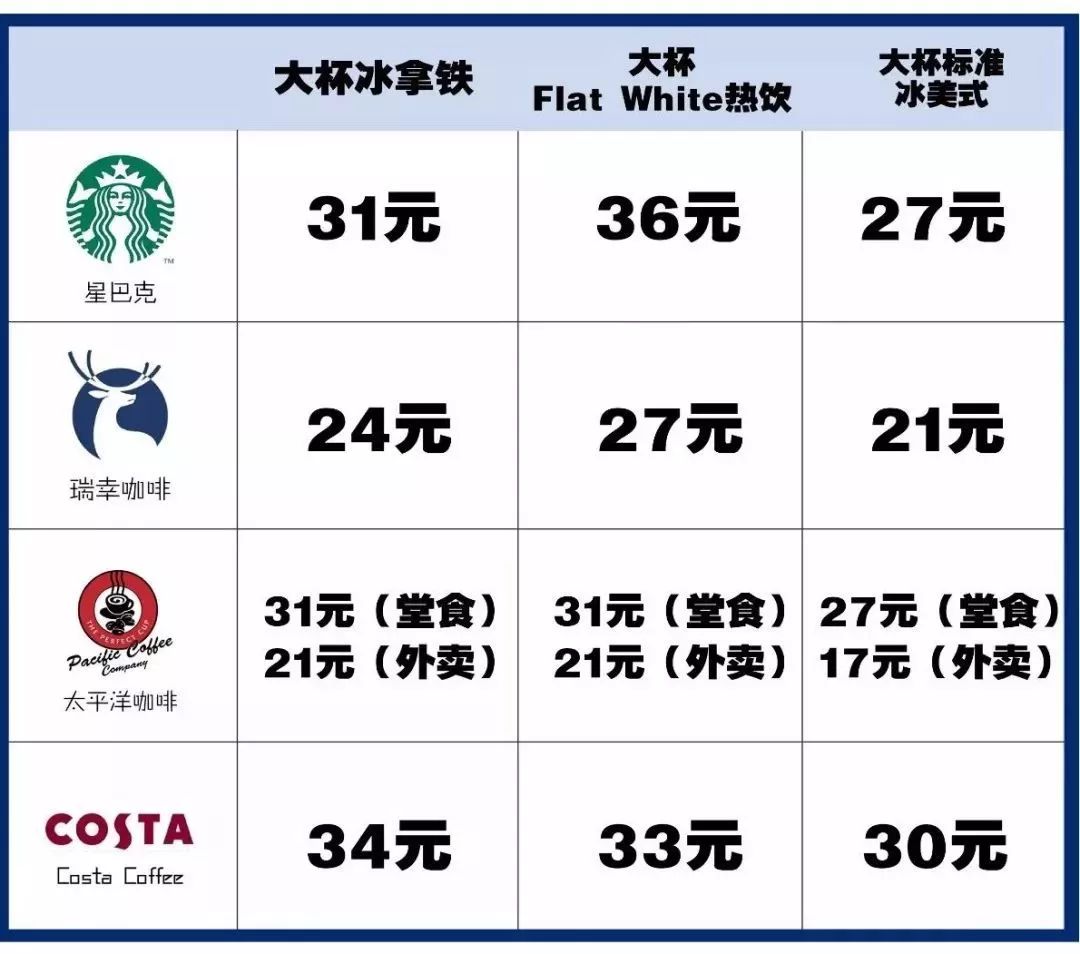
Start with Starbucks. According to the staff, there's real mystery in this cup. Unlike ordinary espresso, Starbucks says its Flat White uses a Ristretto Shot — with a shorter extraction time and volume than a standard Espresso Shot, the coffee is richer, more mellow, and slightly sweet. If you want stronger coffee, it's a good choice.

COSTA Rich Art White
COSTA's Rich Art White is made from espresso and milk, characterized by a silkier foam texture and heart-shaped latte art, priced at 33 yuan. Costa stores use Australia and New Zealand farm fresh milk, newly added to the recipe.
COSTA puts heavy emphasis on latte art. Judged on appearance and foam presentation, the Rich Art White is the best of the three — even after opening the lid, the foam stays tight. But the taste itself is rather disappointing.
Luckin Aus White
Aus White follows the more standard Australian flat white formula: espresso + milk. First impression after opening the lid: the foam is relatively thin. Luckin also uses Australia and New Zealand farm pure milk, same as Costa. Aus White leans milkier, with coffee and milk flavors fairly well balanced.

FrontStreet Coffee Recommendation
Every café has its own "secret flat white formula," but the essentials never change: less milk, thinner foam, stronger coffee. At FrontStreet Coffee, we pull only the front-and-middle Ristretto as the base — 20g of coffee grounds extracting 32g of espresso in 22-25 seconds — then pair it with 160ml of fresh milk, steamed to a uniform foam thickness of 0.3cm and a temperature of 50-55°C.
For a home-made flat white, FrontStreet Coffee's Classic Blend is the one to buy: buttery, cheese-like aromas, a mellow low-acid body, and full, fine crema that marries beautifully with milk. Those who prefer floral and fruity notes should pick the FrontStreet Strawberry Candy espresso blend — extremely low in bitterness, with full grape and blueberry flavors on extraction; with fresh milk it tastes like a strawberry milkshake.
Milk matters just as much as beans: milk that's too thin makes the drink watery, and milk with too strong a flavor masks the coffee. Choose cold fresh milk — steamed properly, it highlights the dairy sweetness and becomes the perfect partner for espresso.
Important Notice :
FrontStreet Coffee is a long-established specialty coffee roaster in Guangzhou China, selling freshly roasted beans from its own farm in Yunnan as well as dozens of carefully selected single-origin beans from around the world for both pour-over and espresso. The products deliver consistently excellent quality and great value, with shipping within 24 hours. Guangzhou's FrontStreet Coffee shop is recommended by many coffee lovers, and the beans are now available online at the Tmall 。
FrontStreet Coffee has moved to a new address:
FrontStreet Coffee Address: 315,Donghua East Road,GuangZhou
Tel:020 38364473
 Scan and follow the En Gafei WeChat official account. Please indicate that the reprint comes from "En Gafei".