Introduction to Ethiopian Heirloom Coffee Bean Characteristics: The Difference Between Heirloom and Landrace Coffee
Coffee enthusiasts all know that Ethiopia is the birthplace of coffee. To this day, Ethiopia has nearly 2,000 recorded varieties (1,927 indigenous varieties and 128 introduced varieties). However, the common Ethiopian coffee bean varieties on the current market are all referred to as Heirloom varieties. Next, FrontStreet Coffee will explain what Heirloom varieties actually are.
What are Heirloom Varieties?
According to FrontStreet Coffee's research in the "Oxford English Dictionary," the word "Heirloom" means "a valuable object that has been passed down through generations of a family." That is why some people also translate this as "heirloom variety."
FrontStreet Coffee has also learned through research that there are currently approximately 10,000 to 15,000 heirloom varieties in Ethiopia, most of which have not undergone formal genetic identification. It is precisely because of this staggering number of varieties that classification is difficult on one hand, and on the other hand the Ethiopian government, out of a desire for protection, is unwilling to disclose information about these varieties, so they are collectively called "heirloom varieties."

Currently, local heirloom varieties are generally divided into two categories: JARC varieties and regional local varieties. JARC varieties are those developed and researched by the Jimma Agricultural Research Center, with desirable characteristics such as higher disease resistance or higher yields. Regional local varieties, by contrast, are coffee trees that grow entirely in the wild.
Moreover, FrontStreet Coffee understands that in Ethiopia there is also a "semi-forest system" where larger forest areas are usually owned by private groups. This is mainly because the biggest problem with local heirloom varieties is that most of them are in a wild state, making it difficult for farmers to identify and separate varieties in the wild. On farms, pickers and producers can better separate each variety. Among the thousands of different heirloom varieties in Ethiopia, whether identified or not, there are many different characteristics, including yield, cup quality, flavor and disease resistance. However, one of the biggest problems with these thousands of heirloom coffee varieties is identification. This is partly due to the large number of genetically distinct varieties in Ethiopia, and partly because in certain regions many different varieties grow in close proximity to each other, making them difficult to separate and identify.

Finally, heirloom varieties are usually identified only by producers based on years of experience, because the varieties are so numerous that broader genetic verification is nearly impossible.
The above is the information compiled by FrontStreet Coffee about Ethiopian Heirloom varieties. It is precisely because of this that Ethiopia has introduced coffee bean grading standards that suit its own situation. Next, FrontStreet Coffee will introduce these standards to coffee enthusiasts.
Ethiopian Coffee Bean Grading Standards
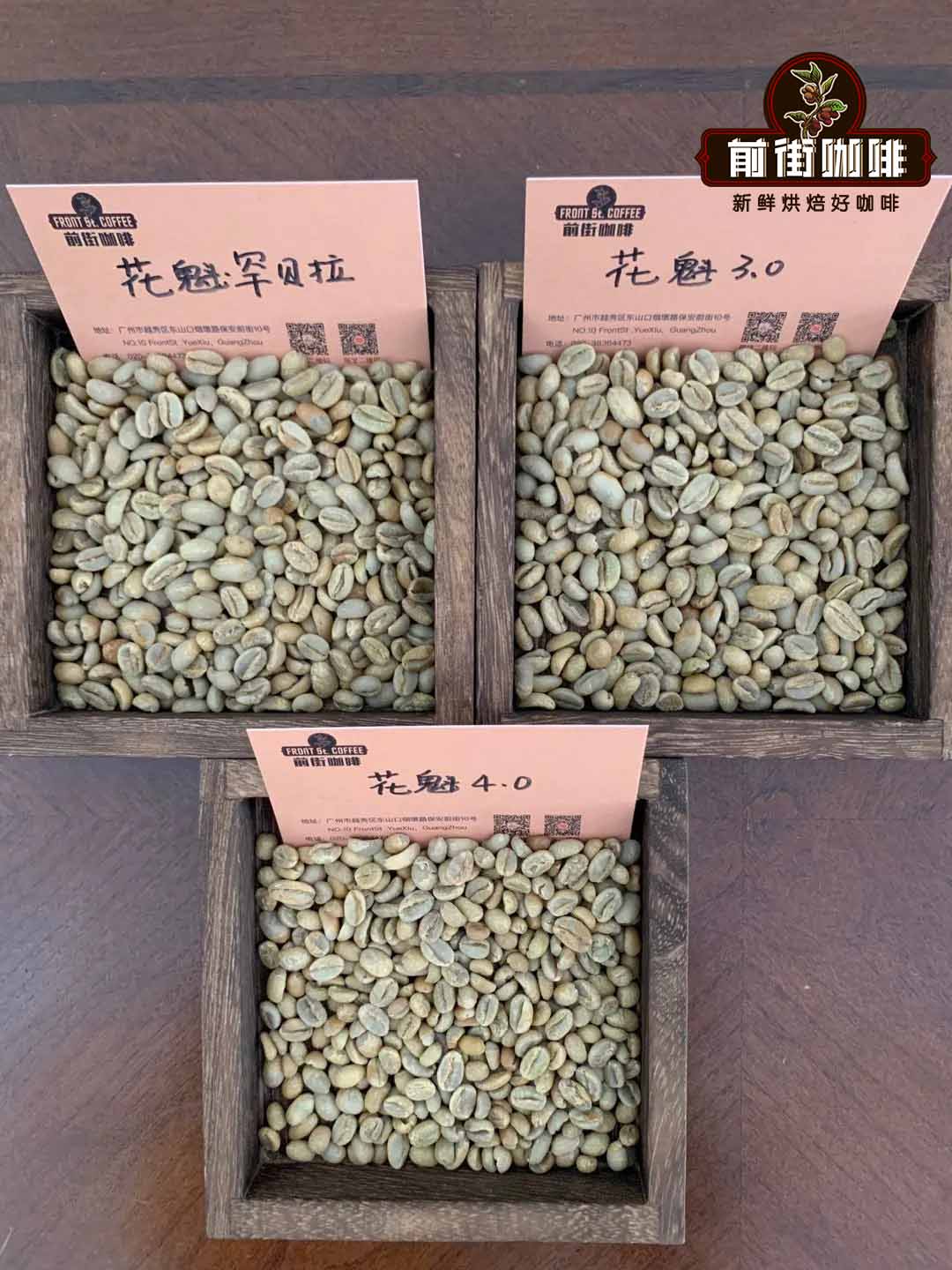
As FrontStreet Coffee mentioned above, Ethiopia's coffee varieties are extremely numerous, which has led to inconsistent coffee bean sizes, as seen in the picture of Ethiopian Sidamo Buku coffee beans below. Ethiopia therefore primarily grades coffee beans based on the number of defects and coffee flavor.
Before the emergence of the Ethiopia Commodity Exchange (ECX), Ethiopia's coffee export grades were set by the CLU department under the Ministry of Agriculture, mainly based on the number of defective beans in 300g to grade green coffee beans. The grading standards are as follows. Generally, washed processed beans are G1-G2. Due to technical issues with natural processing at that time, natural processed beans had more defects and were generally G3-G5. With improvements in natural processing technology, natural beans can now also reach G1-G2 grades.
Grade: Defective beans count (per 300g): Grade 1 ≤ 3, Grade 2 4-12, Grade 3 13-25, Grade 4 26-45, Grade 5 46-90
Among these, specialty and commercial grades are for export to the international market. ECX divides green coffee beans into nine grades based on the total score of physical characteristics and cupping flavor characteristics, with physical characteristics accounting for 40% and cupping quality accounting for 60%.
Physical Characteristics (40%):
Washed processing: Defect count (20%), appearance size (10%), color (5%), odor (5%)
Non-washed processing: Defect count (30%), odor (10%)
Grade: Washed/Non-washed Score: Grade 1 91-100, Grade 2 81-90, Grade 3 71-80, Grade 4 63-70, Grade 5 58-62, Grade 6 50-70, Grade 7 40-49, Grade 8 31-39, Grade 9 20-30
Then, G1-G3 are cupped again according to SCAA standards to more carefully evaluate their flavor attributes. G1 and G2 with scores not below 85 are rated as Q1 grade; G1, G2 and G3 with scores between 80 and 85 are rated as Q2 grade; all G1, G2 and G3 below 80 points are rated as G3 grade.
Q1 and Q2 are classified as specialty grades for export. G4-G9 maintain their original grading and are classified as commercial grades for export along with G3.
The above are Ethiopia's coffee bean grading standards. Next, FrontStreet Coffee will recommend some Ethiopian Heirloom coffee beans to fellow coffee enthusiasts.

FrontStreet Coffee: Ethiopian Yirgacheffe Guodingding Coffee Beans
Country: Ethiopia
Region: Yirgacheffe
Altitude: 1900-2300m
Variety: Local Heirloom
Processing: Washed
Flavor: Tropical fruits, cream, honey, berries, citrus
The name Guodingding comes from the fact that these coffee cherries are produced by the Guodingding Cooperative. According to FrontStreet Coffee's understanding, the Guodingding Cooperative was originally part of the Woka Cooperative under the Yirgacheffe Coffee Farmers Cooperative Union (YCFCU), and became independent as the Guodingding Cooperative in 2012. It currently has about 300 smallholder members.
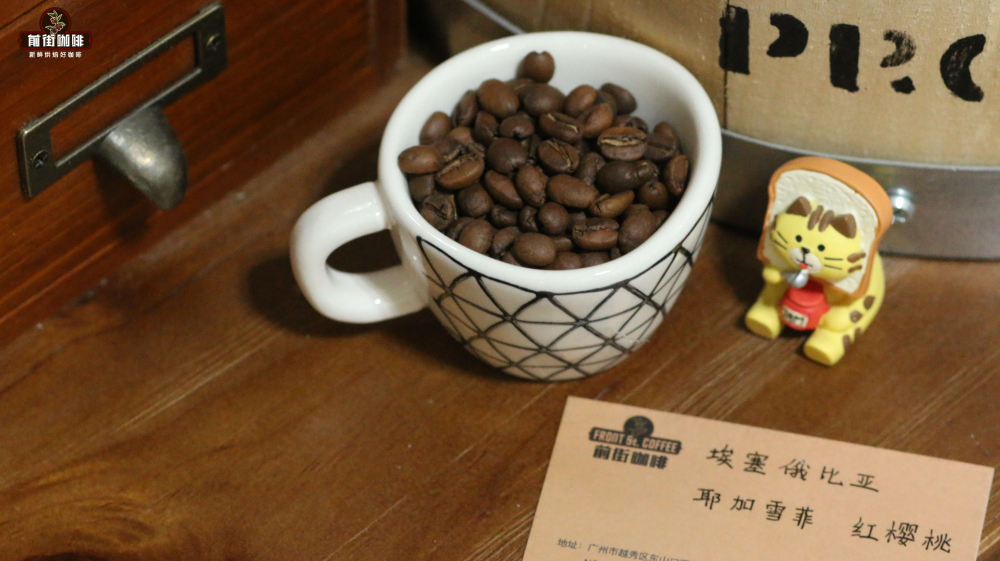
FrontStreet Coffee: Ethiopian Yirgacheffe Natural Red Cherry Coffee Beans
Country: Ethiopia
Region: Yirgacheffe
Altitude: 2300m
Variety: Local Heirloom
Processing: Natural
Flavor: Berries, lemon, strawberry, fermented wine aroma
FrontStreet Coffee's natural red cherry coffee beans are made from 100% mature coffee beans using natural processing, resulting in an extremely aromatic cup with rich sweetness and fermented notes.
This coffee bean is called Red Cherry because of the "Red Cherry Project" jointly implemented by Ethiopian coffee farmers and the Dutch company Trabocca. The project aims to improve the quality of coffee from small-scale farms and increase farmers' income. Picking fully mature coffee fruits requires not only picking fully red, high-maturity fruits but also harvesting completely by hand, and that is only the most basic requirement. There are also corresponding requirements for processing methods. Any coffee beans from this Red Cherry Project therefore have excellent quality, which is one reason FrontStreet Coffee decided to stock this coffee bean.

FrontStreet Coffee: Ethiopian Yirgacheffe Woka Cooperative Coffee Beans
Country: Ethiopia
Region: Yirgacheffe
Altitude: 1650-1800m
Variety: Local Heirloom
Processing: Washed
Flavor: Lemon, jasmine tea, black tea, cane sugar
Woka is located in the Yirgacheffe region at an altitude of 1800-2000 meters. The Woka Cooperative was established in 2005 and joined the famous Yirgacheffe Coffee Farmers Cooperative Union (YCFCU) in the same year, known for producing high-quality natural Yirgacheffe coffee. FrontStreet Coffee's Woka comes from this cooperative.
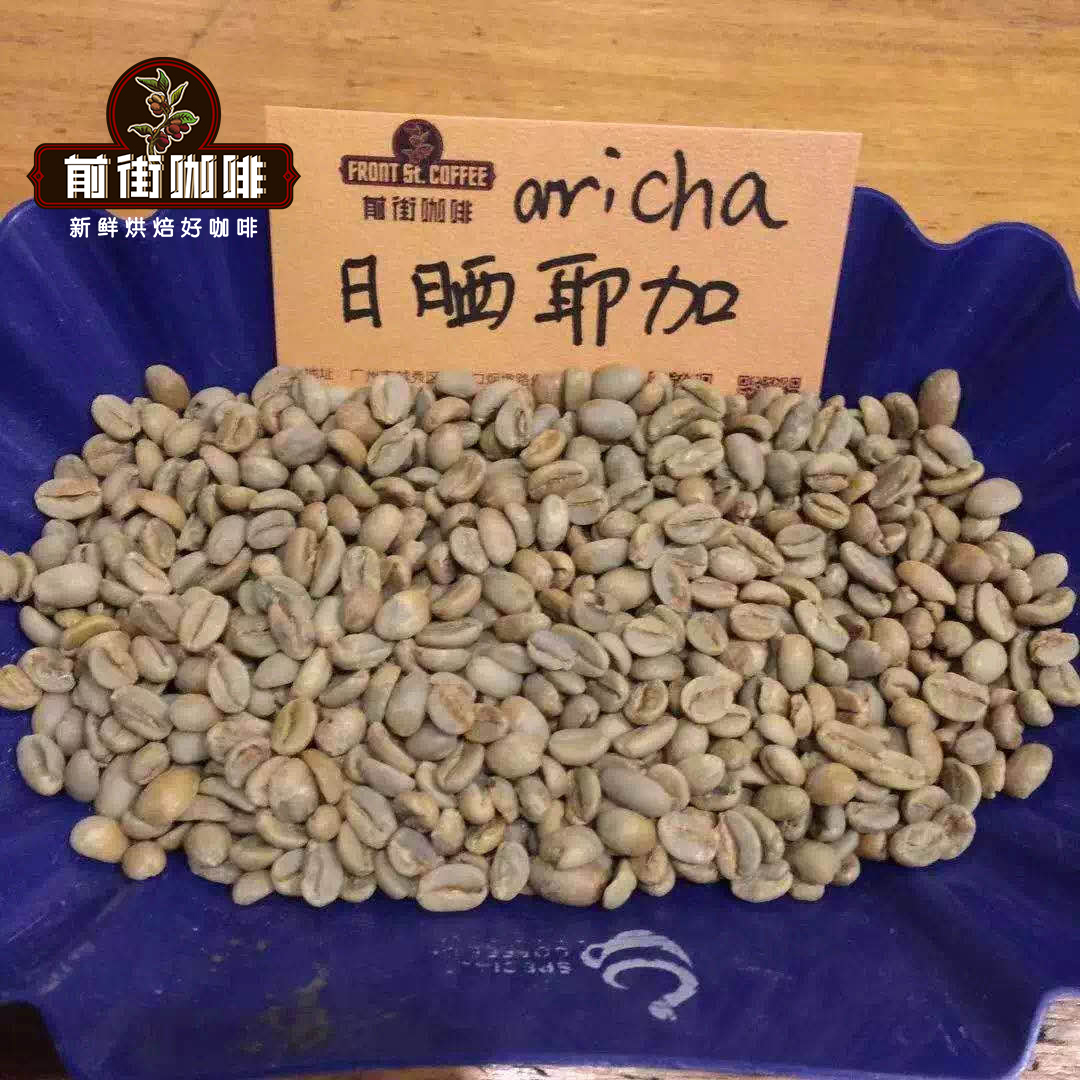
FrontStreet Coffee: Ethiopian Yirgacheffe Aricha Coffee Beans
Country: Ethiopia
Region: Yirgacheffe
Altitude: 1900-2100m
Variety: Local Heirloom
Processing: Natural
Flavor: Light fermented wine aroma, sweet orange, spices, honey sweetness
Aricha is produced at the Kebel Aricha processing station, where about 650-700 small coffee farmers deliver ripe coffee berries for processing and receive cash in exchange. After the processing station selects usable berries, they are placed directly on racks for sun drying. During the first few days of drying, the beans are turned every 2-3 hours to prevent over-fermentation. After four to six weeks of natural drying, workers remove the outer fruit pulp by machine depending on weather and temperature conditions, then transport the beans to Addis for storage. Natural processed beans are usually stored as parchment until hulling just before export to ensure green bean quality.
FrontStreet Coffee's current batch of natural Aricha has been rated G1, the highest grade by ECX. From appearance, consistency and freshness to dry aroma and flavor, it is excellent. Coffee enthusiasts who love bright acidity and rich berry flavors should not miss it.
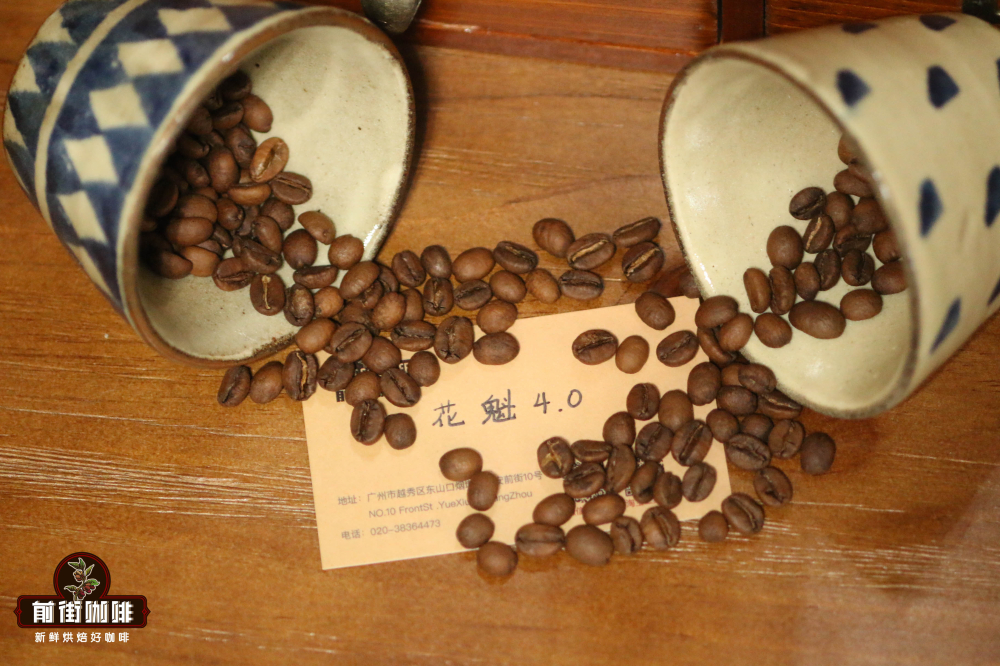
FrontStreet Coffee: Ethiopian Sidamo Hua Kui 5.0 Coffee Beans
Country: Ethiopia
Region: Sidamo
Altitude: 2250-2350m
Variety: Local Heirloom
Processing: Natural
Flavor: Berries, flower tea, honey, lemon, black tea
The Hua Kui coffee beans introduced by FrontStreet Coffee were the champion of the natural processing category in the 2017 Ethiopia TOH coffee competition. They made a stunning appearance with a unique strawberry cream flavor. That year, this batch of green beans was imported to China by the Beijing green bean trader Hongshun. In the same year, Li Jianfei used this bean to win the runner-up position in the 2017 World Brewers Cup China region. This Ethiopian bean stood out among many Geisha competition beans, thus earning the name "Hua Kui," meaning Flower Champion.
In the following years, Hua Kui has been named with "X.0," so for example 2024 would be Hua Kui 8.0.

The Rise of Landrace Varieties
In recent years, Ethiopian coffee has not only been labeled as Heirloom in terms of variety; some Ethiopian beans are also labeled "Landrace." Landrace means local varieties, plants with historical origins, unique characteristics and genetic diversity that can adapt to local conditions and work well with farmers' field management. For example, Yirgacheffe, also an indistinguishable variety, has formed characteristic flavors after adapting to the geographical environment here. Local people are also accustomed to calling coffee varieties in the Yirgacheffe area "Kurume." Similarly, there are local varieties like Dega and Walisho in Sidamo.
In addition, Ethiopia has also seen the rise of numbered coffee varieties. So-called numbered varieties are digital codes starting with 74 and 75. This is because the Jimma Coffee Research Center launched a variety breeding program between 1974 and 1975. These varieties have shined in Ethiopia's Cup of Excellence competitions, such as varieties 74110 and 74112, which have been on the COE list for two consecutive sessions.

FrontStreet Coffee Roasting Data Sharing
Natural Red Cherry: FrontStreet Coffee conducts two rounds of manual defect bean sorting before roasting. Pre-roast hand selection lays the foundation for roasting high-quality coffee. This natural red cherry coffee has extremely low defects.
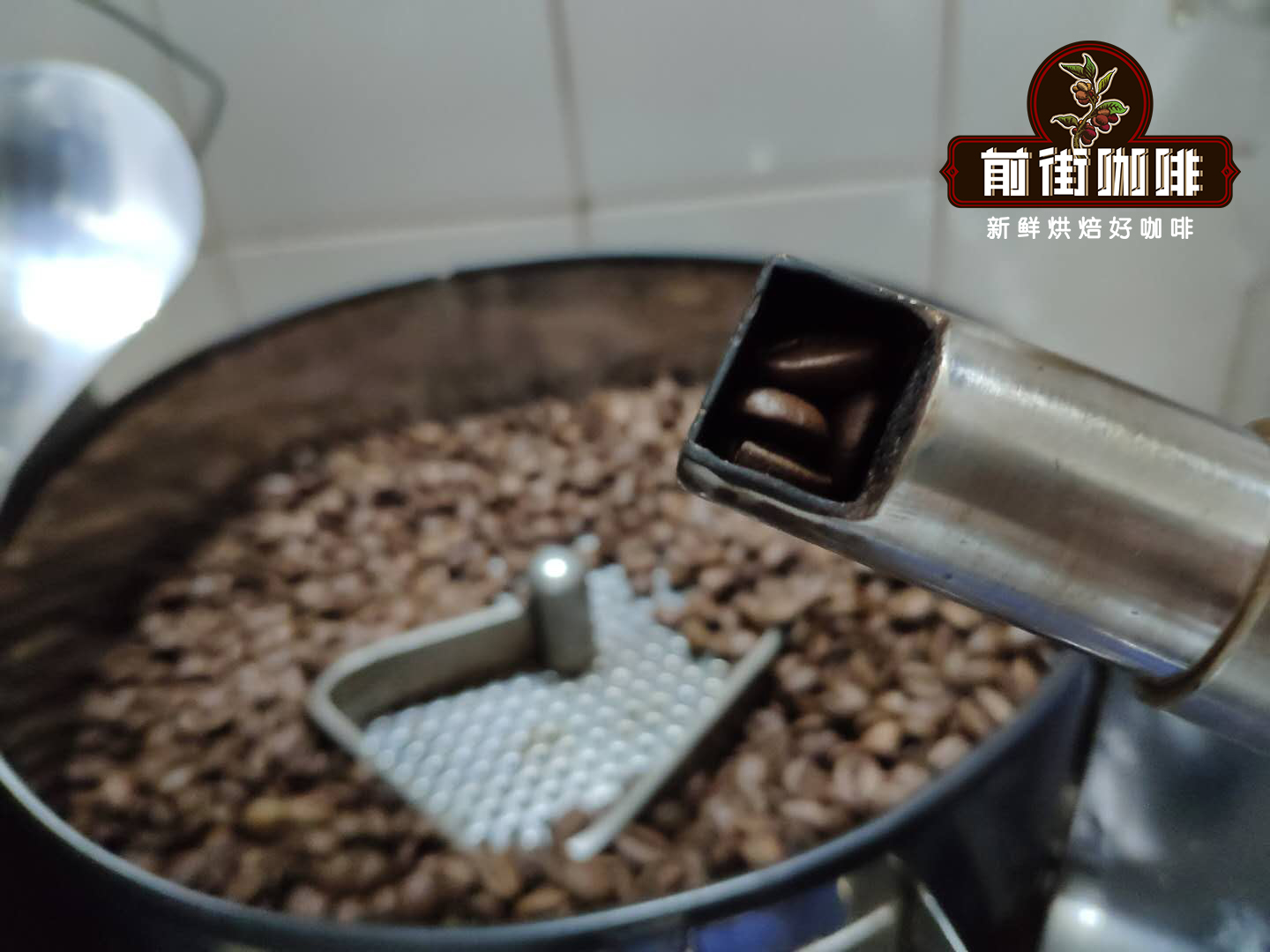
Using a Yangjia 800N with 600g bean input: heat to 200°C, open air vent to 3.5. After 1 minute, adjust heat to 160°C, air vent unchanged. Adjust heat once at 148°C, reducing to 130°C. Roast to 5'03", temperature 151°C, bean surface turns yellow, grassy smell completely disappears, dehydration complete. Adjust heat to 105°C, open air vent to 4. At 8 minutes, the bean surface shows ugly wrinkles and black spots, toast aroma clearly transforms to coffee aroma, which can be defined as the prelude to first crack. At this point, listen carefully for the sound of first crack. At 9'07", first crack begins, reduce heat to 70°C, open air vent completely (adjust heat very carefully, not so low that there is no cracking sound), drop at 194°C.
FrontStreet Coffee Brewing Data Sharing

Filter: V60 #01
Water temperature: 90-91°C
Dose: 15g
Ratio: 1:15
Grind: BG6m/medium-fine (80% through #20 sieve)
Brewing method: Three-stage extraction
First stage: Pour 30g of water for a 30-second bloom, then pour 95g (scale shows about 125g), finishing in about 1 minute. When the water level drops to 2/3 of the coffee bed, pour the remaining 100g (scale shows about 225g), finishing in about 1 minute 35 seconds. Complete extraction between 2'00"-2'10", then remove the filter cup.

Natural Red Cherry brewing flavor: lemon, licorice, citrus, berries, sweet orange, with overall high sweetness, an aftertaste of caramel and cream, and a black tea aroma in the finish.
Ethiopia's depth of variety is exactly what makes its coffee so rewarding to explore, and FrontStreet Coffee stocks a wide range of these heirloom lots.
FrontStreet Coffee Recommendation
If the heirloom story appeals to you, the best place to start is with FrontStreet Coffee's washed Yirgacheffe, the classic entry point to the region, known for clear jasmine florals and bright citrus acidity in a light, elegant cup with a tea-like finish. It is a clean and faithful expression of what Yirgacheffe heirloom coffee tastes like.
For a natural-process contrast, the Yirgacheffe Natural Red Cherry is made only from fully ripe cherries and dried on raised beds, showing peach, cocoa, honey and lemon with rich fruit aromatics. Moving to Sidamo, the Guji Hambella Hua Kui comes from a 200-hectare farm using traditional natural processing, with the ripe cherries dried on raised beds for 21 days and turned regularly; medium-light roasted, it delivers gentle fermented wine notes, florals, citrus and mango with honey sweetness, cocoa and a hint of spice. FrontStreet also offers the Sidamo Hamasho, a 74158 lot from a Jimma Agricultural Research Center variety with a tempting perfume of lemon, strawberry and star fruit, and the Kaffa Forest, a medium-light roasted wild coffee from Ethiopia's Kaffa biosphere showing white florals, lemon acidity, sweet orange and bergamot.
Important Notice :
FrontStreet Coffee is a long-established specialty coffee roaster in Guangzhou China, selling freshly roasted beans from its own farm in Yunnan as well as dozens of carefully selected single-origin beans from around the world for both pour-over and espresso. The products deliver consistently excellent quality and great value, with shipping within 24 hours. Guangzhou's FrontStreet Coffee shop is recommended by many coffee lovers, and the beans are now available online at the Tmall 。
FrontStreet Coffee has moved to a new address:
FrontStreet Coffee Address: 315,Donghua East Road,GuangZhou
Tel:020 38364473
 Scan and follow the En Gafei WeChat official account. Please indicate that the reprint comes from "En Gafei".