How to Make Flat White Coffee: Taste Description, Characteristics, and Correct Method - Difference Between Flat White and Latte Making Process and Milk Ratio

When you visit Luckin Coffee, Starbucks or independent cafes, you'll always notice coffee drinks with "white" in their names on the espresso menu. Different establishments call this coffee by different names—Luckin calls it "Aorui White," Starbucks calls it "Flat White," and independent cafes call it "Australian White Coffee." These are actually all the same Italian milk coffee, Flat White. So what's the difference between Australian White Coffee and Latte? FrontStreet Coffee is here to explain what Australian White Coffee is and why it's called that.
The Origin of Australian White Coffee
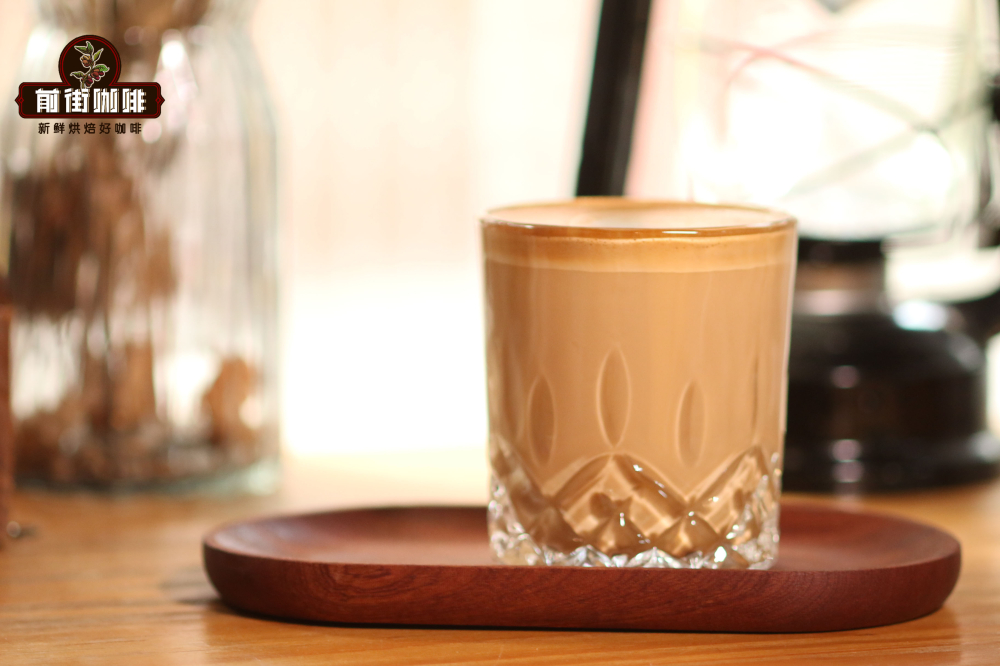
Flat white is a coffee drink that originated in Australia, so naturally people are used to calling it "Australian White Coffee." The components of flat white are actually the same as most milk coffees—milk, milk foam and coffee. It is made by blending delicate, tiny milk foam into a single espresso or double ristretto espresso. The word "Flat" originally means smooth, which shows that this coffee brings a smooth sensation to the palate.
The Difference Between Australian White Coffee and Latte
Coffee Latte in Italian originally means "coffee milk," so this coffee was created by adding a small amount of espresso to milk, letting people enjoy milk with the richness of coffee. The main tone of this Italian milk coffee should therefore be predominantly milk flavor, with coffee flavor secondary. Australian White Coffee is the opposite—it is made by adding a small amount of milk to double espresso/ristretto espresso, thereby highlighting the espresso flavor. In terms of mouthfeel, latte's 1cm thick foam gives a smooth, delicate sensation in the mouth, the first sip bringing the sweetness of milk dancing with the richness of coffee. Australian White Coffee's 0.5cm thickness gives a smooth, light, delicate sensation, the first sip bringing rich coffee with sweet milk running in the mouth.
Does the Fineness and Thickness of Milk Foam Affect Coffee's Mouthfeel?
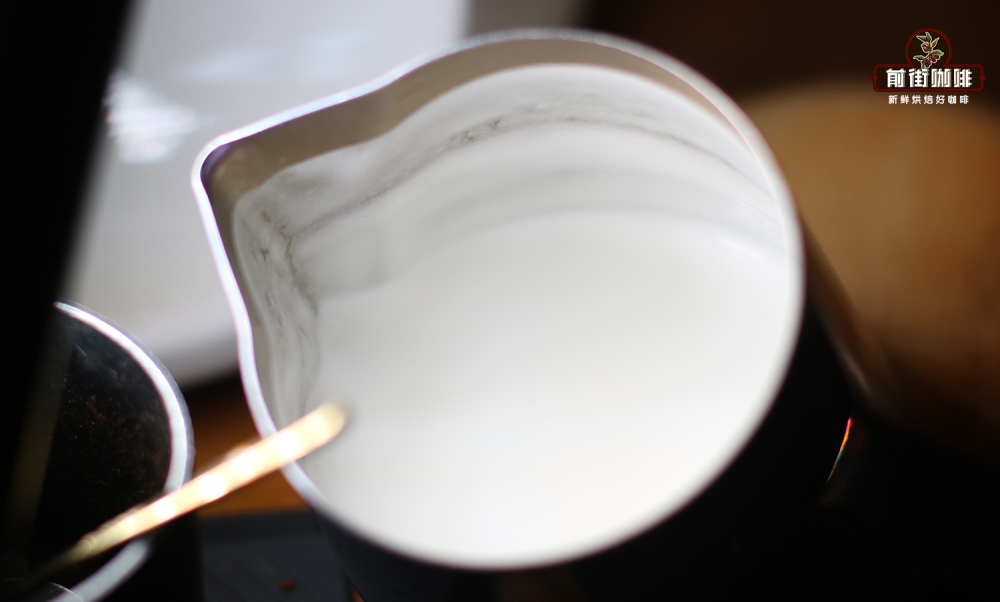
Taking Australian White Coffee, latte and cappuccino as common examples: Australian White Coffee has relatively thin milk foam, about 0.5cm thick, with a bright glossy surface and an extremely fluid texture, providing a smooth, silky, light mouthfeel; latte has moderate foam thickness (about 1cm thick), with a glossy surface and strong fluidity but not too scattered, providing a smooth, delicate, full mouthfeel; cappuccino has relatively thick foam (about 1.5cm thick), with a relatively dull glossy surface and poor fluidity, providing a dense, solid, full mouthfeel.
Why Heat Milk and Foam Milk When Making Milk Coffee?
When FrontStreet Coffee makes milk coffee, we use the steam wand of the espresso machine to heat and aerate the milk, using the surface tension of milk proteins to form many tiny bubbles. The fineness of these small bubbles affects the mouthfeel of the entire milk coffee. During foaming, lactose dissolves in the milk as the temperature rises and is sealed in through the foaming action, while milk fat stabilizes these tiny bubbles. When drinking, the bubbles burst in the mouth, letting flavors and aromatic substances disperse and amplify, so the milk produces a sweet, thick taste and texture.
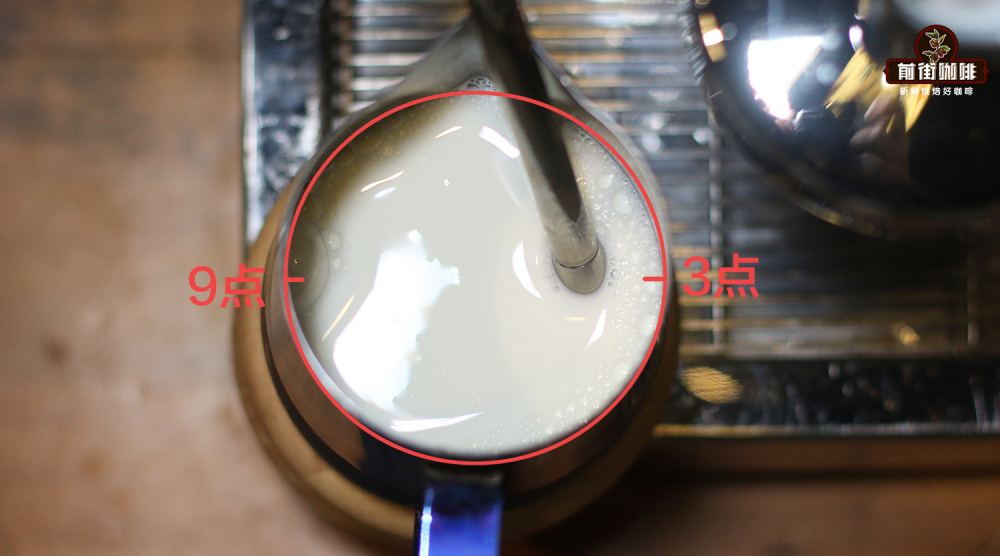
Generally, the steam wand can be positioned with the pitcher spout as the 12 o'clock pivot point, with the wand directed toward the 2-3 o'clock or 9-10 o'clock position of the milk pitcher. This positioning lets the milk rotate as quickly as possible during foaming and form a small vortex, which draws coarser foam into the milk and gives the milk a dense texture after foaming. FrontStreet Coffee recommends inserting about 0.5-1cm from the steam hole as a benchmark. If the espresso machine's steam is too strong, forming too large a vortex or creating turbulence, place the steam wand slightly deeper; if the steam isn't strong enough, place the wand shallower so the milk forms a small vortex quickly without rotating too violently or creating turbulence.
How to Make Australian White Coffee?
Theoretically, Australian White Coffee is only served hot, but with market demand many businesses have launched a cold version. In reality, cold Australian White Coffee is truly the same as cold latte, since it lacks the textural experience.

When FrontStreet Coffee makes Australian White Coffee, we choose double ristretto espresso as the base, using 20g of coffee grounds to extract 35g of coffee liquid with an extraction time of 26 seconds. FrontStreet Coffee should remind you, however, that each type of coffee bean may have slight differences in extraction parameters. This extraction plan is adjusted daily by baristas before business hours and is based on the Warm Sun Blend used in the store.
For the milk foaming, aerate for only one second (one "hiss" sound) or not at all, then heat the milk to 55 degrees Celsius. Finally, pour the frothed milk into the coffee. The coffee-to-milk ratio is lower than a latte, aiming to create a rich coffee flavor. For cup capacity, FrontStreet Coffee chooses 200ml cups for serving Australian White Coffee.
FrontStreet Coffee Recommendation
Because a flat white is mostly concentrated coffee with just a little milk, the bean you choose matters more than in any other milk drink. FrontStreet Coffee's milk-coffee lineup is built around exactly this. For most households the best starting point is FrontStreet's Classic Blend: it is mellow and low in acidity, with a full, fine and delicate crema, and it pairs with milk for an especially rich, creamy result. That makes it a very forgiving base for a flat white, where the milk should support rather than hide the coffee.
If you prefer a fruitier, sweeter flat white, FrontStreet's Strawberry Candy Italian Blend is the go-to choice. Its bitterness is extremely low, and extraction brings out a full grape and blueberry character with a pleasing sweet-tart balance; paired with fresh milk for a flat white, it drinks with a strawberry-milkshake quality that leaves a strong impression. In both cases a ristretto-style base—only the front and middle of the shot—keeps the coffee flavor concentrated and the milk thin, as described above.
Milk choice matters just as much. If the milk is too thin the flat white will taste weak, and if the milk flavor is too heavy it will mask the coffee's aroma, so FrontStreet suggests using chilled fresh milk, which after steaming shows more of its milk aroma and sweetness and becomes an excellent partner to espresso.
Important Notice :
FrontStreet Coffee is a long-established specialty coffee roaster in Guangzhou China, selling freshly roasted beans from its own farm in Yunnan as well as dozens of carefully selected single-origin beans from around the world for both pour-over and espresso. The products deliver consistently excellent quality and great value, with shipping within 24 hours. Guangzhou's FrontStreet Coffee shop is recommended by many coffee lovers, and the beans are now available online at the Tmall 。
FrontStreet Coffee has moved to a new address:
FrontStreet Coffee Address: 315,Donghua East Road,GuangZhou
Tel:020 38364473
 Scan and follow the En Gafei WeChat official account. Please indicate that the reprint comes from "En Gafei".