Who is Sidamo Coffee Suitable For? Flavor and Taste Differences Between Ethiopian Hua Kui and Alsi Coffees
Sidamo is one of Ethiopia's iconic large-scale specialty coffee regions, and the sub-regions beneath it enjoy considerable fame, with a few outstanding ones even standing as entities in their own right. FrontStreet Coffee now introduces this famous Ethiopian specialty region.
Sidamo Coffee Region
The Sidamo region lies in southern Ethiopia, reaching east to the Arsi and Bale administrative areas and west to Gamogofa. Sidamo coffee is grown at altitudes between 1400m-2000m. Agriculture dominates the local economy, with the main coffee areas around the Great Rift Valley. Sidamo has developed quickly in recent years and is an important coffee export hub. Its flavours are remarkably diverse, since different soils, microclimates, and countless native varieties create clear differences between the coffees of each town.
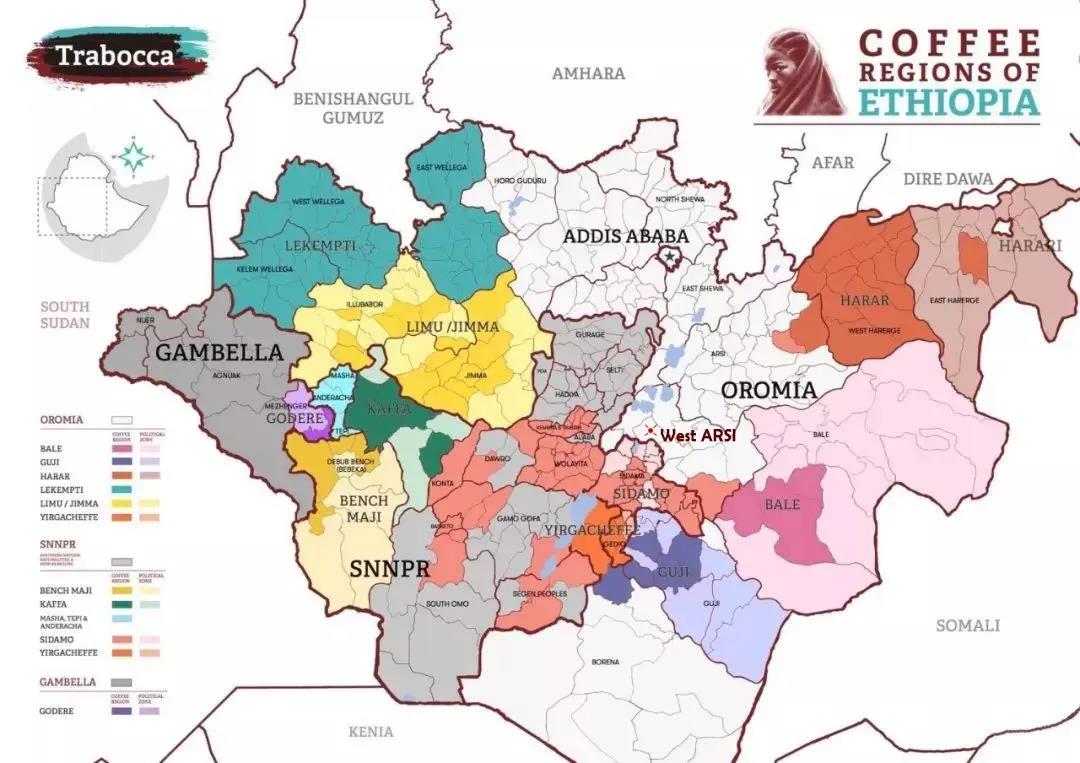
Among the best-known growing areas in Sidamo are Guji and West Arsi. Most coffee in the region is natural processed, and FrontStreet Coffee believes that method gives Sidamo beans rich fruit aromas and a smooth texture.
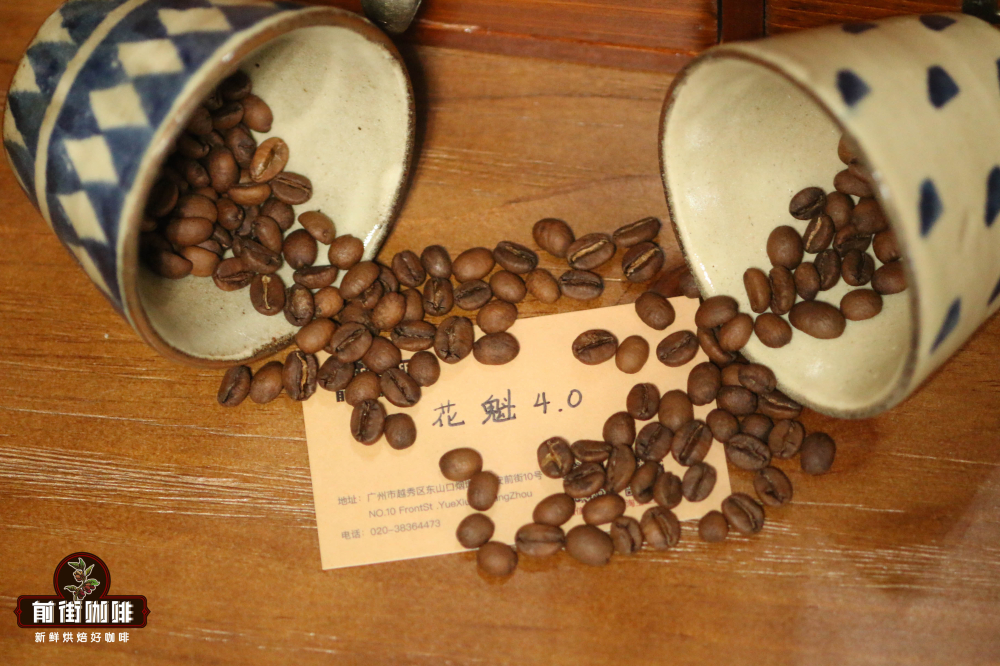
FrontStreet Coffee · Ethiopian Sidamo Natural Flower Queen 4.0 Coffee Beans
Region: Ethiopia, Guji, Hambella
Processing Station: Buku Able
Altitude: 2350 meters
Variety: Dega
Processing Method: Natural Processing
Guji Region
The Guji region, once part of Sidamo, was established as an independent region by the Ethiopia Commodity Exchange (ECX) in 2010. Southeast of Yirgacheffe, Guji has complex topography of towering mountains, valleys, and plains. Its geology is fertile Vertisol soil nearly two metres deep, with an average altitude above 1800 metres. The wide day-night temperature swings created by that geography give the terroir conditions needed for high-quality specialty coffee. What made Guji famous, FrontStreet Coffee must mention, is its Natural Flower Queen coffee beans.
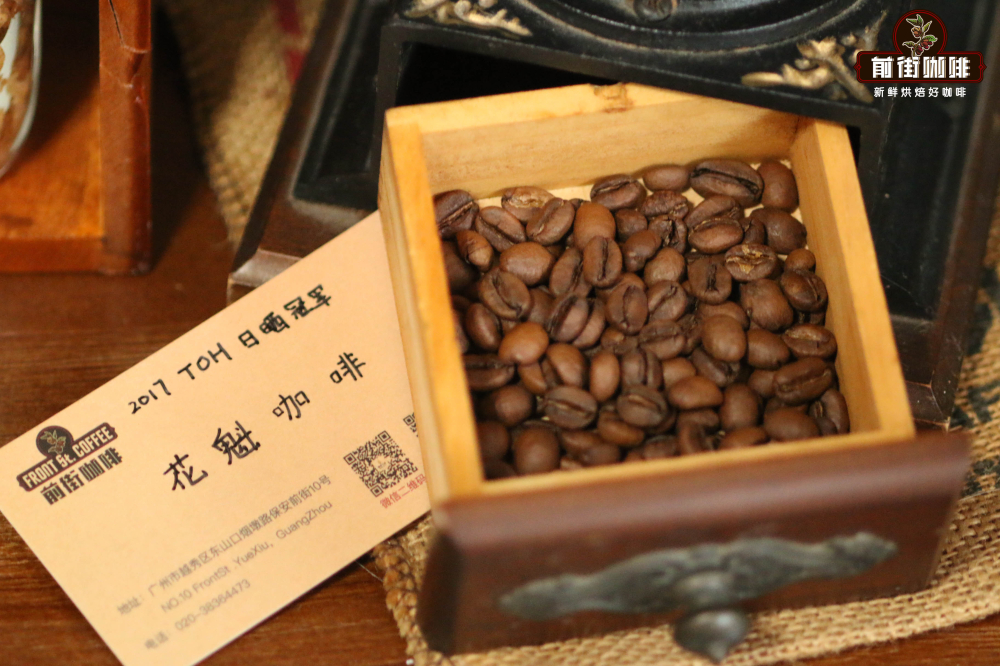
The Flower Queen beans come from Hambella, in Ethiopia's largest coffee region, Guji, administratively part of Oromia. West of Hambella faces Yirgacheffe's Kochere across the mountains, the two separated by a highland about 30 kilometres wide and 3200 metres high. Hambella borders Guji's Shakiso, Uraga, and Kercha sub-regions to the southeast, north, and south, making it the highest altitude coffee sub-region in Ethiopia.
There are currently about 20 processing stations of various scales in Hambella. In 2017, Ethiopia's DW green bean company sent its coffee to the Taste Of Harvest (TOH) competition hosted by the African Fine Coffee Association. A natural batch from the Buku Abel station won the TOH Ethiopia championship on the strength of its rich strawberry and cream aroma. That year the batch was imported to China by the Beijing green bean trader Hong Shun. In the same year, Li Jianfei used those beans to take second place in the 2017 World Brewers Cup China region competition. Standing out among many Geisha entries, the bean earned the name Flower Queen, since geisha means geisha in Japanese and Flower Queen refers to the head among geishas, indicating exceptional quality.
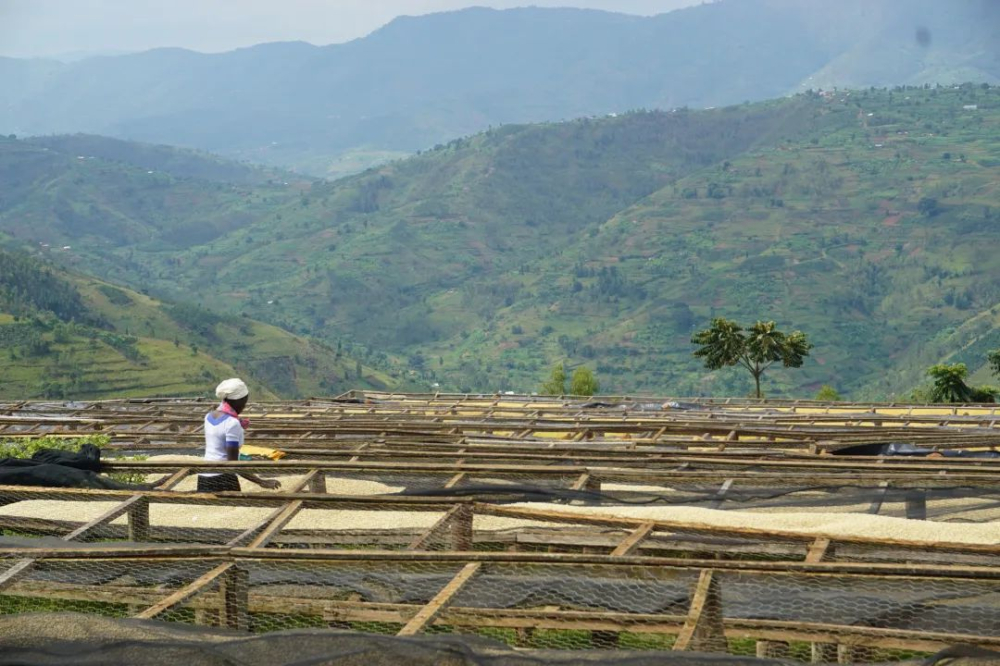
Interpreted narrowly, then, Flower Queen can only mean the 2017 TOH natural category champion that entered China. It would be a pity if such a wonderful name were fleeting, so Hong Shun continued to import beans from the Buku Abel station in Hambella, naming them Flower Queen 2.0, Flower Queen 3.0, and Flower Queen 3.1 to distinguish different batches or harvests from the original. Flower Queen still kept certain markers: imported by Hong Shun, with production locked to the Buku Abel station in Hambella. As an agricultural product, of course, its flavour varies year to year.
Cupping Flower Queen, Flower Queen 2.0, and Flower Queen 3.0, FrontStreet Coffee found that although the flavours of 2.0 and 3.0 came very close to the 2017 Flower Queen, their body and aftertaste were inferior to the original. Surprisingly, FrontStreet Coffee could sometimes identify green beans identical to the original Flower Queen batch in those two lots. Flower Queen 3.1, by contrast, differed significantly, so much so that its flavour somewhat resembled Geisha, which the green bean supplier confirmed. In 2020, as the fourth year of Flower Queen coffee, the producing area had expanded to several times its original size, and with more scientific cultivation management, Flower Queen 4.0's flavour grew even more exquisite. It drew praise from many coffee lovers, and FrontStreet Coffee also launched its Sidamo Flower Queen 4.0 coffee beans.

FrontStreet Coffee · Ethiopian Sidamo Natural Arsi
Region: Ethiopia, Sidamo, West Arsi
Altitude: 1900-2200 meters
Variety: Local native varieties
Processing Method: Natural Processing
West Arsi Region
West Arsi lies between the famous Yirgacheffe coffee region and Hararge, at 1900-2200m, in the western part of the Sidamo region. Its name comes from a branch of the Oromo people who have long inhabited the area. West Arsi consists of three woredas, the Ethiopian third-level administrative divisions: Arsi, Bale, and East Shewa. Approximately 88.52% of West Arsi's population is Oromo, which matters in coffee history because they were the first people in human history to drink coffee, and half of Ethiopia's coffee production comes from this region.
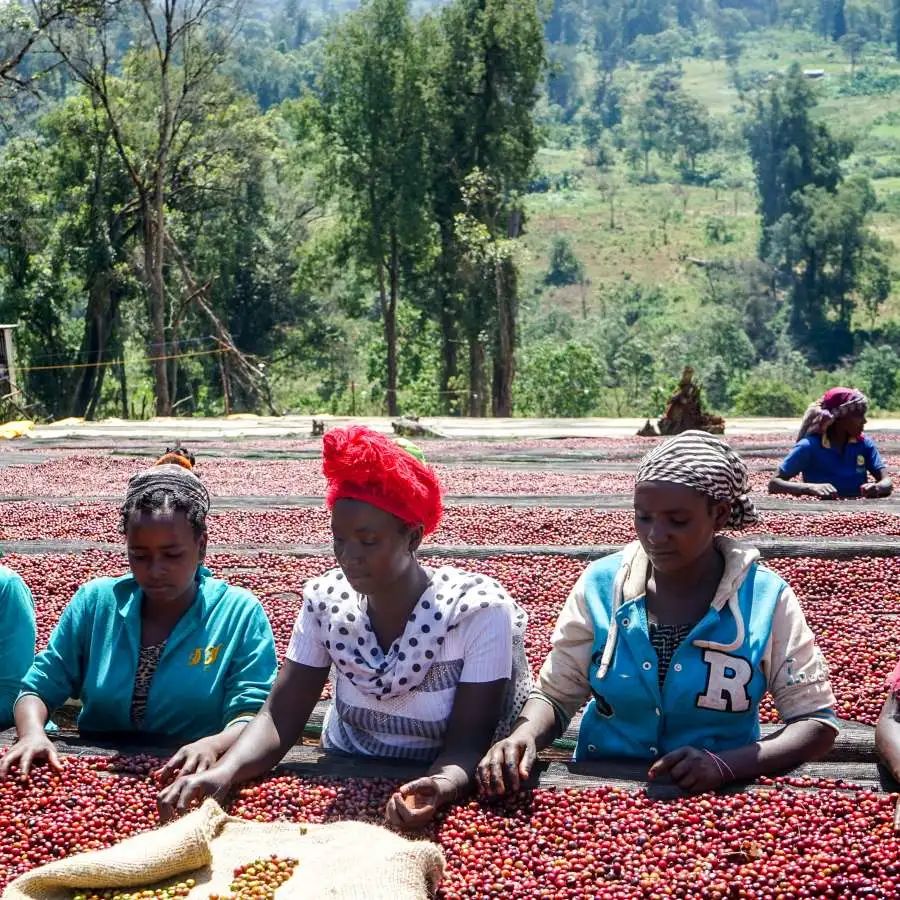
Coffee cultivation in West Arsi follows a smallholder model, each farm averaging about 2-3 hectares, still slightly larger than the usual 1.5-2 hectares in most Ethiopian regions. Though techniques are still developing, West Arsi's cultivation advances quickly compared with other regions. Farmers do not hire temporary or full-time labour but work with family help, which lets them control quality more closely, and processing stations typically pay extra for fully ripe red cherries, which motivates the farmers strongly.
Natural Processing Method
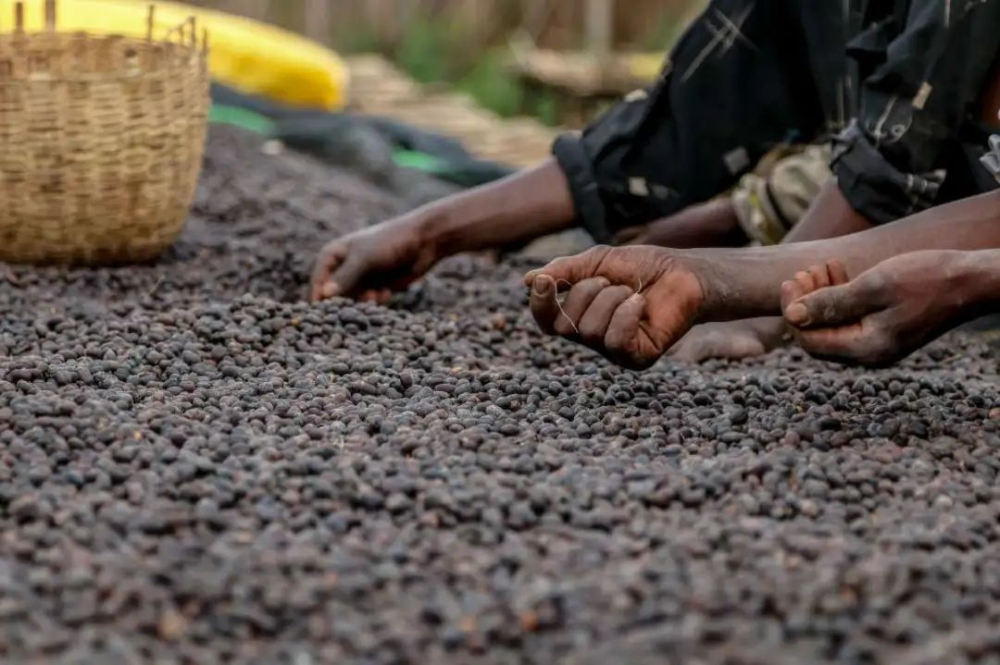
Both of these coffees are natural processed. During harvest, farmers in Sidamo pick only ripe red cherries, placing them one by one in baskets. The harvested fruit is even in size, similar in maturity, and free of other impurities. In processing, manual selection comes first to remove defective beans and unripe or overripe fruit. The red cherries are then spread evenly on raised wooden frames or whole drying racks to sun-dry, avoiding the risk of picking up unwanted flavours from the ground.
Throughout drying the beans are turned constantly for even exposure and consistent dehydration, and every three to five days farmers hand-remove defective and mouldy beans. Once the fruit skin dries and hardens, a hulling machine removes it. After the green beans are obtained, farmers make one final selection in pursuit of perfect flavour.
Next, FrontStreet Coffee uses its Sidamo Natural Flower Queen 4.0 from Guji and its Sidamo Natural Arsi from West Arsi to run a series of comparisons, including green bean analysis, roasting, cupping, and brewing, to see how the two regions differ.
FrontStreet Coffee Green Bean Comparison
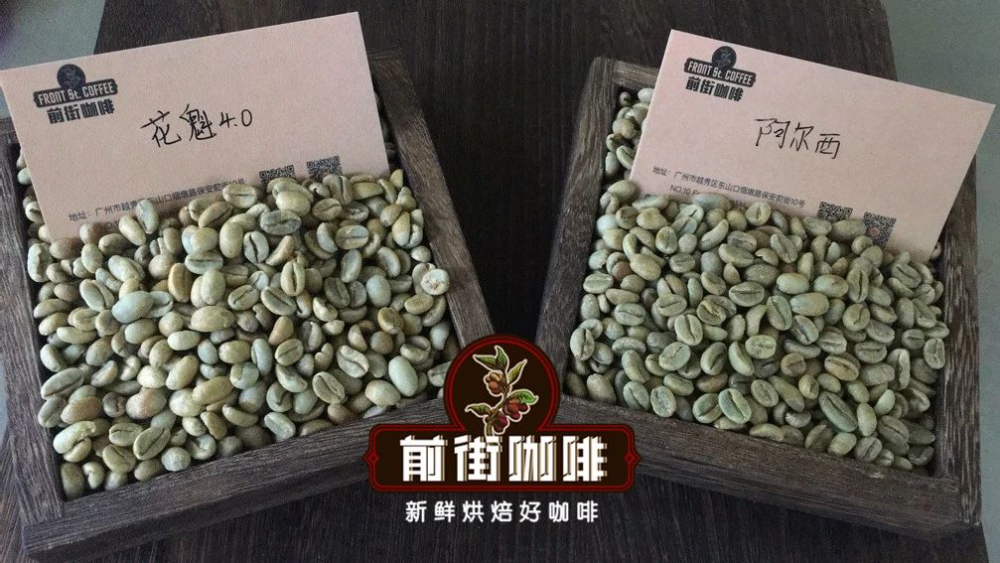
Both coffees are natural processed, with green bean colours showing green with yellow tones. Flower Queen 4.0 beans include some small particles and look uneven in size, while Arsi beans are more uniform.
FrontStreet Coffee Roasting Recommendations
During roasting these two new-harvest beans, the dehydration time is extended to ensure even heating of both surface and core. To express the acidity and fruity aromas of these two FrontStreet Coffee Sidamo coffees, a light roast was adopted.
FrontStreet Coffee Sidamo Natural Flower Queen 4.0: Yangjia 800N, 480g bean input. Preheat the roaster to 175°C, damper at 3, heat at 120. Raise to 140°C, damper at 4. At 6'00", temperature reaches 151.7°C, the bean surface turns yellow, the grassy smell disappears completely, and dehydration is complete. When ugly wrinkles and black spots appear on the surface and the toast smell clearly turns to coffee aroma, this marks the prelude to first crack. Listen carefully for the sound. At 9'50" first crack begins, the damper is fully open, heat is reduced to 80 at 188°C, first crack development time is 1'40", and the drop is at 196°C.
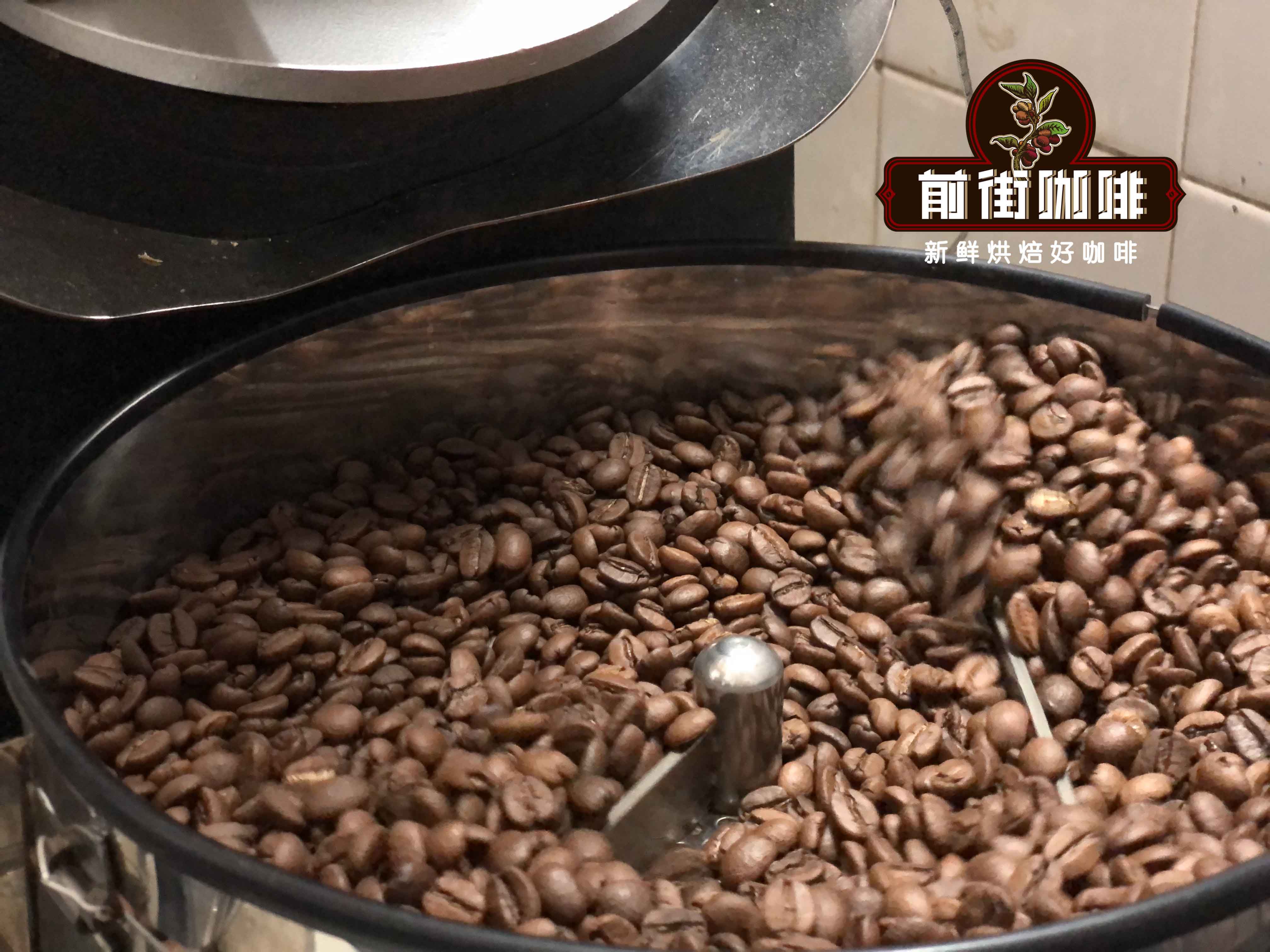
FrontStreet Coffee Sidamo Natural Arsi: Yangjia 800N, 480g bean input. Preheat the roaster to 160°C, damper at 3, heat at 120. Adjust heat once at 115°C, damper at 4. At 6'00", temperature reaches 154.9°C, the bean surface turns yellow, the grassy smell disappears completely, and dehydration is complete. At 8 minutes, ugly wrinkles and black spots appear on the surface and the toast smell clearly turns to coffee aroma, marking the prelude to first crack. Listen carefully for the sound. At 9'08" first crack begins, the damper is fully open, first crack development time is 1'20", and the drop is at 193.5°C.
FrontStreet Coffee Brewing Recommendations
Dripper: V60 #01
Water Temperature: 90-91°C
Dose: 15g
Ratio: 1:15
Grind Size: EK43s setting 10, fine sugar size, 20# sieve 80%
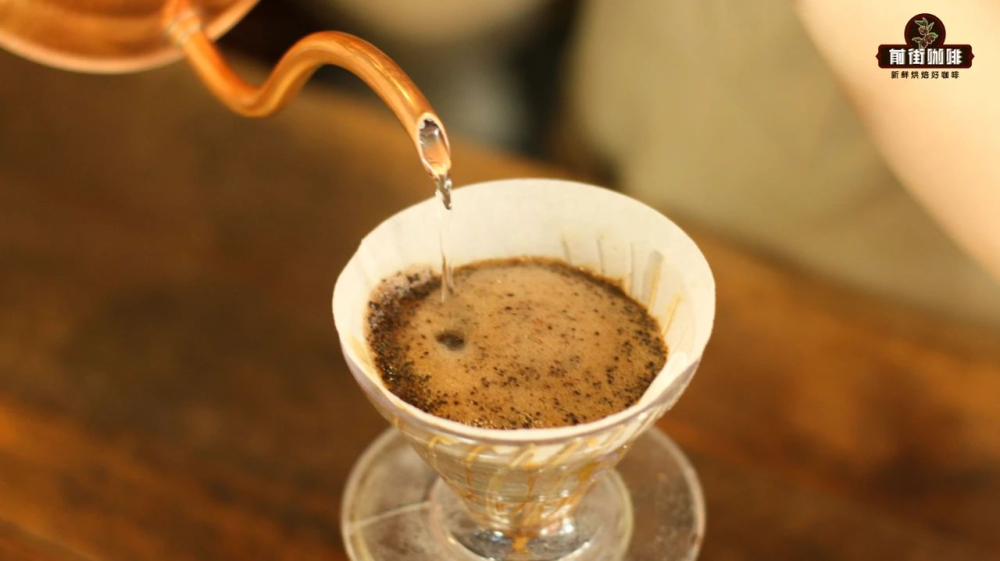
FrontStreet Coffee Brewing Method: First pour 30g of water for a 30-second bloom, then pour 95g, with the scale showing about 125g, finishing in about 1 minute. When the water level drops to 2/3 of the coffee bed, pour the remaining 100g, with the scale showing about 225g, finishing in about 1'40"-1'45". Complete extraction at 2'00"-2'10", then remove the dripper.
FrontStreet Coffee Sidamo Natural Flower Queen 4.0 Brewing Flavor: Aromas of ripe berries, bright passion fruit and citrus acidity on entry, followed by jackfruit's fermented fruit aroma and sweetness in the middle and later stages, rich in layers. After cooling, it presents the sweetness of oolong tea.
FrontStreet Coffee Sidamo Natural Arsi Brewing Flavor: Aromas of berries and honey, jam-like sweetness spreading through the mouth, very sweet, with nectarine in the finish and a juice-like texture. As it cools it becomes more like plum and nectarine juice.

Comparing the two, FrontStreet Coffee's Arsi has a slight edge in fruit sweetness and juiciness. Especially when hot, the jam and honey flavours are irresistible, and the juiciness grows as the temperature falls, which is very pleasant.
FrontStreet Coffee's Flower Queen 4.0 leans more toward tropical fruit, with the alternating play of sweetness and acidity quite striking. Between the two, Flower Queen 4.0 has the stronger fermented character.
FrontStreet Coffee Recommendation
The two Sidamo lots above both lean on natural processing, and FrontStreet Coffee's Ethiopian range gives you a way to explore that style further. The Natural Red Cherry picks only fully ripe cherries, dries them in the sun for two weeks until the sugars and essence work into the bean and moisture drops to 12%, then removes the hardened fruit, mucilage, and parchment before density and colour checks and hand sorting. The result is a clean, intensely fruity cup with peach, cocoa, honey, and lemon. The Huakui comes from Hambella in Guji, a 200-hectare farm using traditional natural processing, with cherries laid on raised beds for 21 days and turned constantly, pouring with a light fermented aroma, florals, citrus, and mango over honey and cocoa.
For a different accent, the Hamashoz processing station is a regular on Ethiopian competition lists, focusing on the JARC 74 disease-resistant series; its 74158 is small-beaned with strong floral and fruit notes, showing lemon, strawberry, and starfruit before a gentle floral finish. The Kaffa Forest represents wild coffee, growing in shade between 1400 and 2100 metres, medium-light roasted for white florals, bright lemon acidity, sweet orange, and bergamot with a green-tea body. Between them they show how far natural processing and origin can stretch a single country's flavour.
Important Notice :
FrontStreet Coffee is a long-established specialty coffee roaster in Guangzhou China, selling freshly roasted beans from its own farm in Yunnan as well as dozens of carefully selected single-origin beans from around the world for both pour-over and espresso. The products deliver consistently excellent quality and great value, with shipping within 24 hours. Guangzhou's FrontStreet Coffee shop is recommended by many coffee lovers, and the beans are now available online at the Tmall 。
FrontStreet Coffee has moved to a new address:
FrontStreet Coffee Address: 315,Donghua East Road,GuangZhou
Tel:020 38364473
 Scan and follow the En Gafei WeChat official account. Please indicate that the reprint comes from "En Gafei".