Who Should Drink Yirgacheffe Coffee - Pour-Over Brewing Parameters: Ratio, Grind Size, and Water Temperature
The Origin of Ethiopian Arabica Coffee
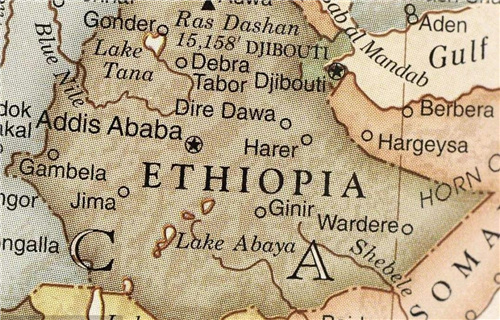
Arabica coffee, one of the three major coffee species, was first discovered in Ethiopia. The country's climate, terrain, and altitude create ideal conditions for growing Arabica, making Ethiopia one of the most recognized specialty coffee origins in the world. In this article, FrontStreet Coffee explores the Yirgacheffe region within Ethiopia.
Native Varieties and Growing Regions
Both the Yirgacheffe and Sidamo regions are among Ethiopia's important specialty coffee-producing areas. They grow many wild or unnamed coffee tree species, which locals refer to as "native varieties." When buying Ethiopian coffee beans, you will notice that the variety line on the packaging reads "local native variety," indicating the variety rather than the region.
The Distinctive Yirgacheffe Region
When FrontStreet Coffee introduces Ethiopian coffee beans to customers, it describes them as having rich floral and fruity notes, though the floral character differs from region to region. Yirgacheffe, for instance, is one of Ethiopia's highest-altitude coffee-growing areas. Because its flavor profile is so distinctive, it was separated from the Sidamo region. Most Yirgacheffe coffee is grown on a small scale, with farmers tending coffee trees on their own land and delivering ripe cherries to nearby processing stations.
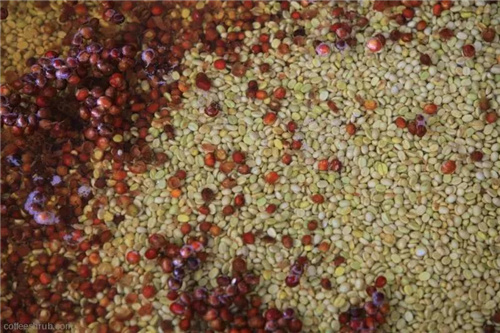
That is why many beans from the Yirgacheffe region are named after their processing station or cooperative. FrontStreet Coffee's Yirgacheffe Gedeb beans, for example, come from the Gedeb Cooperative. This FrontStreet Yirgacheffe Gedeb is a highly representative bean of the region. It uses washed processing, giving the brewed FrontStreet washed Gedeb coffee delicate jasmine florals along with citrus and berry acidity. It represents Yirgacheffe's flavors perfectly, which is one reason FrontStreet Coffee carries this FrontStreet washed Gedeb bean.

Cupping and Quality Control
FrontStreet Coffee's shop features coffee beans from over 50 different origins. Every bean it carries goes through a multi-curve roasting adjustment plan, followed by cupping to determine flavors before being offered for sale. This FrontStreet washed Gedeb coffee is no exception. FrontStreet Coffee's barista uses a 200ml standard cupping bowl, with a grind size that achieves 70%-75% retention on a #20 standard sieve, using 11.3g of coffee and water at 94°C. The dry aroma is ground and smelled first: FrontStreet Gedeb beans' dry aroma reveals a soy sauce-like fragrance. Water is then poured to fill the bowl for wet aroma confirmation. After 4 minutes, the crust is broken and grounds are removed for flavor evaluation. The wet aroma has berry notes, and the overall cupping profile shows refreshing fruit acidity on entry, balanced sweet and sour, with berry sweetness. Next comes pour-over brewing to showcase the Yirgacheffe region's FrontStreet Gedeb coffee flavors.

Pour-Over Brewing Method
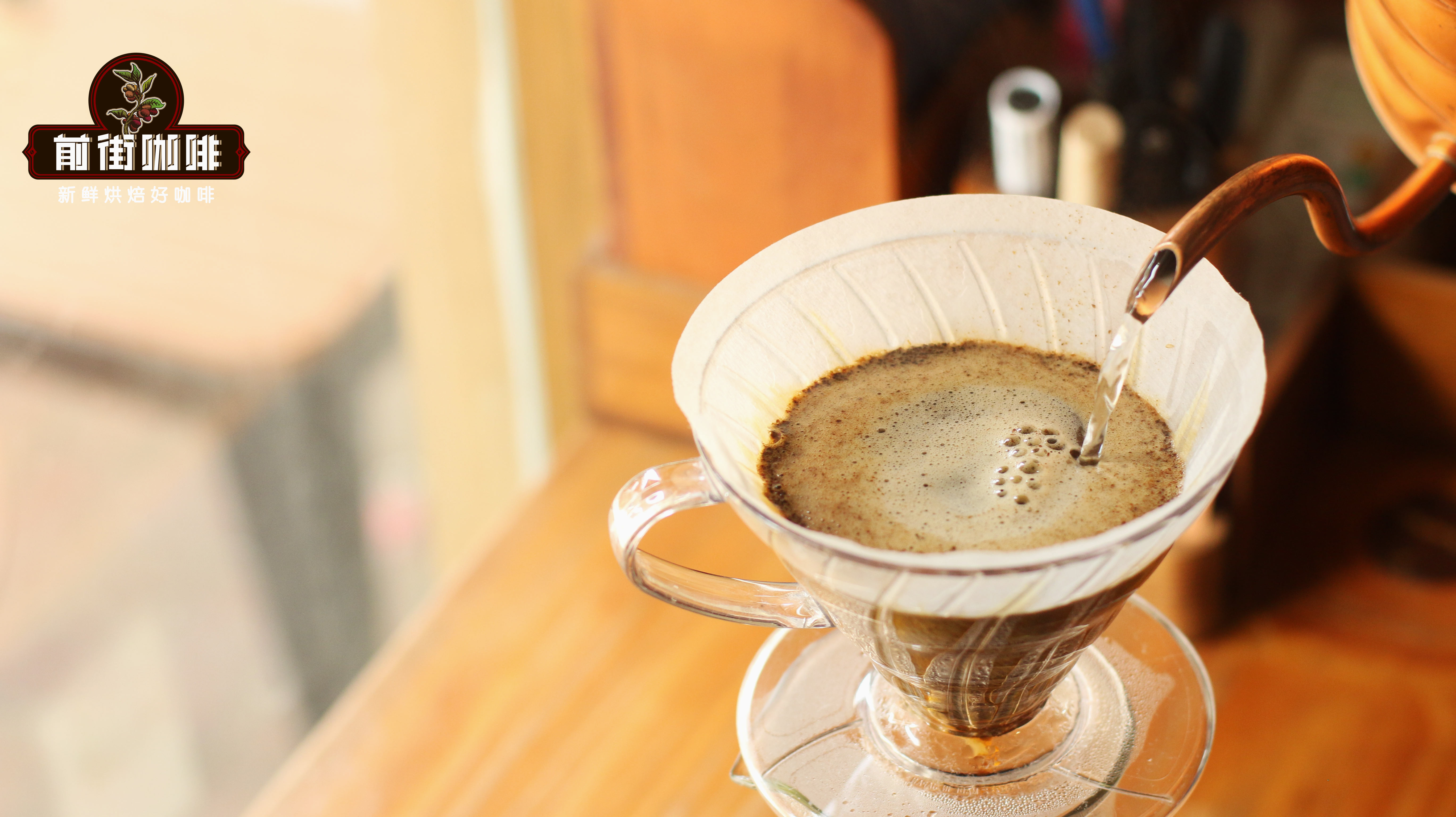
FrontStreet Coffee chooses a V60 dripper when brewing Yirgacheffe beans to enhance layer complexity. For a single serving, it uses 15g of coffee beans with a 1:15 coffee-to-water ratio, meaning 225g of water. Water temperature is 90°C, with a medium-coarse grind size achieving 80% retention on a 0.85mm standard sieve.

The first pour uses 30g of water for blooming, with a 30-second bloom time to release the appropriate carbon dioxide. The second pour brings the total to 125g; wait for the coffee level to drop to half before the third pour, finally reaching 225g total. Extraction time is 2 minutes, and once 2 minutes are reached, remove the dripper to finish extraction. Tasting this FrontStreet washed Yirgacheffe, you can experience distinct citrus notes, a smooth mouthfeel, and subtle floral and tea-like coffee flavors.
FrontStreet therefore considers this FrontStreet washed Yirgacheffe bean perfect for coffee enthusiasts just starting their journey, because this FrontStreet washed Gedeb bean has highly recognizable flavors that make it easy to taste the region's basic characteristics.
Sun-Dried Yirgacheffe: Red Cherry Project
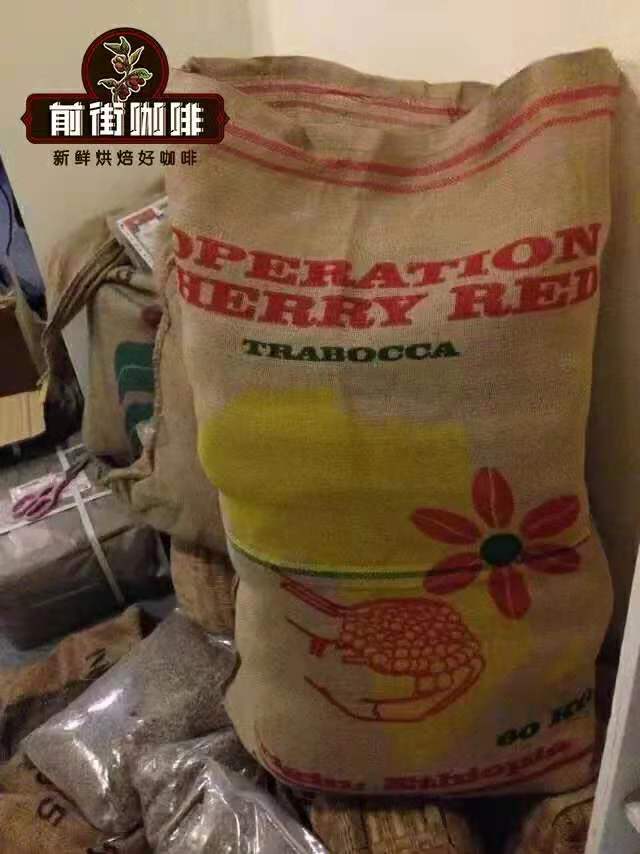
If you prefer Yirgacheffe region beans with sweeter notes, you might consider sun-dried processed Yirgacheffe coffee beans. FrontStreet Coffee has a sun-dried bean: FrontStreet Yirgacheffe Natural Red Cherry. This FrontStreet Yirgacheffe Red Cherry comes from a "Red Cherry Project" between local cooperatives and a Dutch green coffee importer, aimed at improving Ethiopian coffee quality and enhancing local farmers' livelihoods. Under the project's requirements, local farmers harvest only fully red coffee cherries, which also reduces the defect rate of the cherries.
Comparing Washed vs Natural Processing
FrontStreet Coffee's cupping notes for this FrontStreet Natural Red Cherry are as follows: sweet fruity aroma in the dry fragrance and fresh berry notes in the wet aroma. Rich strawberry aroma on entry, with pronounced sweet and sour notes and richer layers. The strawberry flavor remains distinct even after cooling. These coffee flavors are somewhat similar to Gedeb's, after all, since both come from the same Yirgacheffe coffee region, so similar flavors are quite normal. FrontStreet Coffee nevertheless considers that FrontStreet washed Yirgacheffe has brighter acidity and a cleaner mouthfeel, while FrontStreet Natural Yirgacheffe offers richer flavor layers with a distinct strawberry aroma.

Because natural-processed coffee beans are not first pulped after the cherries are harvested. Instead, the whole fruit is dried until the coffee moisture content reaches 11%-13%, then sent to processing stations for hulling. During this slow fermentation, the cherry's flavors penetrate the beans as they dry, unlike washed processing where they are washed away. Natural processing brings very unique flavors: fruitier than washed beans, with lower acidity. The lengthy natural drying process also brings certain challenges. Compared to washed processing, natural-processed Yirgacheffe requires additional time and effort, as warm, moist coffee beans are susceptible to mold, rot, and other problems that can create off-flavors.

Conclusion: Perfect for Beginners
Ethiopian coffees processed using different methods present various flavor profiles, but these flavors are both distinctive and intense. Pour-over brewing Ethiopian Yirgacheffe region coffee beans does not require advanced techniques to brew a delicious cup, making it perfect for beginners.
FrontStreet Coffee Recommendation
Yirgacheffe rewards a simple approach, so FrontStreet keeps its lineup here focused: one clean washed lot to learn the region, one natural lot for those who want more sweetness. Both are light roasted to protect the floral and citrus character.
FrontStreet Washed Yirgacheffe
The classic entry point to the region. Expect white jasmine, bright citrus and lemon acidity, and a tea-like body, at a price that makes it a natural first specialty bean. If you are only beginning to explore Ethiopia, start here: washed coffee shows the region's basic character most directly, with clear acidity and elegant floral and fruity notes. Brew it on a V60 with 15g of coffee, a 1:15 ratio at 90-91°C, a medium-fine grind around EK43s setting 10 (fine sugar texture, 80% passing a #20 sieve), a 30g bloom for 30 seconds, then pours to 125g and finally to about 225g, finishing in 2:00-2:10.
FrontStreet Natural Yirgacheffe Red Cherry
For drinkers who want the sweeter side of Yirgacheffe. This lot uses an all-red-cherry natural process: only fully ripe, sound fruit is picked, sorted once at the station, then dried on raised beds and turned every two to three hours over the first days so the fruit does not over-ferment. After three to five weeks of drying, the outer pulp is machine-scraped and the beans go to storage. Because the fruit dries on the bean, it keeps the typical Yirgacheffe character while adding tropical fruit aroma, with citrus-like acidity, berry juice, honeyed sweetness and a creamy smoothness, all at lower acidity than the washed version.
Important Notice :
FrontStreet Coffee is a long-established specialty coffee roaster in Guangzhou China, selling freshly roasted beans from its own farm in Yunnan as well as dozens of carefully selected single-origin beans from around the world for both pour-over and espresso. The products deliver consistently excellent quality and great value, with shipping within 24 hours. Guangzhou's FrontStreet Coffee shop is recommended by many coffee lovers, and the beans are now available online at the Tmall 。
FrontStreet Coffee has moved to a new address:
FrontStreet Coffee Address: 315,Donghua East Road,GuangZhou
Tel:020 38364473
 Scan and follow the En Gafei WeChat official account. Please indicate that the reprint comes from "En Gafei".