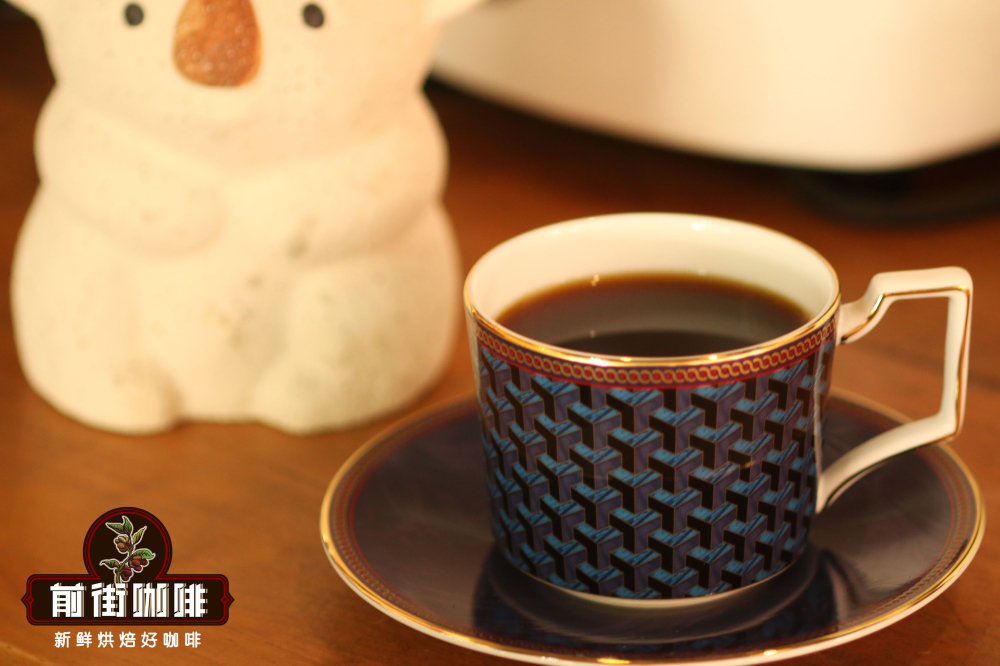
Who is Mandheling Drip Black Coffee Suitable For? Golden Mandheling Coffee Bean Flavor, Taste Characteristics, and Story
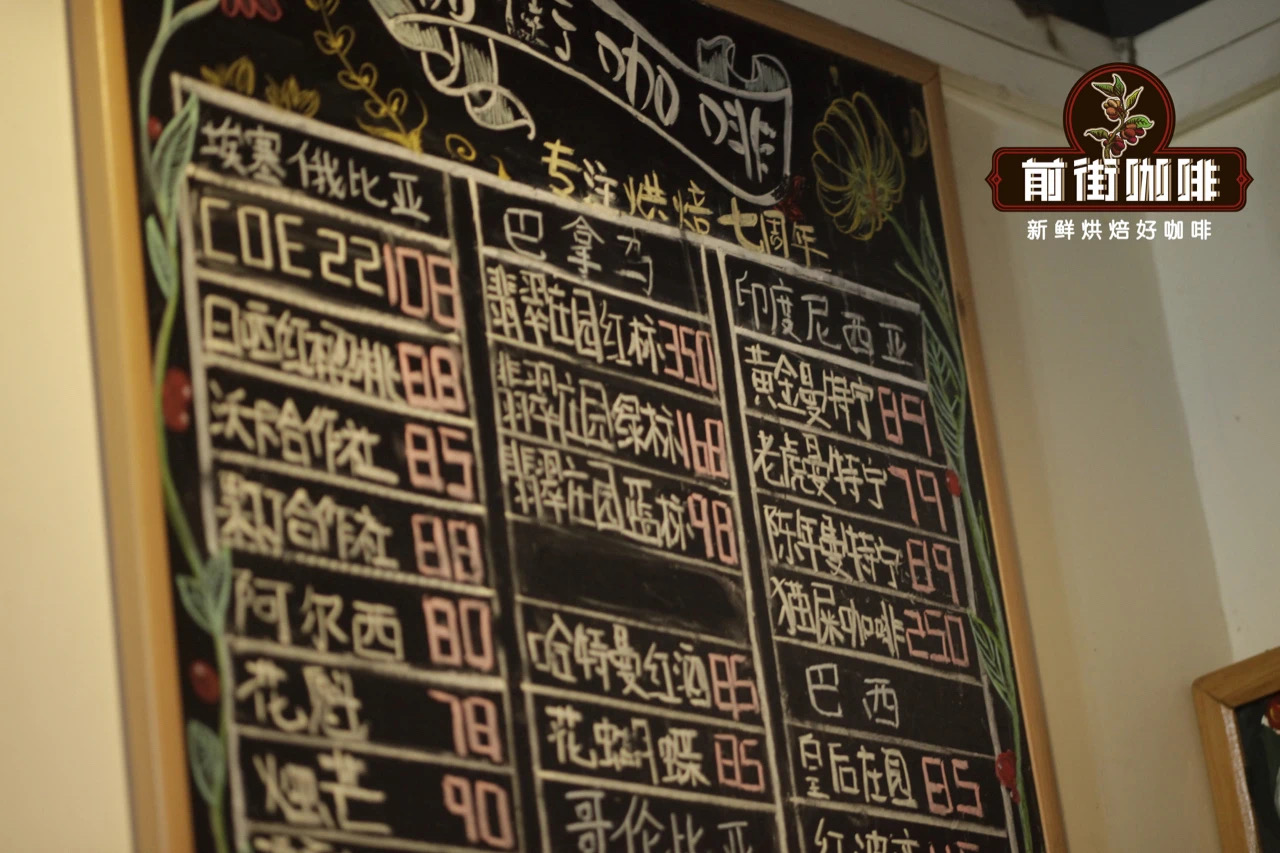
Like wine, coffee comes from major growing regions around the world. Soil, climate, and processing method are all crucial in determining the final flavor of coffee from any given region. Whenever customers ask for a coffee with rich body, FrontStreet Coffee's Mandheling is the top recommendation among FrontStreet Coffee's baristas. Today, FrontStreet Coffee would like to share everything about FrontStreet Coffee's Mandheling coffee.
The History of Indonesian Coffee
Indonesia's Mandheling is one of the world's most popular coffees, known as the gem of Indonesian coffee. FrontStreet Coffee will begin with the history of coffee in Indonesia to give you a comprehensive introduction to FrontStreet Coffee's Indonesian Mandheling coffee.

Did you know? Indonesia was one of the first countries in the world to begin commercial coffee cultivation, earlier than most regions in Africa, Asia, and the Americas. Coffee plants reached Indonesia in the late 1600s through Dutch merchants and colonists. The first island to grow coffee was Java, where the city of Jakarta (then called Batavia) is located. By 1699, the Dutch colonial government had established plantations throughout the city, and by 1711 Indonesian coffee was being exported, when the Dutch East India Company shipped the first cargo from Java to Europe. Java quickly became one of the world's largest coffee producers and Europe's preferred source of beans.
Between 1860 and 1880, a disease known as "coffee leaf rust" ran rampant, dealing a devastating blow to Asian coffee. The Dutch therefore introduced a rust-resistant variety to Indonesia—Robusta coffee. Today, Indonesia is the world's primary producer of Robusta coffee beans. Arabica accounts for only 6%-10% of Indonesia's total coffee production, and that includes the well-known FrontStreet Coffee's Mandheling coffee beans.
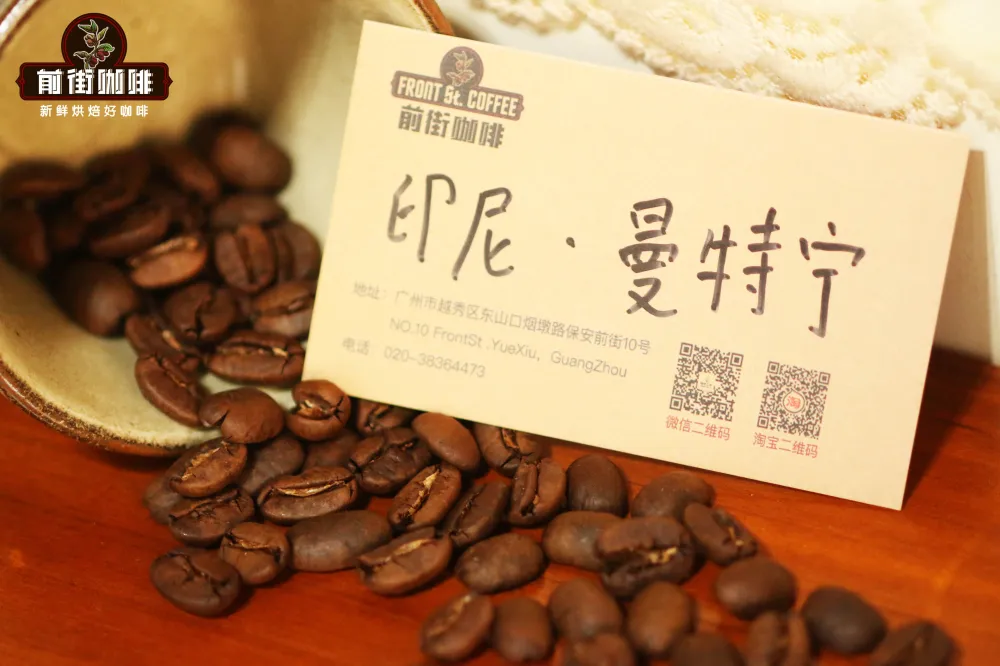
The Story of FrontStreet Coffee's Mandheling Coffee
Speaking of FrontStreet Coffee's Mandheling coffee, the name is not derived from a region, a place, a port, or a coffee variety, but from the Mandailing people of North Sumatra. Why is that, exactly?
The story dates back to the Japanese occupation of Indonesia during World War II. At the time, a Japanese officer tasted a very delicious coffee in Indonesia and asked the shopkeeper what it was. The shopkeeper mistakenly thought the officer was asking about his origin, and replied "Mandailing." After returning to Japan, the officer never forgot that coffee, and asked locals to help collect high-quality beans to bring back to Japan.

Because of pronunciation issues, the Japanese further mispronounced "Mandailing" as "Mandheling," and through this double misunderstanding Mandheling coffee was born. The Indonesian coffee trader behind it was the later renowned owner of PWN (Pawani Coffee Company), the first company to export Golden Mandheling to Japan. It's worth noting that because "Golden Mandheling" was registered as a trademark by this company, "Golden Mandheling" is PWN's exclusive coffee bean.
Of course, Mandheling comes in many varieties. FrontStreet Coffee currently offers four types of Mandheling: FrontStreet Coffee's Golden Mandheling, FrontStreet Coffee's Tiger Mandheling, FrontStreet Coffee's Aged Mandheling, and FrontStreet Coffee's Lintong Mandheling. We'll introduce each one next.
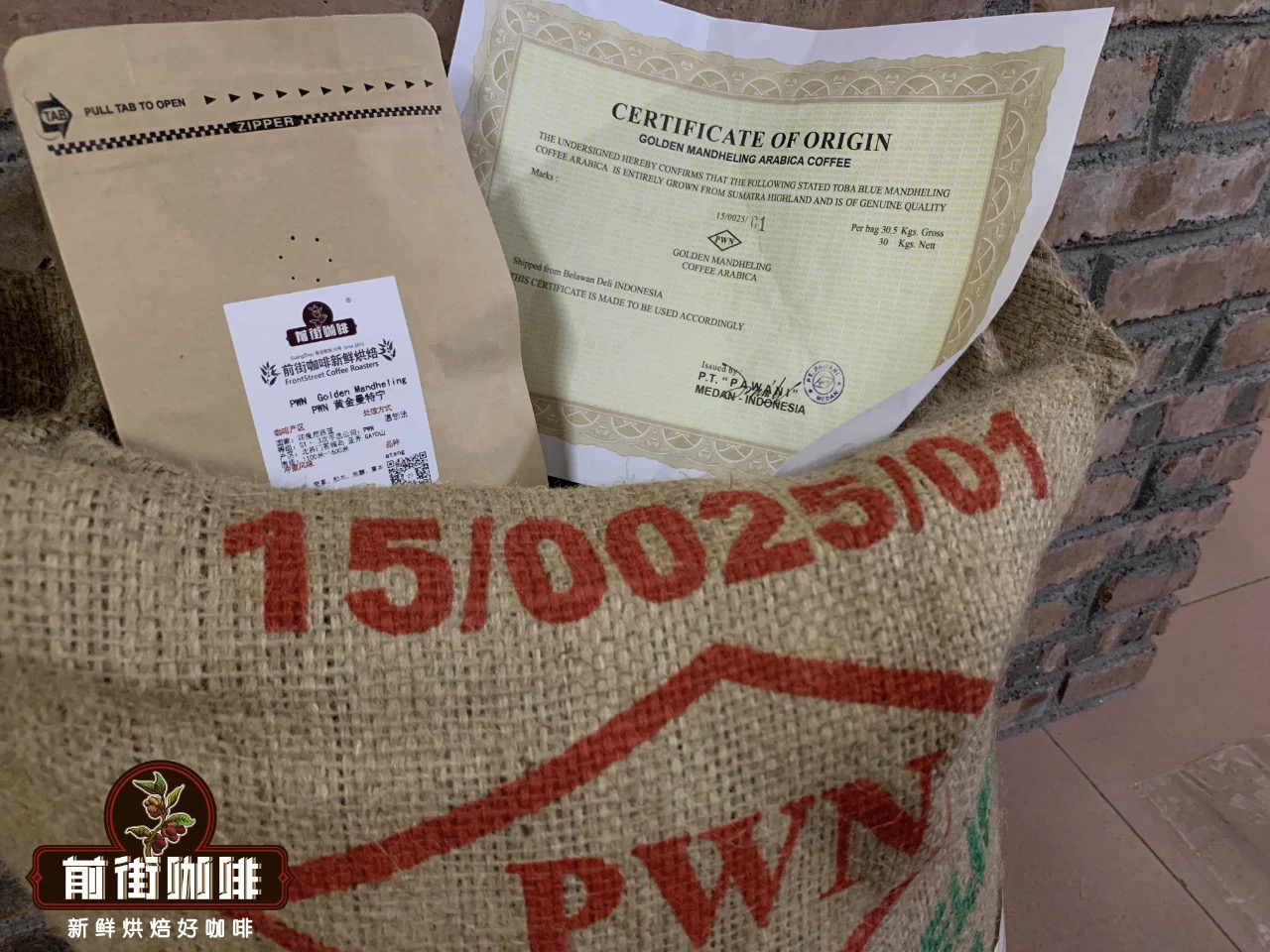
FrontStreet Coffee · Indonesia PWN Golden Mandheling Coffee Beans
Region: Aceh Gayo Mountain
Variety: Ateng
Altitude: 1100-1600m
Processing Method: Wet Hulling
Grade: G1 Triple Hand-Sorted
As mentioned earlier, only Mandheling produced by PWN can be called authentic FrontStreet Coffee's Golden Mandheling. So what are the differences between regular Mandheling and FrontStreet Coffee's Golden Mandheling? Legend has it that after discovering Mandheling coffee, the Japanese paid close attention to it. In cooperation with local green bean merchants, they established strict selection standards. After processing, the green beans undergo density and color sorting, followed by four rounds of manual picking, finally yielding Mandheling with uniform color and consistent bean shape. During processing, the beans emit a golden luster in sunlight, hence the name "Golden Mandheling."
For many years, FrontStreet Coffee's Golden Mandheling has been sourced from PWN. The specifications for FrontStreet Coffee's Golden Mandheling coffee beans are 19 screen size, with fewer than three defective beans per 300-gram green bean sample, belonging to the highest grade, G1. Because of these strict standards, FrontStreet Coffee found that this Golden Mandheling not only lacks the earthy impurities of regular Mandheling but also tastes very clean with a strong sweet aftertaste.
Careful observers will notice that FrontStreet Coffee's latest Golden Mandheling has changed growing region. It was originally selected from Lintong region Mandheling, but PWN switched to Gayo Mountain Mandheling coffee, and the packaging also changed from the original 60KG to 30KG.
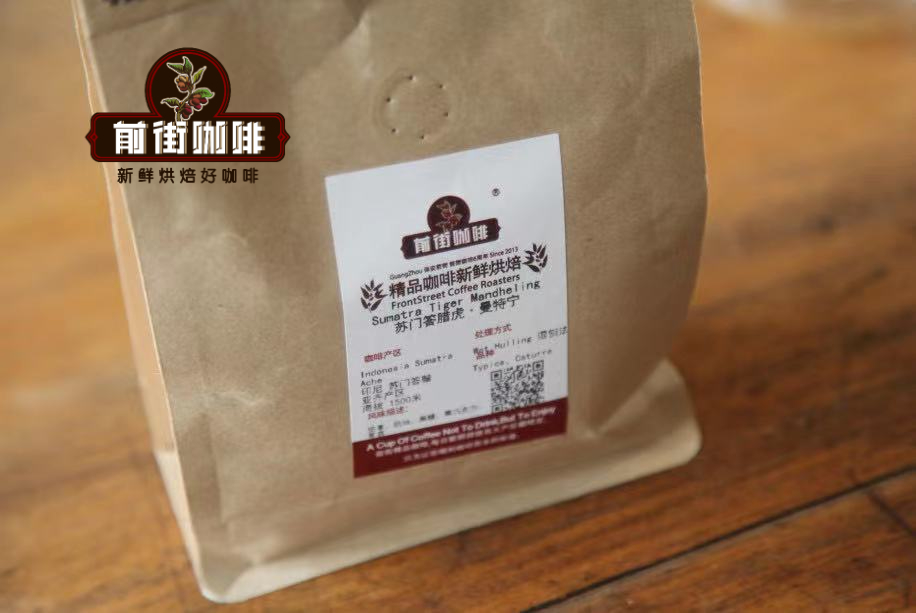
FrontStreet Coffee · Indonesia Tiger Mandheling Coffee Beans
Region: Aceh
Variety: Catuai, Typica, Sidikalong
Altitude: 1500m
Processing Method: Wet Hulling
There are several theories about the origin of the name Tiger Mandheling. FrontStreet Coffee will share the most credible one. Legend has it that tigers are rare and endangered animals in Sumatra. A coffee seeker discovered excellent Mandheling green beans in a place where the critically endangered Sumatran tiger once roamed, so he brought together local small farmers and named it "Tiger" Estate.

FrontStreet Coffee's Tiger Mandheling has the most classic characteristics of Sumatran coffee, while also tasting cleaner and sweeter than standard Mandheling. FrontStreet Coffee believes that in aroma, Tiger Mandheling evolves from the traditional herbal notes of Mandheling into more distinct nutty flavors with caramel sweetness.
FrontStreet Coffee's Indonesian Aged Mandheling
FrontStreet Coffee has always emphasized the importance of fresh coffee beans to flavor, so why would FrontStreet Coffee choose Aged Mandheling? First, let's understand where Aged Mandheling comes from. During the Dutch colonial period in Indonesia, large quantities of coffee beans were shipped to Europe. To ensure a continuous supply, the beans were stored appropriately. Because of the weather and the distances involved, shipments often took a very long time to reach Europe. It was precisely this aging process that eliminated the beans' acidity, increased their body, and created the unique flavors beloved by European coffee connoisseurs.
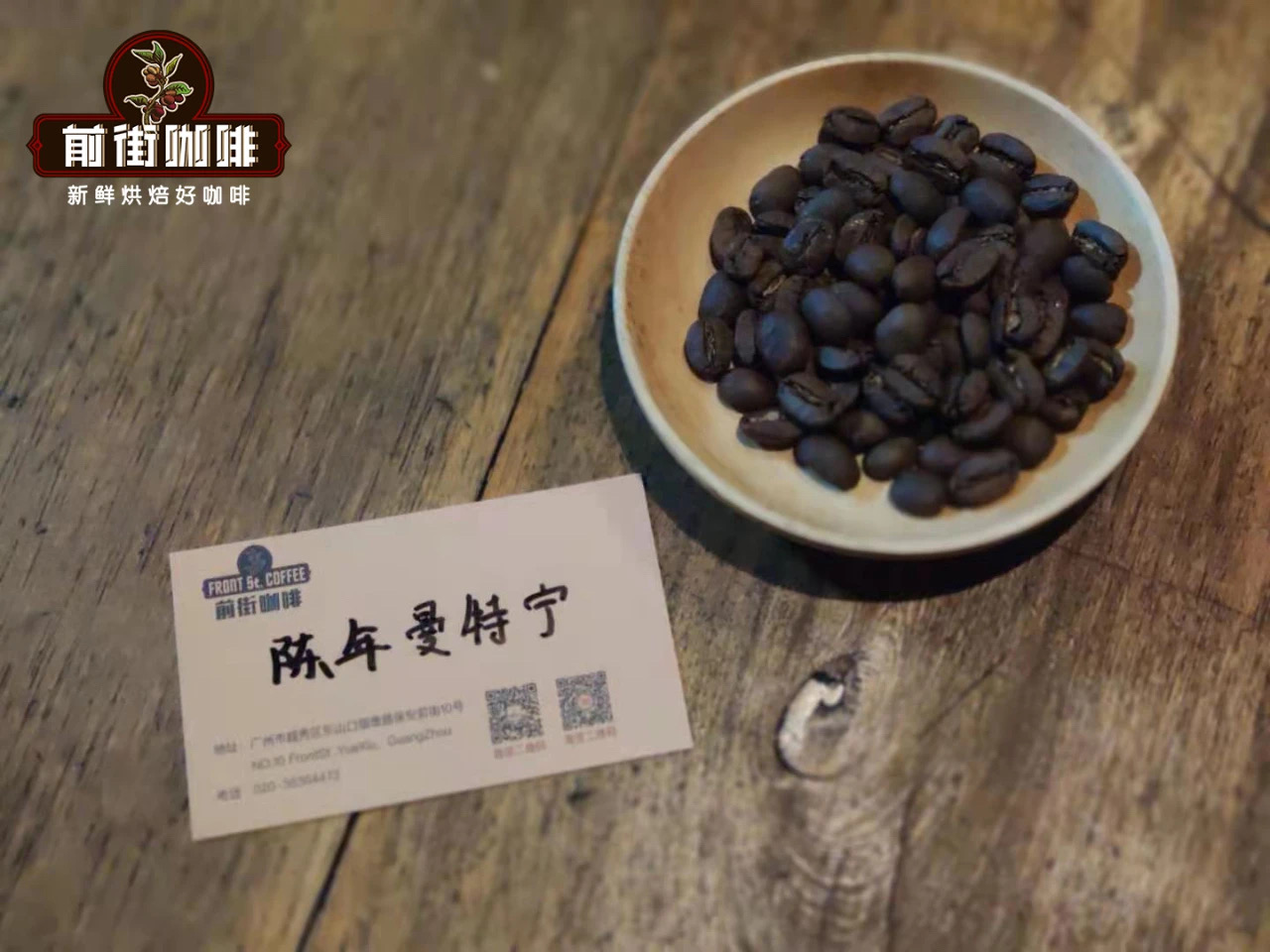
Of course, aged coffee beans don't mean randomly leaving beans in a warehouse for several years, because over time coffee beans can rot or even become moldy and turn into bad beans. To recreate those classic flavors, FrontStreet Coffee's Aged Mandheling gradually developed a standardized production model.
Many coffee connoisseurs who visit FrontStreet Coffee like to order a cup of Mandheling to experience its herbal flavors and caramel-like aftertaste. Regardless of the type of Mandheling, they all seem to share common characteristics, and these trace back to Indonesia's unique processing method. Due to Indonesia's humid climate, it's difficult to dry coffee for extended periods. To contend with rain and moisture, locals had to devise another way to handle coffee—wet hulling, known locally as Giling Basah.
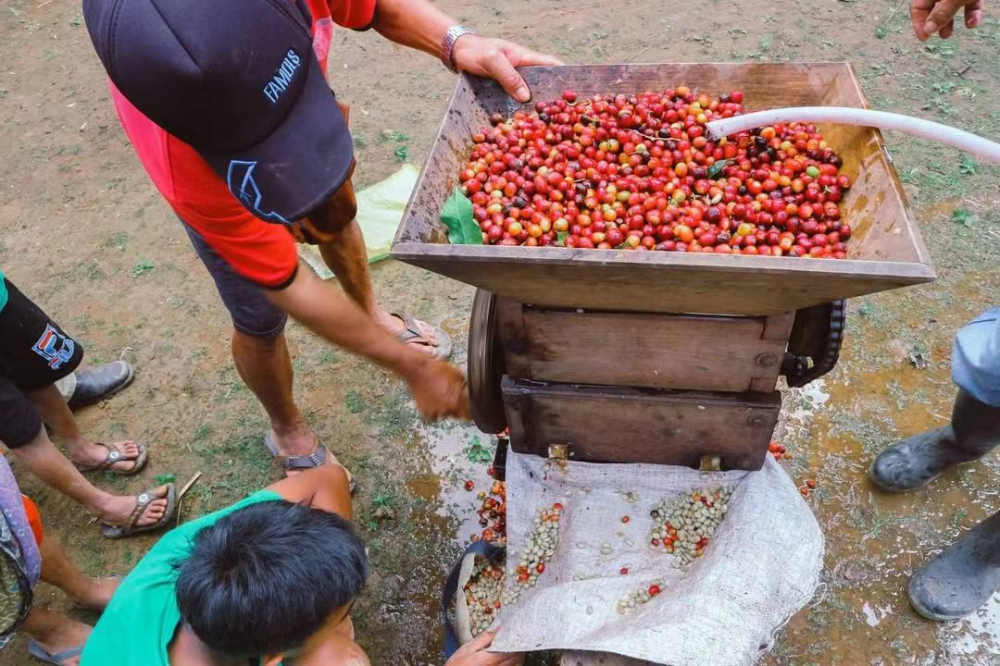
Although it sounds similar to the most common processing type, wet processing, wet hulling is actually quite different. Wet hulling as a method has two driving factors: moisture and money, since conserving water reduces costs. Coffee processed this way has unique earthy flavors. Because of the fermentation during processing, its acidity and brightness are relatively low, while its body is enhanced.
Actually, whether Mandheling suits you depends on what kind of coffee flavor you like. Some people prefer prominent floral and fruit notes; some are enthusiastic about the flavors that special processing methods bring; while others may prefer the body and the unique herbal, earthy flavors in FrontStreet Coffee's Mandheling coffee.
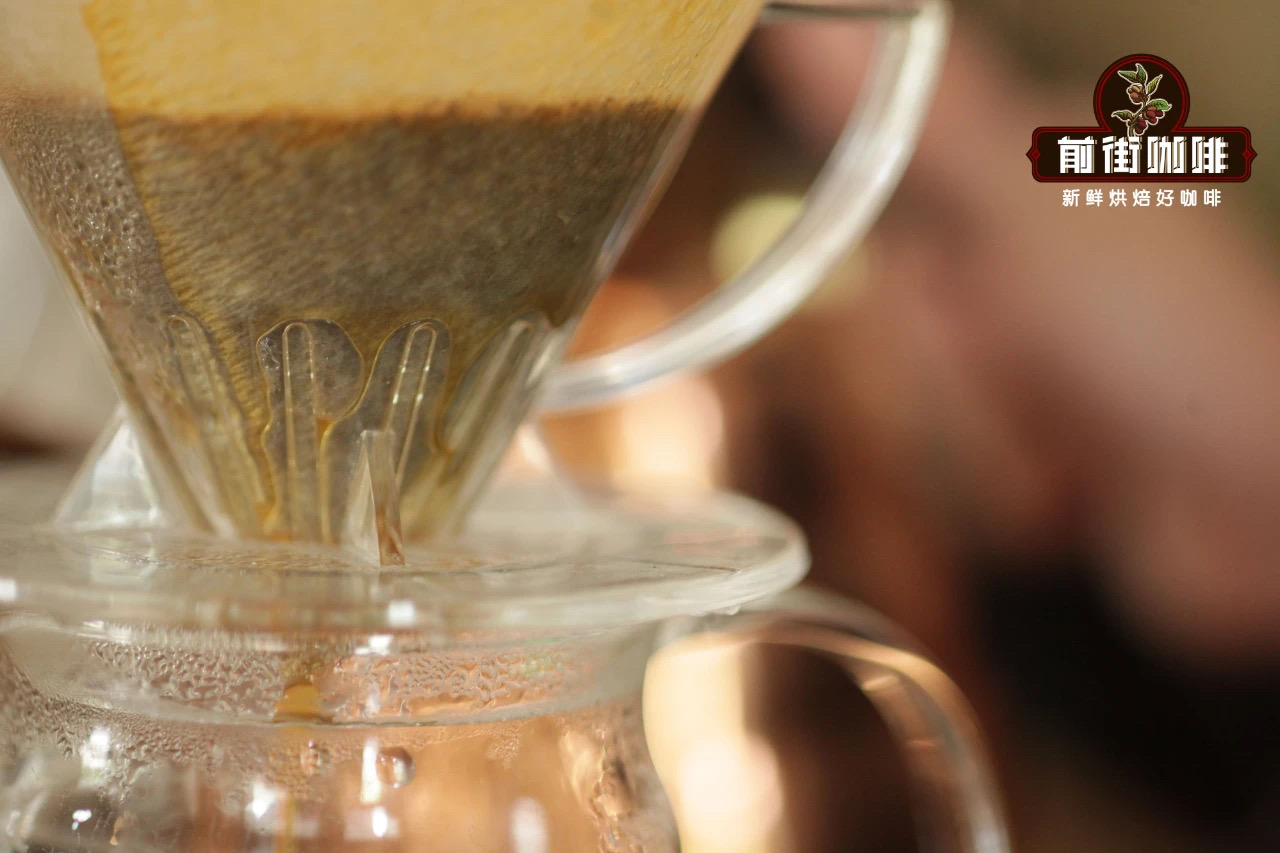
FrontStreet Coffee's Brewing Recommendations:
Dripper: Kono
Coffee-to-Water Ratio: 1:15
Dose: 15 grams
Water Temperature: 88°C
Grind Size: Medium-coarse (70-75% pass-through rate on #20 standard sieve)
For brewing, FrontStreet Coffee suggests using freshly roasted coffee beans to make the most of the rich flavors. Coffee beans shipped by FrontStreet Coffee are all roasted within 5 days, because FrontStreet Coffee understands deeply how much freshness affects flavor. FrontStreet Coffee's roasting philosophy is "Freshly Roasted Good Coffee," ensuring that every customer who places an order receives the freshest coffee when it arrives. The coffee's degassing period is about 4-7 days, so by the time customers receive it, the flavors are at their best.
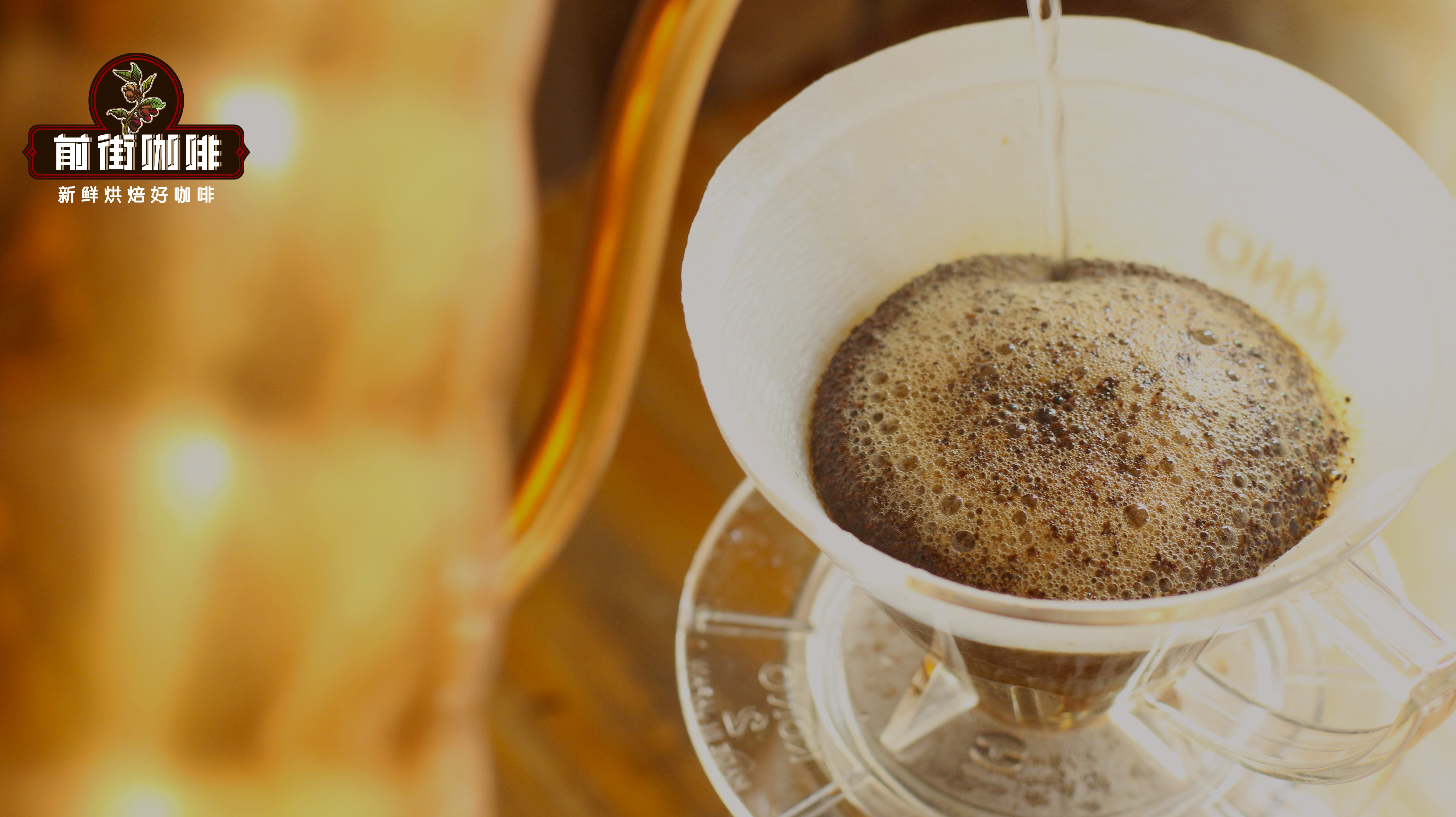
Use segmented extraction: bloom with 30g of water for 30 seconds, then continue pouring in small circular motions to 125g and pause. When the water level drops and is about to expose the coffee bed, continue pouring to 225g and stop. When the water level drops again and is about to expose the coffee bed, remove the dripper (timing starts from the bloom). The V60 dripper extraction time is 2'00", while the Kono dripper is slightly longer at 2'10".
FrontStreet Coffee Recommendation
If the story of Mandheling has won you over, FrontStreet Coffee's Indonesia PWN Golden Mandheling is the definitive expression of the style. It is wet-hulled in Aceh's Gayo Mountain, graded G1 with triple hand-sorting, and the result is clean and sweet rather than muddy: cedar, herbs, spice, roasted hazelnut, caramel, and dark chocolate, with a long, full-bodied finish.
For everyday drinking with the same wild character, FrontStreet Coffee's Lintong Mandheling and Tiger Mandheling are both wet-hulled and medium-dark roasted. They keep Mandheling's signature herbal, earthy depth and low acidity, and they pull a thick, caramel-forward shot if you use them for espresso.
Important Notice :
FrontStreet Coffee is a long-established specialty coffee roaster in Guangzhou China, selling freshly roasted beans from its own farm in Yunnan as well as dozens of carefully selected single-origin beans from around the world for both pour-over and espresso. The products deliver consistently excellent quality and great value, with shipping within 24 hours. Guangzhou's FrontStreet Coffee shop is recommended by many coffee lovers, and the beans are now available online at the Tmall 。
FrontStreet Coffee has moved to a new address:
FrontStreet Coffee Address: 315,Donghua East Road,GuangZhou
Tel:020 38364473
 Scan and follow the En Gafei WeChat official account. Please indicate that the reprint comes from "En Gafei".