Who is Mandheling Coffee Suitable For? What are the Pour-Over Flavor Characteristics of Indonesian Mandheling Coffee Beans
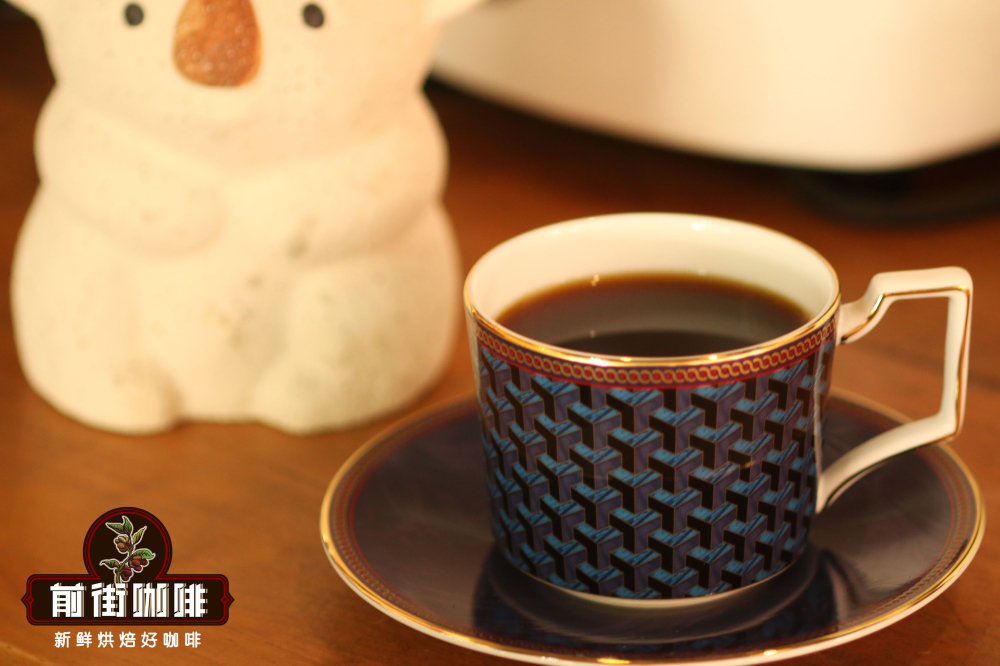
Traditionally, "coffee flavor" means the rich, full-bodied taste with caramel and chocolate notes that emerges after a medium to dark roast. In the era when that style reigned, Jamaican Blue Mountain and Indonesian Mandheling were the two most celebrated classic representatives. Today, FrontStreet Coffee would like to discuss one of them — FrontStreet Coffee's Indonesian Mandheling.
Quality Mandheling Coffee Comes from Sumatra Island
As Asia's largest coffee-producing region, Indonesia grows and produces mainly commercial-grade Robusta, and high-quality Arabica accounts for less than one-tenth of total output. Mandheling refers to the Arabica variety, with the best quality coming from Sumatra, which is why it is also called Sumatra coffee.
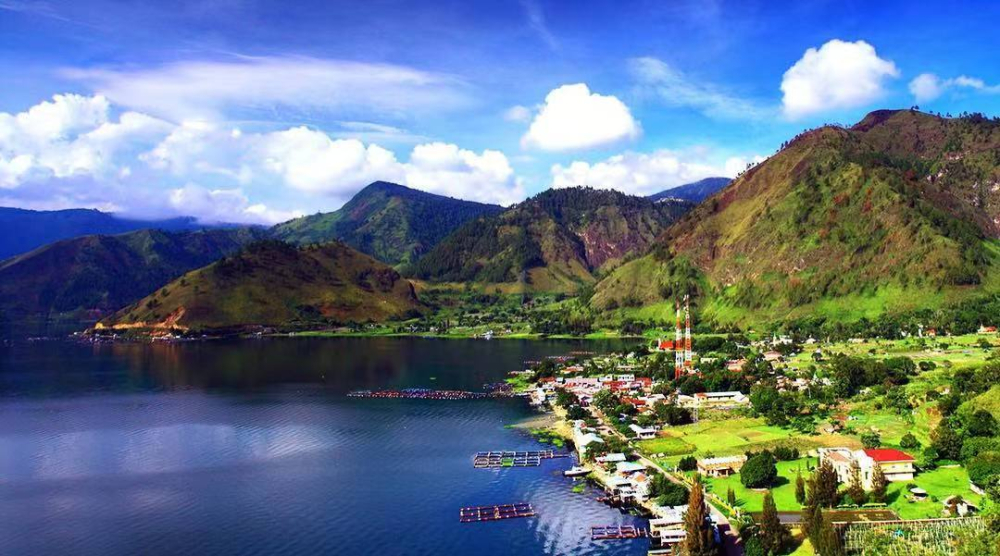
Common Mandheling is grown mainly in two areas: Lake Tawar in the Aceh region and Lake Toba in the Lintong region — what people call the "double lakes, double Mandhelings." Lake Toba, in the Lintong production area of central Sumatra and less than a two-hour drive from the provincial capital, Medan, is the world's largest volcanic lake. With an average altitude of about 900 meters, it gives coffee trees ideal growing conditions.
The Unique Flavor of Mandheling Coffee Originates from Wet Hulling
As FrontStreet Coffee has noted in many articles, coffee flavor depends on many factors. Mandheling's uniqueness stems from Indonesia's traditional green bean process — wet hulling. Sumatra has a tropical rainforest climate with high humidity and heat and frequent typhoons, so natural processing conditions are unsuitable. Local freshwater is also scarce and the washed process is complex and difficult. Out of that came a distinctive "semi-washed" method.
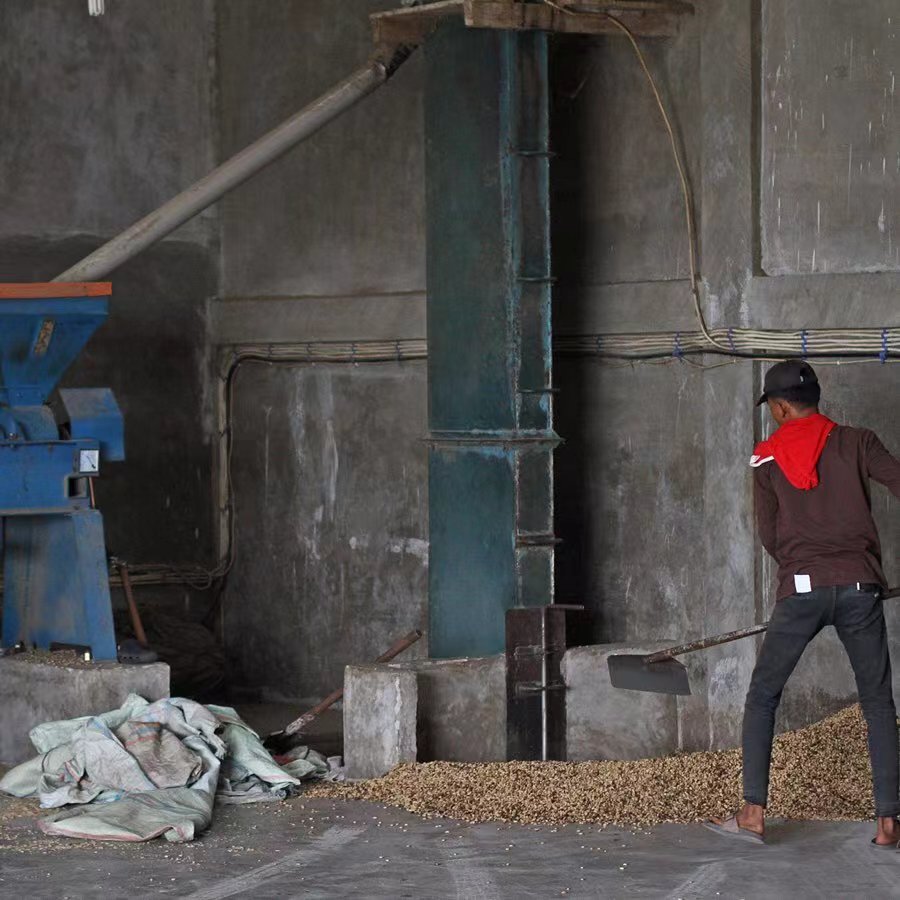
Wet hulling applies a brief fermentation as in washed processing, then semi-dries the beans before using special machines to strip the parchment for final drying. The beans go into storage completely bare. Because the hulling stage creates more friction, the green beans are easily compressed and deformed, and beans without parchment are prone to cracking during sun-drying, producing horse-hoof-shaped beans. They may not look attractive, but their flavor is unaffected.
FrontStreet Coffee's Mandheling, processed by traditional wet hulling, carries a distinctive herbal and earthy aroma — a characteristic that sets Mandheling apart from other coffees. FrontStreet Coffee believes these unique flavors are well worth trying, which is why the wet-hulled FrontStreet Coffee Lintong Mandheling is included in the Daily Bean series as the representative Indonesian coffee in store.
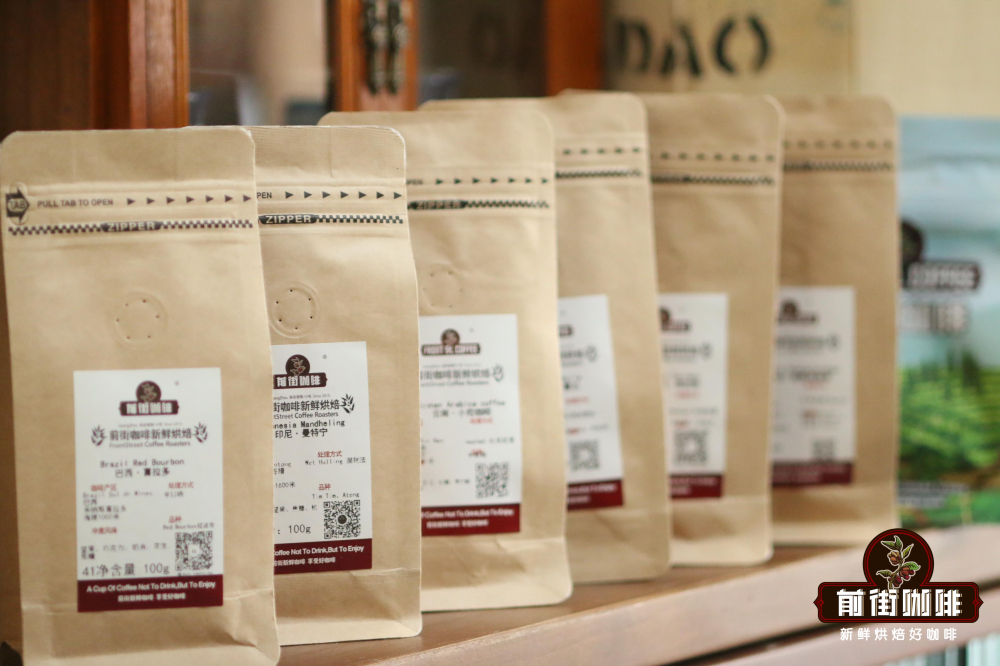
FrontStreet Coffee's Daily Bean series spans seven classic coffee-producing regions, designed so that friends who want to study coffee systematically can experience the different flavor types of each region at a very cost-effective price and choose their favorites. Each package of Daily Beans is 100 g, so there is no waste from buying more than you can finish.
FrontStreet Coffee - Indonesia Lintong Mandheling Coffee Beans
- Region: Indonesia, Sumatra, Lintong Production Area
- Altitude: 1100m - 1500m
- Variety: Ateng TimTim
- Processing Method: Wet Hulling
- Flavor: Nuts, spices, chocolate, caramel
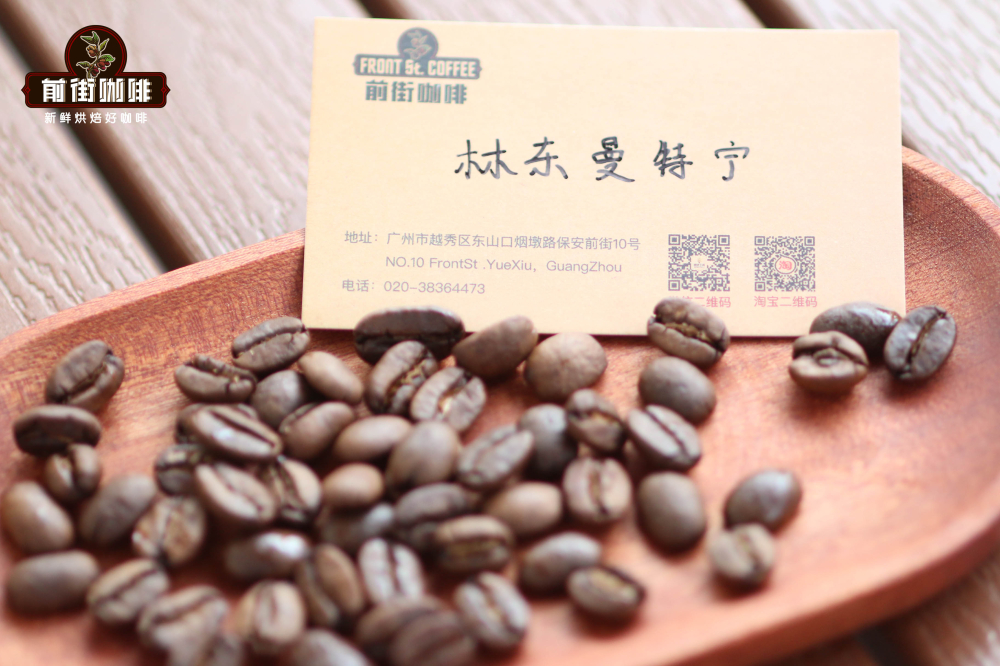
The Varieties of FrontStreet Coffee's Lintong Mandheling Coffee
The earliest coffee planted in Indonesia was the ancient Typica variety. In the late 17th century the Dutch brought coffee plants from India to Java for wide cultivation, and it soon spread to Sumatra. Over time Typica merged with the local environment and developed its unique herbal and spice character. In 1877 leaf rust disease struck Indonesia's coffee industry hard, killing most Typica trees, and the government needed to bring in disease-resistant varieties. Those introduced included high-yield Robusta, Timor, and Catimor, as well as the Indian variety Jember.
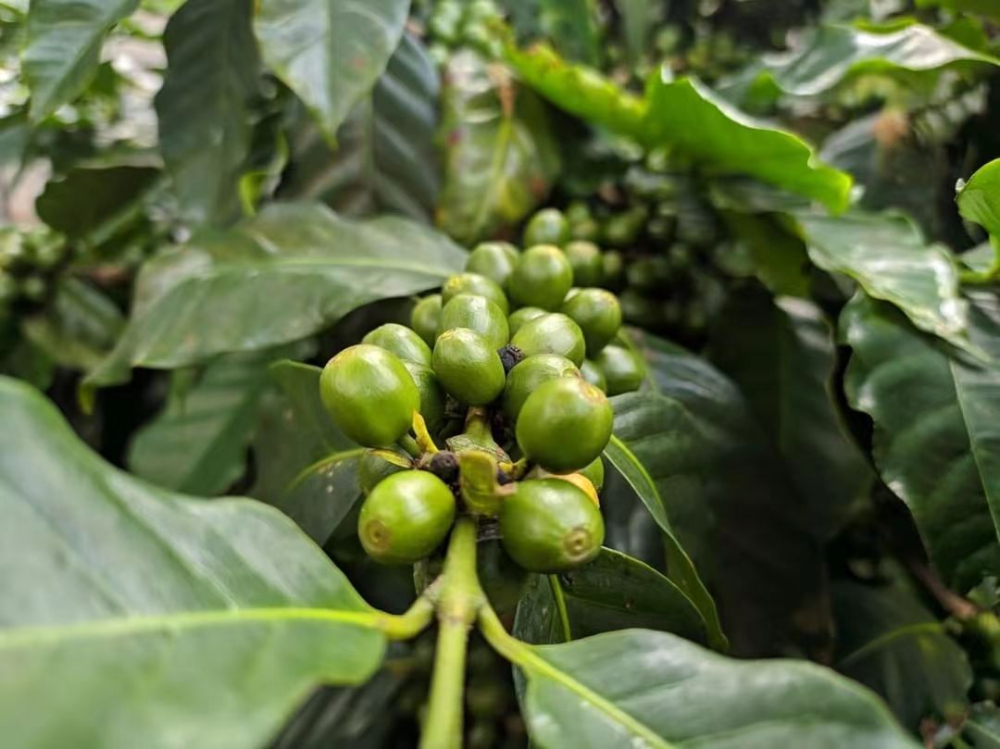
Timor is a natural hybrid of Typica and Robusta from Timor Island. It inherited Robusta's high yield and disease resistance, and after being introduced to Indonesia farmers called it Tim Tim. Another common local variety, Ateng, takes its name from the pronunciation of Aceh Tengah in central Aceh and is in fact the Catimor widely planted in Yunnan. Catimor is a hybrid descendant of Caturra (a Bourbon variety) and Timor from East Timor and also carries very high disease resistance. Planted at high altitude in Sumatra, Catimor adapted to local conditions and developed strong herbal notes and a mellow taste. The FrontStreet Coffee PWN Gold Mandheling we offer is the Ateng variety, while FrontStreet Coffee's Lintong Mandheling Daily Beans blend the Ateng and Tim Tim varieties.
How to Drink FrontStreet Coffee's Mandheling Coffee?
To bring out Mandheling's rich, full-bodied aroma while preserving its unique herbal and spice notes, FrontStreet Coffee's roasters choose a medium-dark roast. FrontStreet Coffee's roasting philosophy is "Freshly Roasted Good Coffee," and the team wants everyone to drink fresh coffee, so only coffee roasted within 5 days is shipped. Once it arrives, wait for the optimal tasting window and start brewing. To experience the rich layers of FrontStreet Coffee's Mandheling, FrontStreet Coffee recommends a hot pour-over, since the flavor shifts as the temperature drops.
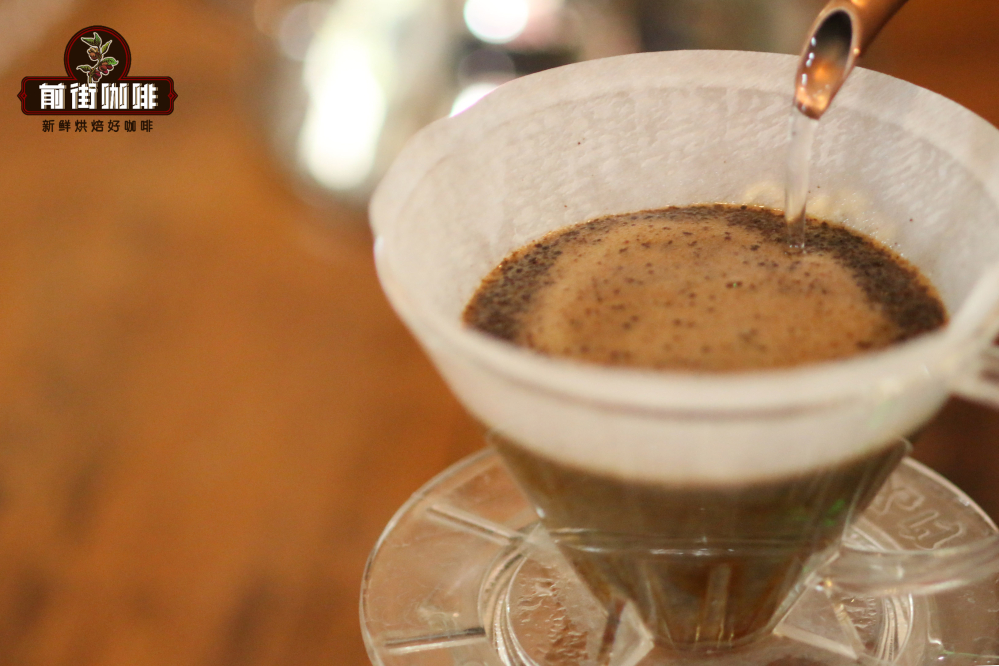
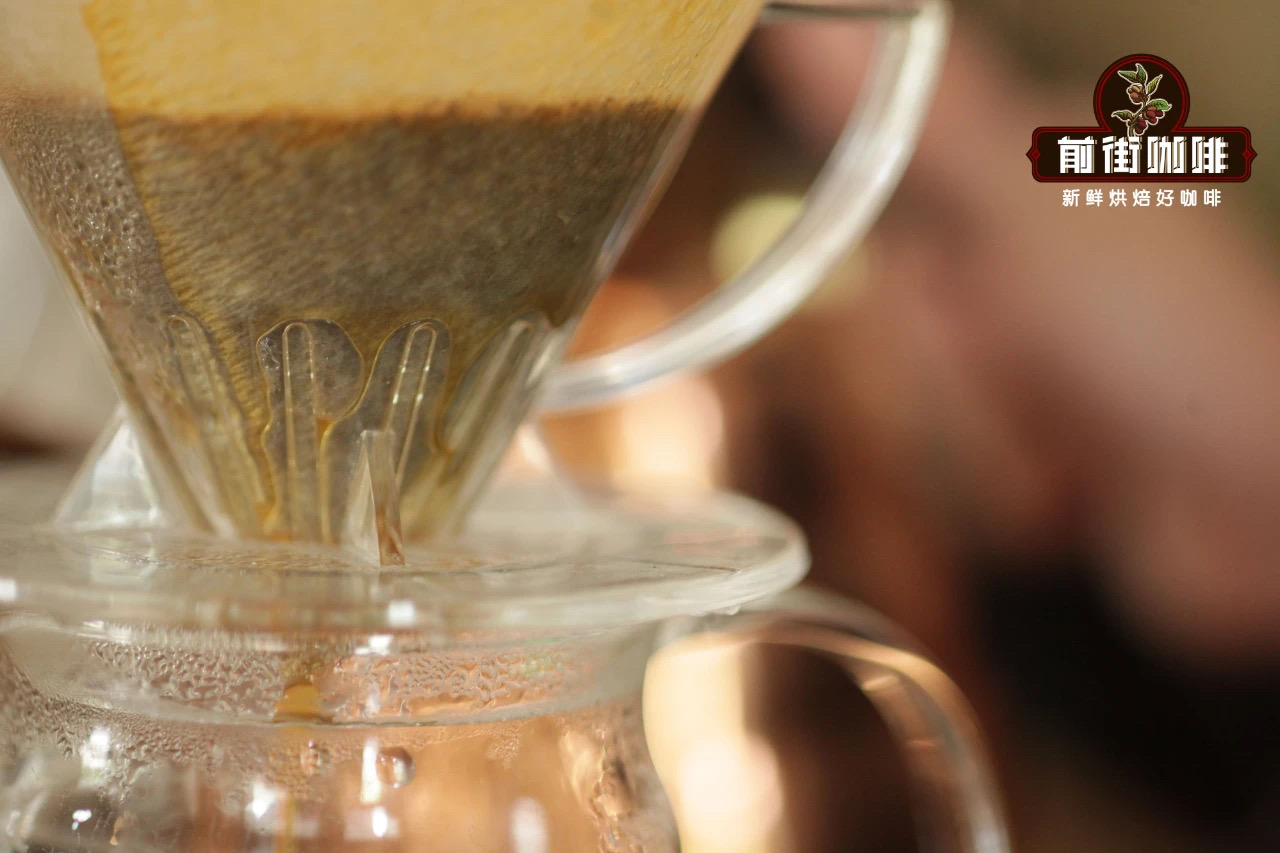
Here, FrontStreet Coffee demonstrates brewing a cup of FrontStreet Coffee's Lintong Mandheling with the store's standard method.
Some friends have told FrontStreet Coffee that pour-over grind size is hard to adjust, or that they have no grinder at home. No problem — FrontStreet Coffee can grind the beans for you; just tell us your brewing method. Still, a reminder: once whole beans are ground, the surface area exposed to air increases and the aroma dissipates faster, so enjoy them as soon as possible or the flavor will suffer. If you want the complete aroma of the beans, FrontStreet Coffee recommends grinding and brewing fresh at home for the best experience.
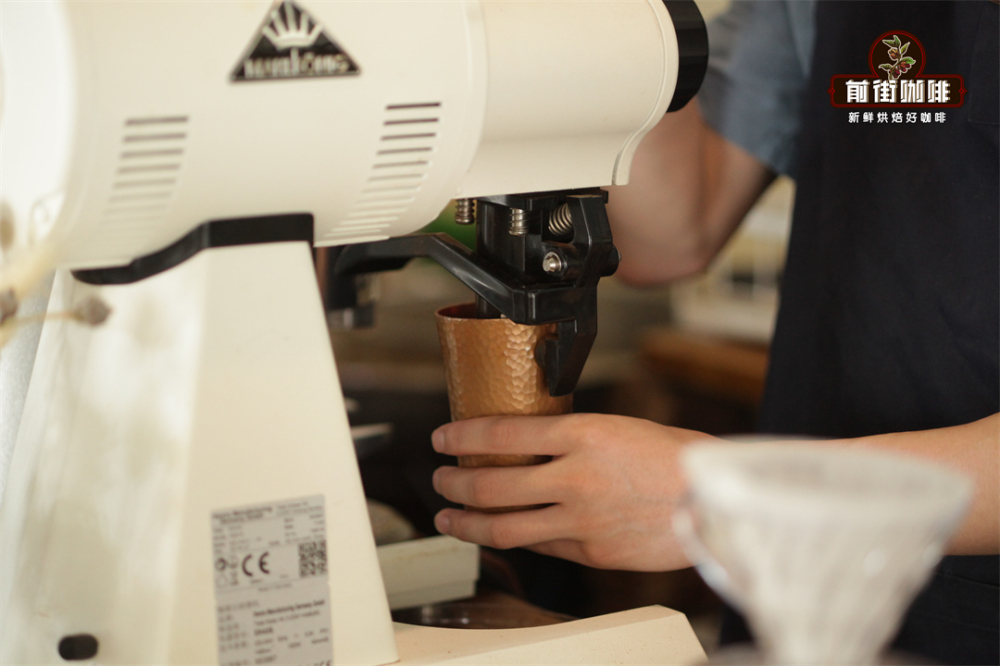
Brewing Parameters: Water Temperature: 87-88°C, Coffee Amount: 15g, Coffee-to-Water Ratio: 1:15, Grind Size: Medium grind (70% pass-through rate for #20 sieve), Kono Dripper
Three-Stage Pouring: Use 30 g of water to evenly moisten the coffee bed and let it bloom for 30 seconds. In the second stage, pour 95 g of water evenly in circular motions from the inside out. When the water level drops to 2/3 of the filter's bed height, begin the third pour of 100 g. Keep the flow small throughout. After about 2 minutes of dripping, remove the filter. Finally, gently swirl the coffee and begin tasting.
Flavor Description: Rich black chocolate, nut, and caramel aromas with herbal and spicy notes. The body is solid, with some soft fruit acidity as the temperature drops. Overall it is rich and full-bodied, very suitable for friends who enjoy an intense-style coffee.
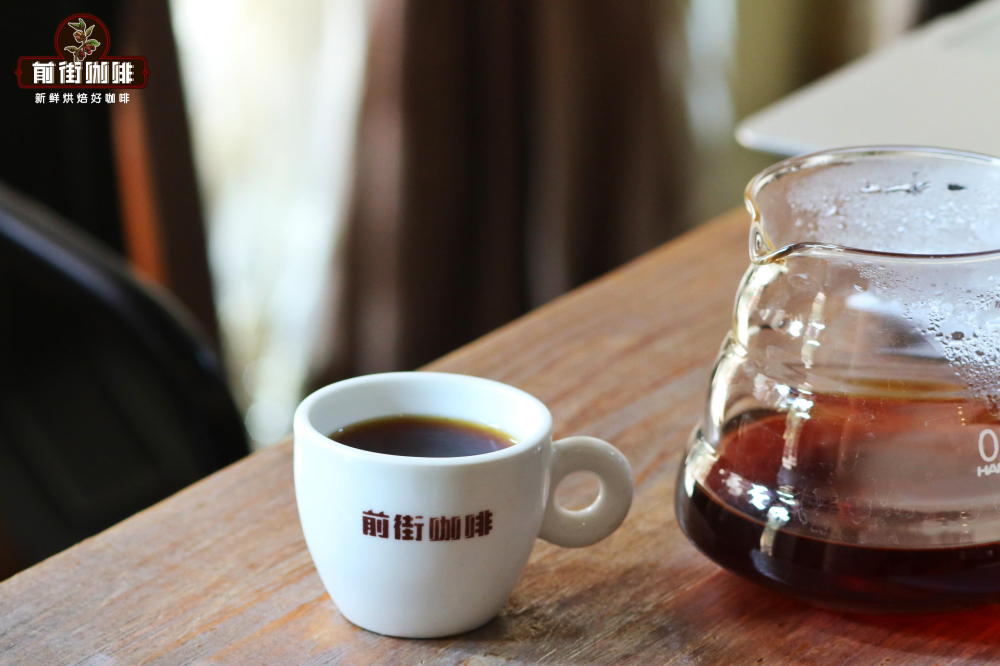
FrontStreet Coffee Recommendation
For the finest expression of wet-hulled Mandheling, reach for FrontStreet's PWN Golden Mandheling. PWN is a company that specializes in buying top-quality lots of Mandheling green beans, and every bean it releases is specialty grade; Golden Mandheling is its flagship. In production it follows a strict defect-screening standard covering bean density, size, shape, and color, and each lot is sorted by machine and then by hand to remove flaws, so the beans come out even, plump, and translucent with a very low defect rate and far less earthy, grassy character. Roasted medium-dark, it also carries a rich roast aroma, and the resulting black coffee has a clean-tasting, full body — an excellent match for anyone who dislikes acidic coffee.
FrontStreet's PWN Golden Mandheling shows its best as a pour-over. FrontStreet recommends 87-88°C water, 15 g of coffee, a 1:15 ratio, a grind about the texture of coarse sugar, and a three-stage pour, which better expresses the coffee's full body and caramel sweetness. For the first stage, bloom with 30 ml of water to wet all the grounds and let them degas, preparing them for better extraction. The second pour adds 100 ml, coaxing out the coffee's golden foam and lifting the bed. The final stage is a gentle 95 ml poured down the center, raising the sweetness so the cup shows a thick, full body with caramel sweetness and notes of chocolate and nuts.
Many who have tasted FrontStreet's Mandheling remember it long afterward and want to use it on a machine. For that, the best-selling choice is FrontStreet's classic blend, which layers a medium-dark Mandheling on top of the creamy nuttiness of Brazilian coffee; its butter, roasted chestnut, and caramel notes stand out especially. Mandheling not only lifts the body of the whole cup but lends it distinctive sandalwood, herbal, and spice aromas, and a small amount of Robusta is added to increase the richness of the crema, making latte art or a layered Dirty effortless.
Important Notice :
FrontStreet Coffee is a long-established specialty coffee roaster in Guangzhou China, selling freshly roasted beans from its own farm in Yunnan as well as dozens of carefully selected single-origin beans from around the world for both pour-over and espresso. The products deliver consistently excellent quality and great value, with shipping within 24 hours. Guangzhou's FrontStreet Coffee shop is recommended by many coffee lovers, and the beans are now available online at the Tmall 。
FrontStreet Coffee has moved to a new address:
FrontStreet Coffee Address: 315,Donghua East Road,GuangZhou
Tel:020 38364473
 Scan and follow the En Gafei WeChat official account. Please indicate that the reprint comes from "En Gafei".