Sumatra Mandheling Coffee Bean Varieties Introduction: Pour-Over Brewing Parameters and Flavor Profile
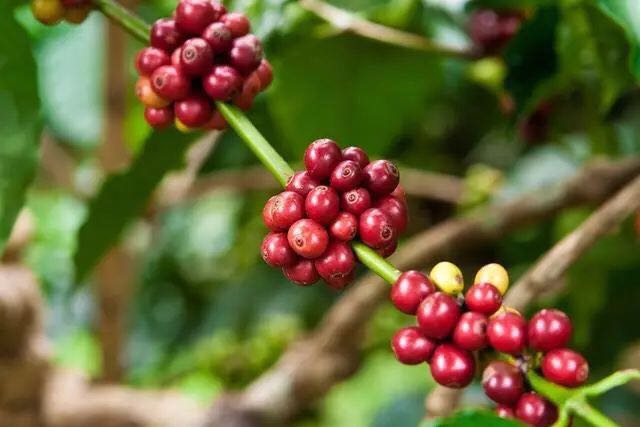
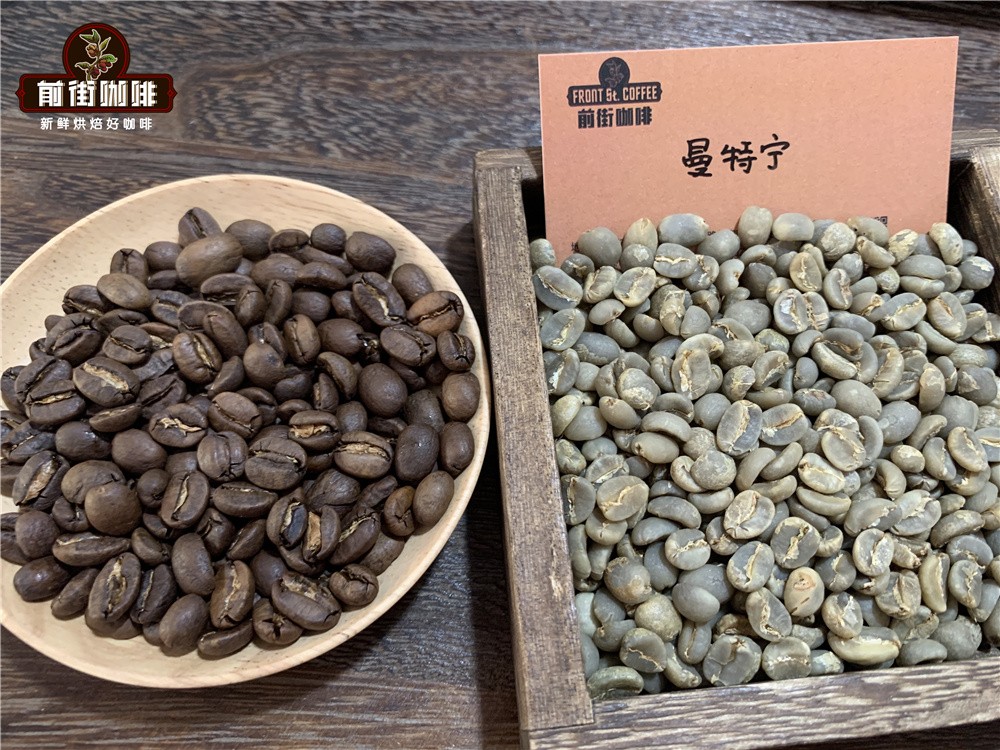
Coffee enthusiasts who are familiar with coffee beans may know that Mandheling coffee beans are relatively large and have what are known as "sheep hoof beans," or split beans. This is a distinctive characteristic of Mandheling coffee. The phenomenon occurs because of the wet-hulling processing method: when the semi-hard, semi-soft moist green beans are hulled to remove the mucilage and parchment layer, they are easily bruised and split open, resembling sheep hooves. These are commonly called "sheep hoof beans" and are not considered defective beans. Mandheling coffee offers a heavy body and a smooth texture, accompanied by grassy aromas and earthy notes, with a long-lasting aftertaste and almost no noticeable acidity.
The Origin of Mandheling Coffee
The name "Mandheling" is neither a coffee variety nor a producing region name. Instead, it refers to an ethnic minority group living in the northern highlands of Sumatra Island. During World War II, when Japan occupied Indonesia, a Japanese soldier tasted an incredibly fragrant coffee in a café. When he asked the owner for the coffee's name, the owner misunderstood and thought he was asking about his identity, so he replied: "Mandheling." After the war, when the soldier returned to Japan, he recalled the "Mandheling" coffee he had tasted in Indonesia. He arranged to import 15 tons of it into Japan, and it became extremely popular. The name Mandheling has been passed down ever since.
Indonesia's Sumatra Coffee Regions
Mandheling coffee is also known as Sumatra coffee because it grows on the island of Sumatra in Indonesia. Sumatra is not only Indonesia's largest island but also the world's sixth-largest island. It is located in northwestern Indonesia, extending from northwest to southeast, with the equator passing through its central region. The terrain is higher in the northwest, where the Barisan Mountains run through the area, and Arabica varieties are primarily grown there as the main producing region for Mandheling. The southeast is lower, mostly flat or swampy land, dominated by Robusta varieties. The entire island has over 90 volcanoes and numerous volcanic lakes, providing fertile soil for coffee cultivation. Because of its geographical location, Sumatra has the earliest harvest season in the country, from November to March.
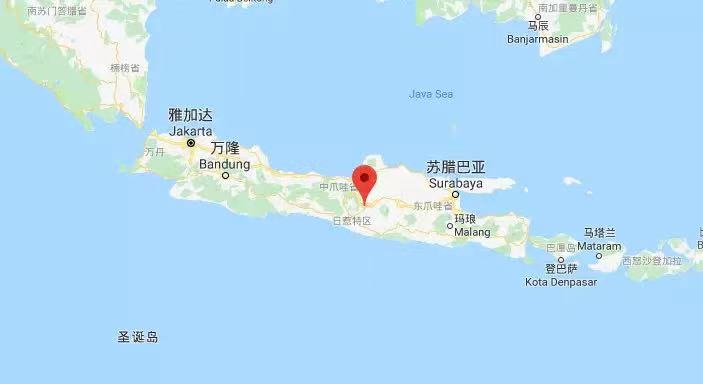
Lintong Mandheling comes from the Lintong mountainous area in north-central Sumatra, near Lake Toba. Lintong Mandheling is essentially the standard version of Sumatra Mandheling.
Lake Toba is located in central North Sumatra Province. Dutch colonialists moved "Java Mandheling" north to the Lake Toba area in 1888, creating the modern Mandheling legend.
Lake Tawar is located in the central Aceh Special Autonomous Region. Situated at the northern tip of Sumatra Island, its area is less than one-tenth of Lake Toba's.
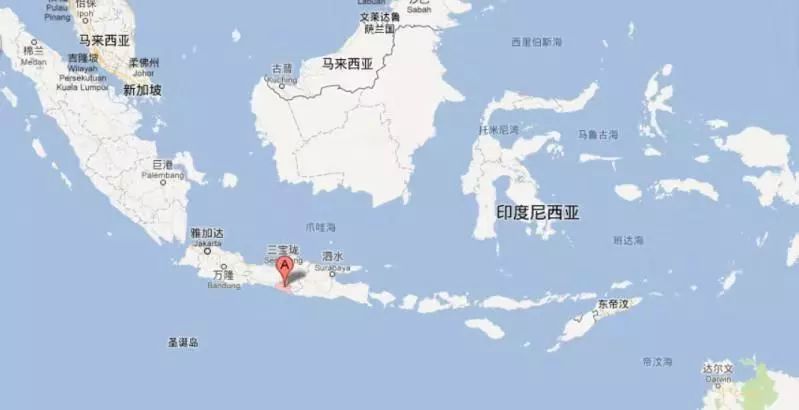
Currently, the highest quality beans from the entire Sumatra region come from the GAYO mountain area, mostly grown from old tree varieties. The Gayo Mountains are located in the Aceh region of northern Sumatra Province, at altitudes between 1500-2500 meters. Most coffee farmers there are local indigenous people, the GAYO ethnic group. This region offers ideal growing conditions for coffee: high altitude, fertile soil and abundant rainfall. Lake Tawar provides rich water resources, and the area widely adopts organic farming methods without chemical fertilizers, making it considered a world green coffee production area. Gayo coffee is therefore often called green coffee or Gayo organic coffee.
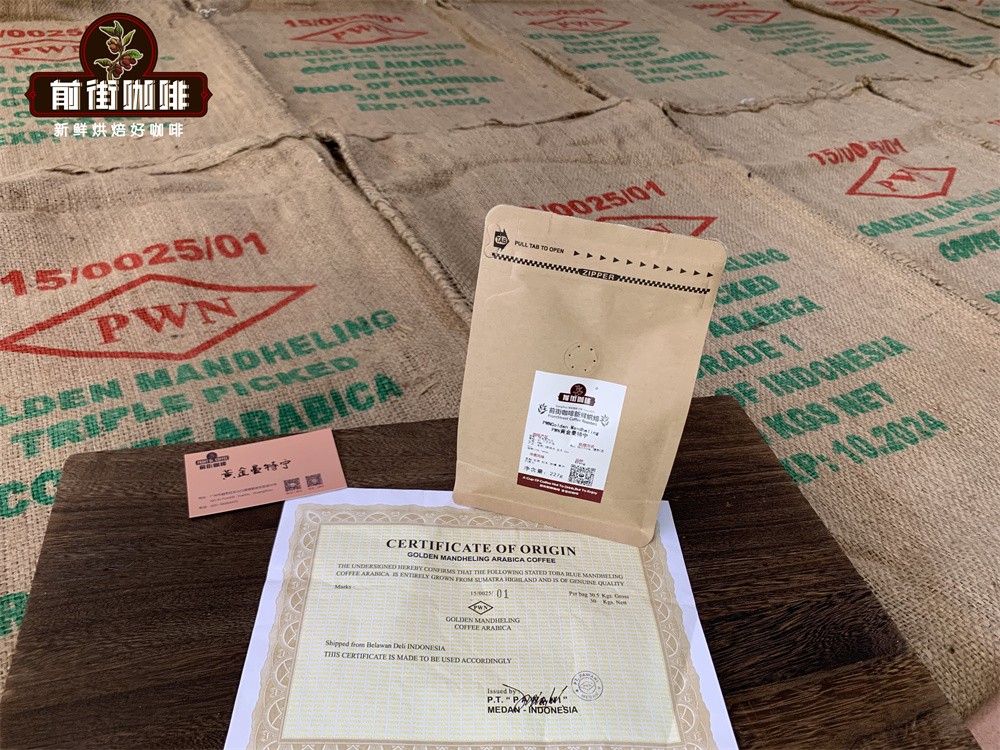
FrontStreet Coffee's new-crop Golden Mandheling coffee is produced in the GAYO mountains of Aceh, North Sumatra, and consists of the Golden Mandheling coffee beans from PWN. Golden Mandheling has stricter quality requirements: first, the coffee beans must be size 19, with full, uniform particles, belonging to the highest G1 grade. PWN beans are darker green in color and have neat, flat shapes. They then undergo one machine selection and three manual hand-picking processes to ensure that defective beans number fewer than 3 in a 300g green bean sample.
Mandheling Coffee Varieties
Indonesia has a very long history of coffee bean cultivation. Arabica was grown originally, but because of leaf rust disease, currently 90% of coffee beans exported from Indonesia are Robusta varieties, with only 10% being Arabica. FrontStreet Coffee's Lintong Mandheling variety is TimTim Ateng, while the Golden Mandheling variety is listed as Ateng. TimTim is actually Timor, an Arabica variety with Robusta heritage, while Ateng is Catimor, a hybrid of Caturra and Timor. These variety names are simply local terminology.
Mandheling Coffee Bean Processing
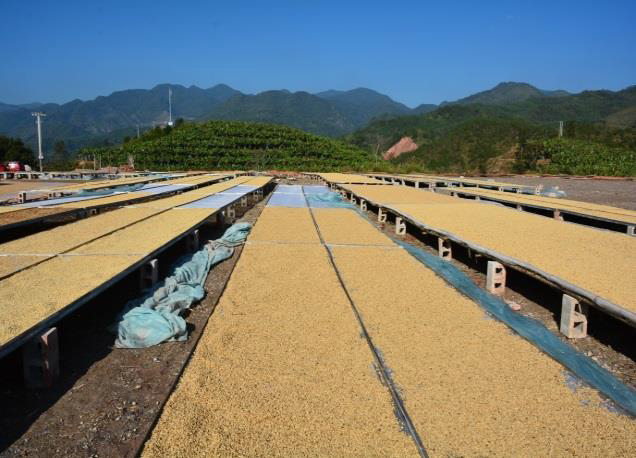
Mandheling coffee beans are processed using the wet-hulling method. Some customers seeing Mandheling coffee beans might find them somewhat unattractive because they have gaps at both ends, what we commonly call "sheep hoof beans." These are not defective beans. Because Indonesia is located near the equator and has a tropical rainforest climate, mass-produced coffee beans mostly undergo rough wet-hulling processing. Wet-hulling greatly accelerates the whole process, but removing the parchment layer while the beans are still semi-dry requires significant friction, so the green beans are easily crushed and bruised, especially at the ends, forming small gaps.
FrontStreet Coffee's Mandheling Brewing Parameters
FrontStreet Coffee believes that to brew a good pot of coffee, one should focus on four main aspects: water temperature, grind size, coffee-to-water ratio and brewing technique.
1. Water Temperature
When brewing pour-over coffee, FrontStreet Coffee chooses different water temperatures based on different roast levels. During roasting, substances contained within coffee beans are lost as the roast level deepens, so for dark roast coffee beans the temperature is reduced to avoid extracting excessive undesirable flavors. For light to medium roast beans, FrontStreet Coffee suggests using water temperatures of 90-91°C. For medium-dark roasts, FrontStreet Coffee suggests using water temperatures of 88-89°C.
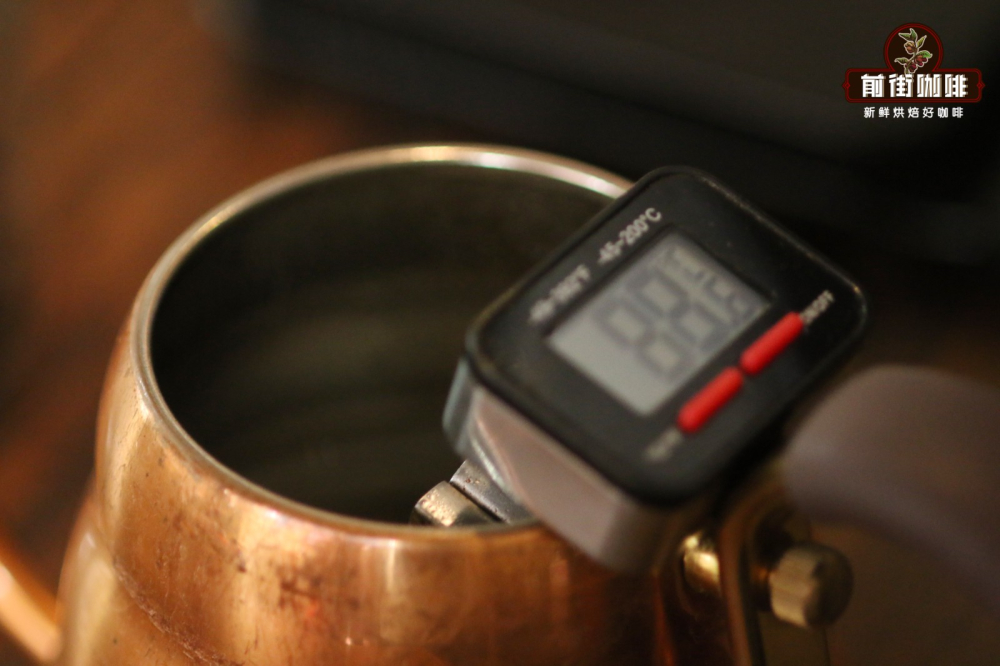
This Mandheling coffee bean is famous for its rich, heavy-bodied flavor profile. To highlight Mandheling coffee's richness, FrontStreet Coffee uses medium-dark roasting to process it.
2. Grind Size
Coffee grind size is also related to roast level. Grind size refers to the size of coffee particles, because it affects the contact time between coffee and water. If coffee grounds are finer, water can extract more substances in the same time, but finer grinds can easily lead to over-extraction during the brewing process. Conversely, coarser coffee grounds mean water extracts fewer substances in the same time, but overly coarse grinds can easily lead to under-extraction.
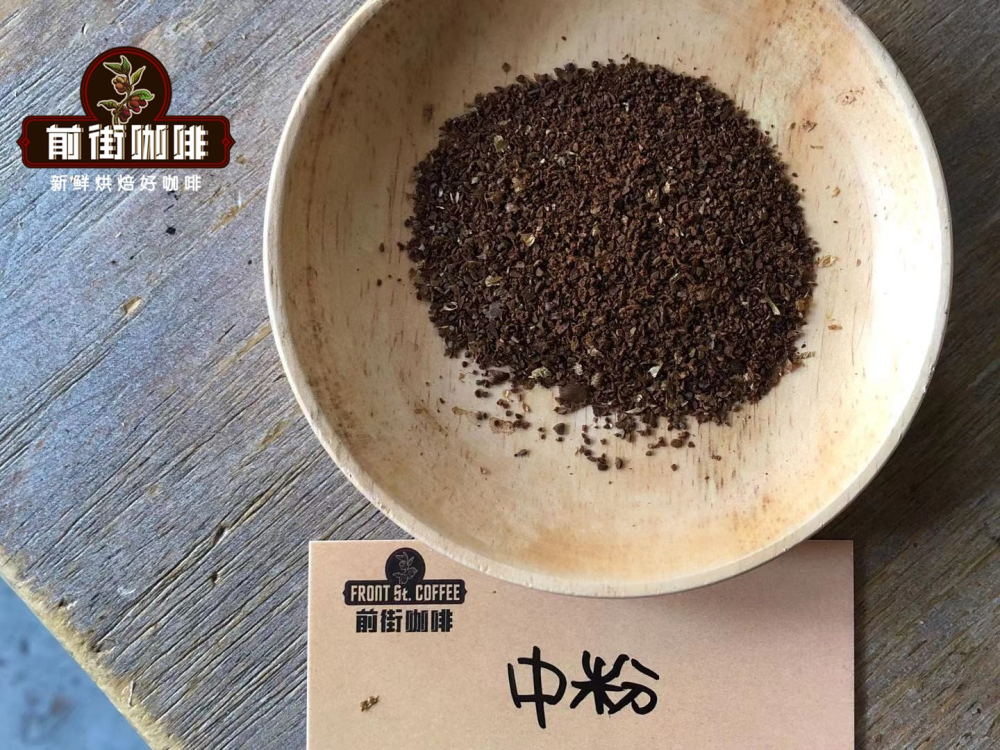
Additionally, since everyone's grinder is different, the parameters vary. Here FrontStreet Coffee recommends purchasing a #20 cupping calibration sieve with a 0.85mm aperture. Take 10g of coffee beans, grind them to an approximate grind size, then pour into the sieve for screening. Weigh the screened coffee powder, making sure to sieve until no more coffee powder can pass through.
A screening pass rate of 70%-75% (7-7.5g from 10g of powder) is the most suitable grind size. The pour-over grind size is 80% for light roasts and 75% for medium-dark roasts. If the pass rate exceeds the suitable range, adjust to a coarser grind size. If it falls short, adjust to a finer grind size.
3. Coffee-to-Water Ratio
These are FrontStreet Coffee's hand-drip coffee ratio parameters, based on SCAA Golden Cup extraction theory, with differences in flavor profile:
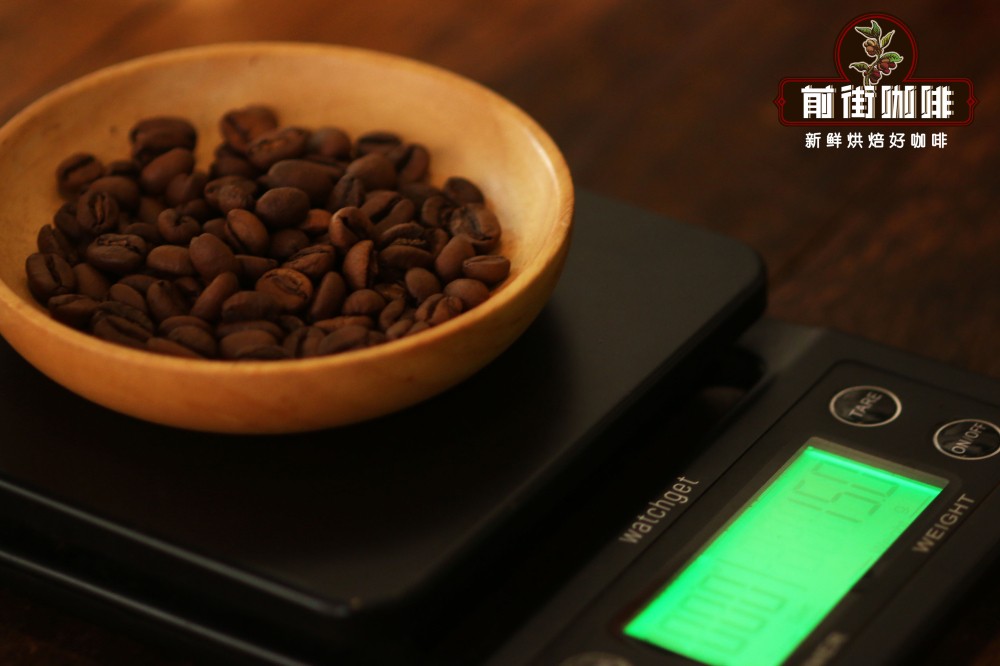
Rich Flavor: 1:10-1:11 (equivalent to Golden Cup standard 1:12.5-1:13.5)
Medium Flavor: 1:12-1:13 (equivalent to Golden Cup standard 1:14.5-1:15.5)
Light Flavor: 1:14-1:16 (equivalent to Golden Cup standard 1:16.5-1:18.5)
A coffee bean-to-water ratio of 1:14.5-1:15.5 most easily achieves the golden zone of 18%-22% extraction rate and 1.15%-1.35% concentration.
FrontStreet Coffee therefore suggests using the foolproof 1:15 coffee-to-water ratio when brewing this Mandheling coffee.
4. Brewing Technique
Finally, pour-over technique is also very important. Common techniques include three-stage brewing, single-pour, drip-by-drip and others. Here FrontStreet Coffee recommends beginners use the three-stage pour-over method, because this technique suits light roast, light-to-medium and medium-dark roast coffee beans. The segmented extraction of three-stage pouring can clearly distinguish the front, middle and back-end flavors of the coffee, better ensuring the presentation of coffee flavors. Next, FrontStreet Coffee will teach everyone how to perform three-stage pour-over brewing.
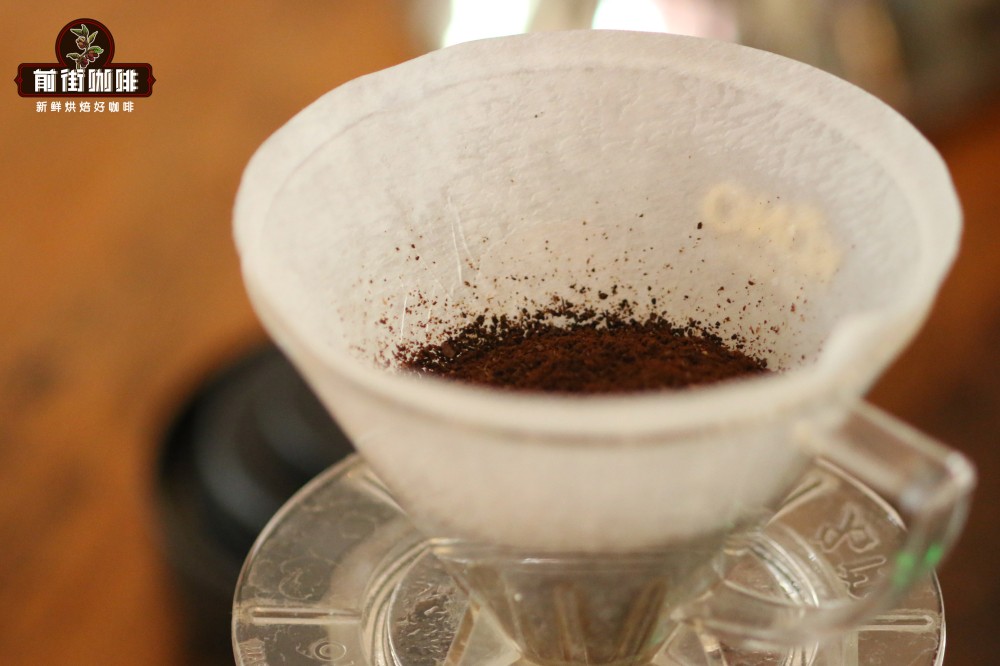
Three-Stage Brewing Method (FrontStreet Coffee's Mandheling Three-Stage Brewing)
FrontStreet Coffee believes that the quality of Mandheling coffee lies in the balance of sweet, sour and bitter notes, with high richness. In roasting, FrontStreet Coffee chose medium-dark roasting to highlight the coffee beans' nutty, pine and herbal flavors. Using a KONO dripper can provide better richness. Water temperature 88°C, coffee-to-water ratio 1:15, 15g coffee dose, grind size with a China #20 standard sieve pass rate of 75%.
First Pour: Bloom (helps release gas)
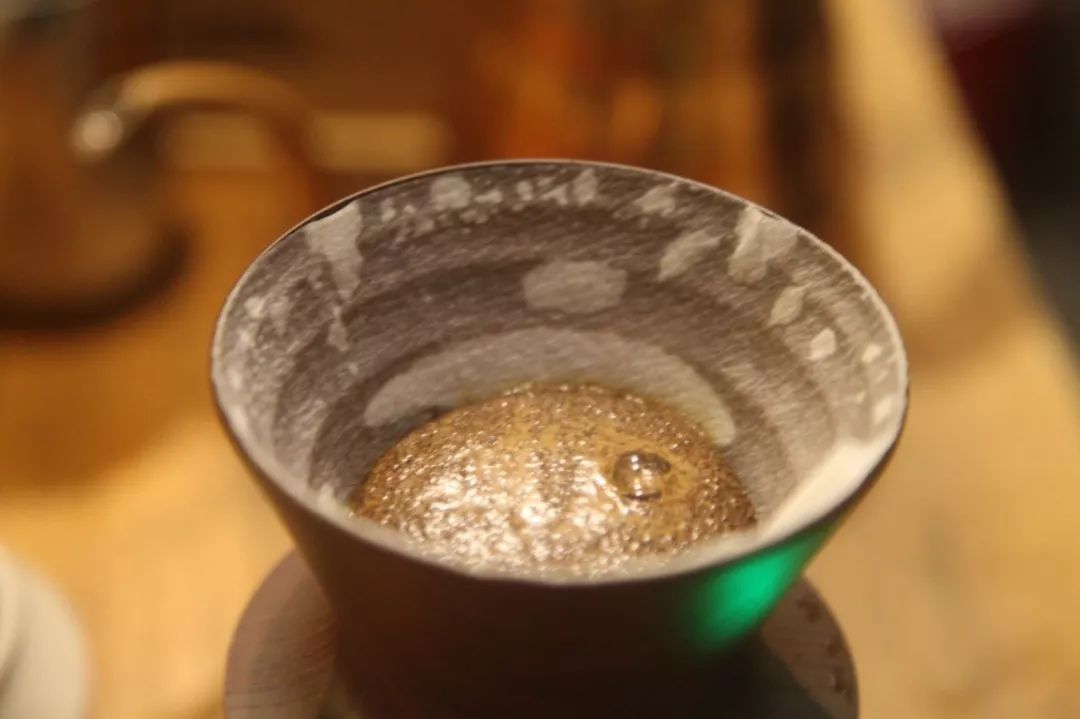
First wet the KONO dripper to make the filter paper fit better with the dripper. Pour out the water from the sharing pot and add 15g of coffee grounds. Use 30g of water to bloom for 30 seconds. Many coffee enthusiasts don't know why hand-drip coffee needs blooming. Blooming is necessary because coffee beans undergo a series of chemical and physical changes during the roasting process from green to roasted beans. After reaching a certain roasting level, coffee beans accumulate large amounts of gas, mostly carbon dioxide.

Generally, the fresher the coffee and the closer to roasting, the more bubbles typically appear during blooming. Dark roast beans also release more gas during blooming than light roast beans. FrontStreet Coffee's coffee beans are freshly roasted, so we generally recommend customers let the beans rest for three days first, allowing them to release carbon dioxide. This can avoid unstable extraction and under-extraction issues during brewing.
After blooming releases the gas, coffee particles can absorb water evenly, allowing for uniform extraction later. Good blooming allows coffee grounds to release gas quickly, thoroughly and uniformly, while also enabling full, rapid contact between coffee grounds and water, helping them to be extracted evenly. These are the purpose and significance of hand-drip coffee blooming.
Second Pour
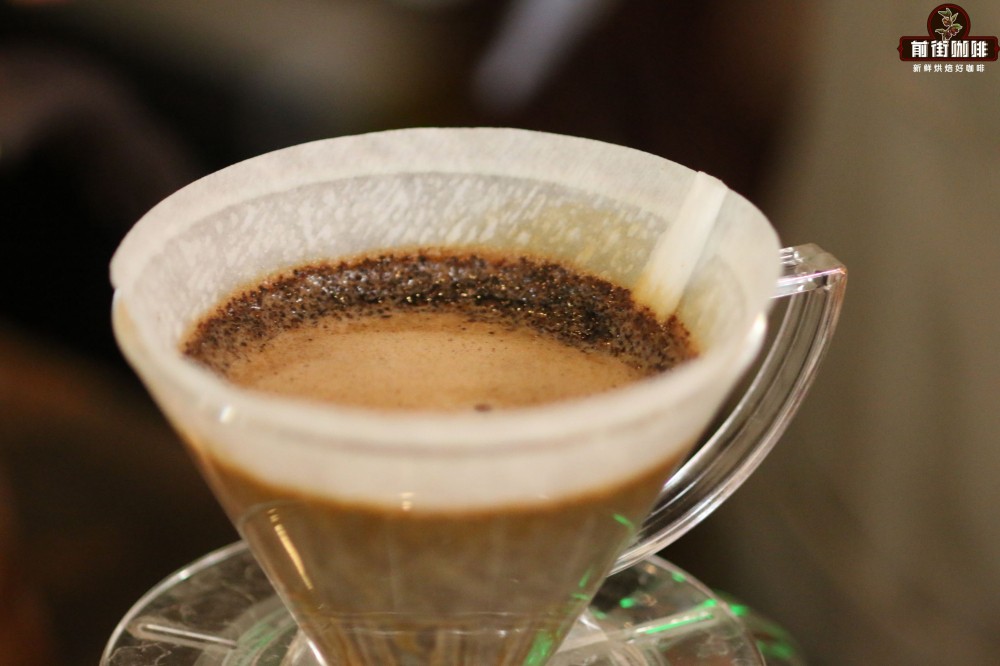
After 30 seconds of blooming, perform the second pour. Start with center-circling small water flow until reaching 125g, then stop. To concentrate the water column's penetrating power, keep the circular movement range small, about the size of a small coin, then circle outward. From the second pour onward, pay attention to water volume, trying not to exceed the height of the coffee bed. That is, when the water column approaches the filter paper, you can stop pouring.
Third Pour
Wait until the coffee bed drops to half the dripper's height, then start the third pour with the same technique until reaching 225g. Wait until all dripping is complete, then remove the dripper.
From the third pour onward, observe the rate at which the water level drops. Start pouring from the center, circling, with water not exceeding the coffee bed height. You will observe that foam covers the entire surface. The third pour should increase the tumbling of coffee particles, causing all settled particles to tumble and thereby dissolving soluble substances.
The tumbling particles will begin to settle when water addition stops. At this point, rely on the flow rate created by the dropping water level to generate friction between coffee particles. Once water addition stops, coffee grounds sink and cause blockage, so pay special attention to the rhythm of adding water. If there are too many interruptions in the water flow, it is equivalent to letting coffee grounds continuously soak in water, which will lead to astringent and undesirable flavors in the tail-end of the extraction.
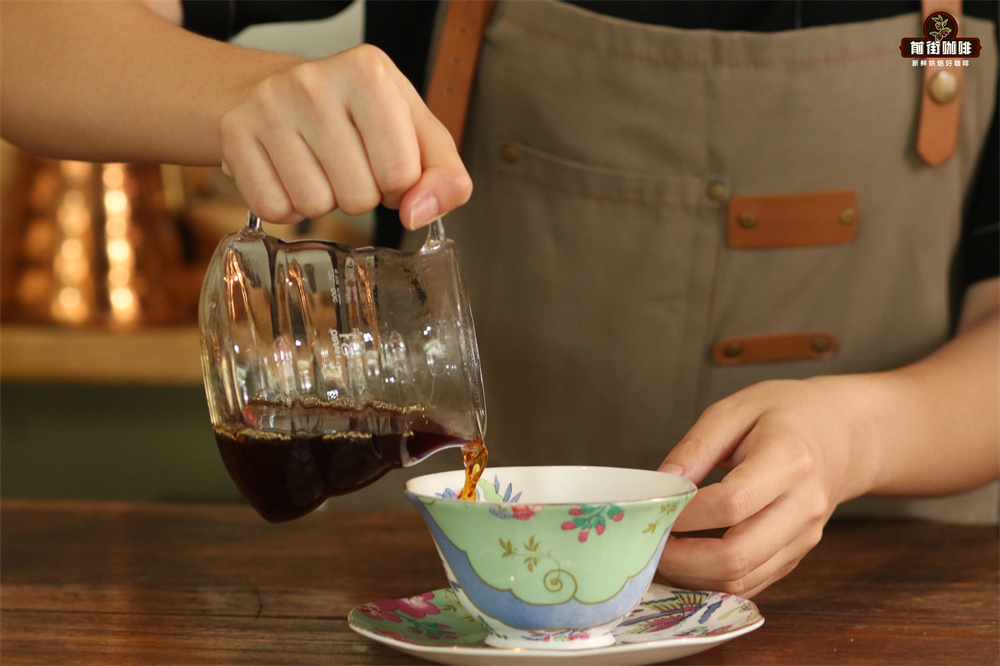
Start timing from the first pour, with an extraction time of 2'00". Next, take the entire cup and swirl it evenly, then pour into cups for tasting.
Coffee Flavor Profiles
PWN Golden Mandheling Coffee Flavor: The coffee has diverse layers overall, is rich and clean, with intense nutty and caramel aromas, chocolate notes, a long-lasting aftertaste and high balance.
Lintong Mandheling Coffee Flavor: The entry has an intense herbal aroma, dark chocolate and caramel, with a sweet aftertaste.
Understanding the varieties and the wet-hulling method behind Mandheling makes choosing the right lot much easier, and FrontStreet Coffee carries both of the classic expressions.
FrontStreet Coffee Recommendation
If you want the highest grade of the style described above, FrontStreet Coffee's Golden Mandheling is the one to choose. It comes from PWN in the Gayo mountains of Aceh, North Sumatra, with beans graded at size 19, full and uniform, meeting the top G1 standard, and fewer than 3 defects in a 300g sample after one machine selection and three hand-picking passes. Medium-dark roasted, it delivers a clean, full-bodied cup with rich nut and caramel aromas, chocolate notes and a long, balanced finish, and it is ideal for anyone who dislikes sour coffee.
For the more traditional Lintong expression, FrontStreet Coffee's Lintong Mandheling comes from the Lintong area near Lake Toba and is wet-hulled, giving it an intense herbal, dark chocolate and caramel character with a sweet aftertaste. FrontStreet suggests brewing the Golden Mandheling at 87-88°C with 15g of coffee at a 1:15 ratio and a coarse-sugar grind, using a three-stage pour to bring out its body and caramel sweetness.
Important Notice :
FrontStreet Coffee is a long-established specialty coffee roaster in Guangzhou China, selling freshly roasted beans from its own farm in Yunnan as well as dozens of carefully selected single-origin beans from around the world for both pour-over and espresso. The products deliver consistently excellent quality and great value, with shipping within 24 hours. Guangzhou's FrontStreet Coffee shop is recommended by many coffee lovers, and the beans are now available online at the Tmall 。
FrontStreet Coffee has moved to a new address:
FrontStreet Coffee Address: 315,Donghua East Road,GuangZhou
Tel:020 38364473
 Scan and follow the En Gafei WeChat official account. Please indicate that the reprint comes from "En Gafei".