Pour-Over Coffee Brewing Experiment|V60 vs YASUKIYO Wooden Dripper Brewing Comparison
Introduction
Every dripper, through its shape, filter holes, and groove configuration, produces different effects on extraction flavor. Each dripper has its own design advantages, mainly around controlling water flow speed, with trade-offs between ribs and ventilation. Using different drippers lets the same coffee beans present different taste experiences. Today we will brew the same beans with V60 and YASUKIYO wooden drippers and see what differences emerge.
01 | Dripper Introduction
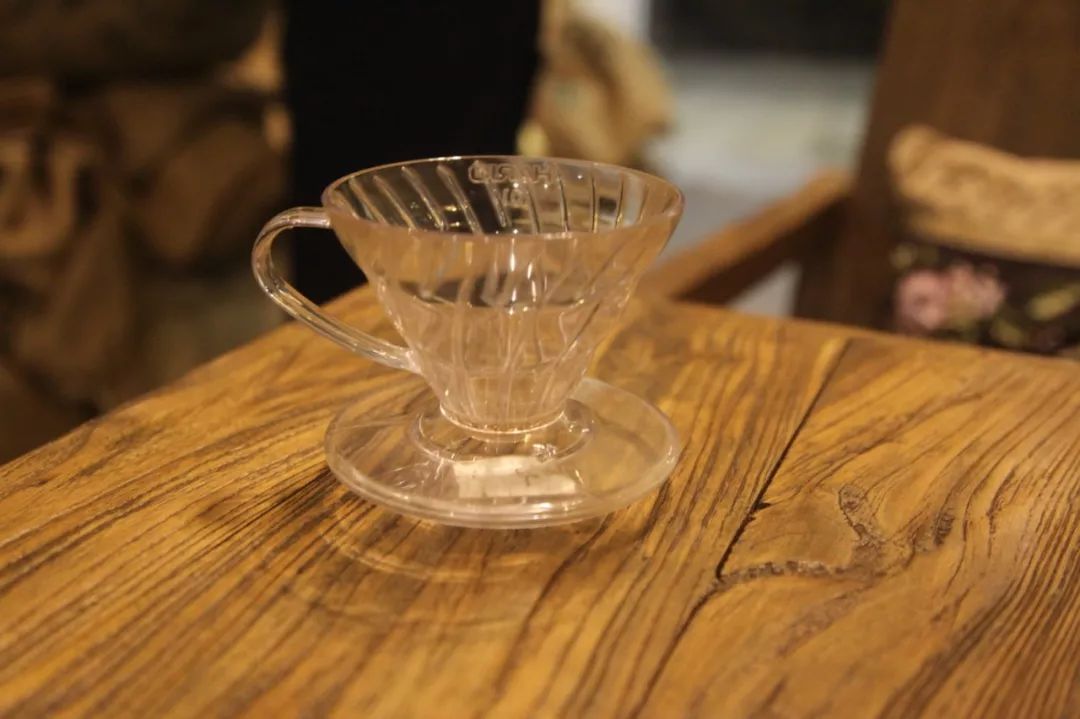
The V60 design focuses on the speed of the water-level drop to achieve better extraction from the coffee particles. Its look is identical to conical drippers, but its internal ribs use an arc-shaped vortex structure that helps accelerate water flow; the ribs run from bottom to top, indicating smooth ventilation. The curved ribs lengthen the water's path to extend the contact time between coffee particles and water. Overall, the V60 emphasizes flushing—controlling water flow speed and direction to give the coffee enough time to absorb hot water, so soluble substances blend with the water.
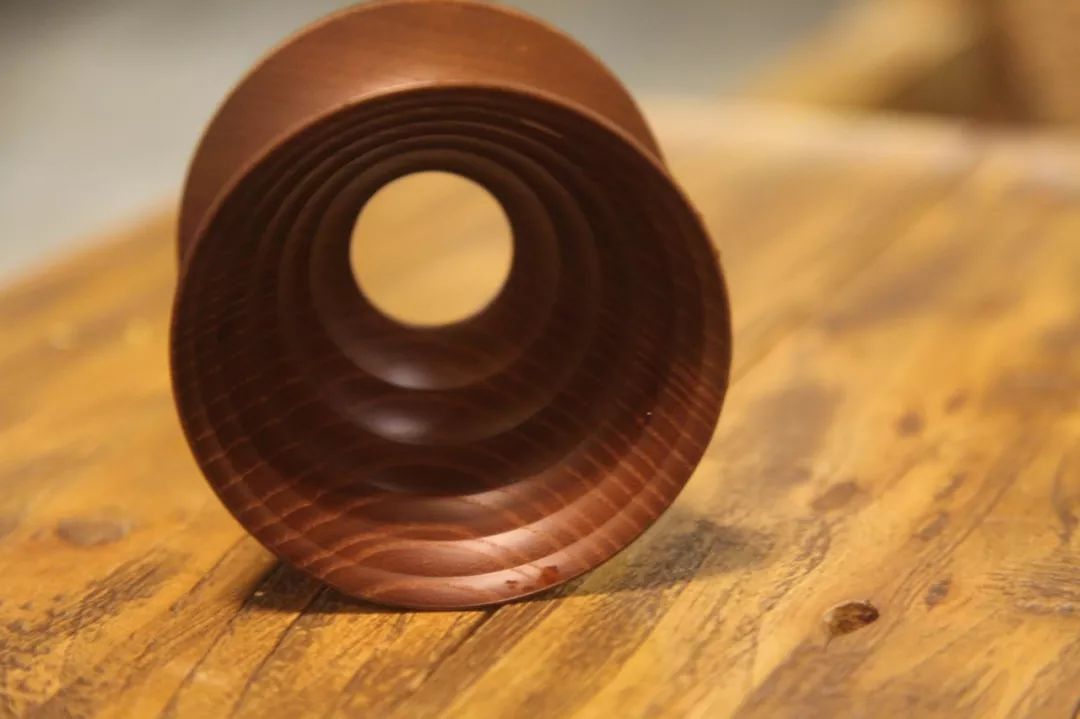
The YASUKIYO wooden dripper is carved from a single piece of wood and then hand-polished. The thicker local wood design lets you handle it directly without getting burned. The wood is cut horizontally along the grain for greater durability. The YASUKIYO dripper's outlet hole is larger than the V60's. Although it is a conical dripper, its internal ribs are not the common threaded or vertical ribs but parallel ring-shaped ribs.
To compare the effects of the two drippers on the flavor and texture of the same beans, we used identical brewing techniques, the same bloom time and water amount, and the same total water to complete brewing—aiming for maximum consistency and rigor.
02 | Brewing Experiment
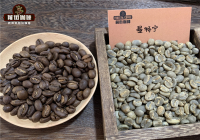
Using FrontStreet Coffee's Yemen Mocha as an example.
V60 Brewing Data
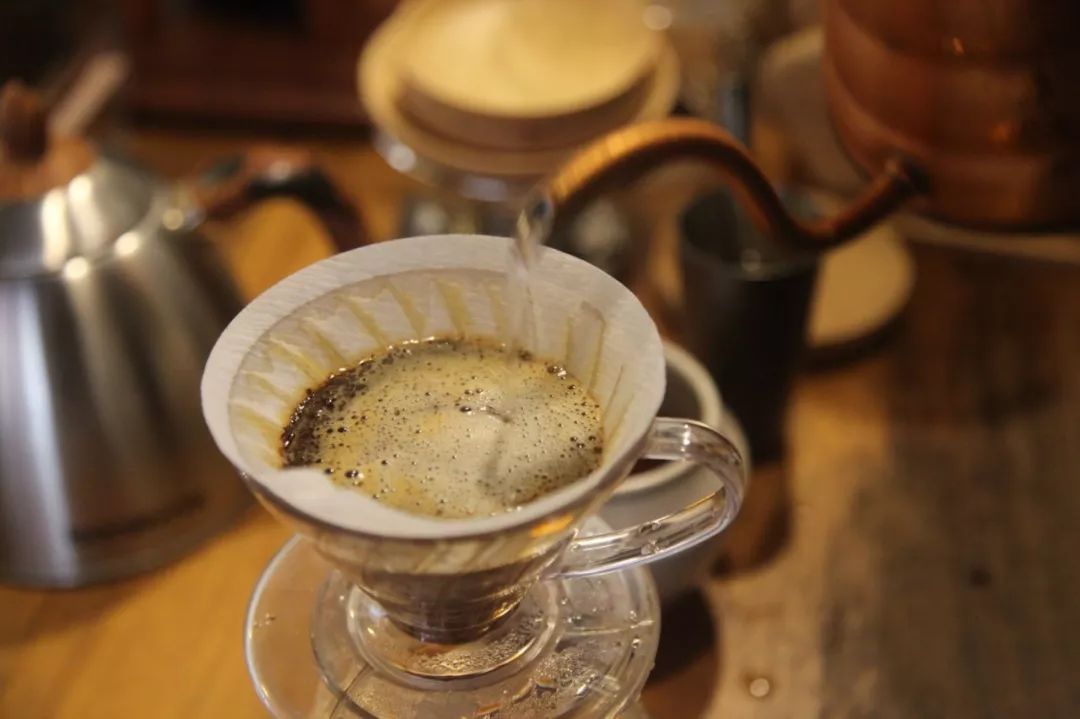
Water temperature: 91°C
Coffee amount: 15g
Grind size: BG 4M (medium-fine grind)
Water-to-coffee ratio: 1:15
Brewing technique: Bloom with 27g water for 30 seconds. First pour to 120g with a vertical water flow, a small stream circling the center in coin-sized circles; second pour to 225g, slightly increasing the circling speed with more small-stream circling of the outer area
Time: 1'47"
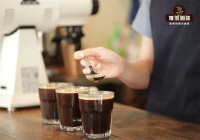
Flavor: Dark chocolate, raspberry, cream, with a persistent sweet aftertaste.
Rich texture with relatively abundant flavors.
YASUKIYO Wooden Dripper Brewing Data
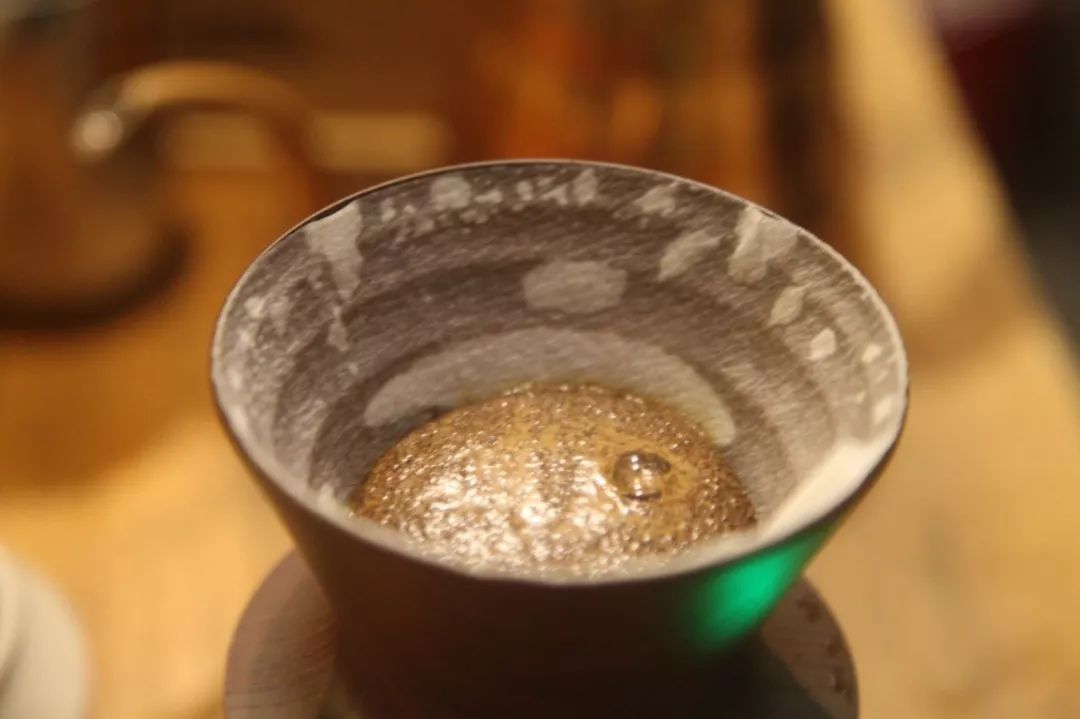
Water temperature: 91°C
Coffee amount: 15g
Grind size: BG 4M (medium-fine grind)
Water-to-coffee ratio: 1:15
Brewing technique: Bloom with 30g water for 30 seconds. First pour to 120g with a vertical water flow, a small stream circling the center in coin-sized circles; second pour to 225g, slightly increasing the circling speed with more small-stream circling of the outer area
Time: 1'53"
Flavor: Dark chocolate, herbs.
Lighter texture with relatively weak flavors.
03 | Experimental Conclusion
The V60 dripper design focuses purely on flushing, using spiral ribs to create a twisting action that increases extraction of soluble substances. The arc-shaped design lengthens the time water stays among the particles. The V60 not only enhances water flow concentration but also keeps the coffee powder more concentrated, allowing relatively even water absorption during the bloom. Its flow rate is relatively fast, however, making it prone to under-extraction.
The YASUKIYO wooden dripper combines features of both Kono and V60 drippers, with a large outlet hole and horizontal ribs. The horizontal-rib groove design is not just aesthetic—it also keeps upper water from escaping along the edges, slowing drainage and extending contact time between water and grounds for more even extraction, borrowing the Kono dripper's design principle. The large filter hole speeds up drainage, offsetting the poor drainage caused by the lack of ventilation ribs. The fit between filter paper and dripper is relatively poor, though, with more air bubbles.
[More Brewing Experiments]
How does water quality affect coffee extraction? Which is better for brewing—mineral water or distilled water?
[V60 vs. Cake Cup Brewing Comparison] The impact of different drippers on coffee flavor
Daily Testing | How significant is the effect of bloom water amount on coffee extraction?
Brewing Experiment | Chilled Coffee vs. Cold Brew Coffee—which is more suitable for summer?
Brewing Experiment | V60 dripper vs. hollow dripper
Brewing Experiment | V60 dripper vs. diamond dripper
FrontStreet Coffee Recommendation
If you are new to pour-over and ask an experienced coffee person to recommend a practical, easy-to-learn, and good-looking dripper, chances are they will suggest the V60. Behind it is Hario, a company founded in Tokyo in 1921 and a well-known local glassmaker that began by designing and producing heat-resistant glassware for research institutions; its heat-resistant sharing jugs are still a popular pour-over companion. In 2004 Hario redesigned the V60's prototype into the shape we know today and named it after its distinctive 60° cone and "V" profile, releasing it a year later. Compared with other drippers, the cone and 60° angle force the water toward the center before it drips into the server, extending the water's contact with the coffee and drawing out aroma and flavor more fully. The V60's single large hole lets water flow without obstruction, so the flow rate depends heavily on the pourer's control—and that control shows up directly in the cup.
The V60's fast extraction suits the third wave's preference for lighter roasts and a sense of place perfectly, giving coffee a more three-dimensional aroma and lively acidity so florals, fruit acidity, clean sweetness, and tea notes all come through. That is why floral, fruit-forward coffees such as FrontStreet Gedebdingding with its classic Yirgacheffe character, the tropical FrontStreet Huakui, the Geisha-flavored FrontStreet Strawberry Candy, and the raisin-toned FrontStreet Mozart all brew beautifully in a V60. Today's V60 comes in many materials—resin, ceramic, glass, copper, stainless steel—and each affects looks, weight, and heat conduction, though the structure stays the same; FrontStreet Coffee favors the resin Hario V60 because resin blocks heat loss effectively and, in standardized mass production, is the easiest material to mold with the smallest tolerances.
For beans to run through your dripper, FrontStreet Coffee's light-roast lineup covers a wide range: Gedebdingding delivers citrus, berry, floral, and green-tea notes; Huakui bursts with strawberry, passion fruit, jackfruit, and lychee over a juicy, low-bitterness cup; the Panama Esmeralda Red Label Geisha brings jasmine, citrus, bergamot, and black tea; and the Kenya Cherry Tomato, from the Sika region at 1,550–1,750 meters, uses SL28 and SL34 with a 72-hour double washed fermentation and a light roast to give bright tomato and dark-plum acidity, snow pear and black plum mid-palate, and a clean finish with brown-sugar sweetness and a hint of green tea. If you prefer a richer cup, FrontStreet PWN Golden Mandheling is deep-roasted and low in acidity with herbal and dark-chocolate notes, Brazil Queen Estate is low-acid and balanced with nut, cocoa, and caramel, and Jamaica Blue Mountain No. 1 balances sweet, sour, and bitter with cream, caramel, chocolate, nuts, and honey.
Important Notice :
FrontStreet Coffee is a long-established specialty coffee roaster in Guangzhou China, selling freshly roasted beans from its own farm in Yunnan as well as dozens of carefully selected single-origin beans from around the world for both pour-over and espresso. The products deliver consistently excellent quality and great value, with shipping within 24 hours. Guangzhou's FrontStreet Coffee shop is recommended by many coffee lovers, and the beans are now available online at the Tmall 。
FrontStreet Coffee has moved to a new address:
FrontStreet Coffee Address: 315,Donghua East Road,GuangZhou
Tel:020 38364473
 Scan and follow the En Gafei WeChat official account. Please indicate that the reprint comes from "En Gafei".