Verona Coffee Themed Classroom: Coffee Bean Stories and How to Choose Italian Coffee Flavors
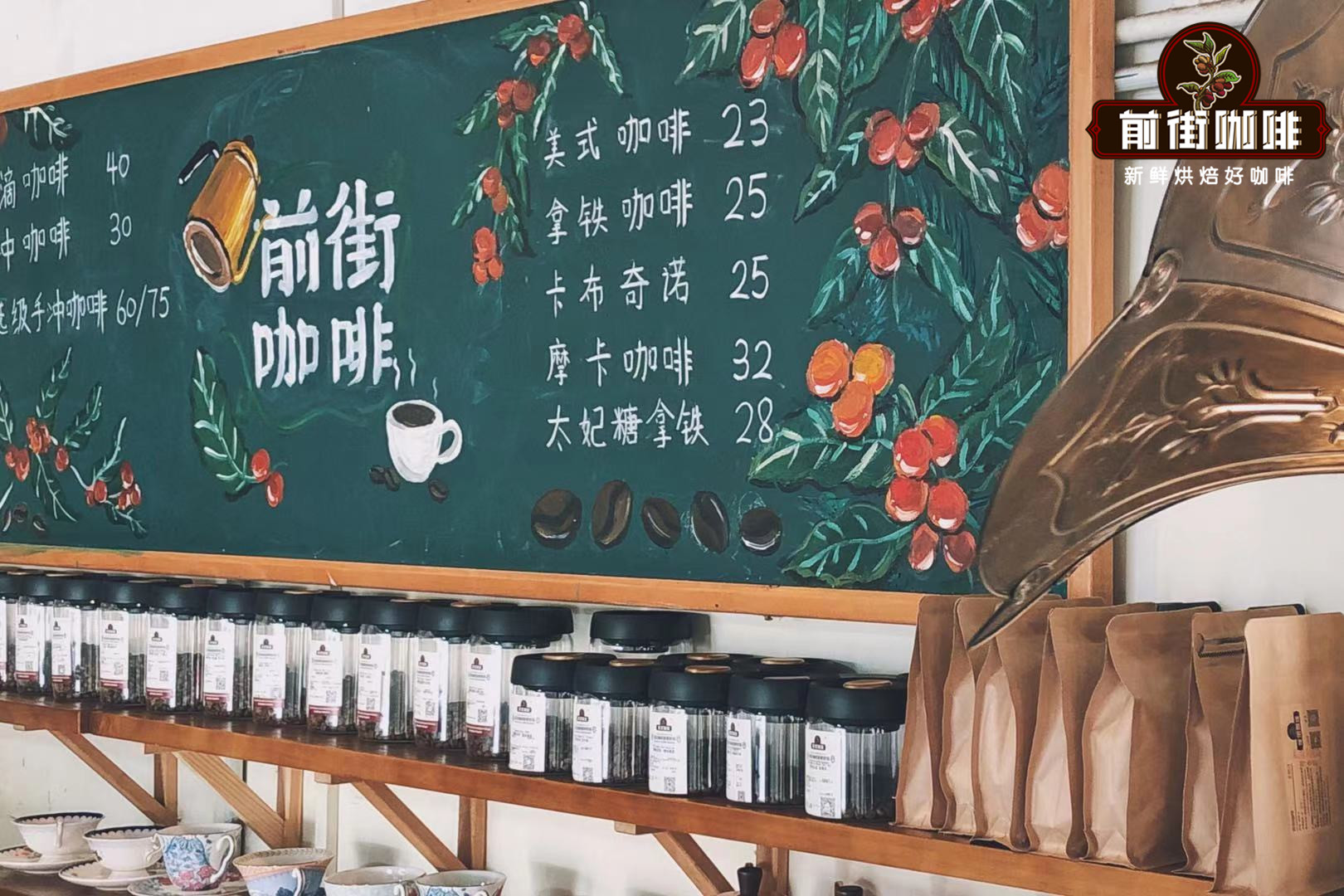
FrontStreet Coffee's menu splits into two broad families: espresso drinks and single-origin pour-over. The foundation of every espresso drink is the espresso itself—hot water at roughly 94°C pushed through finely ground coffee under 9 bar of pressure. A well-pulled espresso announces itself with crema, the reddish-brown foam floating on the surface, built from vegetable oils, proteins, and sugars. Newcomers often ask FrontStreet Coffee how espresso differs from drip coffee, and the answer is felt most clearly in the mouthfeel: espresso is far thicker, because it holds more dissolved solids per unit of volume.

Starbucks Caffè Verona is a bean designed specifically for espresso—an espresso blend of coffees from Latin America and Indonesia. The name comes from a small town in northern Italy, the setting of Shakespeare's Romeo and Juliet, lending the blend its romantic theme. And that raises the question every new espresso drinker eventually asks: what exactly is an espresso blend? FrontStreet Coffee explains below using the blends sold in its own shop.

Choosing Espresso Beans: Blend or Single Origin?
The beans you choose shape everything about the finished drink. In today's third wave of specialty coffee, more and more cafes offer SOE (Single Origin Espresso) alongside their blends. So which should you choose—and what are the trade-offs?

Single Origin
SOE stands for Single Origin Espresso, and the concept exists in deliberate contrast to blended espresso.
One clarification FrontStreet Coffee always makes: SOE does not automatically mean specialty. But if a single-origin bean with clear, intense flavors is chosen, it can produce an espresso that is genuinely distinctive—a pure expression of one place.
That same "single origin" trait can be a liability. Pick a bean with thin flavors or off-notes, and the espresso will amplify every flaw; defects become much easier to taste. SOE therefore demands more from the barista's palate and from bean selection.

FrontStreet Coffee also reminds readers that SOE is not the same as the single-origin coffee we drink as pour-over. Roasting SOE is harder, too. On one hand, the roast cannot go too dark without erasing the bean's character; on the other, espresso needs body and stability, so a very light roast is also unwise. Finding that balance is the central challenge of roasting a good SOE.
Because single-origin espresso expresses regional character more vividly than any blend, FrontStreet Coffee advises rethinking your extraction from scratch—dialing in a method built for that particular bean, and reconsidering the coffee-to-water or coffee-to-milk ratios so the SOE's flavor actually comes through.

Blend
Blended coffee combines several single-origin beans so each contributes its strengths. Blends are built from different origins to create a more balanced flavor profile. FrontStreet Coffee currently offers four blends with distinct flavor directions.
Coffee is an agricultural product: the same bean tastes different from harvest to harvest. Blending several beans together solves this neatly. If one component underperforms in a new crop or becomes scarce, it can be swapped for a bean of similar flavor without unbalancing the recipe.
FrontStreet Coffee chooses blends precisely because that stability delivers consistency cup after cup.

What Does FrontStreet Coffee Choose?
For its espresso, FrontStreet Coffee pours a blend: the Sunflower Warm Sunshine, made from sherry-barrel-processed coffee blended with natural Yirgacheffe Red Cherry. The ratio is 7:3—60% Honduras sherry-barrel beans supplying flavor and body, and 40% natural Yirgacheffe lifting the aromatics and acidity.
Iced Latte
Using the Sunflower Warm Sunshine to make an iced latte, first define the drink. The "latte" in latte coffee is a phonetic borrowing of the Italian word for milk—so latte, literally, is milk coffee. Every cafe tweaks its milk-to-coffee ratio, bean choice, and extraction parameters slightly, but broadly speaking, a latte is espresso mixed with a large amount of milk.

FrontStreet Coffee's espresso parameters for iced latte: 18g dose, 36g yield, 28-second extraction.
Pull the espresso, then fill the cup with ice and cold milk, and pour the espresso over to finish.
An espresso pulled from the Warm Sunshine blend carries prominent liqueur-chocolate flavor. With milk and ice it becomes an iced latte of remarkably smooth texture—lasting chocolate, pleasant liquor notes, a persistent aftertaste, and clear sweetness. Perfect for cooling down in summer.

FrontStreet Coffee Recommendation
Which blend fits which counter? FrontStreet Coffee's Classic Blend is the go-to: built on the traditional Mocha-Java style pairing of Mandheling and Brazil, it merges Mandheling's wild intensity with Brazil's smooth body, while nutty sweetness softens the herbal edge. A touch of Robusta boosts the golden crema, and a deep roast pushes black chocolate, nut, and caramel aromas to the front—so even a beginner can pull a convincing espresso or moka pot brew with it. FrontStreet Coffee's Black Cocoa Blend, 100% Arabica, offers full crema and a mellow cup at a friendlier price, making it a smart pick for new shops watching costs.
For milk-forward drinks, Brazil-led blends are the finest companions: the FrontStreet Premium Blend pairs Brazil Cerrado with Colombia Huilan and delivers layers of almond, walnut, and other nut flavors with a silky finish, while the Classic and Commercial blends, with their small Robusta share, pour thicker crema and fuller caramel weight for lattes and cappuccinos.
FrontStreet Coffee is a roastery based in Guangzhou. The shop is small but the bean selection is broad, covering both famous names and rare finds, and online ordering is available as well.
Important Notice :
FrontStreet Coffee is a long-established specialty coffee roaster in Guangzhou China, selling freshly roasted beans from its own farm in Yunnan as well as dozens of carefully selected single-origin beans from around the world for both pour-over and espresso. The products deliver consistently excellent quality and great value, with shipping within 24 hours. Guangzhou's FrontStreet Coffee shop is recommended by many coffee lovers, and the beans are now available online at the Tmall 。
FrontStreet Coffee has moved to a new address:
FrontStreet Coffee Address: 315,Donghua East Road,GuangZhou
Tel:020 38364473
 Scan and follow the En Gafei WeChat official account. Please indicate that the reprint comes from "En Gafei".