Introduction to Asian and Pacific Coffee Bean Characteristics Decaf Xianglong Blend Coffee Decaf Coffee Bean Story

Introduction to Asian and Pacific Region Coffee Beans
There are three main coffee growing regions worldwide, mostly located between the Tropic of Cancer and the Tropic of Capricorn. Because of differences in soil, climate, and cultivation methods, the beans each region produces have distinct flavor profiles, making every coffee unique.
FrontStreet Coffee's founding intention was not merely to sell beans, but to taste coffees from around the world. In that process, FrontStreet Coffee seeks to understand every producing region, the different varieties within each region, the different processing methods applied to the same variety — building databases along the way — and to compare one growing region against another. FrontStreet Coffee hopes to help more coffee lovers understand the world of coffee.

Asian and Pacific coffees offer rich, intense flavors, full of depth and earthy character. The Indonesian archipelago, East Timor, South Asia, Papua New Guinea, and neighboring areas all have different climates and terrain. Except for East Timor and Papua New Guinea, which wash their coffee, most others use semi-washed (wet-hulled) methods. Coffee from Indonesia's Sumatra and Sulawesi islands has rich aromas and balanced flavors, making it a favorite of many customers, while Papua New Guinea's coffee carries herbal fragrances with an elegant, generous taste.
Asia is vast, and its growing regions hold many different varieties — plus a good number of lesser-known but promising origins. Papua New Guinea's coffee has bayberry-like juicy acidity, noticeable sweetness, and unique spice notes, while the Philippines, Thailand, Fiji, Bali, and beyond are all producing regions with distinctive flavors of their own.
When tasting coffee, FrontStreet Coffee always asks itself: which beans from a given origin best express both the local climate and first-class cultivation? FrontStreet Coffee seeks beans with local character — what French winemakers call terroir.

Coffee Characteristics from the Three Major Growing Regions
The beans of the world's three major growing regions each have their own signature:
Latin American coffees typically taste refreshing and familiar — approachable notes of nuts or cocoa.
African/Arabian coffees possess unique, enticing flavors, with florals and notes of berries and citrus.
Asian/Pacific coffees have thick textures and rich flavors, with heavy body and earthy, herbal notes.
Starbucks Decaf Dragon Blend Coffee Beans
This decaf blend is built from rare Indonesian beans, creating a rebellious flavor profile: rich syrupy body, fresh vanilla aromatics, lingering spice notes — all underscored by long-lasting earthy fragrances.
Decaf Coffee Beans
Roast Level: Dark Roast
Region: Asia, Pacific
Processing Method: Washed, Semi-washed

Representative Countries of the Asia-Pacific Region
INDONESIA
Indonesia initially produced only Arabica, but after the leaf rust epidemic of 1876, Robusta varieties came to dominate the country's production. Indonesian coffee's strength is its rich, restrained flavors with lively acidity; its weakness is the occasional uncomfortable astringency or faint moldy note.
Characteristics: Rich body, strong aroma, low acidity, with slight herbal-medicine notes.
INDIA
India's diverse climates suit different kinds of coffee: high-altitude areas favor Arabica, while warm, humid regions best suit Robusta. Indian coffee mostly offers rich flavor, low acidity, and fewer changing layers.
Characteristics: Generally mild flavor, full-bodied beans, low acidity.
VIETNAM
The world's second-largest coffee exporter, behind only Brazil. The country is long and narrow, with marked climate differences north and south: the temperate northern mountains allow Arabica cultivation, though output is limited, while the tropical monsoon south grows primarily Robusta — the mainstay of Vietnamese exports.
Characteristics: Rich and thick, slightly bitter with a sweet aftertaste.
TAIWAN, China
Western "mountain-type" coffee: floral and tea aromas, moderate acidity — from areas such as Dongshi, Nantou, Yunlin, Chiayi, and Tainan.
Southern "plateau-type" coffee: floral and chocolate flavors, neither sour nor astringent, mainly from the Dawu Mountain system in Pingtung.
Eastern "coastal-type" coffee: floral and spice flavors with noticeable acidity.
Characteristics: Rich layers of concentration and purity, aromatic at first taste, with a quick, sweet finish.
YUNNAN, China
Yunnan is China's largest coffee-producing region, with growing areas concentrated in the province's south and southwest — Simao, Xishuangbanna, Wenshan, Baoshan, Dehong, and beyond. Yunnan coffee retains the character of Asian beans: though washed, it carries a touch of the wildness of unwashed lots. Overall it's a satisfying, pleasant cup.
Characteristics: Obvious chocolate flavor, rich and full-bodied, smooth, with gentle moderate acidity and high sweetness.
HAWAII
Typical island-coffee style, marked by rich milky fragrance and abundant floral character. The taste is delicate and bright, and the high standards of green-bean processing show in beautiful bean shapes and low defect rates.
Characteristics: Milk chocolate, citrus aromas and acidity.
Because regional soil and climate shape coffee flavor — and roast degree adds yet another variable — beans from the same region can taste entirely different depending on roast level: flavor, aroma, sweetness, texture, and richness all shift accordingly. Coffee is profound, wide-ranging, and wonderful, and everyone has their own favorites. How to choose the coffee that suits you? FrontStreet Coffee thinks origin is one consideration worth adding!
For more specialty coffee beans, follow our coffee community.
FrontStreet Coffee Recommendation
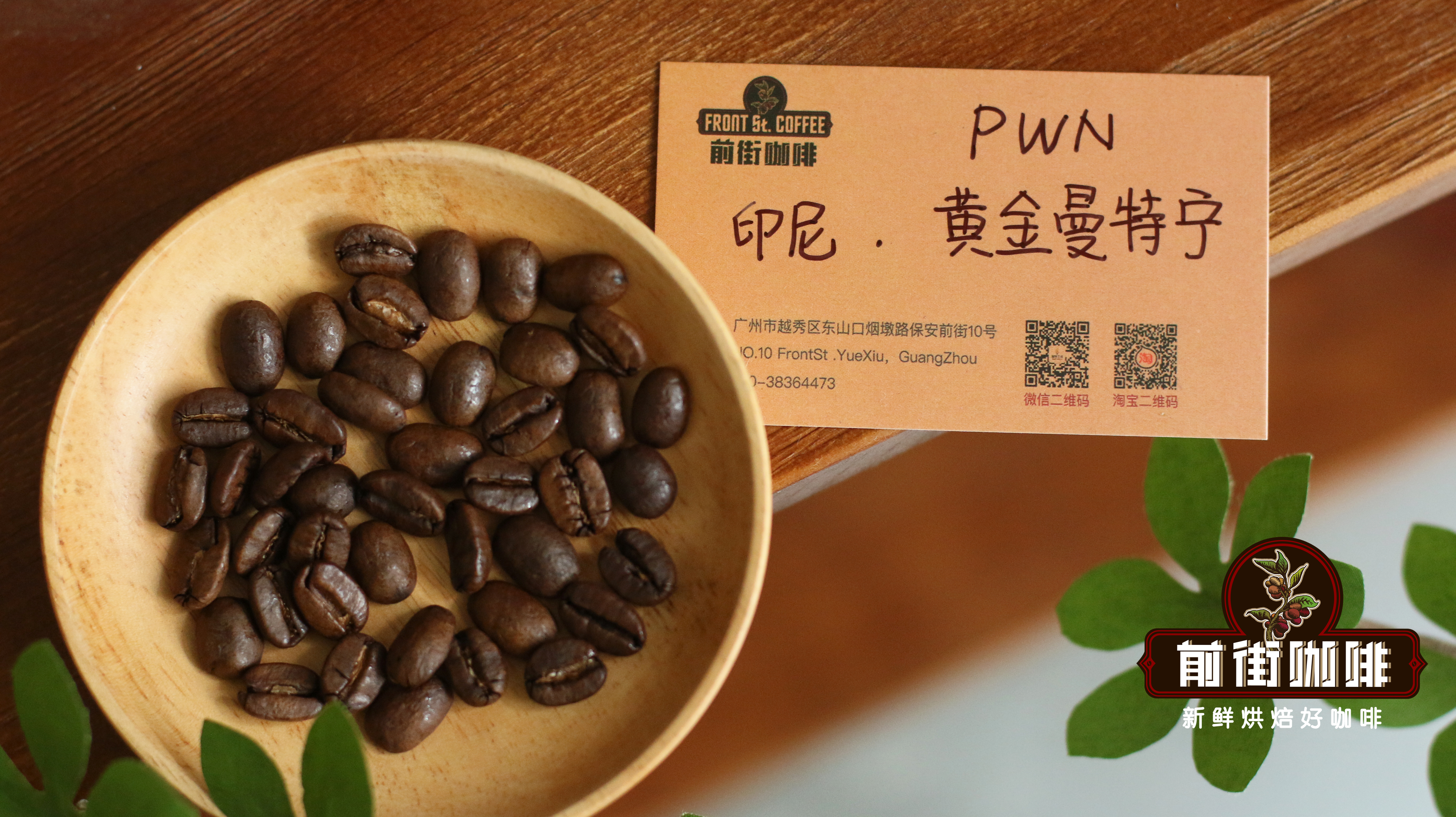
If the deep, earthy character of Asia-Pacific coffee is what draws you, FrontStreet Coffee's Indonesian selection is the place to start — beginning, as always, with Mandheling from Sumatra. The FrontStreet wet-hulled Mandheling, from the Lake Toba area of the Lintong region, follows the classic Giling Basah (wet-hulled) process — hulled while the beans are still half-dry — giving it that signature herbal and spice character; roasted medium-dark, it's low in acid and full-bodied with caramel, dark chocolate, and toasted-bread aromas. The FrontStreet PWN Golden Mandheling takes it further: strictly graded by density, size, shape, and color, then hand-sorted for defects, yielding large, luminous beans with minimal earthiness and a clean, mellow cup of sandalwood, herb, spice, roasted hazelnut, and dark chocolate. And for espresso or moka pot lovers, the FrontStreet Classic Blend — Mandheling's wildness tempered by Brazil's smooth nuttiness, deep-roasted with a touch of Robusta — delivers thick golden crema and maximum black-chocolate, nut, and caramel aromas, capturing the very best of the Asia-Pacific style.
Important Notice :
FrontStreet Coffee is a long-established specialty coffee roaster in Guangzhou China, selling freshly roasted beans from its own farm in Yunnan as well as dozens of carefully selected single-origin beans from around the world for both pour-over and espresso. The products deliver consistently excellent quality and great value, with shipping within 24 hours. Guangzhou's FrontStreet Coffee shop is recommended by many coffee lovers, and the beans are now available online at the Tmall 。
FrontStreet Coffee has moved to a new address:
FrontStreet Coffee Address: 315,Donghua East Road,GuangZhou
Tel:020 38364473
 Scan and follow the En Gafei WeChat official account. Please indicate that the reprint comes from "En Gafei".