Differences Between Indonesian Mandheling Coffee and Ethiopian Yirgacheffe: Mandheling Flavor Profile Introduction
Professional coffee knowledge exchange. For more coffee bean information, please follow Coffee Workshop (WeChat official account: cafe_style).
Which is more acidic — Mandheling coffee beans or Yirgacheffe coffee beans? The answer is Yirgacheffe, without question. FrontStreet Coffee takes a closer look at why Yirgacheffe beans are more acidic than Mandheling, from three angles: growing regions, roasting, and brewing.
Ethiopian Yirgacheffe Coffee Growing Region
Yirgacheffe was originally a sub-region of Ethiopia's Sidamo province, located in its northwest at an altitude of 1700-2100m — one of the highest coffee-growing zones in the country. Because the production methods and flavors here proved so outstanding, Ethiopian farmers began proudly claiming their coffee tasted of "Yirgacheffe," and the zone eventually split from Sidamo to become Africa's most celebrated growing region. FrontStreet Coffee finds the biggest difference between the two is that Yirgacheffe beans show bright, clean acidity — mainly lemon and citrus — while Sidamo's acidity leans juicy, dominated by sweet-tart notes like strawberry and raspberry juice.
Ethiopian Yirgacheffe Coffee Varieties
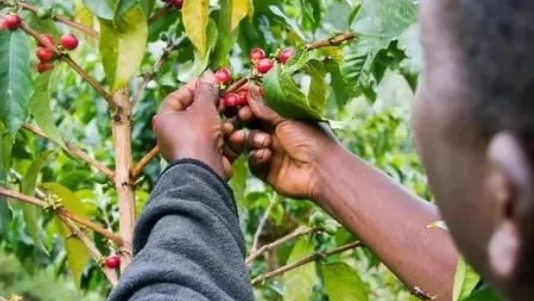
The region is planted mainly with Ethiopian native (heirloom) varieties. FrontStreet Coffee notes that their most visible trait is the wide variation in bean size. Why? Ethiopia is the birthplace of coffee, home to an astonishing number of varieties. These countless types grow mixed together, are difficult to separate, and are harvested together — so beans from most Ethiopian regions naturally vary in size.
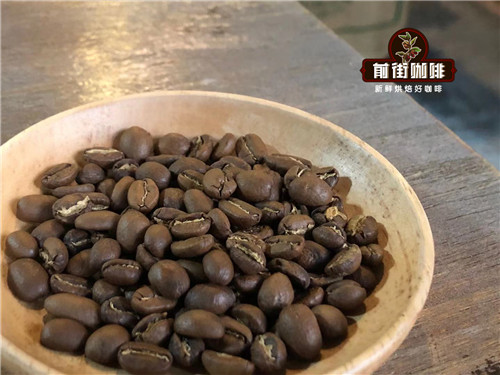
Main Processing Methods for Ethiopian Yirgacheffe Coffee Beans
Yirgacheffe was historically processed mainly as a natural, but producers later found that washed processing better highlights the beans' bright acidity and yields a cleaner, crisper cup. Today washed processing dominates, though natural processing is still widely practiced.
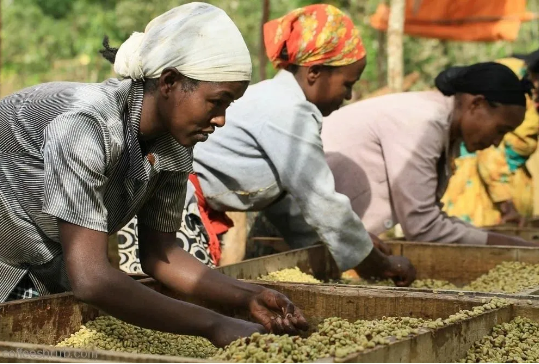
In the washed process, screened coffee cherries go into a depulper to strip away the skin and most of the pulp. The beans, still coated in mucilage, are then soaked in water and fermented for roughly 12-36 hours depending on ambient temperature. After fermentation, the parchment coffee is rinsed in flowing-water channels to wash off the remaining mucilage, then sun-dried or machine-dried to a moisture content of about 12%, and finally hulled. FrontStreet Coffee notes that the telltale sign of a washed roast is the thin silver-skin line left in the center crack of the bean.
Indonesian Sumatra Coffee Growing Region
Sumatra is Indonesia's main source of specialty Arabica. The Mandheling coffee we drink daily comes from the area around Lake Toba in central-northern Sumatra (900-1200m) and from the Aceh region at the island's northern tip (900-1600m for Arabica). These suitable altitudes, combined with a tropical rainforest climate that keeps average temperatures between 25-28°C and seasons evenly distributed with no dry period, create an excellent environment for coffee trees.
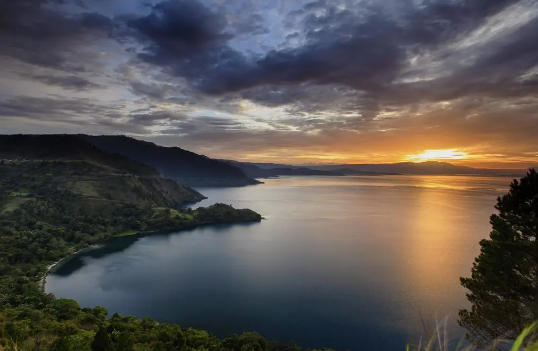
Speaking of Mandheling, FrontStreet Coffee loves its rich aroma, full body, and intense flavor — and that distinctive herbal-spice character is a hallmark of the coffee. Beyond Sumatra's growing conditions, the wet-hulled processing method is another key source of that intensity. Why? FrontStreet Coffee will keep you in suspense a little longer.
Sumatra Mandheling Coffee Varieties
The name "Mandheling" comes from the indigenous Mandheling people of the island. Mandheling coffee is planted mainly with the "Ateng" variety, known in Indonesia as Catimor — a hybrid of Timor (itself an Arabica-Robusta cross) and Caturra, so Ateng's flavor is naturally cleaner than that of the Timor variety.
Sumatra Mandheling Coffee Bean Processing Methods
Mandheling coffee mostly undergoes Sumatra's unique wet-hulled process (giling basah). Water is scarce here, so Mandheling was originally processed mainly as a natural — with the drawback of unstable quality. Growers later tried the Brazilian semi-natural (pulped natural) method, but with predominantly rainy weather, frequent typhoons, and year-round humidity, the stable drying conditions natural processing requires simply could not be achieved.
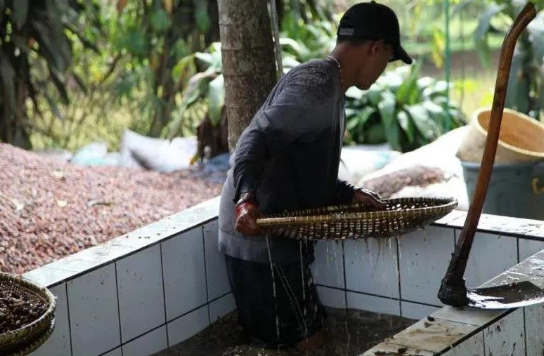
Unlike the washed method — where the mucilage is fermented and then rinsed off with clean water before sun-drying, and the beans are stored together with their parchment — wet hulling uses washed-style fermentation, then semi-dries the beans before the parchment is stripped off by machine for final drying. The green beans go into storage essentially "naked."
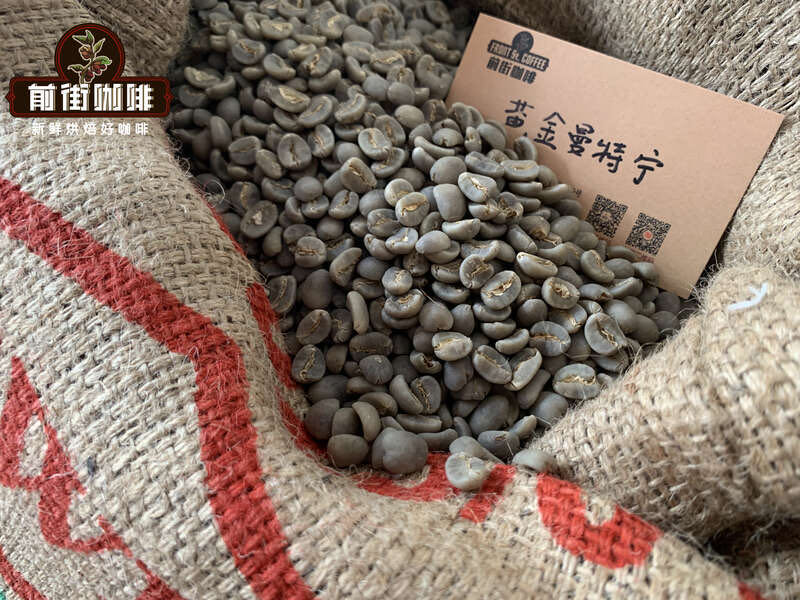
Appearance of Wet-Hulled Green Coffee Beans
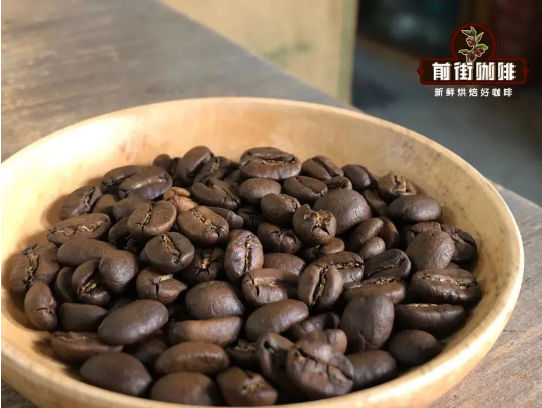
FrontStreet Coffee has noticed that Mandheling beans share one signature look: the "hoof-like shape." Because the beans are still semi-hard and semi-soft when the machines strip away the mucilage and parchment, they get squeezed and bruised, cracking open into hoof shapes — hence the nickname "hoof beans."
Roasting Profile for Ethiopian Yirgacheffe
To preserve the bright acidity of Yirgacheffe beans, FrontStreet Coffee's roaster applies a light roast to coffees from this region. Taking FrontStreet Coffee's Yirgacheffe Gedeo Zone cooperative washed beans as an example:
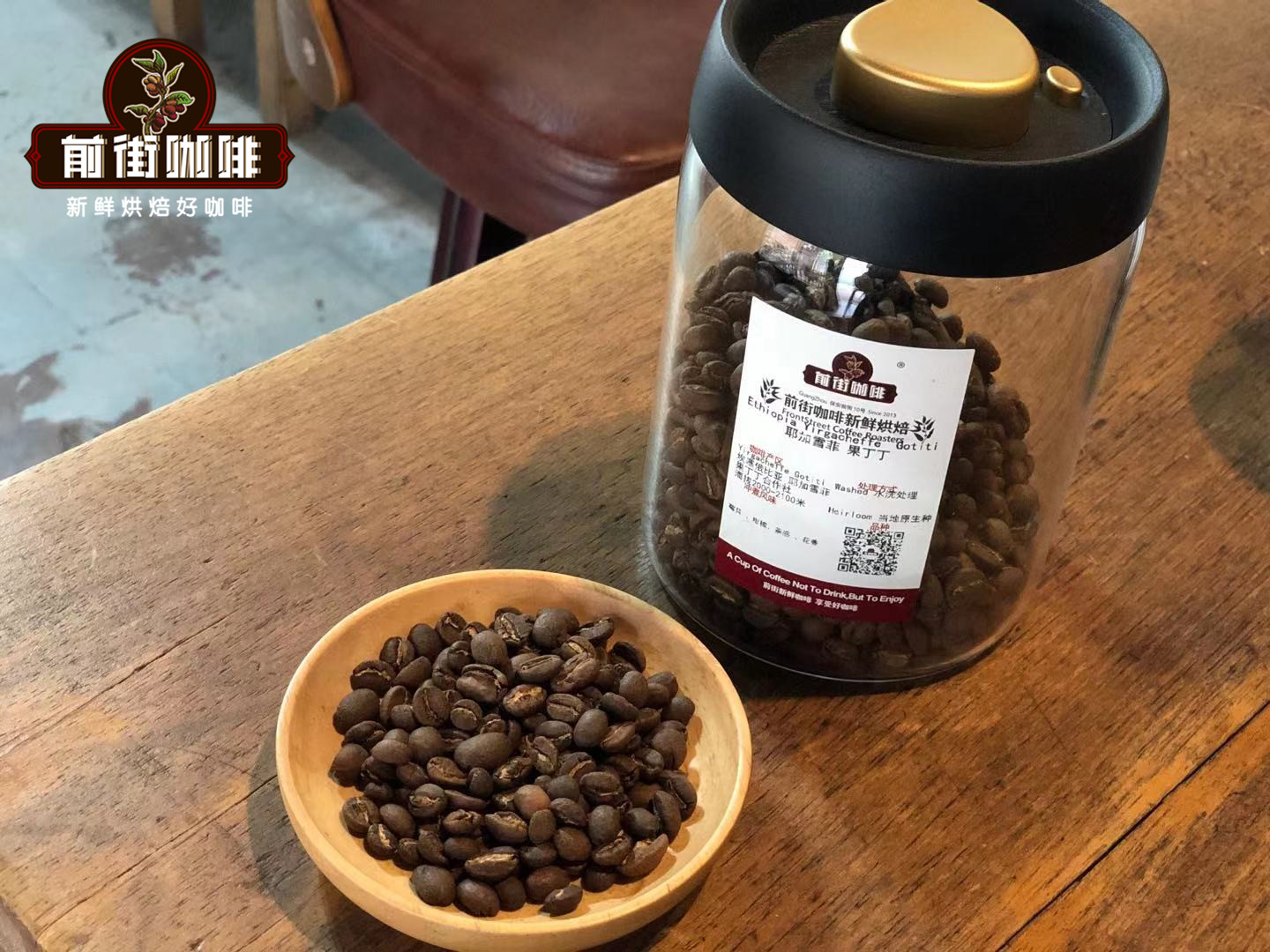
Region: Yirgacheffe Gedeo Zone
Altitude: 1900-2300m
Variety: Heirloom
Process: Washed
Roasted on a Yangjia 800N, charge weight 480g. Preheat the roaster to 175°C, damper at 3, heat at 120. Turning point at 1'32"; hold heat at 140°C and open the damper to 4. At this stage the bean surface turns yellow, the grassy smell disappears completely, and the beans enter the drying stage. At 166°C reduce heat to 100; at 176°C reduce to 80, damper unchanged. At 8'28" the bean surface shows deep wrinkles and black spots, and the toast smell clearly shifts into coffee aroma — the prelude to first crack. Listen carefully from here. First crack begins at 9'38"; open the damper to 5 (ease the heat down gently, never so much that the crack falls silent). Develop for 1'30" after first crack and drop the beans at 193.5°C.
Roasting Profile for Sumatra Mandheling
To bring out the rich herbal-spice mellowness of Mandheling, FrontStreet Coffee's roaster uses a medium roast for this region. Taking FrontStreet Coffee's Aceh PWN Golden Mandheling as an example:
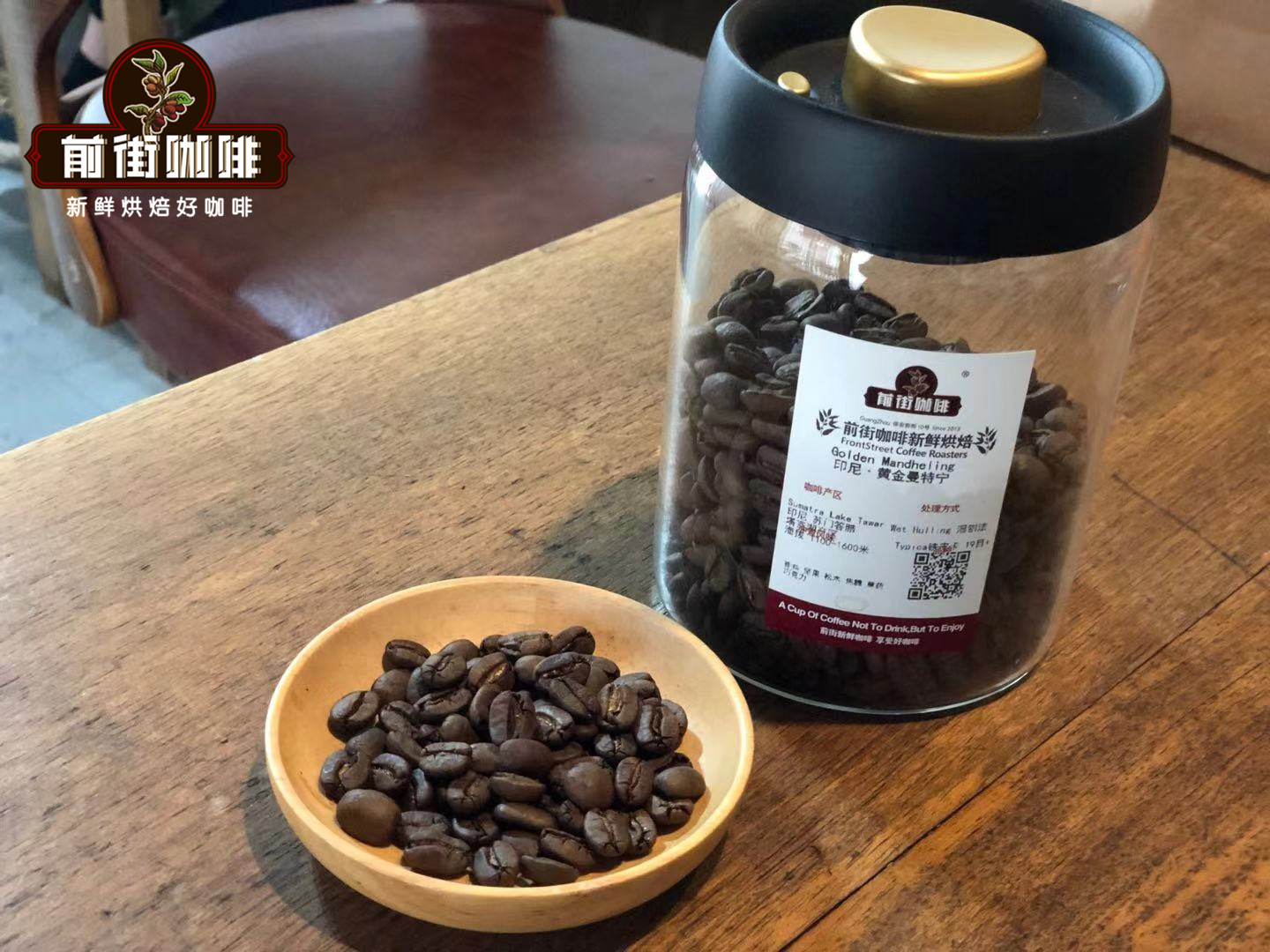
Region: Gayo Mountains, Aceh, Sumatra
Altitude: 1100-1600 meters
Variety: Ateng
Grade: G1, triple hand-picked
Process: Wet-hulled
Yangjia 800N, charge weight 480g. Preheat the roaster to 200°C, damper at 3; after 1 minute set heat to 160, damper unchanged. Roast to 5'40" (148°C), when the bean surface turns yellow, the grassy smell vanishes and drying is complete — reduce heat to 140 and raise the damper to 4. At 9'40" deep wrinkles and black spots appear and the toast smell clearly becomes coffee aroma — the prelude to first crack, so listen carefully. First crack begins at 9'54"; reduce heat to 60, set damper to 5, and drop the beans at 204.5°C.
How Does FrontStreet Coffee Brew Yirgacheffe Coffee Beans?
To express the layered florals and fruit of this coffee, FrontStreet Coffee brews it on a V60 dripper. The V60's spiral ribs extend the contact time between grounds and water, and guide the flow along the grooves toward the spout, so the weight of the water column presses evenly on the coffee bed and builds greater complexity.
Water Temperature: 90°C
Coffee Dose: 15g
Coffee-to-Water Ratio: 1:15
Grind Size: Medium-fine (77% pass-through on a #20 sieve)
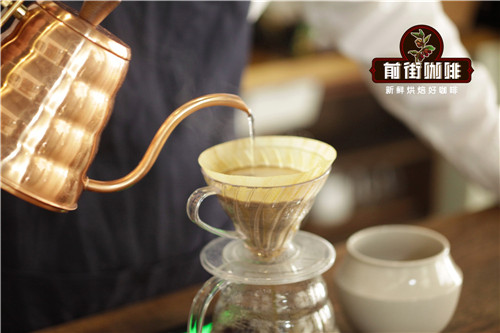
This pour is done in stages: first pour 30g of water to bloom for 30 seconds, letting the bed swell into a "hamburger." Second, pour 125g of water in small circles from the center — pour height about 4cm, gently, minimizing agitation of the bed, at a flow rate of 4g per second. When the water level drops to half the coffee bed, start the third pour, again gently spiraling outward from the center, until the scale reads 225g. Let the drawdown finish completely; total extraction time 2'01". After brewing, give the cup a gentle swirl so the coffee is evenly mixed before tasting.
Washed Yirgacheffe flavor: Citrus and black tea on entry, with cream, caramel, and almond emerging as the cup cools. The aftertaste is distinctly sweet — clean and sugary.
How Does FrontStreet Coffee Brew Mandheling Coffee Beans?
For medium-dark roasted beans like Mandheling, FrontStreet Coffee generally reaches for a KONO Meimon dripper. Its only exhaust area is the quarter-rib section: once the water level rises past the ribs, pressure builds in the dripper from the weight of the water, and the relatively small outlet extends contact time between grounds and water, extracting soluble compounds more effectively and delivering the heavy body drinkers expect from Mandheling.
Water Temperature: 88°C
Coffee Dose: 15g
Coffee-to-Water Ratio: 1:15
Grind Size: 65% pass-through on a 0.85mm mesh screen
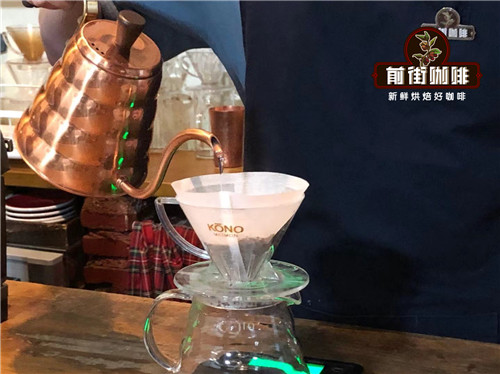
FrontStreet Coffee blooms with twice the coffee weight — 30g of water for 30 seconds — then pours in small circles up to 125g before pausing. Once the water level has nearly exposed the coffee bed, pour on to 225g and stop. When the bed is again about to break the surface, remove the dripper (timing from the start of the bloom). Total extraction time: 2'00".
PWN Golden Mandheling flavor: Nuts, spices, herbal notes, licorice, chocolate, and caramel — clean and smooth throughout.
For more specialty coffee beans, please add FrontStreet Coffee's private WeChat: kaixinguoguo0925
FrontStreet Coffee Recommendation: Taste Yirgacheffe at Its Purest
Curious where that bright acidity comes from? Start with FrontStreet Coffee's washed Yirgacheffe daily bean — the classic first step into Ethiopian coffee, loved for its white jasmine florals, vivid citrus and lemon acidity, and tea-like finish, all at a friendly price. For something a notch rarer, try the FrontStreet Guodingding Cooperative lot from the Worka zone at Yirgacheffe's southeastern tip: fully washed, free of any traditional bitterness, and full of citrus brightness and jasmine fragrance. Brew either on a V60 with 15g of coffee, water at 90-91°C, a 1:15 ratio, and a granulated-sugar grind (80% through a #20 sieve) to taste Yirgacheffe at its cleanest.
Important Notice :
FrontStreet Coffee is a long-established specialty coffee roaster in Guangzhou China, selling freshly roasted beans from its own farm in Yunnan as well as dozens of carefully selected single-origin beans from around the world for both pour-over and espresso. The products deliver consistently excellent quality and great value, with shipping within 24 hours. Guangzhou's FrontStreet Coffee shop is recommended by many coffee lovers, and the beans are now available online at the Tmall 。
FrontStreet Coffee has moved to a new address:
FrontStreet Coffee Address: 315,Donghua East Road,GuangZhou
Tel:020 38364473
 Scan and follow the En Gafei WeChat official account. Please indicate that the reprint comes from "En Gafei".