What Do Coffee Bean Grades G1 G2 G3 G4 AA PB SHB Mean? Coffee Bean Grading Systems by Country

When buying coffee beans, you have probably come across terms like Yirgacheffe G2 or Kenya AA. These designations, such as G2 and AA, represent the grade of the green coffee beans. Every coffee-producing country grades its green beans differently, using criteria such as bean size, defect count, growing altitude, hardness, and cupping score. FrontStreet Coffee shares the green bean grading standards of several representative coffee-producing countries below.
Ethiopia
Before the establishment of the Ethiopia Commodity Exchange (ECX), Ethiopia's coffee export grades were set by the CLU (Cupping and Liquoring Unit) under the Ministry of Agriculture. Grading was based primarily on the number of defective beans in a 300g sample, with the standards shown in the table below.
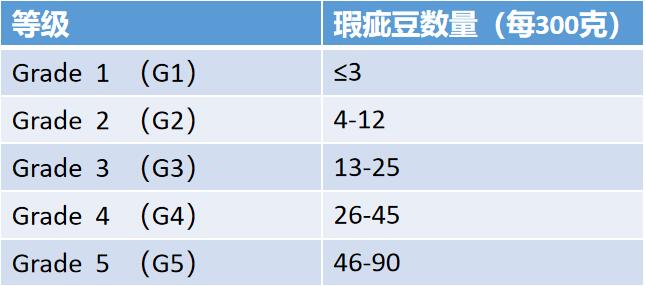
Generally, washed coffees are graded G1-G2. Because of technical problems with natural processing at the time, naturally processed beans had more defects and were typically graded G3-G5. With improvements in natural processing technology, naturally processed beans can now also reach G1-G2.
After the establishment of the ECX (Ethiopia Commodity Exchange) in 2008, a grading system combining physical attributes with cupping flavor characteristics was introduced.
The ECX classifies all coffees into three types based on processing method (washed and non-washed):
a. Specialty: Few defects, high cupping quality and flavor
b. Commercial: Does not meet specialty grade standards but is higher than domestic consumption grades
c. Local/Domestic: A high number of defective beans (unripe), over-season, and coffee with relatively poor flavor due to poor storage conditions
Among these, the Specialty and Commercial grades are intended for international export markets. The ECX divides green coffee beans into nine grades based on the combined score for physical attributes and cupping characteristics, with physical characteristics accounting for 40% and cupping quality for 60%.
Physical Characteristics (40%):
Washed processing: Defect count (20%), appearance size (10%), color (5%), aroma (5%)
Non-washed processing: Defect count (30%), aroma (10%)
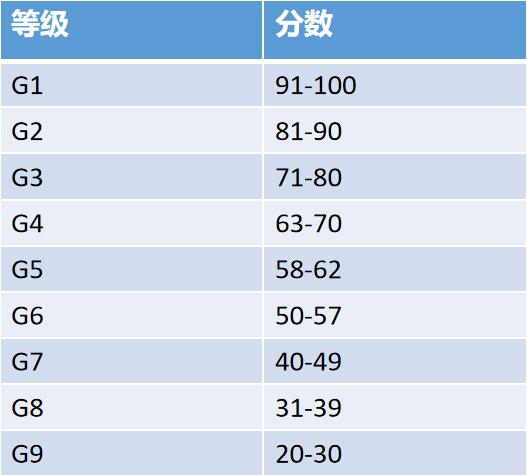
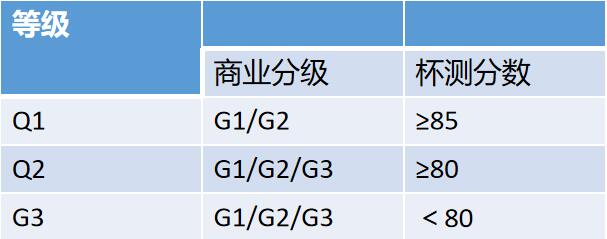
Then the G1-G3 grades are re-cupped according to SCAA standards for more detailed flavor evaluation. G1 and G2 beans scoring 85 or above are classified as Q1 grade; G1, G2, and G3 beans scoring between 80 and 85 are classified as Q2 grade; and all G1, G2, and G3 beans scoring below 80 are classified as G3 grade.
Q1 and Q2 are classified as specialty grades for export. G4-G9 keep their original grading and are classified as commercial grades for export along with G3.
Kenya
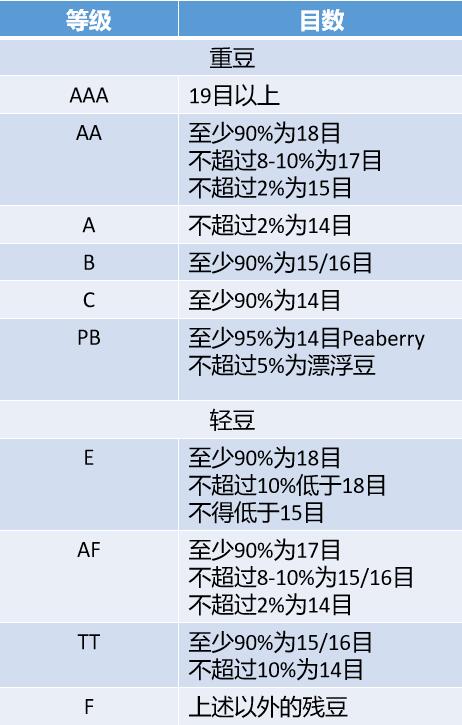
Kenyan coffee is graded by green bean size.
E (Elephant beans): Here E stands for Elephant, but this does not refer to the Maragogype variety. It is a defect caused by abnormal development in which two seeds intertwine to form what appears to be a single bean. Normally, a coffee fruit contains two seeds facing each other, which creates one flat side, called a flat bean or female bean. E-grade beans occur when two seeds fuse during growth, becoming oversized. E-grade beans are about 18 screen (one screen equals 1/64 inch) or larger and are rare.

AA: This grade ranges from 17-18 screen (approximately 6.7-7.1mm) and is the most commonly heard Kenyan coffee grade. In specialty coffee it is often called AA TOP and promoted by many coffee shops. AA does not necessarily mean the best, however; it only indicates bean size and should not be confused with flavor quality.
AB: Most coffee beans fall into this grade. It is called AB mainly because A-grade beans are 6.80mm and B-grade beans are 6.20mm. These two sizes are mixed and sold together, hence AB, with sizes ranging from 15-16 screen (approximately 6.0-6.4mm).
C: Beans ranging from 14-15 screen (approximately 5.6-6.0mm), smaller than B-grade.
PB: Full name Peaberry, also called small round bean or male bean. Compared with regular flat beans, peaberries are quite rare, accounting for about 10% of all coffee beans. They occur when only one seed develops inside the fruit, resulting in a small, round bean. Some people particularly love the PB flavor, so PB beans are sorted and sold separately.
TT: Lightweight beans selected out of AA and AB grades using air separators. They are typically lightweight, do not meet hardness standards, and include broken and defective beans.
T: Lightweight beans selected from C-grade beans, mixed with damaged beans and even broken bean fragments.
MH/ML: These coffee beans are not exported. They are typically overripe beans that have fallen to the ground, of poor quality, accounting for about 7% of all coffee beans, and are supplied only to Kenya's domestic market.
Tanzania
Tanzania's coffee grading system is very similar to Kenya's, both based on green bean size.
Central and South American Countries
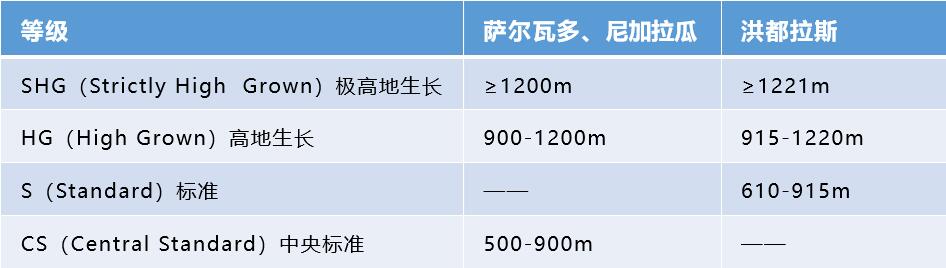
These countries grade by green bean hardness. At the same latitude and plot, a higher altitude means greater day-night temperature differences, longer coffee growing periods, harder beans, more nutrient absorption, and more distinct flavor compounds. Many coffee-producing countries in Central and South America south of Mexico therefore use this standard, including Guatemala, Costa Rica, and Panama. These producing countries export only SHB grade when shipping green beans.
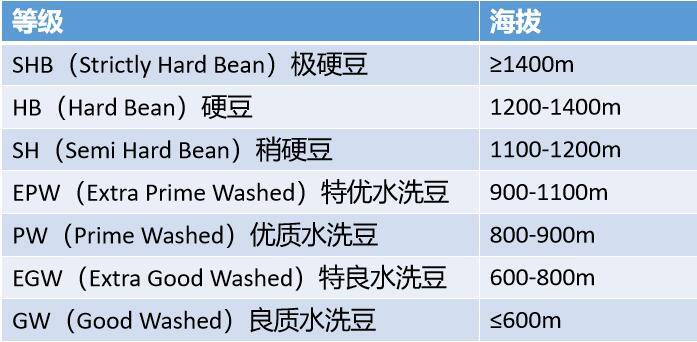

Other countries use altitude-based grading systems. Higher altitude means greater day-night temperature differences, longer coffee growing periods, harder beans, more nutrient absorption, and more distinct flavor compounds. Examples include Honduras, El Salvador, and Nicaragua.
Colombia
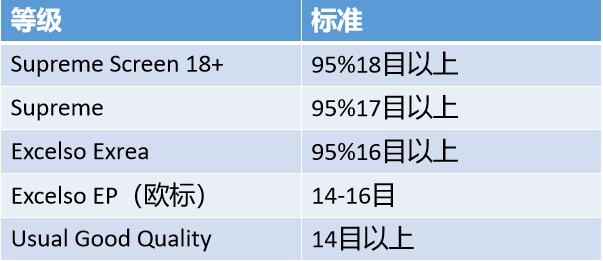
Colombia grades by coffee bean screen size.
Brazil
Brazil generally uses the NY grading method.
Naming convention: Country + Region (Port) + Grade Name + Cupping Quality
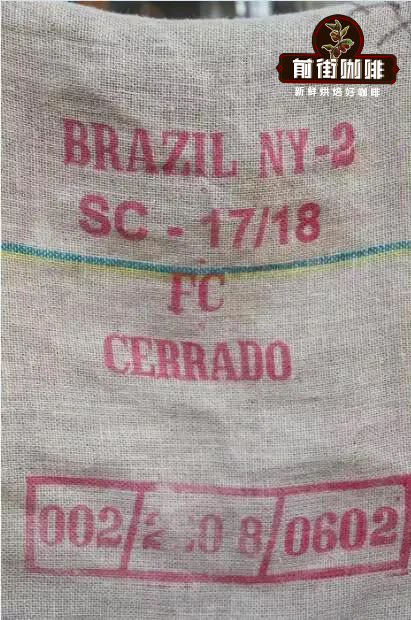
For example, Brazil Santos NY.2 FC means Brazil Santos region, grade 2, with the best cupping quality beans.
Brazil believes that only completely defect-free beans can be NY.1, but completely defect-free beans do not exist. Therefore, the best green beans in Brazil are NY.2.
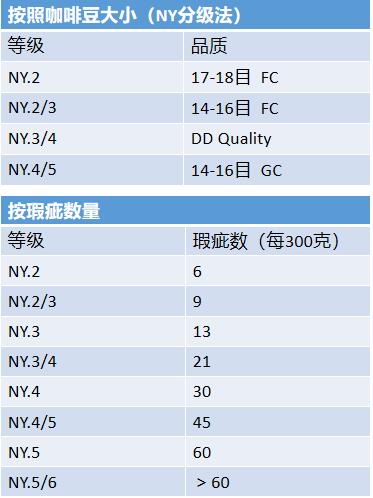
Divided by cupping level:
Fine Cup (FC), Fine, Good Cup (GC), Fair Cup, Poor Cup, Bad Cup

Jamaica
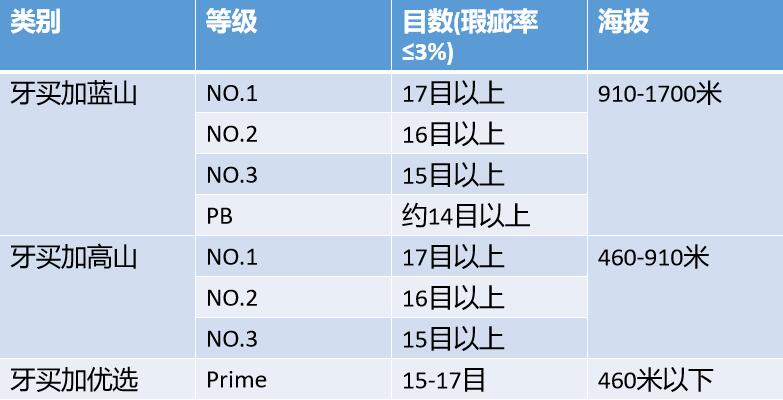
Jamaican coffee grading is generally distinguished by screen size.

Blue Mountain No. 1, No. 2, and No. 3, along with Blue Mountain Peaberry, are the only coffees in the world exported in wooden barrels, available in three specifications: 70kg, 30kg, and 15kg. Other grades of Jamaican coffee are exported in 60kg burlap bags.
Today FrontStreet Coffee has shared these green bean grading methods from various coffee-producing countries and regions, and we hope this helps our readers.
Understanding these grades makes shopping much easier, since a G1 Yirgacheffe or a Kenya AA on a label is not marketing but a real quality signal. FrontStreet Coffee applies the same logic to its own lineup, selecting and cupping each lot so that the grade on the bag reflects what is in the cup rather than a vague promise.
FrontStreet Coffee Recommendation
Now that you know what G1, AA, and SHB really mean, it is easier to shop with confidence. FrontStreet Coffee's Ethiopia Yirgacheffe range is a good place to start: FrontStreet Washed Yirgacheffe is a clean, affordable G1-style coffee with white jasmine, bright citrus and lemon acidity, and a tea-like body.
For a natural-process counterpart, FrontStreet Yirgacheffe Natural Red Cherry is made from fully ripe red cherries, sun-dried on raised beds, and roasted medium-light for citrus acidity, berry juice, honey sweetness, and a creamy mouthfeel, while FrontStreet Gedeb Cooperative adds citrus, lemon, and elegant white flowers for a bright, fine structure.
Important Notice :
FrontStreet Coffee is a long-established specialty coffee roaster in Guangzhou China, selling freshly roasted beans from its own farm in Yunnan as well as dozens of carefully selected single-origin beans from around the world for both pour-over and espresso. The products deliver consistently excellent quality and great value, with shipping within 24 hours. Guangzhou's FrontStreet Coffee shop is recommended by many coffee lovers, and the beans are now available online at the Tmall 。
FrontStreet Coffee has moved to a new address:
FrontStreet Coffee Address: 315,Donghua East Road,GuangZhou
Tel:020 38364473
 Scan and follow the En Gafei WeChat official account. Please indicate that the reprint comes from "En Gafei".