What Coffee Varieties Are Starbucks Coffee Beans and What Are the Characteristics of Various Specialty Coffee Beans?
Starbucks offers 13 types of coffee beans: Phoenix Dance Auspicious Cloud Blend, Pike Place Roast, Kenya, Starbucks House Blend, Guatemala Antigua, Ethiopia, Colombia, Starbucks Breakfast Blend, Sumatra, Decaf House Blend, Caffe Roast, Espresso Roast, and Verona. So what makes each of these 13 unique? FrontStreet Coffee recommends several delicious coffee varieties to explore.
Kenya Coffee
Starbucks Kenya coffee beans were introduced in 1971, and the African elephant on the packaging has long served as the iconic symbol for Kenya coffee. Many people describe the flavor of Kenyan beans through that elephant: as substantial as the African elephant itself.
Kenya sits in eastern Africa, with the equator crossing its center and the East African Rift Valley running north to south. It borders Somalia to the east, Tanzania to the south, Uganda to the west, and Ethiopia and Sudan to the north, with the Indian Ocean to the southeast. The country is characterized by high plateaus at an average elevation of 1,500 meters. Mount Kirinyaga (Mount Kenya) in the central region reaches 5,199 meters and has snow on its summit, making it the second-highest peak in Africa.
Kenya's coffee-producing regions consist of six main areas: Thika, Kirinyaga, Mt. Kenya West, Nyeri, Kiambu, and Muranga. Their harvest periods run from October to December (main season) and June to August (secondary season).
Coffee Varieties
In Kenya, common varieties include SL28, SL34, and Ruiru 11.

In 1922, Kenya established the Scott Agricultural Laboratory to conduct coffee cultivation research. In the decade after it was founded, the lab selected SL28 and SL34 from 42 coffee varieties as the most suitable for the region, giving the industry an excellent start. Both SL28 and SL34 were selected after multiple breeding cycles. SL28 belongs to the Bourbon genetic group, featuring the bright profile and rich acidity of original Bourbon. SL34's lineage is closer to Typica, with acidity milder than SL28. Together these two varieties currently account for 90% of Kenya's production, and South America is actively introducing SL28 as a cultivation variety as well.
Ruiru 11 was created in response to a global outbreak of coffee leaf rust. At the time, many Arabica varieties suffered, and to prevent production losses the hybrid Ruiru 11 was developed. It shows excellent disease resistance but is far inferior to SL28 and SL34 in flavor quality.

Processing Method
Kenya uses a repeated washing and fermentation process. On the day of harvest, the highest-quality cherries are selected for pulping and fermentation for 24 hours. After 24 hours they are washed with clean river water, then fermented another 24 hours in clean river water, then washed again. The process repeats three times for a total of 72 hours - hence the Kenya 72-hour fermentation washed method, abbreviated K72.

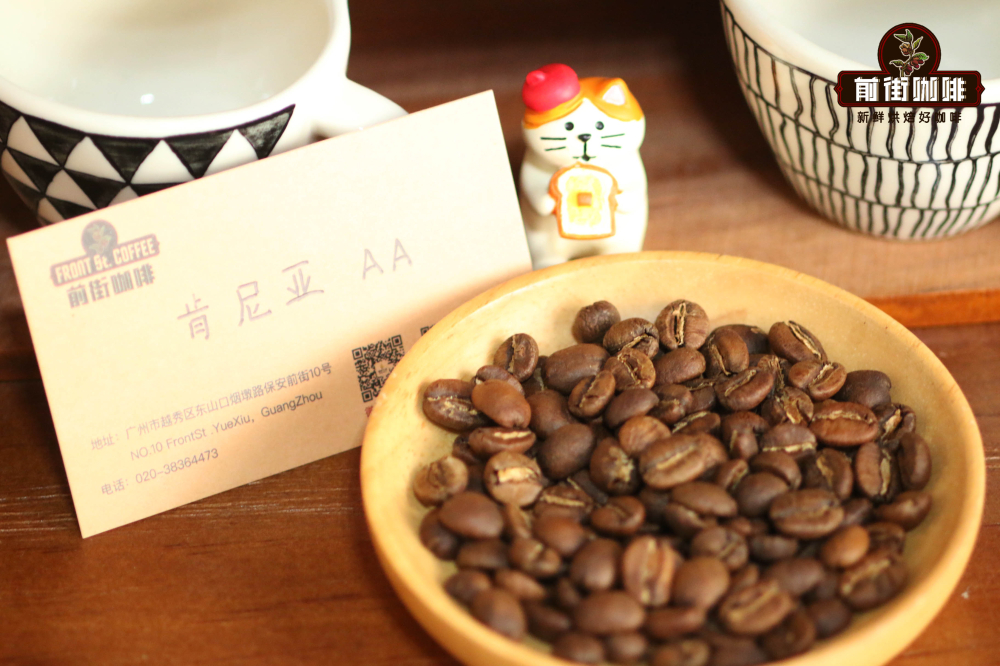
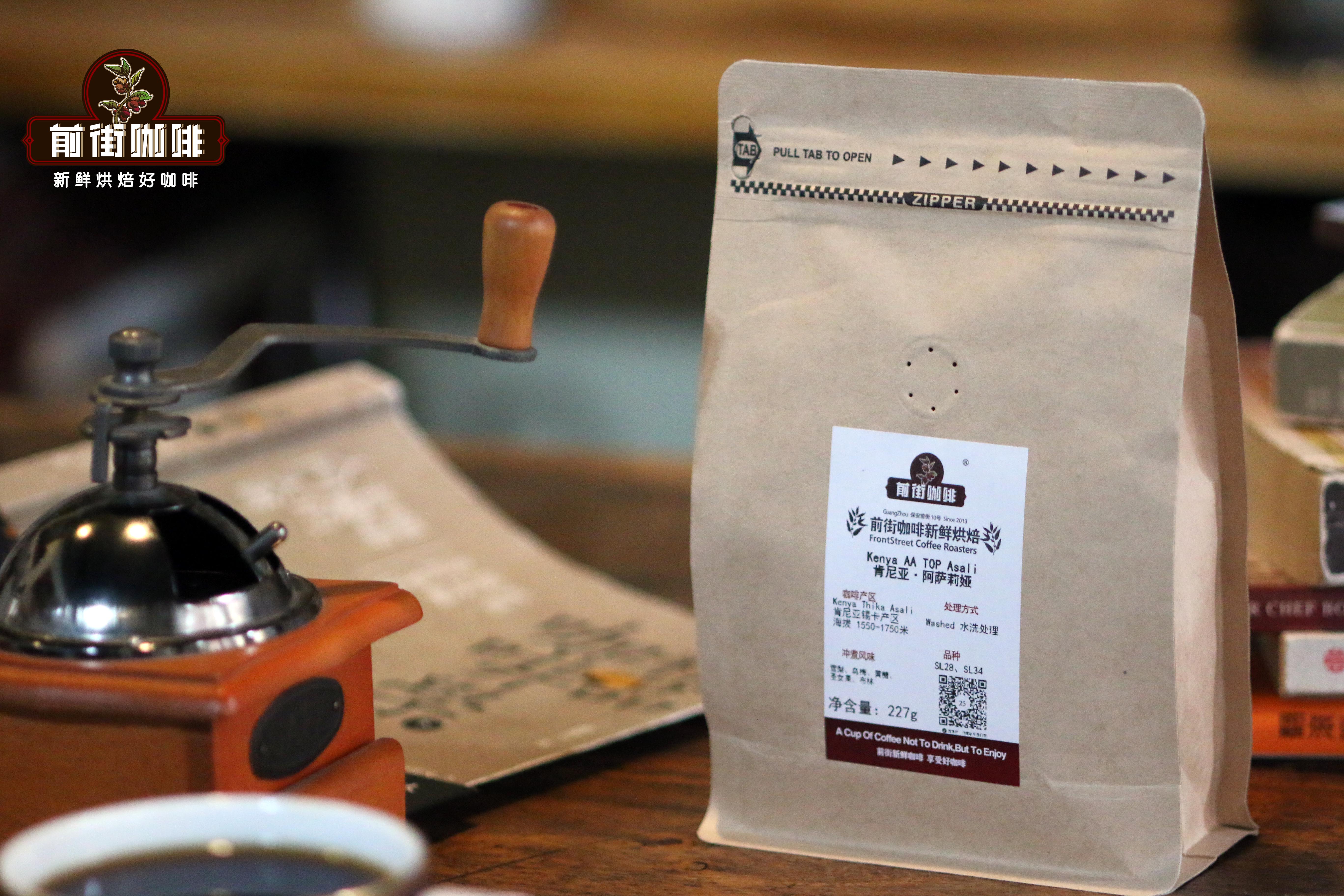
FrontStreet Coffee · Kenya Asalia Coffee Beans
Region: Thika region, Kenya
Processing Station: Asali Processing Station
Altitude: 1,550-1,750 meters
Grade: AA TOP
Varieties: SL28, SL34
Processing Method: Kenya 72-hour washed
FrontStreet Coffee Roasting Parameters
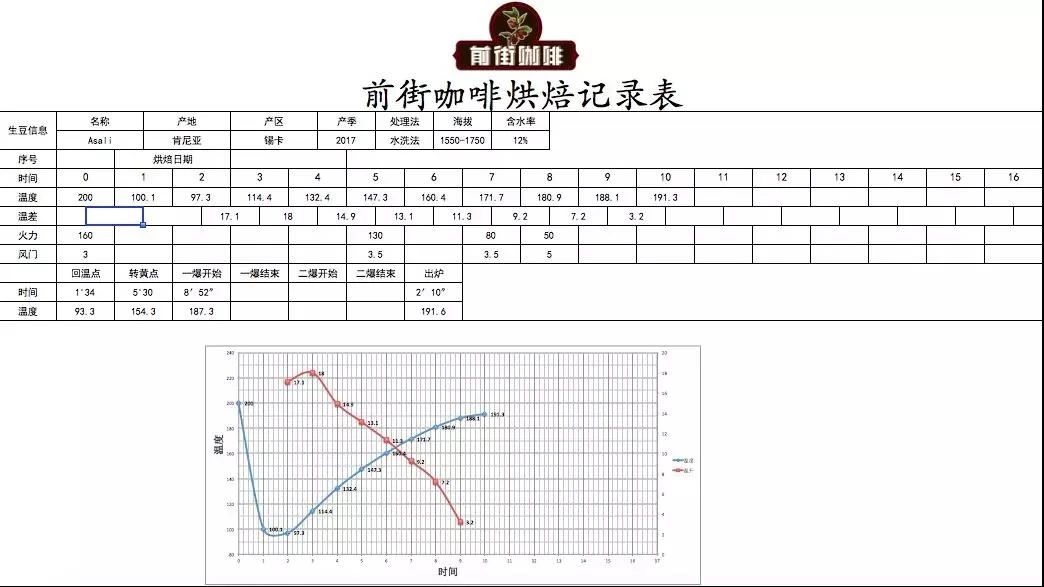
These FrontStreet Coffee Kenya beans are full and round in shape. To fully express their bright, rich acidity, FrontStreet Coffee uses a light roast.
Machine: Yangjia 800N, 550g green beans
Charge Temperature: 200°C
Yellowing Point: 5'30", 154.3°C
First Crack: 8'52", 187.3°C
Development after First Crack: 2'10", discharged at 191.6°C
FrontStreet Coffee Brewing Recommendations
Because FrontStreet Coffee Kenya Asalia is roasted light to medium, FrontStreet Coffee uses a higher water temperature and a faster-flow dripper. High temperature is needed to extract the bright acidity, but over-extraction is a risk at high heat, so a fast-flow V60 is the choice.
Coffee-to-Water Ratio: 1:15 (15g coffee to 225ml water)
Water Temperature: 90°C~91°C
Grind Size: Fine sugar size (80% pass-through rate with #20 standard sieve)

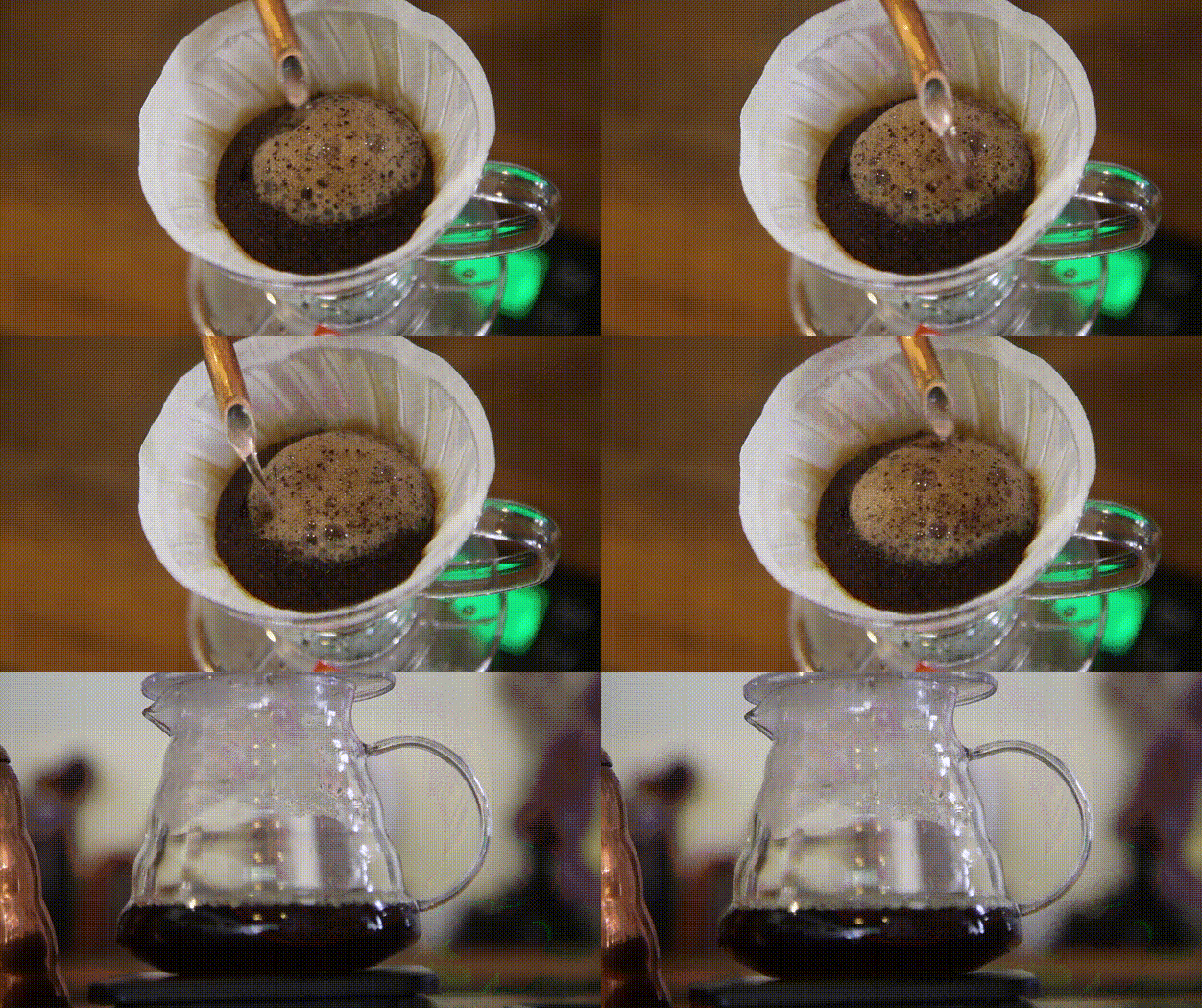
First, pour 30g of water for a 30-second bloom, then pour 95g (the scale reads around 125g), finishing in about 1 minute. When the water level drops to 2/3 of the coffee bed, pour the remaining 100g (scale around 225g), finishing in about 1 minute and 40 seconds. Complete the drip at 2'00", remove the dripper, and finish extraction.
Flavor: FrontStreet Coffee Kenya Asalia beans show distinct plum and cherry tomato aromas in the dry fragrance, while the wet fragrance presents rich caramel notes.
Guatemala Antigua Coffee
Antigua is Guatemala's most famous coffee-producing region and is said to be the birthplace of Guatemalan coffee. Rich volcanic soil, low humidity, abundant sunshine, and cool nights characterize the area, making it home to Guatemala's most outstanding coffee. The valley around Antigua town - which gives the region its name - is surrounded by three volcanoes: Agua, Fuego, and Acatenango. Among them, Volcan Fuego is active. Its periodic eruptions have enriched the soil with minerals, while the area also preserves large amounts of pristine forest, filling the soil with abundant potassium ions. Together these factors give coffee plants in Antigua a continuous supply of nutrition for healthy growth.

The climate here is mild year-round with stable humidity (65%), making it one of the most suitable places for coffee cultivation. Unlike other regions, it doesn't experience extreme climate shifts during the alternating dry and rainy seasons, allowing coffee in valleys above 1,500 meters to grow slowly. Because Antigua is an enclosed valley, it also prevents severe soil erosion. All these superior conditions let Antigua maintain stable, excellent quality.
FrontStreet Coffee · Guatemala Antigua La Minita Estate La Flor
Country: Guatemala
Region: Antigua
Estate: La Minita Estate
Altitude: 1,200-1,600m
Processing Method: Washed
Varieties: Bourbon, Caturra, Catuai
Estate Introduction
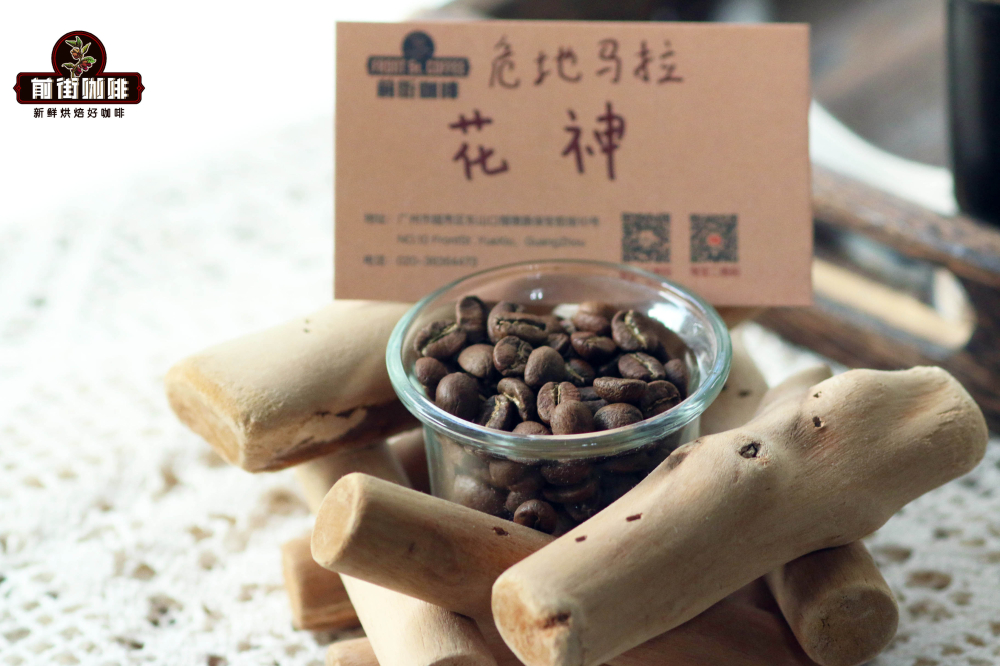
La Minita is a renowned green coffee processing facility in the specialty coffee industry. Guatemala's La Flor, Colombia's Reserva del Patron, and Costa Rica's Hacienda La Minita are all part of the La Minita International Coffee Export Company. The La Minita family established its own coffee brand in Guatemala called "La Flor del Cafe," meaning "Coffee Flower" and translated into Chinese as "Flora."
The La Minita family has a strong reputation for green bean processing and quality control, providing the industry's highest standards of cultivation and processing technology. They send specialist personnel directly to Guatemala to take part in quality control. La Flor is a star product from their portfolio, processed by the well-known local Pastores Mill under La Minita's strict supervision. From purchasing green beans to washed and sun-dried processing, every procedure follows La Minita's strict protocols, and they oversee the entire journey of La Flor coffee from cultivation to packaging - all designed to ensure that the beans from Pastores Mill are of the highest quality.

Coffee Varieties
The varieties of this FrontStreet Coffee Guatemala La Flor are Bourbon and Caturra. Bourbon is a natural variant of Typica and ranks alongside Typica as an ancient, high-quality variety; its beans are slightly smaller and rounder than Typica. Caturra is a natural variant of Bourbon, featuring fresh lemon-citrus acidity, though slightly less sweet than Typica and Bourbon.
Processing Method
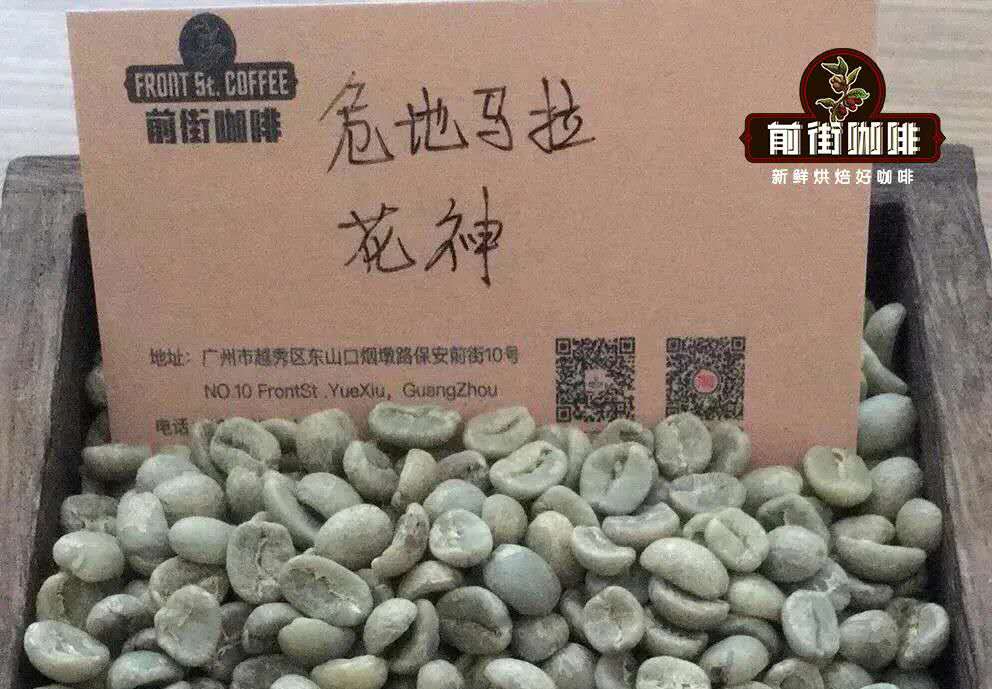
This batch of FrontStreet Coffee Guatemala La Flor is washed processed. First, the harvested cherries are poured into large water tanks, where underdeveloped, inferior beans float to the surface while mature, full fruit sinks. The defective beans floating on top are then removed.
Next, a pulper removes the outer skin and pulp. At this point the beans still carry a slippery layer of mucilage. The beans with mucilage are then placed in fermentation tanks for 16-36 hours, during which microorganisms break down the mucilage. After fermentation, large amounts of clean water wash away the remaining mucilage residue.
Finally, the cleaned beans are sun-dried until moisture content reaches 10-14%, then a hulling machine removes the parchment to complete processing.

FrontStreet Coffee Roasting Parameters
This FrontStreet Coffee Guatemala Antigua La Flor bean is high quality with full color. To highlight the bright acidity while preserving Guatemala's unique flavors, FrontStreet Coffee uses a light to medium roast.
Machine: Yangjia 800N, 550g green beans
Charge Temperature: 200°C
Yellowing Point: 4'50", 149°C
First Crack: 8'37", 188°C
Development after First Crack: 1'50", discharged at 195.3°C

FrontStreet Coffee Brewing Recommendations
Because this FrontStreet Coffee Guatemala La Flor is roasted light to medium, FrontStreet Coffee uses a higher water temperature and a faster-flow dripper - high heat to extract the bright acidity, but a fast V60 to avoid over-extraction.
Coffee Amount: 15g
Coffee-to-Water Ratio: 1:15
Water Temperature: 91°C
Grind Size: Fine sugar size (78% pass-through rate with #20 standard sieve)

First, pour 30g of water for a 30-second bloom, then pour 95g (scale around 125g), finishing in about 1 minute. When the water level drops to 2/3 of the coffee bed, pour the remaining 100g (scale around 225g), finishing in about 1 minute and 40 seconds. Complete the drip at 2'10", remove the dripper, and finish extraction.

Flavor: A unique floral aroma combines with smooth, fresh citrus for a distinctive yet harmonious blend of floral and fruit sweetness. With hints of smoky notes in a red-wine-like aftertaste, it presents FrontStreet Coffee Guatemala La Flor's silk-like, elegant style.
FrontStreet Coffee Recommendation
If the balance and clarity of this Guatemalan profile appeal to you, Colombia is the natural next stop. FrontStreet Colombia Huila comes from the country's most renowned specialty region - the southern stretch of the Central Cordillera, where the elevation tops 1,500 meters and major rivers converge, bringing abundant water. Medium-dark roasted, the washed Huila highlights dark chocolate, nutty sweetness, moderate crema, and a full body, and works as pour-over, French press, moka pot, or espresso - Americano and latte included.
For a more modern, fruit-driven take on Colombia, FrontStreet Colombia Finca La Frontera Sidra is anaerobic natural processed. After oxygen-free fermentation, the coffee turns out more tropical fruit aroma; medium-light roasted, it delivers passion fruit, grape, apricot, and dried fruit in pour-over, cold brew, drip bag, or moka pot.
And if you're brewing espresso at home, FrontStreet Specialty Blend is a barista favorite: a blend built for coffee shops that combines Brazil's creamy, nutty sweetness with Colombia's dark-chocolate bittersweetness, producing a fine golden crema. It pairs beautifully with milk for a rich, smooth latte, and serves as the base for Americano, cappuccino, or mocha.
Important Notice :
FrontStreet Coffee is a long-established specialty coffee roaster in Guangzhou China, selling freshly roasted beans from its own farm in Yunnan as well as dozens of carefully selected single-origin beans from around the world for both pour-over and espresso. The products deliver consistently excellent quality and great value, with shipping within 24 hours. Guangzhou's FrontStreet Coffee shop is recommended by many coffee lovers, and the beans are now available online at the Tmall 。
FrontStreet Coffee has moved to a new address:
FrontStreet Coffee Address: 315,Donghua East Road,GuangZhou
Tel:020 38364473
 Scan and follow the En Gafei WeChat official account. Please indicate that the reprint comes from "En Gafei".