What is COE? What are the Cup of Excellence and Barista Championships? Are COE Beans Always Delicious?
Understanding the C.O.E Coffee Competition
You have probably seen competition beans tagged with C.O.E. - Cup of Excellence, the international coffee cupping competition. C.O.E. evaluation is the most authoritative there is in top-tier coffee competition. The standouts that survive its grueling rounds are the highest-quality coffees their country produced that year. In every cupping session, entries must hold consistently high scores to stay near the top; only then can they claim the C.O.E. winning designation. Beans from winning estates are then sold through a unified online auction, letting buyers worldwide bid transparently - spreading the fame of award-winning farms while earning competition lots the prices they deserve.
How the Cupping Competition Works
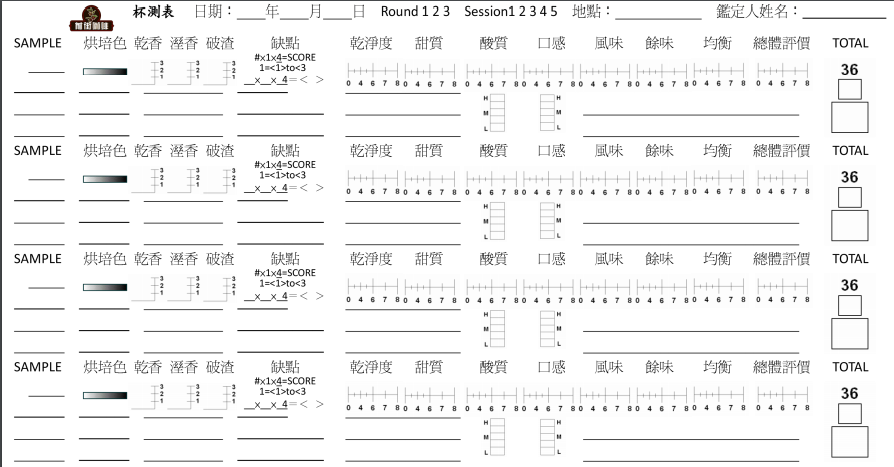
Farmers carefully select roughly 25-35 bags of about 60kg each, which are warehoused for the competition until the auction closes. Participating countries typically field more than 500 farms. The first stage is the preliminary round, the second the semi-finals, and the third is called TOP 10. In every stage, the summed scores must reach at least 84 points to pass. Under this strict system, only about 20-30 farms or estates survive, ranked by score to determine the final competition standings.
COE stands for Cup of Excellence - "a perfect cup of coffee," also known as the "Excellent Cup." It is the world's most important specialty coffee competition, first held in Brazil in 1999 by the Alliance for Coffee Excellence (ACE). Today it remains the best-known and most authoritative specialty coffee competition, and the most credible judge of top-tier coffee.
The competition runs annually: specialty growers submit their best beans for evaluation by the organization's domestic and international judges. Entries must survive strict competition rules, and winning estates must pass through six stages - typically, from 500 estates, fewer than 30 remain after the final selection.
Why Does COE Exist?
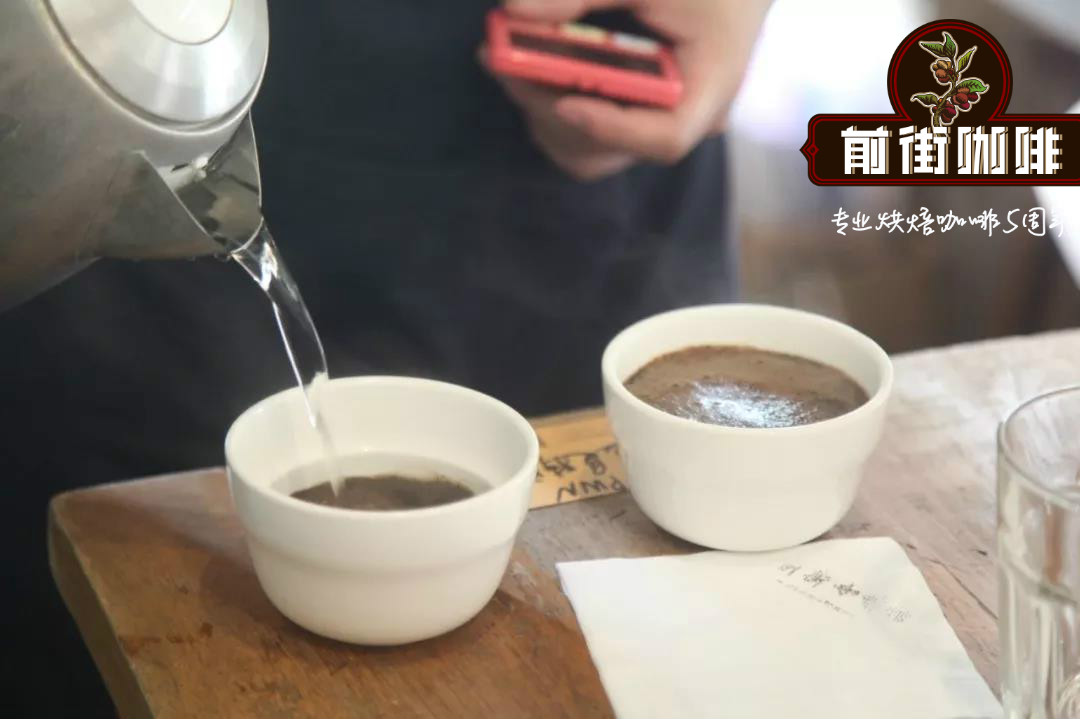
The traditional coffee industry chased mass marketing and commercial volume. But under the pressure of huge profits and commercialization, coffee quality and origin gradually began to matter.
Before Cup of Excellence, most beans were destined for blends: the distinctive flavors of individual coffees could not shine, their character drowned beneath country or regional names, and truly excellent beans were routinely buried and overlooked.
COE was created to give producers a reason to grow great coffee - not just the internal resolve of "I want to grow delicious coffee!" but real profit, enough to change growers' lives and lift them out of poverty. Hence the specialty evaluation competition, built on the COE system: score, rank, reward.
Attracted by those selling prices, growers who once thought only about yield began working on quality, striving to produce the most flavorful coffee "beauties" for competition.
Those top-tier "beauties" depend not just on variety and genetics but on a whole matrix of climate and human factors: volcanic lava soils at high altitude in South America, say, or growers timing the harvest to the ideal maturity, then choosing the right methods for washing, drying, pulping, polishing, and sorting - and finally the almost artistic roast, the craft the judges gathered at COE competitions know best.
The Role of COE
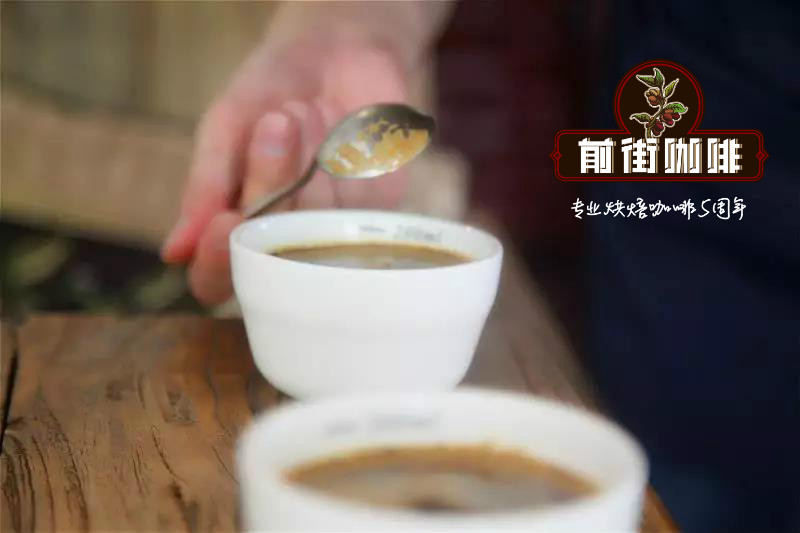
Coffees awarded the COE designation can command high prices at international online auctions dedicated to specialty coffee.
The system does more than boost production incentives: it lifts the reputation of winning estates and their surrounding regions, growing coffee trade volumes all around - benefits on every side.
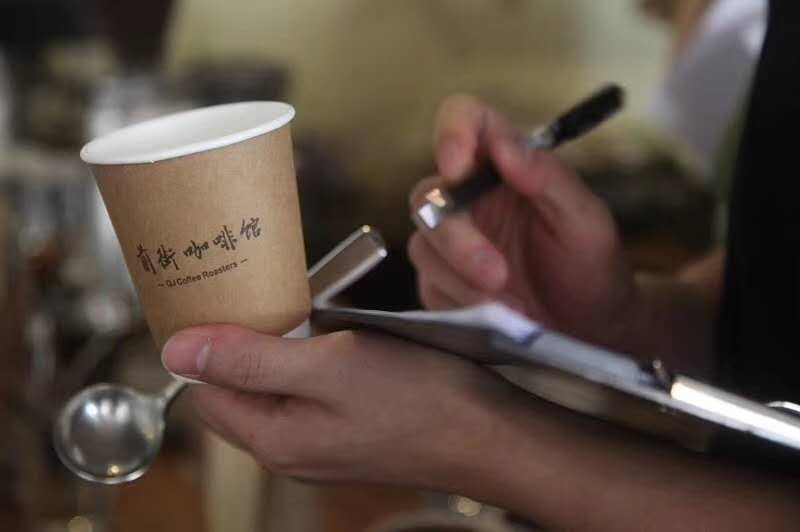
COE Standards and Evaluation
Total scores of 69 or below: slightly inferior commercial or industrial-grade beans.
70-74: ordinary commercial beans.
75-79: superior commercial beans - generally called high-grade commercial coffee.
80-84: specialty coffee.
85 and above: COE competition grade - Cup of Excellence winning coffees, currently recognized as the highest level in the international coffee community.
The Benefits of Competition Coffee Beans
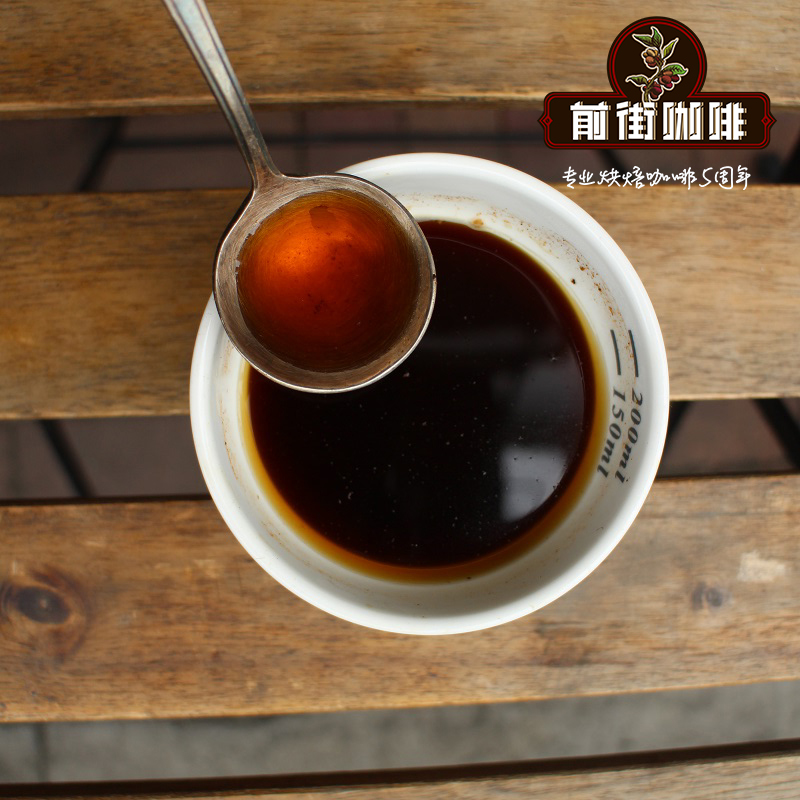
Every C.O.E. winner must have something of its own. To triumph over hundreds of farms it must clear rigorous hurdles, and its quality must be the best of the best. Competition beans show very few defects or insect damage, high consistency in bean size, and uniform color - even their expansion and coloring after roasting match. The flavor reflects the growing environment, the soil, the terrain, even the green-bean processing, creating something genuinely unique. Beans from the same farm vary little, but competition lots are unquestionably the finest that farm has to offer.
C.O.E. experience also makes it easier to build relationships with foreign buyers across production, transport, and marketing, and to reassure them. For small farms producing only 30-40 bags, it opens direct trade with more small foreign buyers, no intermediaries or large coffee traders required - good for both sides. Beyond saving the middleman's margin, the main gains are the freight and tariffs saved between countries. That is the engine driving producers' efforts.
Winning estates earn C.O.E. recognition for their pursuit of quality - not merely a trophy, but assurance that farmers' labor receives its deserved price and return. Competing pushes farmers to raise bean standards ever higher, and in doing so it helped build the specialty coffee market itself.
FrontStreet Coffee Recommendation
You don't need an auction lot to taste specialty-grade coffee. FrontStreet Coffee's entry-level lineup delivers 85-point character at everyday prices: the natural Ethiopia Huakui, with its berry, floral, jackfruit, melon, and honey sweetness, and the washed Yirgacheffe Guodingding cooperative lot - jasmine florals, lemon acidity, and berry tones in the classic Yirgacheffe style. Both show what the COE system has been championing all along: exceptional coffee, traceable to the people who grew it.
Important Notice :
FrontStreet Coffee is a long-established specialty coffee roaster in Guangzhou China, selling freshly roasted beans from its own farm in Yunnan as well as dozens of carefully selected single-origin beans from around the world for both pour-over and espresso. The products deliver consistently excellent quality and great value, with shipping within 24 hours. Guangzhou's FrontStreet Coffee shop is recommended by many coffee lovers, and the beans are now available online at the Tmall 。
FrontStreet Coffee has moved to a new address:
FrontStreet Coffee Address: 315,Donghua East Road,GuangZhou
Tel:020 38364473
 Scan and follow the En Gafei WeChat official account. Please indicate that the reprint comes from "En Gafei".