Kopi Luwak Coffee - Flavor Profile, Taste Characteristics & Bean Price

The Rise of Civet Coffee
At some point civet coffee became a favourite of the wealthy. Local accounts say it began with poor families in Indonesia, who sold the best beans for export and were left with what they could get. They discovered that beans in civet droppings had passed through undigested, so they washed and dried them and brewed them. Others turned that practice into a business, selling civet coffee under a "rare is precious" model that made it a luxury while also leading to large numbers of civets being kept in captivity. FrontStreet Coffee has sourced and stocked civet coffee, and often hears that it is cruel. FrontStreet Coffee's view is that the cruelty lies not in civet coffee itself but in those who cage civets and force them to eat nothing but coffee cherries.
The Habitat of Civets
Civets mainly inhabit tropical rainforests and subtropical evergreen broadleaf forests in hilly and mountainous areas below 2100 meters altitude, choosing rock caves, soil burrows or tree hollows as their habitat. Wild civets are omnivores. Their animal diet includes small mammals, birds, amphibians, reptiles, crustaceans and insects, such as mice, small birds, snakes, frogs, fish, crabs, bird eggs, insects, earthworms and wild fowl. Their plant diet includes the stems and leaves of Solanaceae plants, various fig seeds, and fruits such as trumpet flowers and ground cherries. The coffee cherries they eat include both Arabica and Robusta. Normally Arabica tastes better than Robusta, which is why pure Arabica civet coffee is especially precious.

The Formation of Civet Coffee
Because civet coffee is so scarce, many people assume that although the beans are not digested in the civet's gut, the strongly corrosive digestive fluids have etched their surface. Those fluids contain a special protease that breaks down the bean's original protein chains, splitting long-chain proteins into small particles and forming short-chain peptides and amino acids. Later, many businesses spotted the opportunity and began capturing civets for large-scale captive breeding. The naturally carnivorous civet can only eat coffee cherries in captivity, but cherries alone do not provide enough nutrition to keep it healthy.
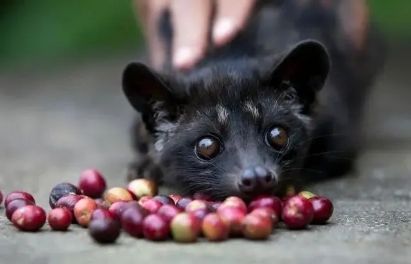
FrontStreet Coffee disagrees with that view. When civets eat only coffee cherries over the long term, the beans they excrete may pass through within just one or two hours of consumption. One or two hours in the stomach is not enough to produce the chain of changes described above; the beans remain essentially as they were, and any flavour change is minimal. What really makes coffee taste good is the original variety. These operations mostly feed Robusta, often unripe, so even if some internal fermentation occurs, the bean's original flavour is still what it is, and claims that it tastes good are nothing but a deceptive gimmick.
FrontStreet Coffee's Neutral Stance on Civet Coffee
FrontStreet Coffee stays neutral on civet coffee. Naturally formed civet coffee is not a problem in itself: civets use their noses to pick out ripe cherries, much as Ethiopia's red cherry lots are harvested at full maturity. The problem is with those who cage civets and force them to eat cherries regardless of ripeness simply to increase output. That leads to cruelty, which falls outside the scope of a conversation about coffee.
In-Vivo Fermentation Processing
The process is called in-vivo fermentation: the beans are not digested, but the corrosive digestive fluids do etch their surface, and the protease they contain breaks the original protein chains down into shorter fragments. Short-chain peptides of 3-9 amino acid residues are sometimes called oligopeptides.
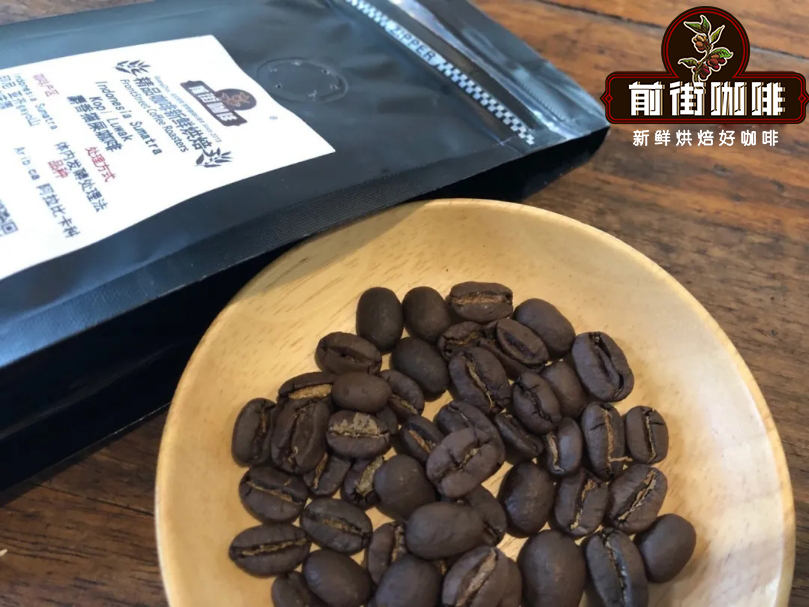
FrontStreet Coffee's Civet Coffee
Origin: Indonesia, Aceh
Altitude: 1200m
Variety: Arabica
Processing Method: In-vivo fermentation
Indonesia's low-altitude Robusta originally has earthy and medicinal flavours with high viscosity, so this civet coffee carries the earthy flavour of aged beans with a viscosity that approaches syrup. Its aroma is very distinctive. If you like the earthy character of Indonesian aged coffee or Indian monsooned coffee, you may well fall for this one.
FrontStreet Coffee's Filter Cup Recommendations for High-Body Coffee
To better express the herbal flavours and rich body of civet coffee, FrontStreet Coffee roasts it medium-dark. Medium-dark beans tend to lose more moisture and therefore weigh less. During brewing the grounds do not sink completely to the bottom, and the first water poured in is absorbed immediately. Vigorous gas release forms bubbles around the grounds and creates channels, and with fresher beans those channels last longer and the water level drops quickly. For this, a coarse stream and a slow circling pour work best.
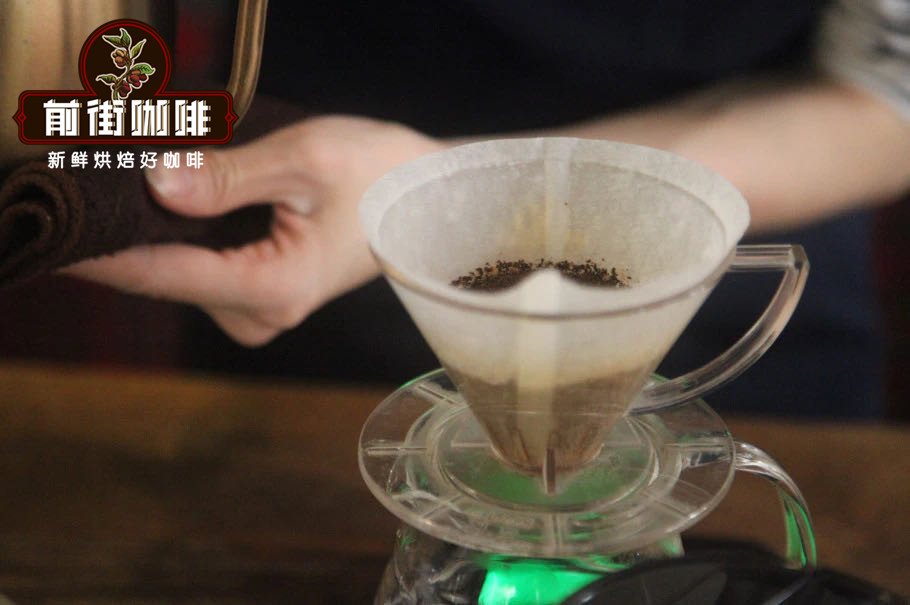
The KONO dripper brings out a rounder, fuller flavour with more direct expression. Its gas drainage is relatively poor, though, because its ribs are straight and reach only one quarter of the way down the dripper; above that quarter the wall forms a seal. FrontStreet Coffee chooses the KONO precisely because those quarter-length ribs are its only gas drainage point. Once the water level rises above the ribs, the volume in the dripper keeps increasing and the weight of the water creates pressure. Since the outlet is relatively small, the contact time between grounds and water is extended and soluble material is effectively extracted, which generally achieves the high-body effect customers are looking for.
How Does FrontStreet Coffee Brew Civet Coffee?
Brewing Parameters: Using KONO filter cup
Water Temperature: 86°C
Dose: 15 grams
Ratio: 1:15 coffee to water ratio
Grind Size: Medium-fine grind (70% retention rate on China standard #20 sieve)

FrontStreet Coffee uses staged extraction, also called three-stage brewing: 30g of water for a 30-second bloom, then a circling pour with a small stream to 125g for the first stage. When the water level drops and is about to expose the coffee bed, continue pouring to 225g and stop. When the water level drops and is about to expose the bed again, remove the filter cup. Timing starts from the bloom, and total extraction time is 2'01".
Civet Coffee Flavor Description: Herbal, nutty, dark chocolate, fermented notes, high body, viscous and smooth mouthfeel.
FrontStreet Coffee Recommendation
What civet coffee delivers, apart from the story, is the earthy, herbal, full-bodied style that Sumatra does best, and FrontStreet Coffee's Mandheling is the honest way to drink it. Drawn from the Toba Lake area of the Lintong region and wet-hulled in the traditional way, it is roasted medium-dark for the classic Mandheling profile: low acidity, a thick and lingering body, and generous caramel, dark chocolate and toasted bread aromas. It is a natural choice for anyone who likes a strong cup.
At the top of the range, FrontStreet Coffee's PWN Golden Mandheling comes from a trader that buys only premium Mandheling lots and sells nothing but specialty grade. Strict defect standards covering density, size, shape and colour are followed by machine sorting and then hand sorting, so the beans stay whole, even, large and bright, with the muddy, grassy edge kept low. Freshly roasted, it shows sandalwood, herbal and spice alongside roasted hazelnut, caramel and dark chocolate: clean, sweet and full-bodied.
Brew any of these in a KONO dripper to push the body further, at 86°C with a 1:15 ratio and a medium-fine grind, just as described above. If you would rather pull it as espresso, FrontStreet Coffee's Classic Blend follows the old Mamba formula of Mandheling and Brazil with a small amount of Robusta added and a dark roast, so the dark chocolate, nut and caramel notes come through at full strength with a thick golden crema.
Important Notice :
FrontStreet Coffee is a long-established specialty coffee roaster in Guangzhou China, selling freshly roasted beans from its own farm in Yunnan as well as dozens of carefully selected single-origin beans from around the world for both pour-over and espresso. The products deliver consistently excellent quality and great value, with shipping within 24 hours. Guangzhou's FrontStreet Coffee shop is recommended by many coffee lovers, and the beans are now available online at the Tmall 。
FrontStreet Coffee has moved to a new address:
FrontStreet Coffee Address: 315,Donghua East Road,GuangZhou
Tel:020 38364473
 Scan and follow the En Gafei WeChat official account. Please indicate that the reprint comes from "En Gafei".