Nicaragua Coffee Flavor Profile and Taste Characteristics. Nicaragua Coffee.
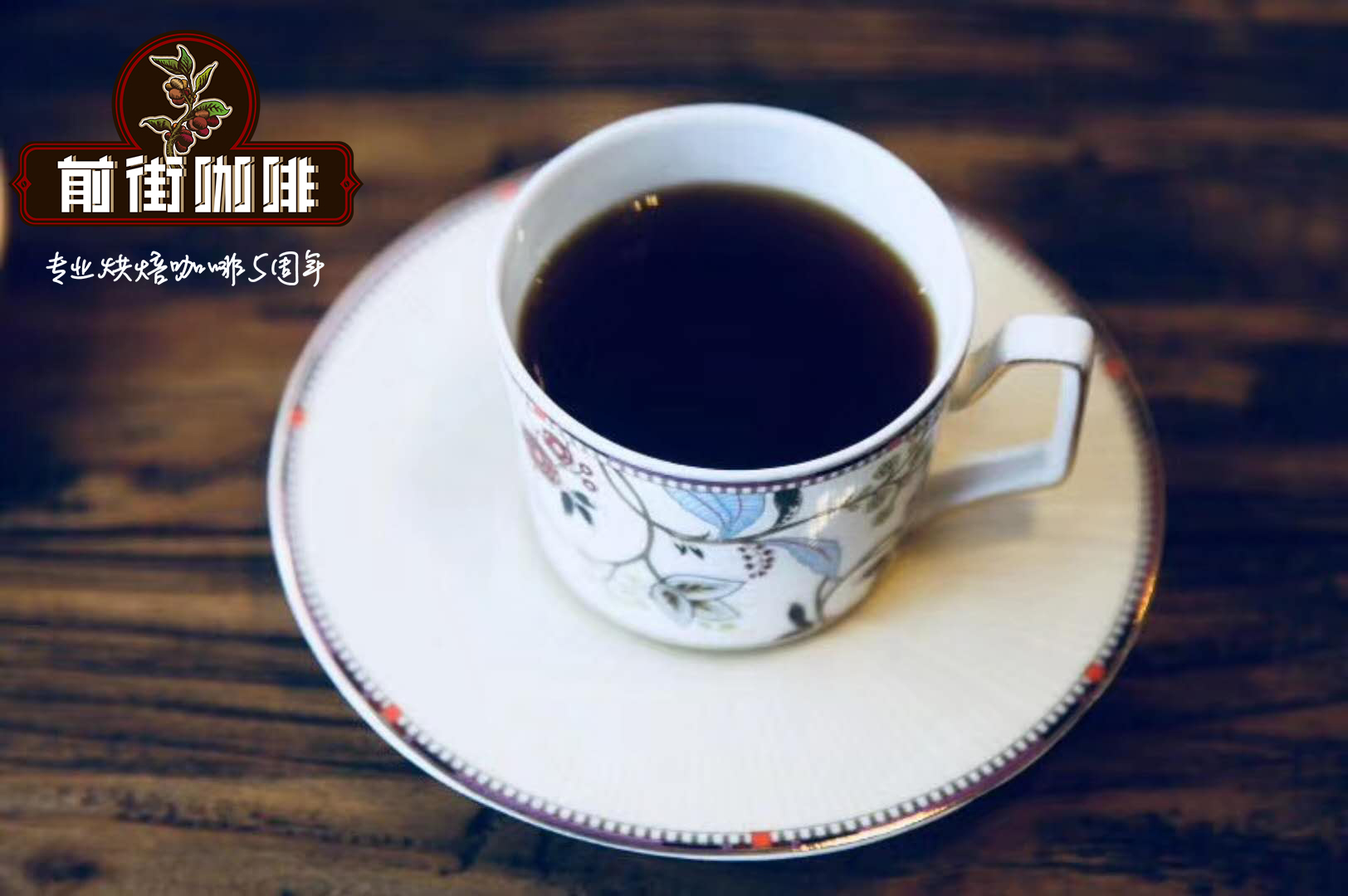
Nicaragua's growing conditions are every bit as good as those of its Central American neighbors, and its coffees show a refreshing, balanced character. What is genuinely surprising is how the country spans two personalities: small-farm coffees roasted light display the clean, bright flavor and delicate, soft acidity you expect from Costa Rica, while a deeper roast reveals the sweet, thick, mellow richness of Colombia. The Jinotega, Matagalpa, and Segovia regions are the sources of Nicaragua's finest—never underestimate the surprises they hold.
High-quality Nicaraguan coffee is marked "S.H.G." on the bags, meaning it comes from high-altitude estates. The Segovia region sits on a northern plateau and is an exceptional, distinctive area built around cooperatives.
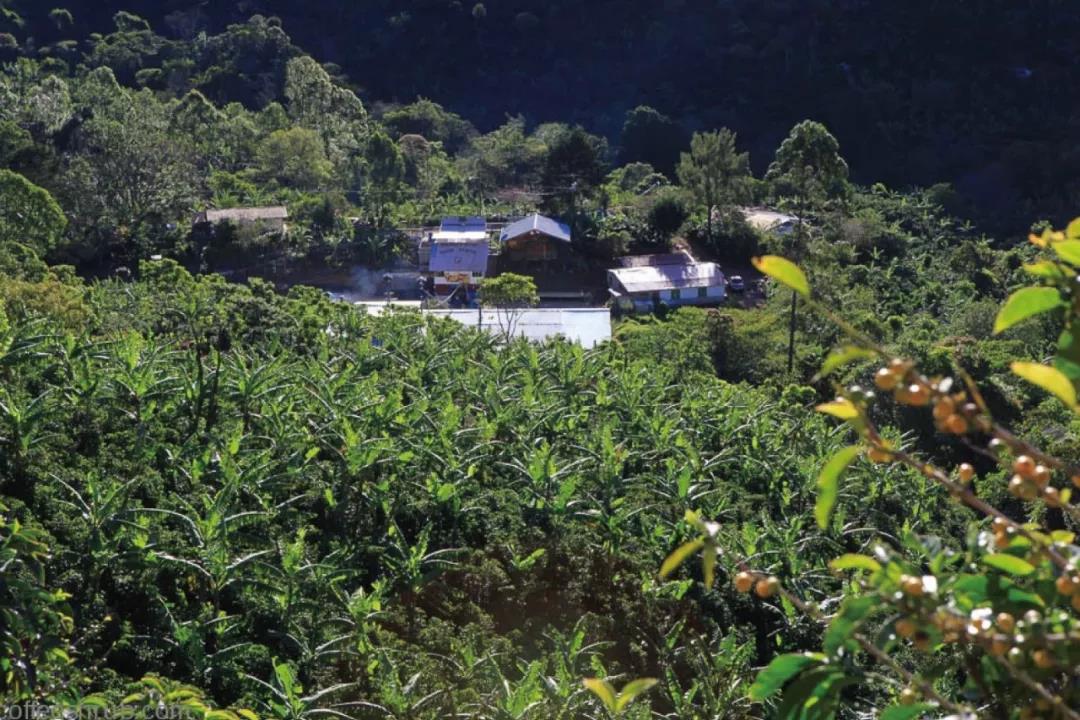
Harvest runs from October to February of the following year. Ripe cherries are picked by hand, emptied into washing tanks to remove skin and pulp, sorted, then sun-dried. From there they go to nearby cooperatives for further sorting and drying until moisture reaches about 12%, when they are bagged for market. In recent years some estates have received guidance to sell independently, securing quality and premium pricing—a benefit to consumers, though it costs buyers more and, in truth, does not dramatically improve farmers' livelihoods.
Nicaraguan coffee is mild and gentle with subtle acidity, which suits blending nicely. The country's beans are among the largest of any origin, and the giants of Matagalpa are especially distinctive. These "elephant beans" are bigger than typical coffee beans and carry a unique, special aroma: Maragogipe coffee shows a round texture, while its Matagalpa sibling variety carries a wild acidity with an indescribable fragrance.
Breaking Traditions: Why Maracaturra?
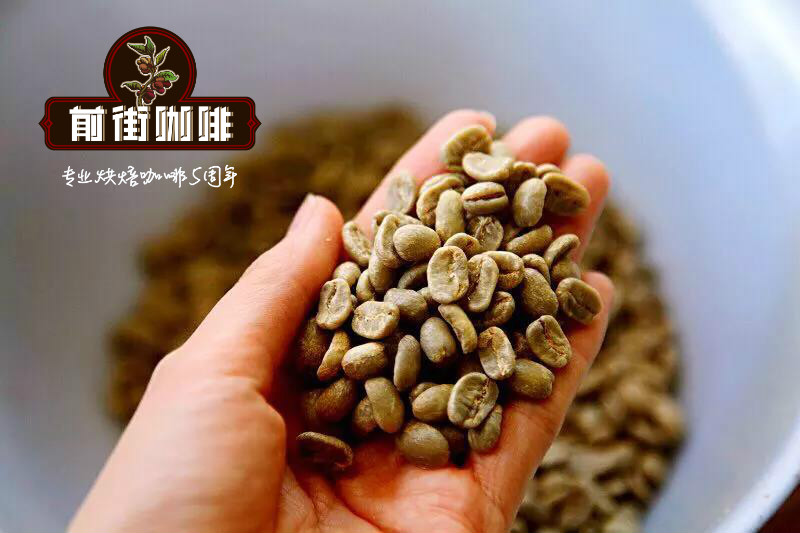
Mauricio currently grows elephant beans, orange bourbon, and Pacamara. Even though his coffees all taste excellent, he keeps searching for ways to improve.
He spoke with Manuel Meza, then Research Director at The Salvadoran Foundation for Coffee Research (Procafé). Meza told him he had seen Maracaturra in Matagalpa, Nicaragua—a variety that had repeatedly reached top 5 finishes in the Cup of Excellence.
Happy to help, Meza brought Maracaturra seeds for Mauricio to plant.
The Maracaturra variety is a cross between Maragogype and Caturra, combining the full body of the former with the sweet flavor of the latter, and it is commonly found in Nicaragua.
Maracaturra is a hybrid—a product of the marriage between elephant beans (Maragogype) and Caturra—and it is very common in Nicaragua.
However, this variety has won the Cup of Excellence twice at Finca Himalaya, a coffee estate in Apaneca, El Salvador.
What Makes Maracaturra Special?
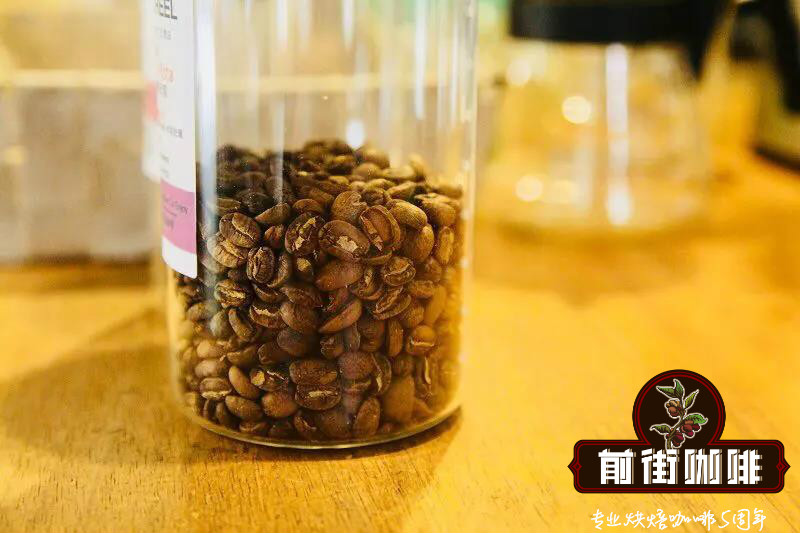
Like elephant beans (Maragogype), Maracaturra beans are very large. Mauricio says the variety inherited Caturra's excellent flavor and high yield. Its short stature and abundant leaves shelter the trees against strong winds—very useful on his estate, where gusts are frequent.
Unfortunately, the variety is highly susceptible to leaf rust, so it demands careful attention. Its flavor centers on tropical fruits and bright acidity. It took 5th place in the 2015 Cup of Excellence, and Mauricio believes future harvests will surpass even his Pacamara.
Looking ahead, Mauricio plans to try semi-washed, honey, and natural processing for his Maracaturra cherries to find the best fit. He dries on African beds, which stabilize air circulation and make drying more uniform.
FrontStreet Coffee's Recommended Brewing Methods: Siphon and Pour-over
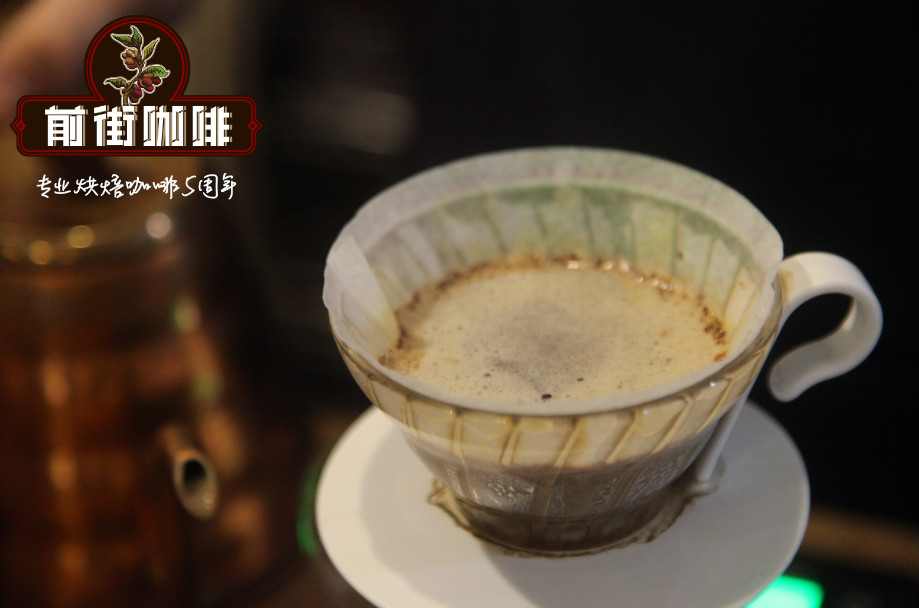
Grind size: 3.5 (Japan Fuji R440)
V60 dripper, 15g of coffee, water temperature 91-92°C, grind size 3.5, water-to-coffee ratio close to 1:15
33g of water for bloom, bloom time 25s
Segmented infusion: pour water to 100ml, pause, then slowly pour to 225ml
That is: 30-100-95
Other Drip Brewing Recommendations:
French press: recommended grind size 3.5-4, water temperature 92°C
AeroPress: recommended grind size 2.5, water temperature 88°C
Pour-over: grind size 3.5, water temperature 89°C
Grind size 3.5 - 91°C water temperature
FrontStreet Coffee Recommendation
If Nicaragua's balanced, gentle character appeals to you, Colombia offers a complementary style from the same hemisphere. FrontStreet Coffee's Washed Huila is roasted medium-dark to bring out black chocolate and nutty sweetness with moderate oils and full body—equally at home in a pour-over, French press, moka pot, or espresso machine, and a dependable base for americanos and lattes.
For Colombia's brighter, more aromatic side, the FrontStreet Flower Boundary Estate Sidra is an anaerobic natural: sealed, oxygen-free fermentation in a pressurized stainless tank unlocks extra tropical fruit character, and at a medium-light roast it pours passionfruit, grape, apricot, and dried-fruit aromas across pour-over, cold brew, drip bag, and moka pot alike.
And for espresso drinkers who want Central American-style balance in every shot, the barista-favorite FrontStreet Premium Blend pairs Brazil's creamy nut sweetness with Colombia's dark chocolate bitterness, extracting a fine golden crema that turns a latte into something rich and silky—beginner-friendly, and just as good under americano, cappuccino, or mocha.
Important Notice :
FrontStreet Coffee is a long-established specialty coffee roaster in Guangzhou China, selling freshly roasted beans from its own farm in Yunnan as well as dozens of carefully selected single-origin beans from around the world for both pour-over and espresso. The products deliver consistently excellent quality and great value, with shipping within 24 hours. Guangzhou's FrontStreet Coffee shop is recommended by many coffee lovers, and the beans are now available online at the Tmall 。
FrontStreet Coffee has moved to a new address:
FrontStreet Coffee Address: 315,Donghua East Road,GuangZhou
Tel:020 38364473
 Scan and follow the En Gafei WeChat official account. Please indicate that the reprint comes from "En Gafei".