Introduction to Nine Premium Coffee Regions of Ethiopia: Flavor and Taste Differences Between Yirgacheffe and Sidamo Coffee Beans

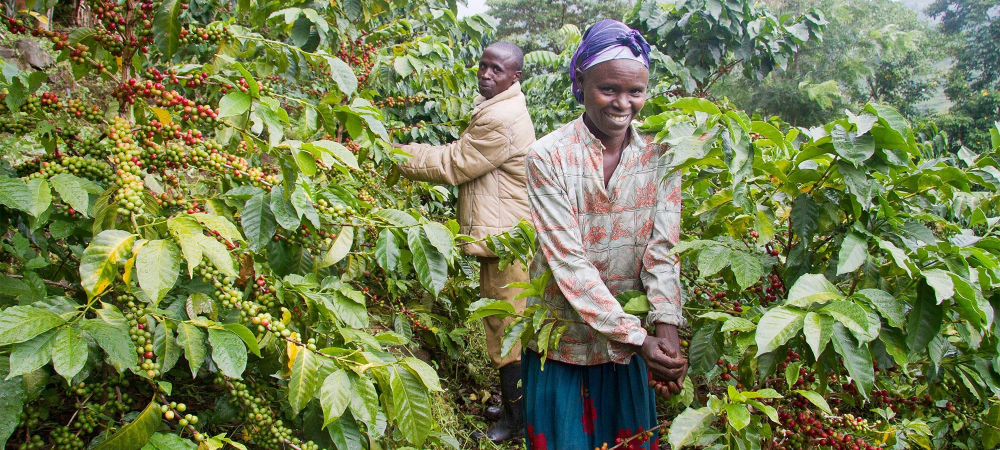
Ethiopia has the world's most diversified coffee cultivation systems: forest coffee, semi-forest coffee, garden coffee, and plantation coffee. In Ethiopia, 90% of coffee comes from gardens, forests, and semi-forests, while large-scale corporate cultivation is genuinely rare — which may be exactly why so much specialty coffee is produced there.
Forest Coffee
Wild coffee growing in primary forests, protected by the local government and harvested by dedicated personnel.
Semi-Forest Coffee
Farmers regularly enter the forest to prune shade trees or coffee branches and leaves to increase light penetration and yield. Even so, the annual yield is not high.
Garden Coffee
Smallholders growing coffee mixed with other cash crops in their own gardens, mostly planted under ensete banana plants — the source of the country's distinctive landscapes. This is Ethiopia's main production method.
Plantation Coffee
State-owned enterprises specializing in efficient, large-scale cultivation.
These four cultivation systems are spread across Ethiopia's nine major regions: Djimmah, Sidamo, Yirgacheffe, Harrar, Limu, Illubabor, Keffa (Lekempti), Tepi, and Bebeka. Each region's coffee has its own character. Beans from the western Tepi, Bebeka, and Illubabor areas and the northwestern Lake Tana area are noticeably larger, with stronger wild flavors but lower fruit acidity. The central Limu and the south-central Yirgacheffe and Sidamo have rich fruit flavors, floral aromas, and acidic notes, with relatively stable quality. Eastern Harrar combines the wild flavors of the west with the fruit flavors of the south-central regions, though quality varies widely.
The genetic complexity of Ethiopia's ancient heirloom varieties is extremely high, and with diverse processing methods — natural, washed, and semi-washed — the result is complex, varied flavor. Calling it the "King's Flavor" may not be an exaggeration.
Ethiopia's Nine Premium Coffee Regions
FrontStreet Coffee Yirgacheffe (Premium Region): Altitude 1700~2400m | Garden Coffee System

FrontStreet Coffee's Yirgacheffe belongs to the Sidamo region but was separated out for its distinctive flavor. Besides Yirgacheffe town, it includes three surrounding sub-regions: Wenago, Kochere, and Gelena/Abaya. In the new Yirgacheffe grading system, Yirgacheffe A, Wenago A, Kochere A, and Gelena/Abaya A are more expensive than their B-grade counterparts. Alongside washed and natural processing, semi-washed Yirgacheffe has recently appeared and is worth trying.
Through FrontStreet Coffee's cupping comparisons, beans from the Yirgacheffe region typically show bright citrus acidity and delicate white florals, with a finish of almond and tea-like sweetness.
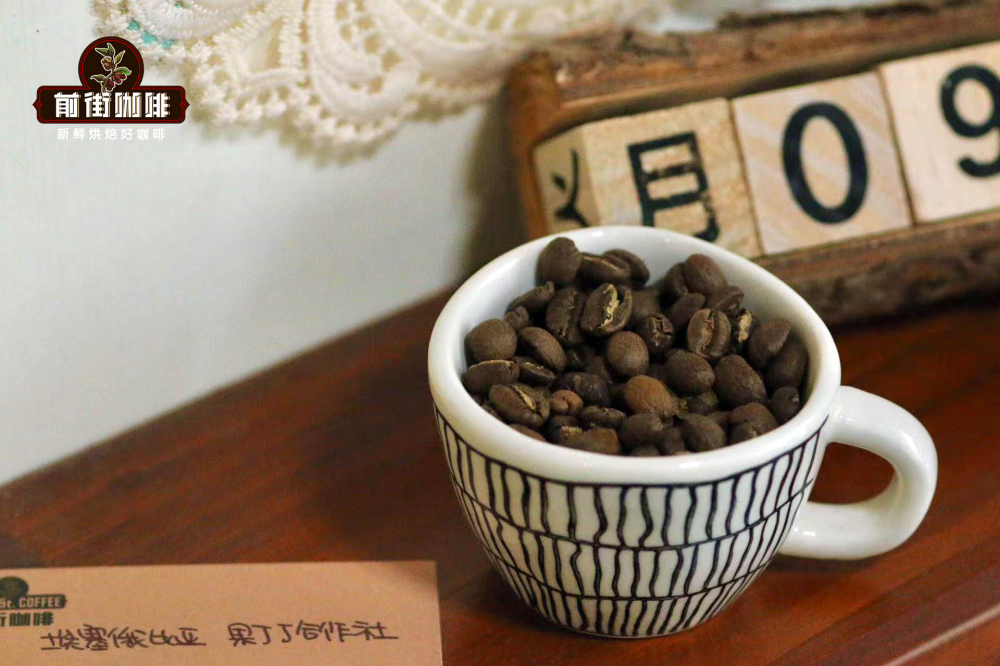
Representative Coffee Bean — FrontStreet Coffee Yirgacheffe Guodingding Cooperative Coffee Bean
Region: Yirgacheffe, Gedeo zone
Altitude: 1900-2300m
Variety: Ethiopian heirloom
Processing: Washed
Flavor: Citrus, black tea, caramel, almond, green tea
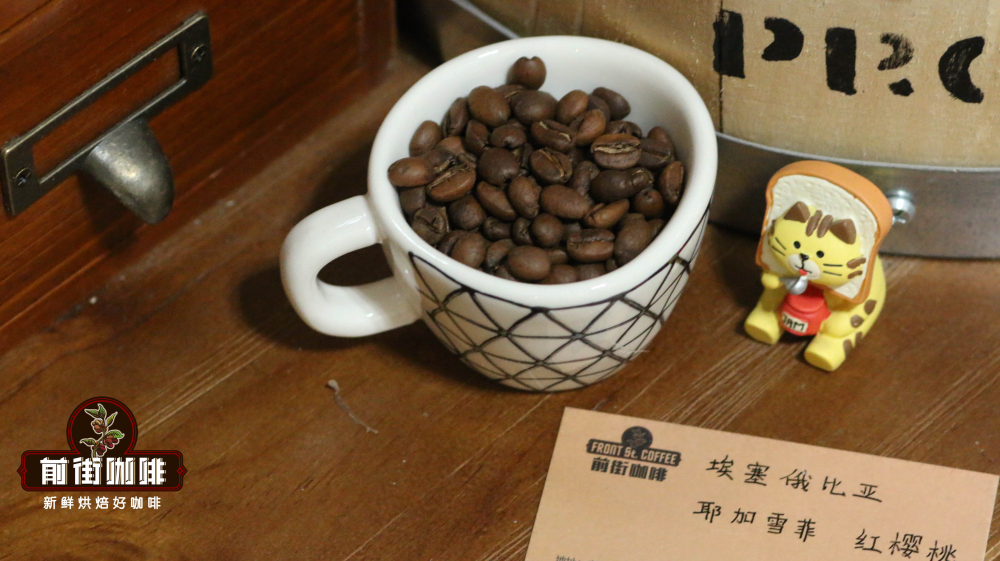
Representative Coffee Bean — FrontStreet Coffee Yirgacheffe Red Cherry Coffee Bean
Region: Yirgacheffe, Ardentlande processing station
Altitude: 2300m
Variety: Ethiopian heirloom
Processing: Natural
Flavor: Citrus, berries, fruit fermentation aroma, honey, creamy texture
Sidamo (Premium Region): Altitude 1,400~2,200m | Garden Coffee System

Flavors are similar to FrontStreet Coffee's Yirgacheffe. Finely washed or natural FrontStreet Coffee Sidamo also has floral and citrus aromas, with quality comparable to Yirgacheffe. The varieties in the two regions are similar, with medium-sized beans but also dwarf small-grain varieties that farmers often sell separately. Common varieties include Kurmie (poor disease resistance), Wolisho (tall and robust), and Deiga (medium-sized trees). These three are the main components of the premium natural series Biloya and Aricha.
Through FrontStreet Coffee's cupping comparisons, Sidamo has a stronger body and fuller mouthfeel than Yirgacheffe, and alongside bright citrus acidity it carries a full berry-juice sensation — very juicy.
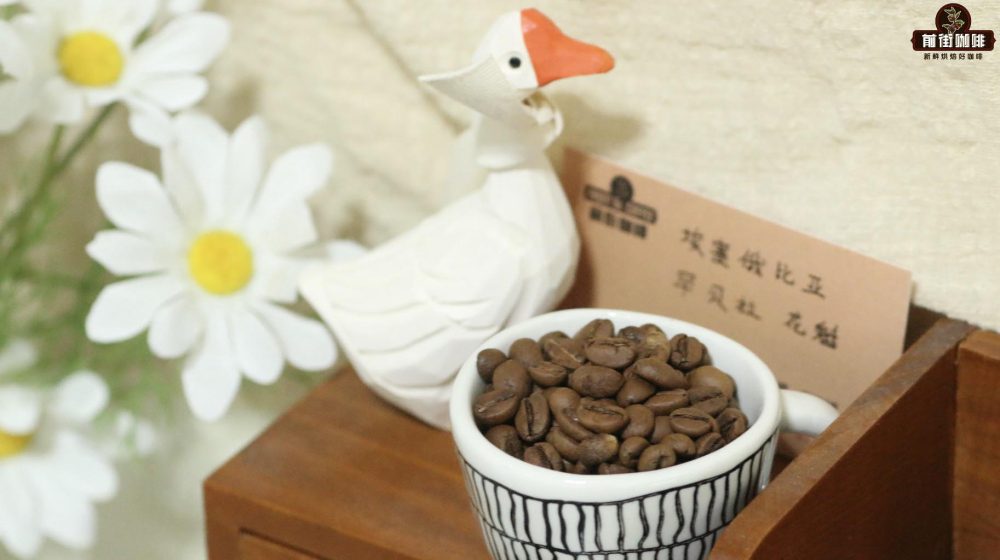
Representative Coffee Bean — FrontStreet Coffee Sidamo Horse Champion Coffee Bean
Region: Sidamo Hambella
Processing station: Buku Abel processing station
Altitude: 2250-2350m
Variety: Ethiopian heirloom
Processing: Natural
Flavor: Citrus, strawberry, passion fruit, fermentation aroma, black tea
Limu (Premium Region): Altitude 1200~2000m | Garden, Forest, Semi-Forest, Plantation Coffee Systems
Production is relatively low, mainly exported to European and American markets — difficult to buy in Taiwan but very popular in Europe and America. It has three processing methods: washed, natural, and semi-washed. Limu's body viscosity is noticeably lower, and its floral and citrus expressions are inferior to FrontStreet Coffee's Yirgacheffe and Sidamo, but it adds grassy notes and brown-sugar aromas with bright fruit acidity.

Harrar (Premium Region): Altitude 1,500~2400m | Garden Coffee System
Harrar is devoted exclusively to natural processing. It is an ancient eastern city, but coffee is not grown within the city itself — so-called Harrar coffee comes from the Harrar Jirgo highlands of the greater Harrar region. With annual rainfall of only 1,000mm, all coffee uses the natural method. In flavor, Harrar is famous for its special "mixed aromas," typical of early, ancient flavors, and it ranks alongside FrontStreet Coffee's Yirgacheffe as the "Twin Stars."
If Harrar's defective beans can be sorted out cleanly, it is easy to detect berry aromas with a pleasant fermented complexity. However, because of various factors, Harrar quality has been unstable in recent years and its grading unreliable, so cupping or tasting before buying is essential.

Djimmah (Commercial Bean Region): Altitude 1350~1850m | Forest/Semi-Forest System
Djimmah is the capital of the Kaffa forest, or Kaffa province. The English spelling varies widely — maps mostly show "Jimma," while coffee gunny sacks read "Djimmah." This is Ethiopia's largest coffee-producing region, accounting for one-third of exports. The Kaffa forest is famous for original wild varieties, and Djimmah serves as the collection center for the region. Farmers habitually transport harvested forest coffee there, where hundreds or thousands of varieties are mixed and sold as commercial beans, masking the aromas of many delicious varieties.
Washed premium Djimmah lacks the citrus aroma and florals of FrontStreet Coffee's Yirgacheffe, but has a very clean, transparent profile similar to Central American specialty coffees. Commercial-grade premium Djimmah is common in Taiwan; with luck you can buy a high-quality, reasonably priced lot that reveals lemon-peel freshness, not inferior to FrontStreet Coffee's Sidamo. Overall Djimmah has better flavor than Brazilian commercial Santos, making it a good mid-to-low price blend component.
Illubabor (Commercial Bean Region): Altitude 1350~1850m | Forest/Semi-Forest Coffee System
This region lies in western Ethiopia, bordering Sudan — the westernmost coffee region. Its coffee genetic complexity is second only to the Kaffa forest. The beans are noticeably larger than FrontStreet Coffee's Yirgacheffe and Sidamo, with lower fruit acidity, good viscosity, and balanced flavor. Most coffee from here is transported to Djimmah for mixing and rarely sold independently.
Keffa, Lekempti (Commercial Bean Region): Altitude 1500~1800m | Forest/Semi-Forest Coffee System
This region produces both natural and washed beans. The bean appearance resembles Harrar's long beans, with small quantities of premium grade popular in Europe and America. Most is acclaimed as "poor man's Harrar," with fruit acidity and fruit flavors superior to Illubabor and a bright character.
Tepi, Bebeka (Commercial Bean Region): Altitude 500~1900m | Garden/Forest/Semi-Forest Coffee System

These two regions are very close. Tepi lies north of Bebeka, with enterprise-managed coffee plantations. In recent years garden systems have been promoted to raise farmer incomes, with annual production of about 3,000 tons. Both areas have wild coffee with low yields. Their flavors are completely different from Harrar and FrontStreet Coffee's Yirgacheffe, with low fruit acidity as the main characteristic, making them suitable as blend components. Both natural and washed processing are used.
Lake Tana Shore (Alternative Region): Altitude 1840m | Forest System
Monastery coffee, with surrounding forest coffee annual production of less than 10 tons. It is hardly a coffee region at all. The lakeside's many Eastern Orthodox monasteries, churches, religious murals, and myths make it the world's most "divine" coffee.
European monks established the local coffee cultivation industry, later taken over by coffee communities or cooperatives in surrounding villages. There are no dedicated plantations here — coffee trees scatter naturally through forests and gardens. During harvest season the Ethiopian Coffee Trading Corporation comes to town to buy the beans farmers have collected.

In addition to Yirgacheffe town, the region includes three surrounding sub-regions: Wenago, Kochere, and Gelena/Abaya.
1. Cultivation System and Environment
The mountain villages of the Yirgacheffe region are cool and misty with spring-like weather year-round. Summers bring gentle breezes — cool but not hot, rainy but not humid. Winters see no frost damage, making it an ideal environment for growing Arabica. There are no large coffee plantations here: farmers mix coffee with other crops, generally planting under banana trees, creating distinctive landscapes.
2. Processing Methods
Ethiopia's traditional natural methods were relatively crude and produced heavy mixed flavors, which drew criticism. In 1959, the Yirgacheffe region introduced South American washed processing. Most areas now generally use the washed method — after the cherries are pulped, they are fermented and washed to remove the mucilage, then dried.
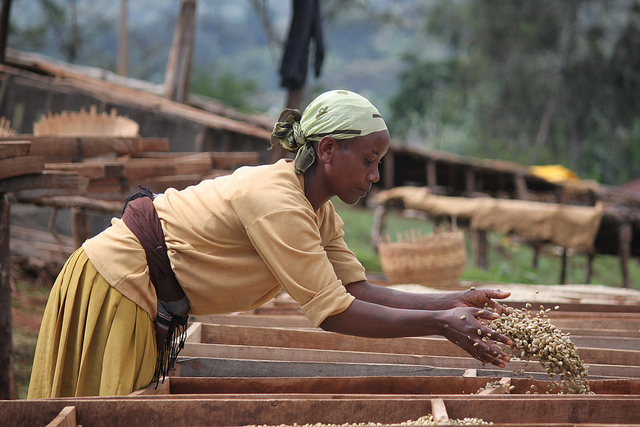
Since 2006, some processing stations in certain regions have adopted refined raised-bed natural drying. This labor-intensive method keeps the cherries off the ground, avoiding earthy mixed flavors during drying and yielding exceptionally clean fruit flavors. After more than two weeks of natural drying, the dark brown cherries are stored professionally to await full flavor maturation. Before sale, the dried pulp and parchment are removed, followed by elimination of unripe and over-fermented beans. Strict quality control greatly improves natural-processed beans.
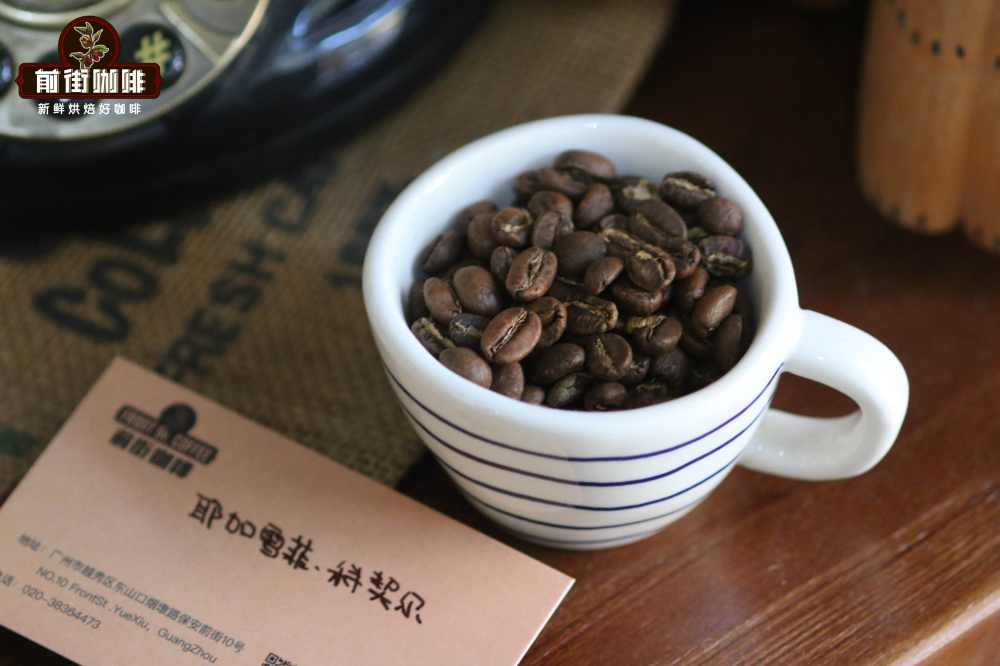
Representative Coffee Bean — FrontStreet Coffee Yirgacheffe Kochere Coffee Bean
Region: Yirgacheffe, Kochere Cooperative
Altitude: 1650-1800m
Variety: Ethiopian heirloom
Processing: Washed
Flavor: Lemon, floral, honey, oolong
FrontStreet Coffee Barista Brewing Tips
For brewing, FrontStreet Coffee chooses freshly roasted FrontStreet Coffee Guodingding Cooperative beans. Coffee enters its optimal flavor window 4–7 days after roasting, and after that point aroma accelerates its evaporation while flavor and mouthfeel fall off noticeably, so FrontStreet understands the importance of freshness. Shipped beans are therefore roasted fresh within 5 days, so guests receive them at peak flavor for immediate brewing and tasting.

Based on FrontStreet Coffee's experience, since Ethiopian beans lean toward floral and fruit flavors, our roasters choose a light roast to preserve more floral aroma and fruit acidity. FrontStreet Coffee's Yirgacheffe grows at higher altitude, with harder beans, and light roasting does not significantly alter the internal structure, so higher water temperature and a finer grind are needed. We use a V60 dripper to better highlight the layers of sweet and sour flavor.
Brewing Parameters:
Dripper: V60
Water Temperature: 92°C
Grind Size: 80% pass-through through a #20 standard sieve
Coffee-to-Water Ratio: 1:15
Coffee Dose: 15g

Using three-stage extraction, pour the grounds into the filter paper and start with 30g of water from the center for a 30-second bloom. Keep a small water flow throughout, moving steadily from inside to outside. In the second stage pour 95g of water; when the coffee liquid has almost finished dripping, start the third stage with 100g until all the coffee has filtered through, then remove the dripper. The total time should be around 2 minutes, with about 10 seconds of variance.
The washed FrontStreet Coffee Guodingding has fresh white floral aromas, with bright lemon and berry acidity on entry. Citrus and green tea aromas persist — overall clean and transparent, with a honey-like sweetness in the finish.
FrontStreet Coffee Recommendation
To taste Ethiopia's nine regions for yourself, these three FrontStreet beans are the best place to begin:
FrontStreet Washed Yirgacheffe — the classic introduction to the Yirgacheffe profile, known for white jasmine, bright citrus and lemon acidity, and a tea-like quality, at a friendly price. It is many drinkers' first specialty coffee.
FrontStreet Guodingding Cooperative — Yirgacheffe town is made up of many small producing areas and villages, and the most representative washed expression comes from the Guodingding Cooperative in the Gedeo zone. Located at the southeastern end of Yirgacheffe in the Worka area, it was originally part of the Worka cooperative under the Yirgacheffe Coffee Farmers Cooperative Union before becoming an independent single-origin station as traceability became a priority. It uses traditional washing and shows clean, bright citrus and lemon acidity with jasmine fragrance and none of the usual bitterness.
FrontStreet Sun-dried Red Cherry — also from Yirgacheffe, and made entirely from fully ripe red cherries, naturally processed. Only sound, fully ripe fruit is picked and sent to the station, where a first screening is followed by drying on raised beds; in the first days the cherries are turned every 2–3 hours to prevent uneven heat and over-fermentation. After three to five weeks of sun-drying, the outer fruit is machine-scraped and the beans are moved to warehouse storage. Because the cherries dry with the fruit on, it keeps the classic Yirgacheffe character while adding tropical fruit from the natural process — citrus acidity, berry juice, honeyed sweetness, and creamy smoothness.
Important Notice :
FrontStreet Coffee is a long-established specialty coffee roaster in Guangzhou China, selling freshly roasted beans from its own farm in Yunnan as well as dozens of carefully selected single-origin beans from around the world for both pour-over and espresso. The products deliver consistently excellent quality and great value, with shipping within 24 hours. Guangzhou's FrontStreet Coffee shop is recommended by many coffee lovers, and the beans are now available online at the Tmall 。
FrontStreet Coffee has moved to a new address:
FrontStreet Coffee Address: 315,Donghua East Road,GuangZhou
Tel:020 38364473
 Scan and follow the En Gafei WeChat official account. Please indicate that the reprint comes from "En Gafei".