Green Bean Processing Methods: What's the Difference Between Natural, Washed, Honey, and Red Wine Processing?
Green Bean Processing Methods: What's the Difference Between Natural, Washed, Honey, and Wine Processing?
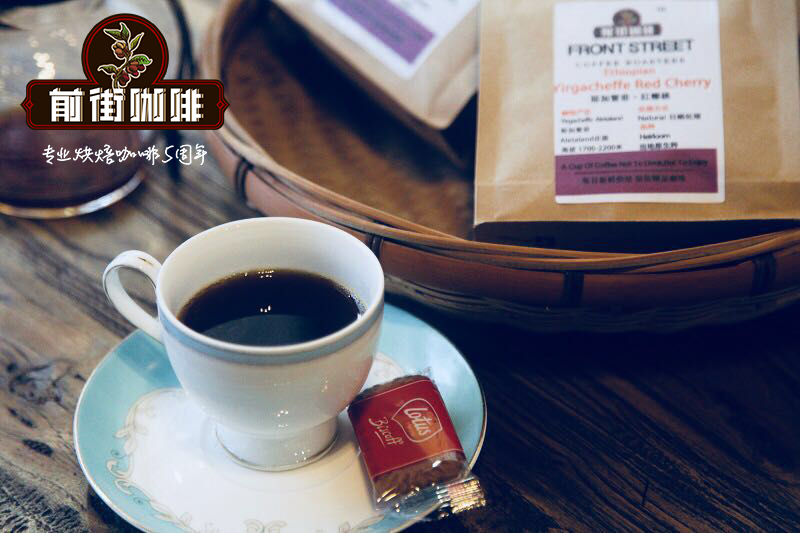
Ask any experienced coffee drinker how they choose a bag of beans, and the answer is usually the same: read the label. A well-written label tells you the variety, the origin, the estate, the altitude, the harvest year, and the processing method. With that information in hand, you can trace the whole life of the coffee in the bag.
For someone just getting into coffee, though, that label can read like a technical manual. What does altitude actually change in the cup? What does each processing method mean? The answers start with a simple fact: coffee is a fruit.
Coffee Is an Agricultural Product First
Coffee trees flower and bear fruit. The blossoms are white and smell faintly of jasmine. Once they fall, fruit begins to form, green at first and then ripening to red, yellow, or another color depending on the variety. That fruit is the coffee cherry, and the seeds inside it are the beans we roast and brew.
Cherries are perishable and cannot be stored for long, so they have to be processed soon after picking to separate the seeds from the fruit. That step is what we mean by "processing method," and it shapes the flavor of the coffee as much as origin or variety does.
The Three Common Processing Methods
Most coffee on the market is processed one of three ways: natural, washed, or honey. A fourth, wine processing, has become popular more recently.
Natural Processing
Natural processing is the oldest way to handle green coffee. The cherries are harvested and spread in thin layers on drying patios, where they are raked regularly under sun and wind until the moisture is gone. The dried skin and pulp are then removed with a huller to release the beans, which are finally sorted and graded.
The huller does the mechanical work, but the drying itself depends on human judgment, and that makes natural processing hard to standardize. The payoff is flavor: naturally processed beans tend to be sweeter, fuller, and lower in acidity, layering cherry fruit over a warmth that seems to come from the sun itself. Done badly, the same method produces fermented, muddy coffee, which is why it is worth buying natural beans from estates with a proven track record.
Washed Processing
Washed processing is the workhorse of specialty coffee. It involves more steps than natural processing, but each step is easier to control. The cherries are floated in water tanks so that debris and unripe fruit can be skimmed off, then depulped by machine. The sticky mucilage still clinging to the parchment is broken down in fermentation tanks and rinsed away, and the beans are graded in washing channels before being dried on patios or in mechanical dryers. Finally the parchment is removed and the beans are sorted.
The result is clean, consistent coffee with fewer defects and a bright, fruit-forward acidity. Under-ferment or over-ferment, though, and the cup turns astringent and sour.
Honey Processing
Honey processing, also called semi-washed, is common across Central and South America. Despite the name, no honey is involved. The mucilage left on the bean after depulping is so sugary and sticky that the industry nicknamed it "honey," and honey processing simply means drying the beans with some or all of that layer still attached. Skipping the fermentation tank is what separates it from the washed method.
The cup is sweet and well balanced, with fruit acidity and a generous crema. It preserves the bean's original character so faithfully that it has become a favorite of hobbyists. Costa Rica is the classic source of honey-processed coffee, and the country's producers have pushed the style further into the black, red, yellow, and white honey grades defined by how much mucilage is retained.
Wine Processing
Wine processing is the odd one out. It came to prominence when Sasa Sestic, the 2015 World Barista Champion, brought wine-processed Colombian beans to a wide audience. Inspired by red-wine fermentation, it uses acetic or lactic acid and controls the degree of fermentation by monitoring pH, which is why it is also called controlled fermentation. The resulting coffee is sweeter than average, with an elegant acidity and a character all its own.
Conclusion
These four methods cover most of the coffee you will meet on a shelf. Once you can read them, the label stops being a technical manual and starts being a preview of the cup.
FrontStreet Coffee Recommendation
If you want to taste what honey processing does to a coffee, start with FrontStreet Coffee Costa Rica Blackberry. It is made with a black honey process that removes almost no mucilage and dries for at least two weeks under shade cloth, so the sugars convert slowly and evenly. Roasted medium-light, it grinds into an intense floral aroma and brews into a cup of grape, berry, and ripe blackberry.
For a more experimental take, try FrontStreet Coffee Costa Rica Mozart. This lot uses a raisin honey process, in which the whole cherries are pre-dried on raised beds for at least three days before the skin and pulp are removed. The technique preserves 100% of the mucilage and is harder to control than black honey, but it delivers a rich, warm fruit sweetness — osmanthus, pineapple, and raisin — whether you brew it as pour-over, cold brew, or in a moka pot.
FrontStreet Coffee Strawberry Candy is a blend built to bridge two regions: Panama Geisha for its classic citrus-and-honey perfume, and a Costa Rican coffee processed with raisin honey and a zero-water method that keeps 100% of the mucilage. The cherries are floated to remove underripe and overripe fruit, dried on raised beds for at least three days, then depulped and dried again with constant turning. The cup carries Geisha's floral-tea lift alongside raisin and blueberry, soft fruit acidity, an almond finish, and obvious sweetness.
For the pulped-natural side of the honey family, FrontStreet Coffee Cerrado is a classic Brazilian example: cream, peanut, nut, and chocolate in the cup, the same profile that first convinced Costa Rican growers to adapt the semi-washed method for themselves.
Important Notice :
FrontStreet Coffee is a long-established specialty coffee roaster in Guangzhou China, selling freshly roasted beans from its own farm in Yunnan as well as dozens of carefully selected single-origin beans from around the world for both pour-over and espresso. The products deliver consistently excellent quality and great value, with shipping within 24 hours. Guangzhou's FrontStreet Coffee shop is recommended by many coffee lovers, and the beans are now available online at the Tmall 。
FrontStreet Coffee has moved to a new address:
FrontStreet Coffee Address: 315,Donghua East Road,GuangZhou
Tel:020 38364473
 Scan and follow the En Gafei WeChat official account. Please indicate that the reprint comes from "En Gafei".