A Brief Introduction to Papua New Guinea Coffee: What Are the Flavor Characteristics of Bird of Paradise Coffee Beans?
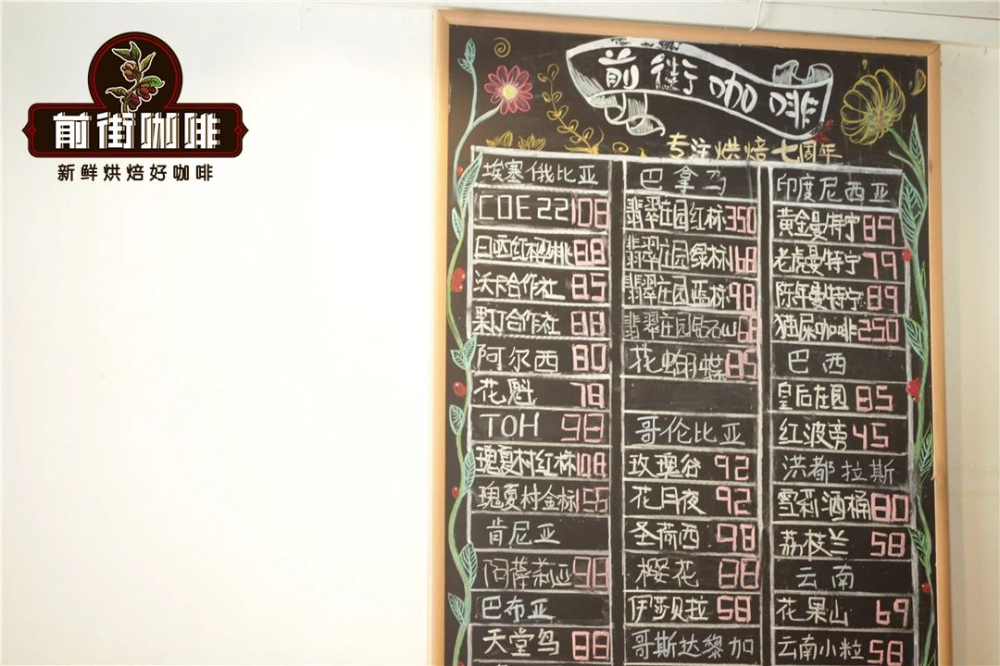
If you enjoy coffee with a balanced, rich flavor profile, FrontStreet Coffee's baristas would first point you to a bean from Papua New Guinea — the Paradise Bird. Washed processed and roasted medium-dark, it shows distinct aromas of hazelnut, toasted bread, sugarcane, and caramel while keeping a light, delicate fruit acidity. The taste is balanced and clean, which is how it earned the nickname "Little Blue Mountain."
Where Is Papua New Guinea?
Papua New Guinea is an island nation next to Indonesia, with a tropical rainforest climate and abundant forest cover. Its highlands, between 1,300 and 1,800 meters, are ideal for coffee. As a former British colony, the country received Typica seed from Jamaica in 1931, which steadily accelerated the commercial development of its coffee industry.

Papua New Guinea lies in the southwestern Pacific. Coffee is the only cash crop of the highlands, accounting for 40% of the country's agricultural output, with more than 2 million smallholder farmers relying on it year-round. Production is concentrated in mountain areas between 1,500 and 1,900 meters, where picturesque scenery, plentiful rainfall, and volcanic soil are perfect for high-quality Arabica.
When the British brought Jamaica's Typica to Papua New Guinea in the 1930s, the island's coffee inherited the pedigree of Blue Mountain — itself a Typica coffee — and picked up the affectionate label "Little Blue Mountain." But the growing regions sit at 6 degrees south latitude, far closer to the equator than Jamaica's Blue Mountain range at 18 degrees north, which gives PNG beans an added sweet-and-sour dark fruit dimension.
Beyond Jamaica's Typica, Papua New Guinea introduced Bourbon from Kenya in 1950, then Mundo Novo and Caturra from Brazil in 1962, greatly enriching local variety diversity. In 1975, frost disasters devastated Brazilian coffee, giving Papua New Guinea's industry an opening to expand.

FrontStreet Coffee's "Little Blue Mountain" comes from the Sigri plantation in the Western Highlands, a local coffee pioneer established in 1950. The Paradise Bird estate lies in the Waghi Valley, whose diverse ecology is home to Papua New Guinea's national symbol, the bird of paradise. The high-altitude island climate here closely resembles Blue Mountain's — though being closer to the equator, the coffee adds sweet dark fruit notes on top.
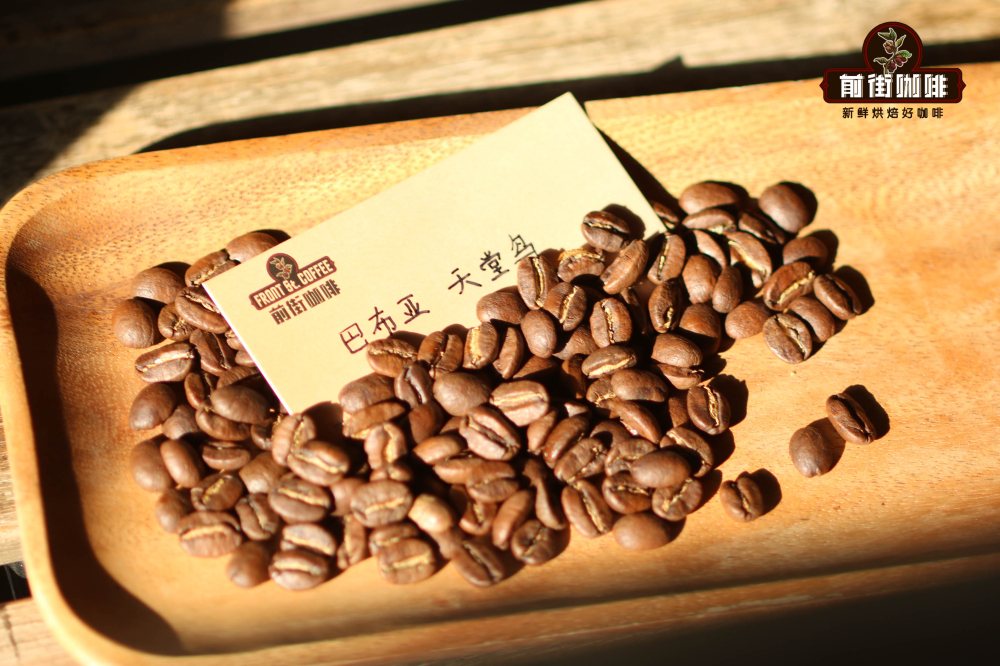
FrontStreet Coffee: Papua New Guinea Paradise Bird Coffee Beans
Country: Papua New Guinea
Origin: Sigri Paradise Bird Plantation
Altitude: 1600-1800m
Grade: AA
Variety: Typica
Processing: Washed
Flavor: nuts, cocoa, gentle citrus acidity, cream, caramel finish
PNG's green bean grading follows the same size-based system as Kenya, Tanzania, Uganda, Zimbabwe, and Puerto Rico, and FrontStreet Coffee's Paradise Bird is of the highest AA grade. Bean size isn't an absolute guarantee of flavor, but in these regions it is a meaningful reference: large, well-formed, uniformly mature beans with consistent hardness and moisture roast more evenly and express their flavors most completely — which is why many newer origins have adopted the same system.
As one of the oldest Arabica varieties, Typica offers a uniquely clean, balanced cup. To showcase that cleanliness, the Paradise Bird estate washes its coffee: ripe cherries go to the washing station for three rounds of soaking, washing, and fermentation, each soak lasting 24 hours, before dehulling and drying. The method draws out the coffee's bright, delicate fruit acidity and clean, lingering sweetness.
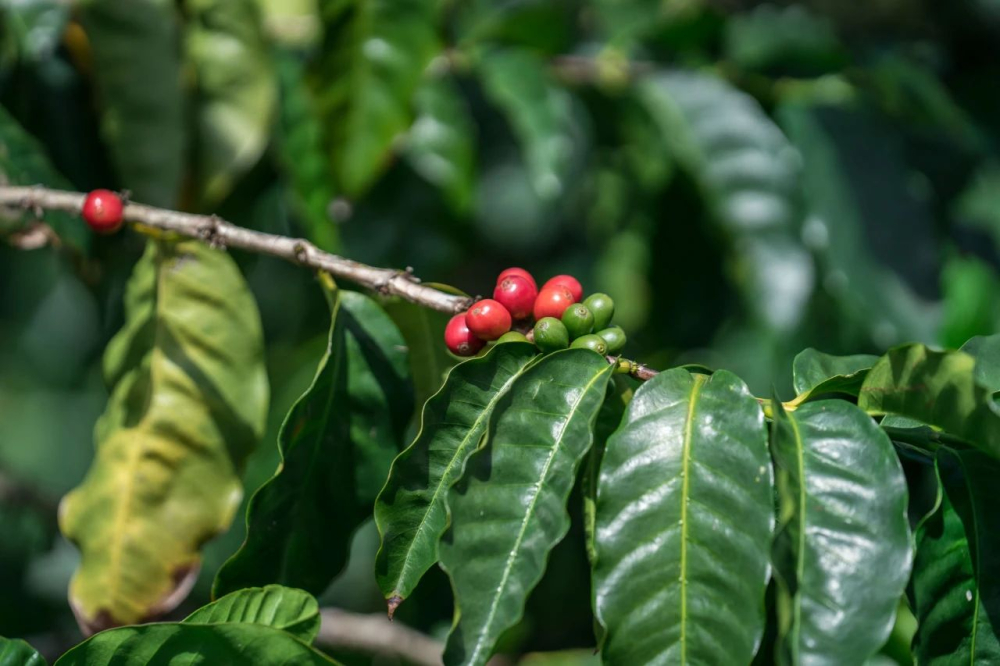
Because Typica is a relatively low-density green bean, FrontStreet Coffee roasts it to a medium level, highlighting nutty cream notes while preserving the fruit. You'll find grapefruit-citrus aroma and bright juicy texture up front, with tea-like notes and cocoa emerging in the middle and late stages.
FrontStreet Coffee Brewing Recommendations
Dripper: Kono
Dose: 15g
Ratio: 1:15
Grind: 75% pass-through on a #20 sieve
Temperature: 88-89°C
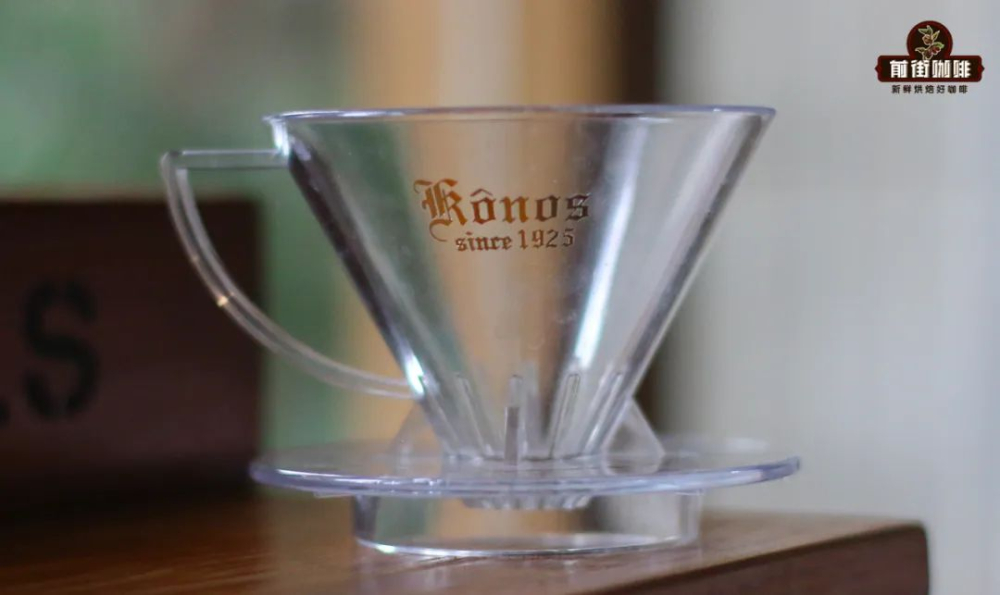
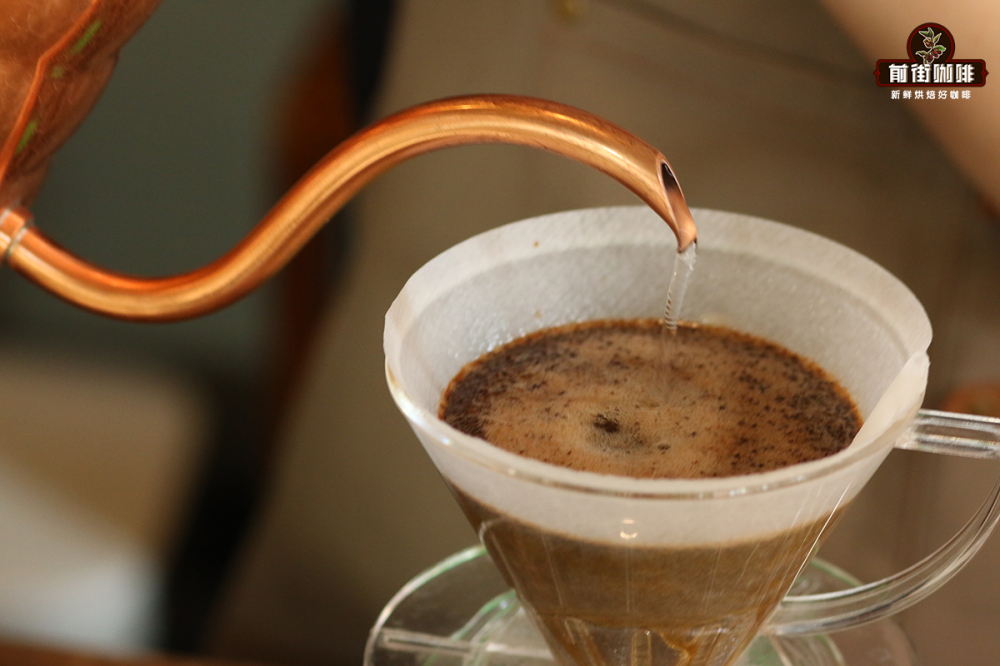
FrontStreet Coffee finds the Kono dripper best presents this coffee's richness, extracting the nut and cocoa aromas more fully. Pour in segments: start with 30g of water for a 30-second bloom, then continue in small circles to 125g. Once the bed just emerges from the water, pour again to 225g and stop; when the bed reappears, remove the dripper (timing from the start of the bloom). Total extraction time: 2'00".
Flavor Description: The dry aroma of Paradise Bird carries a subtle spiced fragrance next to Jamaican Blue Mountain. In the cup it shows the sweetness of nuts and toasted bread, with a hint of fruity sweetness and acidity that adds depth to the profile. The finish is spiced sweetness over a rich, balanced body.
FrontStreet Coffee Recommendation
For the full picture behind the "Little Blue Mountain" nickname, FrontStreet Coffee also roasts a genuine Jamaica Blue Mountain No. 1 from the historic Clifton estate, planted since around 1750 at roughly 1,310 meters. It comes with complete origin certification and the traditional wooden barrels — 15, 45, and 70kg casks unique to authentic Blue Mountain shipments — and its medium-dark roast lays out cream, caramel, dark chocolate, and nuts with the flawless sweet-bitter-acid balance that made Blue Mountain legendary.
If you'd like to brew either of them like FrontStreet Coffee does, use a Kono dripper with 15g of coffee rested 4-7 days from the roast date, a white-sugar coarseness, 87-88°C water, and a 1:15 ratio in three pours — 30g to bloom for 30 seconds, then to 120g and finally 225g — for a clean, dense, perfectly balanced cup.
Important Notice :
FrontStreet Coffee is a long-established specialty coffee roaster in Guangzhou China, selling freshly roasted beans from its own farm in Yunnan as well as dozens of carefully selected single-origin beans from around the world for both pour-over and espresso. The products deliver consistently excellent quality and great value, with shipping within 24 hours. Guangzhou's FrontStreet Coffee shop is recommended by many coffee lovers, and the beans are now available online at the Tmall 。
FrontStreet Coffee has moved to a new address:
FrontStreet Coffee Address: 315,Donghua East Road,GuangZhou
Tel:020 38364473
 Scan and follow the En Gafei WeChat official account. Please indicate that the reprint comes from "En Gafei".