How to Hand Brew Yunnan Coffee Beans? Are Yunnan Small Beans Better Tasting Than Hainan Coffee?
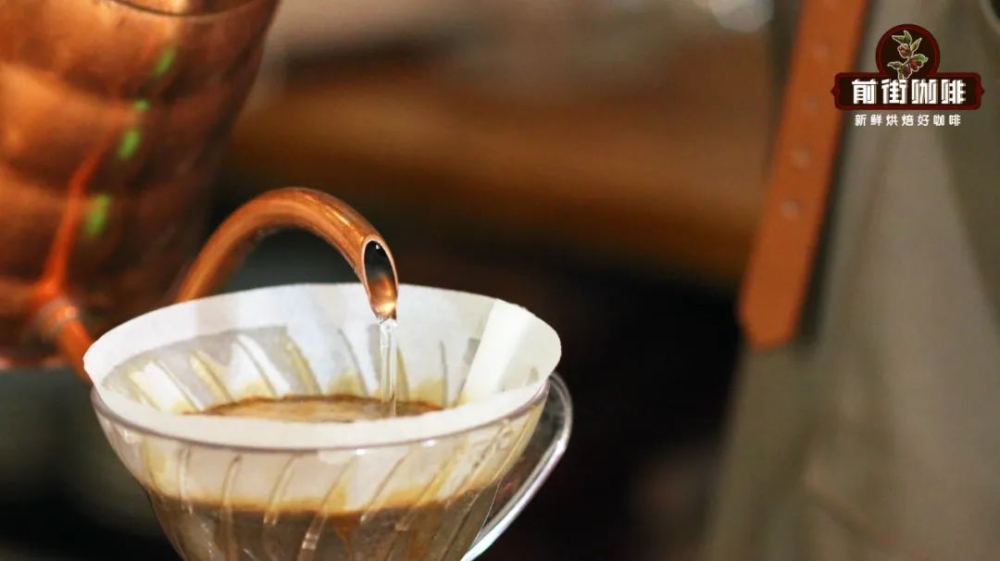
Many parameters affect pour-over coffee, including coffee dose, ratio, grind size, water temperature, pouring technique, and time, among others. To brew delicious coffee you need to understand those parameters and coordinate them. Before building a brewing recipe for any coffee, FrontStreet Coffee always studies the bean first. Here, FrontStreet Coffee uses its own Yunnan Natural Typica, "FrontStreet Coffee 2013," as an example of how to master the variables so the coffee tastes its best.
What's the Difference Between Natural and Washed Yunnan Coffee?
Natural and washed are the two most common processes we meet day to day, and FrontStreet Coffee's list offers both for Yunnan beans. This FrontStreet Coffee 2013 coffee is produced by a full red cherry natural process. In its early years, while exploring coffee, FrontStreet Coffee had the idea of growing its own. In 2013 the team went to Lincang, Yunnan and began planting coffee trees. Site selection, variety selection, seedling cultivation, planting, harvesting, processing, and roasting were all handled by FrontStreet Coffee's own colleagues, building considerable experience with varieties, altitude, and processing methods.
Lincang in Yunnan is influenced by warm, humid air from the Indian Ocean and the southwest monsoon. The four seasons are not sharply defined, but the dry and rainy seasons are clearly divided. With abundant rainfall, long sunshine hours, short frost periods, and some areas free of frost all year, the three-dimensional climate suits Arabica cultivation particularly well. The "Yunnan small bean" we hear about is named to distinguish it from the Robusta grown in China's Hainan region. Robusta tends to be strong and bitter, which is why it is less popular than Arabica. The Arabica currently planted widely in Yunnan is the Catimor variety.
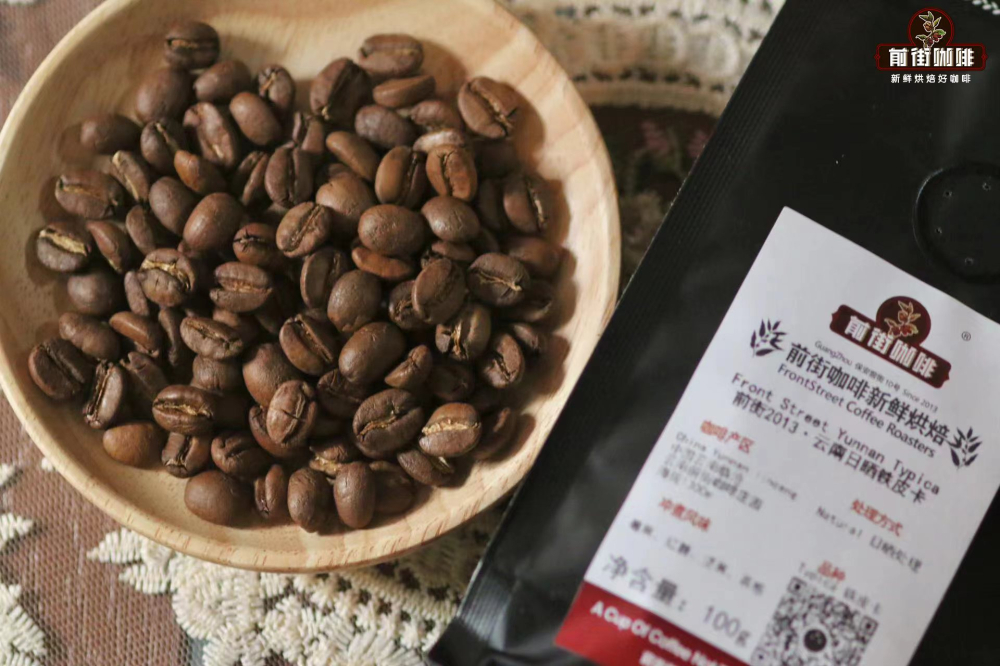
FrontStreet Coffee deliberately chose the original Typica variety. Typica is known for elegant, pure flavor but also for low yield and poor disease resistance, so the team put considerable effort into cultivation and management. After 5 to 6 years of growing, FrontStreet Coffee finally harvested its first batch in 2020, processed it naturally, and named it "FrontStreet Coffee 2013."
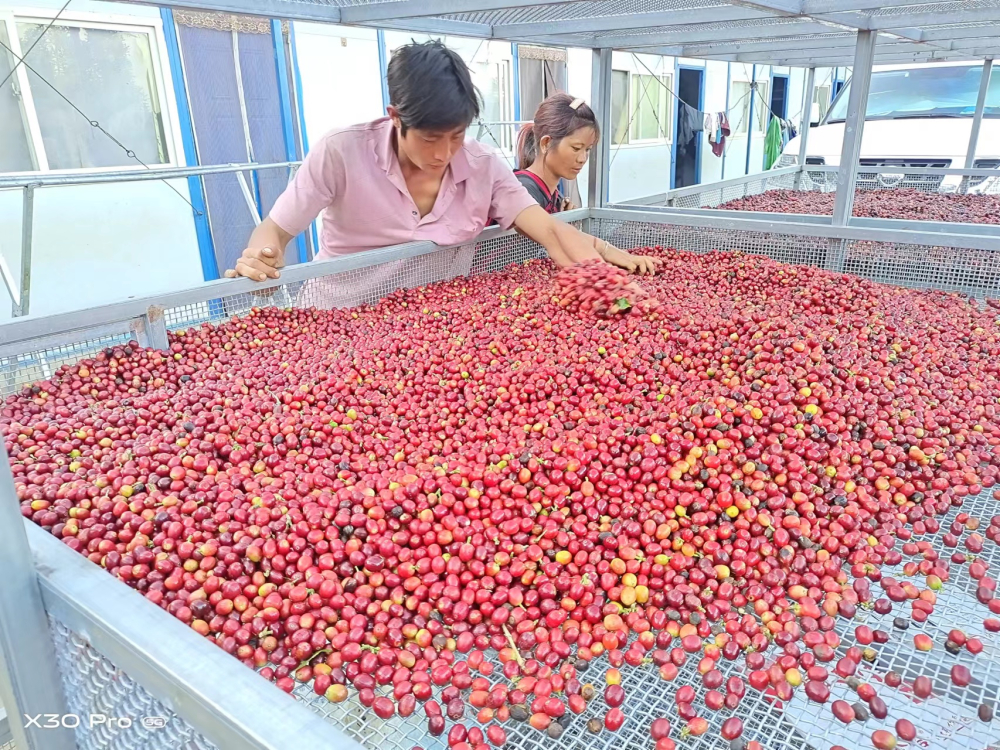
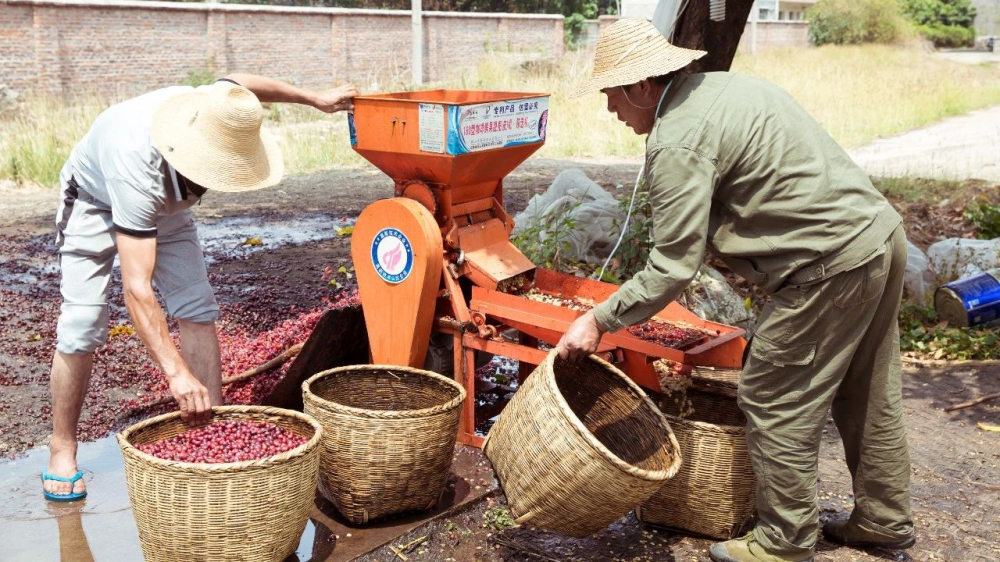
Natural processing is the oldest method for green coffee. Put simply, the cherries are dried directly, then hulled to release the beans. Natural processing depends on the weather, and the drying period generally runs up to four weeks. It is complete when the cherries turn dark purple and reach about 11 percent moisture content. Machines then remove the dried pulp, skin, and mucilage. FrontStreet Coffee hand-picks every red cherry, spreads the fresh cherries evenly in the sun for natural drying, and turns them periodically for even dehydration. When the weather is poor, equipment is used to finish the drying.
FrontStreet Coffee's other Yunnan daily coffee is washed Catimor from the Baoshan region. FrontStreet Coffee holds that washed Yunnan coffee not only lowers the defect rate but also produces more stable quality, which makes Yunnan beans cleaner.
FrontStreet Coffee considers the Yunnan profile neutral and balanced, meaning it carries acidity, sweetness, and bitterness together. Its self-roasted Yunnan coffees therefore all use a medium roast. Cupped blind, the washed Yunnan Baoshan daily coffee shows nuts, herbs, sweet potato, melon, brown sugar, cream, plum, and caramel, with a relatively smooth mouthfeel. The natural Typica shows fuller fermented flavors with a medium-high body, a clean mouthfeel, a black tea finish, and rich, layered complexity.
Pour-Over Preparation
Before brewing, prepare the equipment: pour-over kettle, filter holder, serving pot, grinder, filter paper, electronic scale, and thermometer.
The filter holder and paper filter the grounds while absorbing oils, which makes the flavor cleaner. FrontStreet Coffee's cafes brew daily with two holders: the Hario V60 and the KONO. The V60 handles lighter roasted beans, while the KONO handles darker roasts.
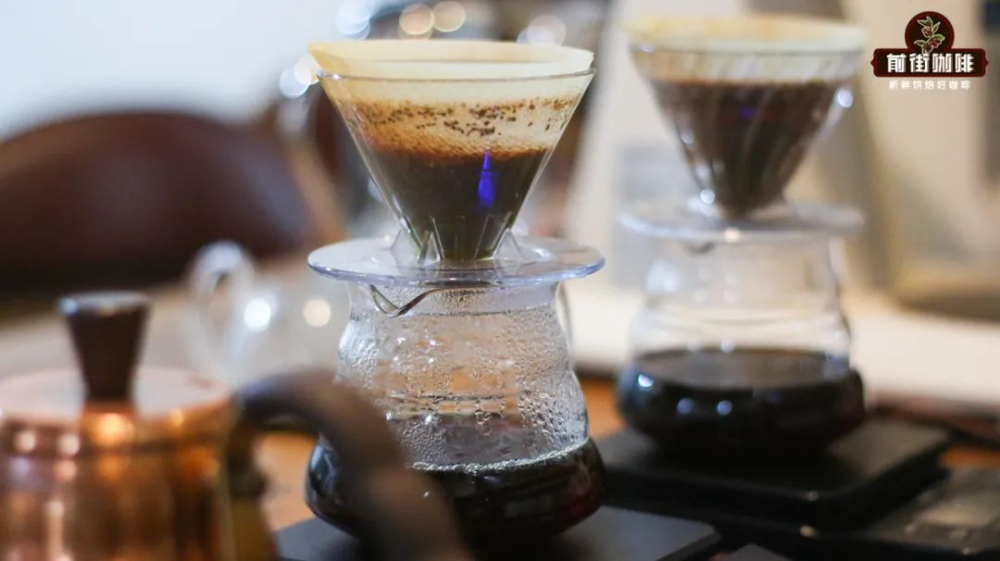
The electronic scale weighs beans and water. Every parameter must be quantified to ensure the brew can be replicated and the result stays consistent. The same goes for the thermometer: before each pour, make sure the water is in the right range. When using the V60 for lighter roasted beans, choose 90 to 92 degrees Celsius; for darker roasts, use 88 to 89 degrees Celsius.
The grinder matters just as much. Grind coarseness directly affects the taste. Too coarse and extraction is likely insufficient, leaving the flavor weak; too fine and it over-extracts, turning the cup bitter. FrontStreet Coffee uses a China No. 20, 0.85mm standard sieve to calibrate grind size. For light to medium roasts it consistently targets a 75 to 80 percent pass rate, while medium to dark roasts target 70 to 75 percent.

Brewing Parameter Recommendations
FrontStreet Coffee's flavor descriptions are all based on freshly roasted beans. Once beans are stored more than two months, aroma has partly dissipated and it becomes difficult to recover the original flavor during brewing. FrontStreet Coffee understands the importance of freshness and ships only beans roasted within 5 days, so the full flavor window is available on arrival.
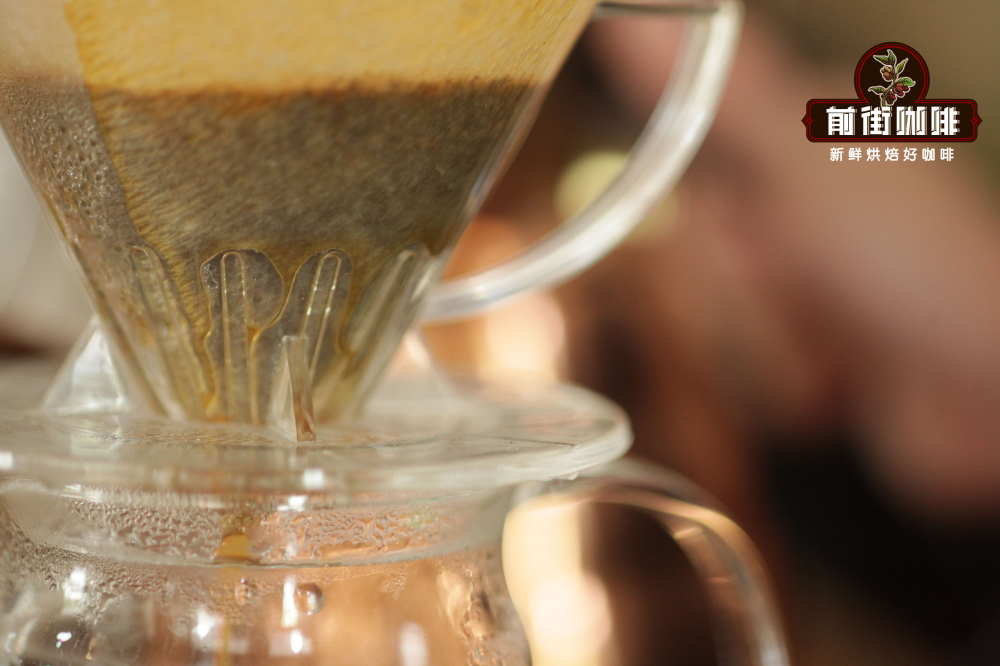
Because this natural Typica is medium roasted and balances acidity, sweetness, and bitterness while leaning toward nutty, chocolatey, rich, and full-bodied flavors, the deeper roast makes the beans more porous and the grounds more absorbent, so a medium grind is chosen. To avoid extracting excessive undesirable flavors, FrontStreet Coffee uses a moderate 90 degrees Celsius with a KONO holder. Unlike the V60, the KONO's only exhaust area is in the quarter-section ribs. When the water level rises above the rib area, the volume inside the holder keeps increasing and the weight of the water creates pressure. The smaller outlet extends the contact time between coffee particles and water, effectively extracting soluble material as the water flows through, which strengthens the rich, full-bodied taste.
Compared with light roasts, medium roasted natural Typica beans have a more porous internal structure, so they absorb water better and release bitter large-molecule substances easily. To avoid over-extraction, FrontStreet Coffee chooses a grind at a No. 20 standard sieve, 75 percent pass rate, which the cafe produces with an EK43s grinder at setting 10.5.
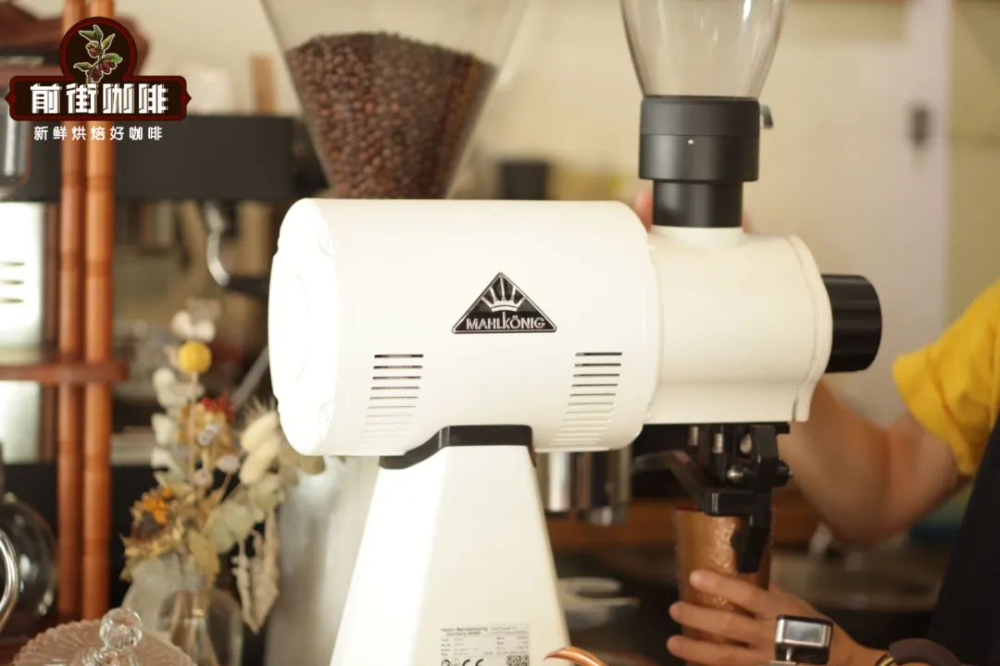
Water temperature and grind size play similar roles. Higher temperature raises extraction efficiency, easily releasing more compounds and producing a higher concentration. Near-boiling water readily extracts unpleasant bitter substances, so when brewing medium to dark roasts FrontStreet Coffee uses different parameters than for light roasts. Caramelization is greater than in a light roast, making bitter large molecules easier to release, so the water temperature is lowered slightly. Light roasted coffee is brewed at 91 to 93 degrees Celsius, while FrontStreet Coffee recommends 87 to 90 degrees Celsius for medium to dark roasts.
Filter holder: KONO filter holder
Water temperature: 90 degrees Celsius
Grind size: No. 20 standard sieve, 75% pass rate, EK43s setting 10.5
Coffee-to-water ratio: 1:15
Coffee dose: 15 grams
Based on past brewing experience, FrontStreet Coffee recommends a three-stage pour for beginners. Three-stage extraction helps dissolve flavor compounds fully, adds complexity to the mouthfeel, and avoids the over-extraction that comes with soaking too long. For 15 grams of grounds at a 1:15 ratio and 225ml of total water, the three stages divide into 30ml, 95ml, and 100ml, with the scale reading 30g, 125g, and 225g.
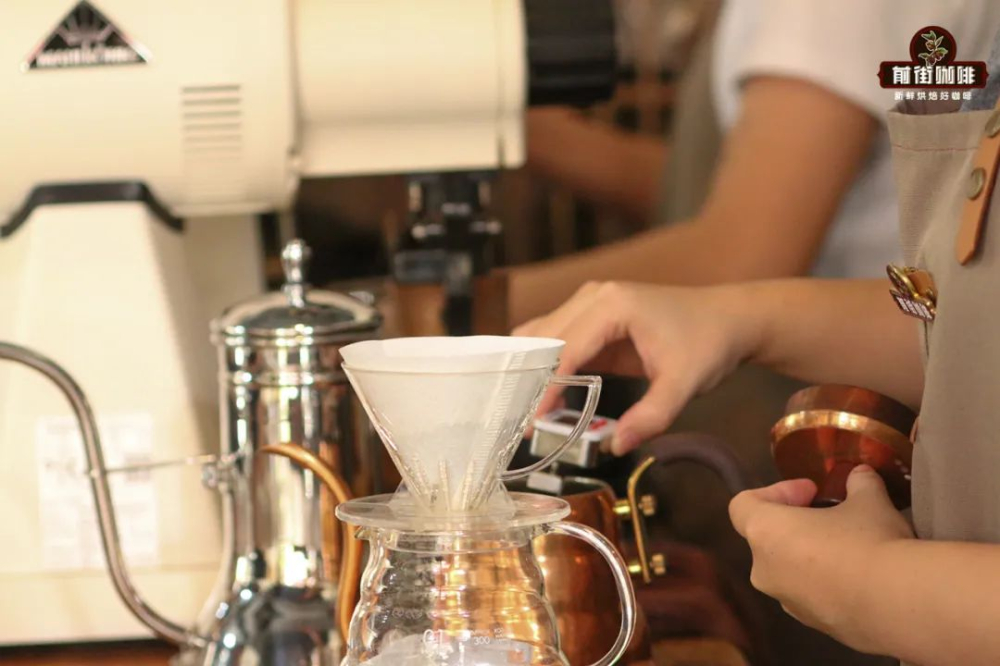
First, place the folded filter paper in the holder so it fits perfectly and wet it so it conforms to the cone. Prepare hot water and the thermometer, pour 15 grams of ground coffee into the holder, and zero the scale.
For the first stage, pour 30g of water for a 30 second bloom. Start timing as you pour, using a small stream from the center point spiraling outward, ensuring the whole coffee bed is wetted.
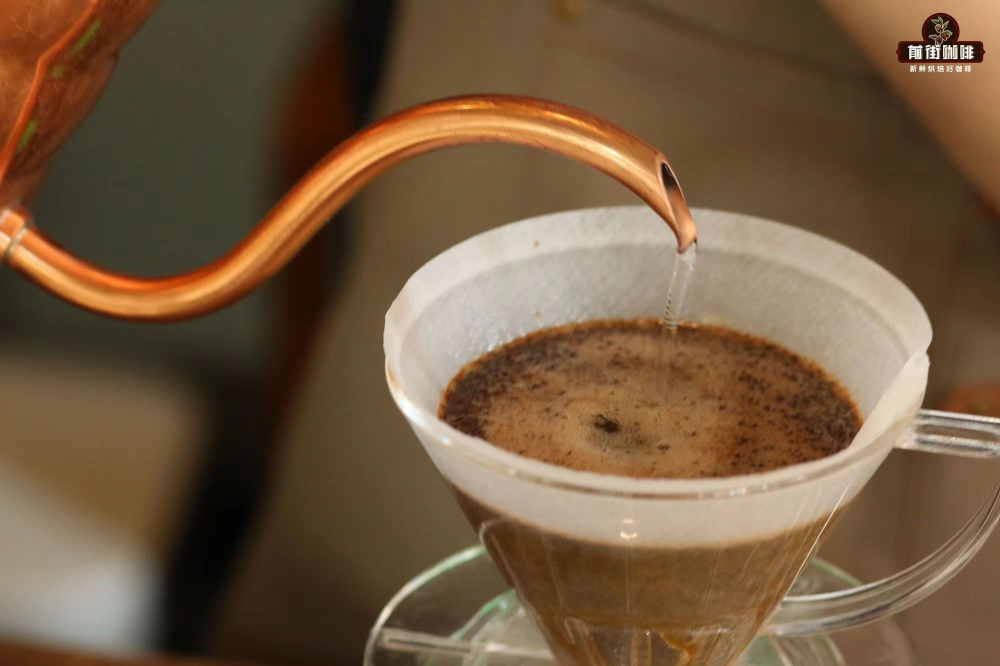
After 30 seconds, begin the second stage of 95g of water with a slightly larger, steady stream, aiming to raise the entire coffee bed. The stream should be vertical and even. At this point the scale reads 125g, with the pour finished around 55 seconds.
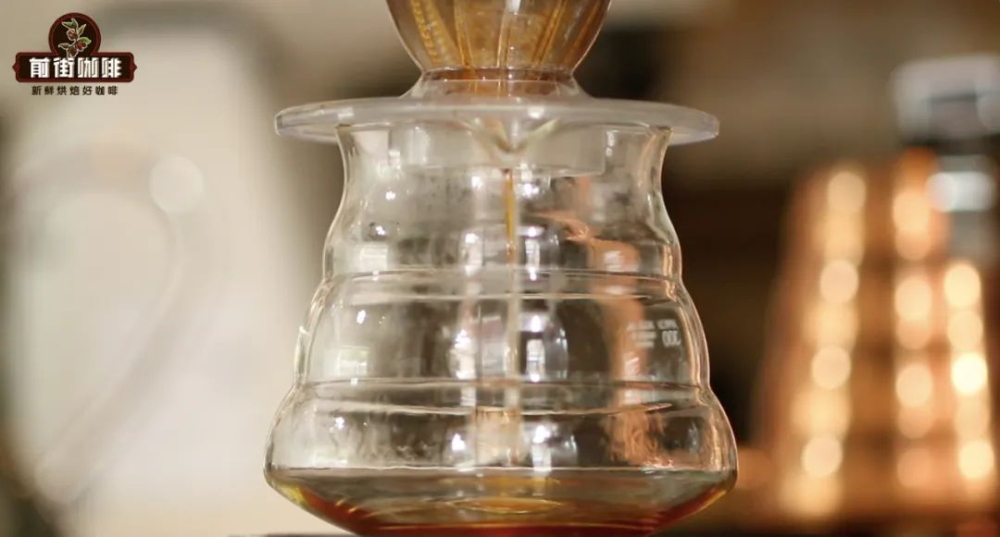
When the water level drops to about halfway, start the third stage of 100g with a small stream in small circles. Keep the stream from growing too large, which can scatter the bed and leave it under-extracted. The final total is 225g, with dripping complete around 2 minutes. After removing the holder, shake the liquid in the serving pot evenly before tasting.
The water amount for each stage is not fixed, and can be adjusted according to your own pour-over experience and understanding of the bean. FrontStreet Coffee treats coffee brewing as a scientifically grounded experiment. To master pour-over, you need to understand what each parameter really does, and from there you can find your own methods and build a brewing framework that suits you.
FrontStreet Coffee Recommendation
As an introduction to the region, FrontStreet Yunnan Small Bean comes from the Baoshan growing area and uses washed processing with a medium roast. Baoshan's coffee history began in the mid-1950s, when the patriotic overseas Chinese businessman Liang Jinshan brought the crop in. The frost-free, warm climate suits small-bean coffee well, and the dry-hot river valley around Lujiangba in particular has little annual temperature variation but a wide day-night swing, which gives Baoshan small beans their distinctive sweet finish. Reasonably low rainfall adds a further advantage for the fruit. The washed process ferments and rinses away the mucilage layer before drying, letting the cup show the region's own character, with soft nut and chocolate bittersweetness and a light plum acidity at an approachable price.
To go deeper into the region, FrontStreet 2013 Yunnan Natural Typica is the step up. Yunnan farming can be traced to 1904, when the French missionary Tian Deneng brought Typica seed from Vietnam and planted it successfully in Zhugula village, Binchuan county. FrontStreet built its own estate in 2013 and planted Typica for two reasons: it is one of the oldest coffee varieties, with pure Arabica genes and an elegant, clean flavor long accepted as specialty grade, and it was also the first variety planted in Yunnan, carried in by that same missionary, so it is the way back to the region's original taste. The estate picks only fully ripe red cherry, processes it naturally, then roasts medium for a more balanced cup with sharper sweet-sour notes. FrontStreet 2013 Typica shows dark berry character with caramel sweetness, chocolate, and a touch of dried apricot, and a black tea finish.
Yunnan coffee is also known as Yunnan small bean, with even, plump beans and a moderate, thick mouthfeel. Yunnan's four main producing areas are Baoshan, Dehong, Pu'er, and Lincang, and FrontStreet's two Yunnan specialty beans come from Baoshan and Lincang. Much of Yunnan sits at 1000 meters, on fertile sloping soil with plentiful sun and rain and a wide temperature swing between day and night, all of which favor the coffee tree. If you would rather drink Yunnan as espresso, FrontStreet Dark Cocoa Blend combines Yunnan small bean with Brazil Cerrado, and baristas recommend it widely. The Brazilian coffee supplies mixed nut aroma and a balanced mouthfeel, while the Yunnan small bean plays the role of chocolate and citrus. Pulled as an Americano it is balanced across sweet, sour, and bitter with a nutty, brown sugar sweetness, and as a latte it is smooth with almond and cream, which makes it very beginner-friendly.
Important Notice :
FrontStreet Coffee is a long-established specialty coffee roaster in Guangzhou China, selling freshly roasted beans from its own farm in Yunnan as well as dozens of carefully selected single-origin beans from around the world for both pour-over and espresso. The products deliver consistently excellent quality and great value, with shipping within 24 hours. Guangzhou's FrontStreet Coffee shop is recommended by many coffee lovers, and the beans are now available online at the Tmall 。
FrontStreet Coffee has moved to a new address:
FrontStreet Coffee Address: 315,Donghua East Road,GuangZhou
Tel:020 38364473
 Scan and follow the En Gafei WeChat official account. Please indicate that the reprint comes from "En Gafei".