Major Coffee Growing Regions in Brazil, What Are the Characteristics of Brazilian Coffee?
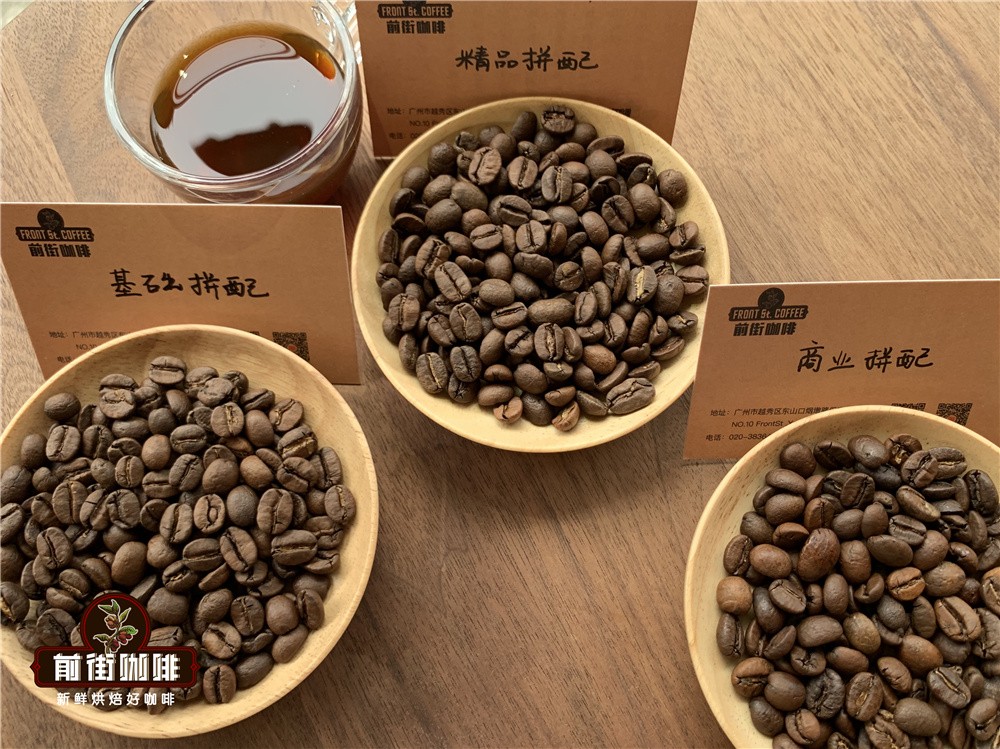
As the world's largest coffee-producing country, what are the characteristics of Brazilian coffee? As an American coffee bean, Brazilian coffee has a relatively balanced flavor with low acidity and a smooth mouthfeel, making it very suitable for espresso blends. That's why FrontStreet Coffee's basic blend, specialty blend, and commercial blend all use Brazilian beans as their base.
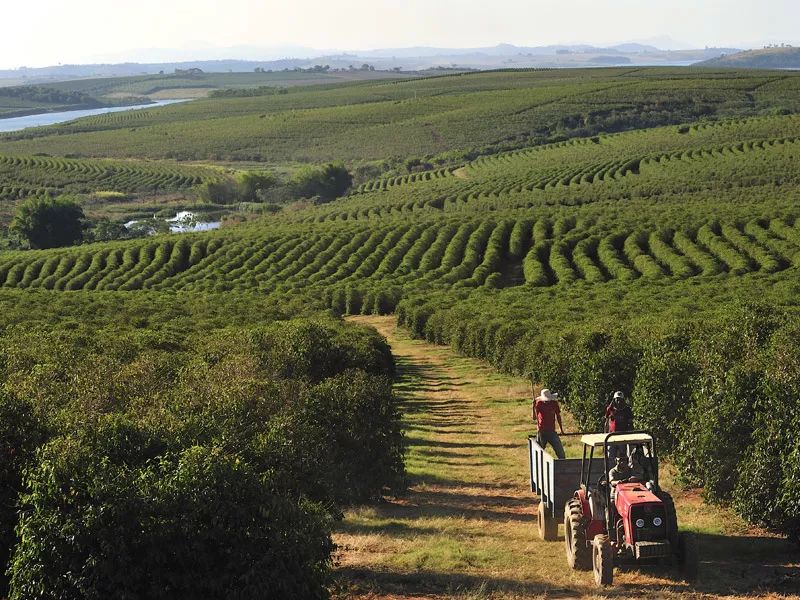
Brazilian coffee is generally grown in relatively flat areas. Although Arabica varieties produce better flavors at high altitude, Brazil's low elevation means it can't produce flavors like Panama Geisha. To adapt to local conditions, Brazilian growers cultivated improved Arabica trees decades ago that don't require high altitude or shade; these can be planted on plains or grasslands in direct, bright sunlight, unlike traditional high-altitude shade cultivation. Low altitude also speeds up cherry ripening, so the flavor develops less completely and the beans are less dense than high-altitude beans. Thanks to the flat terrain, large plantations can use mechanical harvesting, saving significant labor costs.
Brazilian coffee beans were introduced from French Guiana (a country in northern South America) in 1720. Brazil was a Portuguese colony at the time, while many other South American countries were Spanish colonies. So most South American countries speak Spanish, while Brazil speaks Portuguese.
The Portuguese military officer stationed in Brazil wanted to bring Guiana's coffee beans to Brazil (exporting coffee to other countries was strictly prohibited at the time), so he won over the Guiana governor's wife and successfully brought coffee seeds into Brazil. From then on coffee adapted quickly, spreading from the north to the southeastern state of São Paulo. By 1845, Brazilian coffee beans already accounted for 45% of the world's total and had become the main economic source of São Paulo state.
Brazilian Coffee Regions
Brazil lies in the tropics, with two main types of terrain for coffee: the Brazilian plateaus above 500 meters and the Brazilian plains below 200 meters. Brazil has 21 states, 17 of which produce coffee, but 7 states account for 98% of total production. These are São Paulo, Paraná, Bahia, Espírito Santo, Minas Gerais, Rondônia, and Rio de Janeiro. Brazil's main producing regions are Minas Gerais, São Paulo, Bahia, and Espírito Santo, which account for 90% of the country's exports.

Although Brazil remains the world's largest coffee producer to this day, it has never again seen the near-monopoly of the 1920s. As coffee exports declined, other regions (Minas Gerais and Espírito Santo) overtook São Paulo, and the Mogiana Railway Company became heavily indebted and was taken over by the government in 1952.
So Brazil's specialty coffee regions come down to three main ones: Mogiana, Cerrado, and South Minas.
Sul de Minas (South Minas) consists of hilly forestland at 700m-1,200m, with rolling foothills, rich topography, distinct wet and dry seasons, large day-night temperature differences, and fertile microclimates. It suits flavorful Bourbon and Yellow Bourbon varieties and has naturally become a main specialty producing region. Since 1999, most farms winning Brazil's Cup of Excellence auctions have come from South Minas.
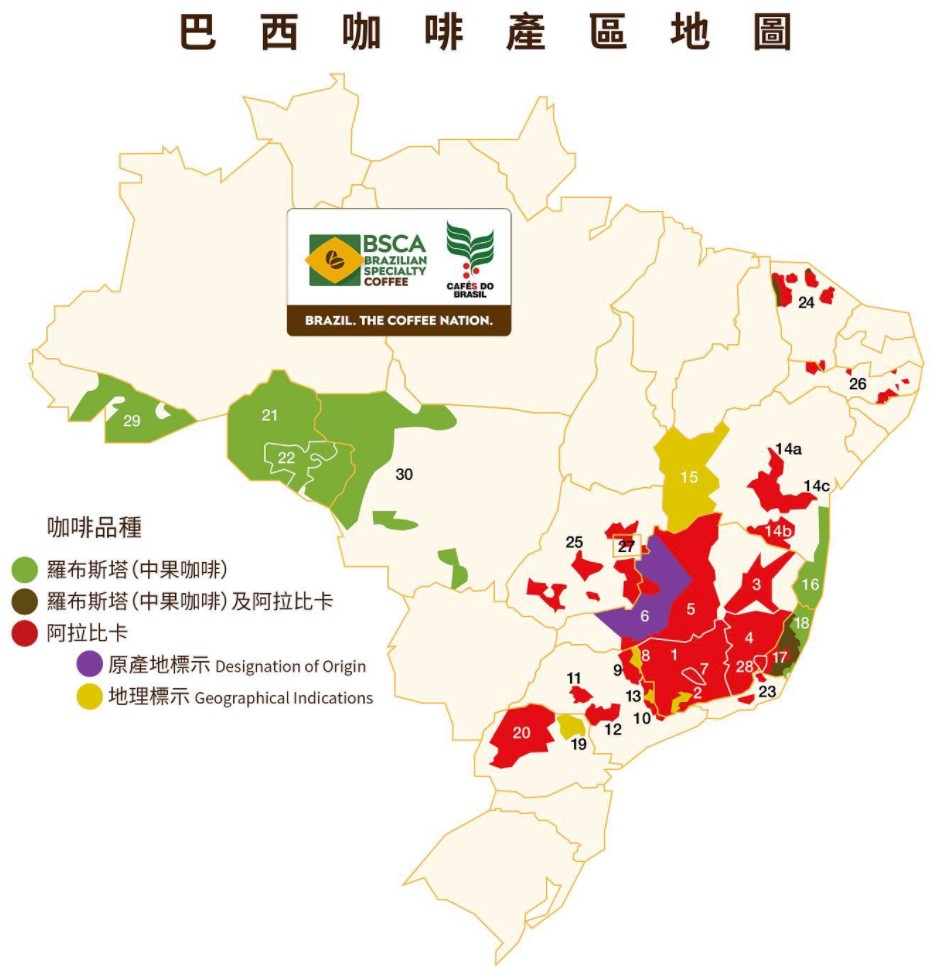
Minas Gerais state's annual coffee production is nearly half the country's total, and it includes four major producing regions: Cerrado, Sul de Minas, Chapada de Minas, and Matas de Minas. The Cerrado region, sharing its name with the Cerrado savanna, refers specifically to the Cerrado area in western Minas Gerais. Its flat terrain and concentrated harvest season are very suitable for large-scale management and harvesting. Many exporters have invested in coffee farms here, most covering over 10 hectares. The other three regions, with their varied, steeply hilly terrain, focus mainly on small-scale manual production by family farmers. The southeastern mountain forest region of Minas Gerais, above 1,000 meters, also produces high-quality beans. As for other parts of Minas Gerais, such as the central-northern areas, they mostly produce commercial-grade beans.
Cerrado
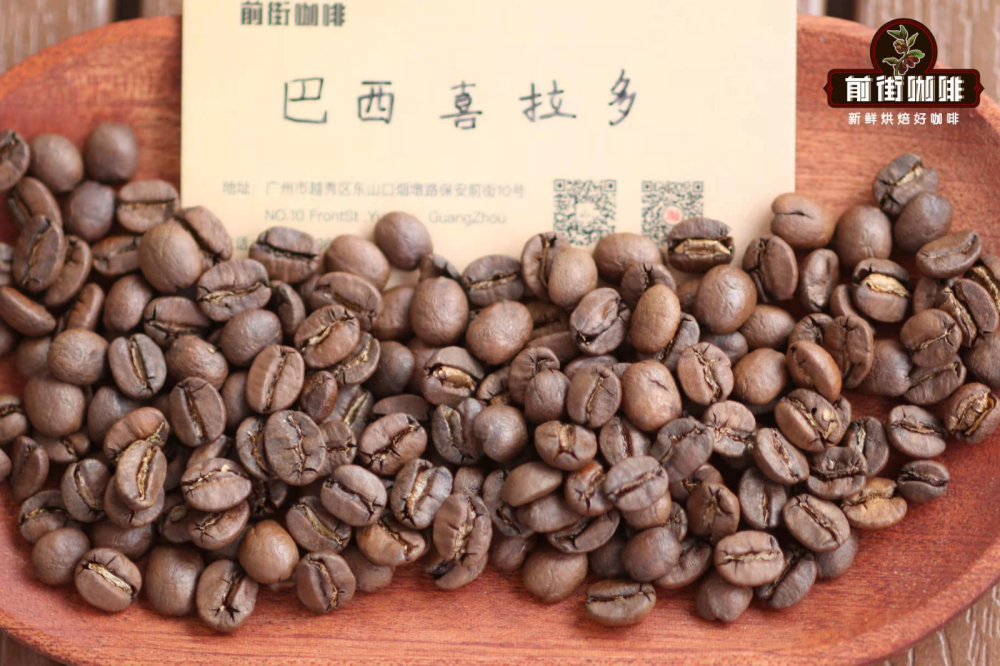
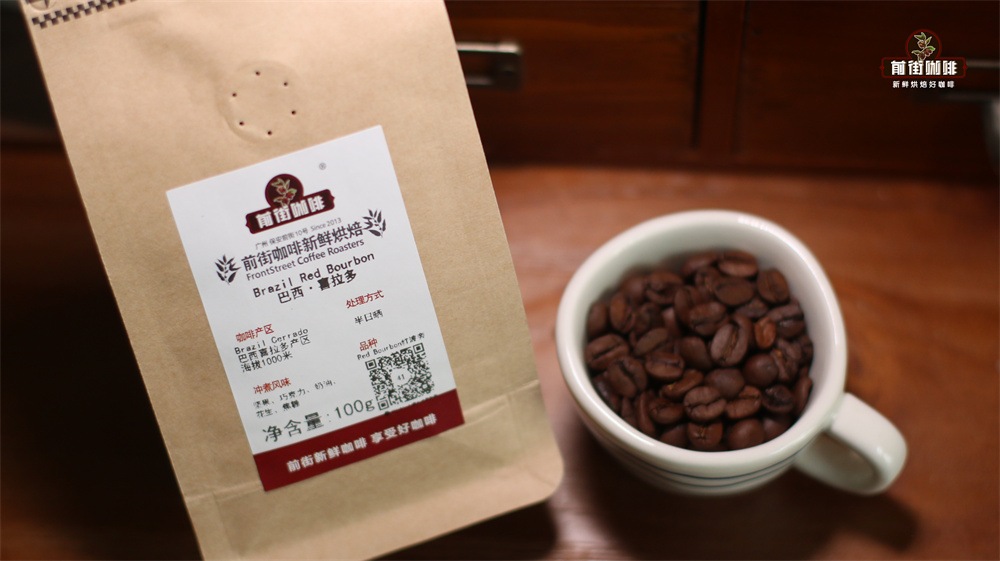
Minas Gerais state's representative coffee regions include Cerrado and South Minas, both high-altitude areas. Cerrado is located in the western part of Minas Gerais state, a flat plateau at 750m-1,200m. The Cerrado is a vast savanna with some of the world's most complex biodiversity. But when it comes to the coffee region, not all coffee grown on the savanna counts as Cerrado coffee — only coffee from the prime areas at 1,100-1,300m can be called Cerrado coffee. With high altitude and fertile soil, FrontStreet Coffee believes the beans from this region are clear and sweet, with high body and no earthy taste. For this reason, FrontStreet Coffee has chosen coffee from Brazil's Cerrado region as the representative of Brazilian coffee.
São Paulo
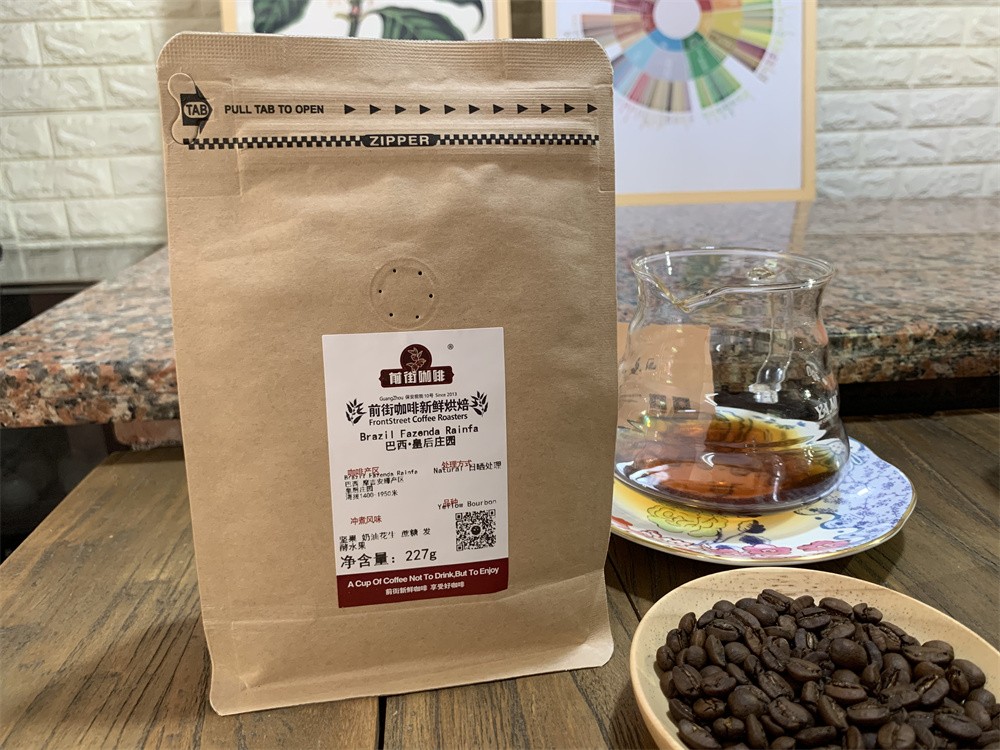
São Paulo state includes Brazil's well-known Mogiana region, named after the Mogiana Railroad Company, which built the "coffee railway" in 1883 and also promoted better transport, further expanding coffee production. The Mogiana region sits between 900-1,100 meters, with an average annual temperature of about 20°C and similarly hilly terrain, giving the coffee good sweetness and balance. Because of the terrain, farms mainly harvest by hand. The Queen Farm coffee on FrontStreet Coffee's menu comes from Mogiana, with sweet, clean flavors, good balance, and tropical fruit aromas.
São Paulo state has several well-known coffee regions, mainly represented by Santos and Mogiana. When construction of the Mogiana railway began in 1872, São Paulo's coffee production was less than 20% of Brazil's total. By 1890, with the railway open, beans from São Paulo could be shipped out, and the state's production reached 50% of Brazil's total. By 1920, Brazil's coffee production had reached 80% of world production, half of it from São Paulo.
Mogiana
The Mogiana region is very close to southern Minas. Coffee grows among bushes, grasslands, and other vegetation. The area has many farming families — some running traditional large farms, others small modern operations. Modern technology combined with mountain coffee-growing culture produces the highest-quality green beans. Through cupping, FrontStreet Coffee found that beans from this region have a cane-sugar-like sweetness. FrontStreet Coffee's Brazil Queen Farm coffee comes from the Mogiana region.
Brazilian Coffee Bean Grading
Among the many coffee-producing countries in Central and South America, Brazil sits at a relatively low altitude. So Brazil doesn't emphasize the hard beans that only grow in high-altitude regions such as Colombia. Instead, Brazilian coffee beans are graded on four criteria: bean size, defect rate, cupping score, and flavor.
Because production is large and bean quality inconsistent, local inspection agencies take 300-gram samples and grade them by different standards for raw bean defects, size, and cupping. This is Brazil's unique grading system, different from other producing countries. Brazilian coffee bean sacks generally carry the relevant grade information: Country + Defect Grade + Cupping Quality + Size + Flavor + Region. For example, Brazil NY.2 SC – 17/18 FC Cerrado refers to coffee from Brazil's Cerrado region, size 17-18 screen; SC stands for Strictly Soft (very smooth), FC stands for Fine Cup (excellent cupping flavor), and the defect grade is NY.2.
Defect grading: NY.2 follows New York grading standards, classified by defect ratio as NY2, NY2/3, NY3, NY3/4... The smaller the number, the lower the defect rate and the higher the grade. Batches with deduction scores below 4 points belong to NY2, the highest grade. Since NY.1 means no defective beans at all, such carefully selected batches can't be supplied consistently, so Brazil sets NY.2 as the highest grade.
Flavor and mouthfeel also have corresponding standard distinctions, with descriptions based on cupping: Strictly Soft, Soft, Softish, Hard, Rioy. SC (Strictly Soft) has the best mouthfeel. Cupping flavors are divided into Fine Cup, Good Cup, Fair Cup, Poor Cup, and Bad Cup. Fine Cup has the best flavor and highest quality, followed by Good Cup.
Brazilian Coffee Bean Varieties
Brazil grows both Arabica and Robusta coffee beans, with specialty Arabica mainly planted in São Paulo and Minas Gerais states. Robusta is mainly distributed in Espírito Santo, Bahia, Rondônia, and other states.
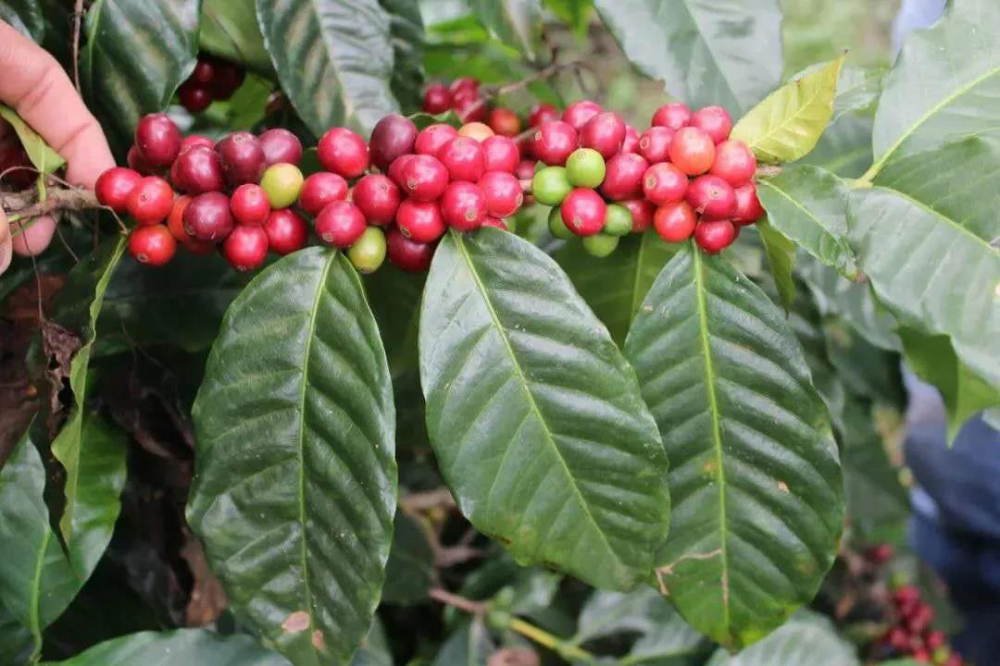
Brazil has numerous coffee varieties, with Red Bourbon, Yellow Bourbon, Mundo Novo, and Catuai as the main ones. Bourbon is the most ancient local variety. Bourbon fruits are short and round, with high-density beans. Bourbon grown at high altitude has high sweetness and bright acidity. Like Typica, Bourbon is an ancient, excellent variety, with better resistance to leaf rust than Typica and flavors that don't lose to Typica. The biggest thing Bourbon and Typica share is that both require shade trees to block sunlight for optimal growth and flavor development, so they have certain environmental requirements.
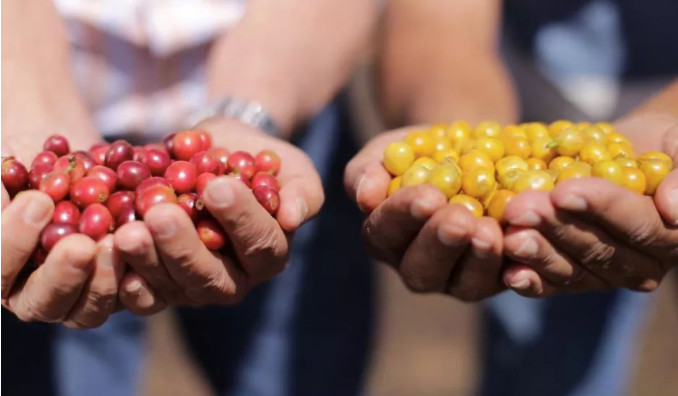
The Bourbon variety is a subspecies that mutated from Typica. Generally, "Bourbon" defaults to Red Bourbon, named for its red color when ripe. Yellow Bourbon doesn't refer to an immature Red Bourbon — it's a hybrid of Bourbon and a yellow-fruited Typica variant, and the fruit is yellow when ripe. Because of its lower yield and less resistance to wind and rain, it hasn't been widely planted.
Common Bourbon flowers turn from green to light yellow, then red, and finally deep red when fully mature — hence Red Bourbon. There are also Bourbon varieties that don't turn red when ripe but instead become rarer yellow or pink colors: Yellow Bourbon and Pink Bourbon. Yellow Bourbon grown at high altitude has delicate flavors and has won top honors in Brazil's Cup of Excellence competitions. FrontStreet Coffee's Queen Farm coffee is selected from Yellow Bourbon.
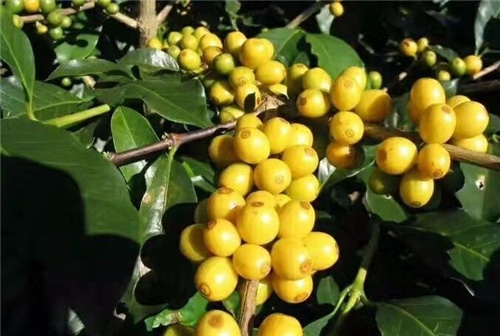
Catuai is a 1950 Brazilian hybrid of Yellow Catuai and Mundo Novo, a dwarf coffee tree that adapts well to various altitudes. Planted above 800m, its flavor becomes more outstanding. It comes in both red and yellow types.
Mundo Novo is a natural hybrid of Bourbon and Sumatra varieties discovered in Brazil and first planted around 1950. It has strong environmental adaptability and resistance to pests and diseases. Although a high-yield variety, it grows slowly and has relatively large bean sizes. Its drawback is a tree height over 3 meters (beyond a harvester's reach, making it unsuitable for mechanical harvesting), requiring annual pruning of top branches and leaves. Mundo Novo has a good balance between acidity and bitterness.
Brazilian Coffee Bean Processing Methods
Brazilian pulped natural processing is also called the depulped natural method. Unlike traditional natural processing, pulped natural removes the coffee cherry's skin and pulp, allowing control over the fermentation degree of the mucilage-coated beans after depulping. Traditional natural processing dries the beans with the skin and pulp intact, making mucilage fermentation impossible to monitor. Pulped natural sits between natural and washed processing, but without the "tank fermentation, water rinsing" step of washed processing — instead it dries directly in the sun. Although the methods look similar, without the fermentation step the flavor is completely different.

Specialty-grade Brazilian coffee beans have low acidity and high body, showing nut, cocoa, chocolate, and toast flavors after roasting, with a smooth, balanced, clean mouthfeel. Because of this, they are often used in espresso blends, playing a balancing, supporting role. FrontStreet Coffee's menu has 4 espresso beans, three of which use Brazilian coffee as the base ratio (FrontStreet Coffee Specialty Blend, FrontStreet Coffee Basic Blend, FrontStreet Coffee Commercial Blend), giving the extracted espresso rich golden crema and an intense roasted hazelnut aroma. Made into Americano, it's mellow and rich; combined with milk for a latte, it shows creamy smoothness.
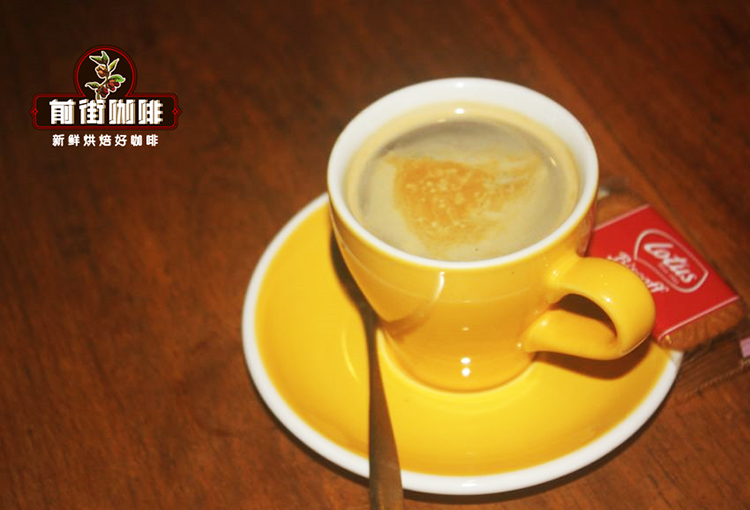
FrontStreet Coffee Brazilian Brewing Parameters:
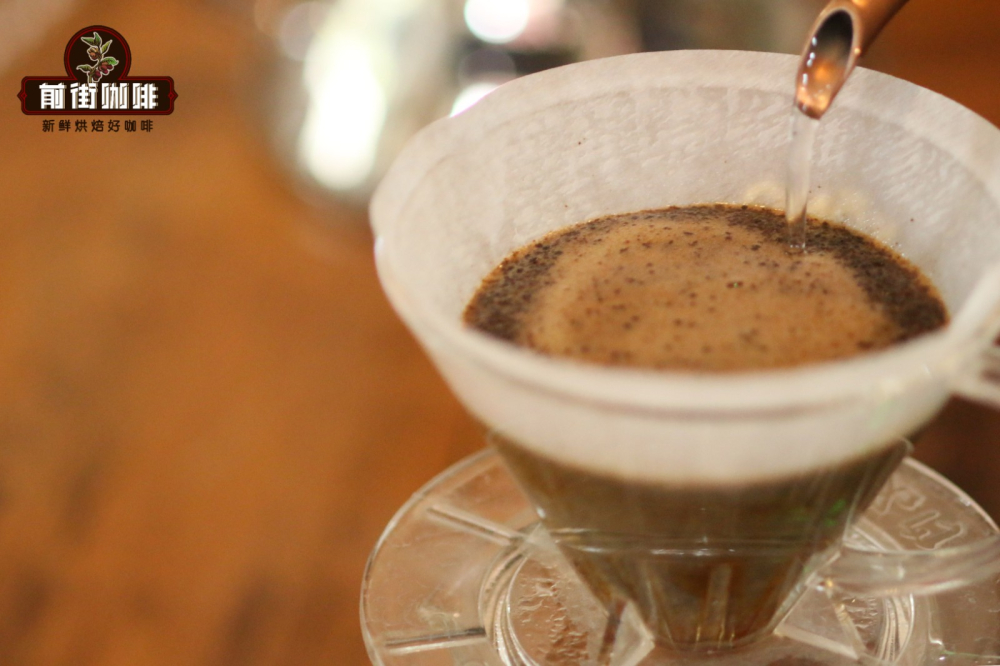
To showcase Brazilian coffee's balanced, rich flavor, FrontStreet Coffee recommends drip extraction (pour-over). FrontStreet Coffee store parameters: Kono dripper, water temperature 88°C, coffee amount 15g, coffee-to-water ratio 1:15, grind size medium-fine (Chinese standard #20 sieve pass rate 75%).
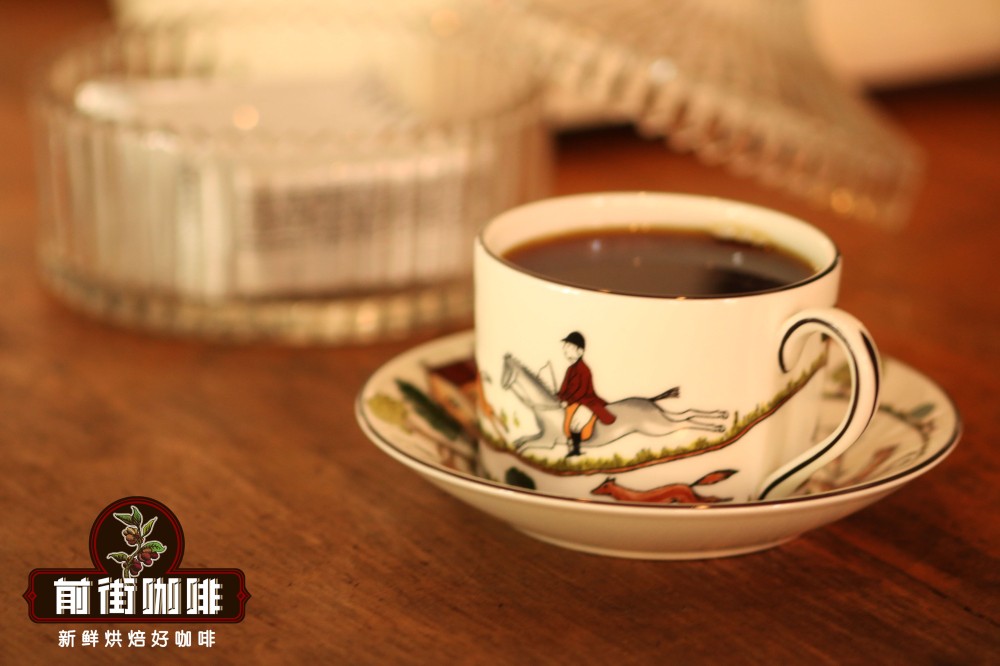
FrontStreet Coffee Brazil Cerrado flavor characteristics: nuts, caramel, peanuts, smooth, low acidity, chocolate flavor.
FrontStreet Coffee Brazil Queen coffee flavor characteristics: light lemon aroma, rich nut flavors, distinct dark chocolate in the aftertaste, overall rounded feel, cleaner than Brazil Cerrado coffee.
FrontStreet Coffee Brewing Suggestions:
Whatever the variety, brewing a delicious cup starts with bean freshness. FrontStreet Coffee has always believed that freshness is closely tied to flavor, so FrontStreet Coffee ships beans roasted within 5 days. Its roasting philosophy is "Freshly Roasted Good Coffee," ensuring every customer receives the freshest coffee. The degassing period is about 4-7 days, so when customers receive their coffee it's at peak flavor.
For those who need ground coffee, FrontStreet Coffee kindly reminds you: if the beans are ground in advance, no further degassing is needed, because during transport the pressure from carbon dioxide building up in the packaging also helps round out the flavors. So you can brew a cup the moment it arrives. Ground coffee does need to be brewed promptly, though — once exposed to air, powder oxidizes quickly, flavors dissipate faster, and the coffee won't taste as good. FrontStreet Coffee therefore recommends buying whole beans and grinding fresh before brewing to better appreciate the flavors.
FrontStreet Coffee Recommendation
If Brazil's low-acid, nut-and-chocolate profile has you curious about what lies at the opposite end of coffee, that would be Geisha — the variety that conquered the specialty world with its floral perfume and fine sweet-tart balance. Its price stays high thanks to low yields, weak disease resistance, and demanding cultivation, so understanding the different Geisha lines is the first step to finding good value.
Much of that story begins with Panama's Hacienda La Esmeralda, which divides its Geisha into Red Label and Green Label. Red Label, officially "Esmeralda Special," is grown at 1,600-1,800 meters, must cup above 90 points, and comes from a single small plot with its own lot number — the FrontStreet Red Label comes from the Jarmillo plot. Green Label, or "Private Collection," blends batches from several plots to express Esmeralda's signature high-altitude Geisha character, and because it isn't plot-specific it offers excellent value. For a first taste of Geisha, FrontStreet Panama Boquete Geisha is the approachable entry: orange-blossom honey and oolong-tea notes over a delicate fruit acidity and clearly layered structure.
Ethiopia, Geisha's homeland, has its own reference estates. FrontStreet Gesha Village Gold Label, from the Gesha 1931 variety and about 10% of the village's total production, is naturally processed and cups with complex, layered flavor, while the Red Label — Gori Gesha, about 15% of production and scoring 88+ on the SCA 100-point scale — is a single-terroir series with full traceability. If you want to brew Geisha, use about a 78% pass rate on a China standard #20 sieve (roughly fine caster sugar), 91°C water, and a 1:16 ratio with 15g in a small Hario V60, pouring in three stages to a total extraction of about 2:10-2:20.
Important Notice :
FrontStreet Coffee is a long-established specialty coffee roaster in Guangzhou China, selling freshly roasted beans from its own farm in Yunnan as well as dozens of carefully selected single-origin beans from around the world for both pour-over and espresso. The products deliver consistently excellent quality and great value, with shipping within 24 hours. Guangzhou's FrontStreet Coffee shop is recommended by many coffee lovers, and the beans are now available online at the Tmall 。
FrontStreet Coffee has moved to a new address:
FrontStreet Coffee Address: 315,Donghua East Road,GuangZhou
Tel:020 38364473
 Scan and follow the En Gafei WeChat official account. Please indicate that the reprint comes from "En Gafei".