Indonesian Golden Mandheling Coffee Variety Grade Classification System How to Select and Purchase Raw Mandheling Coffee Beans
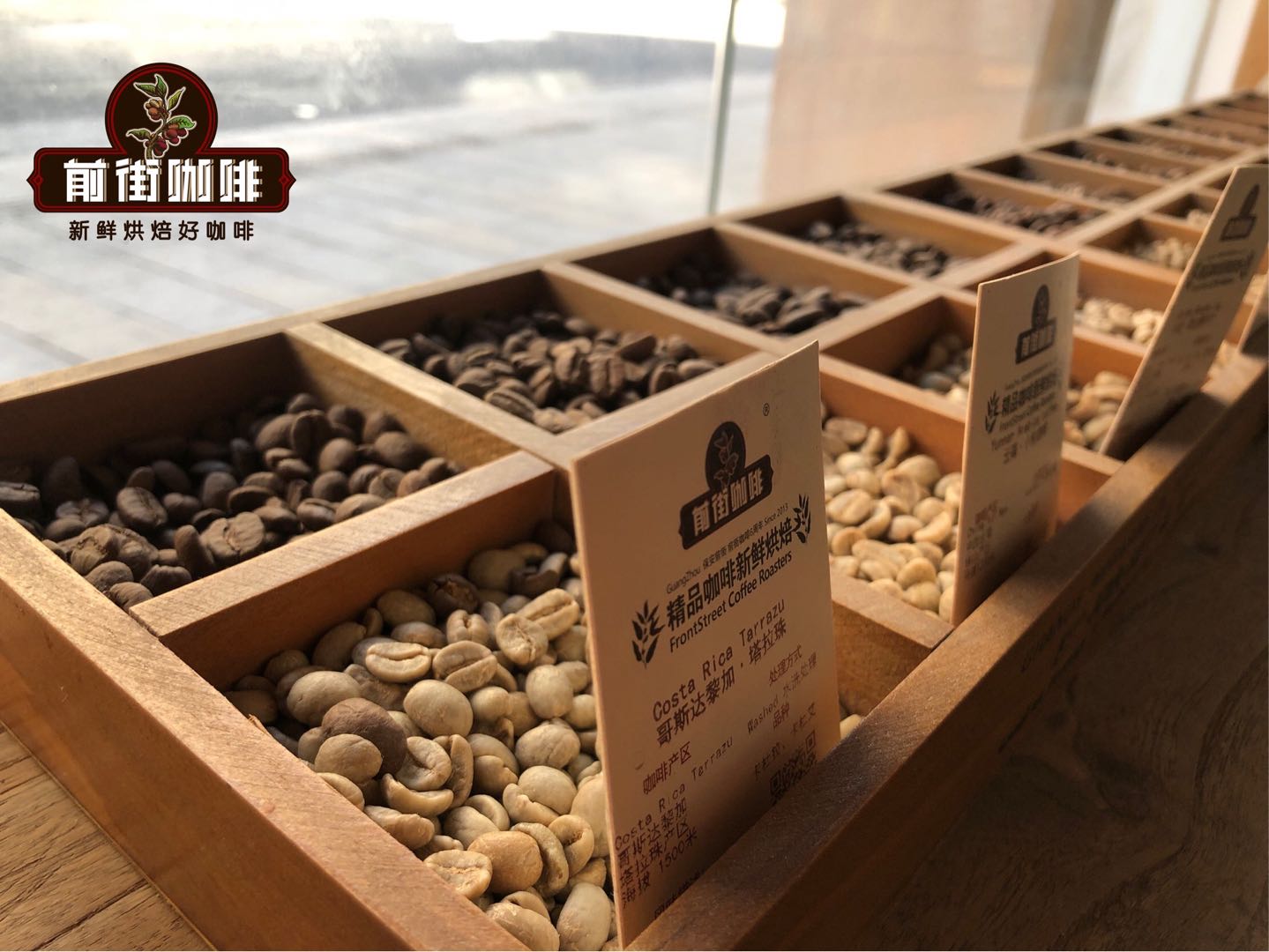
In recent years, FrontStreet Coffee's Golden Mandheling has grown steadily more popular among coffee enthusiasts in the international market, and many who visit FrontStreet Coffee have a particular fondness for it. A few days ago, some friends noticed that the Golden Mandheling beans FrontStreet Coffee acquires are especially large, with plenty of elephant beans, all quite uniform and almost free of defects, which is quite different from the many defective Golden Mandheling beans they buy elsewhere. So in this article FrontStreet Coffee will explain how its Golden Mandheling is graded.
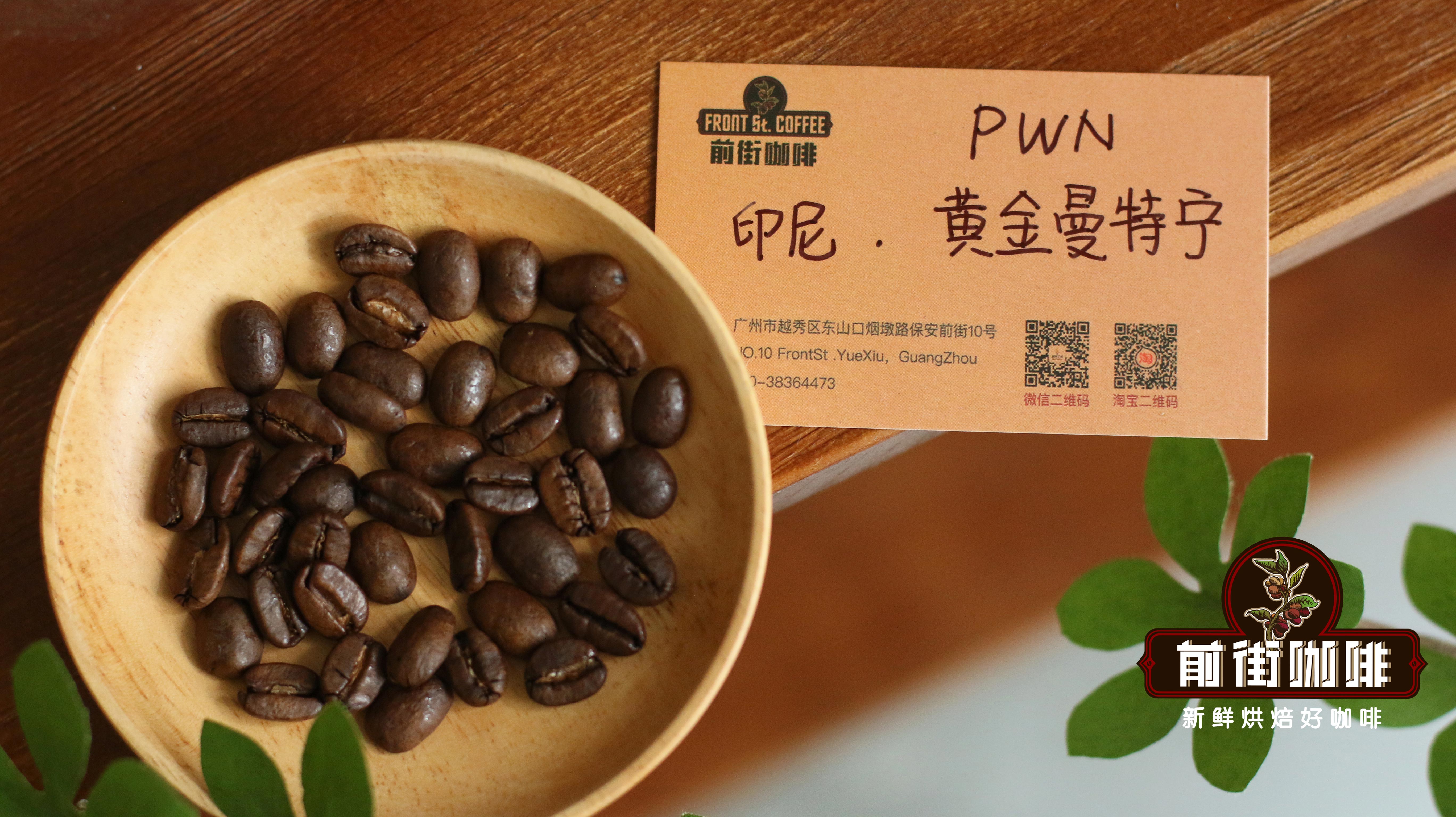
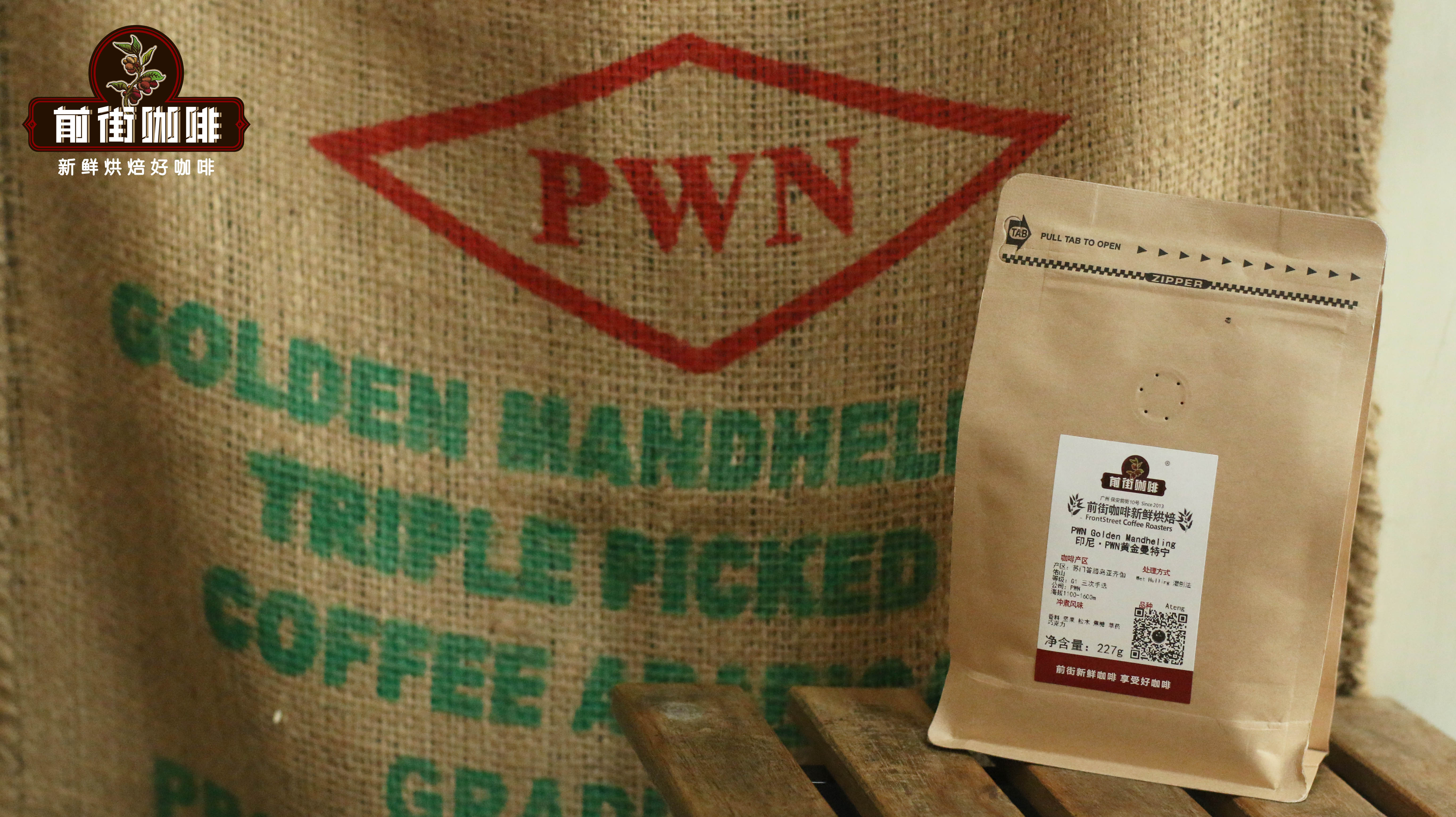
FrontStreet Coffee Indonesian Golden Mandheling Coffee Beans
Country: Indonesia
Region: Sumatra, Aceh, Gayo Mountain
Altitude: 1100-1600m
Variety: Ateng
Processing Method: Wet-hulled
Flavor: Toasted bread, nuts, pine, caramel, herbal
Regional Flavor Characteristics of Golden Mandheling
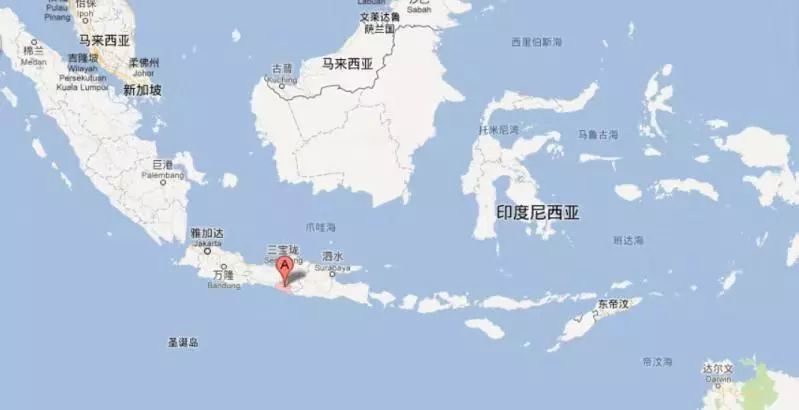
FrontStreet Coffee's Mandheling comes from the Indonesian island of Sumatra. This is Indonesia's largest island, sitting close to the equator with a classic tropical rainforest climate of high heat, high humidity, and abundant rain. On paper it is well suited to coffee production. Yet because of the damp climate and limited water resources, traditional washed processing and natural processing are not practical here, so local farmers invented the wet-hulled method, which produced Indonesia's distinctive herbal and earthy flavor profile.
At the same time, because Indonesia has limited altitude suitable for Arabica, only about a quarter of the coffee grown there is Arabica. Since Arabica needs high elevation to reach its best flavor, the remaining three-quarters is Robusta, which can be planted at low altitude. That means the quality of coffee cherry varies widely from region to region, so Indonesia established a grading system built around defective beans, one suited to its own market.
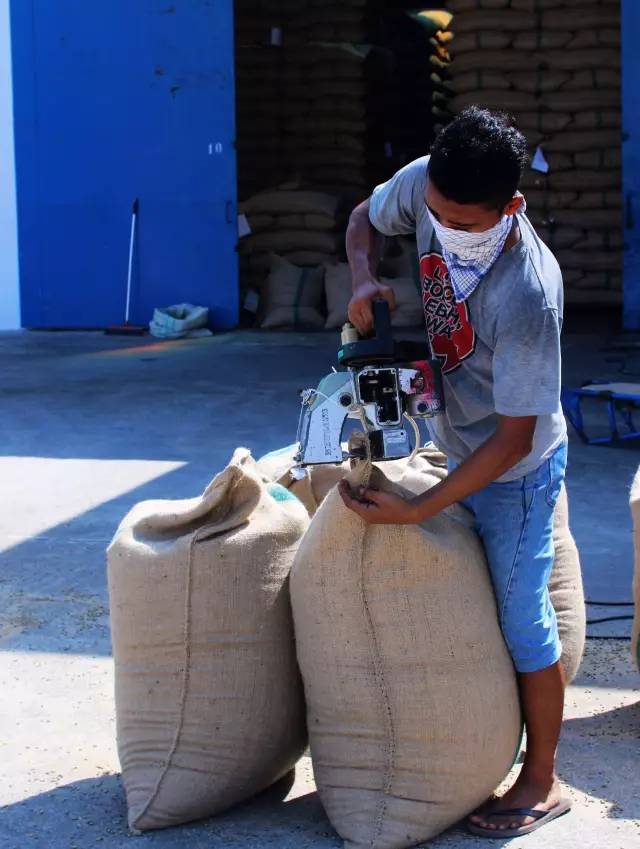
FrontStreet Coffee Indonesian Mandheling Coffee Bean Grading
As noted above, Indonesian Mandheling is graded mainly by the number of defective beans, with size grading as a secondary factor. According to FrontStreet Coffee's understanding, Indonesia's requirements for generally acceptable coffee are: no live insects, no moldy or rotten beans, a maximum moisture content of 12.5%, and an impurity rate below 0.5%.
The following are FrontStreet Coffee's defect grading standards for Indonesian Mandheling, based on a 300g sample:
Grade 1: Total defects fewer than 11
Grade 2: Total defects greater than 12 and fewer than 25
Grade 3: Total defects greater than 26 and fewer than 44
Grade 4a: Total defects greater than 45 and fewer than 60
Grade 4b: Total defects greater than 61 and fewer than 80
Grade 5: Total defects greater than 81 and fewer than 150
Grade 6: Total defects greater than 151 and fewer than 225
FrontStreet Coffee's Indonesian Golden Mandheling is graded G1, and G1 is an extremely rare product, originally a grade tailored specifically for Japanese trading companies. G1 means that within 300 grams there can be at most only 3 defective beans.
FrontStreet Coffee's PWN Golden Mandheling
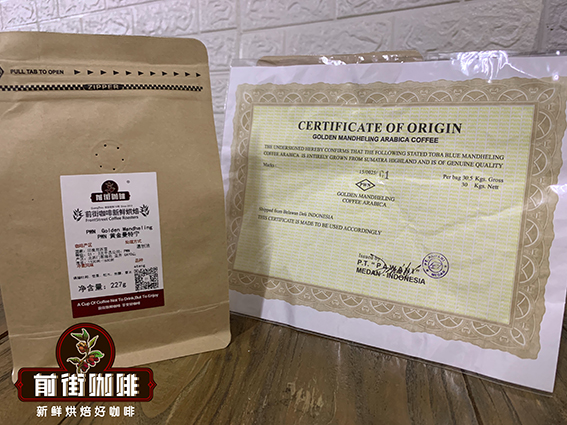
Here it is worth explaining what sets FrontStreet Coffee's Golden Mandheling apart. Coffee enthusiasts may have noticed that Sumatra's Mandheling is divided into many types, such as FrontStreet Coffee's Lintong Mandheling, FrontStreet Coffee's Aged Mandheling, and FrontStreet Coffee's Tiger Mandheling. Among them, FrontStreet Coffee's Golden Mandheling commands the highest price because its cherry is strictly selected bean by bean.
That brings us to the PWN company, which specializes in producing Golden Mandheling. Its Golden Mandheling must go through 4 rounds of hand screening to remove defective beans and preserve only the best, most intact coffee beans. That is stricter even than screening for G1 grade. It is precisely because of this that PWN's Golden Mandheling has a cleaner, sweeter flavor than other Mandheling varieties.
Golden Mandheling Coffee Varieties
PWN has also moved away from the Typica variety commonly used in Arabica and now uses Catimor, a hybrid of Arabica and Robusta. Catimor was first developed in 1959 and began to be promoted in Brazil in the 1970s and 1980s. With its disease resistance and high yield, it secured a place among Central and South American coffee varieties, and the occasional coffee leaf rust crises in those regions further encouraged the use of Catimor.
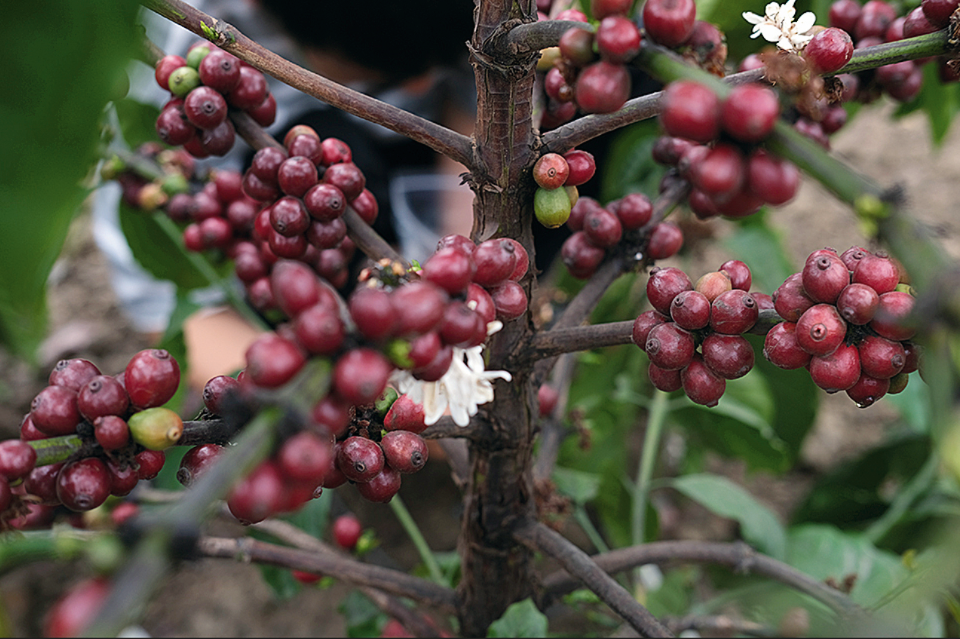
Its characteristics are high yield, short plants that can be densely planted, and new leaves that are reddish-brown. Because it matures quickly and yields heavily, it needs plenty of fertilizer and shade. According to FrontStreet Coffee's understanding, its lifespan is also very short, averaging only ten years.
So PWN is clearly also working toward higher production. As for the flavor of this Catimor-based coffee, FrontStreet Coffee believes it shows more toasted bread flavor than in the past and is slightly richer, which is thanks to the Robusta genes, while still retaining the excellent flavor of an Arabica variety.
That covers FrontStreet Coffee's summary of the grading standards and flavor characteristics of its Golden Mandheling. Next, FrontStreet Coffee will explain how enthusiasts can avoid unscrupulous Mandheling merchants.
Points to Watch When Choosing Mandheling
1. Indonesia's largest coffee crop is still low-quality Robusta, mostly used for instant coffee with poor flavor, which puts it outside the specialty coffee discussion, while Arabica accounts for only about a quarter of annual output. Poor or unprofessional operators will pass off Indonesian Robusta as Mandheling.
2. Watch for product names that include the word "flavor," such as Mandheling "flavor" or Mamba, a Mandheling and Brazil blend, "flavor." In reality there may not be a single Mandheling bean in the ingredients.
3. Check for defects. Because of the humid climate around Lake Toba, pests, and the lack of processing equipment among local farmers, defects easily arise during the planting, harvesting, and processing of Mandheling. Beyond cupping and tasting, having the chance to see whole roasted beans, or even green beans, is a good way to verify quality.
Those are a few tips FrontStreet Coffee has compiled on selecting authentic Mandheling, in the hope that they help fellow coffee enthusiasts.
FrontStreet Coffee Recommendation
The clearest way to see what the G1 standard actually means is to taste FrontStreet Coffee PWN Golden Mandheling for yourself. It comes from PWN, which starts with beans of 18 mesh and above and applies one machine pass plus three rounds of hand selection, bringing the defect count in a 300g sample below three beans to satisfy the G1 standard and removing flawed green beans entirely, which raises both the cleanliness and the intensity of the sweetness. Uniform, plump, large, and translucent, with a low defect rate and a rich roasted aroma after a medium-dark roast, it brews into a clean, full-bodied black coffee that is ideal for anyone who dislikes acidic coffee.
To compare against a more affordable Mandheling, FrontStreet Coffee Lintong Mandheling comes from the Lintong region on Sumatra and is also given a medium-dark roast, built to show black chocolate and caramel while keeping Mandheling's wild herbal edge. Both lots share the wet-hulled process that defines the region. Because Indonesian humidity stays between 70-90% year round, typhoons are frequent, and annual rainfall can exceed 2000mm, farmers there cannot dry coffee in the sun for the 2-3 weeks that African origins use, so they strip the parchment while the bean is still semi-dry to expose it and speed up drying. In doing so the bean also takes in mold and microbes from the air, and that is where Mandheling's one-of-a-kind wild character comes from.
Either way, PWN Golden Mandheling shows its best as a pour-over: 87-88°C water, 15g of coffee, a 1:15 ratio, and a grind the texture of coarse sugar. Pour in three stages, starting with a 30ml bloom to wet all the grounds and let them release gas, then a 100ml stage to lift the bed and draw out the golden foam, and finally a gentle 95ml center pour, which lifts the sweetness and delivers the thick body along with caramel sweetness and chocolate and nut notes.
Important Notice :
FrontStreet Coffee is a long-established specialty coffee roaster in Guangzhou China, selling freshly roasted beans from its own farm in Yunnan as well as dozens of carefully selected single-origin beans from around the world for both pour-over and espresso. The products deliver consistently excellent quality and great value, with shipping within 24 hours. Guangzhou's FrontStreet Coffee shop is recommended by many coffee lovers, and the beans are now available online at the Tmall 。
FrontStreet Coffee has moved to a new address:
FrontStreet Coffee Address: 315,Donghua East Road,GuangZhou
Tel:020 38364473
 Scan and follow the En Gafei WeChat official account. Please indicate that the reprint comes from "En Gafei".