Panama Hartmann Estate Coffee Bean Flavor Characteristics What are Panama Coffee's Flavor Characteristics?
Panama's Renowned Coffee Regions
Panama has built its reputation in specialty coffee largely on the back of the Geisha variety, but the country's quality runs far deeper than one famous bean. Its two most celebrated growing regions are Boquete and Volcán, the former being home to the legendary Hacienda La Esmeralda. Today, however, we want to turn the spotlight on Hartmann Estate, located in the Volcán region.
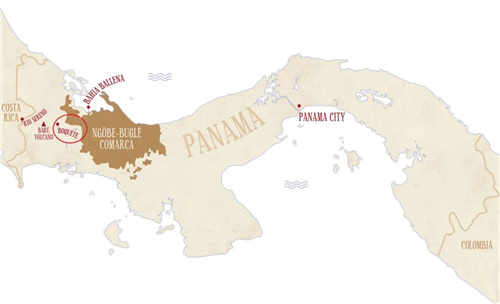
Both Boquete and Volcán enjoy conditions that are close to ideal for growing Arabica. Panama has four distinct seasons, fertile volcanic soil rich in minerals, high altitude, and annual rainfall of up to 3,500mm — and both regions sit in the shadow of the Barú Volcano.
In recent years, coffees from Volcán have been making serious noise in the specialty market, with estates from the area entering — and even winning — the Best of Panama competition. Volcán generally receives less rainfall than Boquete, and its position on the western slopes of Barú Volcano gives its beans a more intense dried-fruit character, along with pronounced sweetness and aroma. Historically, farmers in Volcán focused on fruit and vegetable cash crops, and only a handful grew coffee. Among the pioneers who did was one of Panama's best-known coffee families: the Hartmanns.
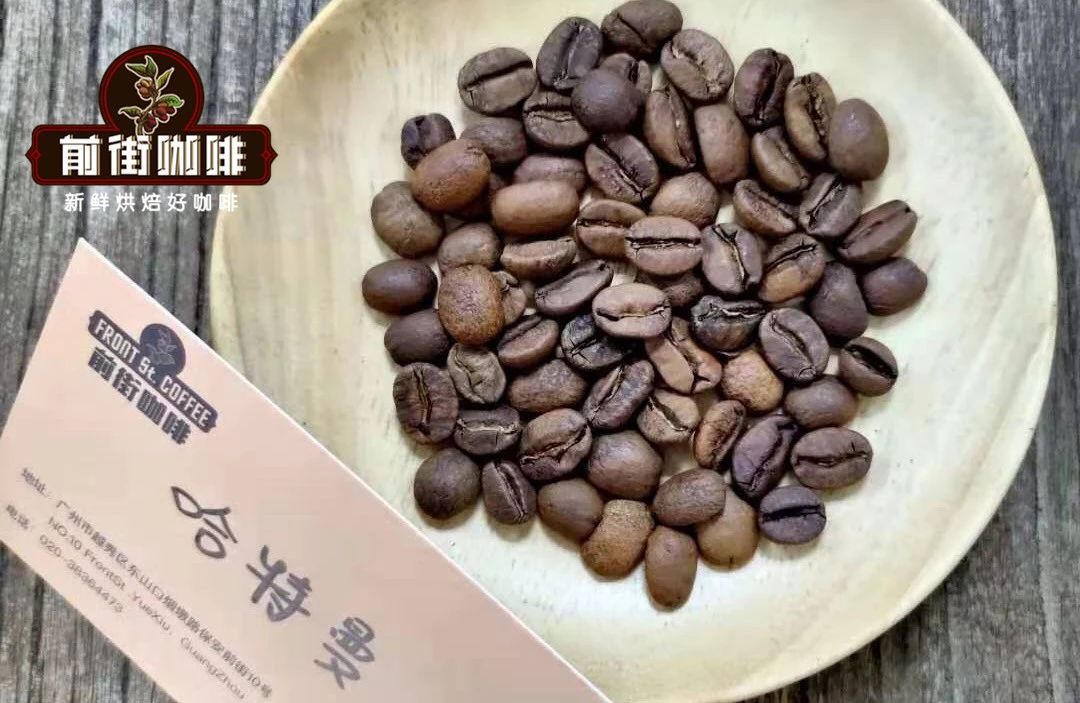
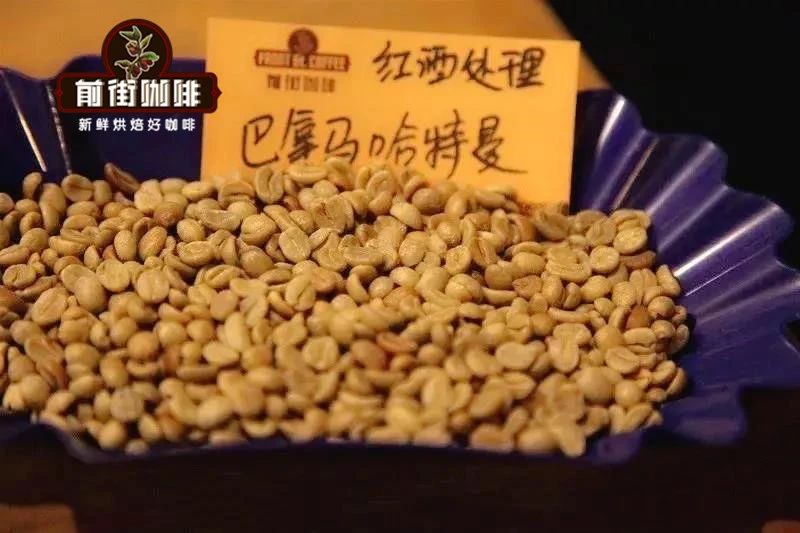
The Panama coffee we offer comes from Hartmann Estate and is the Catuai variety — a natural hybrid cross of Caturra and Mundo Novo prized for its wind and disease resistance, though its productive lifespan is short, typically only around ten years. From the green beans we've received, the Hartmann lots run relatively small in size, slightly denser than average, with moderate moisture content. Because this lot was finished with a special red wine process, we roast it to a medium-light level.
The Red Wine Process
The red wine process — sometimes called carbonic maceration, or wine-like processing — is rarely applied to Panamanian coffee, and the results are striking: markedly higher sweetness than conventionally processed Panama beans, with cleanliness, layered complexity, and elegant acidity. It is also considerably more demanding to execute. Borrowed from winemaking, the method gives the producer control over pH, temperature, and humidity, while sealed fermentation prevents aromatic compounds from escaping. After pulping, the coffee is placed into sealed stainless steel tanks flushed with carbon dioxide, creating an anaerobic environment in which a broader spectrum of aromatics develops.
This is precisely why we chose a medium-light roast for this lot: it preserves the coffee's bright acidity, tropical fruit character, and winey fermentation notes, yielding a cup that is sweet, rounded, fresh, and elegant.
Roasting Notes
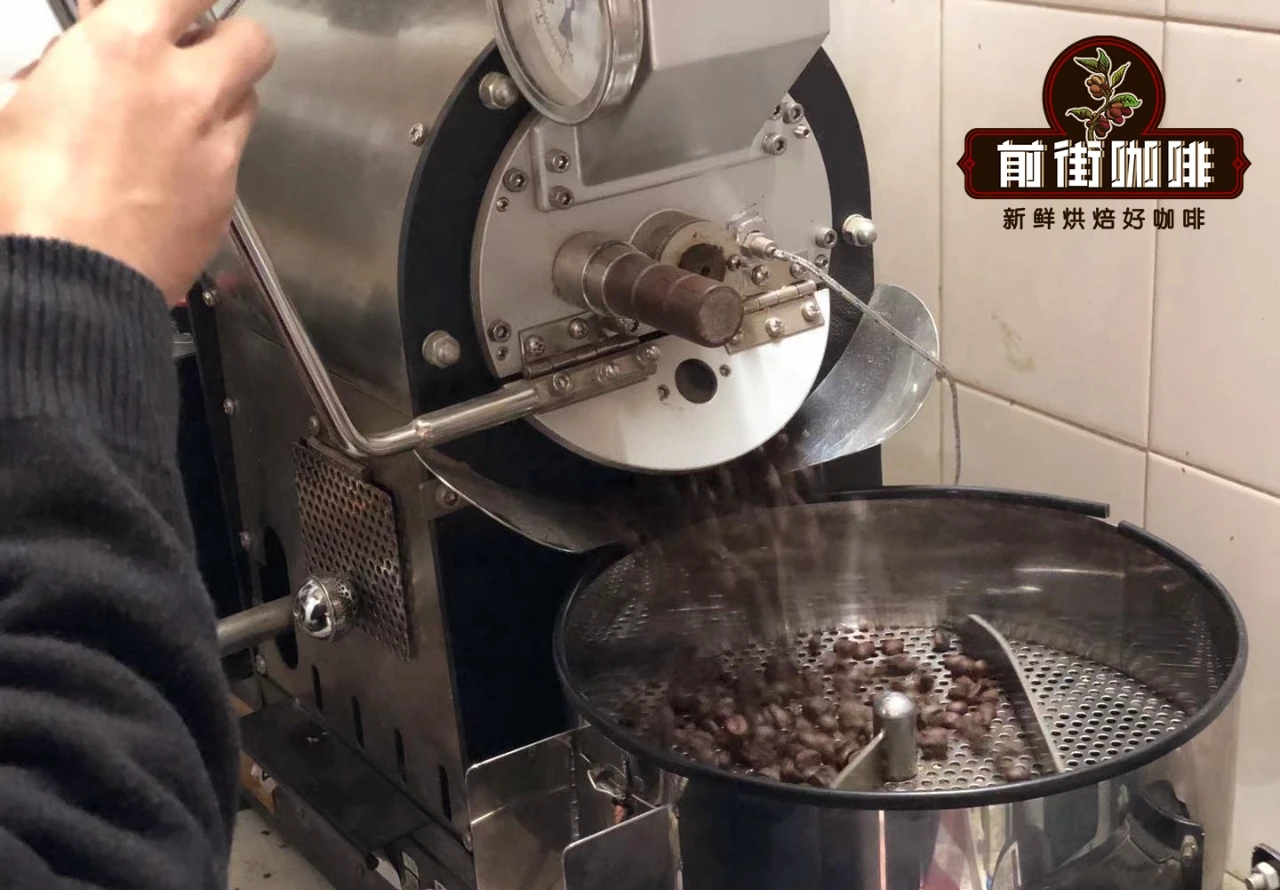
For the first batch, we charged at a high drop temperature — 200°C — with relatively strong heat. During the roast we found that although these beans come from comparatively low altitude, they are quite dense, so we eased the heat down gradually while keeping a steady rate of rise. As the beans turned yellow, finished drying, and approached first crack, we refined the heat further to avoid scorching the surface, then dropped the batch between dense first crack and its end, shortening the caramelization stage to protect flavor clarity and the floral-fruit aromatics.
Cupping and Brewing Analysis
Right after roasting, we moved straight into cupping. Our barista used 200ml standard cupping bowls with a grind size achieving 70%-75% pass-through on a #20 standard sieve, dosing 11.1g per bowl at 94°C. The dry fragrance of the red wine processed beans offered orange and jasmine; after filling the bowls, the wet aroma confirmed a fermented wine note and honey-like sweetness. At four minutes we broke the crust, cleared the surface, and evaluated. The overall profile sat close to tropical fruits, nuts, red wine, honey, and sucrose. We then verified those flavors with a pour-over using the parameters below.

Brewing Parameters
Dripper: V60 #01
Water Temperature: 90°C
Coffee-to-Water Ratio: 1:15
Grind Size: Medium-coarse / BG 6s (80% pass-through on a #20 standard sieve)
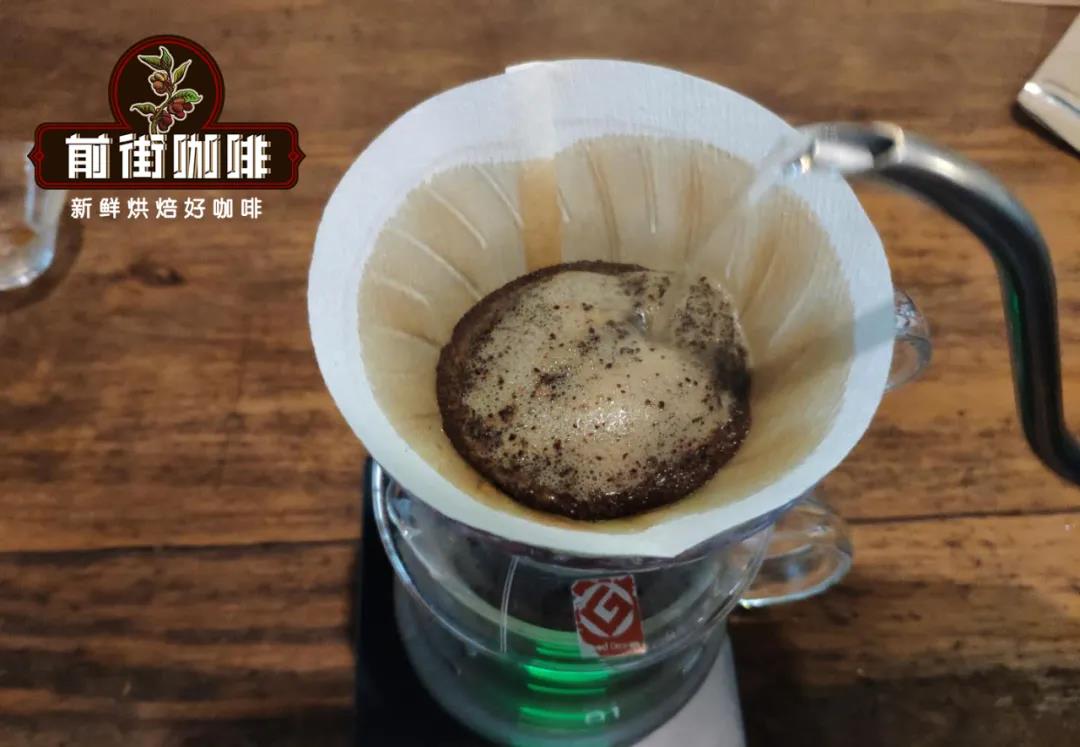
We brewed with the familiar three-pour method: 30g of water for a 30-second bloom; a second pour to 125g on the scale (95g added), finishing around 1:05; then a third pour to 225g (100g added), finishing around 1:40. Total drawdown time was 2 minutes 5 seconds, at which point we removed the dripper. Compared with conventionally processed Panamanian coffee, this Hartmann lot is a different animal entirely: a smooth entry, lively bright acidity, soft and layered, with a rich red wine finish, clear honey and sucrose sweetness, and brown sugar notes emerging as the cup cools completely.
Hartmann Estate's Excellence
Hartmann Estate's skill with processing is exceptional, and its coffee has long ranked among Panama's finest — it scored excellent results in Best of Panama as far back as 2006. The family holds firm ecological principles: they refuse to clear forest for planting, practicing what they call shade-grown coffee, and they have earned Bird Friendly certification. Their coffee grows under rainforest canopy in nutrient-rich volcanic soil and a distinctive microclimate — near-perfect conditions for unique specialty coffee. Coffee pulp and skins are even composted into fertilizer, keeping the entire operation fully organic and free of chemical inputs.
Those principles still hold today: cultivated coffee accounts for only about 20% of the estate's total land. Thanks to the preserved forest, the farm teems with native birds, and the region's famous toucan has naturally become Hartmann Estate's official logo.
FrontStreet Coffee Recommendation
If this Panamanian lot has piqued your interest in how much variety the Geisha family has to offer, it's worth knowing that "Geisha" is not a single flavor profile. Geisha owes its fame to Panama's Hacienda La Esmeralda, whose competition lots stunned the Best of Panama judges with an average cupping score of 94.6. Esmeralda's lineup today splits into the Red Label (Esmeralda Special, grown at 1,600-1,800m, lots cupping above 90 points and traceable to single plots such as Jaramillo) and the more approachable Green Label (Private Collection), which blends batches across plots for a classic high-altitude Geisha profile at a friendlier price.
Geisha also returned home to Ethiopia. Geisha Village, a 475-hectare estate founded 12 miles from the Geisha forest, grows Gori Gesha, Geisha 1931, and Illubabor Forest, graded into Gold Label (Geisha 1931, roughly 10% of production, meticulously natural-processed), Red Label (Gori Gesha, about 15% of output, scoring 88+ on the SCA scale), and other tiers. For a first taste of Ethiopian Geisha, a medium-light roasted lot like one from the Genlana farm near Kochere shows bright citrus acidity, delicate ginger-flower aroma, full sweetness of ripe fruit, and that signature long Geisha finish.
However you buy it, brew Geisha as a pour-over: grind to roughly 78% pass-through on a #20 sieve (about fine-granulated sugar), use water at 91°C, a 1:16 ratio with 15g of coffee in a small V60, and a three-pour structure starting with a 30g bloom. That gentle recipe lets the florals and juicy fruit acidity fully unfold.
Important Notice :
FrontStreet Coffee is a long-established specialty coffee roaster in Guangzhou China, selling freshly roasted beans from its own farm in Yunnan as well as dozens of carefully selected single-origin beans from around the world for both pour-over and espresso. The products deliver consistently excellent quality and great value, with shipping within 24 hours. Guangzhou's FrontStreet Coffee shop is recommended by many coffee lovers, and the beans are now available online at the Tmall 。
FrontStreet Coffee has moved to a new address:
FrontStreet Coffee Address: 315,Donghua East Road,GuangZhou
Tel:020 38364473
 Scan and follow the En Gafei WeChat official account. Please indicate that the reprint comes from "En Gafei".