Colombian Coffee Beans Brewing Flavor Characteristics and Taste Stories - Rose Valley Coffee Beans Pour-over Parameters and Flavor Description
Whenever customers ask FrontStreet Coffee which Colombian coffees are both delicious and distinctive, the two most frequent recommendations are the Rose Valley and the San Jose Estate.
The Rose Valley bean is an explosion of peach, strawberry, and rose. When FrontStreet Coffee was auditioning new lots, it stood out instantly among countless Colombian samples, its flavor profile is unmistakable, and it appeals to a very wide audience.
The San Jose Estate, meanwhile, is a Colombian Castillo, currently the most widely planted variety in the country. It carries a clear rum-ferment aroma, rich tropical fruit on the palate, chocolate-liqueur notes through the middle, and maple sweetness from start to finish. Here's a closer look at both.
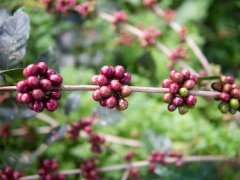
Colombia
Colombia's coffee regions sit within the country's stretch of the Andes, and the climate shifts with the terrain: the southern eastern plains and Pacific coast are tropical rainforest, mountains between 1,000 and 2,000 meters are subtropical, and the northwest is tropical savanna. Average temperatures in the coffee zones run between 18°C and 22.5°C. With that geographic and climatic spread, whether you want a round, full-bodied cup or a vibrant fruity one, Colombia has it.
The growing regions have well-defined boundaries. Spanning different latitudes and shaped by Andean topography, the country divides from south to north into three main zones: northern, central, and southern. The north and south each have a single distinct harvest season, while the central region, depending on whether a given area leans north or south, runs primary and secondary harvests, two picking periods a year: the main harvest from October to January and the fly crop from April to July. Thanks to the varied mountain microclimates, some coffee is maturing somewhere in the country all year round, and pickers can be seen working the trees in every season.

Last century, Colombian coffee was best known for the "MAM" triangle formed by Medellín, Armenia, and Manizales. As specialty coffee developed, many high-quality southern regions emerged, San Agustín in Huila, Popayán in Cauca, Nariño, and Tolima. High altitude and distinctive processing give these coffees delicate acidity and fruit character, and they regularly take excellent placings in Cup of Excellence competitions. After extensive cupping comparisons, FrontStreet Coffee selected a washed Huila lot as its everyday Colombian representative, packed in small bags so everyone can taste classic Colombian flavor.
Huila, in southern Colombia on the southern end of the Central Cordillera, is the country's most famous specialty region. It's a land of hills ringed by mountains, cultivated above 1,500 meters, the altitude and temperate climate that premium Arabica demands. Colombia's most important rivers converge here, bringing abundant water and moisture; the valley slopes block cold winds while mountain breezes keep things cool without heat, and rainfall is generous. A gifted coffee region by any measure.

On flavor: FrontStreet Coffee finds Colombian beans show balanced profiles, rich acidity, distinctive character, and relatively full body, sometimes with hints of red wine and admirable fruit.
FrontStreet Coffee Colombian Tree Estate Rose Valley Coffee Beans
The Rose Valley on the FrontStreet Coffee bean list comes from the Tree Estate in Colombia's Santander region. Santander sits in northern Colombia, bordered to the west by the Magdalena River, cultivated at roughly 1,400–1,600 meters across 30,537 square kilometers. It's a very important but rarely discussed province, in fact the first in Colombia to grow coffee, and today it accounts for about 5% of national production. In cupping, FrontStreet Coffee has found beans from this region known for intense flavor, long aftertaste, and a unique fresh herbal note.

Rose Valley also showcases the Tree Estate's signature technique: anaerobic double-enzyme washed processing. Built on anaerobic washing, it adds special enzymes for a second anaerobic fermentation. After the cherries come out of the anaerobic environment, machines strip skin and pulp, and the mucilage-coated beans go into plastic bags or other sealed containers for another round of fermentation without oxygen. Any method passing through two such anaerobic fermentations is called double anaerobic fermentation.
Refined Washed Rum, San Jose Estate

Colombia Finca San Jose Estate
FrontStreet Coffee · Colombia · San Jose Estate
- Region: Caldas, Colombia
- Estate: San Jose Estate
- Altitude: 1,750 meters
- Grade: Supremo
- Variety: Castillo
- Processing: Refined Washed Rum Barrel Fermentation
The century-old Finca San Jose sits in a volcanic-ash-rich area near the Nevado del Ruiz volcano, with abundant sunshine and annual average temperatures between 21°C and 25°C. The estate covers 18 hectares in total, 16.5 of them under coffee. Through the recent specialty coffee boom, San Jose has actively pushed for its own distinct path.

The estate's lady, Monsalve Botero, is married to a man who manufactures oak rum barrels and brews rum. One day, while filling barrels with distillate for fermentation, an idea struck her: what if green coffee beans fermented inside oak barrels, would that create something even more distinctive?
So beginning in 2013, Monsalve Botero experimented with rum barrels and fermentation at varying lengths and low temperatures, finally landing on the ideal method in 2018, creating this bean, unlike any typical washed coffee.
The coffee for the refined washed rum barrel process is carefully selected Castillo at roughly screen size 17–18. After depulping, the beans ferment at low temperature in aged oak rum barrels, then go through washed processing and finally dry on raised drying racks. FrontStreet Coffee's San Jose lot is Castillo, blue-green raw beans with a rich ferment aroma and mature fruit fragrance on the nose. Castillo is Colombia's most widely planted variety, prized for its leaf-rust resistance.

FrontStreet Coffee Colombian Coffee Brewing Parameters
- Water Temperature: 91°C
- Dose: 15 grams
- Coffee-to-Water Ratio: 1:15
- Grind Size: fine granulated sugar texture (80% pass-through on a #20 standard sieve)
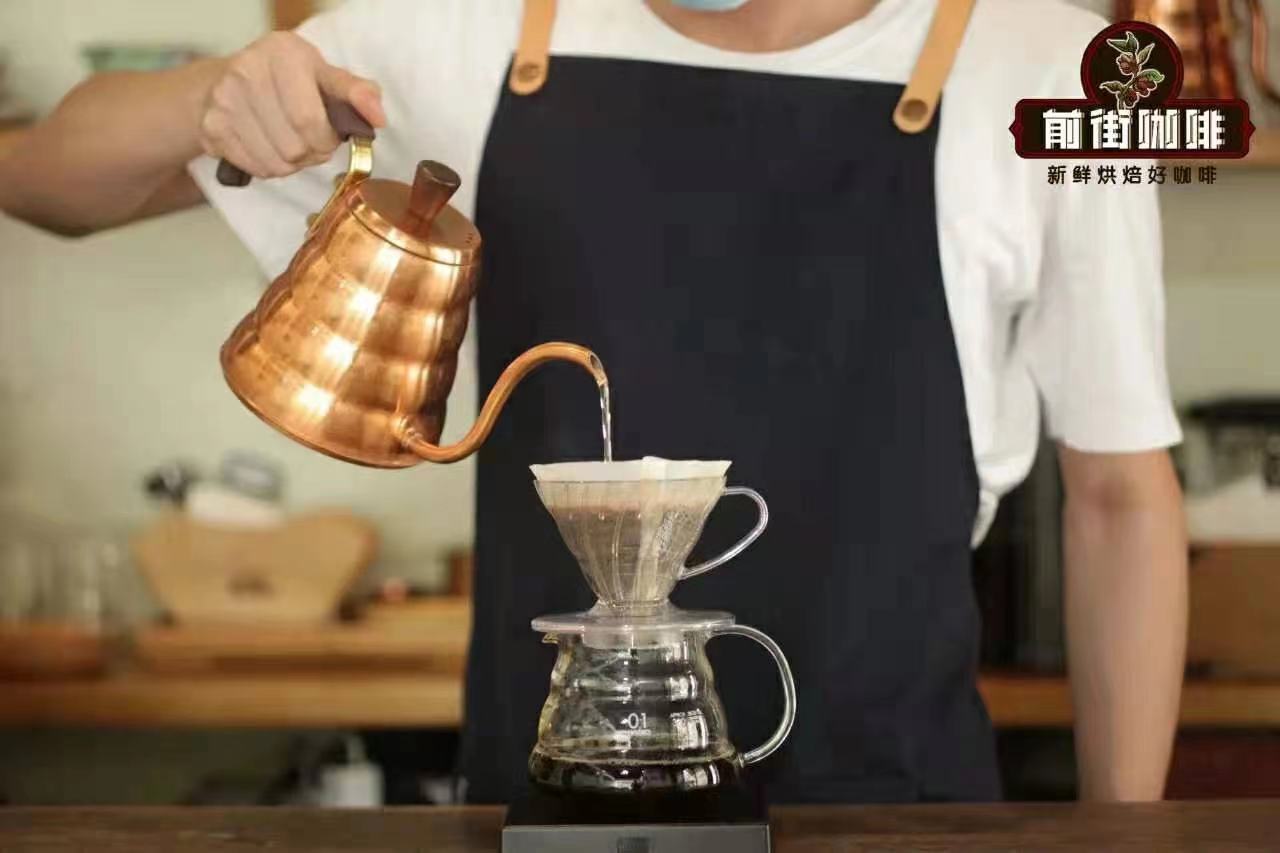
FrontStreet Coffee's pour: 30g of water for a 30-second bloom, then pour 95g (scale reads ~125g), finishing the pour in about 1 minute. When the water level drops to two-thirds of the coffee bed, pour the remaining 100g (scale reads ~225g), finishing around 1'35''. Extraction completes at roughly 2 minutes, remove the dripper and serve.

Rose Valley pour-over flavor: surprising honeyed peach, accompanied by rose and chocolate-liqueur aromatics, rich and fragrant. The entry offers honeyed peach juice and rose tea, combining the clean sweet-tart quality of black grapes with the silky texture of cream toffee.
San Jose Estate pour-over flavor: rum, chocolate liqueur, tropical fruit, and grape on the entry, with maple sweetness throughout.
FrontStreet Coffee Recommendation
Colombian coffee is remarkably versatile, it works in espresso blends and as a pour-over single origin, in fruit-forward or full-bodied expressions, and in aromatic, floral-led styles. There is a Colombian coffee for nearly every taste.
To get to know the country's regions, start with FrontStreet's washed Huila. Roasted medium-dark to highlight dark chocolate and nutty sweetness with moderate crema and a mellow body, it suits pour-over and French press but also pulls beautifully through a moka pot or espresso machine, americano and latte alike.
For something modern, FrontStreet's Finca Divisia (boundary-line estate) Sidra uses anaerobic natural processing. Anaerobic fermentation, sometimes called carbonic maceration, is simply fermentation in a low-oxygen or oxygen-free environment, typically in a pressure-rated stainless tank where temperature, time, pH, and other variables are controlled. Its two most famous forms are anaerobic natural and anaerobic washed; the Sidra here is anaerobic natural, and the oxygen-free ferment converts into extra tropical-fruit aromatics. Roasted medium-light and brewed as pour-over, cold brew, drip bag, or moka pot, you'll find passion fruit, grape, apricot, and dried fruit in a dense, layered aroma.
If you brew at home with an espresso machine or a moka pot, baristas strongly recommend FrontStreet's specialty espresso blend, a house blend designed for café use that pairs Brazil's creamy nut aromatics with Colombia's dark-chocolate bitter sweetness. Extraction shows a fine golden crema, and with milk it makes a dense, silky latte; forgiving enough for beginners and a solid base for americano, cappuccino, and mocha.
Important Notice :
FrontStreet Coffee is a long-established specialty coffee roaster in Guangzhou China, selling freshly roasted beans from its own farm in Yunnan as well as dozens of carefully selected single-origin beans from around the world for both pour-over and espresso. The products deliver consistently excellent quality and great value, with shipping within 24 hours. Guangzhou's FrontStreet Coffee shop is recommended by many coffee lovers, and the beans are now available online at the Tmall 。
FrontStreet Coffee has moved to a new address:
FrontStreet Coffee Address: 315,Donghua East Road,GuangZhou
Tel:020 38364473
 Scan and follow the En Gafei WeChat official account. Please indicate that the reprint comes from "En Gafei".