Kenyan Coffee Bean Flavor Profile & V60 Dripper Brewing Parameters for Kenya AA Coffee Beans
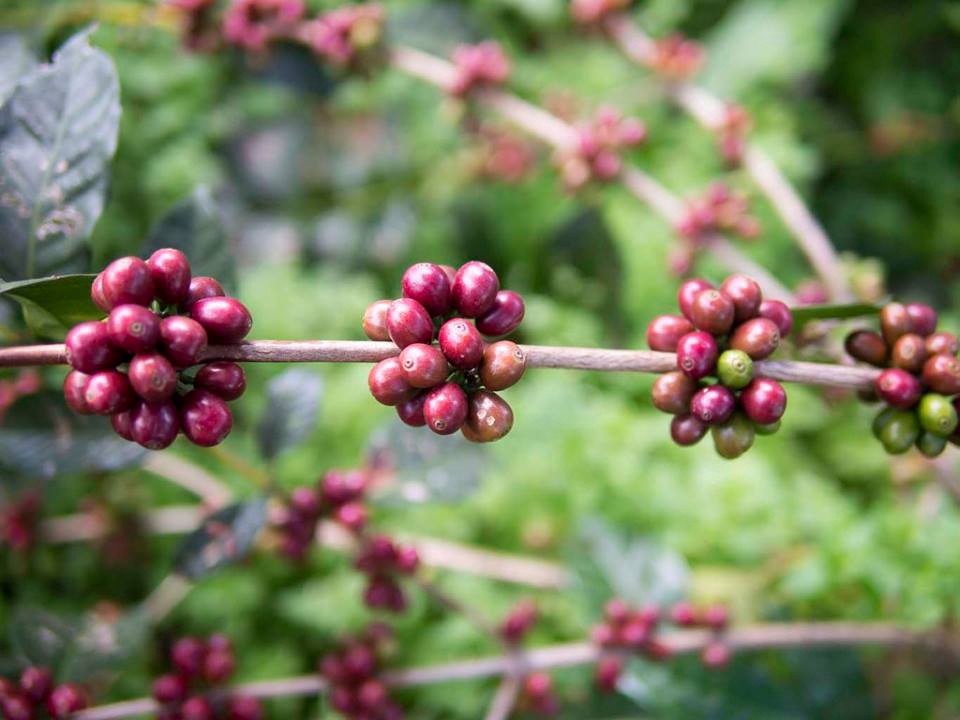
Do you know the history and flavor profile of Kenyan coffee?
Africa has always been one of the world's finest coffee-producing regions, renowned for its captivating acidity and aroma, and Kenya is no exception. Located in eastern Africa, Kenya borders Ethiopia, the source of coffee. Although its soil is fertile, the country's first coffee was planted in 1893 using Bourbon from Brazil — also known as French Mission, in honor of the French missionaries who carried it. Like a story of turning left or right, coffee did not move south inland but crossed the Red Sea northward; after centuries of spreading, settling, and mutating around the world, it finally returned to its homeland, the Great Rift Valley.
As a British colony, it was only natural that the profits from coffee exports favored the colonial power. Until 1954, Kenyans owned only 5,000 acres of cultivated land, and most of the rest was controlled by the British and shipped to London for auction. Exploitative as the arrangement was, without the British Scott Laboratories Kenyan coffee would not have reached its current standing — its signature varieties, SL-28 and SL-34, were two of the 40 coffee varieties that laboratory cultivated. Popular Kenyan varieties today also include the disease-resistant but slightly less flavorful Ruiru 11, and the drought-resistant Batian, K7, and Kent varieties.
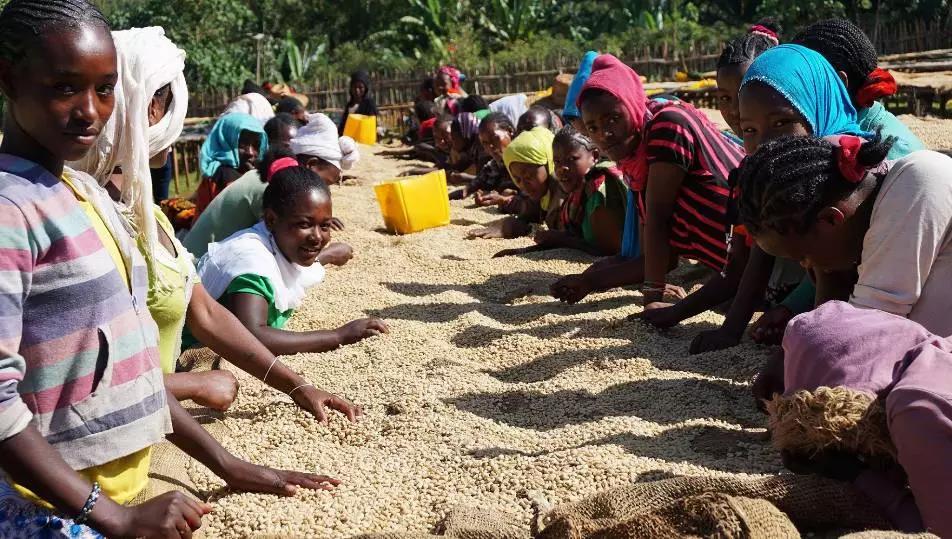
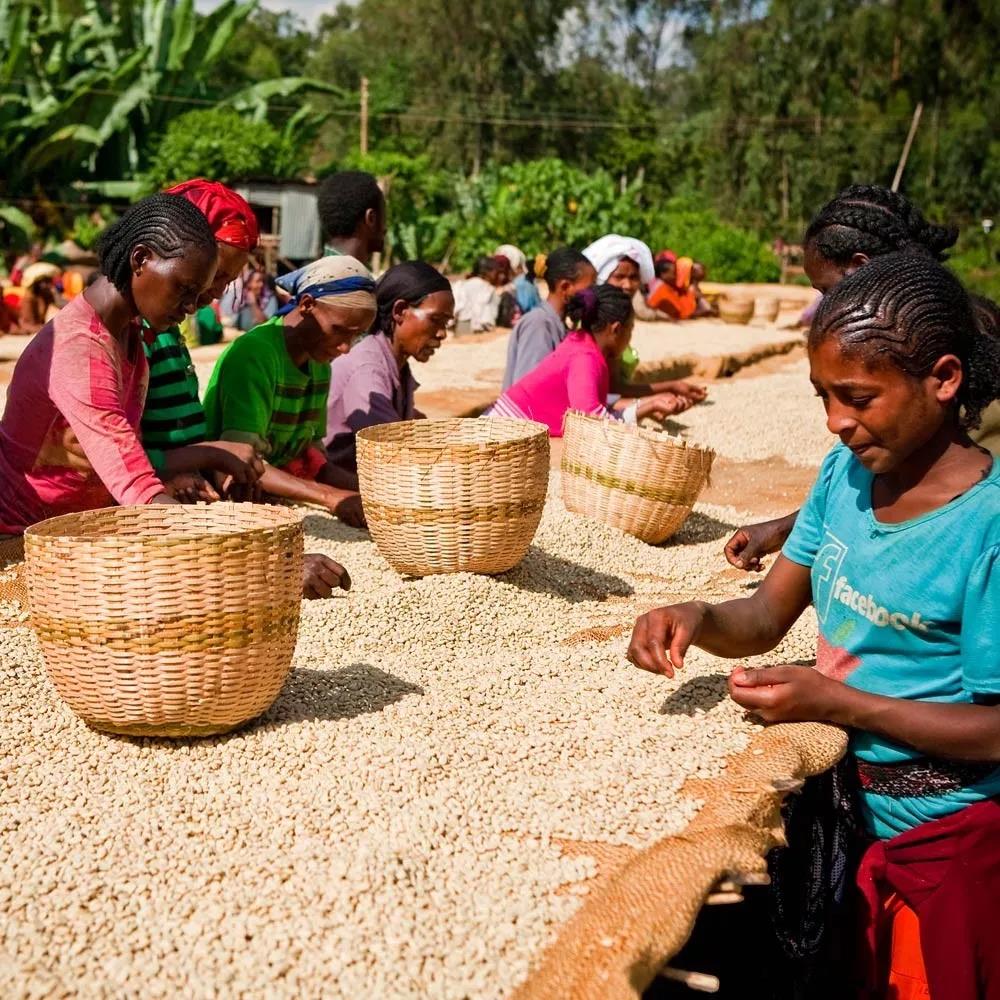
The Mau Mau Uprising, which ran from 1956 to 1960, returned control of most cultivated land to the indigenous population. Most coffee farms are small operations producing several hundred kilograms a year. They decide whether to sell their cherries to nearby processing factories based on transport distance and purchase prices. The famous Karagoto coffee, for example, is actually a processing plant near the town of Karatina: it collects cherries from nearby farmers, processes and exports them, and provides farmers with technical support for cultivation. Karagoto, together with the Tegu and Ngunguru processing plants, forms a cooperative, the Tekangu Farmers Cooperative Society (FCS). Kenya's famous producing regions are mostly in the central area — Nyeri, Kiambu, Kirinyaga — and the western highlands near Uganda, such as Nakuru, Bungoma, and Kitale.
Coffee Auctions Ensuring Farmer Benefits
Every Tuesday during the harvest months, the Coffee Exchange in the capital, Nairobi, holds auctions. Around 50 government-recognized exporters classify and grade the lots, send samples to potential foreign buyers for cupping and evaluation, and then accept competing bids. Foreign companies can also commission authorized marketing agents for direct trade. Every step is clear and transparent, regulated by the Kenyan Coffee Board, which ensures that after costs are deducted the money goes entirely to farmers.
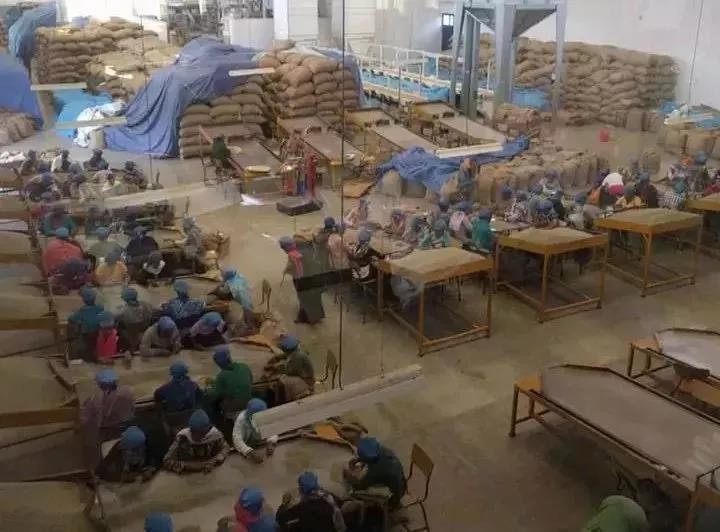
Kenya's grading system uses AA-Plus (AA+), AA, and AB to distinguish beans. The grading refers to the uniformity of bean size, not to quality. Premium Kenyan beans are generally grown at altitudes between 4,200 and 6,800 feet, roughly 1,300-2,100 meters.
The industry typically describes classic Kenyan coffee as "blackcurrant juice": a rich mouthfeel, wine-like aroma, and bright fruit acidity. These characteristics are found in no other producing region. Unfortunately, the coffee industry accounts for only 10% of Kenya's total economic income, and as demand for land rises, farmers may have less incentive to grow coffee and abandon it altogether. This is likely a common problem of urbanization.
Flavor and Taste Profile of Kenyan Coffee
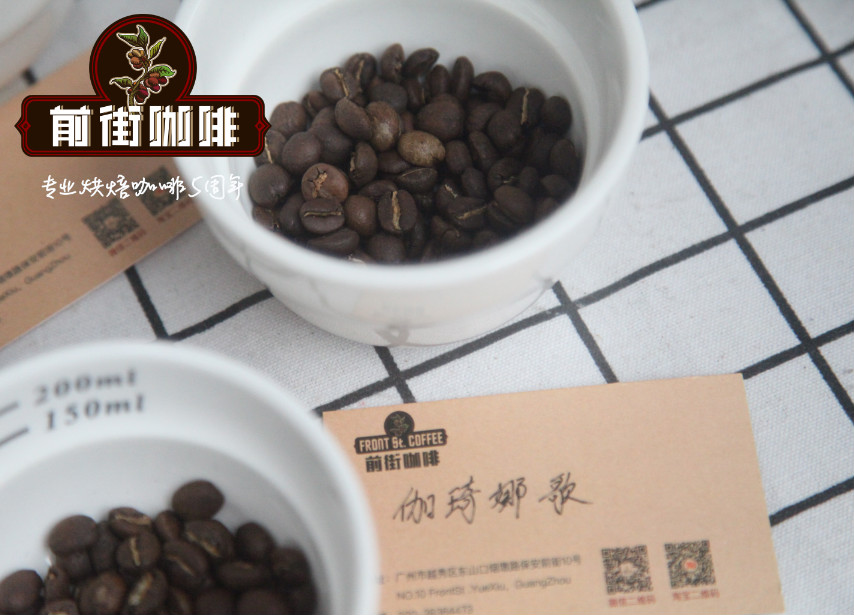
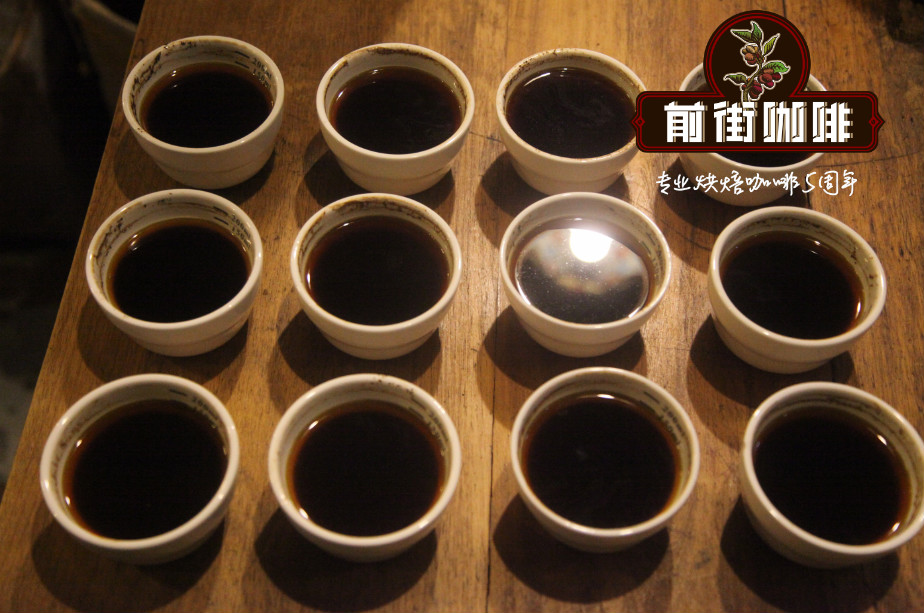
FrontStreet Coffee's editorial team compared several Kenyan coffees from different sub-regions and found that, thanks to red phosphorus soil and the SL varieties, most Kenyan beans show more obvious cherry-berry flavors similar to cherry tomato when lightly to medium-roasted, with bright fruit acidity. The one drawback is that Kenyan beans tend to develop woody flavors more easily.
FrontStreet Coffee Recommendation
As the world's largest coffee producer, Brazil offers enormous variety. Brazilian beans carry moderate acidity and a fine balance of sweetness, bitterness, and body, which makes them ideal for a medium roast: the cup comes out with a nutty aroma, a smooth, mellow body, and a gentle acidity that works as a single origin or in a blend. To get a first taste of the Brazilian profile, start with FrontStreet's pulped-natural Cerrado, a classic Brazilian single origin. Cerrado is one of the country's best-known regions, prized for high-quality beans, and this lot is the red Bourbon variety common in South America. Roasted medium, it shows creamy peanut, toasted bread, caramel, and hazelnut, with a round, non-acidic body and a light bitterness, and it brews well as pour-over as well as in a moka pot, as an espresso SOE, in a siphon, or in a French press.
FrontStreet's other Brazilian single origin, the Queen Estate, is grown in Mogiana near South Minas, where fertile red volcanic soil lets the cherries absorb abundant nutrients and develop a full aroma. Some farms in the area still follow traditional practices while others have adopted modern, standardized management, and the quality of local coffee has improved greatly as a result. The Queen Estate grows the rare yellow Bourbon, a natural mutation of red Bourbon with a cleaner fruit character. Through pour-over, moka pot, or home espresso machine, FrontStreet's Brazil Queen Estate delivers the fresh sugarcane sweetness found in no other region, along with fruit and chocolate notes.
Brazil's low acidity, balanced body, and friendly price also make it a first choice for many espresso recipes. FrontStreet's classic blend with its rich crema, the nutty specialty blend, the balanced Black Cocoa blend, and FrontStreet Coffee's Commercial Blend made for cafés all contain Brazilian beans. The Brazilian component supplies chocolate and cream aromas, contributes a soft sweet-tart-bitter balance, and its even temperament helps keep extraction stable.
Important Notice :
FrontStreet Coffee is a long-established specialty coffee roaster in Guangzhou China, selling freshly roasted beans from its own farm in Yunnan as well as dozens of carefully selected single-origin beans from around the world for both pour-over and espresso. The products deliver consistently excellent quality and great value, with shipping within 24 hours. Guangzhou's FrontStreet Coffee shop is recommended by many coffee lovers, and the beans are now available online at the Tmall 。
FrontStreet Coffee has moved to a new address:
FrontStreet Coffee Address: 315,Donghua East Road,GuangZhou
Tel:020 38364473
 Scan and follow the En Gafei WeChat official account. Please indicate that the reprint comes from "En Gafei".