What's the Difference Between Natural Yirgacheffe and Washed Yirgacheffe? How Do Their Roasting Profiles Differ?
The Origins of Yirgacheffe Coffee
Coffee originated in Ethiopia, in Africa. On this ancient land, remarkable fruits were cultivated that continue to influence the world today. When people in many parts of the world had no idea what coffee was, the Agaw people of Ethiopia were already growing and drinking it. Today, Ethiopia remains the source of many premium coffee beans, and Yirgacheffe is one of them.
Anyone who claims to love specialty coffee but has never tried Yirgacheffe is certainly not a true enthusiast. And anyone who loves specialty coffee, even if they can't yet appreciate the taste, will definitely try to like it. That is the charm of Yirgacheffe. Regular coffee drinkers have surely heard it mentioned more or less. For many enthusiasts, their very first introduction to coffee may well have been Yirgacheffe.
Although Ethiopia's Yirgacheffe beans are small, they carry a gentle, elegant, sweet, and charming character. The phrase "coffee enters the mouth, a hundred flowers bloom" describes Yirgacheffe perfectly. Today, Yirgacheffe has become synonymous with Ethiopian specialty coffee. But do enthusiasts know the difference between washed and natural processed Yirgacheffe?
Different Processing Methods
Washed Processing Method
Yirgacheffe washed processing uses washing and fermentation to remove the fruit pulp and mucilage, washing the beans until smooth and clean. After washing, the beans are still encased in their parchment shell with a moisture content of 50%. They must be dried down to a moisture content of 12%, otherwise they will keep fermenting and become moldy and spoiled. The best method is sun drying, which takes 1-3 weeks, but the flavor is excellent and the results are quite popular.
The washed method gives good body, high aroma, and lively acidity. Washed Yirgacheffe beans are graded Gr-1 and Gr-2, where the smaller Arabic numeral indicates the higher grade. G1 Yirgacheffe has a distinctive style, and the citrus and floral notes fused in the cup are a delicious taste few can resist.
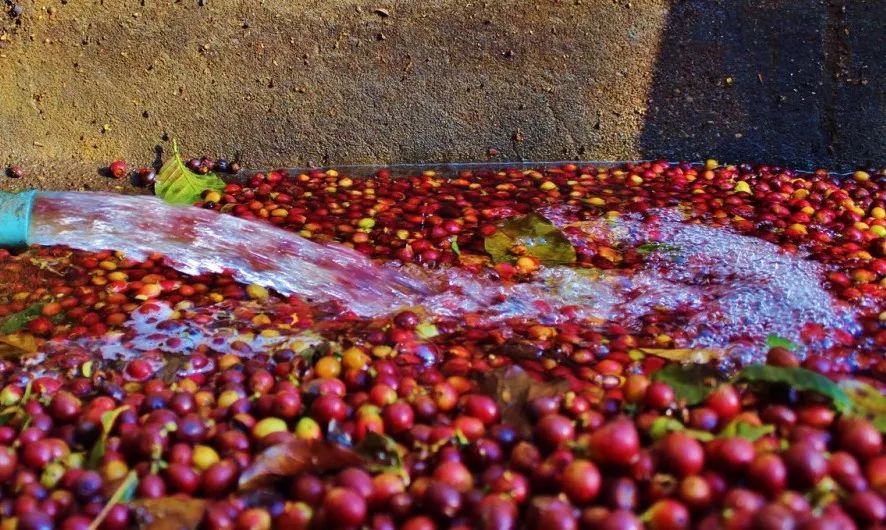
Natural Processing Method
Yirgacheffe natural processing means the fruit begins sun drying immediately after harvest with no further treatment. This is the oldest processing method still in use. Drying typically takes about 4 weeks. The method must be very rigorous to ensure the coffee loses no flavor. Natural processed beans have complete natural body, a gentle aroma, and a more gelatinous texture.
Natural grades are divided into Gr-1, Gr-3, Gr-4, and Gr-5. Again, the highest grade, G1 natural Yirgacheffe, has a rich fruit aroma. Opening a bag of freshly roasted G1 natural Yirgacheffe can overturn everything you thought you knew about coffee. Only after tasting the highest grade natural Yirgacheffe will you believe that coffee is a fruit.
Differences in Coffee Bean Appearance
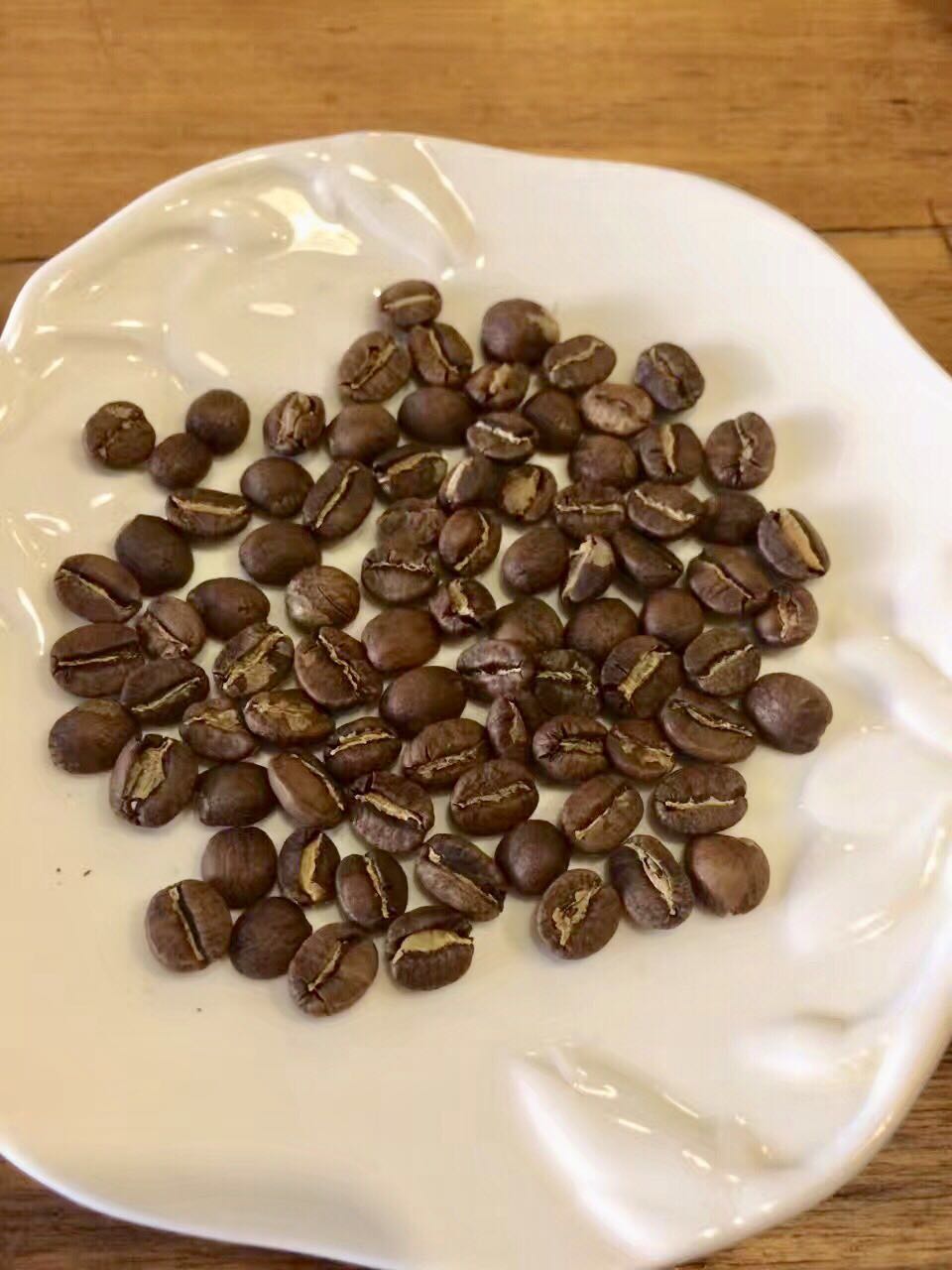
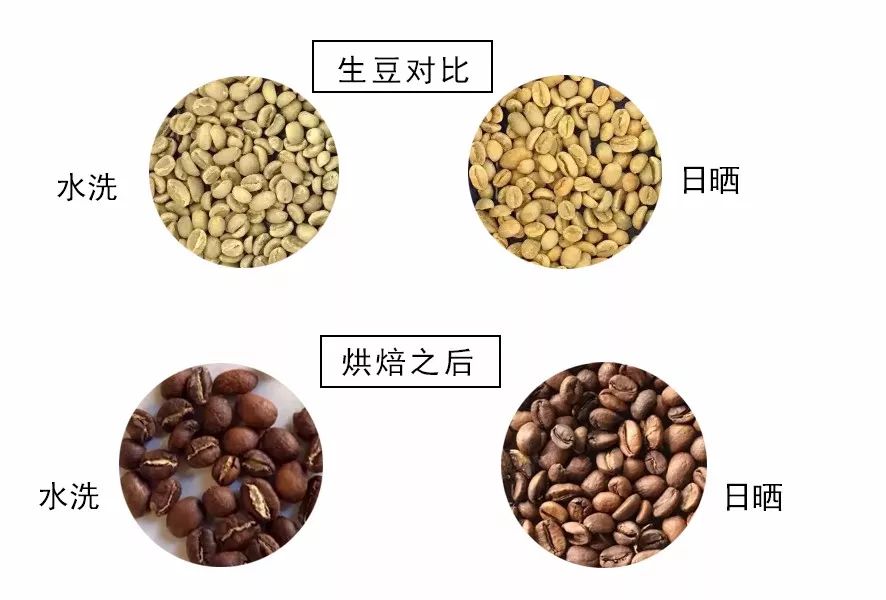
Generally, washed green beans are bluish-green. After roasting, washed Yirgacheffe has more silver skin, with wrinkles that look as though they've been soaked in water. Natural processed green beans are yellowish-green, and natural Yirgacheffe has less silver skin with a smooth appearance.
Differences in Coffee Taste
Natural Yirgacheffe has a faint fermented wine aroma, with slightly more bitterness and a much richer mouthfeel. Honey sweetness, cocoa notes with a hint of spice, full body with a persistent aftertaste, rich texture, and unique soft floral notes brush across the palate, leaving an endless impression. Washed Yirgacheffe has brighter acidity, like lemon, with a fresher mouthfeel and more obvious citrus aroma, plus some black tea notes in the finish. Both share a fruit acidity similar to lemon and citrus.
Beans with such splendid flavor are certainly not suited to medium-dark roasting. This coffee is best given a light, slow roast to showcase its rounded, sweet, rich floral and fruit character.
Hard Bean Characteristics
Hard bean coffee grows at relatively high altitudes, while coffee grown lower is usually considered soft bean. Higher altitudes and lower temperatures cause the fruit to mature more slowly, forming harder, less porous beans. Coffee grown above 1200 meters is called hard bean.
Hard beans absorb heat better than soft beans, so their flavor development is more complete. On the other hand, because of their high density and moisture content, hard beans also hinder heat transfer, so roasting requires higher heat and a higher drop temperature.
Roasting Method
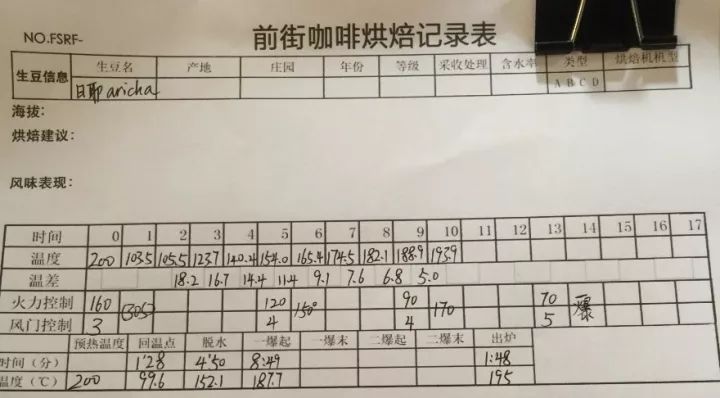
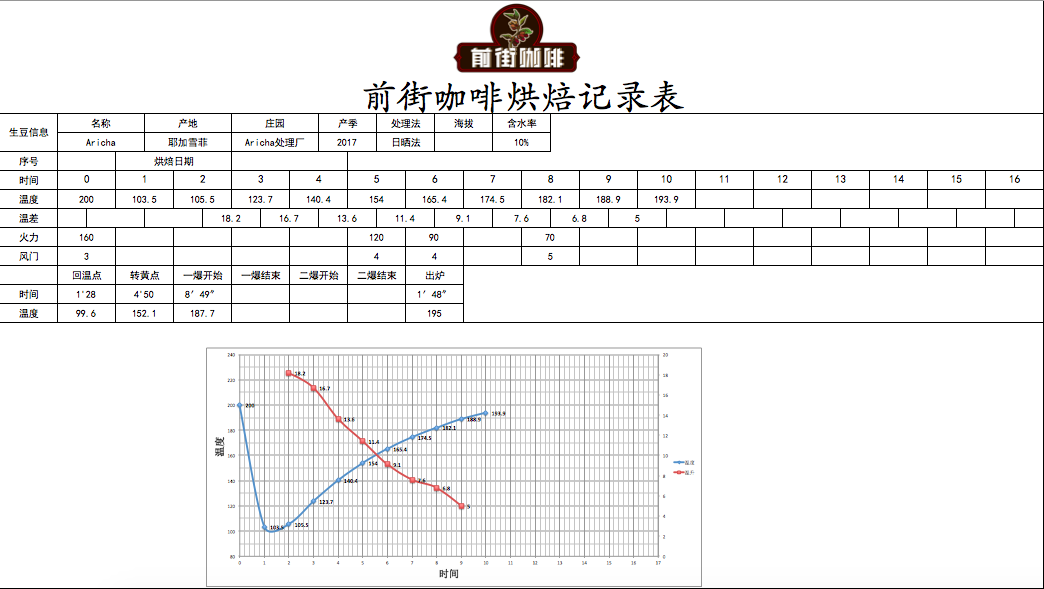
Extend the roasting time longer, so adjust the heat once when dehydration is complete, open the damper to maximum at first crack, and drop the beans after developing for 1'48''.
Roasting Equipment and Process
Roasting machine: Yangjia 600g semi-direct heat.
Using fast stir-fry mode, set the furnace temperature to 200°C at bean charge, damper set to 3.5. After 1 minute, adjust heat to 160°C, damper unchanged. Adjust heat once at 148°C, reducing to 130°C. Roast until 5'03", when the temperature reaches 151°C, the bean surface turns yellow, the grassy smell disappears completely, and dehydration is complete. Adjust heat to 105°C, damper open to 4.
At the 8th minute, ugly wrinkles and black spots appear on the bean surface, and the toast smell clearly transforms into coffee aroma, which can be defined as the prelude to first crack. At this point, listen carefully for the sound of first crack. At 9'07" first crack begins; reduce heat to 70°C and open the damper fully (adjust heat very carefully, not so low that the crack sounds disappear), then drop the beans at 194°C.
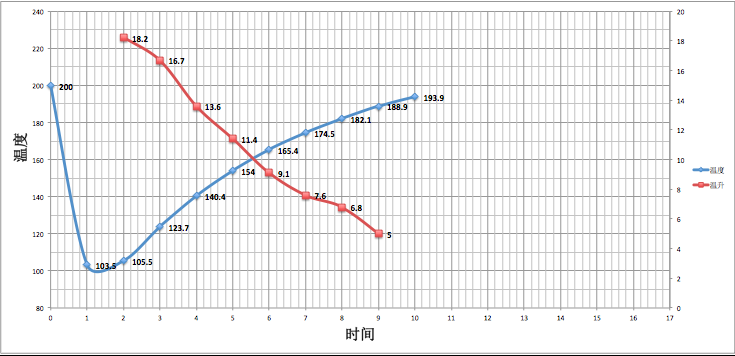
Roast Level: Light Roast
Cupping Notes
Roast one: strawberry, raspberry, vanilla, honeydew, juicy.
Strawberry, raspberry, vanilla, honey, juice.
Rounded and sweet, rich in floral and fruit aroma, with a prominent sweet aftertaste and weak acidity, overall presenting a gentle red wine character.
Wet aroma: ripe berries, fermented fruit wine.
From the extremely smooth entry to the delicate body, the emergence of the ripe fruit's sweet and sour flavors is truly amazing. The sweetness exceeds any Yirgacheffe I've tasted before. The aftertaste is also excellent, worthy of its "fruit bomb" reputation. After drinking, you can basically count on the sweetness in your mouth lasting half an hour.

Best Brewing Methods
Yirgacheffe beans are most suited to pour-over and siphon brewing. When grinding, you can smell the fragrant natural fruit aroma, with obvious sweetness. There is also the signature citrus and jasmine aroma of washed Yirgacheffe, leaving an endless aftertaste.
Gentle, elegant, sweet, and charming. Yirgacheffe releases extremely complex aromas, displaying an exceptionally outstanding mouthfeel that is difficult to describe.
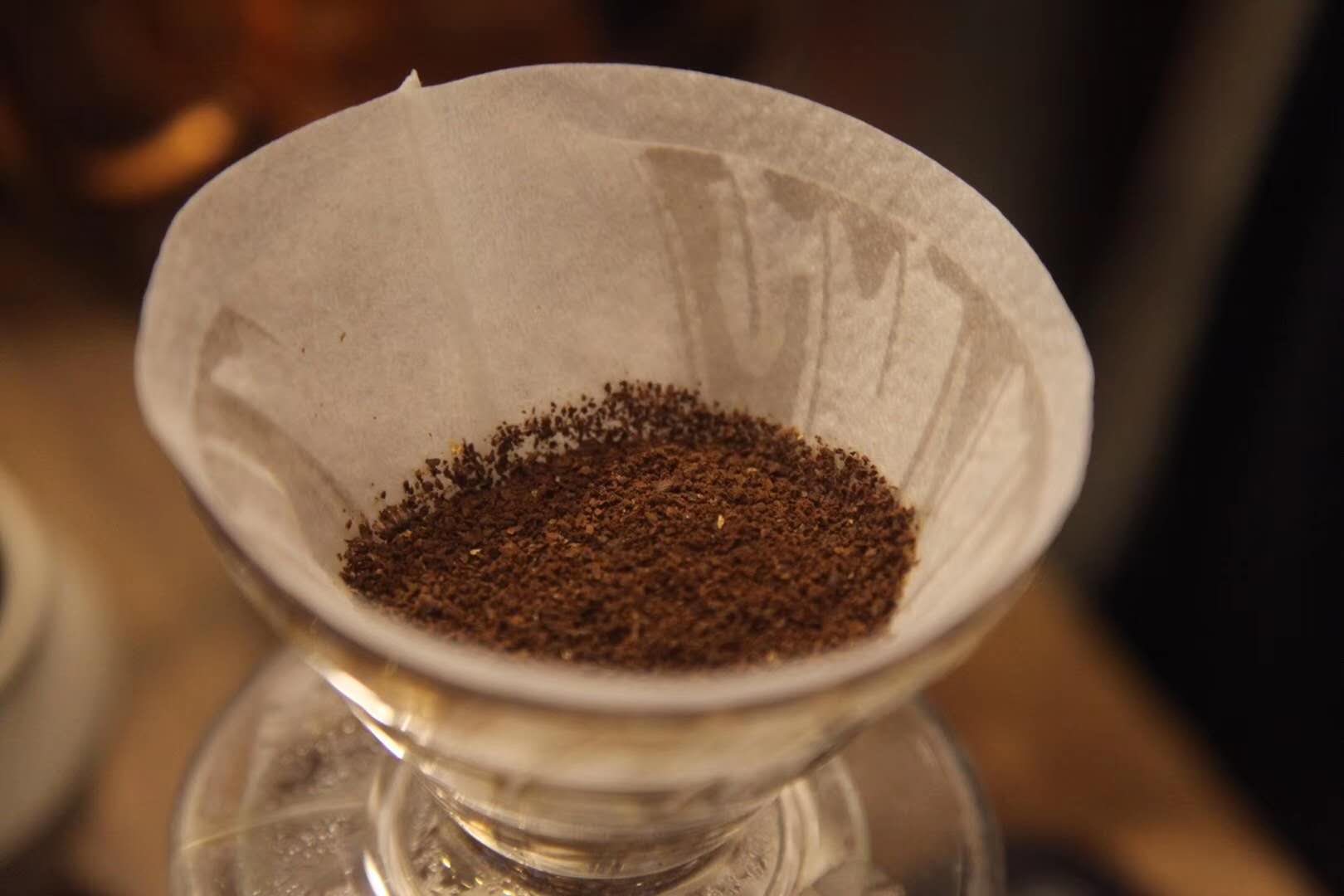
V60 Pour-over Recipe
V60 dripper, 15g coffee, water temperature 87°C, grind setting 4, water-to-coffee ratio close to 1:15.
31g water for the bloom, bloom time 29s.
Stages: pour water to 99ml, stop pouring, then slowly pour to 230ml.
That is: 31-99-100.
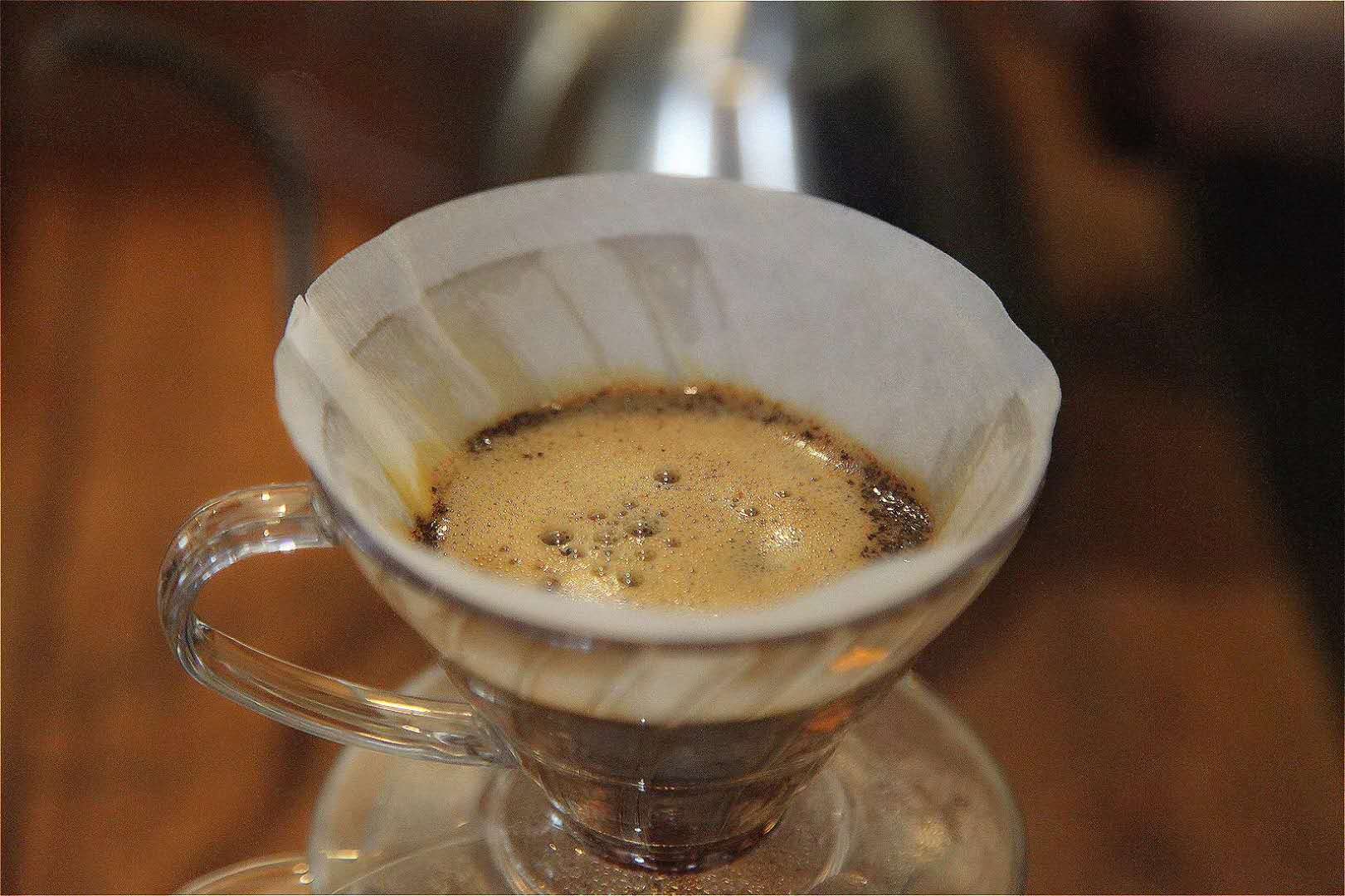
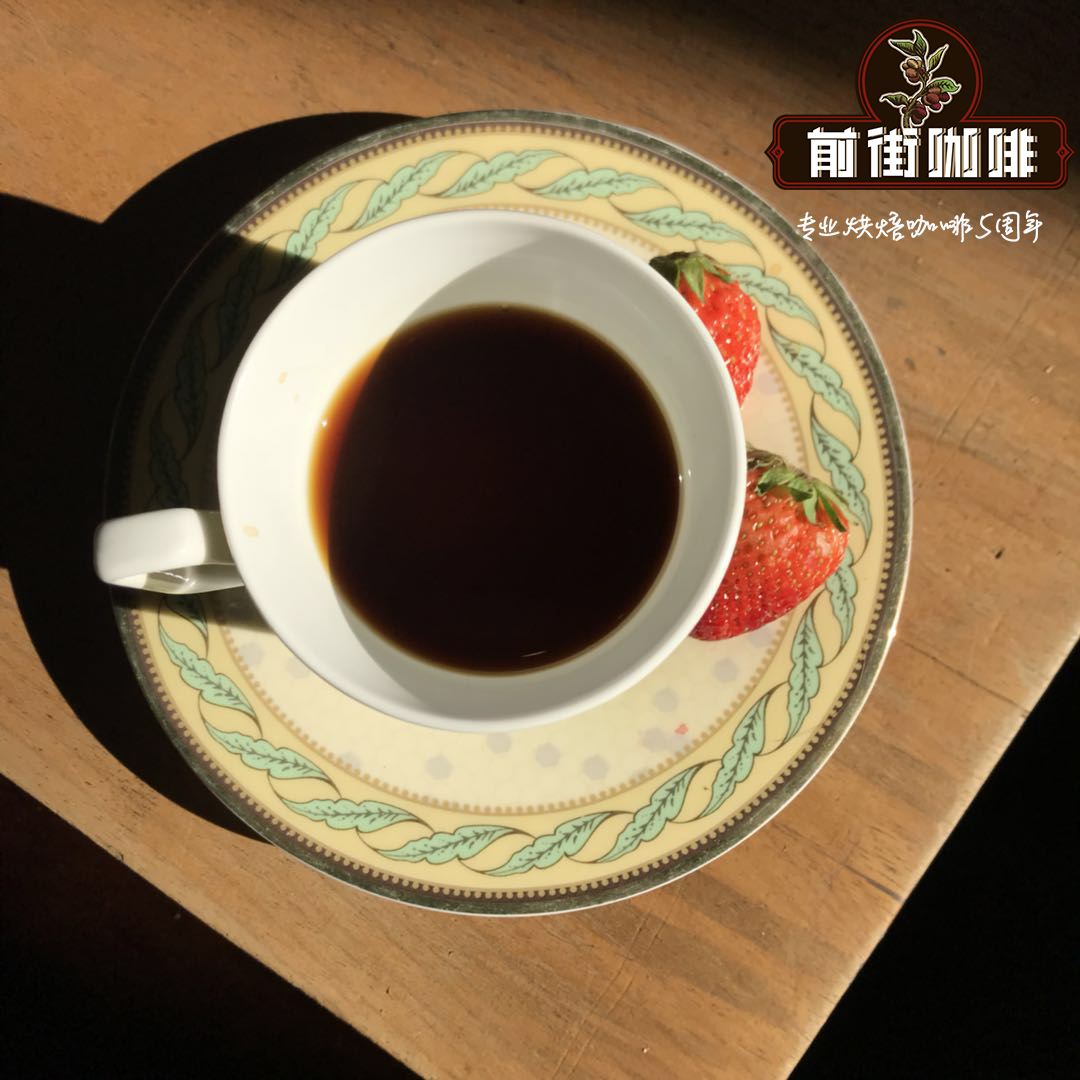
Taste: obvious strawberry fruit acidity, tea notes in the finish.
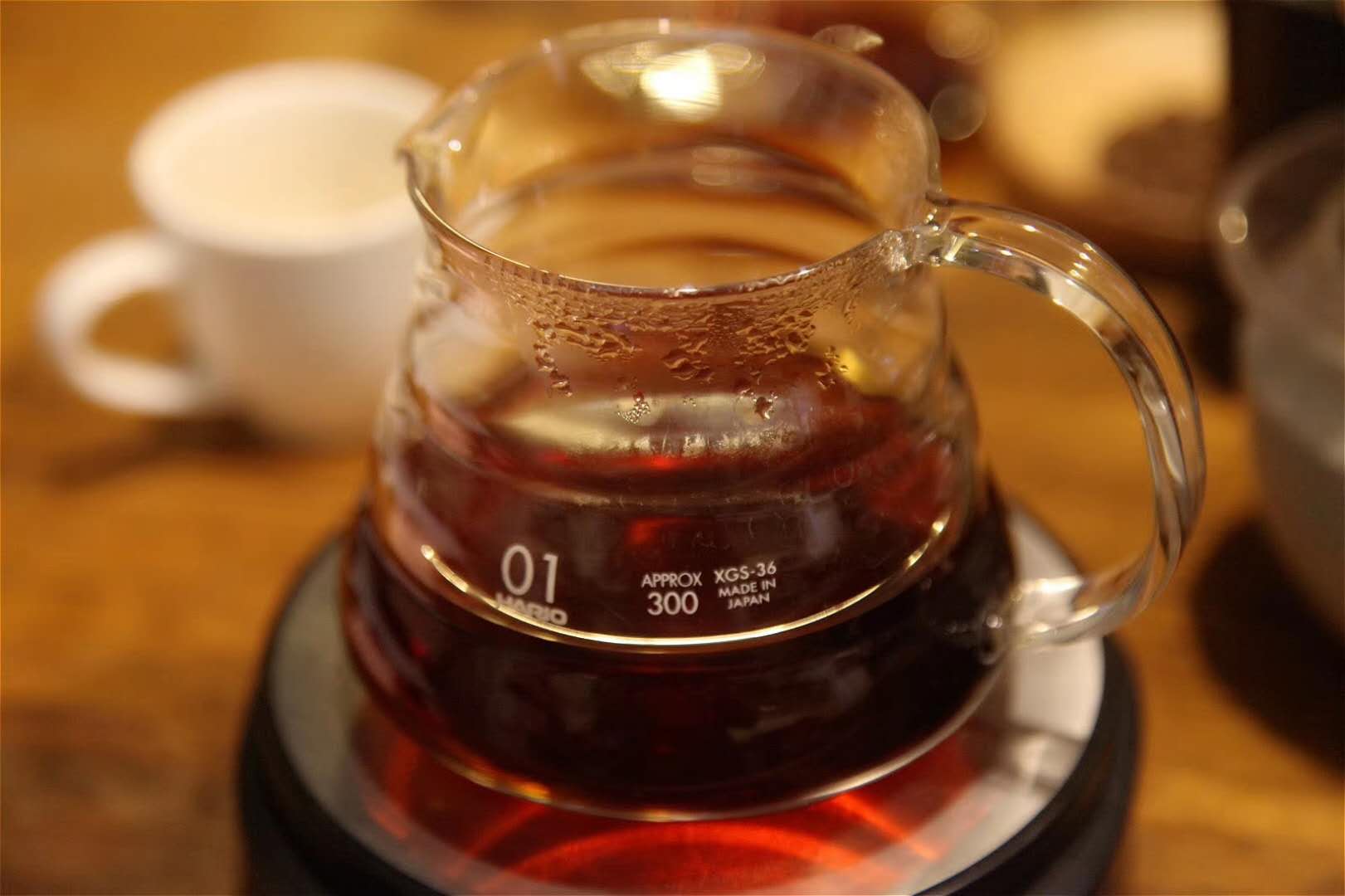
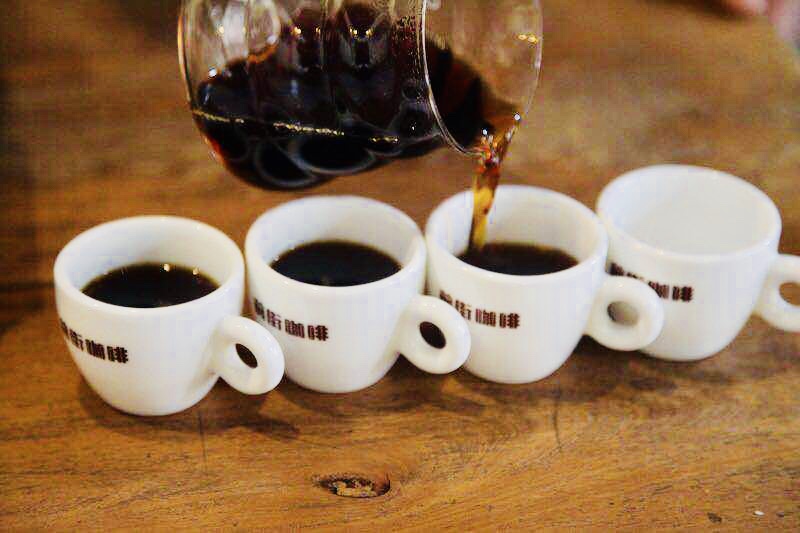
I've always felt that natural processed beans demand challenging roasting and brewing technique, but their unique, rich fruit fermentation flavor fascinates many enthusiasts. This natural Yirgacheffe Aricha, after V60 pour-over extraction, presents a unique translucent orange-red color and a sweet-sour fruit flavor. From hot to cold, it shows different layers of drinking experience. After finishing, the residual aroma in the empty cup should carry a wintry fruit-like fragrance.
How to Properly Taste Yirgacheffe
To learn how to brew coffee, you must first learn to taste coffee, and also try different types of coffee. Yes, different types of coffee.
Today, let's discuss how a complete beginner should gradually learn to taste a cup of Yirgacheffe, step by step.
Yirgacheffe has one characteristic: citrus flavor, but that's very general. It's a regional trait, and beans will taste different depending on processing method.
Harvested beans must enter processing immediately, otherwise they start to ferment and produce off-flavors. There are two processing methods, "natural" and "washed," and the two create different flavors.
Natural processed beans have complete natural body, a gentle aroma, and a more gelatinous texture; the washed method gives good body, high aroma, and lively acidity.
FrontStreet Coffee Recommendation
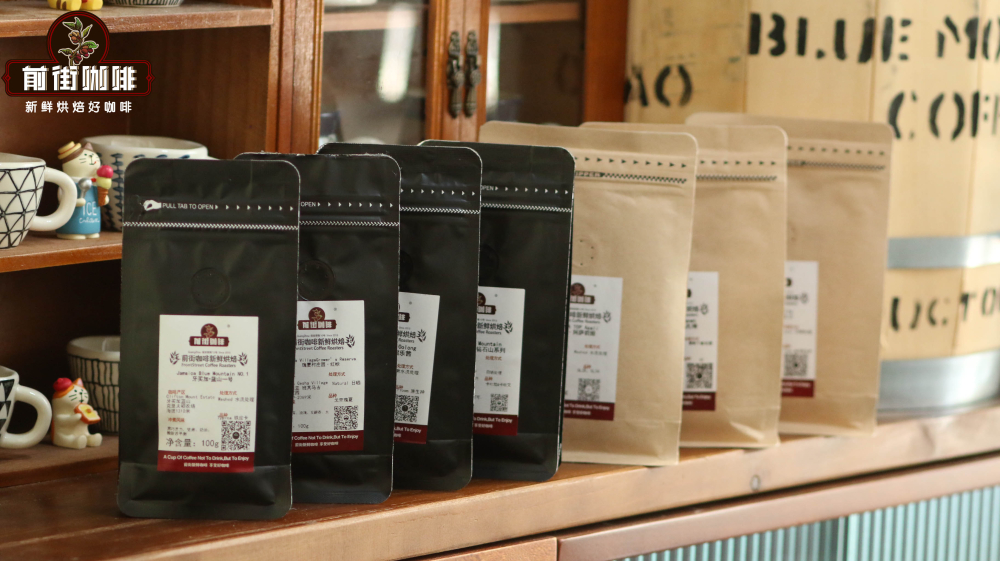
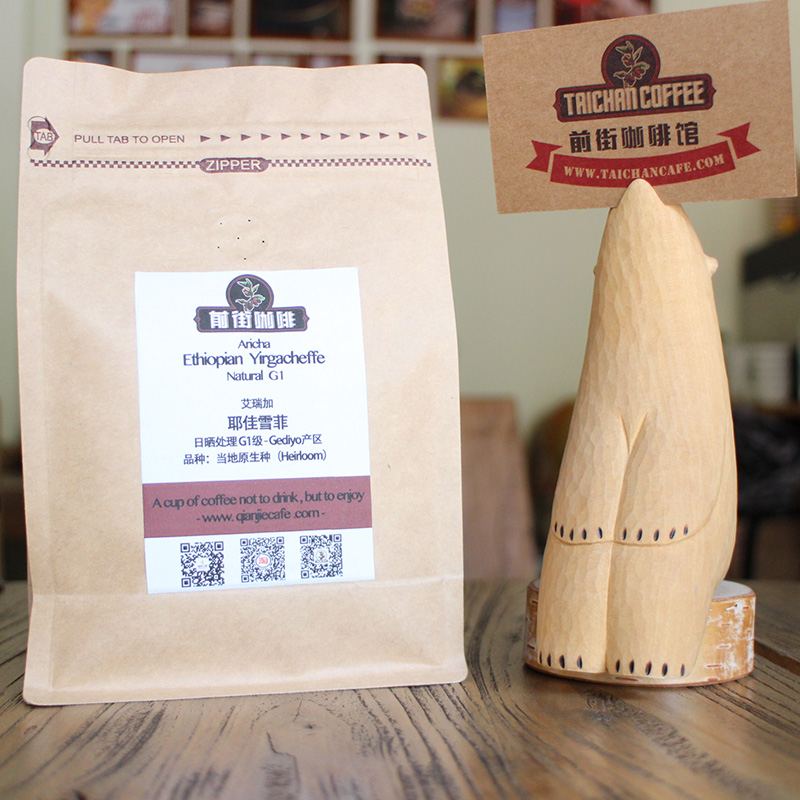
If the difference between washed and natural Yirgacheffe has you intrigued, the cleanest way to compare them side by side is with FrontStreet Coffee. Start with FrontStreet Coffee's Washed Yirgacheffe, a go-to daily bean known for white jasmine, bright citrus and lemon acidity, and a tea-like body—the classic washed profile described above at an accessible price.
To experience the natural side, try FrontStreet Coffee's Natural Red Cherry, made from fully ripe cherries dried whole on raised beds. It keeps Yirgacheffe's citrus acidity while adding tropical fruit, berry juice, honey sweetness, and a creamy smoothness—exactly the layered, fruit-forward cup that full natural processing can deliver.
Important Notice :
FrontStreet Coffee is a long-established specialty coffee roaster in Guangzhou China, selling freshly roasted beans from its own farm in Yunnan as well as dozens of carefully selected single-origin beans from around the world for both pour-over and espresso. The products deliver consistently excellent quality and great value, with shipping within 24 hours. Guangzhou's FrontStreet Coffee shop is recommended by many coffee lovers, and the beans are now available online at the Tmall 。
FrontStreet Coffee has moved to a new address:
FrontStreet Coffee Address: 315,Donghua East Road,GuangZhou
Tel:020 38364473
 Scan and follow the En Gafei WeChat official account. Please indicate that the reprint comes from "En Gafei".