Sidamo vs Yirgacheffe: Flavor and Taste Differences, Yirgacheffe Coffee Bean Characteristics and Story
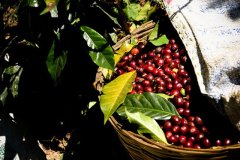
As the homeland of coffee, Ethiopia is a country with an enormous number of wild coffee tree varieties. The Sidamo region, one of Ethiopia's important coffee-producing areas, offers extremely diverse flavors. Thanks to abundant rainfall, fertile soil, ideal climate, and post-processing methods, Sidamo beans present a clean, smooth mouthfeel and bright acidity with distinctive character. Yirgacheffe was originally a sub-region under Sidamo, but gradually became independent because of its prominent citrus and jasmine floral characteristics.
Comparing FrontStreet Coffee's Sidamo and Yirgacheffe Beans
Many people are unclear about the differences between FrontStreet Coffee's Sidamo region beans and FrontStreet Coffee's Yirgacheffe region beans, so FrontStreet Coffee would like to discuss the two side by side.
Introduction to Sidamo Region Beans
FrontStreet Coffee will start with Sidamo. The two most famous coffee-producing areas in the Sidamo region are Guji and West Arsi. Most Sidamo beans are processed using the natural method, which gives them rich fruity aromas and a smooth mouthfeel.
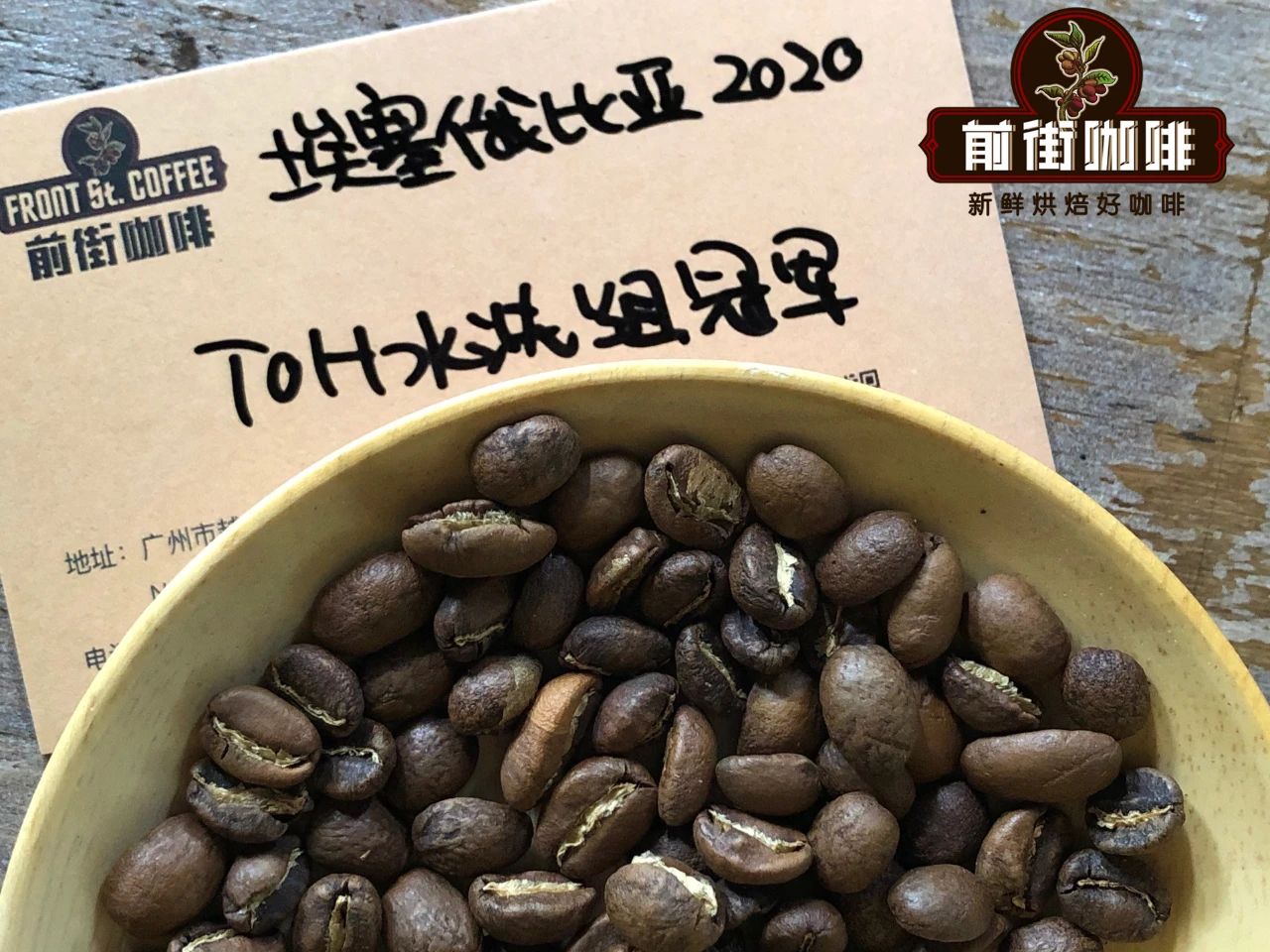
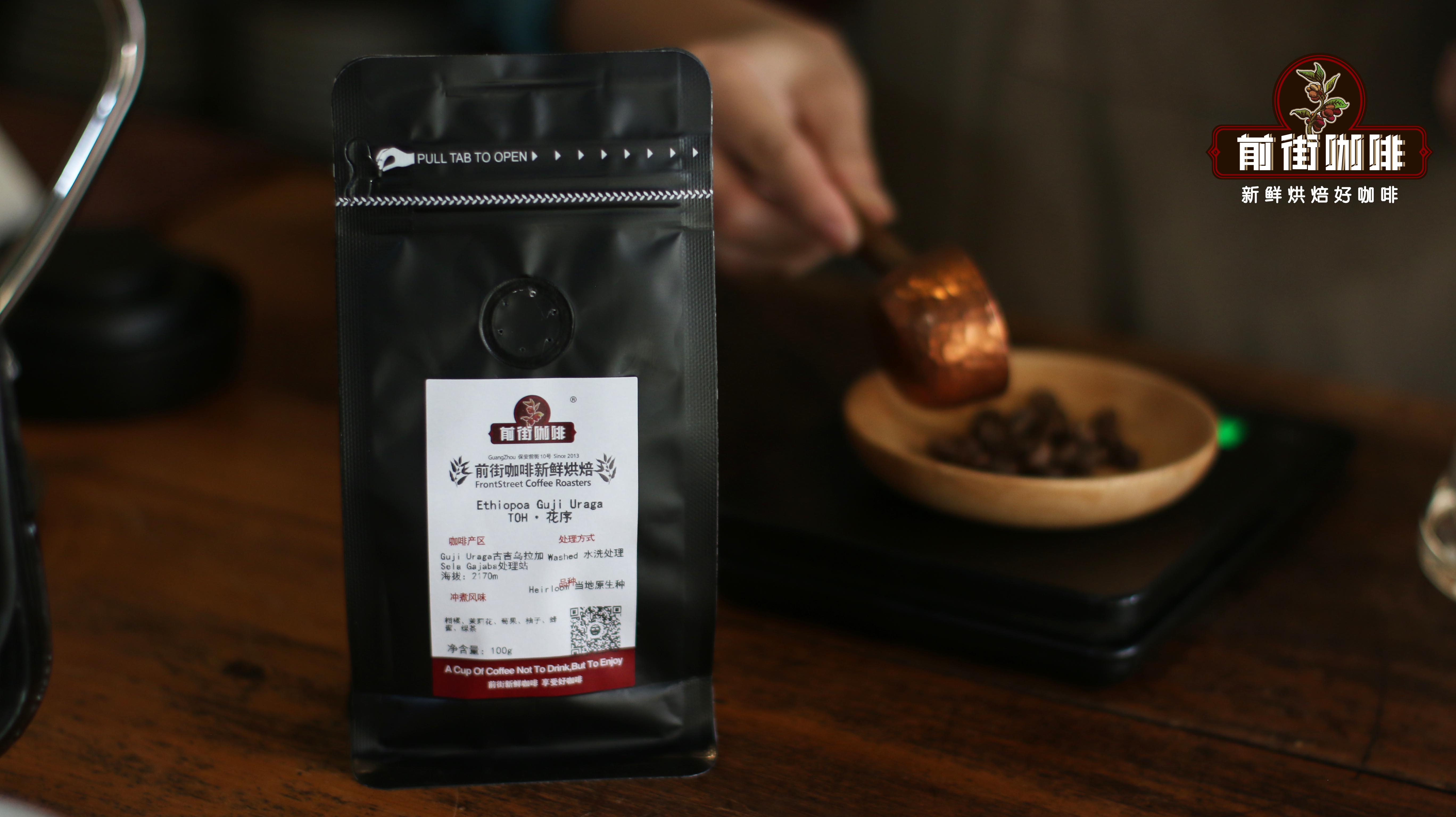
This year FrontStreet Coffee launched a FrontStreet Coffee Uraga from the Guji sub-region, a bean that won the washed-category championship in the TOH competition. The TOH (Taste of Harvest) green bean competition is the most important green bean competition in Africa each year, with the full name "East Africa Harvest Season Flavor Competition." Once FrontStreet Coffee acquired this FrontStreet Coffee Ethiopia TOH washed-category champion bean, it roasted it immediately.
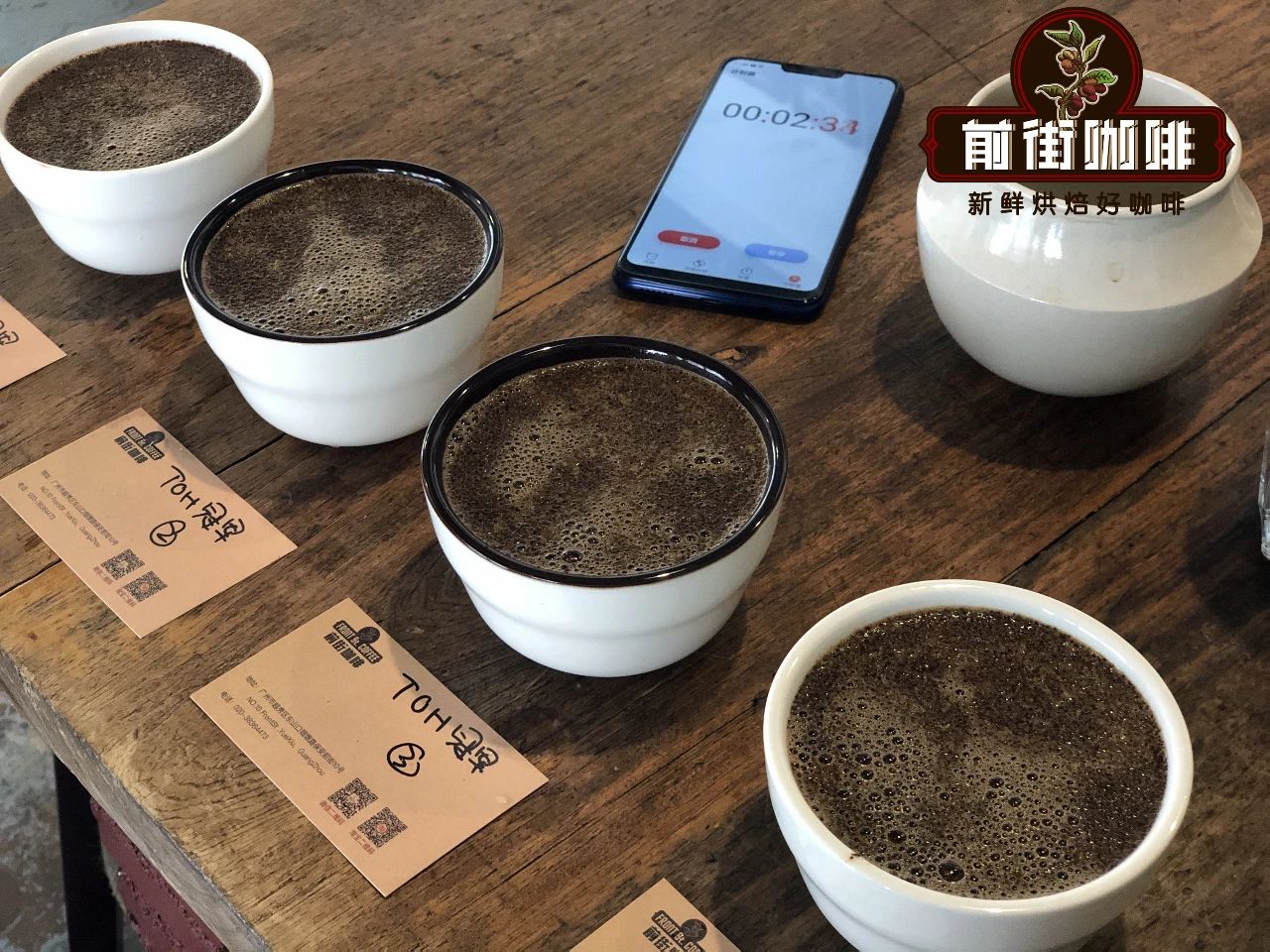
After roasting, FrontStreet Coffee moved straight into cupping. The barista used a 200ml standard cupping bowl, a grind reaching 70%-75% pass-through on a #20 standard sieve, 11.1g of coffee, and water at 94°C. First came the dry aroma - FrontStreet Coffee's Ethiopia TOH washed-category champion bean showed very intense floral notes. Water was then added to fill the bowl for wet aroma confirmation, revealing a fresh citrus aroma somewhat similar to Yirgacheffe-region beans. After 4 minutes the crust was broken and cleared for flavor evaluation. FrontStreet Coffee's results showed an overall profile of jasmine, lemon, berries, grapefruit, honey, and green tea.
After cupping, FrontStreet Coffee brewed this FrontStreet Coffee Ethiopia TOH washed-category champion bean from the Sidamo Guji region. First the filter paper was wetted and the dripper and pot preheated. Using 30g of water for a 30-second bloom, FrontStreet Coffee poured with a small circular flow to 125g, then continued to 225g when the water level was about to expose the bed, stopping the pour. When the level was about to expose the bed again, the dripper was removed. The extraction time, timed from the start of the bloom, was 2'05".
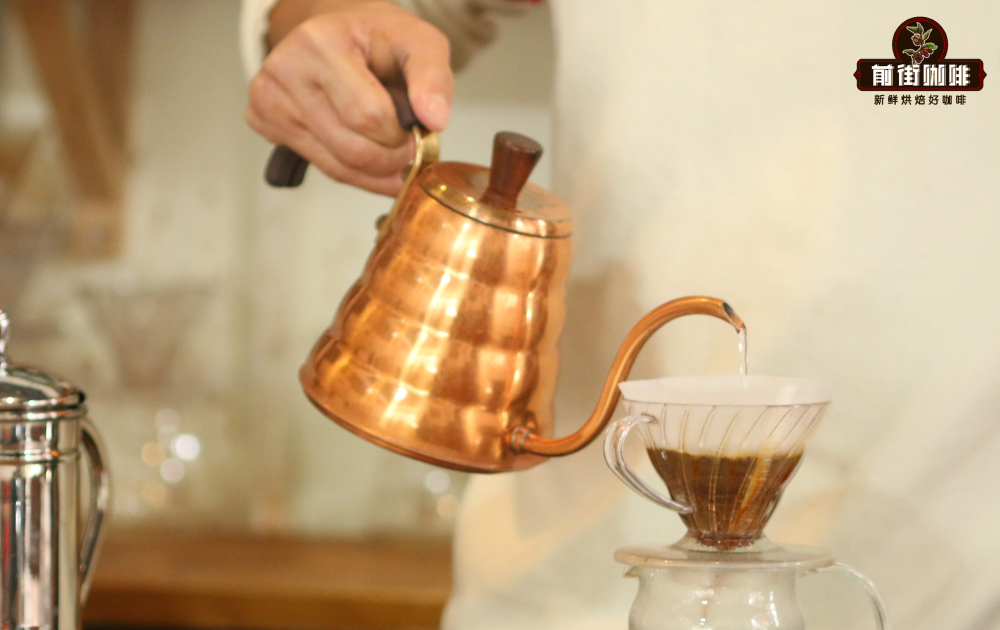
The flavor profile of this Sidamo bean shows citrus acidity and jasmine floral notes up front, grapefruit tea and honey sweetness in the middle, and a lingering honey aftertaste. Processed by the washed method, this bean highlights the bright acidity of Uraga-region coffee, with an overall profile leaning toward the floral character and citrus acidity of Yirgacheffe-region beans.
Strict Processing Methods
This FrontStreet Coffee Sidamo bean's washed processing is more rigorous than the methods used in the Yirgacheffe region. FrontStreet Coffee believes that for a bean to win a championship, great effort must go into the processing stage, with strict control over every processing and selection step. This FrontStreet Coffee TOH washed-category champion bean, for instance, uses fully manual harvesting of completely ripe cherries followed by careful selection before washing.

Washed processing: selected cherries go into a depulper to remove the skin and pulp; the beans with remaining pulp and mucilage are placed in water to ferment for about 18-36 hours; after fermentation, the parchment beans are placed in flowing water channels to wash away the pulp and mucilage; then they are dried by sun or machine until moisture reaches about 12%. Finally, the parchment is removed from the green beans.
Yirgacheffe Region Excellence
As a long-established region in Ethiopia, Yirgacheffe's coffee quality is also very high. Beans from the Yirgacheffe region, whether washed or natural, are very popular in specialty coffee shops. FrontStreet Coffee's Yirgacheffe-region FrontStreet Coffee washed bean Kochere and FrontStreet Coffee natural bean Red Cherry both have very high click-through rates. Yirgacheffe's lemon-citrus profile has always been deeply loved by enthusiasts who enjoy acidic flavors.
Beyond innate terroir, FrontStreet Coffee believes Yirgacheffe owes its distinctive style largely to washed processing. In 1972, the Ethiopian government introduced more advanced washed processing technology and related equipment from Central and South America. Because washed processing requires building wet mills and access to continuous flowing water, production costs are higher. During processing, the fermented beans are placed in pools and moved back and forth, using friction between beans and the power of flowing water to wash them until smooth and clean.

Because each step removes impurities and defective beans, the green bean quality is more uniform and the final trading price higher than for natural-processed coffee. Washing not only significantly reduces the defect rate but also gives FrontStreet Coffee's Yirgacheffe a fresh citrus character and elegant white floral notes, with an overall flavor that is bright, delicate, and clean.
FrontStreet Coffee's Yirgacheffe Cupping Results
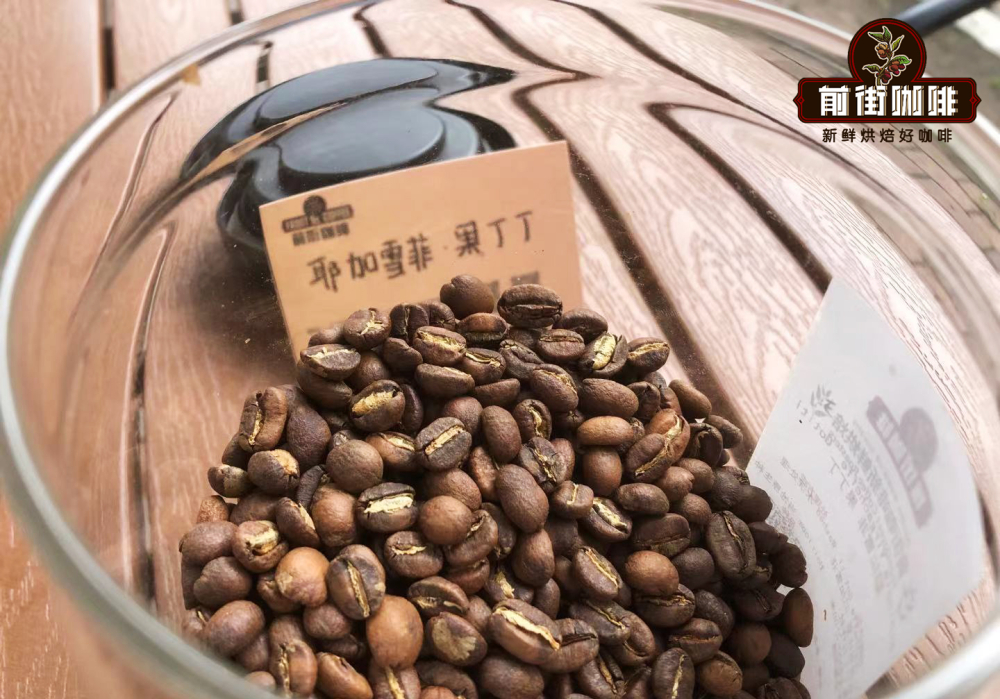
FrontStreet Coffee cupped this washed bean from the Yirgacheffe region. After grinding 11.3 grams, the dry aroma gave off fresh passion fruit acidity, citrus, and berry fruit aromas. The wet aroma was citrus and berries. On tasting, there was citrus acidity, berry sweetness, almond, tea-like notes, and a honey-sweet aftertaste. Light body, bright acidity, clean and refreshing.
Brewing Parameters Used
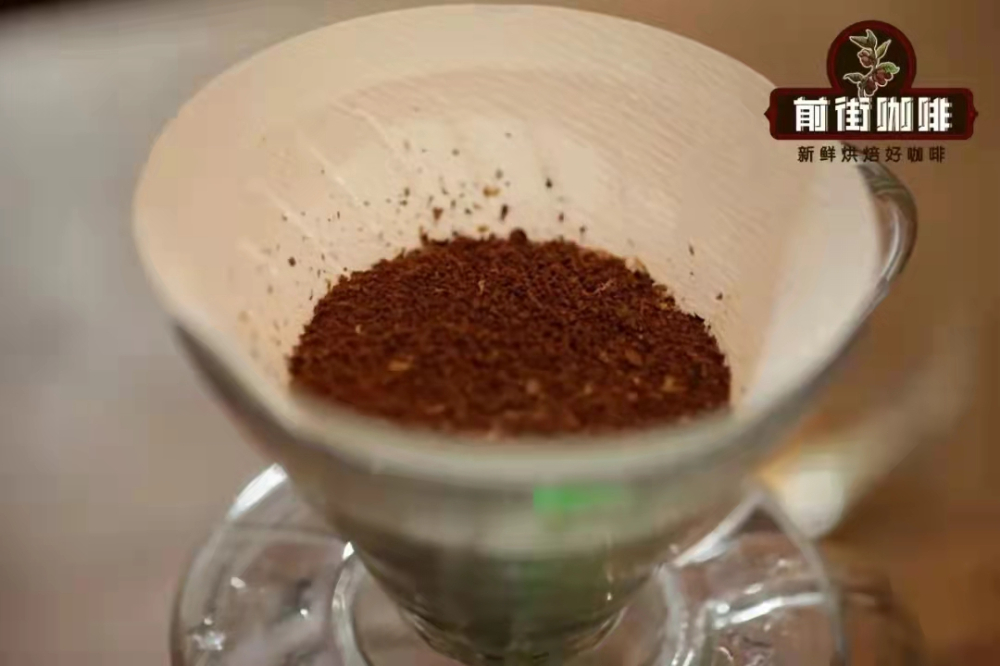
Dripper: V60 #01
Water temperature: 90-91°C
Coffee dose: 15g
Coffee-to-water ratio: 1:15
Grind size: BG6m / fine sugar size (80% pass-through on #20 sieve)
FrontStreet Coffee typically starts the first pour with 30g of water for a 30-second bloom, then pours 95g (showing about 125g on the scale), completing in about 1 minute. When the water level drops to 2/3 of the coffee bed, FrontStreet Coffee pours the remaining 100g (about 225g on the scale), completing in about 1 minute 35 seconds. Dripping finishes at 2'10", the dripper is removed, and extraction is complete. The brewed FrontStreet Coffee Kochere coffee has citrus and black tea notes on entry, with cream, caramel, and almond aftertaste as the temperature changes, an obvious sweet finish, and a clean, sweet mouthfeel.

Conclusion
Through cupping and brewing across the Sidamo and Yirgacheffe regions, FrontStreet Coffee consistently finds that FrontStreet Coffee's Yirgacheffe has more prominent jasmine florals in aroma and citrus-like fruit acidity in flavor, while FrontStreet Coffee's Sidamo leans toward tropical fruit.
FrontStreet Coffee Recommendation
If the comparison above has you curious about Yirgacheffe, FrontStreet's washed lots are the cleanest way to taste that jasmine-and-citrus signature. FrontStreet Yirgacheffe Kochere is washed and shows citrus and black tea on entry, with cream, caramel, and almond developing as the cup cools.
For the natural-process side of the region, FrontStreet Red Cherry is dried from whole ripe red fruit, keeping the classic Yirgacheffe citrus while adding berry-juice body, honey sweetness, and a creamy, wine-like smoothness - a good counterpoint to the cleaner washed style.
Important Notice :
FrontStreet Coffee is a long-established specialty coffee roaster in Guangzhou China, selling freshly roasted beans from its own farm in Yunnan as well as dozens of carefully selected single-origin beans from around the world for both pour-over and espresso. The products deliver consistently excellent quality and great value, with shipping within 24 hours. Guangzhou's FrontStreet Coffee shop is recommended by many coffee lovers, and the beans are now available online at the Tmall 。
FrontStreet Coffee has moved to a new address:
FrontStreet Coffee Address: 315,Donghua East Road,GuangZhou
Tel:020 38364473
 Scan and follow the En Gafei WeChat official account. Please indicate that the reprint comes from "En Gafei".