Characteristics and Story of Costa Rican Washed Tarrazú Coffee Beans - Caturra Variety Pour-Over Parameters
Washed Costa Rica coffee offers bright acidity and a juice-like sweetness and sourness, with a rich, thick mouthfeel reminiscent of nuts and dark chocolate, all in a balanced whole. FrontStreet Coffee has previously introduced honey-processed Costa Rica coffee, and today we are sharing this washed bean from the Tarrazu region. Tarrazu is an extremely renowned specialty coffee region in Costa Rica, essentially considered the best in the country. Its advantages in altitude and abundant rainfall have helped make Costa Rica's coffee what it is. Just how good is it? Read on.
Costa Rica's Ideal Coffee Growing Conditions
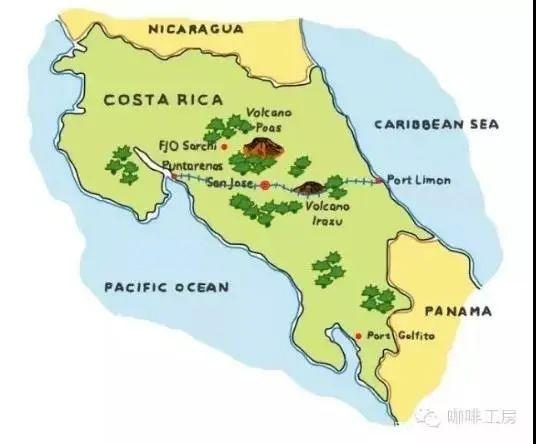
Located on the Central American isthmus, Costa Rica is regulated at once by the Pacific and Atlantic ocean currents and sea breezes that shape its climate. Many towering volcanoes reaching 2,000 meters in elevation dot the landscape, letting coffee cherries ripen slowly in fertile volcanic ash soil and a cool, high-altitude environment, which cultivates beans with complete, rich flavors. Costa Rican coffee has long been considered a perfect example of classic flavors: balance, cleanliness, and mildness form its foundation, and it is renowned for an extremely balanced, clean, bright profile with berry-like fruit acidity. The most famous and largest growing region is Tarrazu, which has the highest latitude and the best climate and soil conditions in the country, making it the recognized most outstanding coffee area. Besides nearly perfect classic flavors, it also shows lively citrus or berry acidity, while the aftertaste presents a distinctive coffee flower aroma, making it a tranquil coffee full of Latin American countryside charm.
The Golden Bean Legacy
In 1820, Costa Rican coffee was hailed by British nobility as "The Golden Bean," so valuable to local residents that coffee beans were as good as gold, implying potential for appreciation and profit. Laws were subsequently established allowing only Arabica to be cultivated. Drinking coffee has become a daily ritual for Costa Rican residents. "Pura Vida" is a common expression among Costa Ricans, meaning "pure life" or "wonderful!"
In 1502, Christopher Columbus discovered Costa Rica on his fourth voyage and named it Costa Rica, which in Spanish means "Rich Coast." It stands as one of Central America's most excellent coffee-producing countries. Its exceptional volcanic geography provides the most natural organic fertilizer, with fertile volcanic rock soil and a cool climate producing the highest-quality coffee. A mild chocolate aroma, a sweet entry, balanced cleanliness, and a bright mouthfeel have long been widely welcomed around the world. S.H.B. stands for Strictly Hard Bean, the highest grade in Costa Rican coffee classification, fully demonstrating Costa Rica's high-altitude character, combining fruit acidity and rich nut flavors with an exceptionally clean, clear taste.
Washed Processing
This is currently a relatively common method of processing green coffee beans, using washing and fermentation to remove fruit pulp and mucilage. The washed process: bean selection, pulp removal, fermentation, washing, drying, hulling, sorting and grading.
Cupping Notes and Characteristics
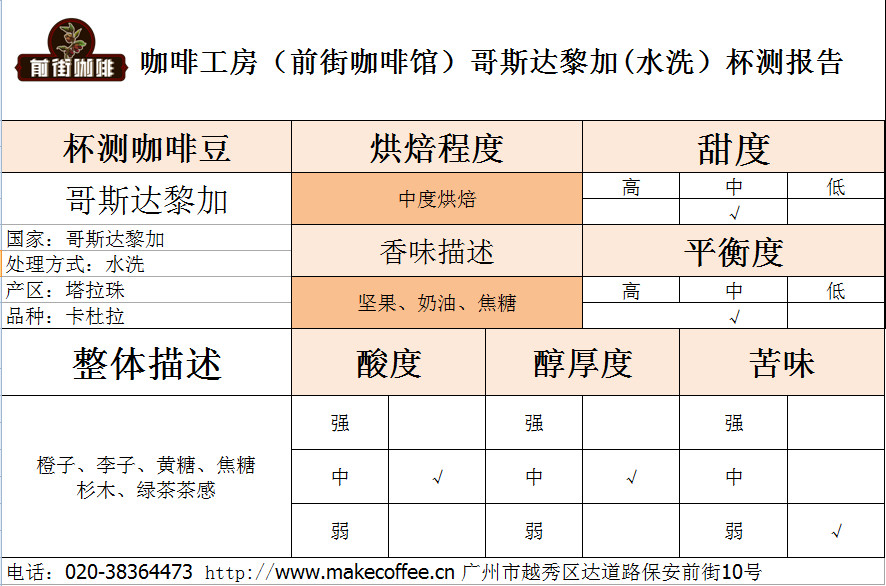
Cupping: distinctly clean flavors with bright acidity, along with notes of plum, orange, cedar, nuts, and caramel.
FrontStreet Coffee Costa Rica Tarrazu Washed Example
Region: Tarrazu
Altitude: 1200m
Variety: Caturra
Processing: Washed

Brewing Parameters
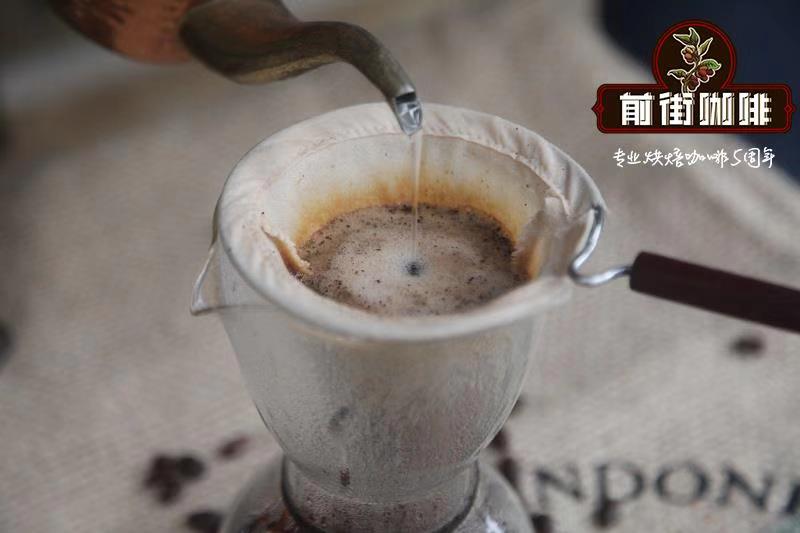
FrontStreet Coffee's Costa Rica pour-over parameters: V60 dripper, 15g coffee, water temperature 90°C, grind BG-6L, water-to-coffee ratio 1:15. 27g water for bloom, bloom time 28s. Segmented pouring: first segment 27g-105g-88g, time 1:50 (timing starts from bloom).
Flavor Description
The entry presents sweet orange acidity, with distinct nut and chocolate flavors in the mid-section, persistent caramel sweetness in the aftertaste, and some cedar aroma, creating an overall balanced profile.
FrontStreet Coffee Recommendation
Tarrazu is the kind of coffee that shows why the V60 became the default pour-over dripper for bright, clean single origins. Hario, the Japanese glassmaker founded in Tokyo in 1921, redesigned the V60 in 2004 around its 60-degree cone and single large hole, which forces the water toward the center and lengthens contact with the coffee bed so aroma and flavor extract fully while the flow stays fast. That combination is exactly what suits a washed, fruit-forward bean like this one.
FrontStreet Coffee pairs that brewer with its floral and fruit-driven lots. The Yirgacheffe Gedebeb cooperative is a classic Yirgacheffe flavor, with citrus, berry, and floral notes over a green-tea finish, and the natural Sidamo Huakui brings tropical fruit such as strawberry, passion fruit, jackfruit, and lychee with a juicy sweetness. Panama Red Label Geisha, from the Esmeralda estate in Boquete, shows elegant jasmine, citrus, bergamot, and black tea in a clean, transparent cup. The Strawberry Candy blend combines a Costa Rican honey process with Panama Geisha for fine florals and sweet fruit, and the Costa Rica Mozart, a raisin honey process, adds raisin and blueberry sweetness with osmanthus and rose. For drinkers who prefer more body, the V60 still works, but FrontStreet's Jamaica Blue Mountain No. 1 and PWN Golden Mandheling are the beans that traditionally shine in a siphon or a cloth filter, where their weight and depth come through.
Whichever bean you choose, the V60 rewards control. The single large hole means the flow depends almost entirely on your pour, so keep the stream steady and the timing even, and the cup will reward you with the layered, lively flavors these coffees are known for.
Important Notice :
FrontStreet Coffee is a long-established specialty coffee roaster in Guangzhou China, selling freshly roasted beans from its own farm in Yunnan as well as dozens of carefully selected single-origin beans from around the world for both pour-over and espresso. The products deliver consistently excellent quality and great value, with shipping within 24 hours. Guangzhou's FrontStreet Coffee shop is recommended by many coffee lovers, and the beans are now available online at the Tmall 。
FrontStreet Coffee has moved to a new address:
FrontStreet Coffee Address: 315,Donghua East Road,GuangZhou
Tel:020 38364473
 Scan and follow the En Gafei WeChat official account. Please indicate that the reprint comes from "En Gafei".