What is the relationship between Idido and Aricha processing plants? What are the characteristics of honey-processed and natural Yirgacheffe coffee?
Professional coffee knowledge exchange. For more coffee bean information, follow Coffee Workshop (WeChat: cafe_style).
In Ethiopia, coffee growing does not work like a typical estate. Instead, farmers cultivate small patches of coffee trees in their backyards alongside mixed crops such as bananas. Coffee is harvested and sold for cash during the season, while the other food crops feed the household. Statistics suggest the average coffee plot per household in Yirgacheffe is roughly 0.7 hectares; this way of farming is known as garden coffee. The Yirgacheffe Aricha processing station was originally called Idido and belonged to Abdullah Bagersh. It has since changed hands, and its name was changed to the local place name Aricha. Despite the change in ownership, FrontStreet Coffee believes Misty Valley's Yirgacheffe Aricha remains, in the minds of many roasters, one of the best processing stations to this day. FrontStreet Coffee keeps exploring beans from around the world and comparing producing regions to better understand their regional flavor signatures.
Traditional Processing Methods
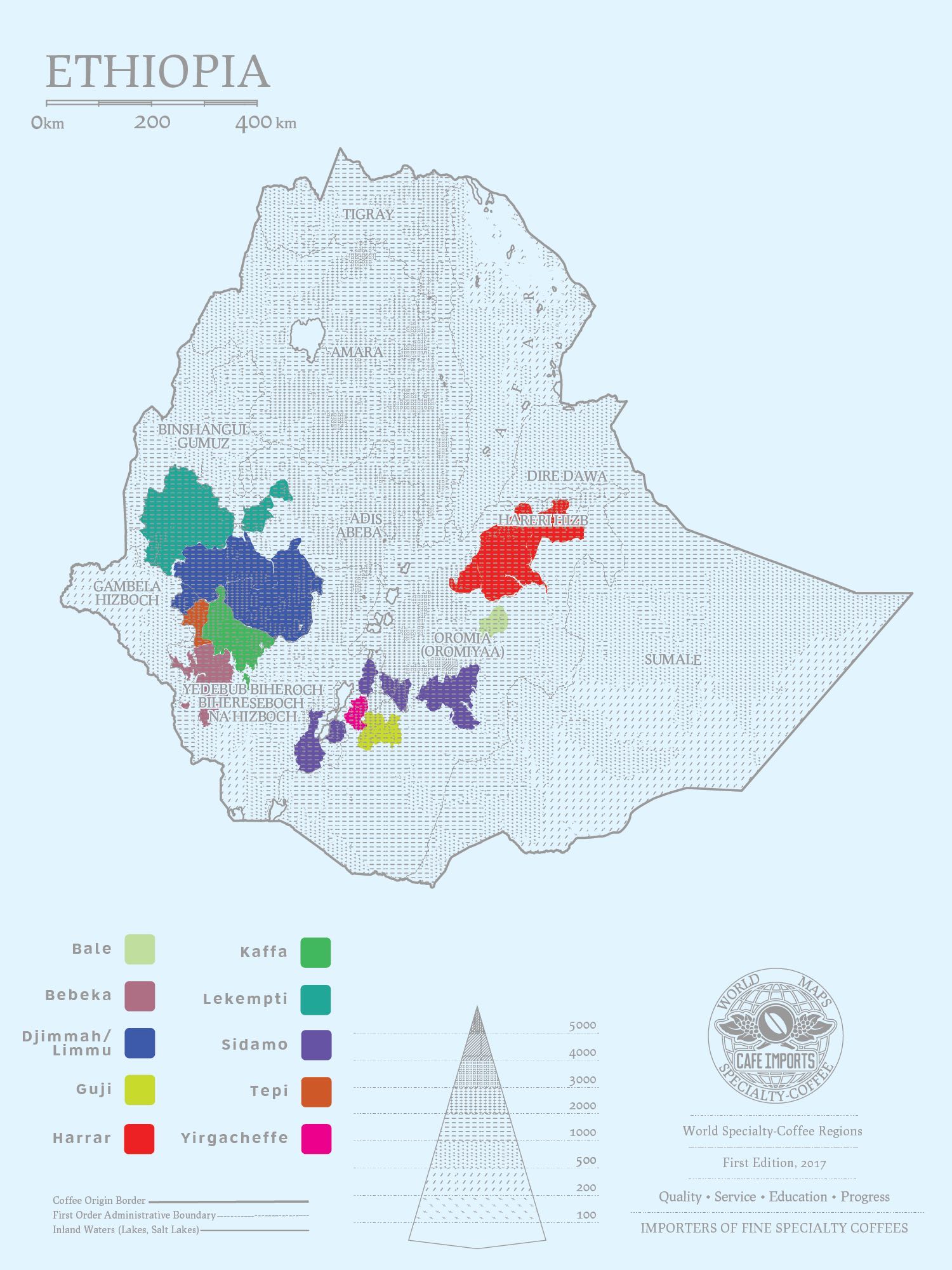
In the Yirgacheffe region, the traditional processing method is natural. The older natural methods, however, had fairly weak quality consistency. So in 1959, in an effort to improve bean quality, washed processing was introduced from Central and South America. Washed Yirgacheffe generally has a moisture content around 16%, a good bean appearance, relatively few off-flavors, a clean taste, and bright fruit acidity. After 1970, the jasmine aroma and citrus flavors of washed Yirgacheffe won fans worldwide, making it the model for African specialty beans.
Yirgacheffe Coffee Farmers Cooperative Union
The Yirgacheffe Coffee Farmers Cooperative Union (YCFCU) represents 26 cooperatives in the Gedeo zone of southern Ethiopia, spread across towns such as Yirgacheffe, Gedeb, Wenago, and Kochere. As Ethiopian smallholders moved from poverty toward gradual self-sufficiency, the union played an extraordinary role in that development.
Ethiopian smallholder plots generally do not exceed 1 hectare, and each harvest of green beans is tiny. Farmers cannot support a family on coffee alone, so they also plant other cash crops to scrape by. Before YCFCU was founded, the green beans smallholders harvested were still traded internationally through the ECX. The essence of the ECX was to pool all product, grade it, and sell it internationally at market prices. Smallholders earned more than they had under the severe exploitation of the past, but they still could not truly profit from an excellent product, because the transaction did not reward quality. Over time, that inevitably dragged down green bean quality, and the pooled grading system also prevented foreign buyers from tracing the history and terroir behind Yirgacheffe green beans. Organizations like YCFCU emerged to stabilize price swings and improve both Yirgacheffe quality and smallholder income.
YCFCU is a coffee exporter recognized by the Ethiopian government, and smallholders in the Gedeo zone are free to join or not. It is a system maintained jointly by farmers at the grassroots. On one side, farmers are freed from the unfair treatment of being exploited by private processing stations; on the other, it gives international buyers a channel to face village cooperatives directly.
FrontStreet Coffee believes that in such economically underdeveloped regions, smallholders struggle to afford chemical fertilizers, so coffee is grown by natural organic methods. Ethiopia has vast wild forests, and ninety percent of its coffee-growing areas lie within them. Natural shading and intercropping help develop Yirgacheffe's flavors, yielding excellent agricultural results and sustainable management.
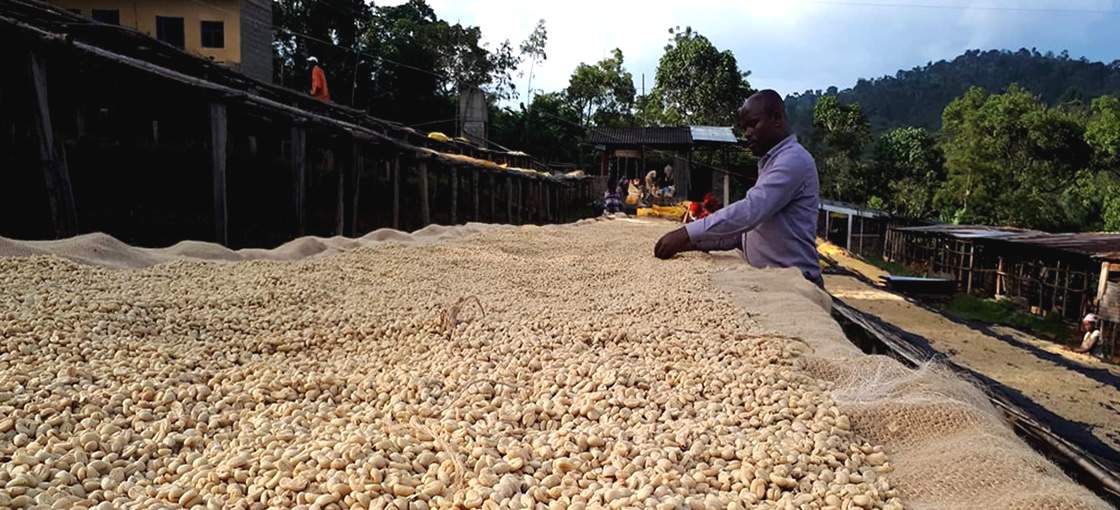
YCFCU's founding delivered what international buyers had long wanted: a complete history from origin to cup. It has also let members steadily improve education and quality of life in their villages through fair profits.
Since its establishment in 2002, YCFCU has worked toward mutual benefit for quality, market, and farmers. It cares for local farmers economically and has also completed many regional construction projects — bridge piers, schools, power-system installations — along with providing training in relevant knowledge and growing techniques to improve green bean quality. To date, 26 farmers' cooperatives have joined as partners, together representing roughly 300,000 smallholders. Some growers in the Yirgacheffe production area work directly with YCFCU. The cooperative guides them in harvesting ripe cherries and assists with post-processing. Any single smallholder works an extremely small area, harvesting only hundreds or even dozens of tiny lots each year. Almaz Bekele is one such partner. Under YCFCU's guidance, the Almaz Bekele lots FrontStreet Coffee cupped this year were genuinely mature, superior in flavor to well-known cooperatives, and highly recommended.
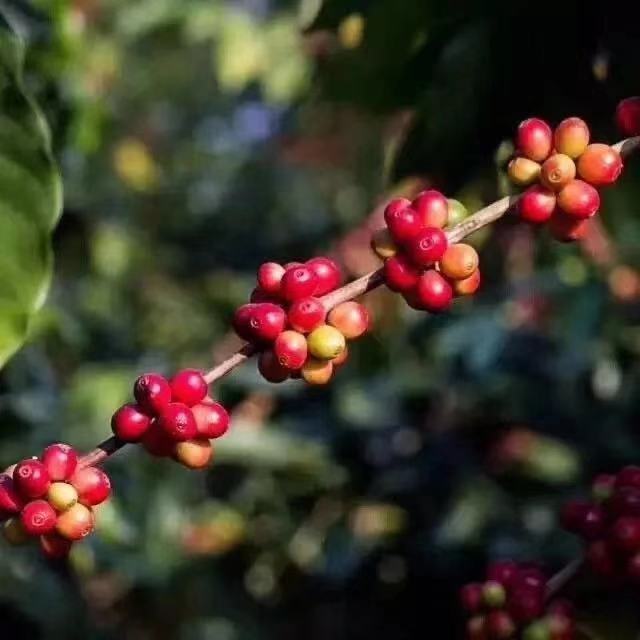
Idido Cooperative
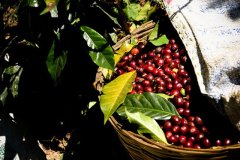
The Idido Cooperative has more than a thousand members and is one of the YCFCU members; most of its smallholders farm less than two hectares each. The cooperative sits in the high-altitude valleys around Yirgacheffe town, with annual rainfall of about 1,400–1,800 mm. Local growers cultivate coffee at roughly 2,000 meters. Benefiting from cool mountain air, the coffee ripens slowly in good soil and a healthy ecosystem. Farmers then harvest fully ripe red fruit from December to February each year. Like other cooperatives, Idido has excellent conditions for producing top-quality coffee:
1. High altitude
2. Excellent processing technology
3. Nutrient-rich soil
4. Ethiopian native varieties.
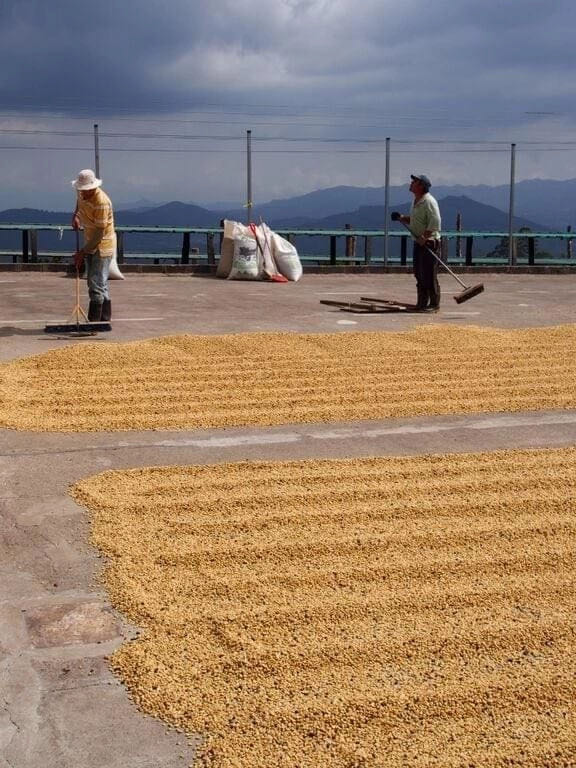
Aricha Processing Station
The Aricha processing station lies in Ethiopia's most famous micro-region, Misty Valley, at about 1,900–2,000 meters. It was originally called the Idido processing station.
In 2006, Abdullah Bagersh, a well-known local coffee trader in Yirgacheffe, refined the processing routine to address the shortcomings of traditional natural methods. After the fruit was harvested, it was laid on drying racks for 48 hours, with every bean turned by hand continuously, and defective beans were then hand-picked out — a process that succeeded in creating Yirgacheffe natural G1 grade beans as well as the highest-grade washed G1. Coffee produced by Bagersh was labeled Idido Misty Valley (IMV), and the burlap bags also carried the Bagersh name prominently, almost guaranteeing top-quality Ethiopian coffee. Well-known examples include the extremely small lots produced with the American company Ninety Plus — Aricha and Beloya — and even its general washed and natural Yirgacheffe series received very strong reviews.
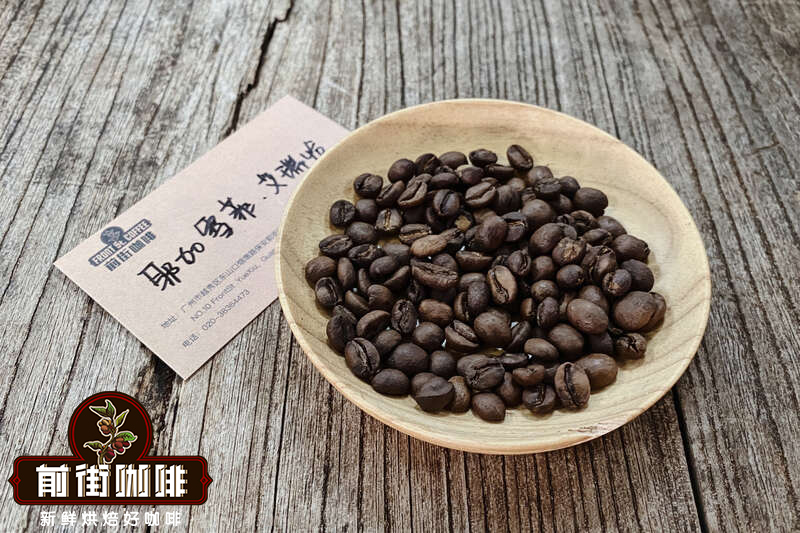
Although the current Aricha/Idido washed processing station is no longer owned by Abdullah Bagersh, according to Sweet Maria's visit, most of the local staff were retained, so Bagersh's procedures and standards are still largely preserved and quality has held up.
Coffee Tasting
Below, FrontStreet Coffee brewed two Ethiopian lots side by side: the Yirgacheffe honey-processed red cherries from the Idido processing station, and the Yirgacheffe natural Aricha.
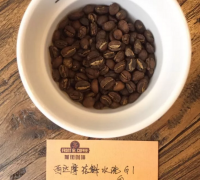
FrontStreet Coffee Yirgacheffe Honey-Processed Red Cherries
Region: Yirgacheffe Idido
Altitude: 2000-2200m
Processing Method: Honey Processing
Variety: Heirloom Native Varieties
Grade: G1
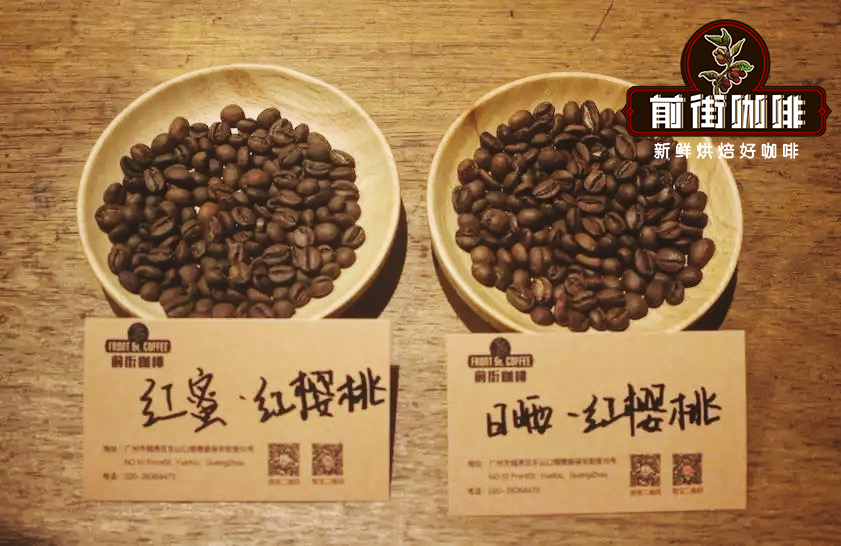
Roasting Recommendations
Roaster: Yangjia 800N (roasting amount 550 grams)
Charge at 180°C, heat at 130, damper opened to 3; turning point at 1'32". When the drum temperature reaches 146°C, open the damper to 4 and leave the heat unchanged; at 149°C the bean surface turns yellow and the grassy aroma disappears completely, marking the start of the dehydration stage. At 166°C, drop the heat to 110 and keep the damper unchanged.
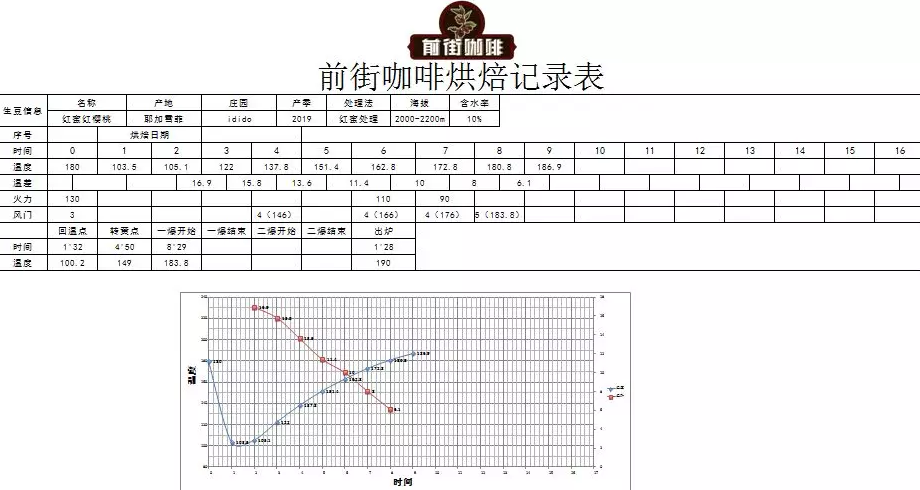
At 7'43", ugly wrinkles and black spots appear on the bean surface and the toast aroma clearly shifts to coffee aroma — the prelude to first crack. Listen carefully for the crack itself. First crack begins at 8'29"; open the damper to 5, develop for 1'28" after first crack, and discharge at 190°C.
Flavor: ginger flower on the nose, with citrus, lemon, and fruit candy in the mouth. The middle section shows cedar fragrance and honey sweetness, and the finish brings an oolong tea sensation with a persistent creamy aftertaste.
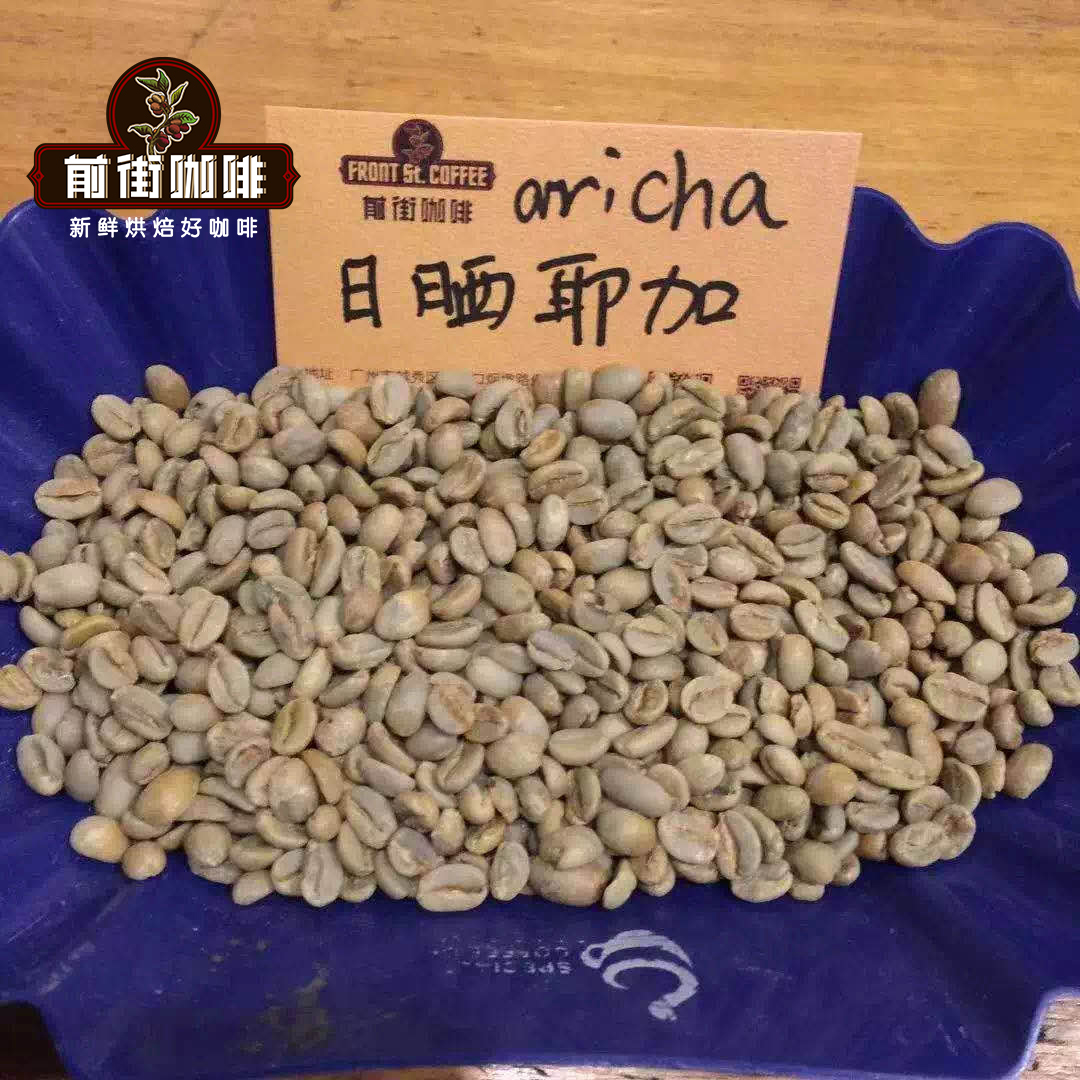
FrontStreet Coffee Yirgacheffe Aricha
Region: Yirgacheffe Adorsi processing station
Altitude: 1900-2000m
Processing Method: Natural Processing
Variety: Heirloom Native Varieties
Grade: G1
Roasting Recommendations
Roaster: Yangjia 800N (roasting amount 300 grams)
Charge at 165°C, heat at 120, damper opened to 3; turning point at 1'36". When the drum temperature reaches 148°C, open the damper to 4 and leave the heat unchanged; at 166°C the bean surface turns yellow and the grassy aroma disappears completely, marking the dehydration stage. Keep the heat unchanged and the damper at 5.
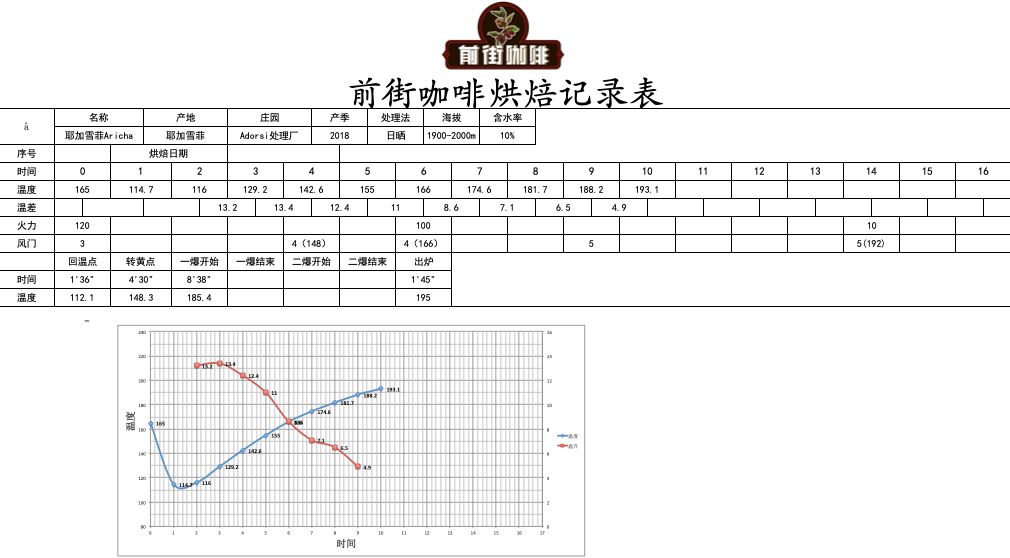
At 7'37", ugly wrinkles and black spots appear on the bean surface and the toast aroma clearly shifts to coffee aroma — the prelude to first crack. Listen carefully for the crack itself. First crack begins at 8'38"; leave the damper unchanged, develop for 1'45" after first crack, and discharge at 195°C.
Flavor: ripe fruit on the nose, with an obvious fermented sensation in the mouth and green grapes. As the temperature drops slightly, lemon acidity and a creamy smoothness appear, with ripe grape juice in the finish.
For more specialty coffee beans, add FrontStreet Coffee on WeChat: kaixinguoguo0925
FrontStreet Coffee Recommendation
If you want to explore the classic Yirgacheffe profile, start with FrontStreet Coffee's Washed Yirgacheffe, the everyday go-to. It is known for white jasmine florals, bright citrus and lemon acidity, and a tea-like body, and its friendly price makes it the first bean many people ever try in specialty coffee. Yirgacheffe itself is a small town in southern Ethiopia's Sidamo province, at roughly 1,700–2,100 meters, with coffee planted above 1,800 meters — among the highest coffee regions anywhere. Long a wetland, the area earned its reputation for that unmistakable white floral and lemon-citrus acidity, which is why "Yirgacheffe" became shorthand for a whole style of Ethiopian specialty coffee.
For a village-level lot made by a trusted team, try the Gudingding Cooperative coffee. The Yirgacheffe town splits into many small areas and villages, and several experienced cooperatives there push the region's flavor higher still. Gudingding sits at the southeastern edge of Yirgacheffe in the Worka district and was once part of the Worka cooperative under the YCFCU union; as demand for traceable single-origin green beans grew, it was separated out as a single origin of its own. It follows the most traditional washed processing, and the result is a cup free of conventional bitterness, with fresh, bright citrus and lemon acidity and jasmine fragrance that wins people over at the first sip.
For a fruitier take on the same region, the Natural Red Cherry uses a whole-cherry natural process — only fully ripe, sound fruit is taken. It is screened at the mill, then dried on raised beds, turned every two to three hours during the first days to prevent uneven heat and over-fermentation. After three to five weeks of sun-drying, the outer fruit is machine-scraped away and the beans go to storage. Because the coffee dries with the fruit still attached, it keeps the typical Yirgacheffe character while gaining tropical fruit from the natural process: citrus acidity, berry juiciness, honeyed sweetness, and a creamy smoothness.
However you brew it, FrontStreet Coffee recommends a V60, 15 g of coffee, a 1:15 ratio, water at 90–91°C, and a grind around EK43s setting 10 — fine-sugar texture, about 80% passing a China standard #20 sieve. Pour in three stages: 30 g for a 30-second bloom, then 95 g (about 125 g on the scale), finishing in roughly a minute; once the level drops to two-thirds of the bed, add the remaining 100 g (about 225 g on the scale), finishing around 1'35". Drawdown completes at 2'00"–2'10", then remove the dripper.
Important Notice :
FrontStreet Coffee is a long-established specialty coffee roaster in Guangzhou China, selling freshly roasted beans from its own farm in Yunnan as well as dozens of carefully selected single-origin beans from around the world for both pour-over and espresso. The products deliver consistently excellent quality and great value, with shipping within 24 hours. Guangzhou's FrontStreet Coffee shop is recommended by many coffee lovers, and the beans are now available online at the Tmall 。
FrontStreet Coffee has moved to a new address:
FrontStreet Coffee Address: 315,Donghua East Road,GuangZhou
Tel:020 38364473
 Scan and follow the En Gafei WeChat official account. Please indicate that the reprint comes from "En Gafei".