Sidamo Coffee Bean Characteristics and Flavor Profile | Guji Kello Coffee Bean Pour-Over Method and Tasting Notes
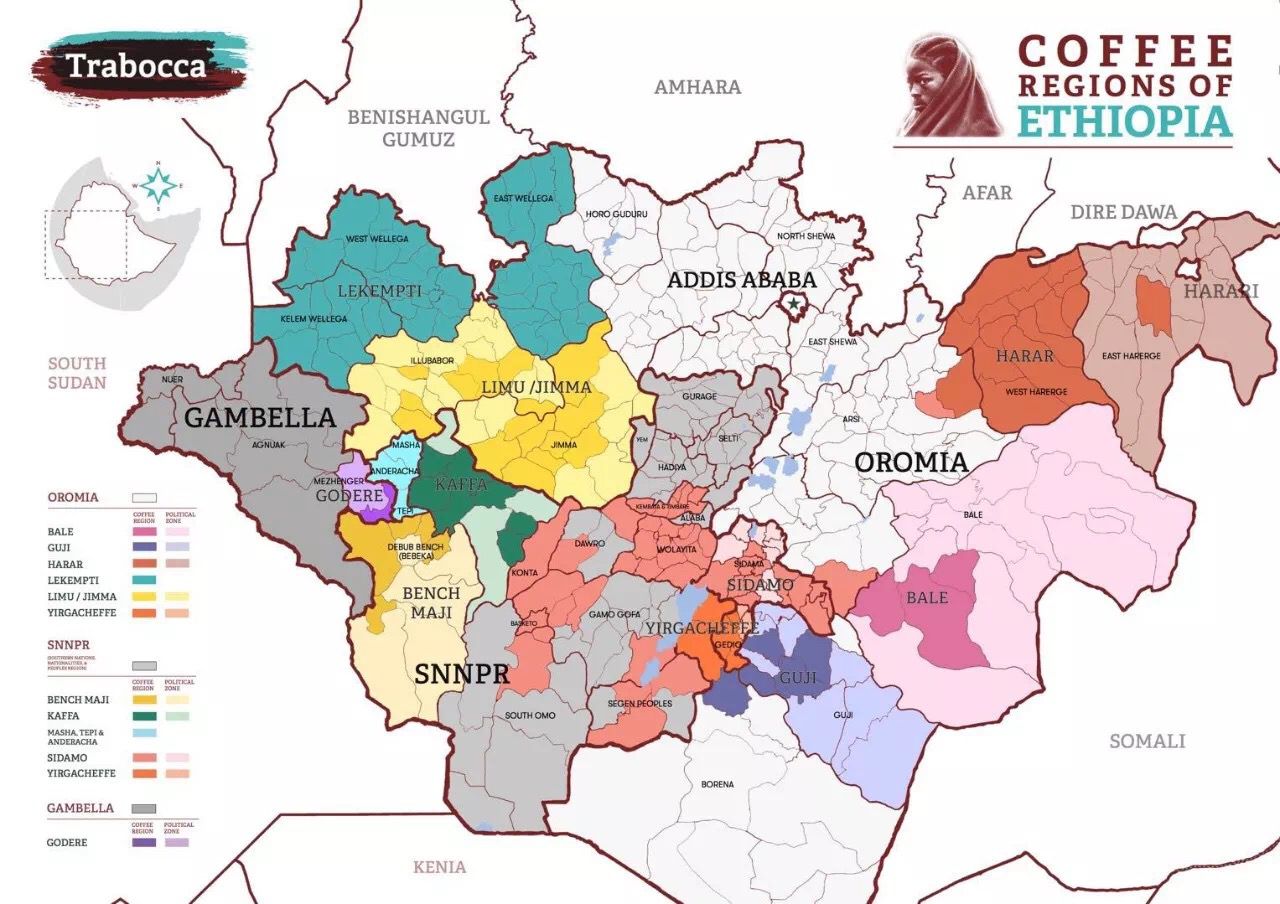
Ethiopian coffee has always been synonymous with specialty coffee. As one of the world's most renowned coffee origins, Ethiopia holds a pivotal position in the global coffee landscape. FrontStreet Coffee understands that Ethiopian coffees are typically named after their growing regions. For instance, coffee from the Yirgacheffe region is called FrontStreet Coffee Yirgacheffe coffee beans, while coffee beans from the Sidamo region are called FrontStreet Coffee Sidamo coffee beans.
High-Altitude Growing Conditions
The coffee-growing regions in Ethiopia are characterized by high altitudes. For example, the famous Gesha Village grows Gesha varieties at altitudes above 1,900 meters, with some areas reaching over 2,100 meters. In comparison, regions like Panama's Hacienda La Esmeralda grow Gesha varieties at altitudes between 1,600-1,800 meters. High altitude causes coffee trees to grow slowly, which facilitates the accumulation of substances within the coffee beans. This is why FrontStreet Coffee's Sidamo coffee exhibits such exceptional flavor profiles.
According to FrontStreet Coffee's research, the Sidamo coffee region's economy is predominantly agricultural, featuring high altitudes, abundant sunshine, and plentiful rainfall. In addition, coffee beans in the Sidamo region are fertilized using fallen leaves from surrounding trees or plant residues. This pristine growing environment shapes the distinctive flavor characteristics of FrontStreet Coffee's Sidamo coffee.
Prominent Growing Regions
Among Sidamo's most famous coffee-growing areas are two regions: Guji and West Arsi. The Guji region is located southeast of the Yirgacheffe region, featuring towering mountains, valleys, plains, and fertile black soil. The high altitude creates significant temperature variations between day and night, resulting in FrontStreet Coffee's Sidamo coffee from this region exhibiting highly distinctive characteristics.
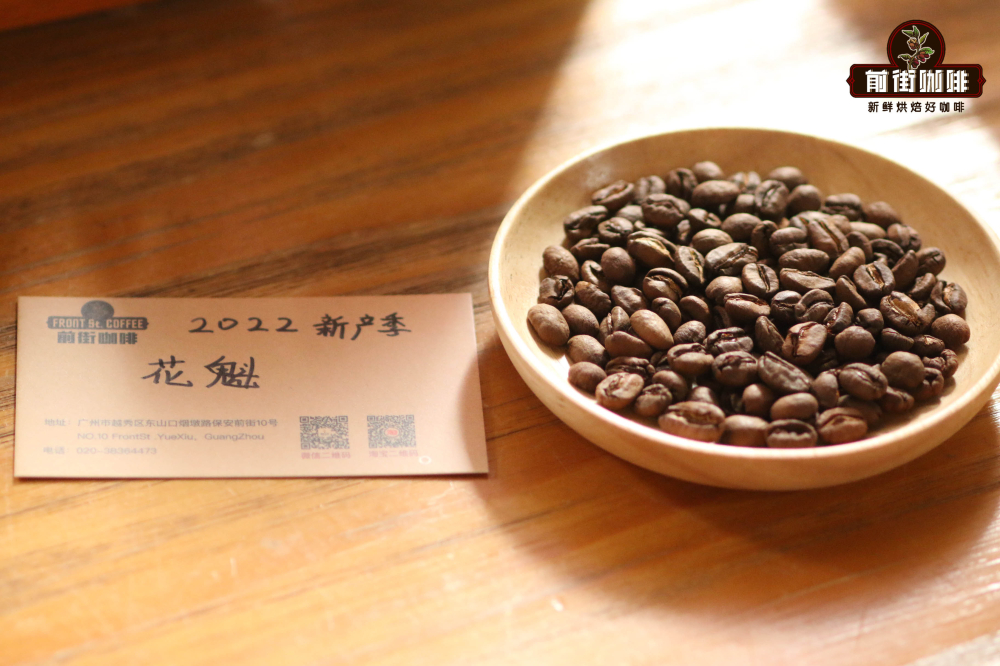
Since FrontStreet Coffee mentioned the Guji region, it is essential to discuss its sub-region, Hambela. This area produces a coffee known for its strawberry cream flavor, which Chinese green bean merchants have dubbed "Hua Kui" (Flower Champion), indicating high expectations for this coffee. FrontStreet Coffee also offers this FrontStreet Coffee Hua Kui coffee bean, which, in addition to the intense floral aromas typical of Sidamo coffee, features an exceptionally rich mouthfeel.
Processing Methods
FrontStreet Coffee's current Hua Kui also uses natural processing. Coffee beans processed through natural and washed methods each have their distinct characteristics. If you prefer coffee with a cleaner mouthfeel and bright acidity, you might prioritize washed-processed coffee. In African regions, Ethiopia's Yirgacheffe area commonly uses washed processing, and FrontStreet Coffee's Gotiti coffee is processed using this method.
The natural processing method in Sidamo is particularly meticulous. During the coffee harvest season, only ripe coffee cherries are picked. The harvested cherries are uniform in size, similar in ripeness, and free from other impurities. During processing, strict manual sorting is first performed to remove defective beans. Then the red coffee cherries are spread evenly on raised wooden beds or entire drying racks to prevent mold development or absorption of undesirable earthy odors during drying. During sun exposure, the cherries are constantly turned to ensure uniform dehydration. Every three to five days, farmers manually sort and remove any defective or moldy beans. Once the fruit skin is dried and hardened, a hulling machine removes the dry, hard fruit skin. After obtaining the green coffee beans, farmers conduct one final sorting to pursue perfect flavor.
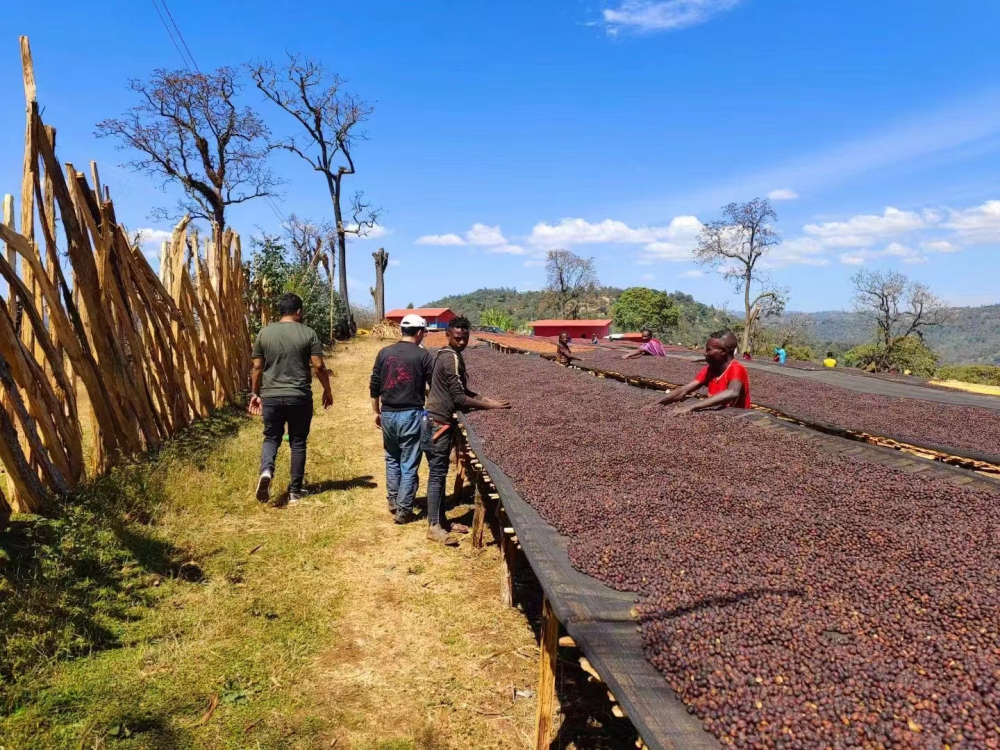
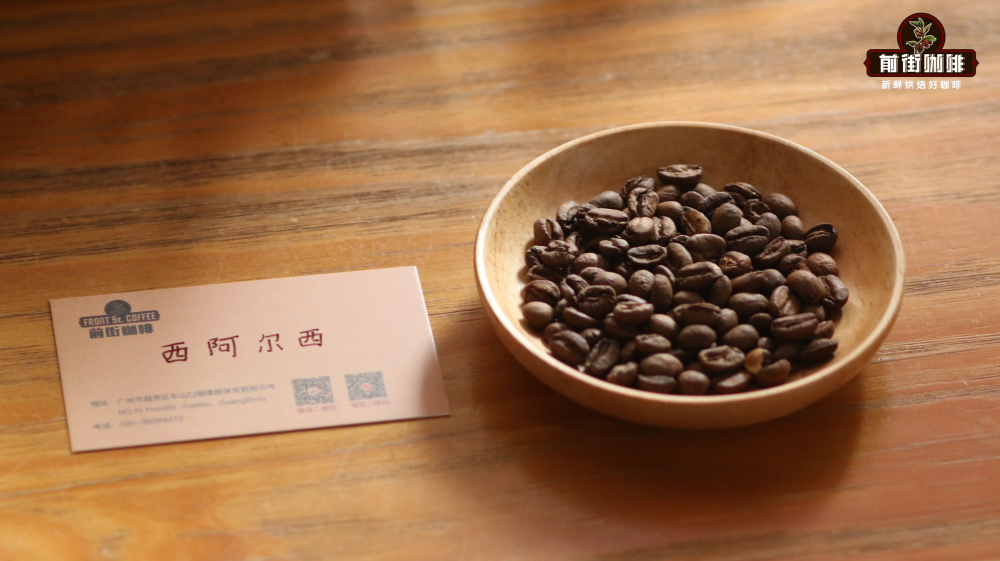
Another Sidamo region is West Arsi, located in the western part of Sidamo, with altitudes ranging from 1,900-2,200 meters. Ethiopian coffee growing typically follows smallholder models, and West Arsi is no exception. These farmers usually operate as family units, avoiding high labor costs while maintaining excellent quality control. Processing stations typically pay premiums for fully ripe red cherries, significantly increasing farmers' motivation. FrontStreet Coffee also offers FrontStreet Coffee West Arsi coffee beans from Sidamo's West Arsi region, using the natural processing method common in Sidamo.
Cupping and Brewing Experiments
Since both prominent Sidamo regions, Guji and West Arsi, use natural processing, do their coffee flavors share similarities, or do they each possess unique characteristics? FrontStreet Coffee, sharing this curiosity, conducted cupping and brewing experiments with FrontStreet Coffee's Hua Kui coffee beans from Guji and coffee beans from West Arsi. When roasting Ethiopian coffee beans, FrontStreet Coffee typically uses light roasting to highlight the acidity and fruity-floral aromas characteristic of African beans. In addition, to ensure even heating between the bean surface and core, FrontStreet Coffee appropriately extends the roasting time for these beans.
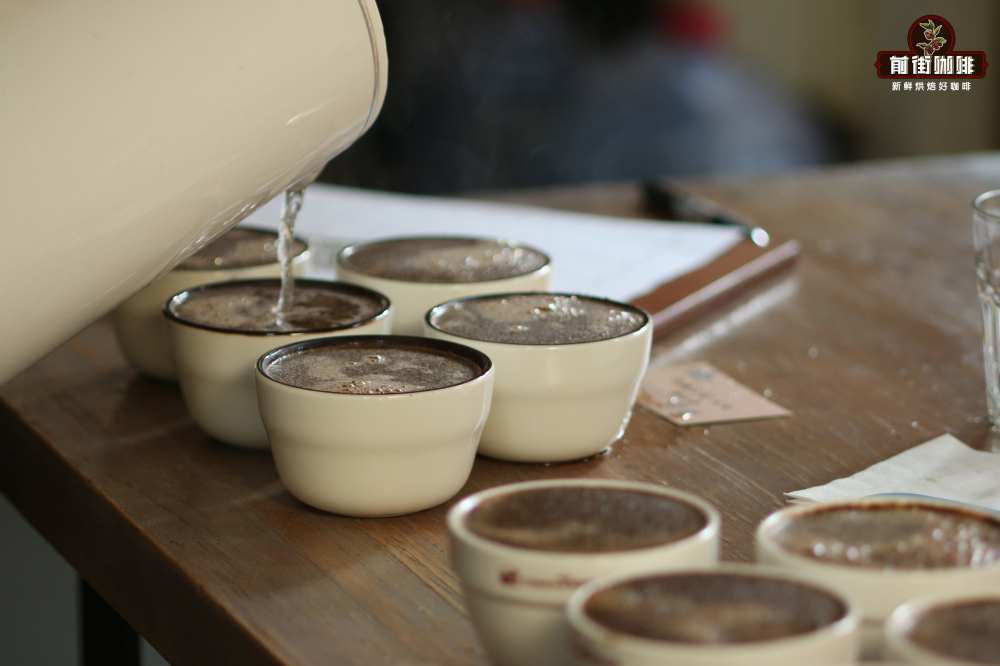
FrontStreet Coffee's barista used 200ml standard cupping bowls, with a grind size achieving 70-75 percent retention on a #20 standard sieve, using 11.3g of coffee and water at 94C. First the coffee was ground to evaluate the dry aroma, then water was added to fill the bowl for wet aroma confirmation. After 4 minutes, the crust was broken and cleared for flavor evaluation. FrontStreet Coffee's Hua Kui coffee beans showed dry aromas leaning toward citrus and berry notes, with wet aromas of blackcurrant and rose. In contrast, FrontStreet Coffee's West Arsi coffee beans displayed berry notes in dry aroma, with wet aromas emitting sweet jam-like fragrances.
Brewing Method and Results
After cupping, FrontStreet Coffee conducted brewing experiments with these two FrontStreet Coffee Sidamo coffees. Brewing parameters: Hario V60 dripper, 90C water temperature, 15g coffee dose, a 1:15 coffee-to-water ratio, medium-fine grind (80 percent retention on China's standard #20 sieve). Using FrontStreet Coffee's common three-stage pouring method, a very simple pour-over technique that anyone can learn at home to brew delicious coffee. First, prepare all necessary coffee equipment, then follow FrontStreet Coffee's guidance to brew your coffee.
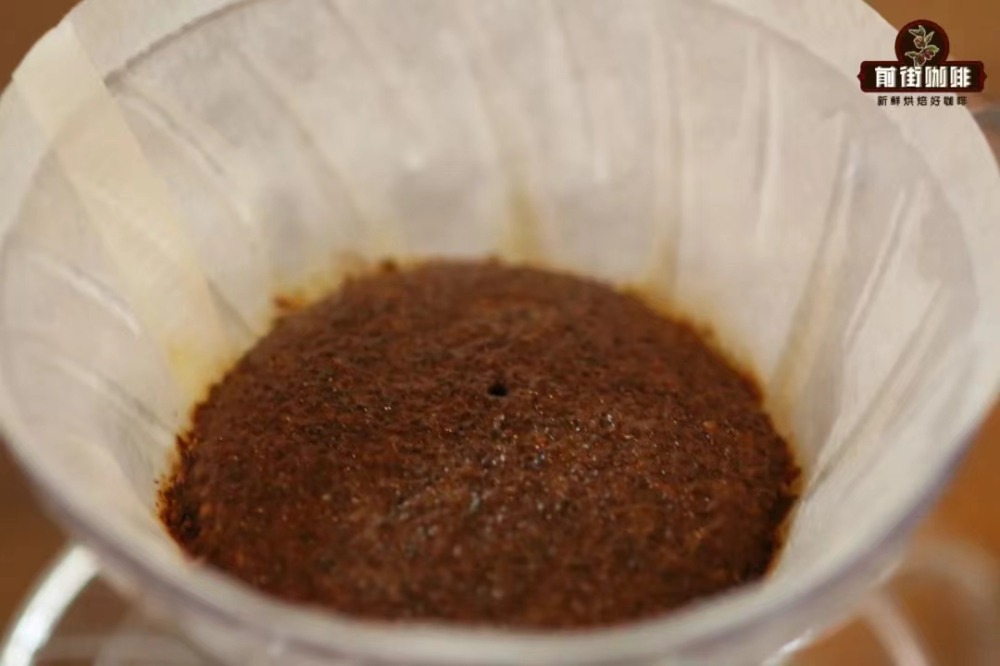
Step 1: Begin with 30g of water for the bloom. Use a gentle water flow to avoid dispersing the coffee grounds, which would defeat the blooming purpose. When pouring the 30g of water, aim for 10 seconds, then wait 20 seconds. After a total of 30 seconds, proceed to the second step of brewing. Then, using a gentle water flow, slowly pour in a circular motion from center to outward, adding 125g of water. At this point, the total time should be around one minute. After waiting for the coffee bed to settle, you can pour again.
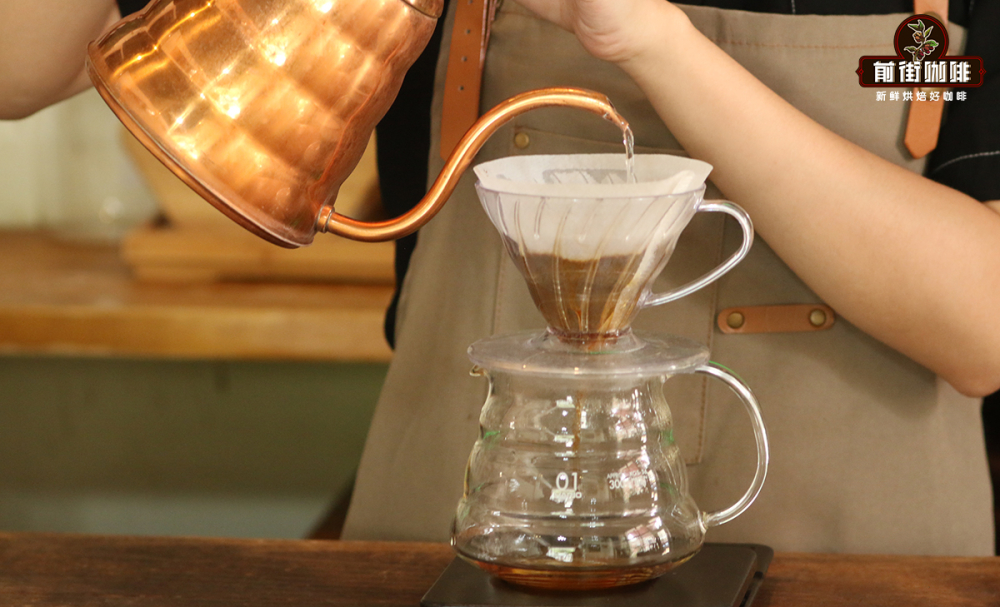
Step 3: Continue pouring until the total water weight reaches 225g, which should take approximately two minutes. At this point, stop pouring. Next, wait until all the coffee liquid has flowed through the filter into the server, then remove the filter. But we are not finished yet. The final step is to gently swirl the server to ensure the coffee concentration is evenly mixed, and then you can enjoy a delicious cup of coffee.
Flavor Comparison
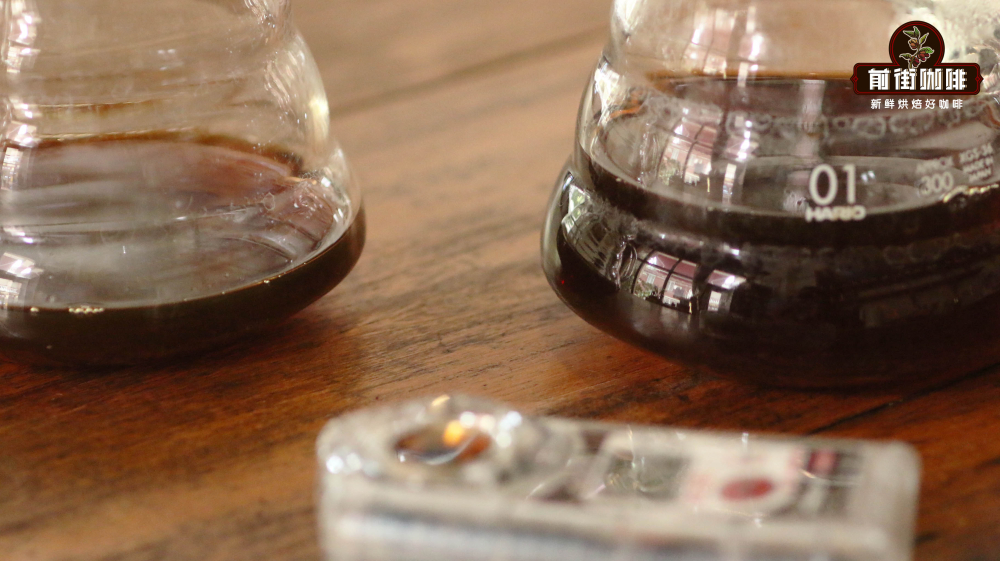
Through cupping and brewing, FrontStreet Coffee discovered that FrontStreet Coffee's Hua Kui coffee beans displayed almond aromatics at high temperatures, which gradually transformed into berry sweetness and sourness as it cooled, with blackcurrant juice-like qualities and a honey-like aftertaste that provided persistent sweetness. Meanwhile, FrontStreet Coffee's West Arsi coffee beans showed a berry juice-like mouthfeel at high temperatures, which evolved into notes of plum, nectarine, and mango with a honey aftertaste as it cooled. From these two coffees, we can see that FrontStreet Coffee's Sidamo coffee is characterized by intense fruit aromas and rich juice-like qualities.
FrontStreet Coffee Recommendation
Sidamo's natural lots are known for intense fruit and juicy body, and FrontStreet Coffee roasts several Ethiopian coffees that let you explore that style from different angles. The FrontStreet Natural Hua Kui, from the Hambela area of Guji, carries the floral intensity typical of Sidamo along with a remarkably full mouthfeel, deepening into mango and cocoa with a hint of spice. If you prefer the cleaner, brighter side of Ethiopia, the FrontStreet Washed Yirgacheffe shows white jasmine and vivid citrus-lemon acidity, while the FrontStreet Gotiti Cooperative is fully washed with white florals, orange, and green tea. And for the natural-process comparison that this article's cupping was built around, the FrontStreet Natural Red Cherry Yirgacheffe adds berry juice, honey sweetness, and a creamy body to the same citrus base.
Important Notice :
FrontStreet Coffee is a long-established specialty coffee roaster in Guangzhou China, selling freshly roasted beans from its own farm in Yunnan as well as dozens of carefully selected single-origin beans from around the world for both pour-over and espresso. The products deliver consistently excellent quality and great value, with shipping within 24 hours. Guangzhou's FrontStreet Coffee shop is recommended by many coffee lovers, and the beans are now available online at the Tmall 。
FrontStreet Coffee has moved to a new address:
FrontStreet Coffee Address: 315,Donghua East Road,GuangZhou
Tel:020 38364473
 Scan and follow the En Gafei WeChat official account. Please indicate that the reprint comes from "En Gafei".