Flat White Coffee Flavor Profile Introduction: Making Methods and Extraction Techniques
In recent years, with Starbucks championing the flat white, many customers who used to order lattes and cappuccinos have switched. Some guests who visit FrontStreet Coffee first ask for "Fu Rui Bai" (Starbucks' Chinese name for the drink), then "Ao Rui Bai" (another Chinese rendering), then "Ao Bai," and finally simply "flat white." Why does one coffee go by so many names?
The drink was introduced from Australia, where it is simply called Flat White. Starbucks entered the Australian market in 2000 but was beaten by local players such as Gloria Jean's Coffees and withdrew in 2008. When Gloria Jean's entered China in 2014, Starbucks wanted to popularize its own version before its old rival could succeed - so in 2015 it launched "Fu Rui Bai" and promoted it heavily.
Origin History
FrontStreet Coffee's research traces the earliest use of "flat white" for a coffee back to a 1962 British film called Danger by My Side - where, curiously, it described poor-quality coffee, nothing like the drink we know today.
As for the drink's birthplace, two countries claim it: Australia and New Zealand.
Australia
The earliest written records date from the mid-1980s.
In May 1983, Miller's Treat cafe listed a "flat white coffee" on its menu in a magazine called Sydney Cafe.
In April 1984, a Sydney newspaper, satirizing the latte craze, wrote: "Caffè latte translates to flat white."
In 1985, Alan Preston of Moors Espresso Bar in Sydney added the drink to his permanent menu, claiming he had brought the idea from his home state of Queensland, where cafes in the 1960s and 70s often served "White Coffee & flat."
Also in 1985, the cafeteria at Canberra's Parliament House posted a sign reading "flat white only" - seasonal milk issues were preventing proper foam.
New Zealand
The New Zealand claim comes from Derek Townsend and Darrell Ahlers of DKD Cafe in Auckland, who say the drink was created as an alternative to the Italian latte. Another version holds that the flat white was born in 1989 from a failed cappuccino at the Bodega bar on Willis Street in Wellington, where barista Fraser McInnes attempted a cappuccino with low-fat milk that refused to foam. With too little foam to call it a cappuccino, he named the result a "Flat White."
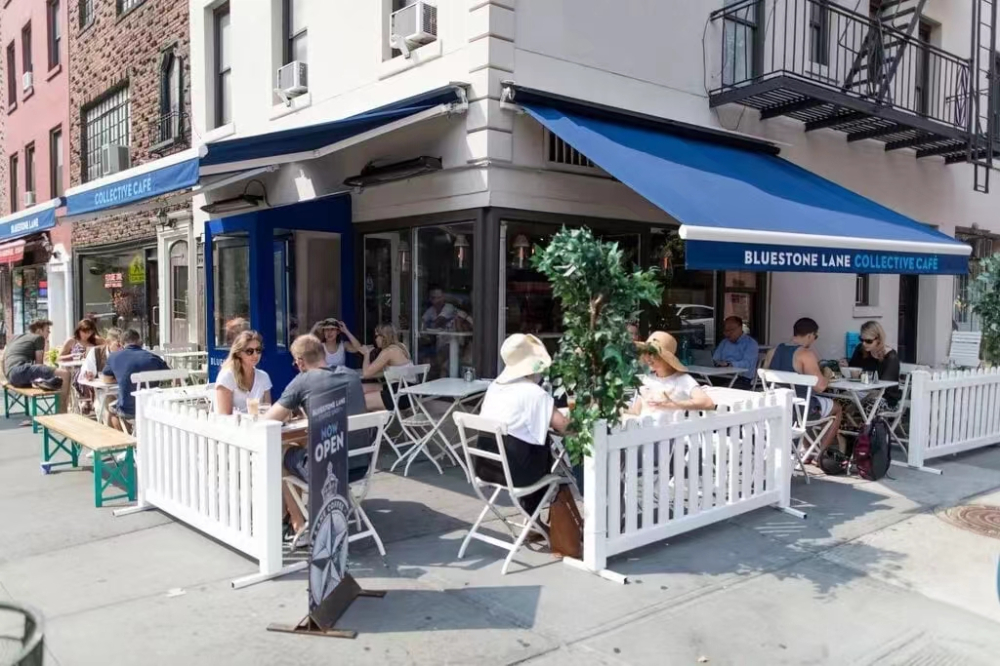
How to Make a Flat White?
As noted above, the flat white's origins are contested, and the two claimant countries prepare it differently: Australians tend to build it on a single shot of espresso, while New Zealanders use a double ristretto.
FrontStreet Coffee's Flat White
We build ours on the Sunflower Warm Sunshine Blend - 70% Honduras Sherry and 30% Yirgacheffe Natural Red Cherry. The Honduras Sherry contributes sherry-and-whiskey notes and vanilla cream, while the Yirgacheffe Natural brings high sweetness and berry acidity.
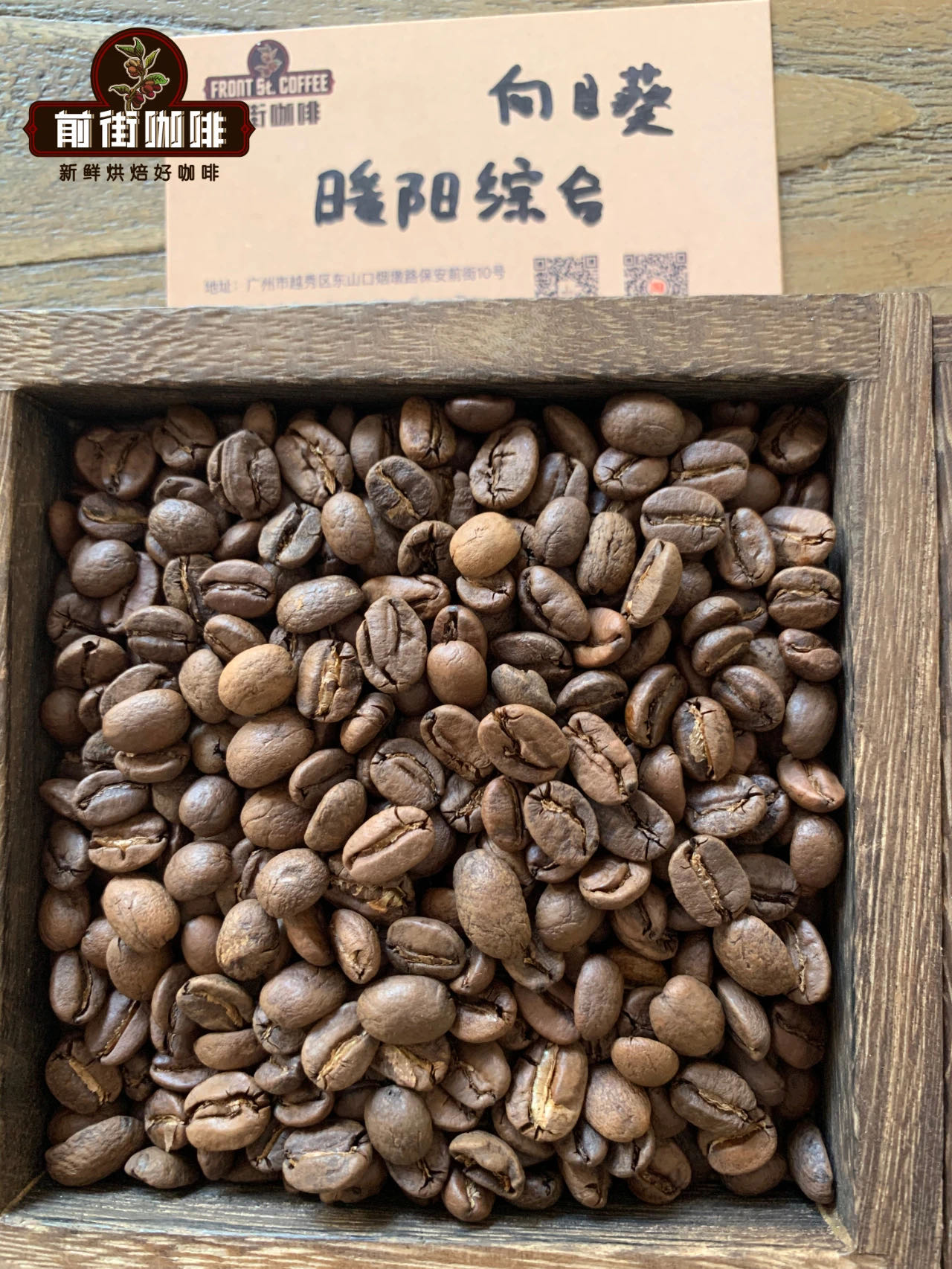
Our espresso extraction parameters:
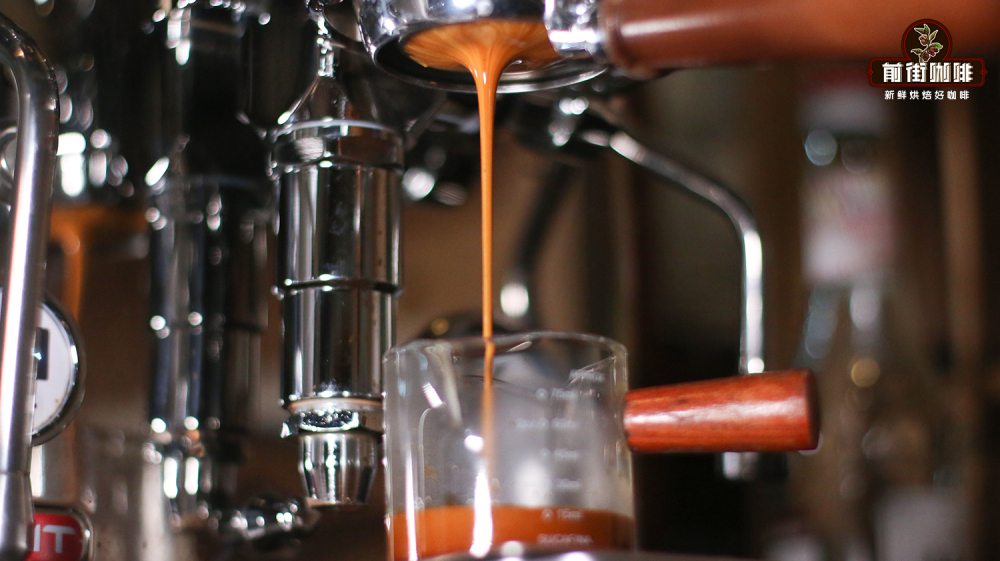
Pressure: 9 bar
Temperature: 90.5-96°C
Time: 20-30 sec
Brewing ratio: 1:1.7 to 1:2
Dose: 12 g (single) / 20 g (double)
Yield: 20 ml (single) / 40 ml (double)
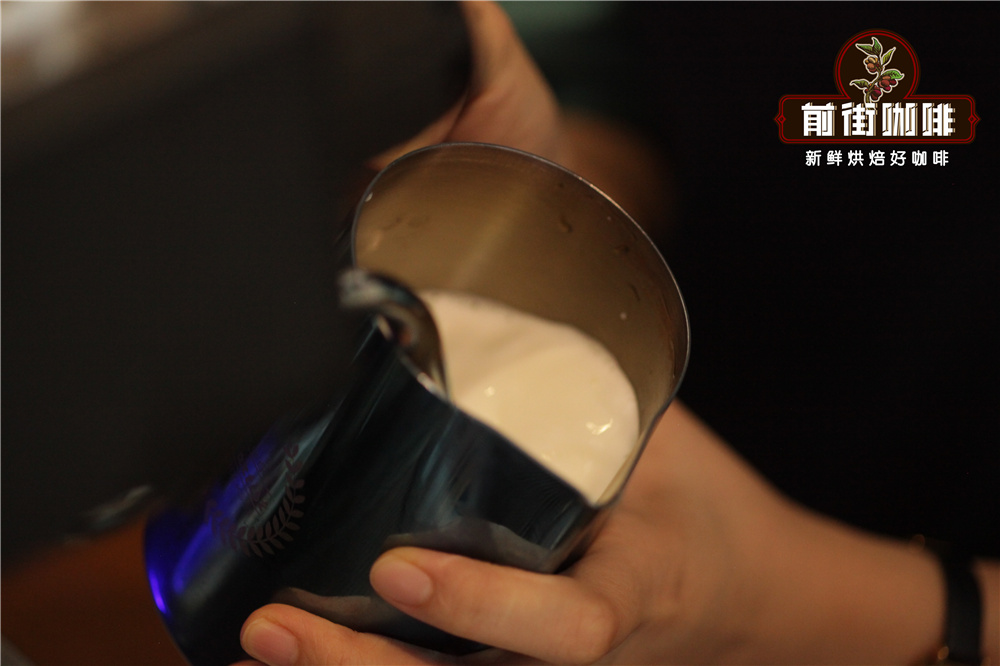
We steam full-fat fresh milk to 50-60°C (any cooler and the lactose never fully develops; any hotter and the milk proteins break down, turning the texture gritty), stretched to a foam depth of just 5 mm.
What Is Ristretto?
Ristretto is Italian for "restricted" or "narrow" - literally, a restricted flow rate. A ristretto flows more slowly than a regular espresso.
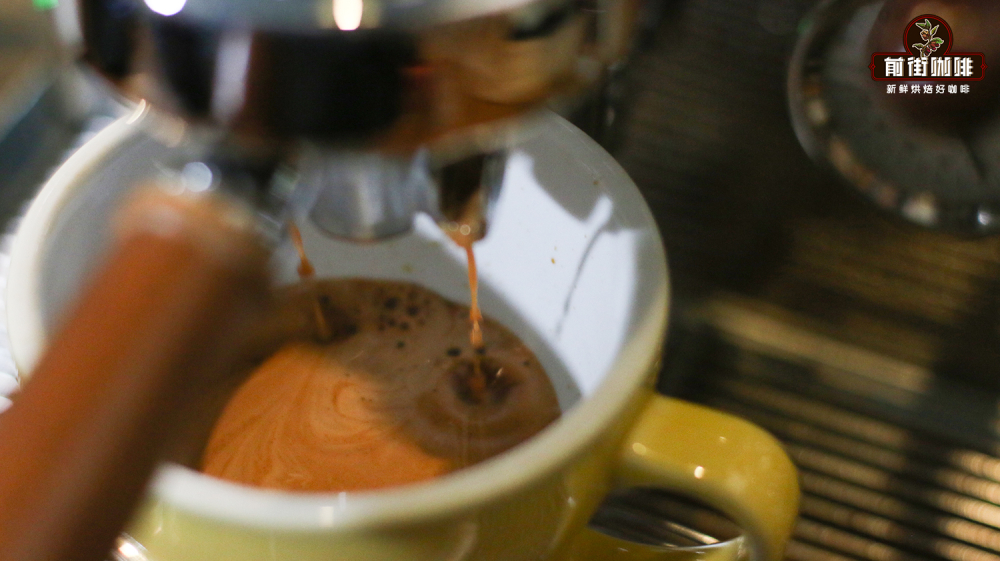
Espresso is made by forcing high-pressure, near-boiling water through finely ground, compacted coffee, with an extraction time of 25 to 30 seconds, producing an intense, concentrated beverage.
Ristretto uses the same dose, temperature, and pressure as espresso - only the yield and time change.
FrontStreet Coffee's espresso: 20 g of coffee, yielding 35 g of liquid in 27 seconds.
FrontStreet Coffee's ristretto: 20 g of coffee, yielding 27 g of liquid in 20 seconds.
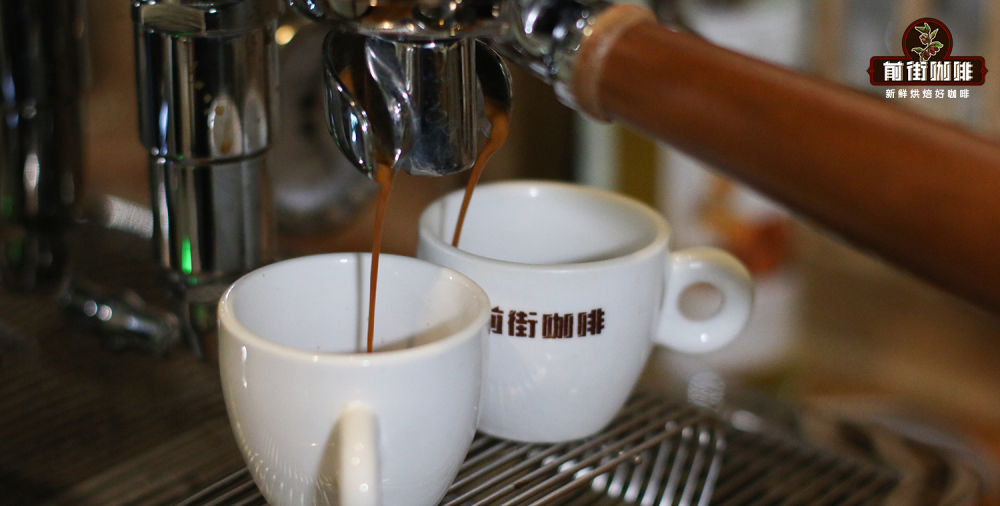
Our repeated experiments confirm the extraction order: light-molecular-weight acids come first, then sweetness, and finally the heavier bitter compounds. Compared with espresso, then, a ristretto shows more pronounced acidity and sweetness with lighter bitterness.
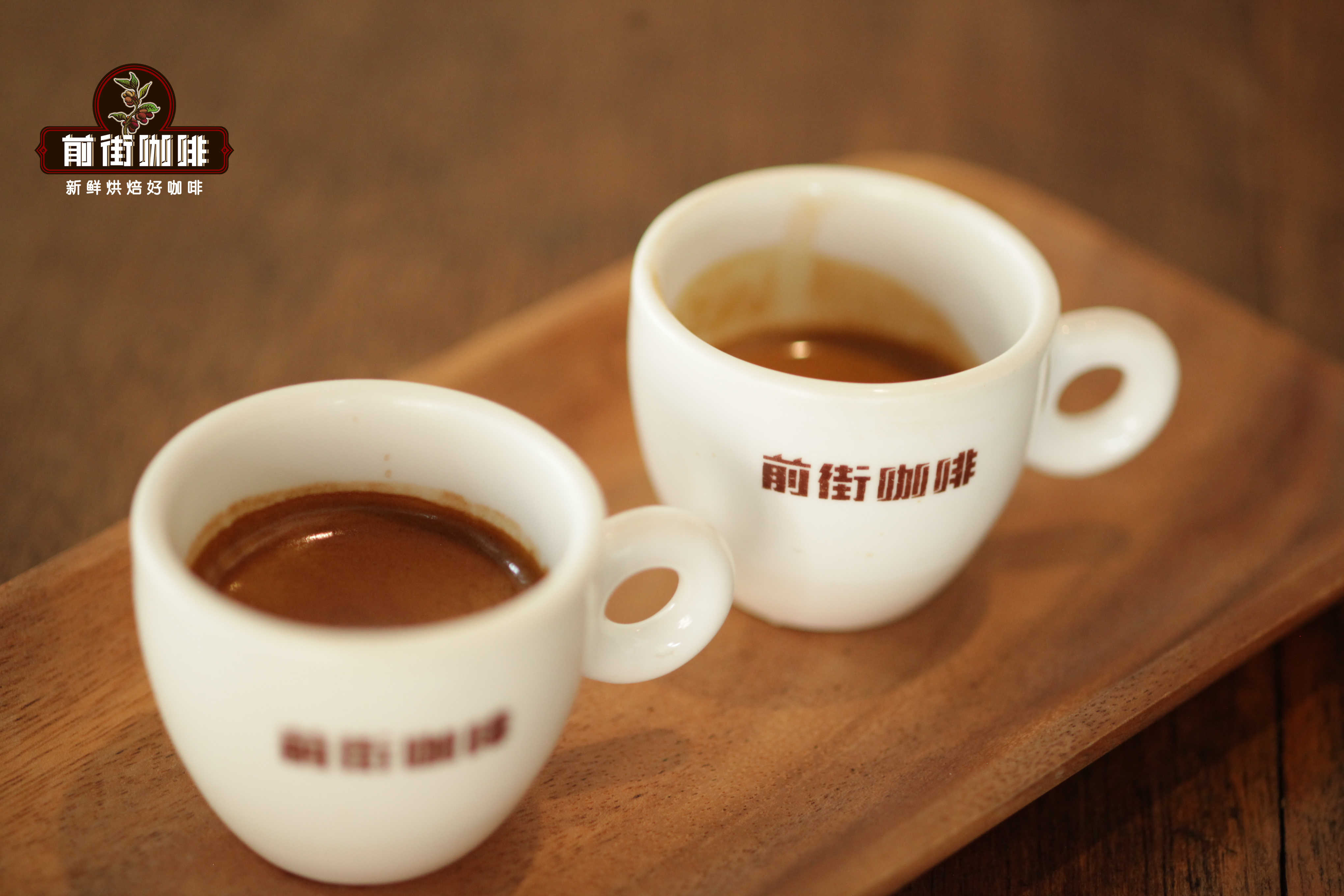
Our ristretto leads with winey aromatics and berry notes, caramel-like sweetness, bright acidity, and a clean mouthfeel with clearly defined sweet-sour structure. The longer espresso pull reaches the heavier flavor compounds: whiskey aroma, vanilla cream, a nutty caramel finish, fuller body, and a rounder, mellower profile.
Flat White vs Latte vs Cappuccino
Search online and most explanations reduce the difference to foam thickness. That is not quite right. Foam thickness affects texture, but it does not determine flavor - the real variable is the ratio of coffee to milk.
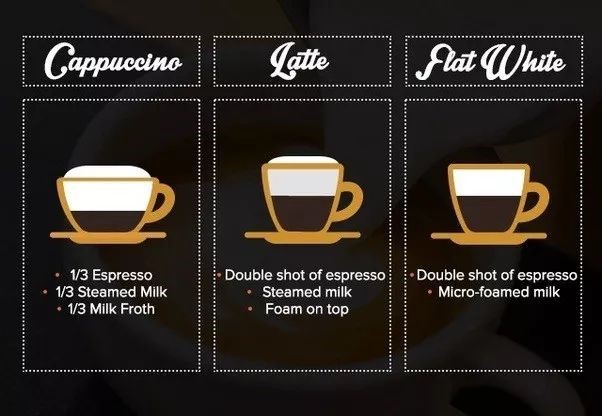
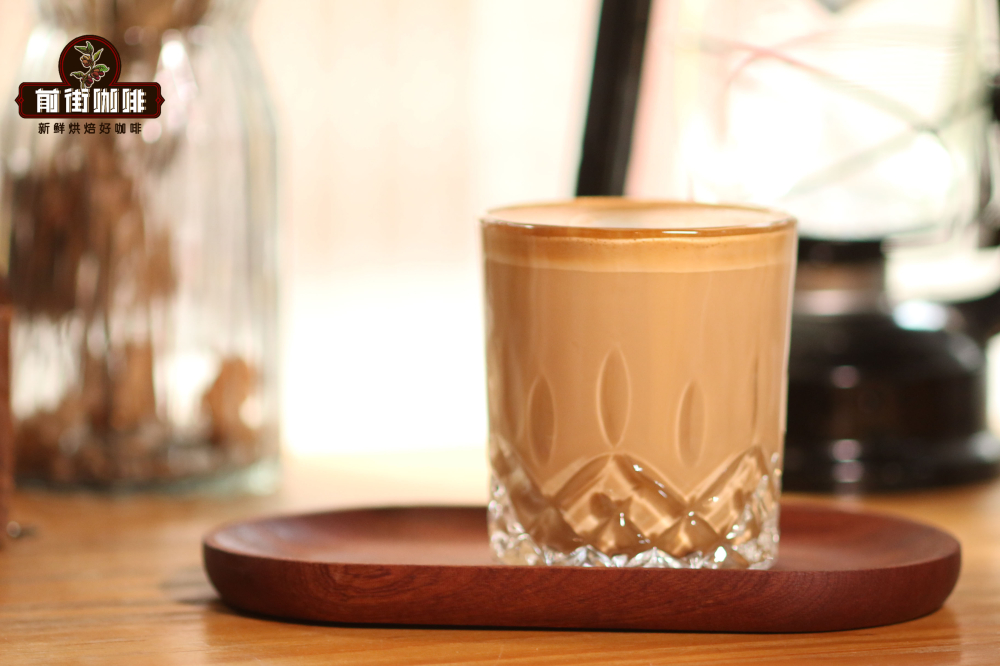
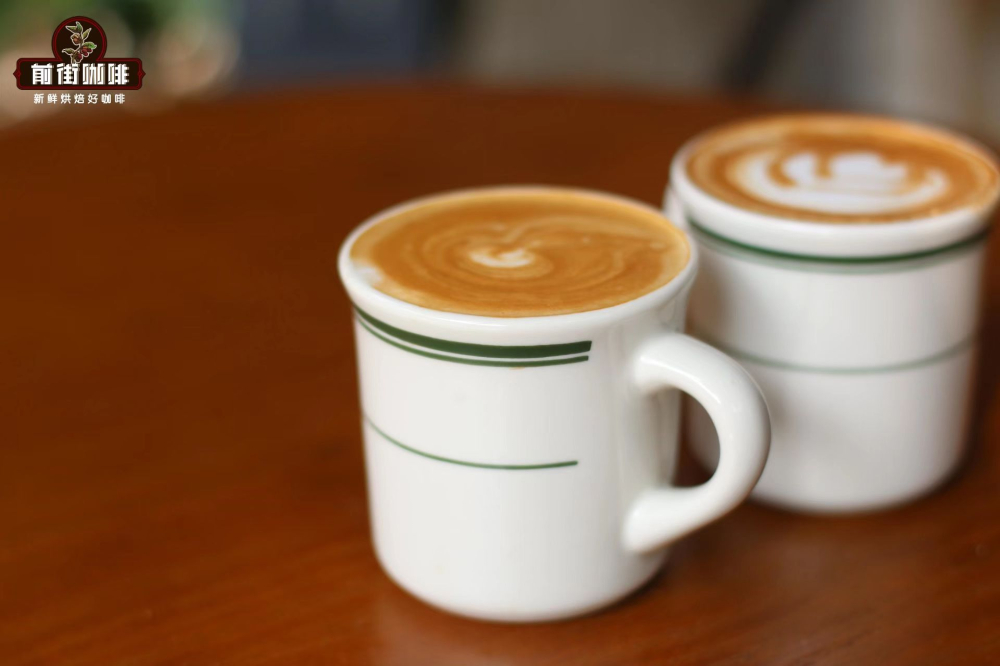
Ranked by coffee intensity: flat white > cappuccino > latte. Ranked by foam thickness: cappuccino > latte > flat white. A proper flat white discards the loose surface foam, keeping only the fine microfoam beneath it.
The same drink is "Fu Rui Bai" at Starbucks, "Chun Yi Bai" at COSTA, and "Ao Rui Bai" at Luckin. The names change; the essence is still a flat white. If you want to taste the coffee itself but find straight espresso too intense, the flat white is the drink for you.
FrontStreet Coffee Recommendation
A great flat white starts with the right beans. For home brewing, FrontStreet Coffee recommends the Classic Blend: buttery, cheese-like, full-bodied and low in acidity, with dense, velvety crema that marries beautifully with milk. If you prefer floral and fruit aromatics, go for the Strawberry Candy espresso blend - remarkably low in bitterness, with vivid grape and blueberry notes that turn a flat white into something like a strawberry milkshake.
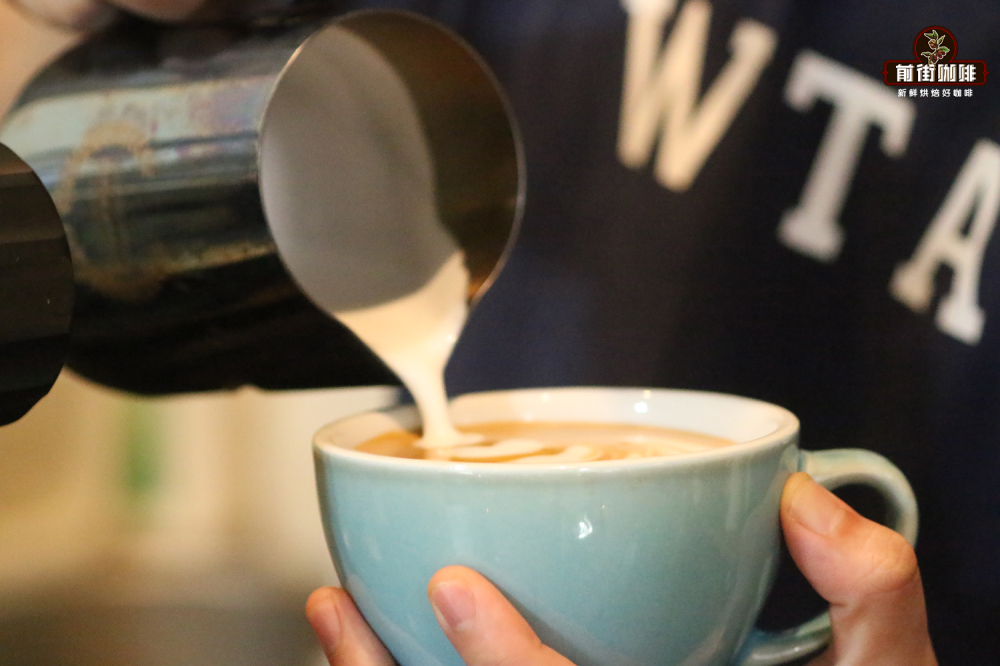
And a tip on technique from our own bar: pull only the ristretto heart of the shot as your base (20 g of coffee yielding 32 g in 22-25 seconds), then stretch it with 160 ml of fresh cold milk, aerating for just one or two seconds so the foam stays around 0.3 cm thin - the first sip should hit the crema and coffee flavor before the milk.
Important Notice :
FrontStreet Coffee is a long-established specialty coffee roaster in Guangzhou China, selling freshly roasted beans from its own farm in Yunnan as well as dozens of carefully selected single-origin beans from around the world for both pour-over and espresso. The products deliver consistently excellent quality and great value, with shipping within 24 hours. Guangzhou's FrontStreet Coffee shop is recommended by many coffee lovers, and the beans are now available online at the Tmall 。
FrontStreet Coffee has moved to a new address:
FrontStreet Coffee Address: 315,Donghua East Road,GuangZhou
Tel:020 38364473
 Scan and follow the En Gafei WeChat official account. Please indicate that the reprint comes from "En Gafei".