Hawaii KONA Coffee Region Introduction: Raw Bean Processing, Roasting Guide, and Pour-Over Parameter Recommendations
Hawaii KONA
01 | Origin Introduction
After nearly two centuries of dedication to coffee cultivation, Hawaii has made Kona a name synonymous with quality. History shows a challenging road since coffee trees first reached the islands in 1825, and even today uncontrollable factors often affect the harvests of Hawaii's successful coffee regions.
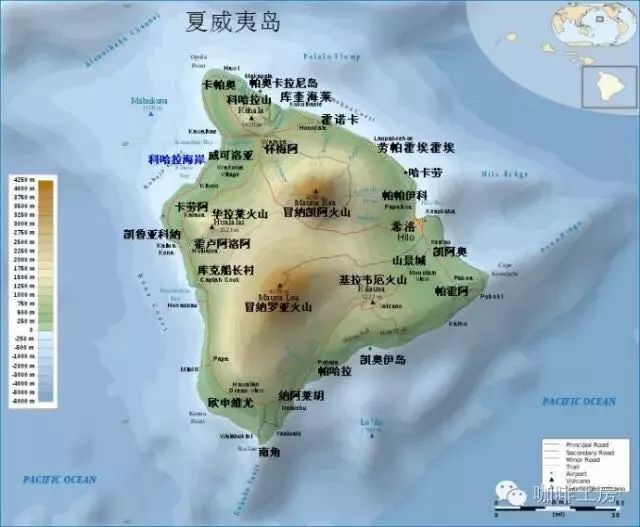
The western and southern parts of Kona on Hawaii Island are renowned for producing Kona coffee. Sitting at elevations between 800-1100 meters, the area offers an ideal growing environment, which is why the slopes of Hualalai and Mauna Loa are covered with coffee trees.
Queen Farm
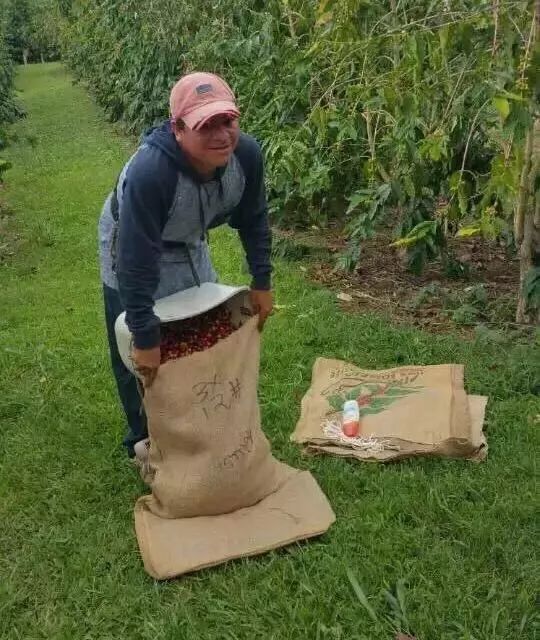
Kona coffee has always been cultivated by family farming methods. The Kona harvest runs from late August through January of the following year, and farmers pick ripe cherries in batches before processing them into coffee beans.
This particular Kona comes from Queen Farm, which took second place in the Gevalia (Hawaii KONA Cupping Competition) in 2009 and 2011. Seventy percent of its harvest qualifies as top-tier premium specialty beans, which makes it a farm known for high quality. Even its slightly lower-grade specialty beans carry aromas comparable to premium lots, earning praise from roasting professionals.
Kona's unusual natural environment nurtures Arabica coffee and makes it one of the world's most productive coffee areas. With guaranteed quality and coffee grown under distinctive conditions and climate, the flavors turn even richer. Kona beans are handsome to look at, full-bodied, glossy, and bright in color, which has earned them the title "the world's most beautiful coffee beans."
Most coffee trees in the Kona region grow on volcanic soil, taking up abundant nutrients from the earth. Combined with hand cultivation techniques, each bean develops a distinctive appearance. Kona brewed from these beans is silky smooth and richly aromatic, with subtle nutty notes and moderate acidity, as captivating and layered as the landscapes of Hawaii Island.
Beyond the Kona region on the Big Island, common Hawaiian coffees today come from estates on Maui, Kauai, and Molokai, all of which have emerged as notable producers. Common Hawaiian varieties include Typica, Mocca, and Catuai.
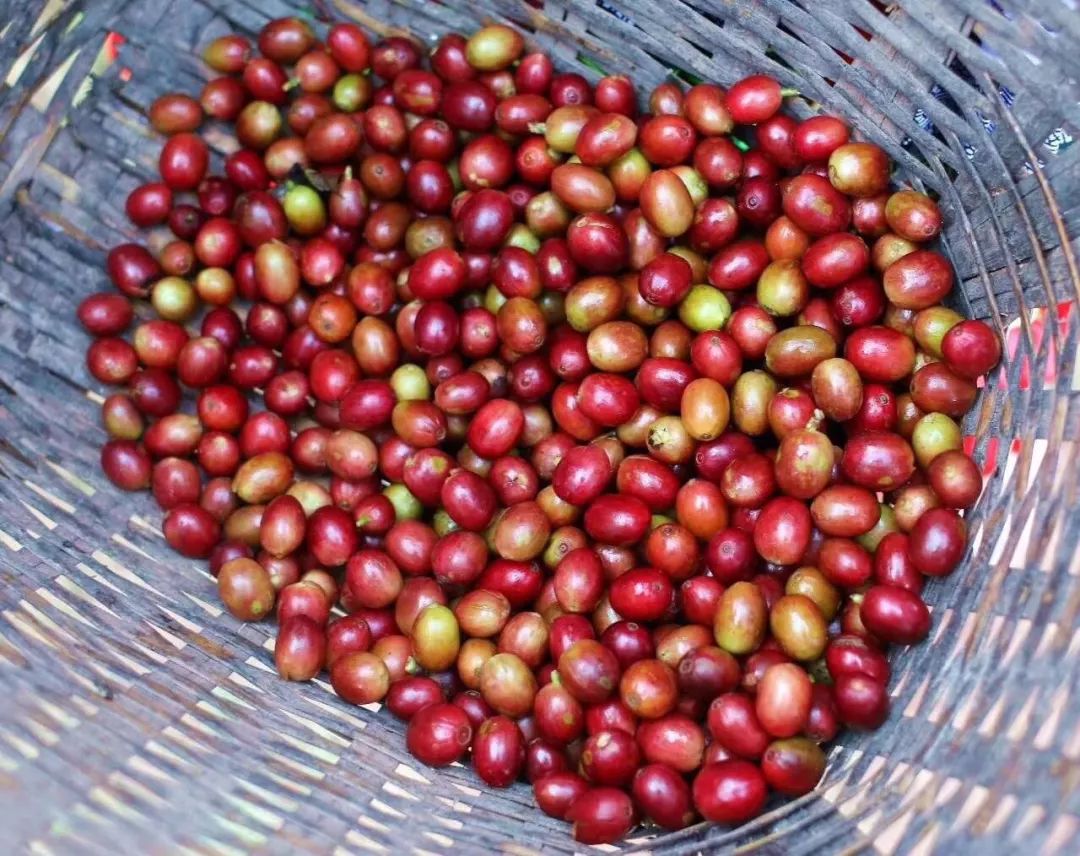
02 | Processing Method
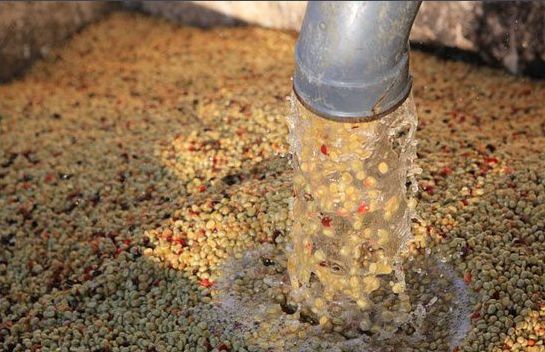
Washed Method
Kona coffee is processed both washed and by natural drying. Hawaii's clean, sweet mountain spring water provides ideal conditions for the washed process, which produces bright, clear Kona beans with a pure, fresh flavor. After washing, the beans are spread on large drying tables to dry naturally in the sun.
03 | Green Bean Analysis
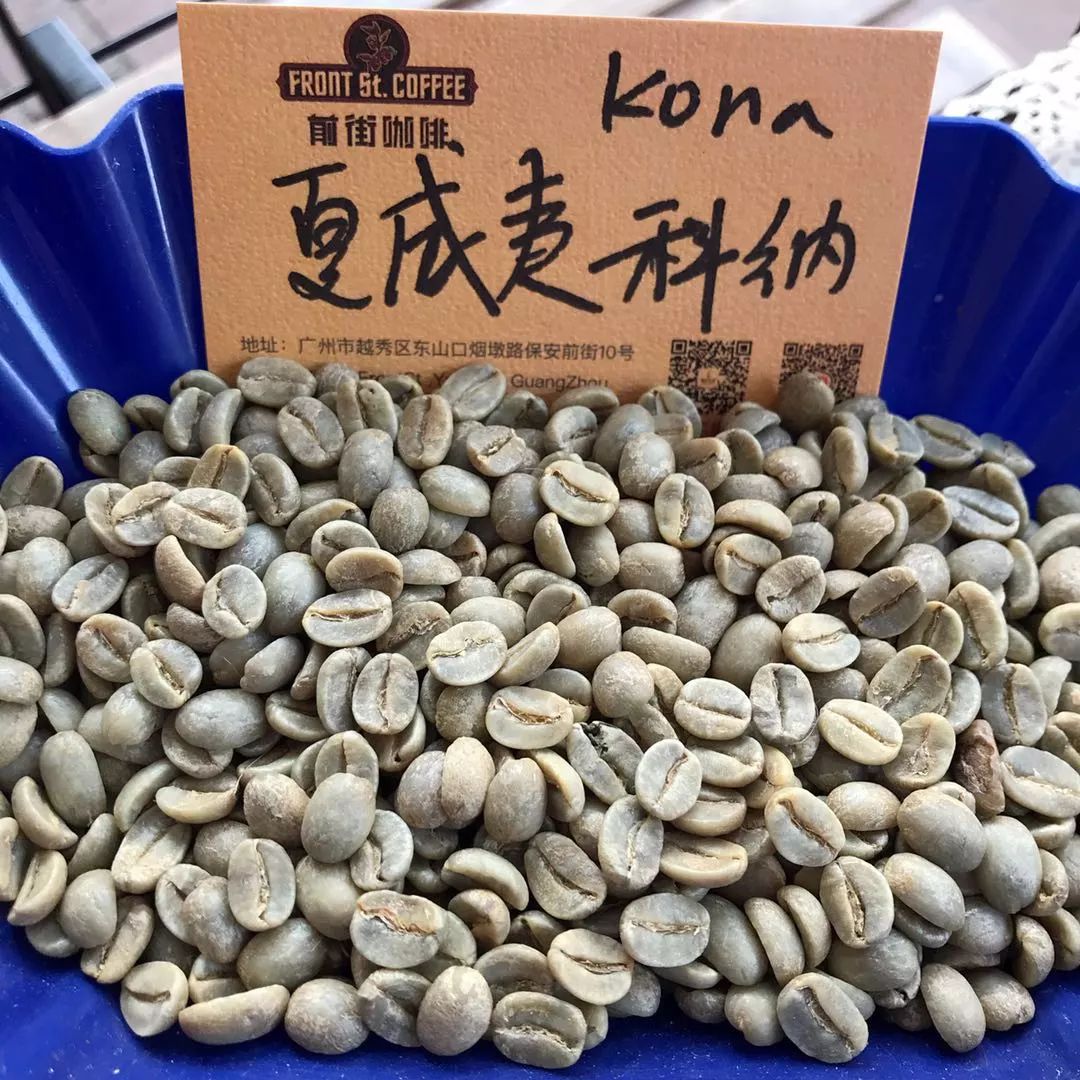
The beans are uniform in size with few defects, olive-green in color, with a moisture content between 11-13%, showing grassy and pungent spicy aromas. The center cut of the green beans is light brown.
Kona beans are classified into five grades, with the first three most common: Extra Fancy, Fancy, No. 1, Primary, and Peaberry (round beans, often called male beans, which some drinkers prize so highly that they are specially selected and sold at higher prices; about 5% of Kona beans are Peaberry). Apart from the specially selected Peaberry, the other four grades are sorted by bean size, weight, and defect ratio.
Before export, Kona green beans are labeled with numbered tags on burlap bags, indicating certification by the Hawaii Department of Agriculture and bearing official identification seals, which contributes to the higher price. Kona prices are second only to Blue Mountain. From planting, harvesting, washing, and sun-drying to polishing, every step of Kona production depends on manual labor, so limited output combined with American labor costs results in premium, expensive coffee. Today, Hawaii's 100% Kona coffee ranks alongside Blue Mountain as a symbol of premium coffee.
04 | Roasting Analysis
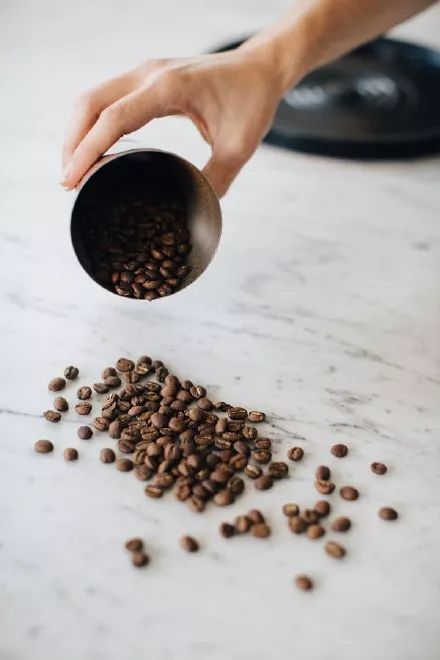
Like Blue Mountain, Kona beans have low density. For low-density beans the drop temperature should not be too high. When sweet aromas emerge and the color turns light yellow, the sufficient moisture content calls for an adequate roasting time. The beans should feel clean, solid, and substantial. Kona should not be roasted too dark; a medium-light roast (City to Full City) is recommended.
FrontStreet Coffee suggests keeping detailed records before roasting: bean moisture content, density, origin, processing method, and the ambient temperature and humidity in the roasting room, and planning your roasting curve accordingly. Record the relevant chemical and physical changes during roasting, which will help you understand the final result and improve your curve.
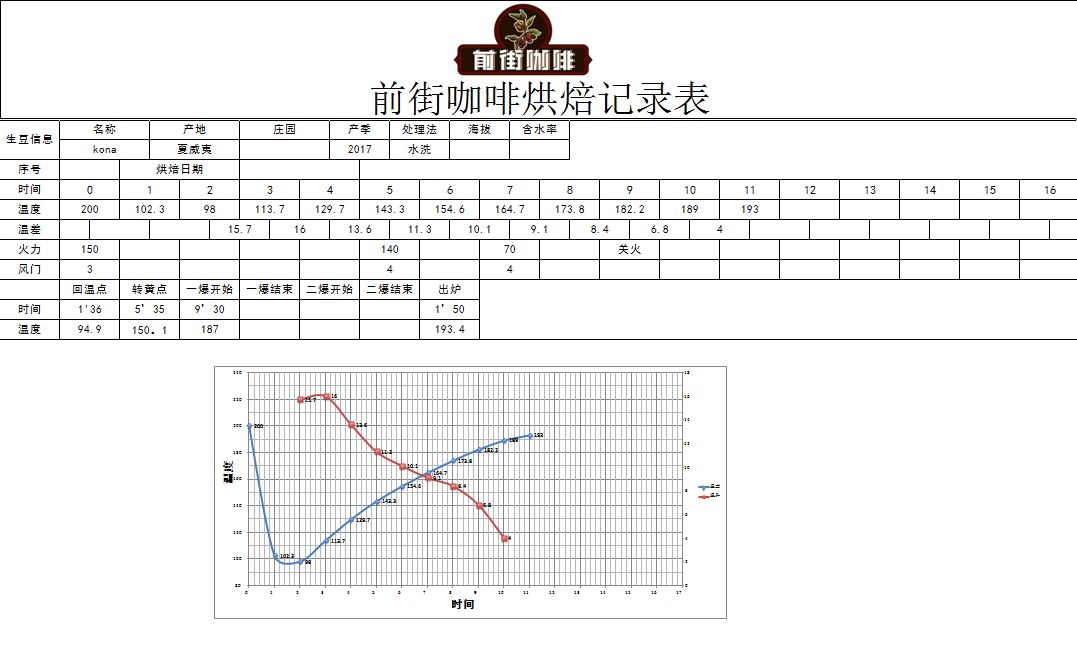
Roaster: Yangjia 800N, with 550g of green beans loaded
Roasting Curve:
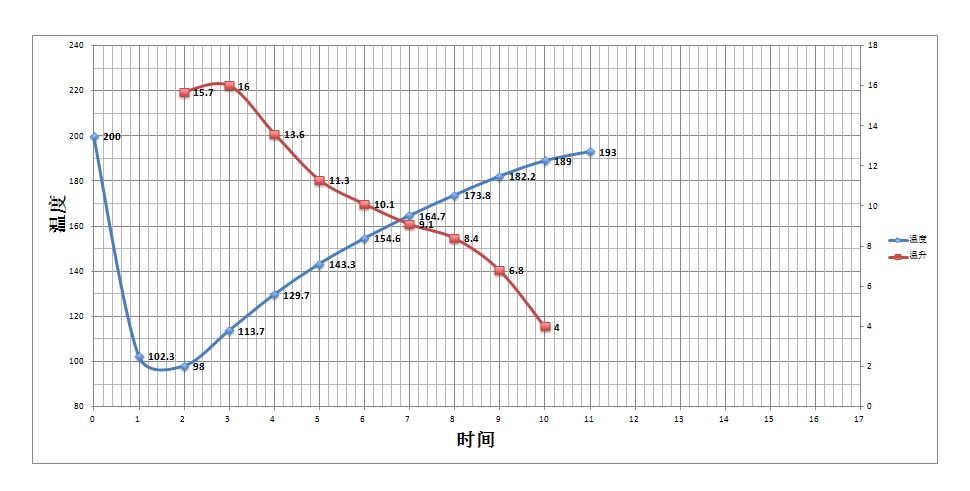
Preheat the roaster to 200°C and load the beans, air damper set to 3. After 1 minute, reduce heat to 150°C, damper unchanged. At 5'35", the temperature reaches 150°C, the bean surface turns yellow, and the grassy aroma disappears completely, so dehydration is complete. Reduce heat to 140°C and adjust the damper to 4.
At 9'30", ugly wrinkles and black spots appear on the bean surface, and the toast aroma clearly shifts to coffee aroma, which can be defined as the prelude to first crack. Listen carefully for the first crack sound. First crack begins at 9'30", so reduce heat to 70°C and open the damper fully (be careful with the heat reduction, and do not cut it so far that cracking stops). Turn off the heat at 182°C and drop the beans at 193.4°C.
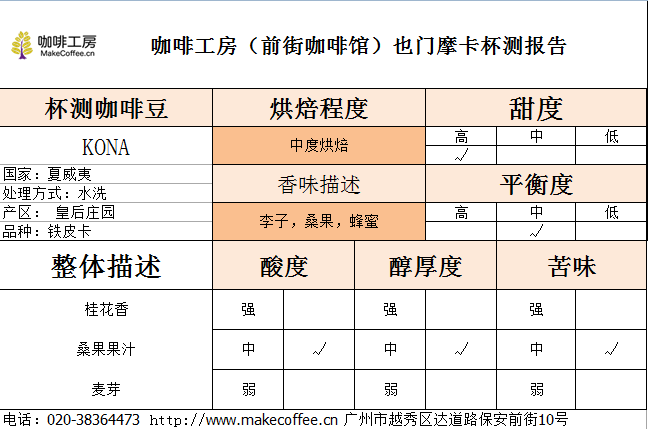
Medium-roasted Kona mainly delivers a balanced, mellow honey sweetness and an elegant body that is substantial without being heavy. The brewed coffee releases mulberry aromas that create a sweet sense of happiness, with a smooth malt bitterness in the aftertaste that glides down the throat and re-emerges on the exhale. Once cooled, it becomes like a cup of mulberry tea.
04 | Brewing Analysis
1. Dripper: V60
2. Water temperature: 92°C
3. Grind size: Fuji grinder setting 3.5
4. Roast level: Medium roast
5. Bloom time: 30 seconds
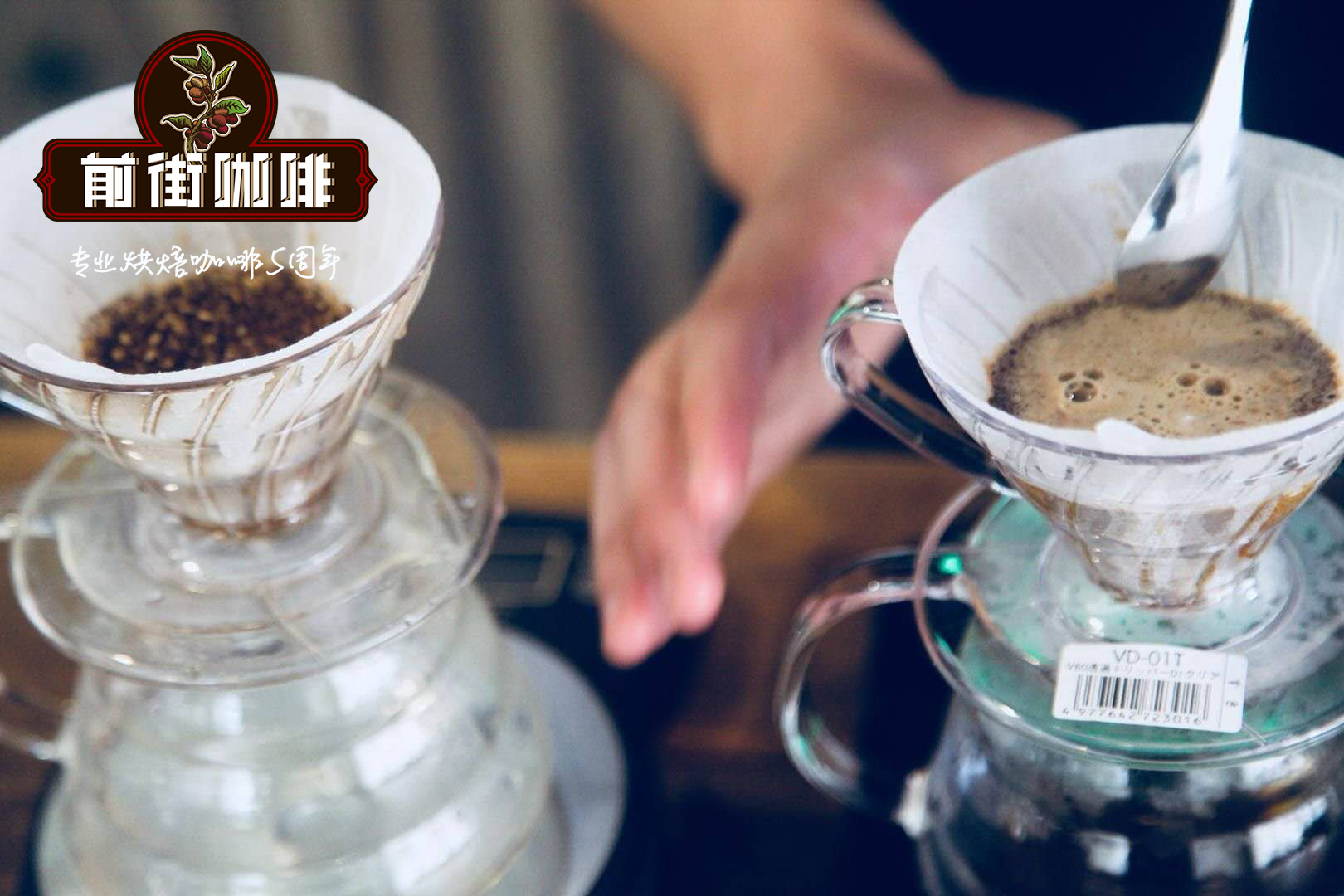
Flavor: Malt, mulberry, with persistent caramel sweetness in the aftertaste
FrontStreet Coffee's recommended technique: slow, steady, continuous pouring, using a fine, even stream in circular motions. Pour gently to ensure even extraction, and go very slowly. You can also use a stir stick appropriately for mixing. Usually, during the bloom phase, perform one cross-stir to ensure the water makes full contact with the grounds and to increase the release of aromatic compounds.

FrontStreet Coffee Recommendation
Kona's balanced, low-acid, quietly sweet character has a close cousin in FrontStreet Coffee's Jamaica Blue Mountain No. 1. Jamaica's island climate delivers less sunlight than most origins, and washing was adopted precisely to reduce the risk of spoilage: removing the skin, pulp, and mucilage before drying shortens the drying time and produces beans with a translucent color and a low defect rate. That processing is what gives Blue Mountain its concentrated aroma and its pure hazelnut, cream, chocolate, and caramel notes, in a balance where no single flavor dominates or goes missing, which is why so many coffee professionals call it the specialty coffee most people find easy to love.
For another island coffee with a similar profile, FrontStreet Coffee's Papua New Guinea Bird of Paradise comes from the Bird of Paradise estate in PNG's Sigri region and is often called a "little Blue Mountain" because its texture lands so close to Jamaica Blue Mountain. It is grown from the same Typica variety as Blue Mountain, at 1600 to 1800 meters in volcanic rock soil, and the superior soil and water give the beans a full structure. It meets the high AA grade standard with plump beans and a very low defect rate, and a triple washed and fermented process leaves the cup clean and pure with strong sweetness, which makes it an excellent choice for anyone who prefers low-acid coffee.
If you like the malted, caramel side of a medium-roast island coffee, FrontStreet Coffee's Yunnan Typica 2013 is worth trying. FrontStreet began working with Yunnan in 2013, when it built its own estate in Lincang and planted a block of Typica, the oldest coffee variety in Yunnan and the first ever planted there, brought in by a French missionary. Picked from fully ripe red cherries only and processed naturally, then roasted medium-dark, it shows clean citrus and caramel aromas with a little nut, chocolate, and brown sugar, medium acidity, and a well-coordinated, distinctly Yunnan character.
Important Notice :
FrontStreet Coffee is a long-established specialty coffee roaster in Guangzhou China, selling freshly roasted beans from its own farm in Yunnan as well as dozens of carefully selected single-origin beans from around the world for both pour-over and espresso. The products deliver consistently excellent quality and great value, with shipping within 24 hours. Guangzhou's FrontStreet Coffee shop is recommended by many coffee lovers, and the beans are now available online at the Tmall 。
FrontStreet Coffee has moved to a new address:
FrontStreet Coffee Address: 315,Donghua East Road,GuangZhou
Tel:020 38364473
 Scan and follow the En Gafei WeChat official account. Please indicate that the reprint comes from "En Gafei".