How Many Milliliters in a Shot of Espresso - Understanding Crema Production and Quality

Double Shots and the Mystery Behind Espresso Measurements
Do you know what a "Double Shot" means? Many people know Starbucks sells plenty of double shots — and that their caffeine content varies a lot. So which one packs the most caffeine, and what actually separates these drinks? FrontStreet Coffee untangles it.
What Does "Shot" Mean?
The word "shot" has several competing origin stories, but today it primarily serves as a unit of measurement in bar culture: one small glass of strong liquor. Traditionally, one shot equals 1 ounce, about 30 ml. Shot glasses became popular in the mid-20th century, when bars served liquor in small glasses that could be "downed in one go" so customers could drink faster, more cheaply, and more conveniently.
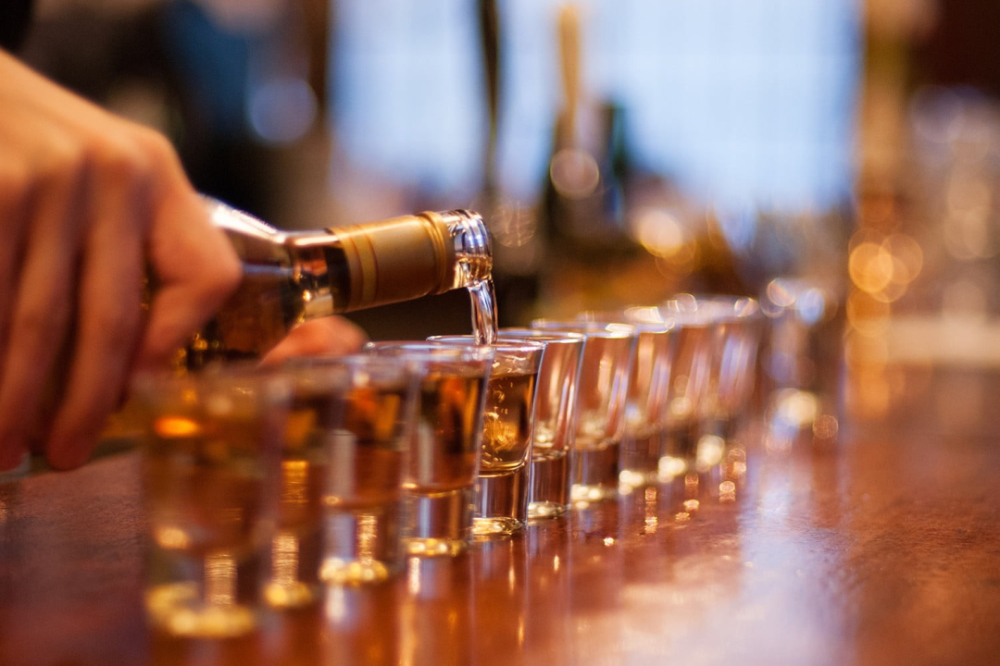
Coffee borrowed the term the same way. When someone says "one shot" in a coffee shop, they mean a single serving of espresso — a small cup of roughly 30 ml of concentrated coffee.
Why Did Espresso Adopt "Shot" as Its Unit?
"Espresso" means "fast" in Italian, and a barista can produce a rich, crema-topped cup in under a minute. Customers paid, received their coffee, and downed it in two or three sips standing at the counter — an efficient caffeine delivery system. Back then, without precision tools like electronic scales, baristas eyeballed everything, splitting the extraction through a portafilter into two 1-ounce shot glasses and using the glass volume to judge when the extraction was done. And since the espresso of that era had a thick, intense flavor not unlike liquor, calling it a "shot" felt only natural.

Of course, a method like that comes with plenty of error and poor consistency, so baristas today standardize on liquid weight instead of volume. (Crema's volume and weight are not equal — a shot with thick, fluffy crema actually contains less liquid than one with thin crema.)

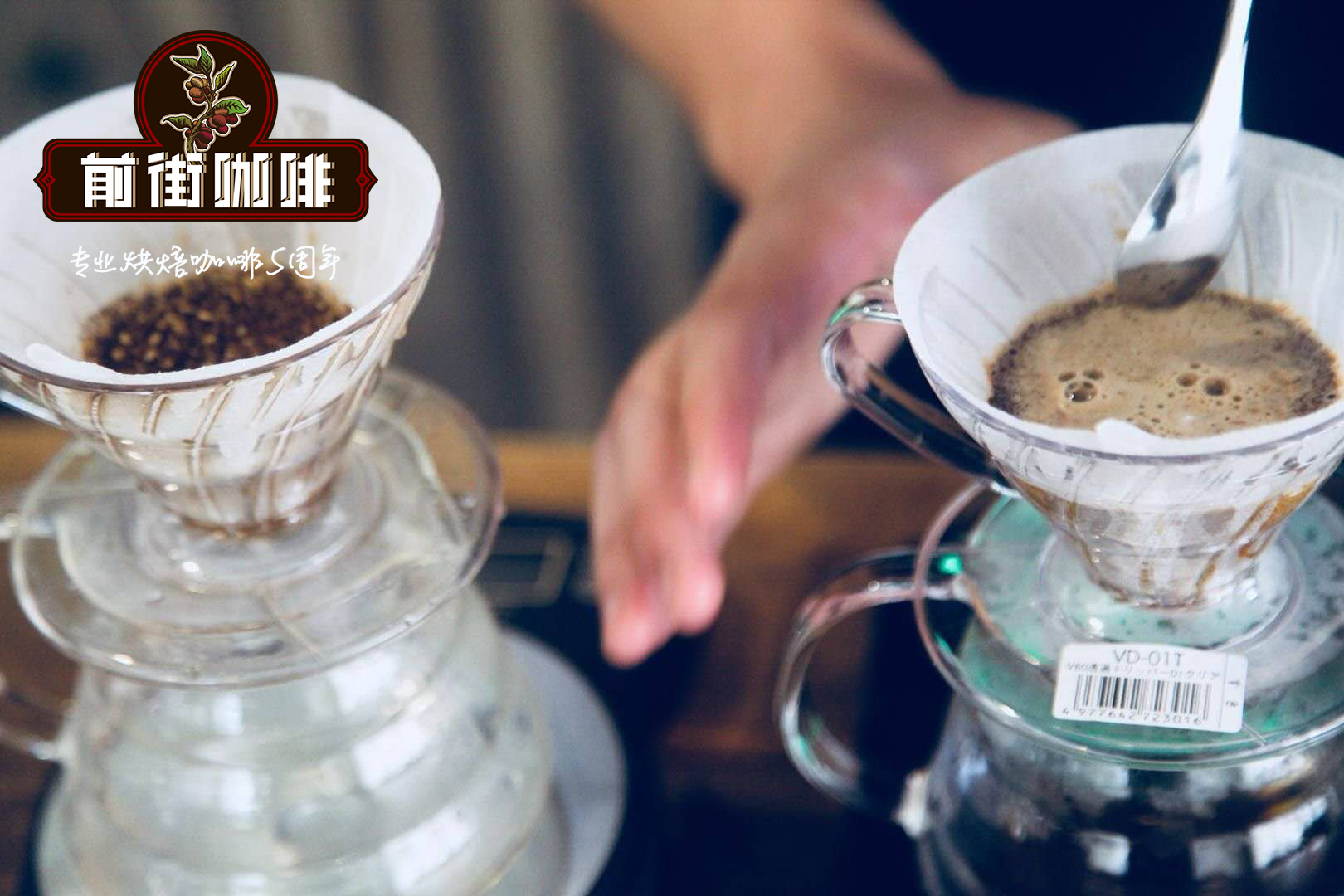
For crema lovers, FrontStreet Coffee recommends the FrontStreet Classic Blend and FrontStreet Commercial Blend, two dark-roast espresso beans. If you prefer fruity acidity or gentler aromatics, the medium-roast-leaning FrontStreet Strawberry Candy and FrontStreet Huakui SOE are better picks. FrontStreet Coffee extracted all four with identical parameters (20 g of grounds, 28-30 seconds to yield 40 g of liquid): the weights came out the same, yet the dark roasts visually filled "double" the volume of the medium roasts, thanks to their towering crema.

How Much Is One Shot of Espresso?
For a long time, pulling shots followed the barista standards of the day, which crystallized into a fixed formula: a single shot used a single basket, extracting 30 ml of espresso from 7 g of grounds. The Double Shot formula used a double basket: 14 g of grounds producing 60 ml of espresso.

Later, as pressure-equipped espresso machines improved and the industry switched to weighing, the measure of extraction moved from liquid volume to actual espresso weight, making precise control possible. And as bean quality and roasting technology kept improving, the accepted recipe ranges narrowed. With double baskets, where a single espresso once meant 14 g of grounds extracting 60 ml of liquid, a single espresso today typically uses 18 g of grounds to extract 36 g (about 50 ml).
So How Much Coffee Is in One Shot Now?
Order "a shot, please" at two different coffee shops and you might get a tiny cup holding barely twenty milliliters in one, and forty to fifty milliliters at the other. Why such a gap?
Today, most shops default to double baskets for their drinks, and each barista develops a bespoke extraction ratio for their own beans — a specific dose yielding the best possible flavor. Because blending philosophy and extraction ratios differ shop to shop, the resulting espresso can range anywhere from ten to dozens of grams.
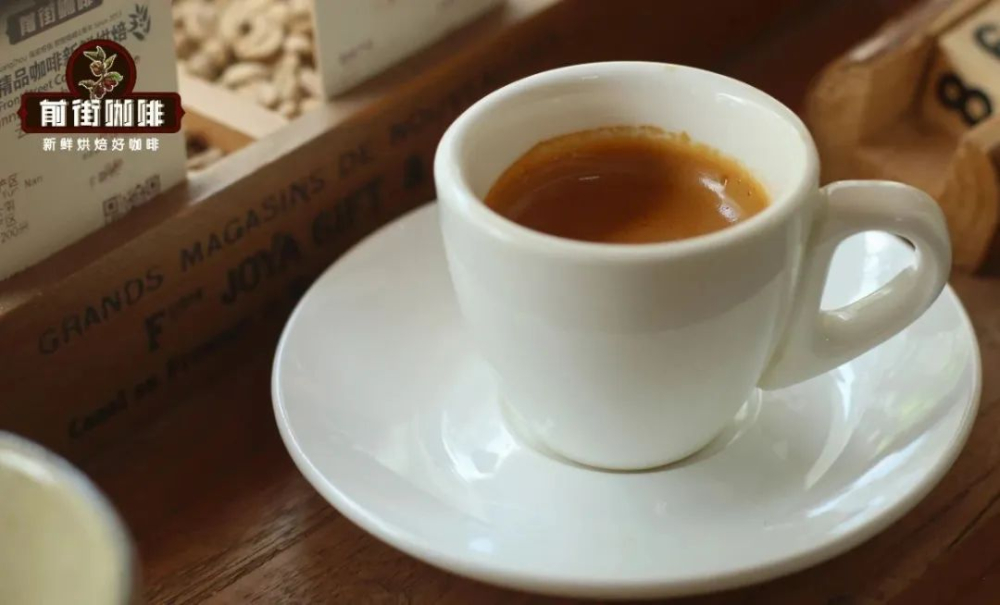
At FrontStreet Coffee, for example, a 20-gram basket is loaded with 19.8 g of grounds and extracts 38 g of espresso in 29 seconds — so a "double shot" here is 38 g. If a customer wants just a single, the barista runs the extraction through a split spout into two cups and serves one: a single shot of about 19 g.
FrontStreet Coffee Recommendation
Looking for an espresso bean to dial in your own shot? The FrontStreet Classic Blend, built on the traditional Mamba recipe and designed specifically for espresso machines and moka pots, is the top pick: even a beginner on a basic home machine can pull thick, velvety crema, and its mellow, rounded body suits lattes, cappuccinos, and Dirty drinks alike.
If you'd rather chase origin character, the natural Huakui SOE from Guji Hambela, Ethiopia — grown at 2,300 meters and medium roasted — brings creamy strawberry to the cup, turning into cream, cocoa, berry, light florals, and black tea as an Americano or latte. Prefer sweetness over acidity? The Costa Rica Blackberry SOE, a honey-processed lot, shows cranberry cookie, raisin, and nutty flavors when paired with milk.
Important Notice :
FrontStreet Coffee is a long-established specialty coffee roaster in Guangzhou China, selling freshly roasted beans from its own farm in Yunnan as well as dozens of carefully selected single-origin beans from around the world for both pour-over and espresso. The products deliver consistently excellent quality and great value, with shipping within 24 hours. Guangzhou's FrontStreet Coffee shop is recommended by many coffee lovers, and the beans are now available online at the Tmall 。
FrontStreet Coffee has moved to a new address:
FrontStreet Coffee Address: 315,Donghua East Road,GuangZhou
Tel:020 38364473
 Scan and follow the En Gafei WeChat official account. Please indicate that the reprint comes from "En Gafei".