Which Has Better Flavor: Cold Drip vs Cold Brew Coffee? Differences in Grind Size, Coffee-to-Water Ratio, and Taste

For more premium coffee knowledge, follow the WeChat official account: FrontStreet Coffee.
What Are Cold Brew Coffee Extraction Methods?
As the classic representatives of low-temperature extraction, nothing compares to cold drip coffee and cold brew coffee. Unlike an iced Americano or an iced pour-over, which start with hot water and then cool the brew down with ice, cold drip and cold brew use low-temperature water throughout the entire extraction, which makes the process considerably longer. Since many people want to make these two at home, FrontStreet Coffee believes the first step to making them taste good is understanding how they work.
What is Low-Temperature Extraction Coffee?
Thermal movement in hot water accelerates the release of heavy molecules, the bitter compounds, from coffee, while cold water does the opposite. When you extract coffee with cold or ice water, or in a low-temperature environment, bitterness is less likely to be released, and the other quality flavor molecules are also released more slowly, so more time is needed to make up for the low efficiency.

Because of this, low-temperature extraction coffee typically needs 6-12 hours, which allows the pleasant compounds to dissolve into the water more fully and gives a richer, more aromatic profile.
Grind Size for Cold Drip and Cold Brew Coffee
FrontStreet Coffee typically uses light to medium roast beans for low-temperature extraction, ground to medium coarseness, similar to sugar granules, or a 75% pass-through rate on China's #20 standard sieve.
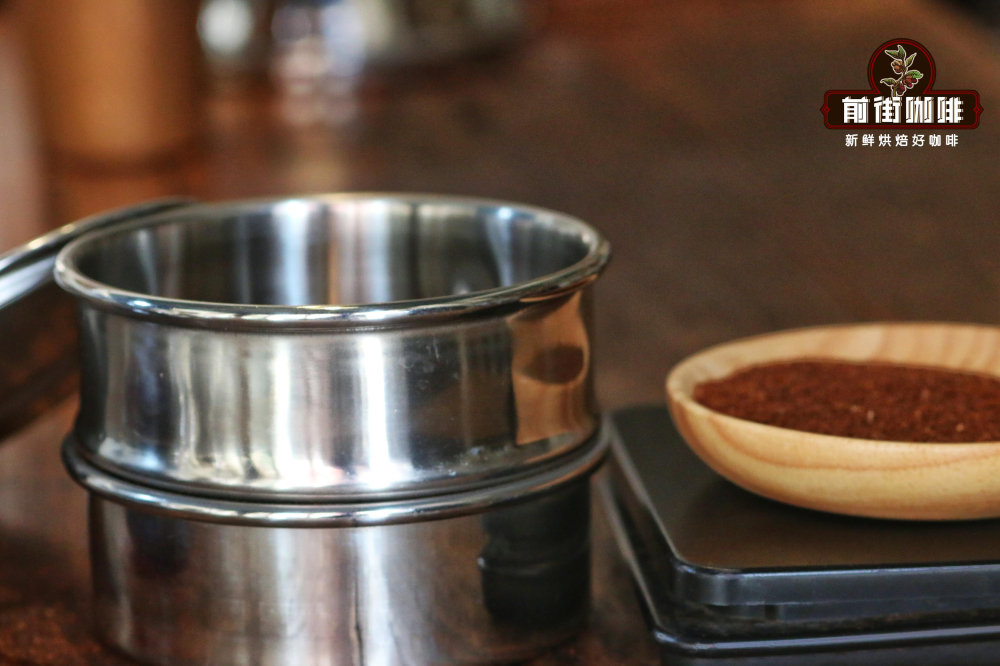
If the grind is too fine, the water dripping from the upper chamber of the cold drip tower cannot pass evenly and completely through the whole coffee bed; in cold brew, the grounds can clump when water is added. Both lead to uneven extraction and unbalanced flavors.
Differences Between Cold Drip and Cold Brew Coffee
Cold drip coffee is a drip-filtration method. It uses an ice-water mixture below 5°C, letting the ice melt and drip through a valve that controls the speed at which the ice water falls onto the coffee grounds. The ice water slowly extracts the flavors as it passes through, dripping out the extraction liquid bit by bit. The complete process takes about 2-8 hours.
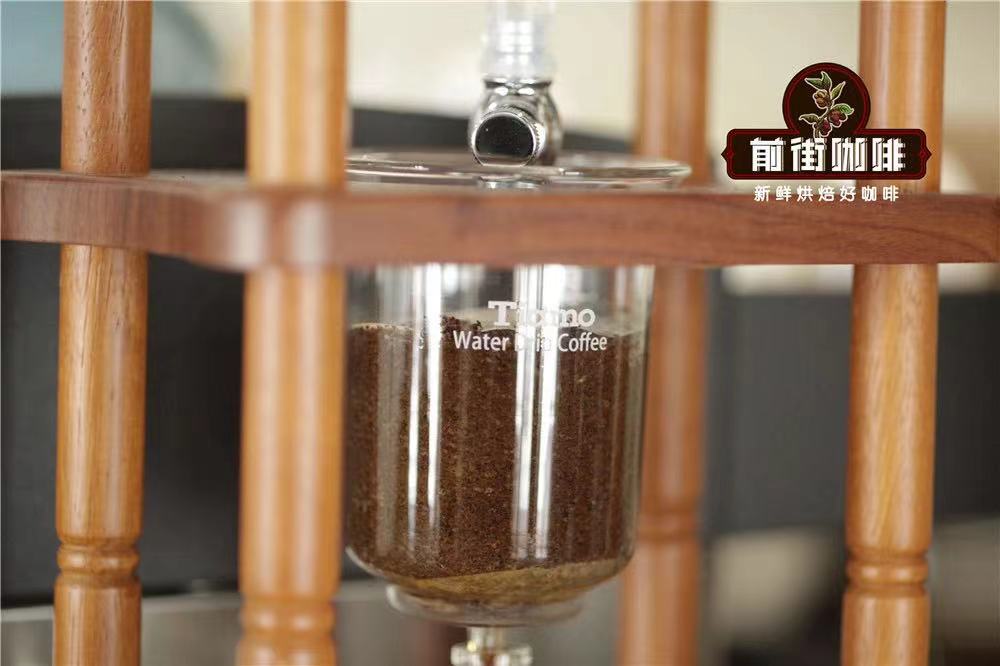
For better flavor, it then needs 12-48 hours of cold fermentation. Each extraction uses a relatively low ratio; FrontStreet Coffee uses a 1:10 coffee-to-liquid ratio for extraction, meaning 60g of coffee grounds to extract 600ml of coffee liquid. Without dilution by ice, the concentration is extremely high. If the liquid is too strong, add ice cubes to taste to dilute it. The taste is excellent.
Cold brew coffee is an immersion method. It mixes room-temperature or ice water directly with the coffee grounds, then seals the container and places it in the refrigerator for an extraction of 8-12 hours. Unlike cold drip, cold brew extracts very thoroughly because the grounds and water are in direct contact. After extraction and filtration, it can be drunk straight away.
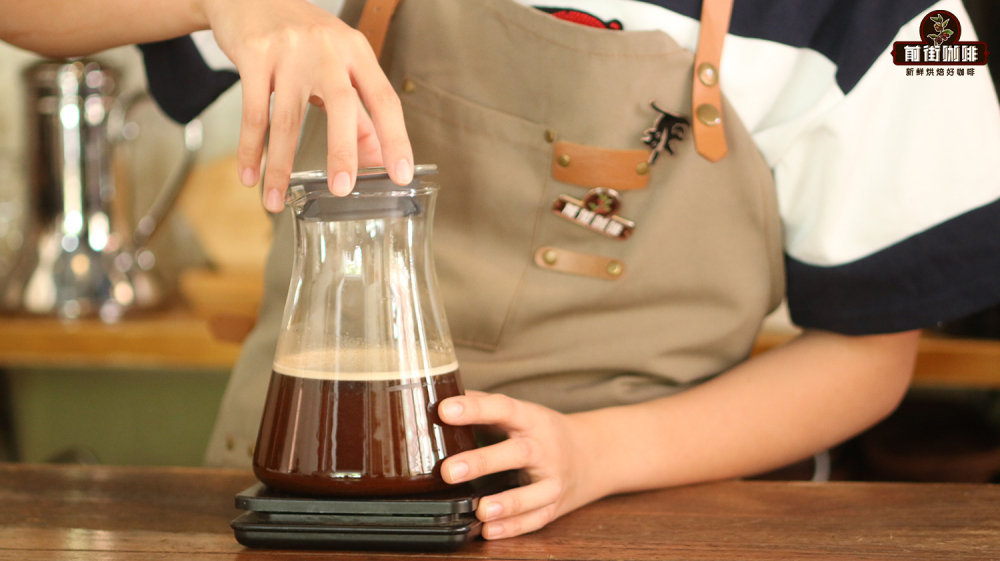
FrontStreet Coffee typically uses a 1:10 to 1:12 coffee-to-water ratio for cold brew. If you use a stronger ratio, such as 30g of coffee grounds with 300g of cold or ice water, the final concentration will be quite strong and thick for most people. Start by adding 2-4 ice cubes to the cup, which keeps the coffee cold while bringing the concentration down. This gives you both flavor and a proper strength.

If you prefer a lighter coffee, adjust the grounds-to-water ratio to 1:12 or 1:13. Keeping the grind and steeping time the same, the extracted taste becomes noticeably lighter and suits most people's preferences.
Flavor Differences Between Cold Drip and Cold Brew Using the Same Coffee Beans
For this comparison, FrontStreet Coffee used its own freshly roasted beans. Only freshly roasted coffee has enough rich aroma and flavor, which is why every coffee bean FrontStreet Coffee sells ships within 5 days of roasting.
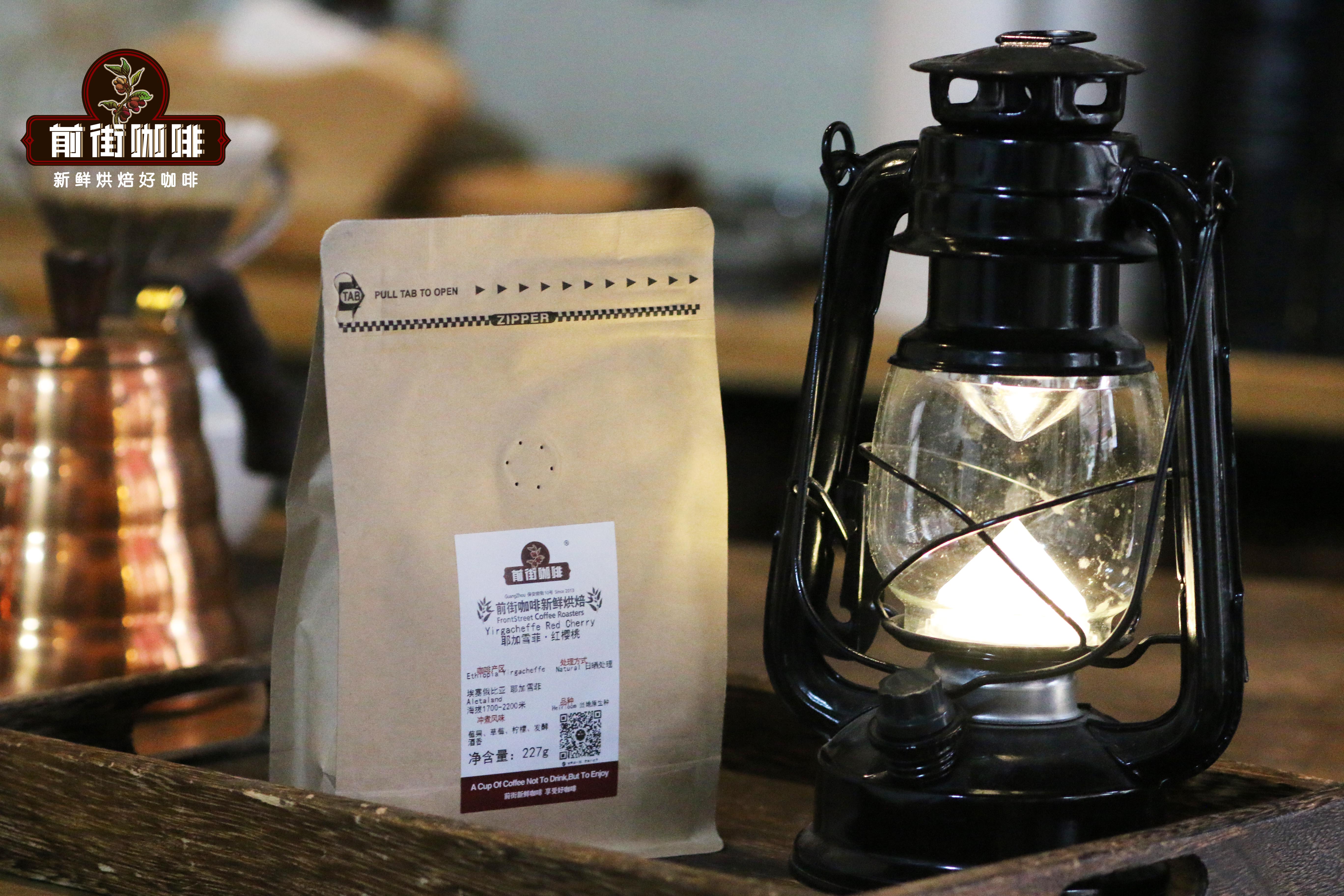
For the comparison, we selected a light-medium roast, FrontStreet Coffee Ethiopia Yirgacheffe Natural Red Cherry Coffee Bean. It is made from 100% fully mature coffee fruit, giving very high natural sweetness. The natural process dries the cherries directly, letting the sugars transform further inside the bean, accompanied by slight fruit fermentation notes.
Made as cold drip through drip filtration, the flavors show citrus-like acidity and a strawberry-like sweet-and-sour character with black tea notes, giving a refreshing, clean, and transparent taste. As storage time increases, the fruit-wine-like fermentation notes become more pronounced.
Made as cold brew through immersion extraction, the flavors show citrus-like acidity, mixed-berry juice sweetness and fullness, and a black tea-like aftertaste. The texture is rich, concentrated, and clean.
FrontStreet Coffee Recommendation
Cold brew tends to amplify floral and fruity notes while muting woody and roasty ones, so light to medium roasts are the best starting point. FrontStreet Flower Kui comes from Ethiopia, the birthplace of coffee, and its natural processing lets the beans absorb a great deal of sweetness from the pulp and skin; as cold brew it shows magnolia, creamy strawberry, dried mango, guava, and black tea notes.
If you want a full, juicy cold brew, FrontStreet Kenya Small Tomato is the pick. Its cherry tomato, snow pear, black plum, and smoked plum acidity comes through beautifully at low temperature, with low bitterness, full acidity, and a long finish; it is grown in Thika, Kenya, from the well-selected SL28 and SL34 varieties, and uses the distinctive local K72 double washed method.
FrontStreet Strawberry Candy, a Geisha blend pairing Panamanian Geisha with Costa Rican honey-processed coffee, is another strong choice for cold brew: rose and orange from the Geisha combine with grape, dried blueberry, and strawberry soft-candy sweetness from the Costa Rican component, and if you let it ferment and settle a little, it takes on a wine-like character.
And because cold brew uses more coffee per batch than pour-over, FrontStreet Coffee suggests value-driven daily beans rather than expensive competition lots. Blend them to balance flavor and cost: for example, if you love the passion fruit, grape, apricot, and dried-fruit sweetness of FrontStreet Colombia Sidra but find it costly, mix it with FrontStreet Costa Rica Tarrazu at roughly 1:2 to keep the bright citrus acidity while improving value.
Important Notice :
FrontStreet Coffee is a long-established specialty coffee roaster in Guangzhou China, selling freshly roasted beans from its own farm in Yunnan as well as dozens of carefully selected single-origin beans from around the world for both pour-over and espresso. The products deliver consistently excellent quality and great value, with shipping within 24 hours. Guangzhou's FrontStreet Coffee shop is recommended by many coffee lovers, and the beans are now available online at the Tmall 。
FrontStreet Coffee has moved to a new address:
FrontStreet Coffee Address: 315,Donghua East Road,GuangZhou
Tel:020 38364473
 Scan and follow the En Gafei WeChat official account. Please indicate that the reprint comes from "En Gafei".